The valley of the kings on the West Bank of the Nile has been the home to royal burial since 2100 BCE, but it was the pharaoh‘s of the new kingdom, 1550-1069 BCE, who began to construct elaborate tombs to reflect their newfound power and prosperity after the reunification of Egypt under Theban rule. The valley of the kings is home to 63 magnificent, royal tombs, each unique in their own way.
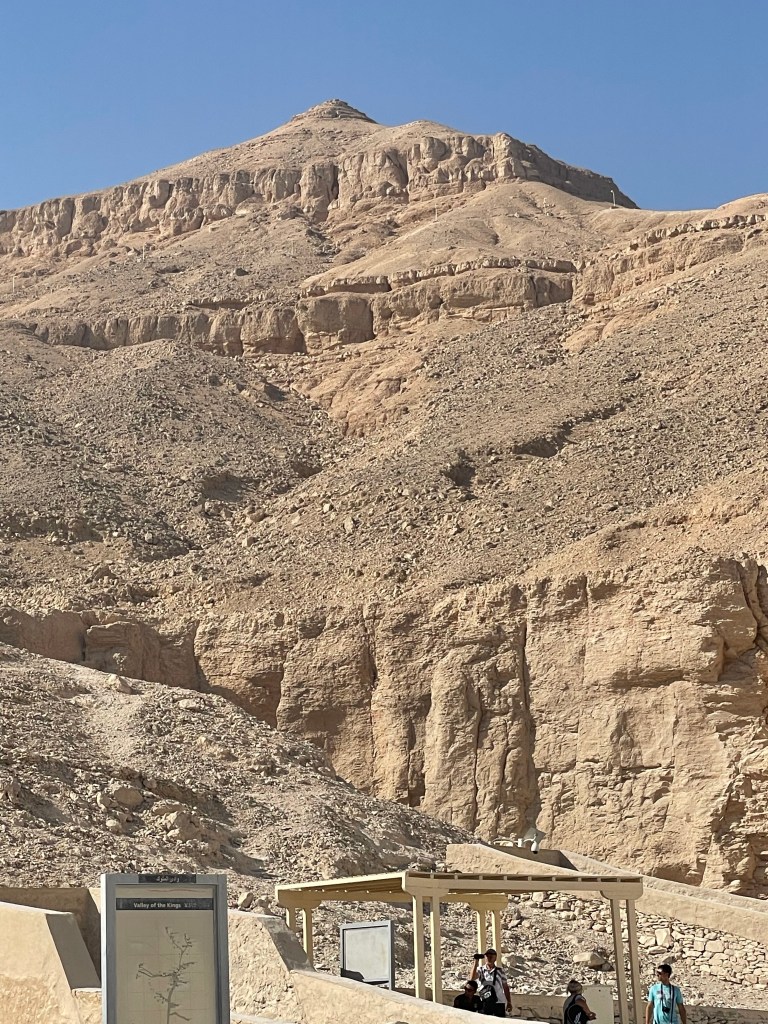
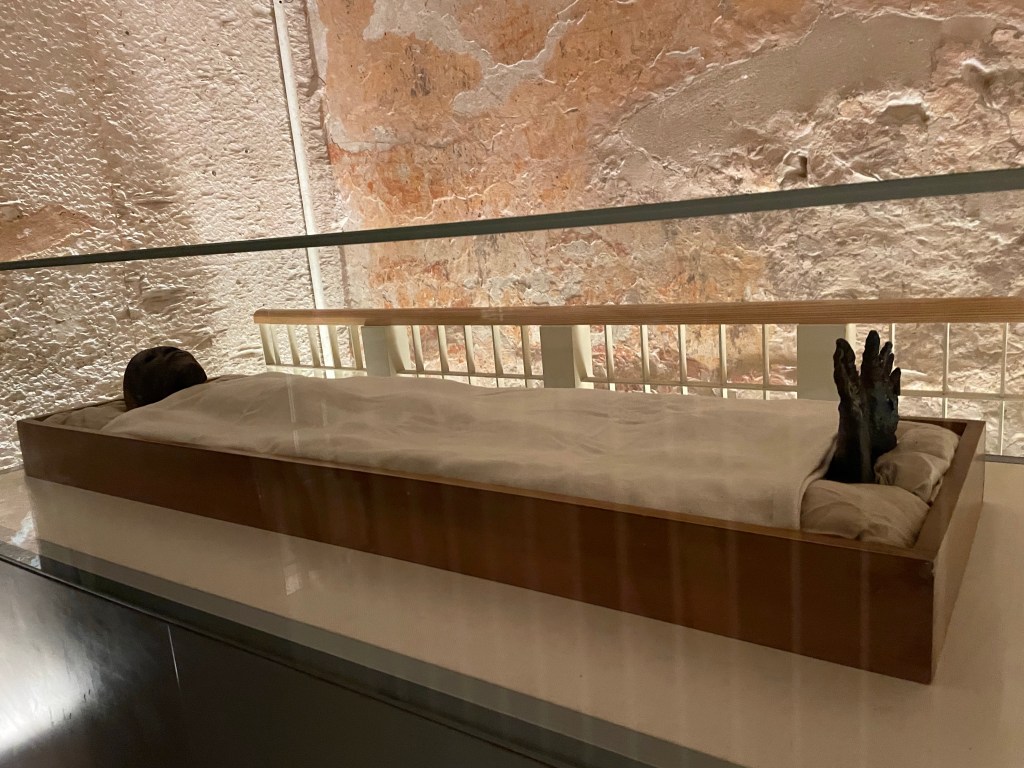
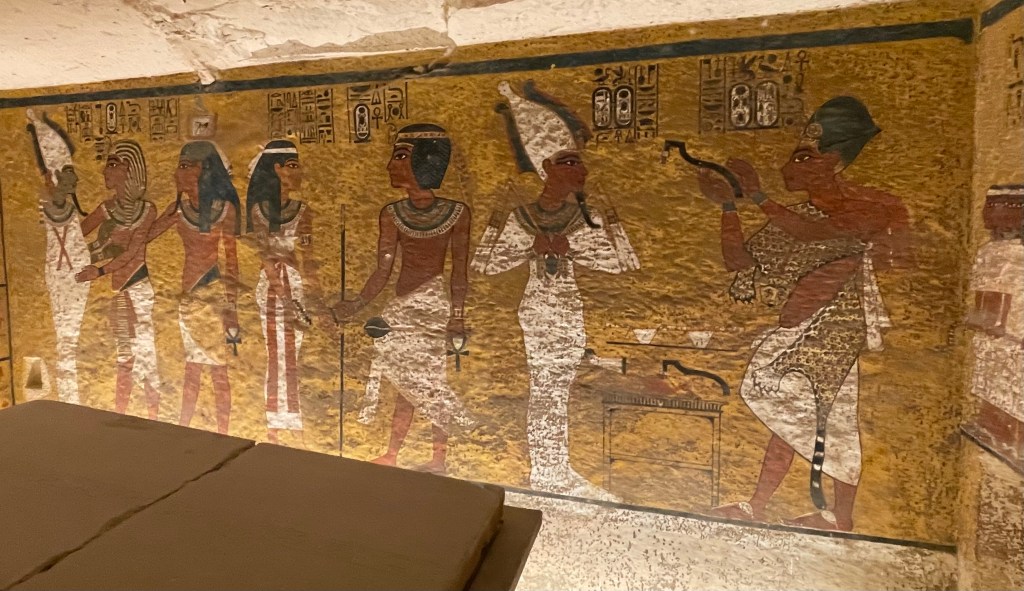
Tomb of Tutankhamen. It took Howard Carter, five years to find the tomb of Tutankhamen, then 10 more years to record and remove its contents. It was discovered in 1922. Tutankhamen was a pharaoh of the 18th dynasty who ruled for ten years and died at age 19. His tomb is smaller and less extensively decorated than other Egyptian royal tombs of its time, and it probably originated as a tomb for a non-royal individual that was adapted for Tutankhamen’s use after his premature death. The tomb’s low position, dug into the floor of the valley, allowed its entrance to be hidden by debris deposited by flooding and tomb construction thus keeping it safe from tomb robbers.
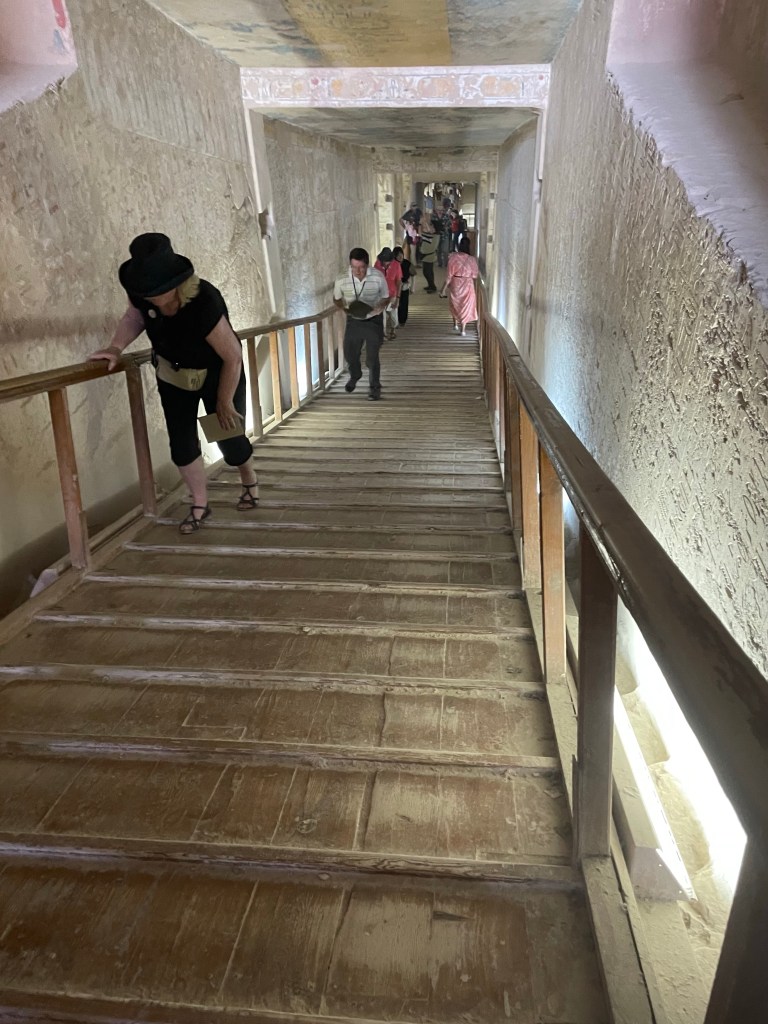
The tomb of Ramses VI. This tomb was originally constructed by Ramses V, but his uncle Ramses VI took it over.
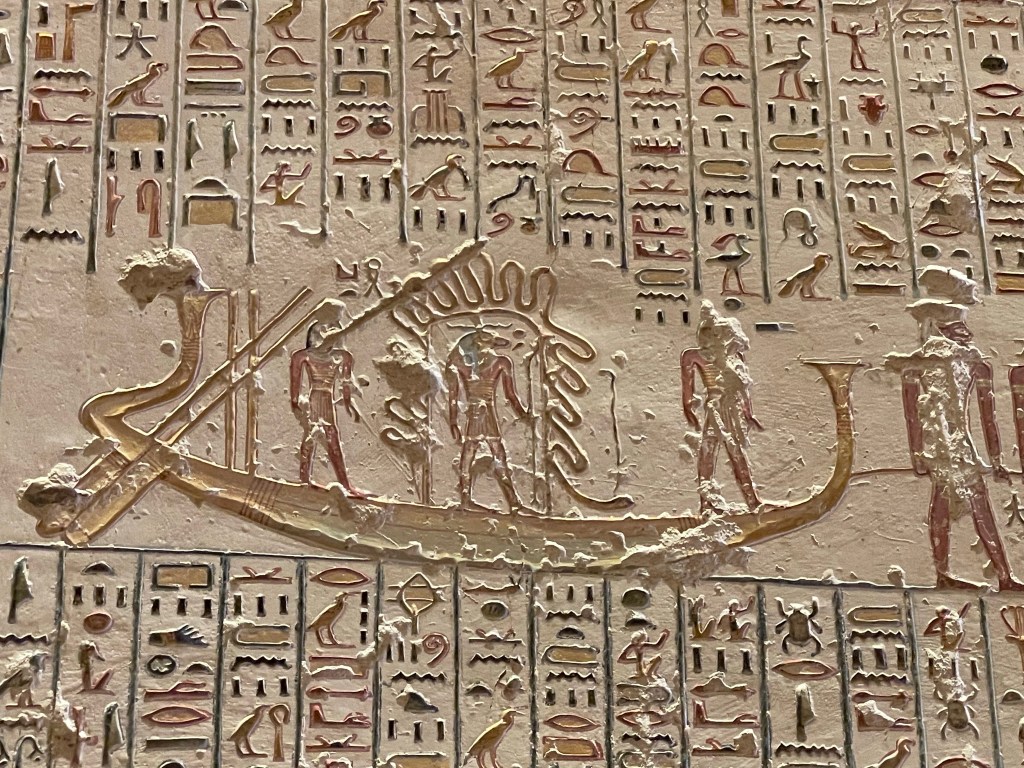
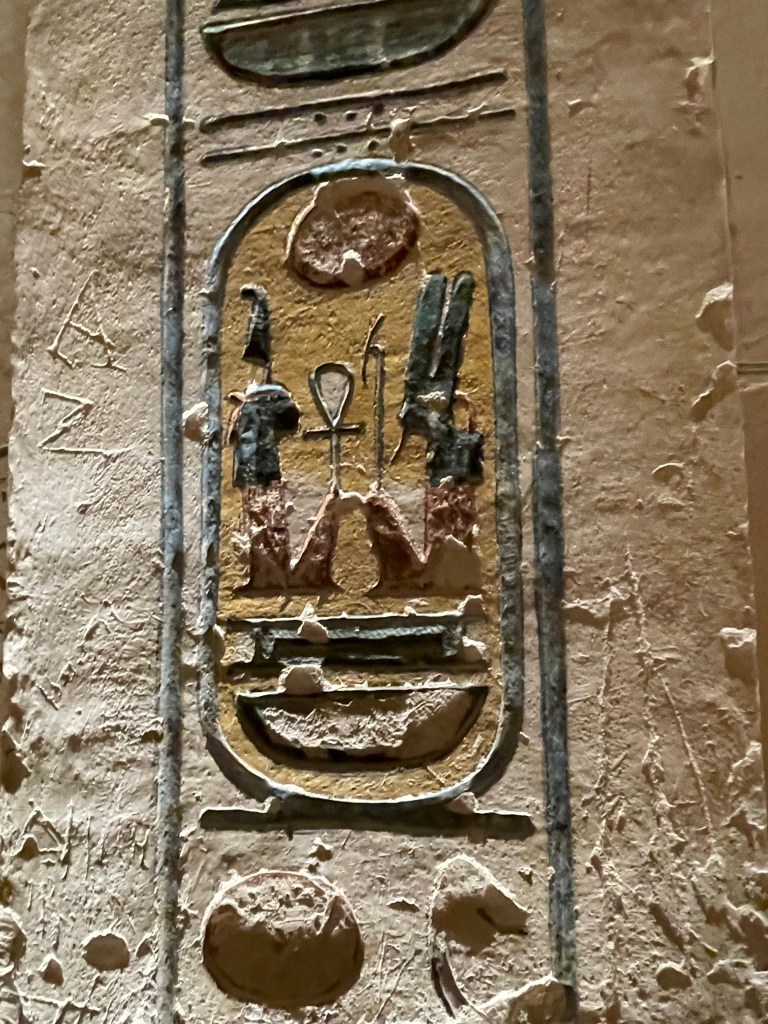
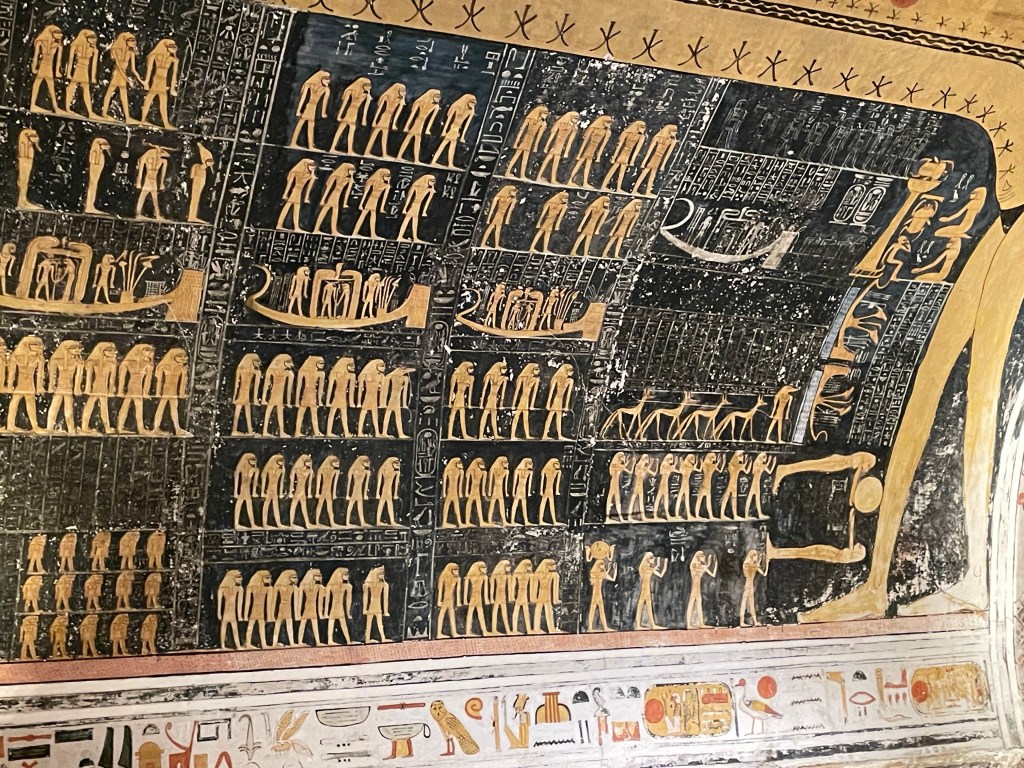
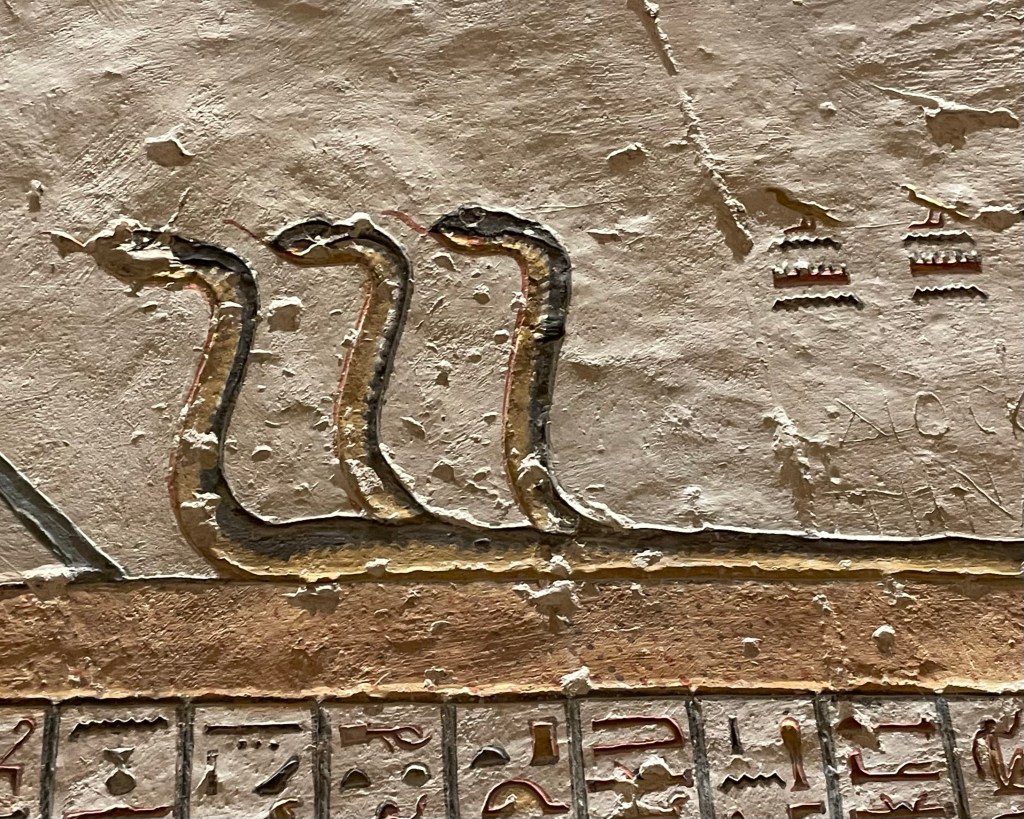
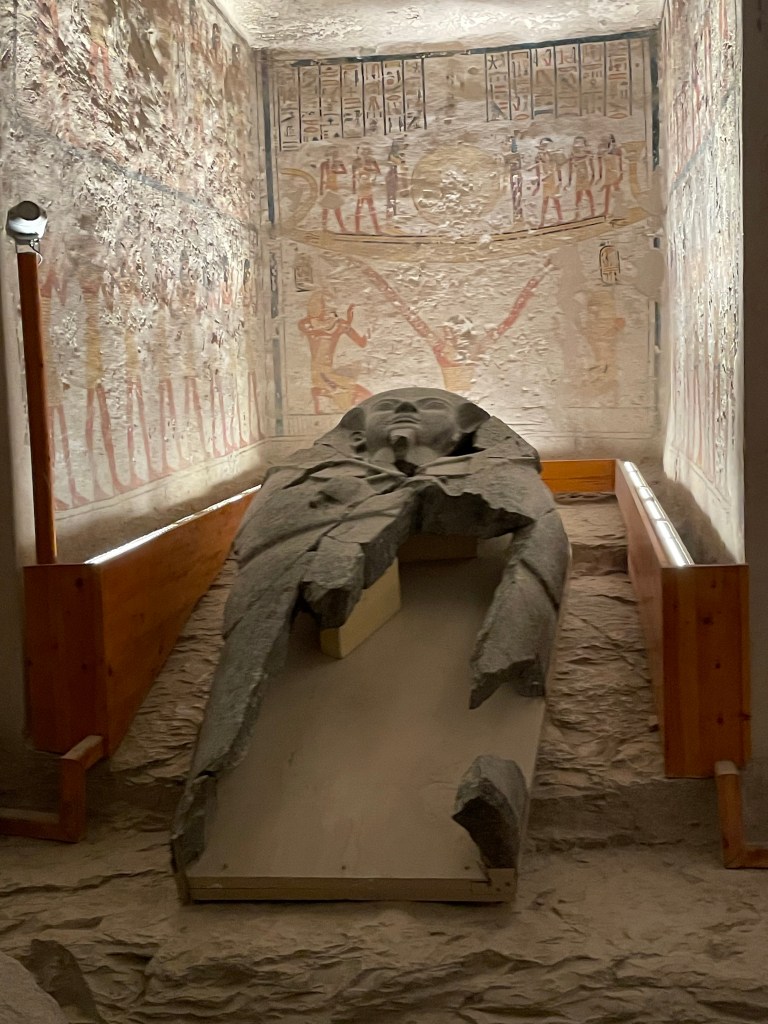
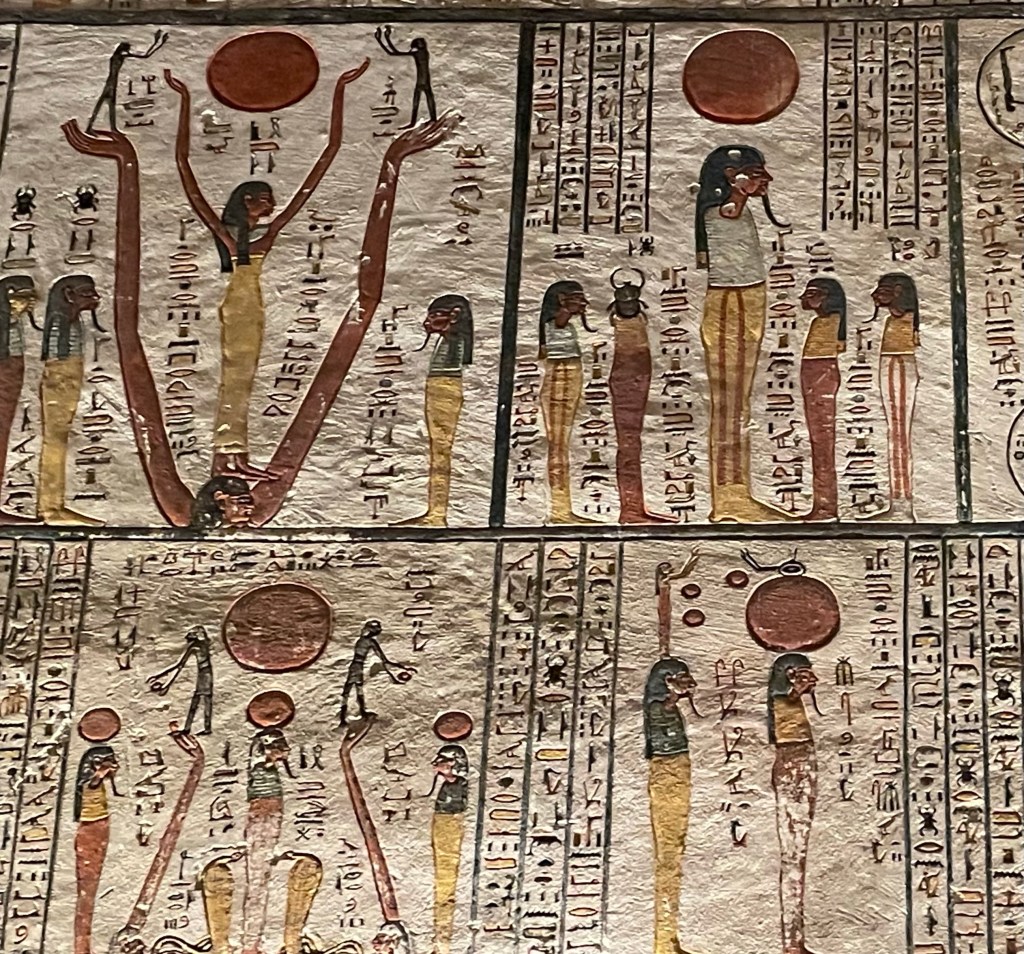
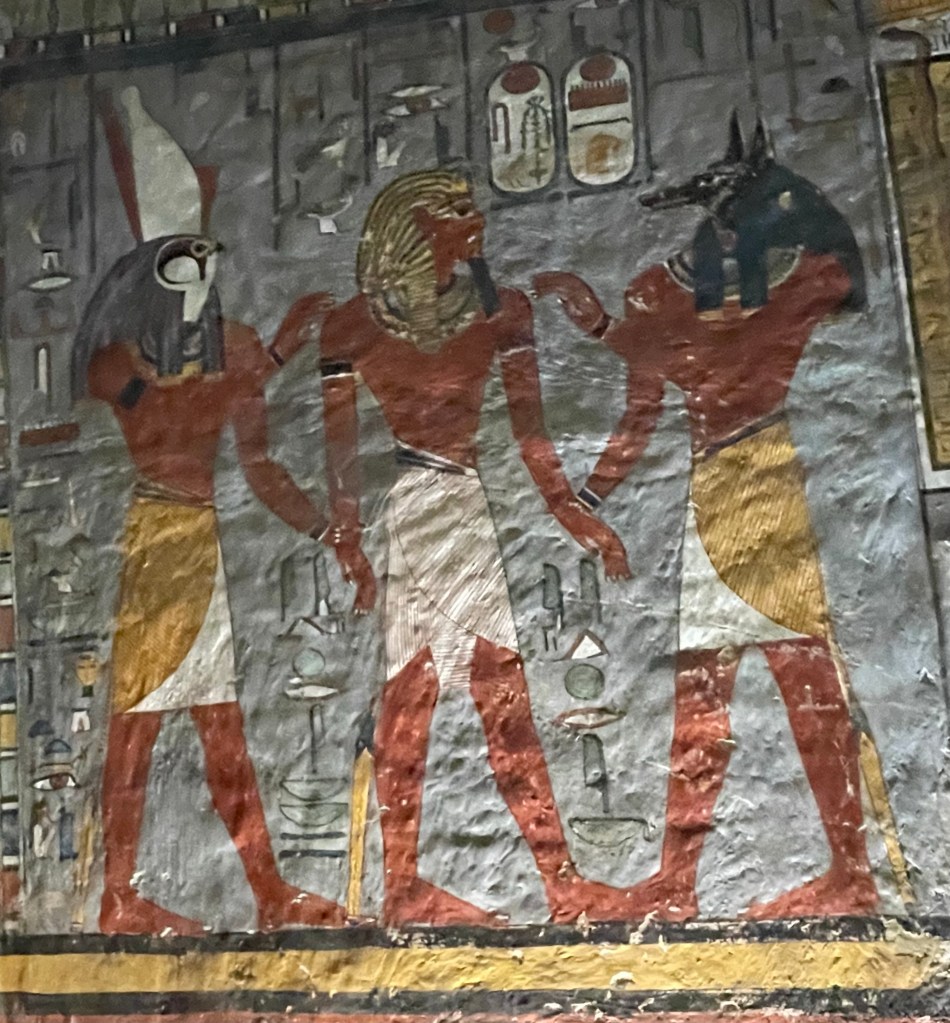
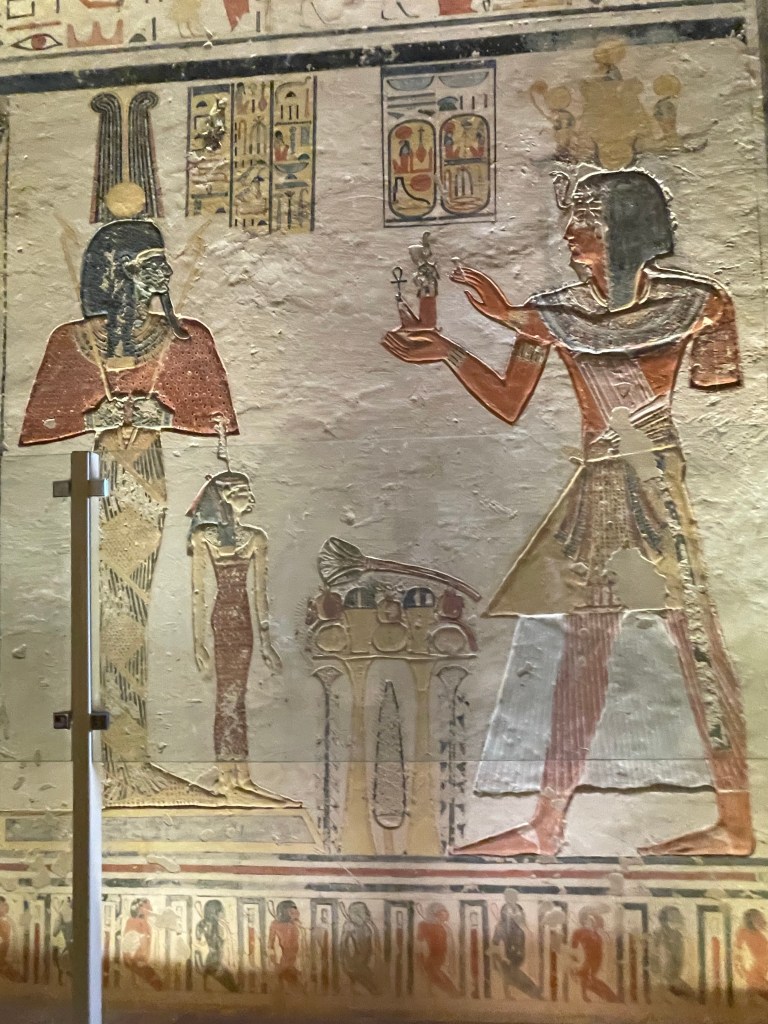
Tomb of Ramses I. The colors in the tomb were remarkable.
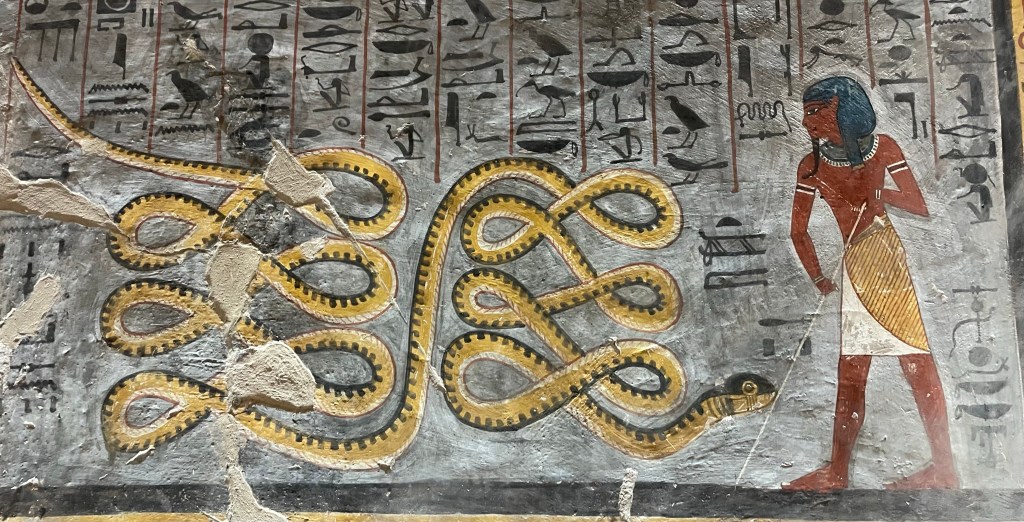
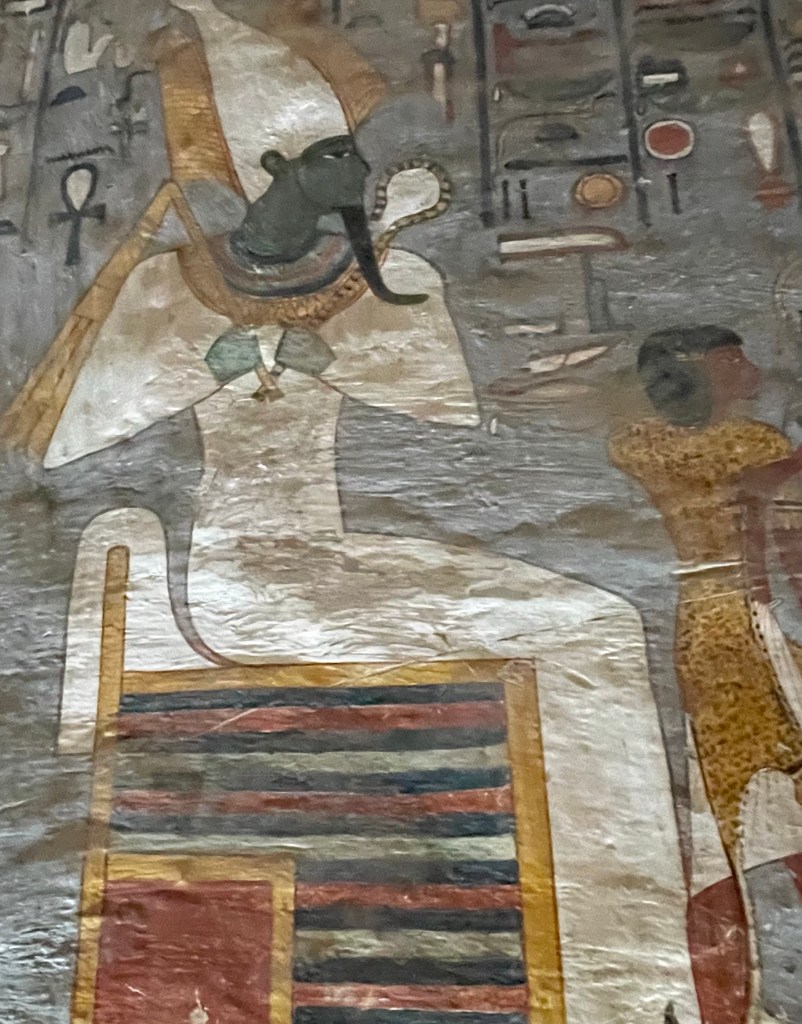

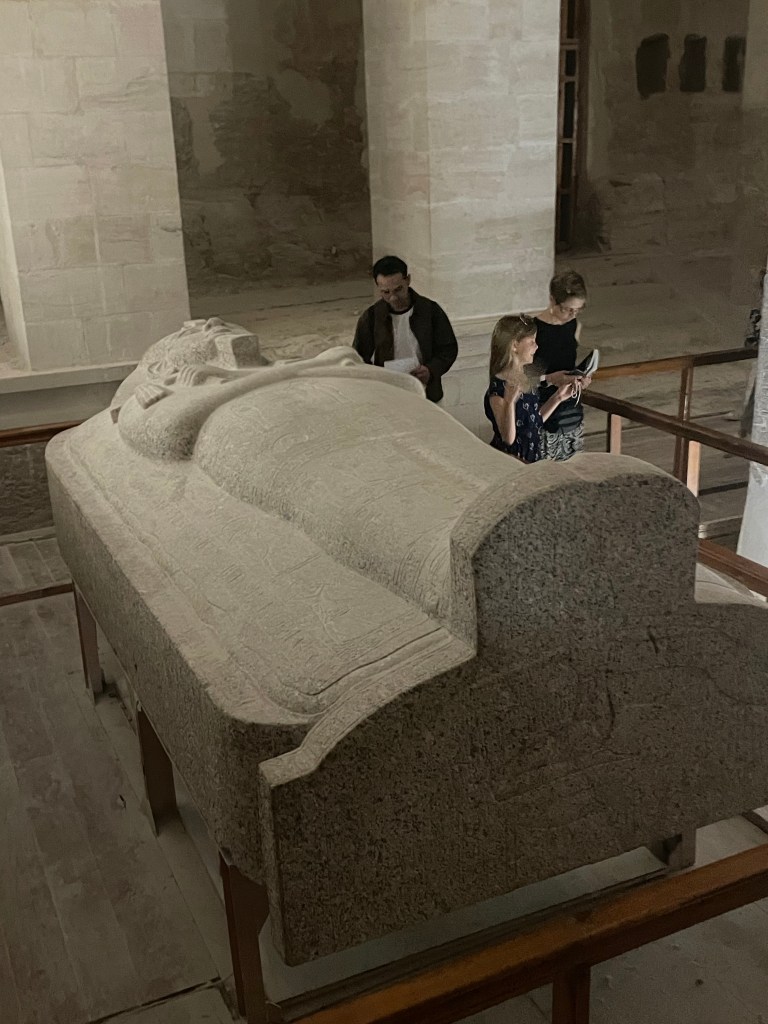
Tomb of Merenptah, 4th pharaoh of the 19th dynasty, reigned 1213-1203 BCE. Merenptah was the 13th son of Ramses II, only coming to power because all of his older brothers had died. By the time he ascended to the throne, he was around 70 years old. He is arguably best known for his victory stele featuring the first known mention of the name Israel.
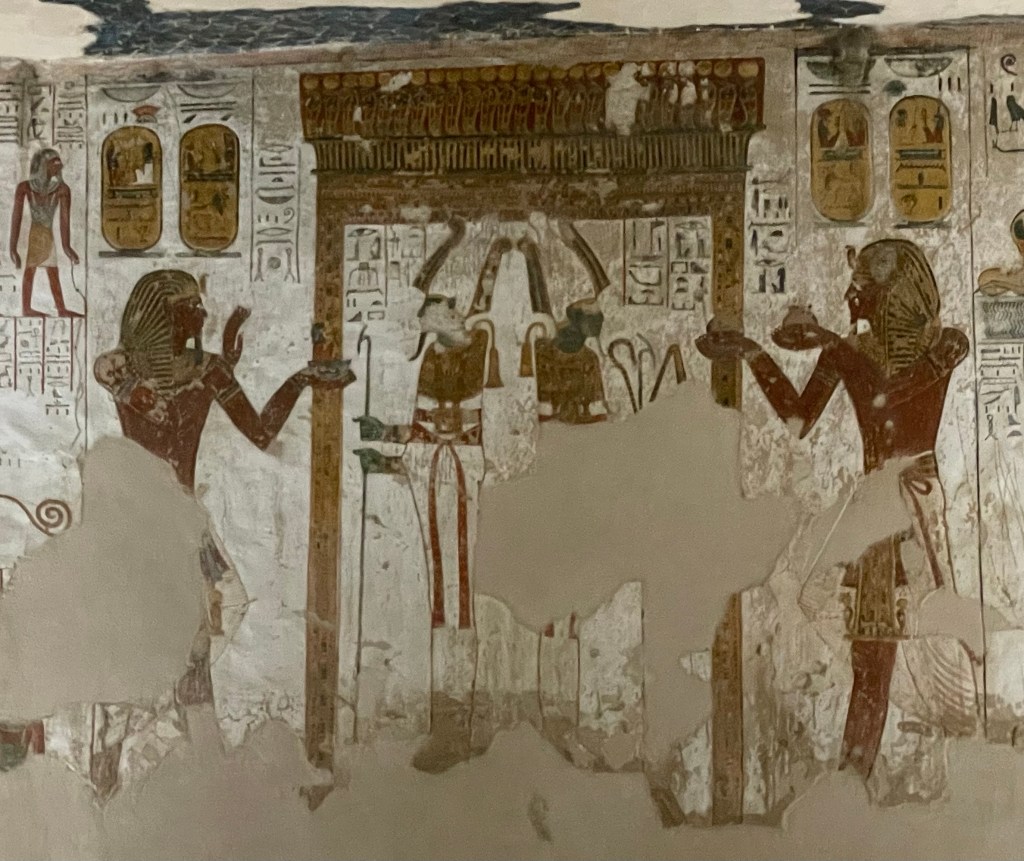
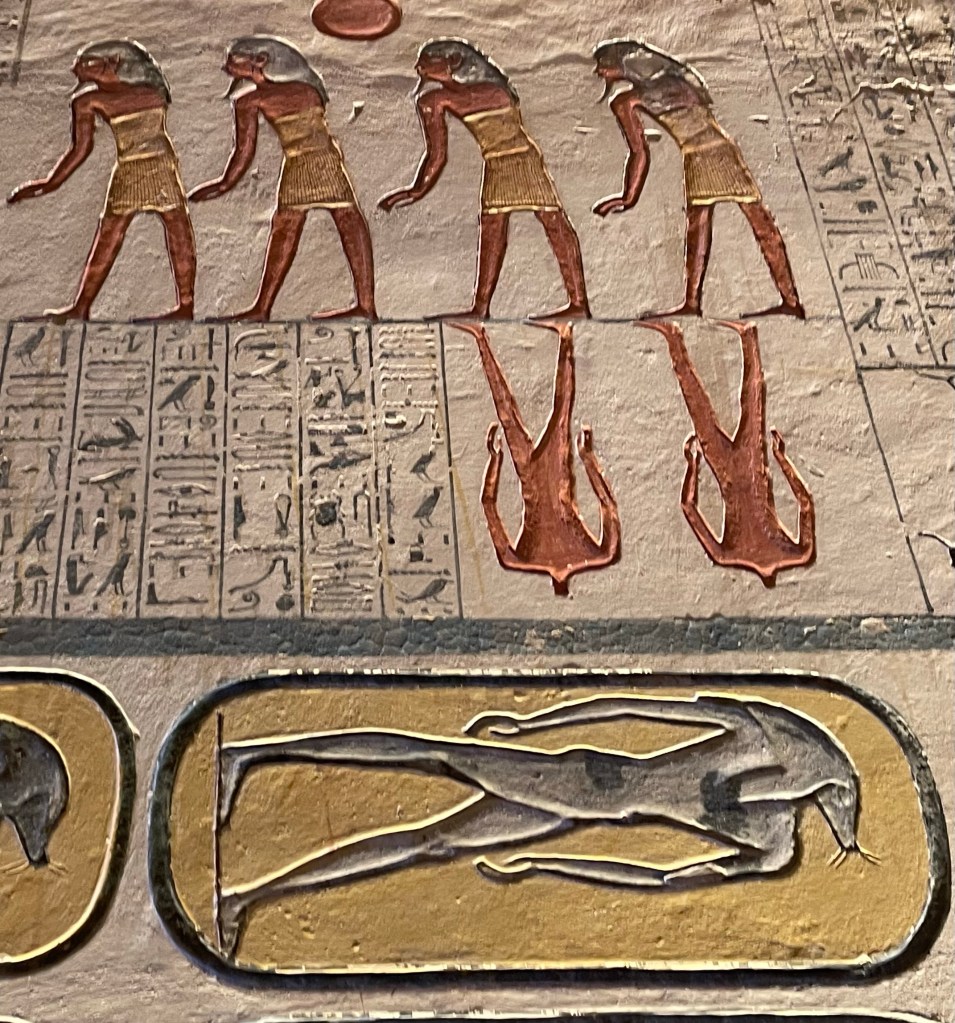
Tomb of Ramses IX who was the eighth pharaoh of the 20th dynasty. He was the third longest serving king of this dynasty, and he died in 1111 BCE.

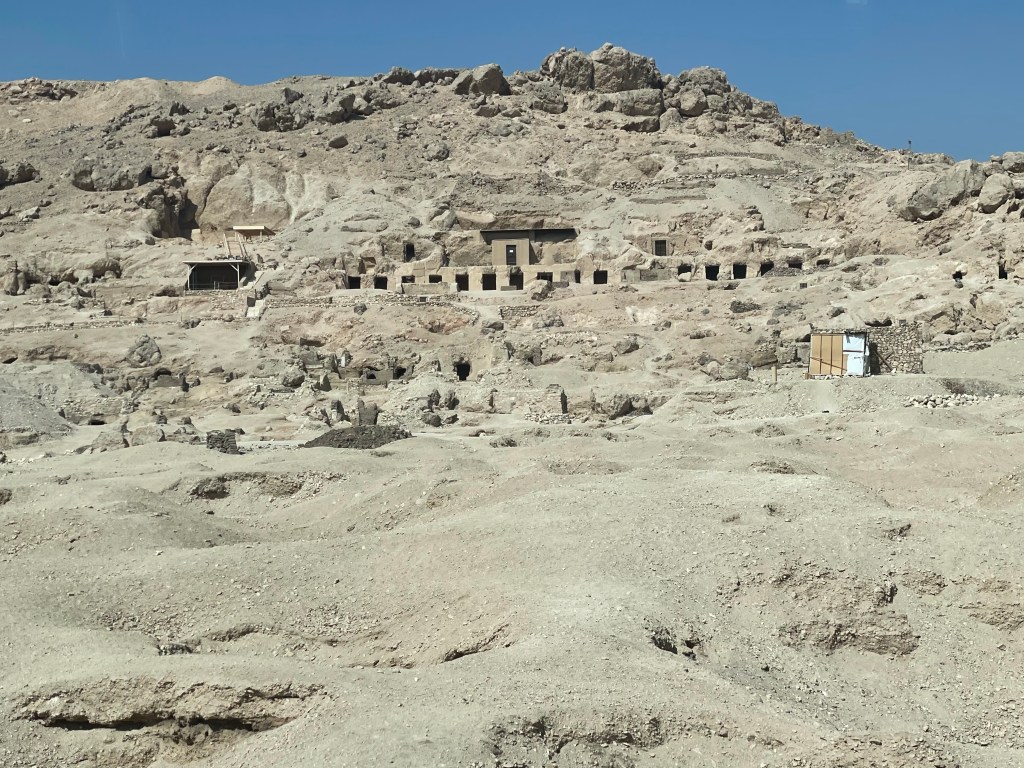
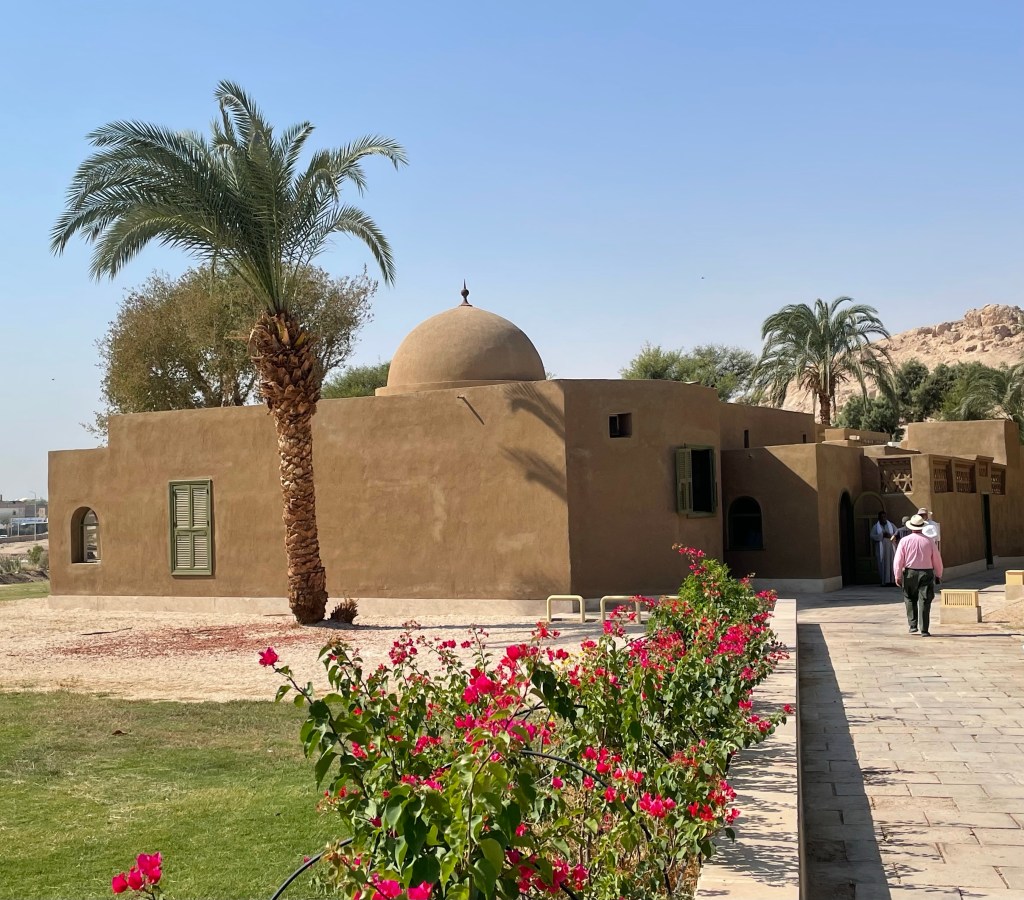
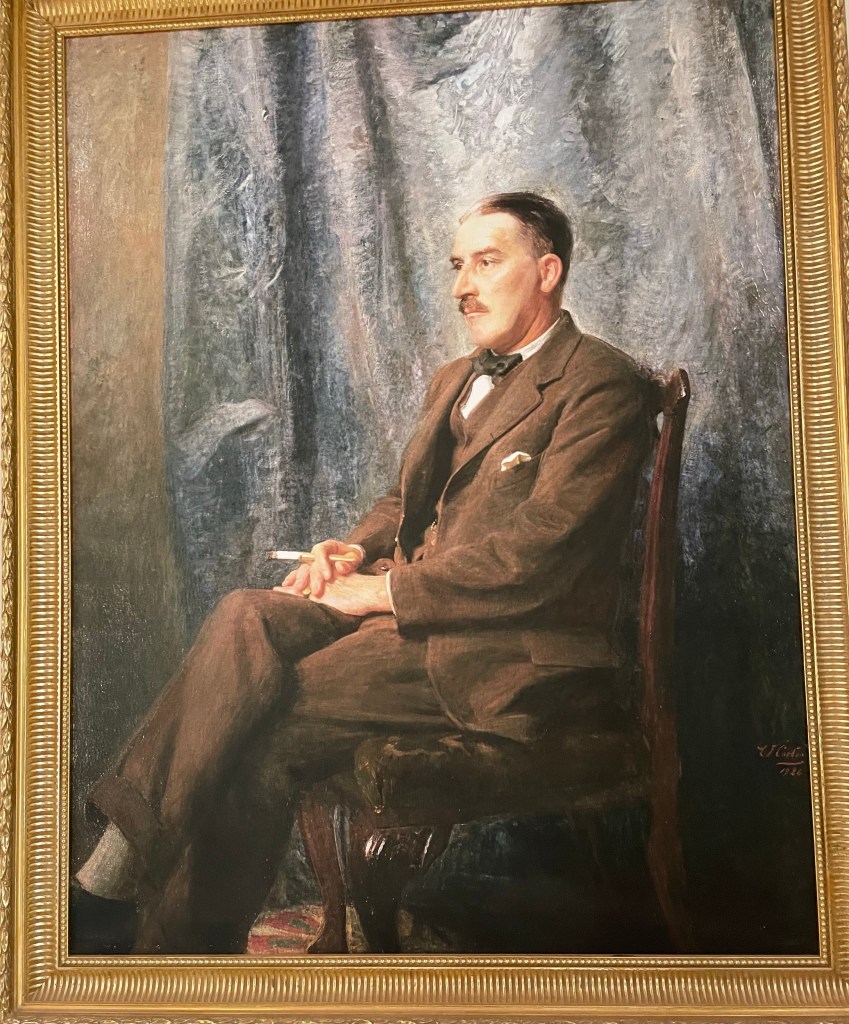
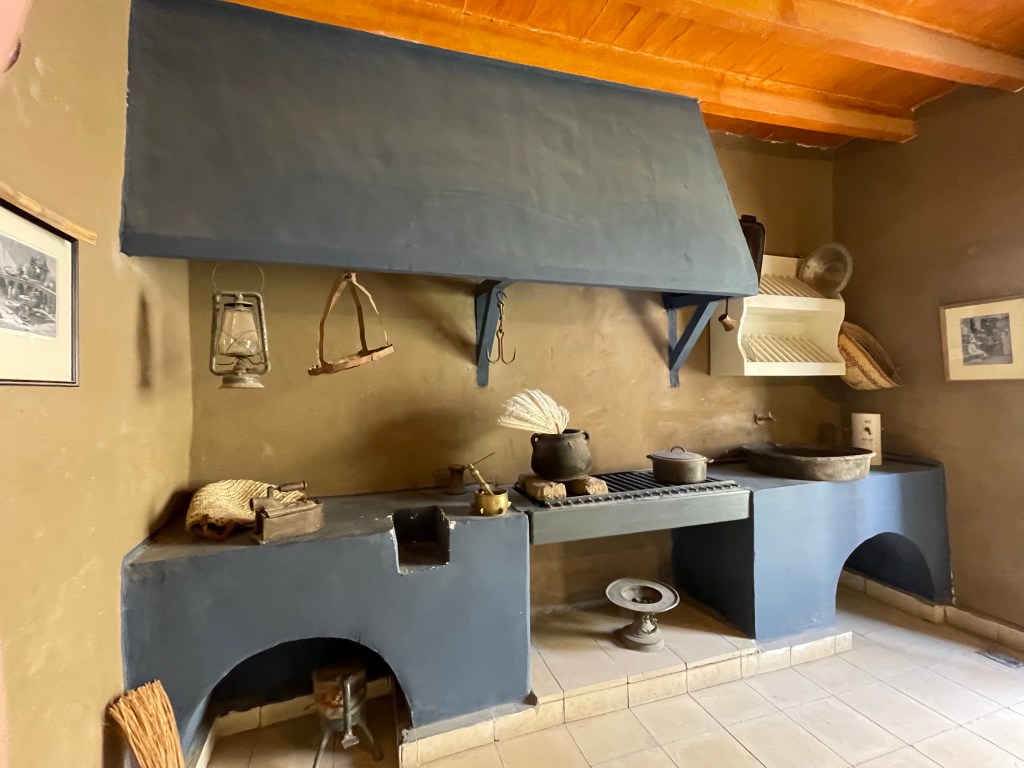
We next visited the home of Howard Carter, renowned Egyptologist, who discovered the tomb of Tutankhamen in 1922 inspiring a century of books and media attention to the land of Egypt. This house, now a museum, is where Carter lived during his research and excavation of the famous tomb, and includes collection of his notes, cataloging all of his finds in the nearby valley of the kings.
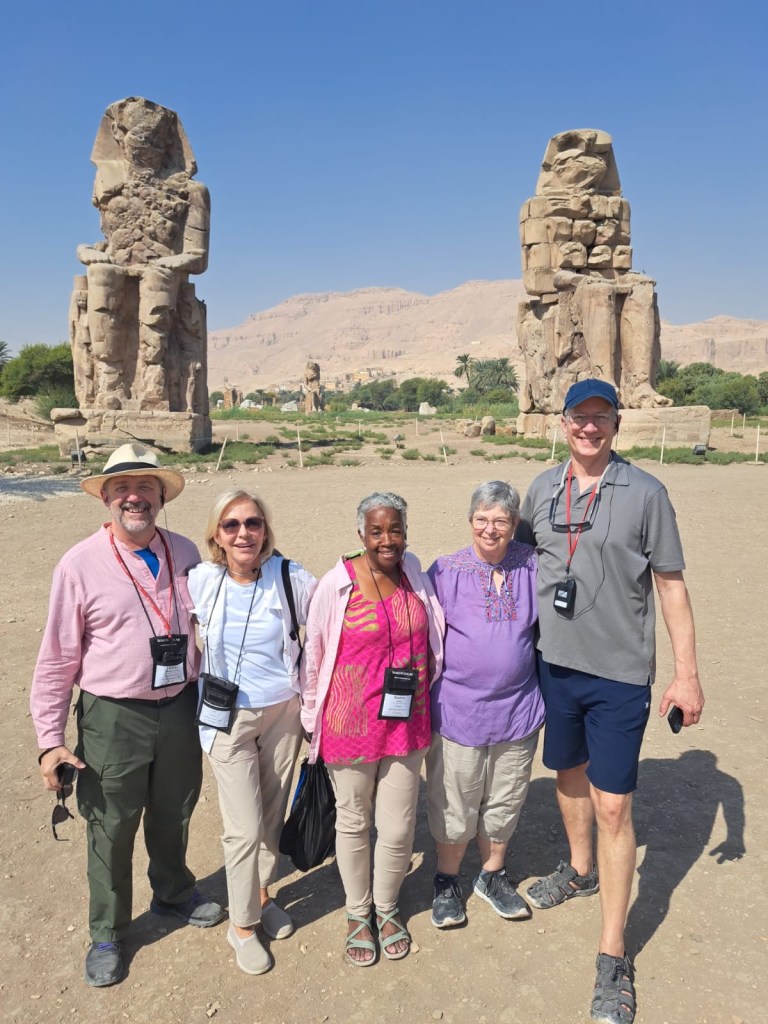
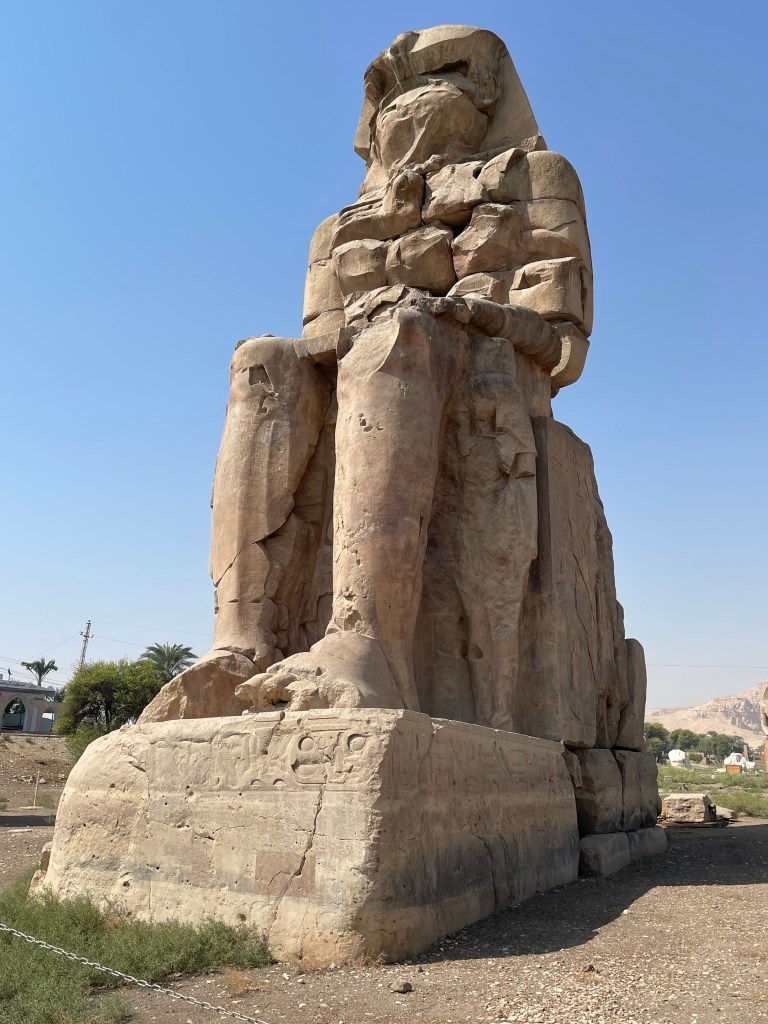
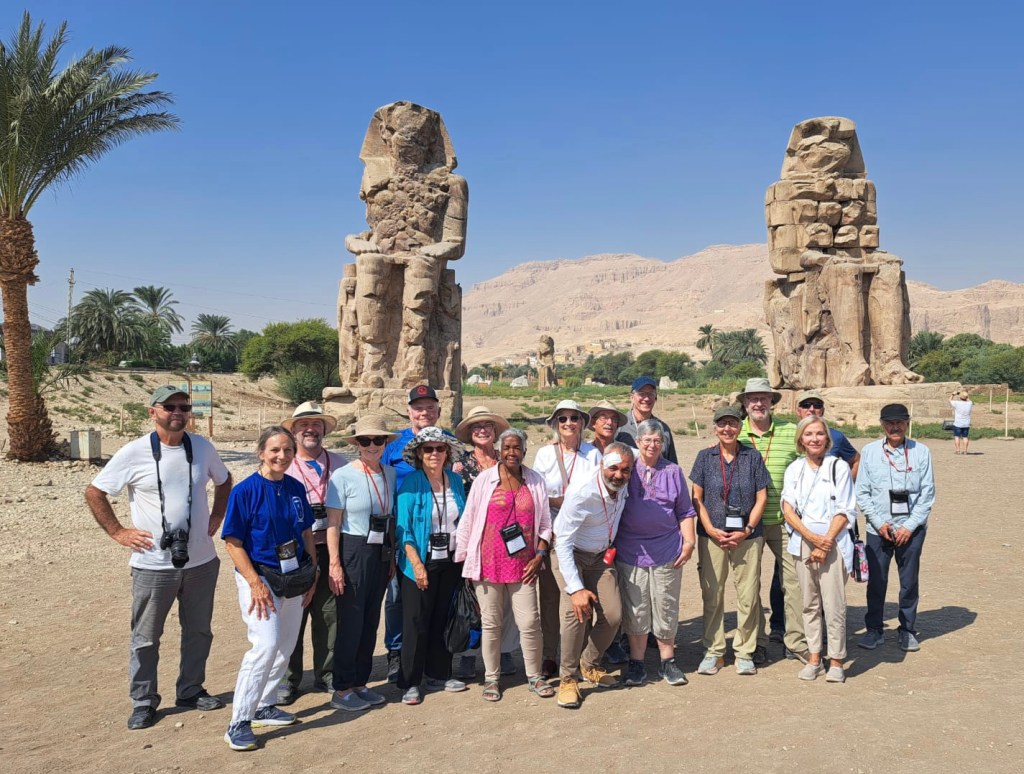
On the way home, we stopped at the famous colossi of Memnon. These massive twin statues depict Pharaoh Amenhotep III and stand in what was once the entrance to the mortuary temple of Amenhotep. Unfortunately, the temple was destroyed by an earthquake shortly after construction in 1200 BCE.
 RobbieLambertsTravels
totally stunning robbie…a very special [and personal] view. thank you so much!
john
>
LikeLike