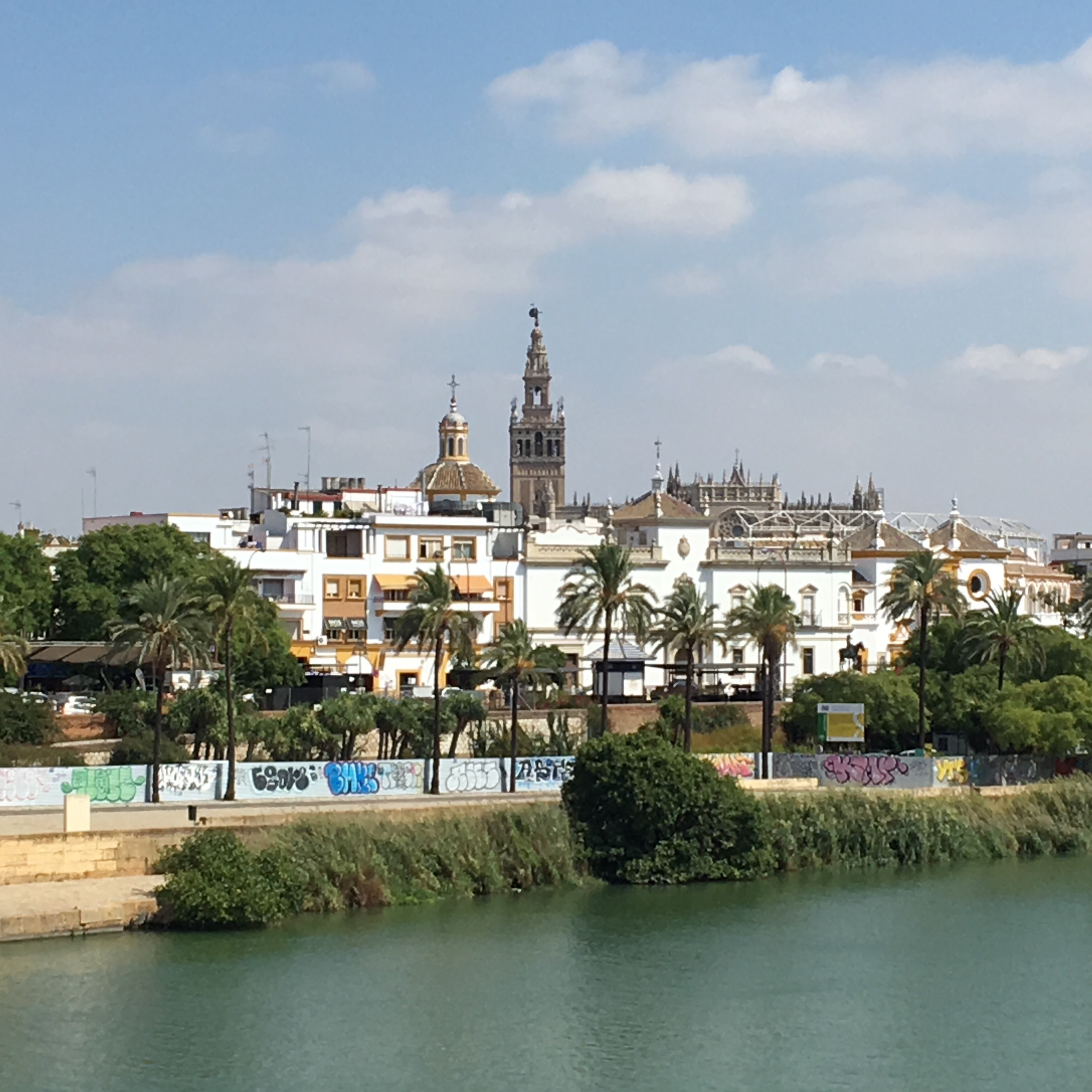
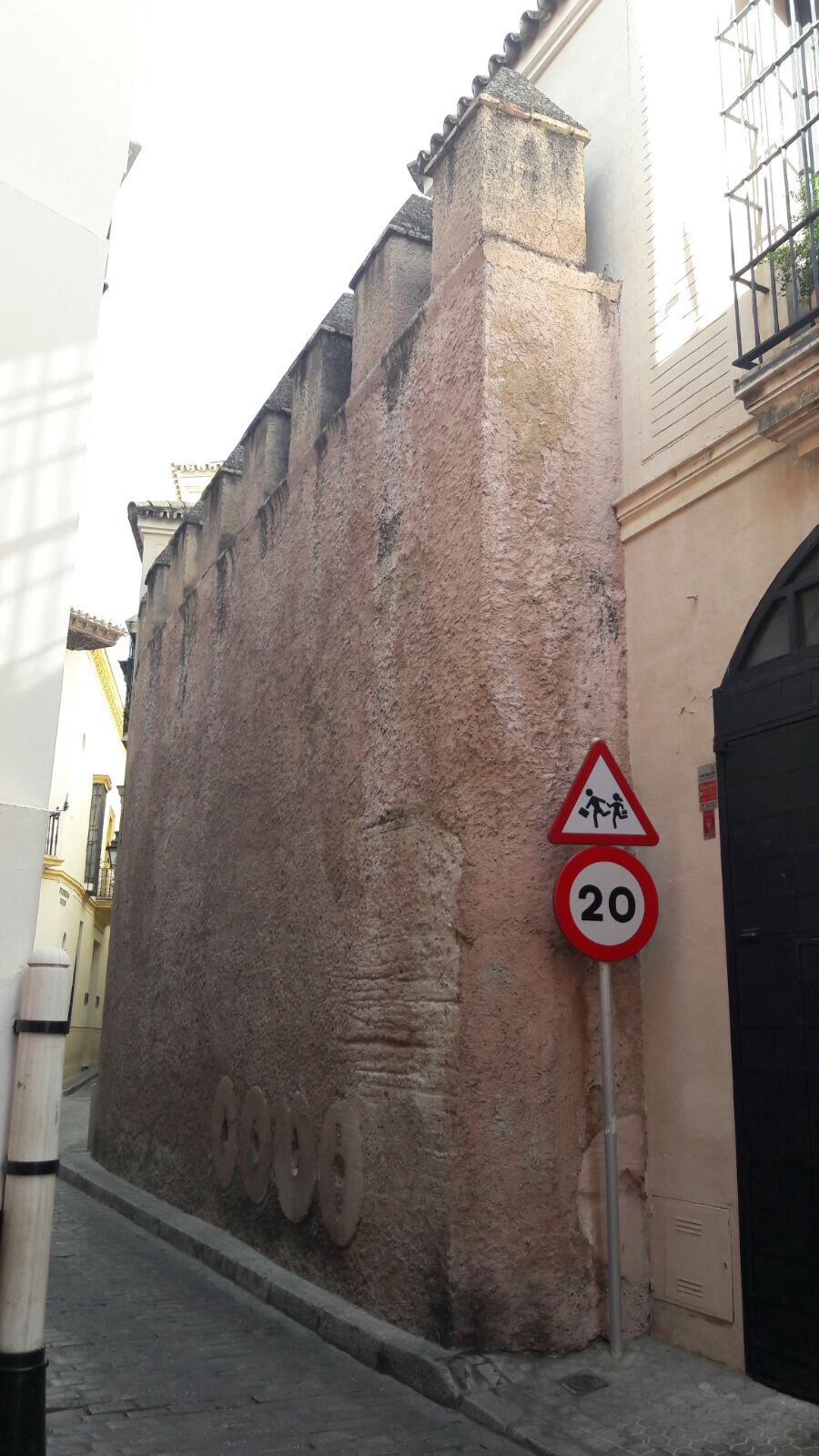
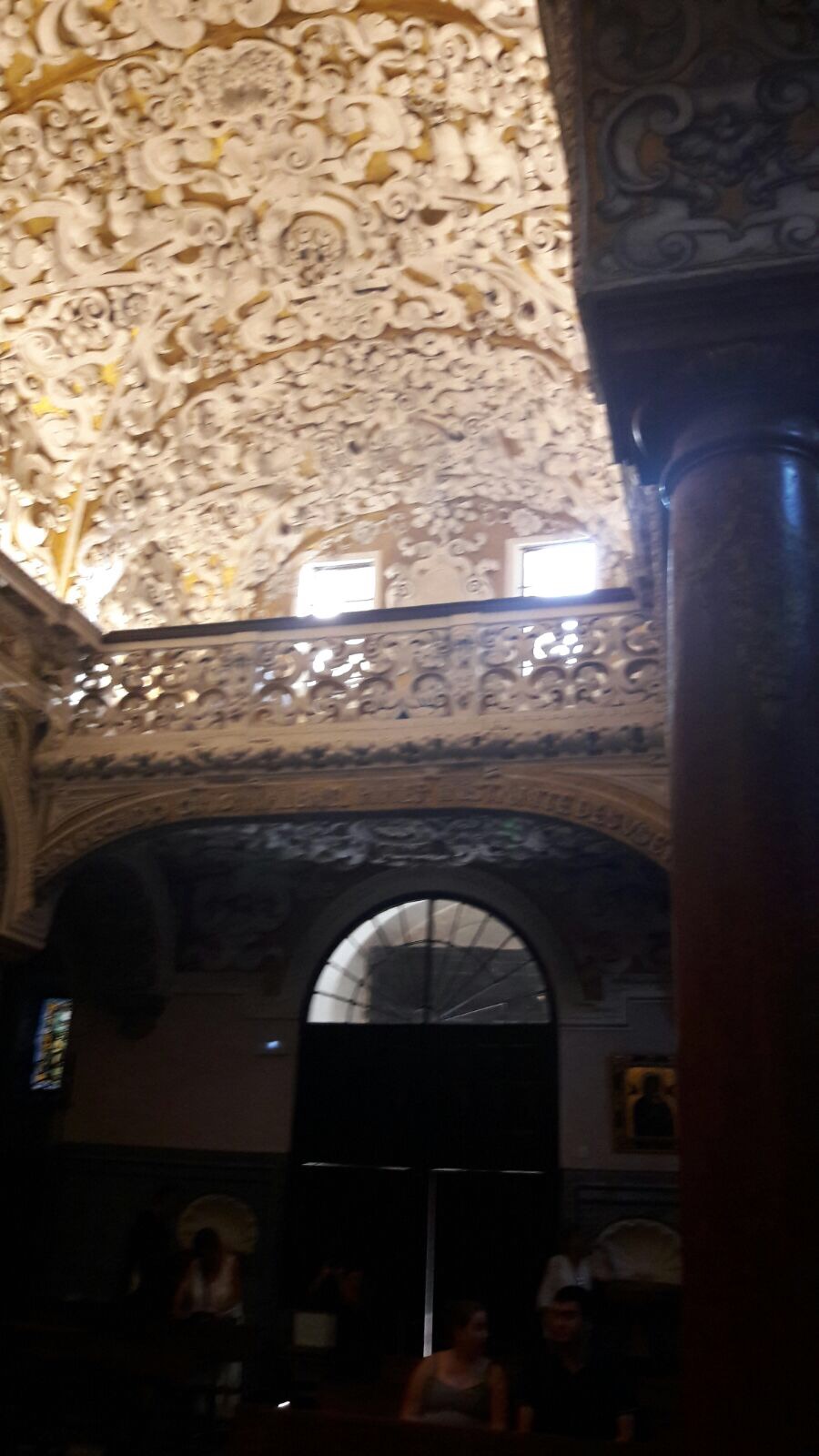
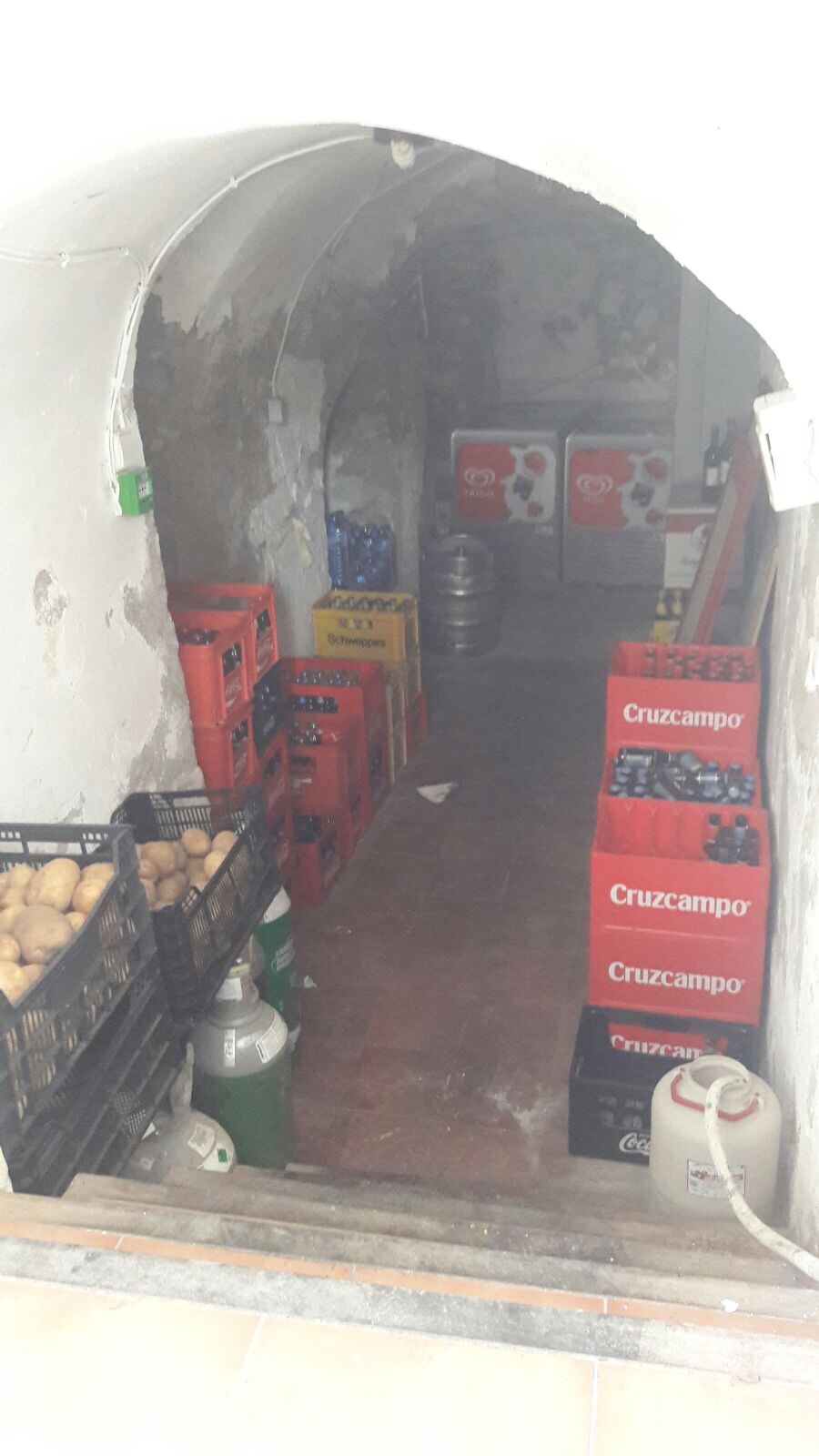
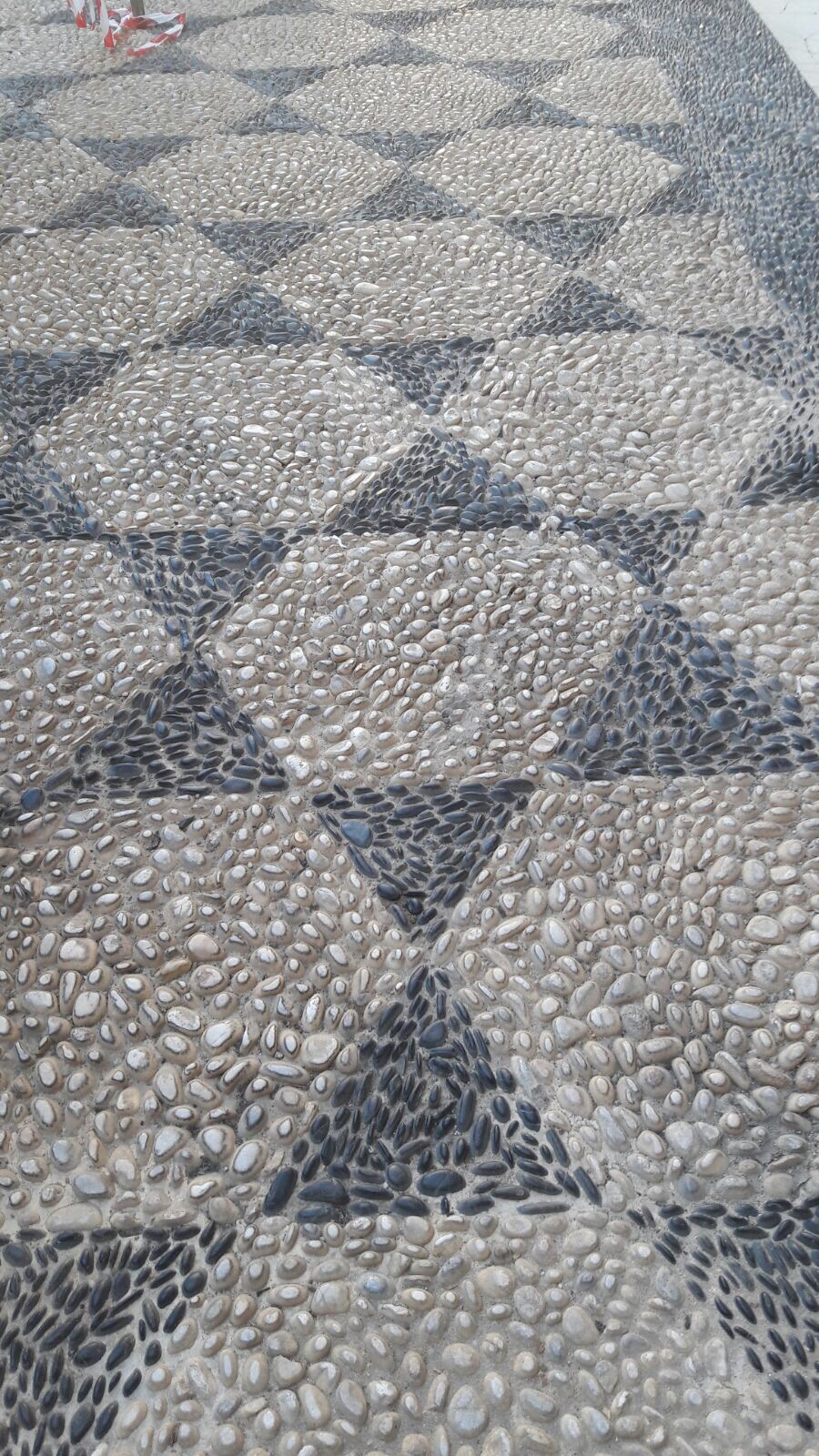
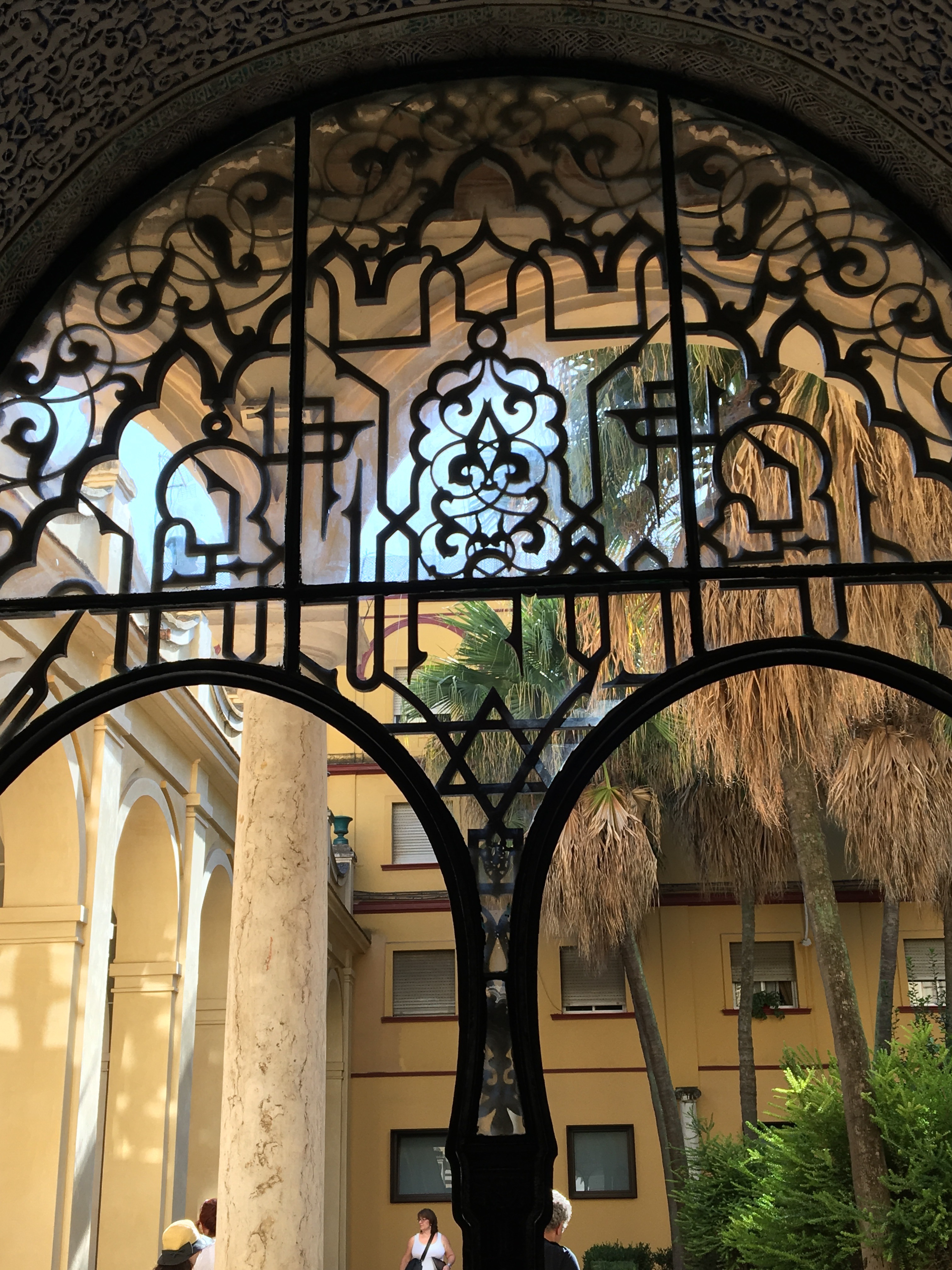
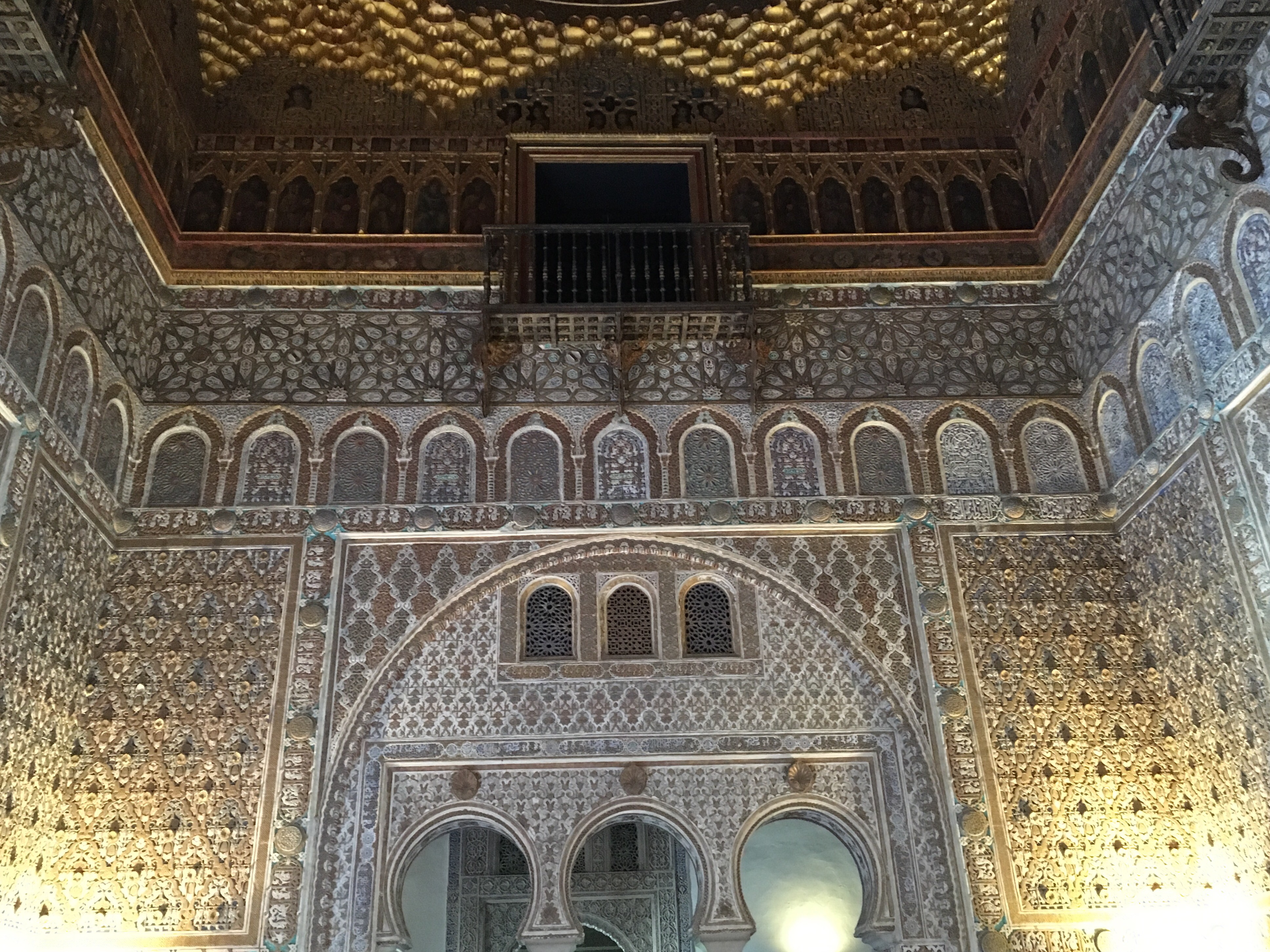
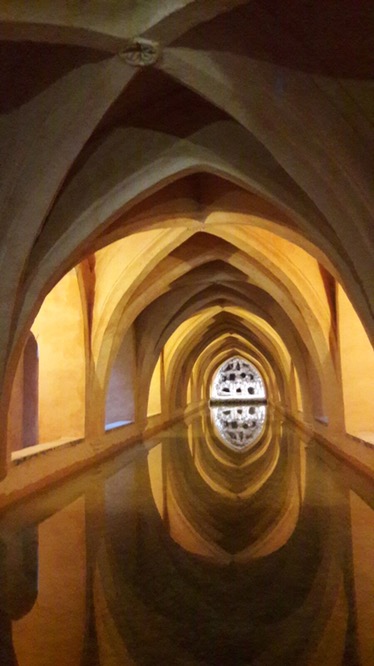
Looking across the Guadalquivir at the old city of SevillaWhat remains of the wall of the Jewish QuarterLooking up at the mechitza of what used to be a synagogue. It was used as a chapel for nuns.This is an underground storeroom of a restaurant we had lunch at. We learned that it was once where the mikvah was.Inside the Alcazar (palace) we saw many Stars of David.Another one in some beautiful grill work.Just some of the incredible detail found in the Alcazar. Makes a mathematician’s heart go putter-putter.The bath for the ladies of the palace.I am writing this as I sit in Tamar’s kitchen in Frankfurt. We ended our trip to Spain with a wonderful stay in Sevilla. We visited a Jewish Interpretive Center which was basically one room. Not nearly as comprehensive as the museums in Girona or Córdoba. However they did offer a walking tour of the Jewish quarter. Our guide, Virginia, was incredibly knowledgeable and filled in many of my gaps in the early history of Spain. Her mother made this stew similar to cholent every weekend. She didn’t know why but it was a tradition in her family. Virginia believes she could be descended from Maranos. Virginia explained that the centers in Spain are designed for tourists and a significant number that she meets are Jewish. She showed us the location of the mikvah that Tamar was able to get a picture of the next day (see above). She also showed us the old cemetery which was uncovered when they built an underground parking structure. They left one tomb in place. The other thing we did was visit the Alcazar which is an incredible collection of palaces and gardens dating back to the time of the Caliphate. There was of course updates during Christian control of the area. However most of the artisans were Jewish or Muslim which is quite evident when viewing the workmanship. On Friday evening we actually went to a Kabbalah Shabbat service. It was an orthodox, Sephardic shul in a room with no markings on the outside of the building. We sat with three other women in the back. The prayer books had no English and the men’s pronunciation of Hebrew was very hard for me to follow. Luckily it was a short service and it felt good to be there. We did walk back towards our hotel with one young woman who spoke some English. She is not from Sevilla and was here studying to be a pharmacist. We understand that there is a more liberal minyan but it was not happening this weekend. Most of the Jews in Spain now come from Morocco or Argentina. The largest community being in Barcelona. That is all folks. Next blog from Jerusalem.
 RobbieLambertsTravels