Belgrade is the capital of the southeast European country of Serbia. Its most significant landmark is the Beogradska Tvrđava, an imposing fortress at the confluence of the Danube and the Sava rivers. The fort is a testament to the city’s strategic importance to the Roman, Byzantine, Ottoman, Serbian and Austrian empires, and it’s now the site of several museums as well as Kalemegdan, a vast park.
Just as the other places that we have visited, Serbia has been overrun by a myriad of characters. Before World War I, there was an interest in creating a union of the Serbs, Croats and Slovenes to be called Yugoslavia, land of the south Slavs. A fanatic Bosnian Serb decided to advance this cause by assassinating the Austrian archduke Franz Ferdinand. Austria declared war on Serbia, starting WW I and the rest is history. After World War II, Serbia was part of Yugoslavia ruled by Tito who died in 1980. For 10 years, Yugoslavia struggled to stay as one nation. However, a majority of Croats wanted Croatia to leave Yugoslavia and become a sovereign country, while many ethnic Serbs living in Croatia, supported by Serbia, opposed the secession and wanted Serb-claimed lands to be in a common state with Serbia. Serbia, as a nation, would be landlocked so Serbia attacked Croatia. The result of all this was the final break up of Yugoslavia and the Yugoslav War. The war was tragic and brutal. There are still significant hard feelings today. The UN and the US intervened. I’m not gonna go into details of the war.
We first toured the fortress.
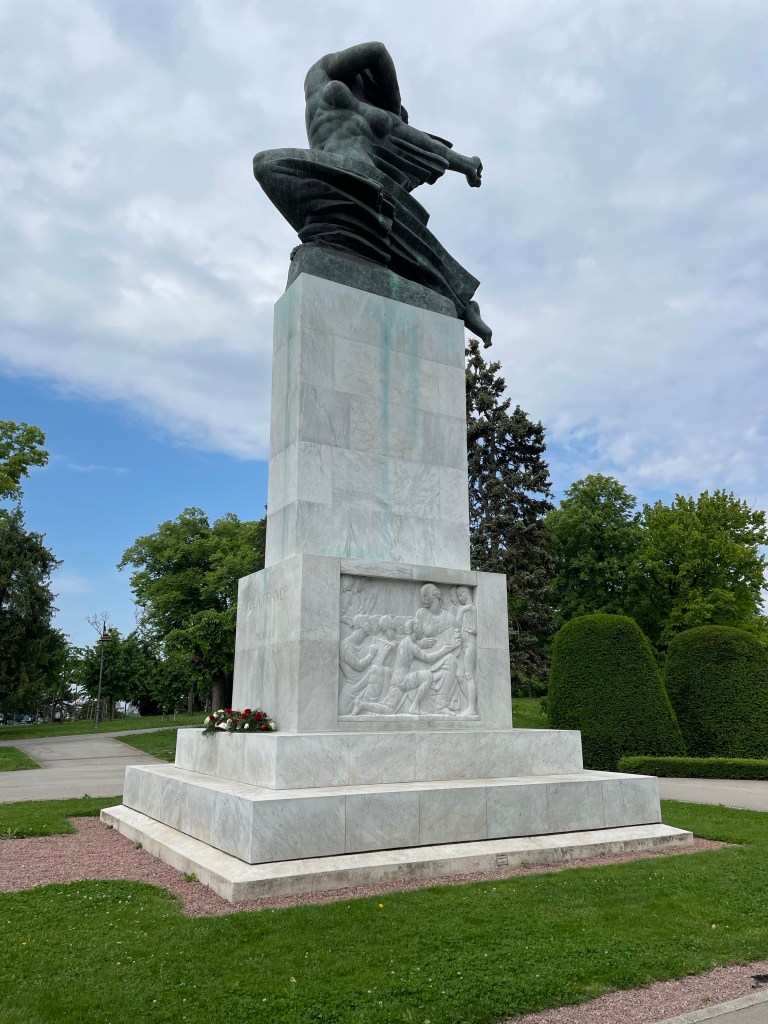
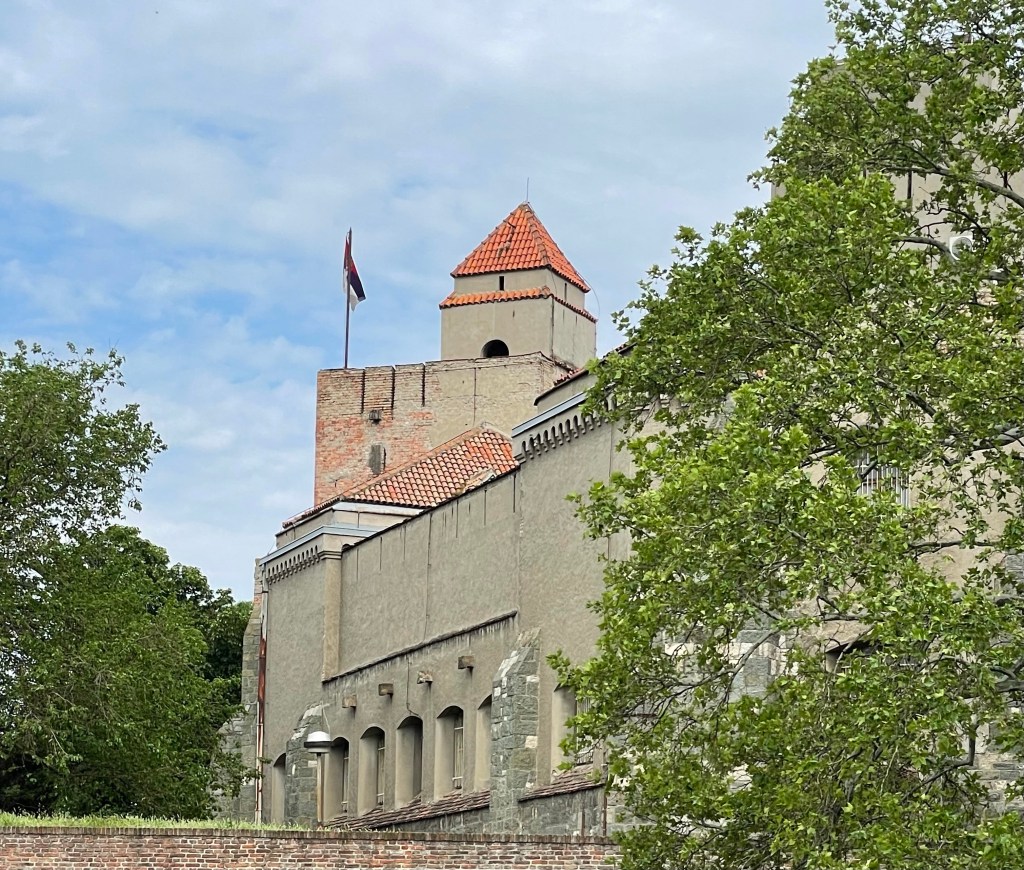
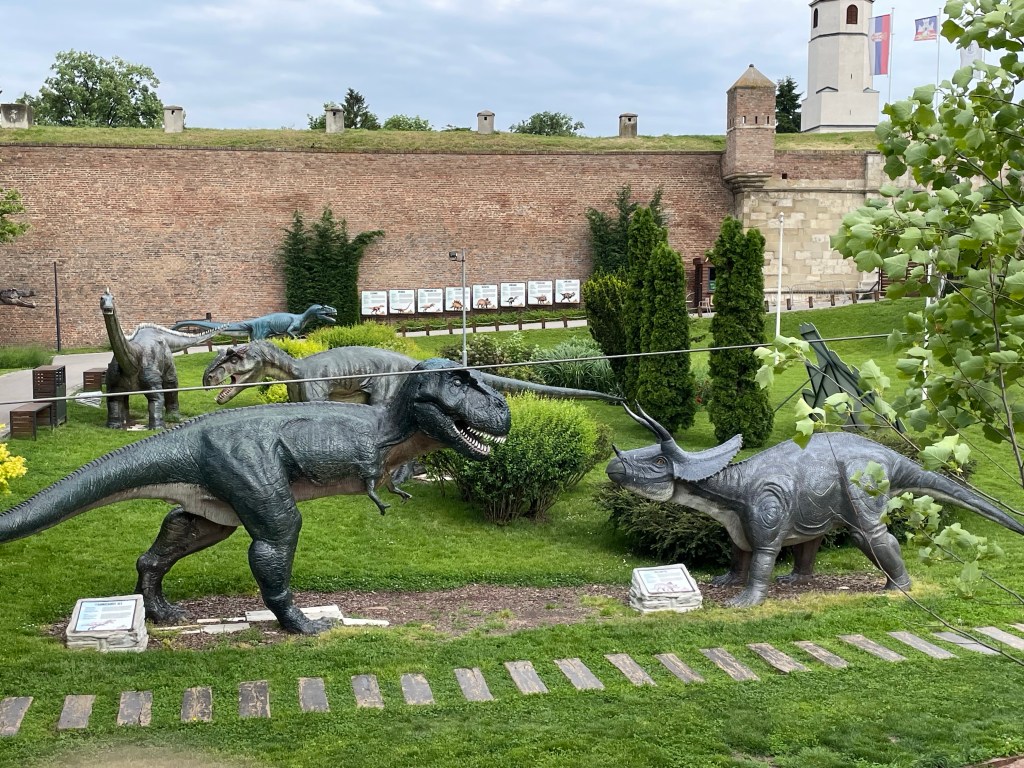
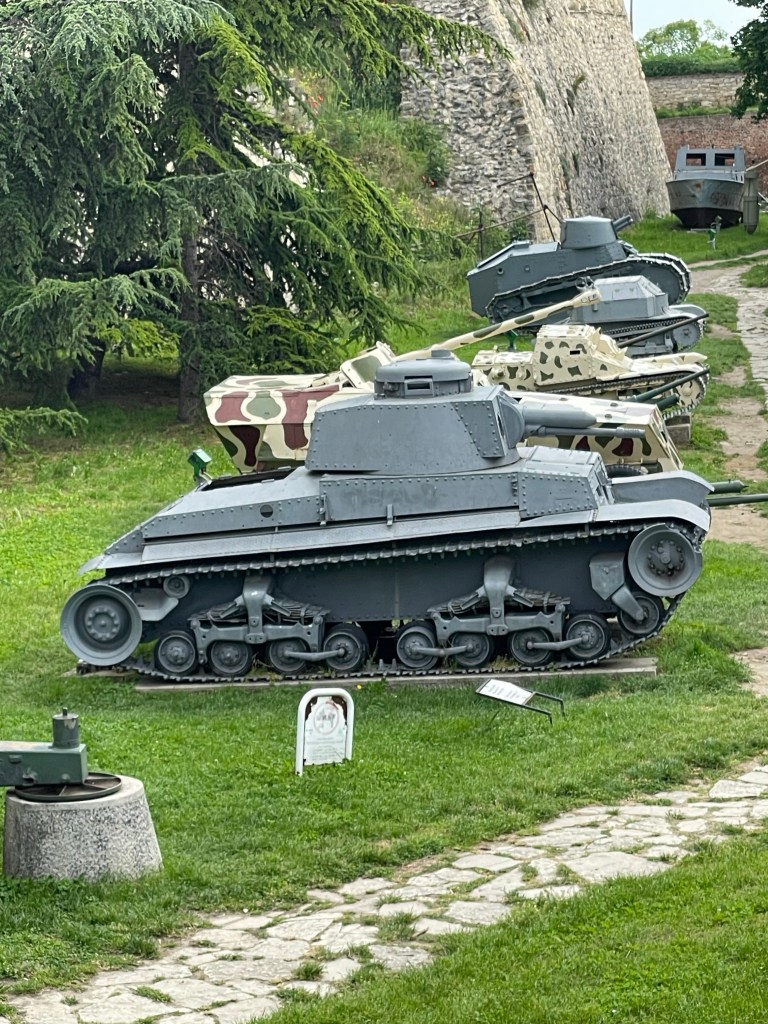
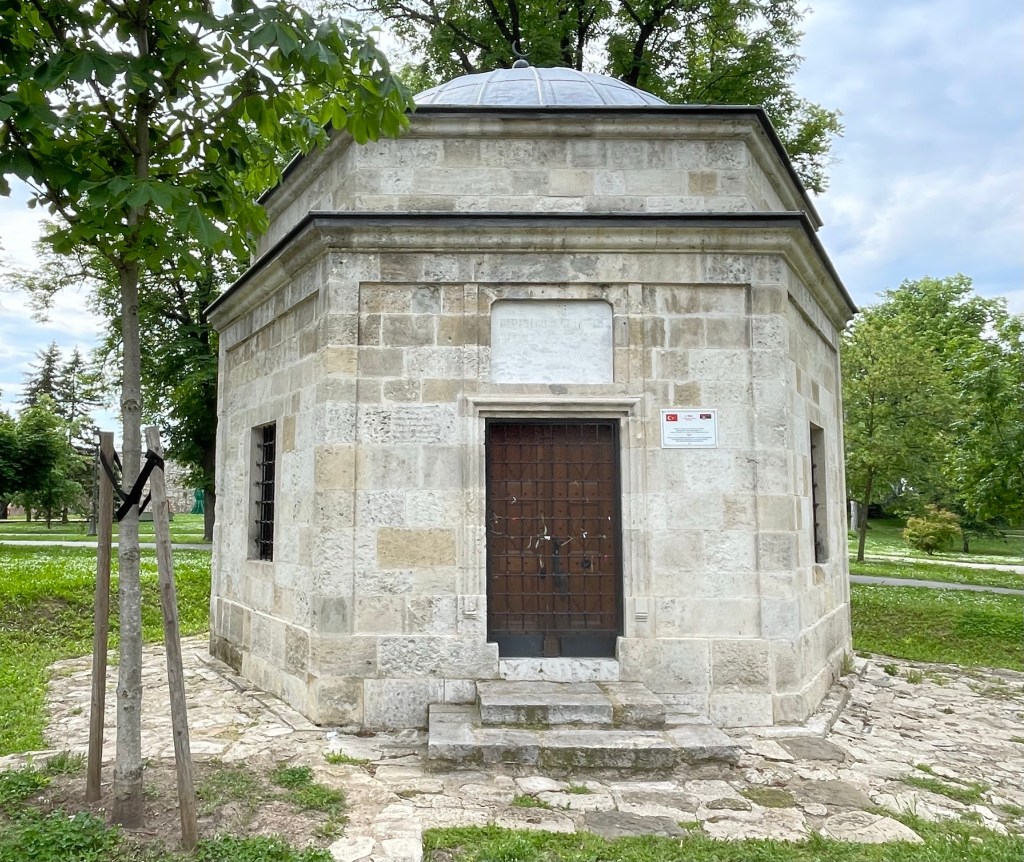
Here are some views of Belgrade from the top of the fortress.
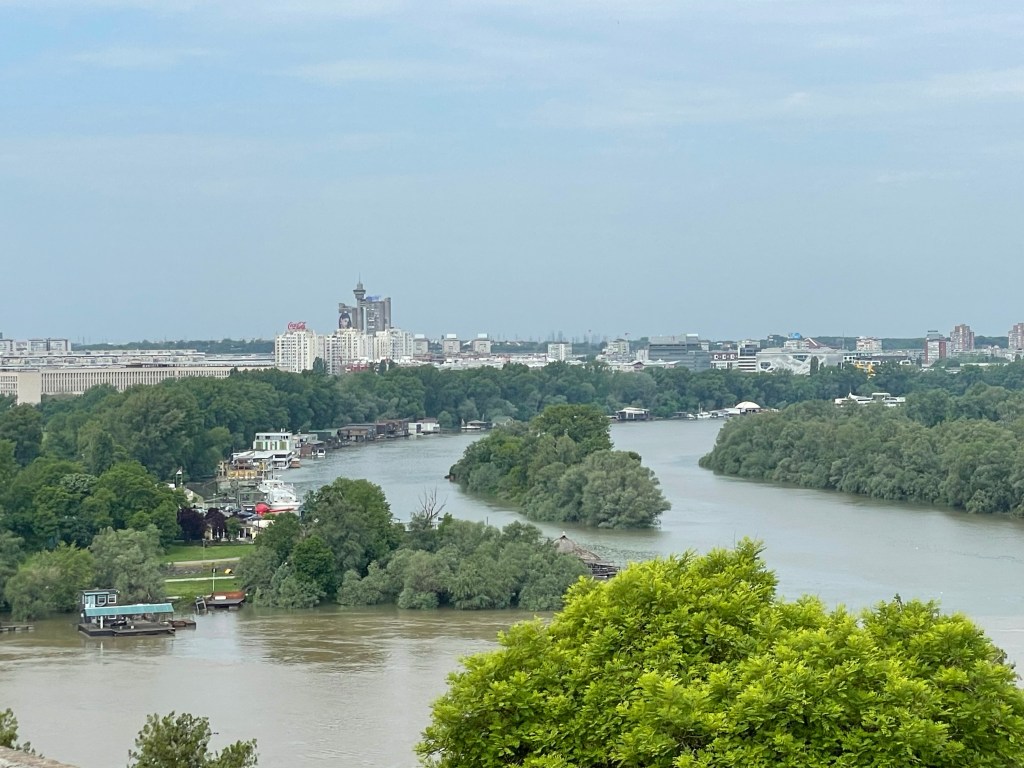

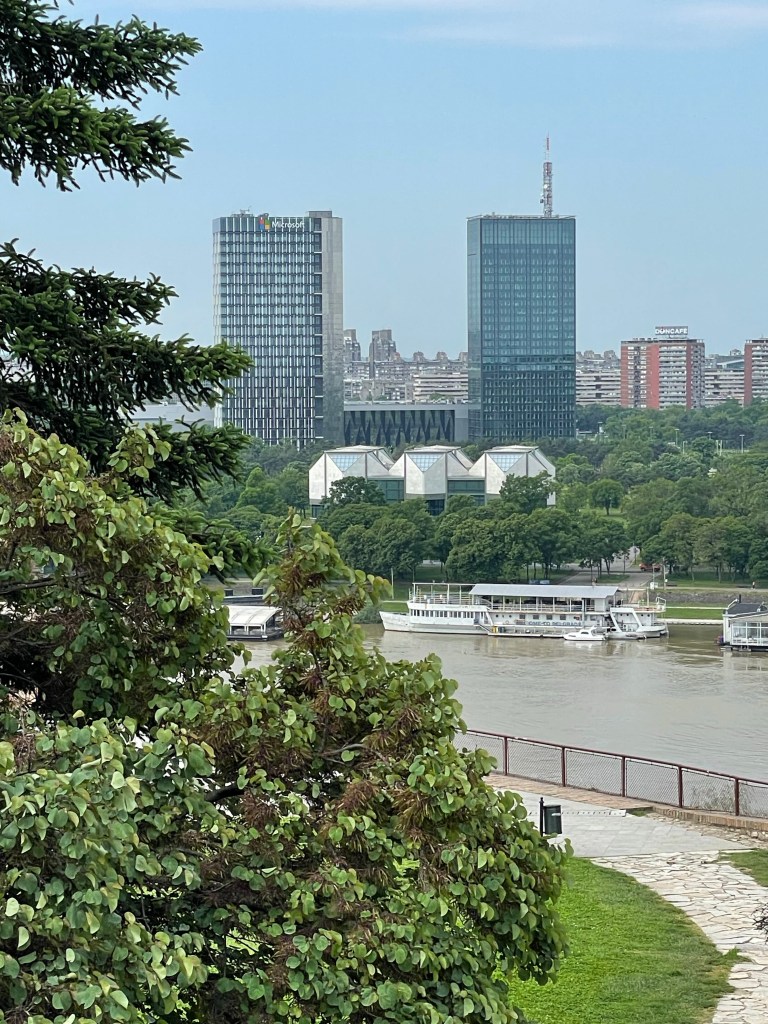
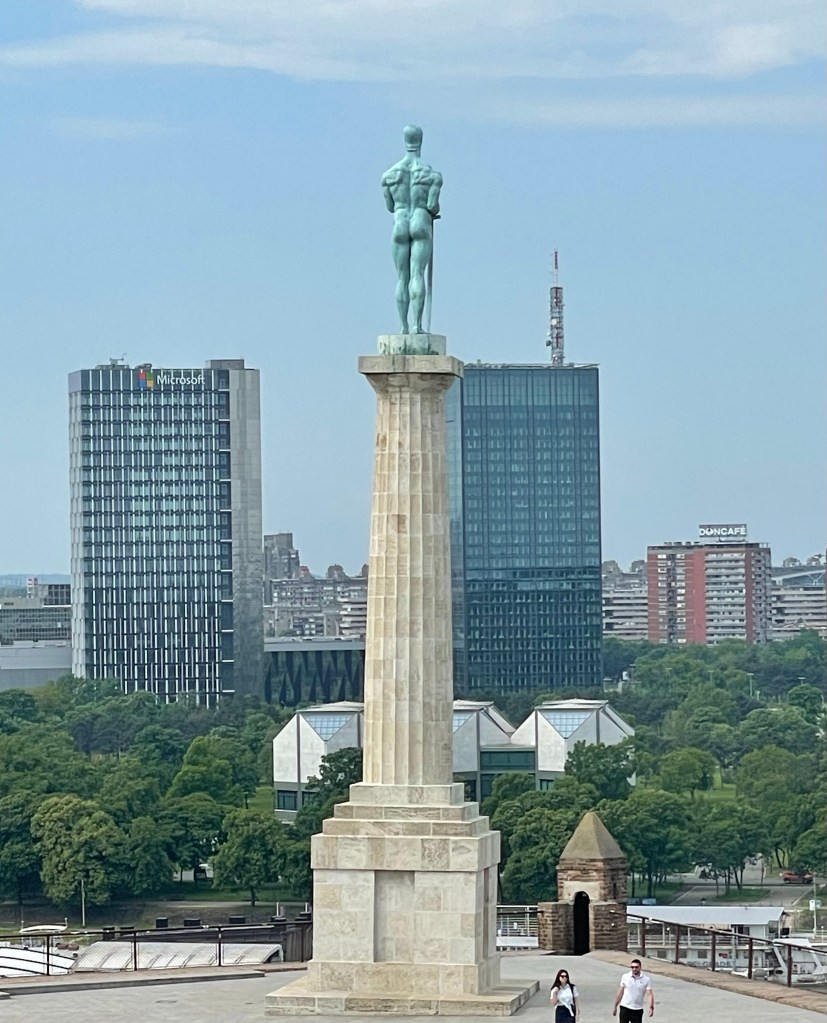
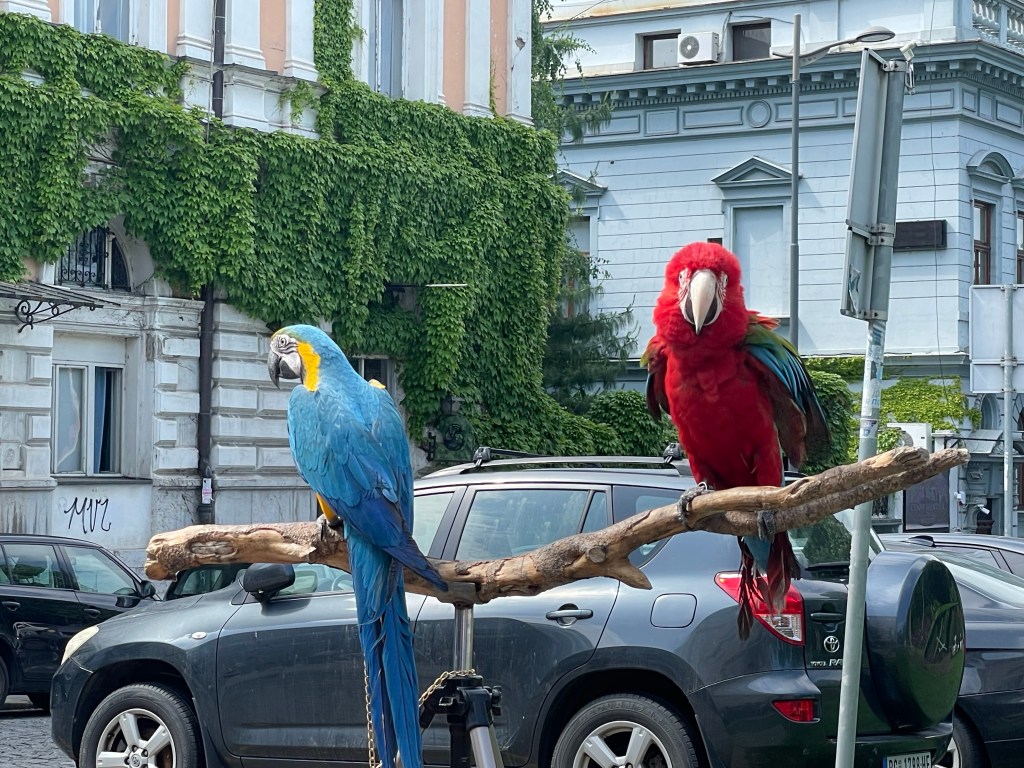
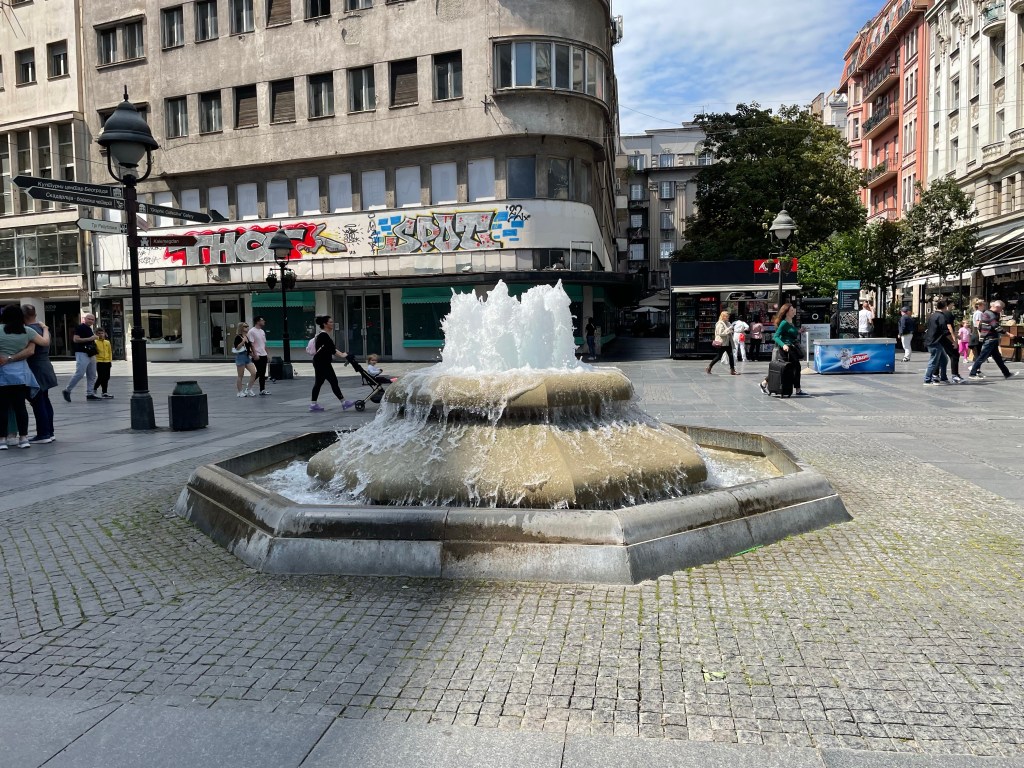
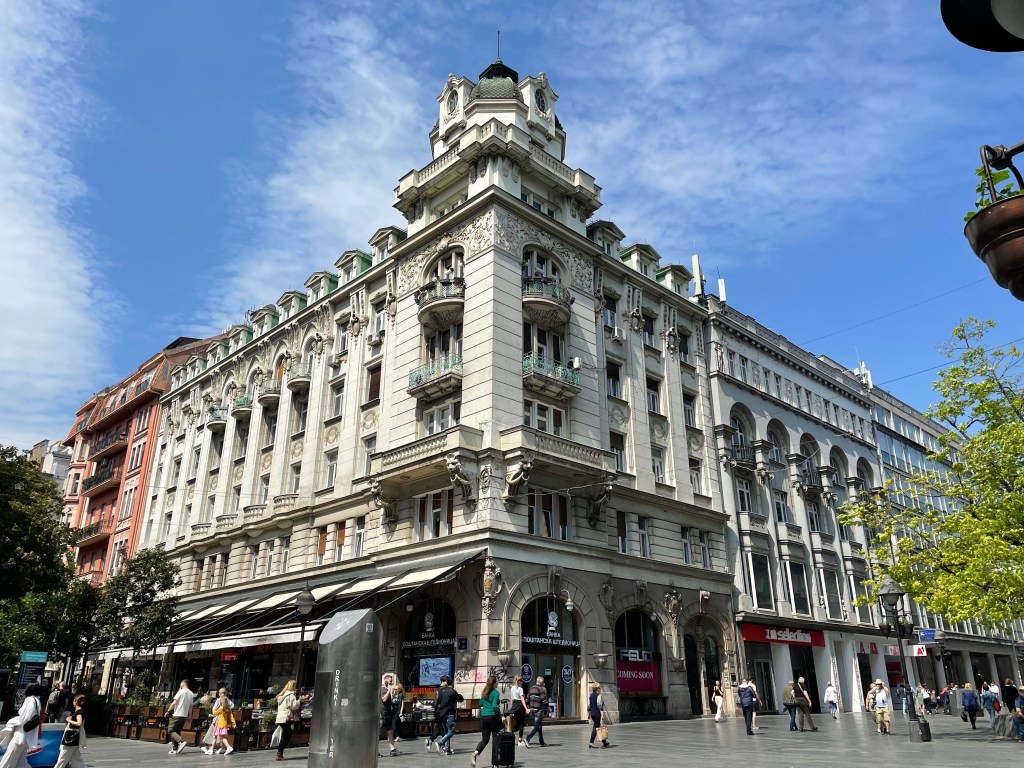
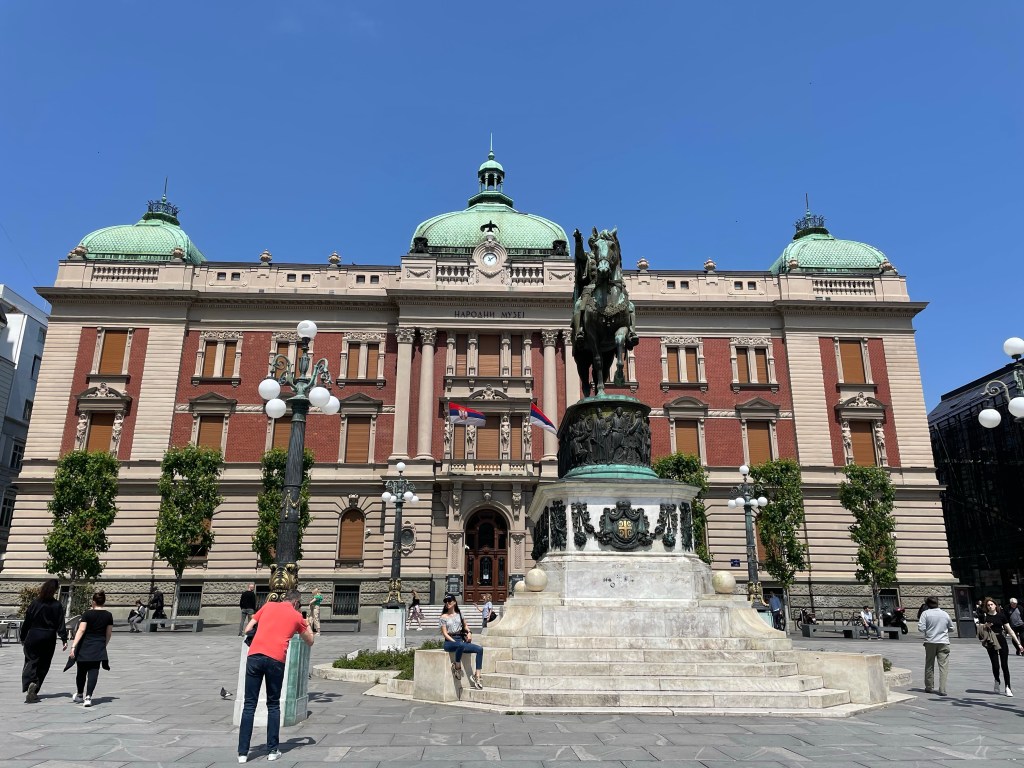
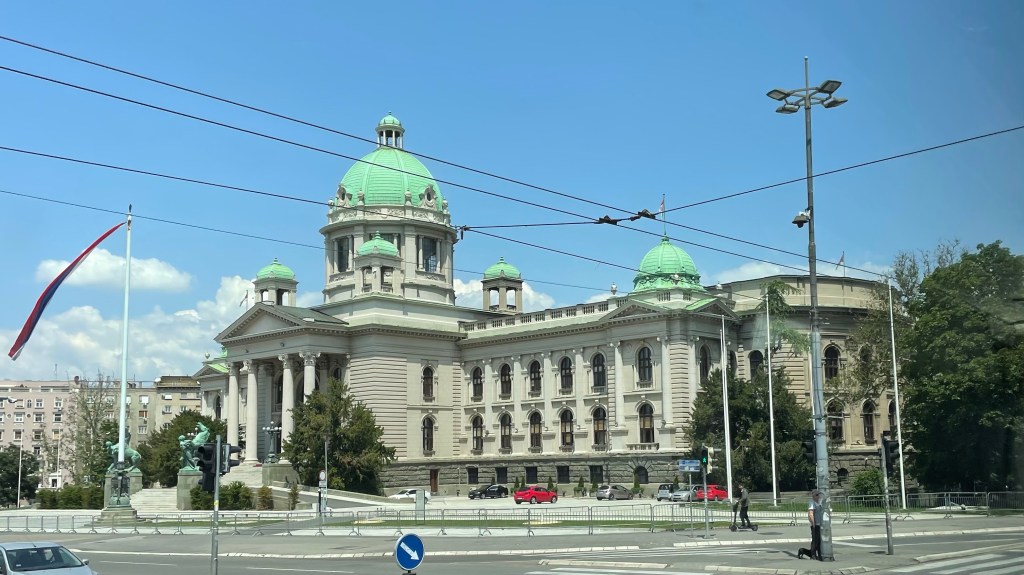
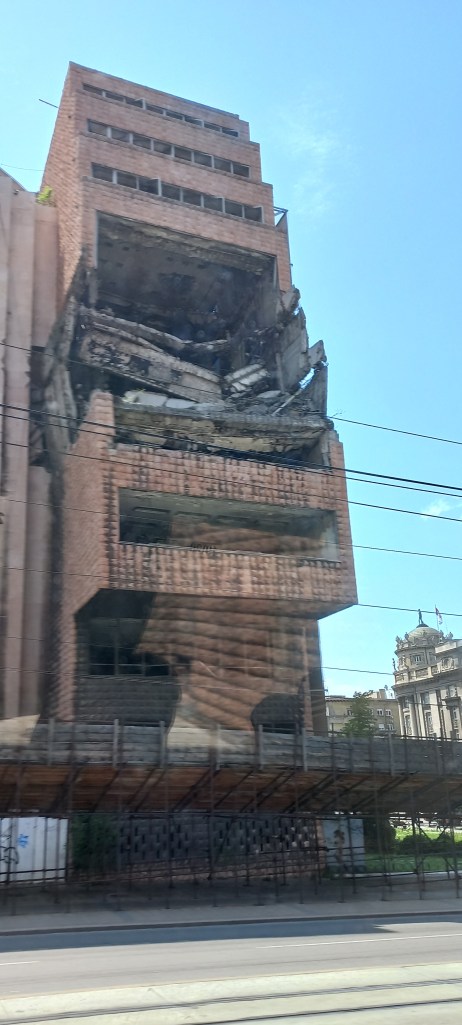
After the fortress, we walked in the old part of Belgrade and then got a bus tour of the rest of Belgrade. Here are the pictures.


 RobbieLambertsTravels
Think I see floating homes on that picture of the river in Belgrade !?!
LikeLike
Yes there are
LikeLike