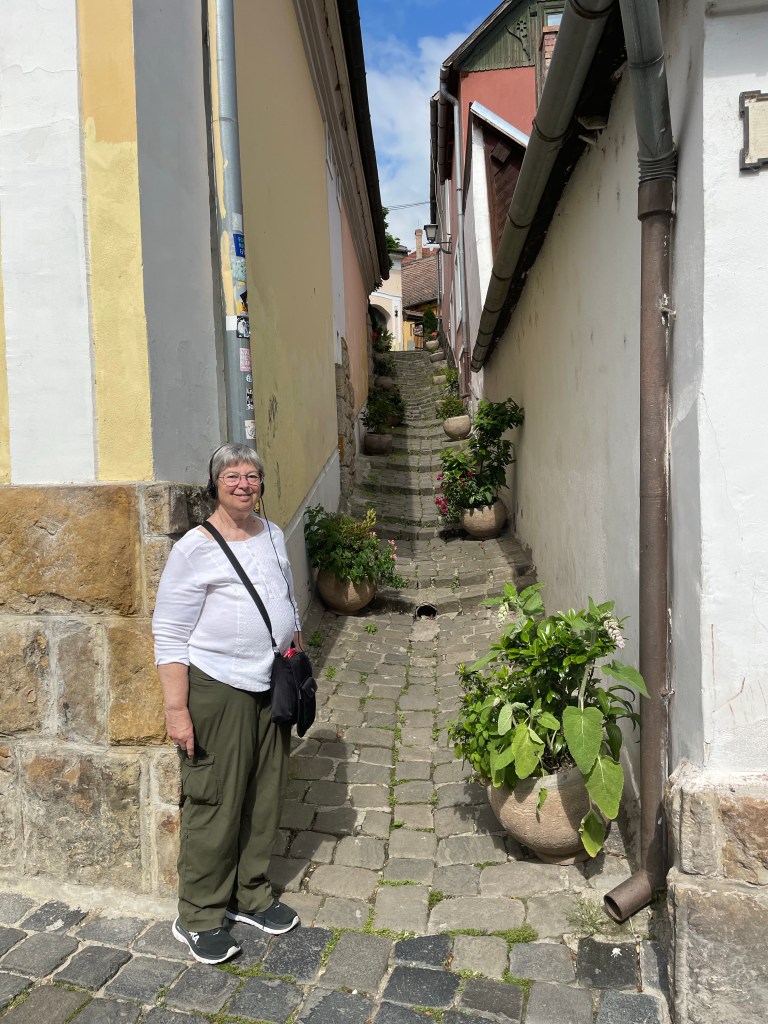
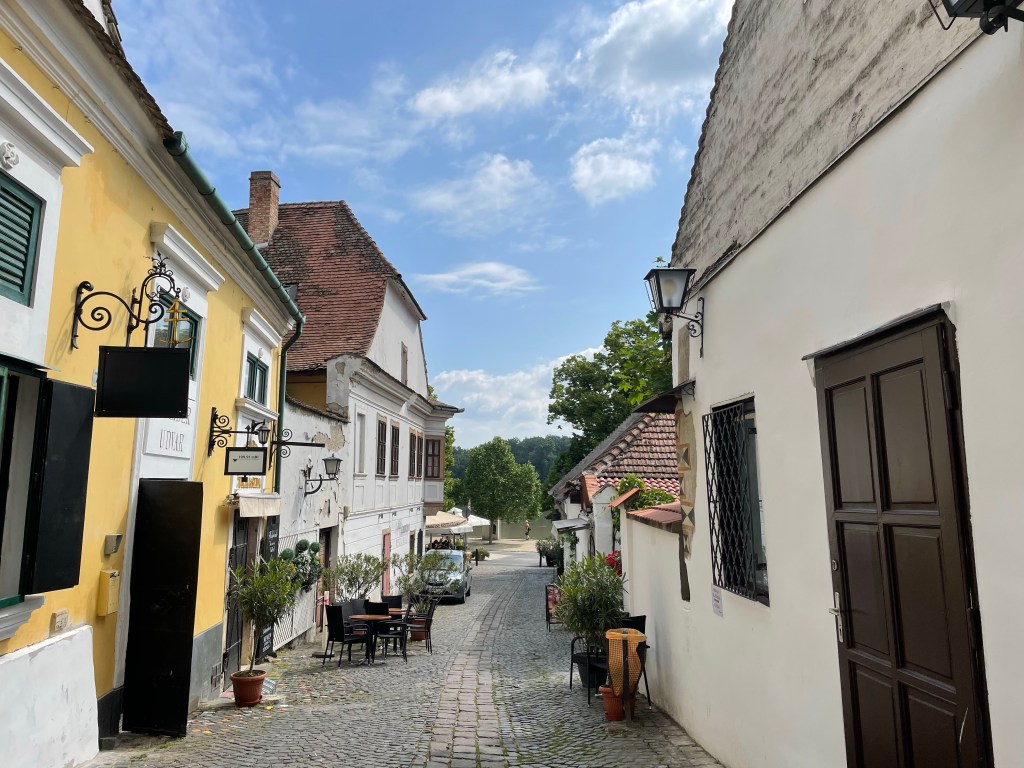
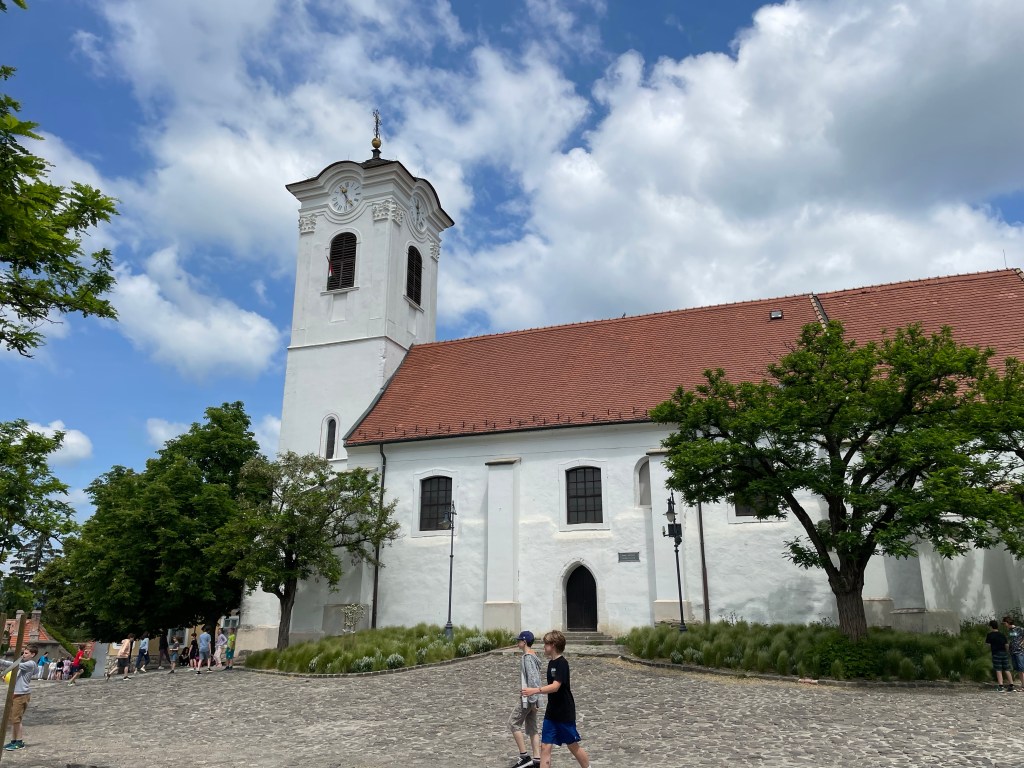
Our morning excursion was to the town of Szentendre. Szentendre is a Hungarian town on the Danube River, north of the capital, Budapest. It’s known for its baroque architecture, churches, colorful houses and narrow, cobbled streets. The main square, Fő Tér, and the alleyways around it are lined with art galleries, museums and shops. The village was settled by Serbs in about the 17th century. They were escaping the Ottoman Empire. Because of this, the village has both Orthodox and Catholic Churches. Hungry was actually occupied by the Ottomans in the 17th century.
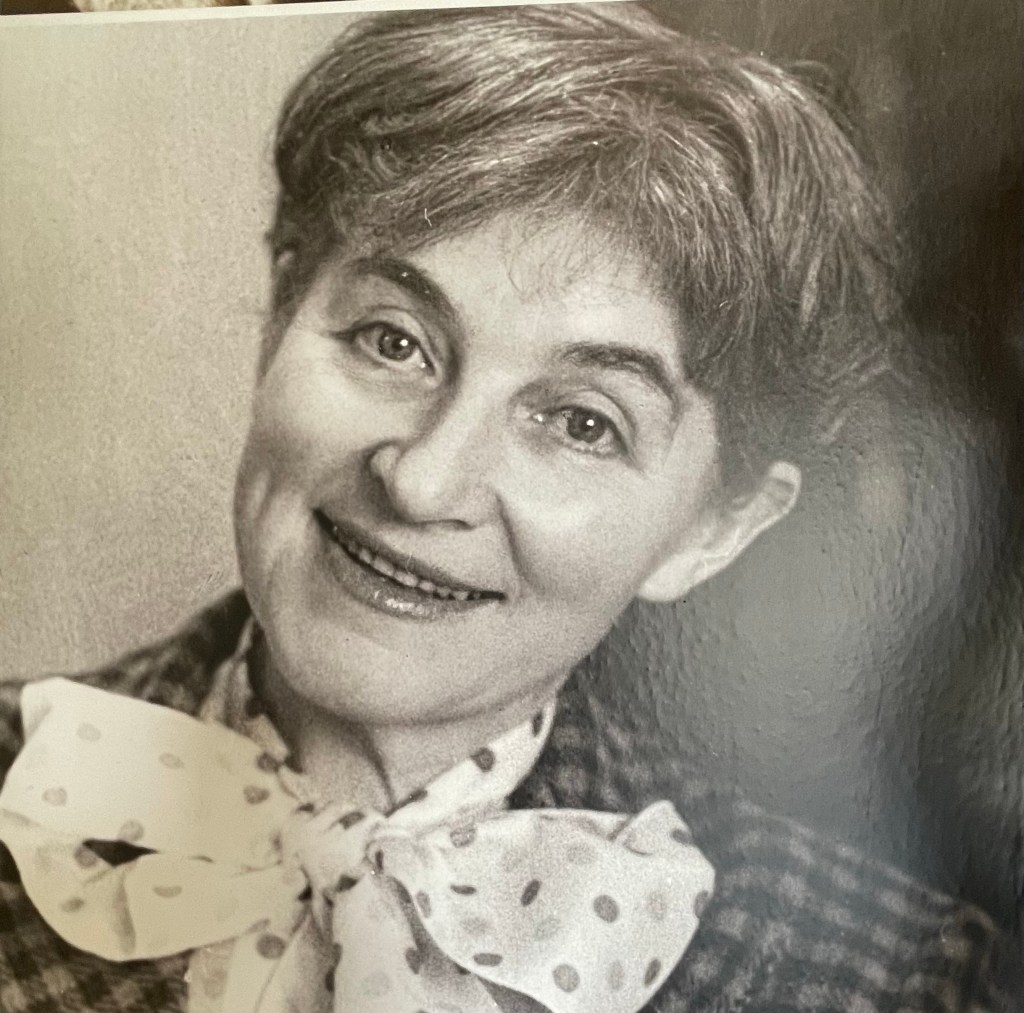
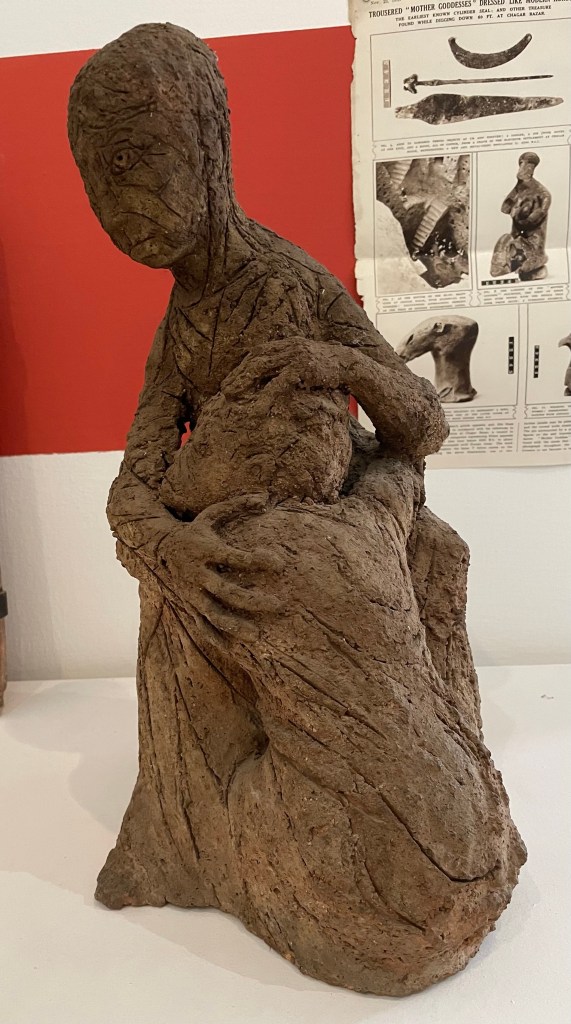
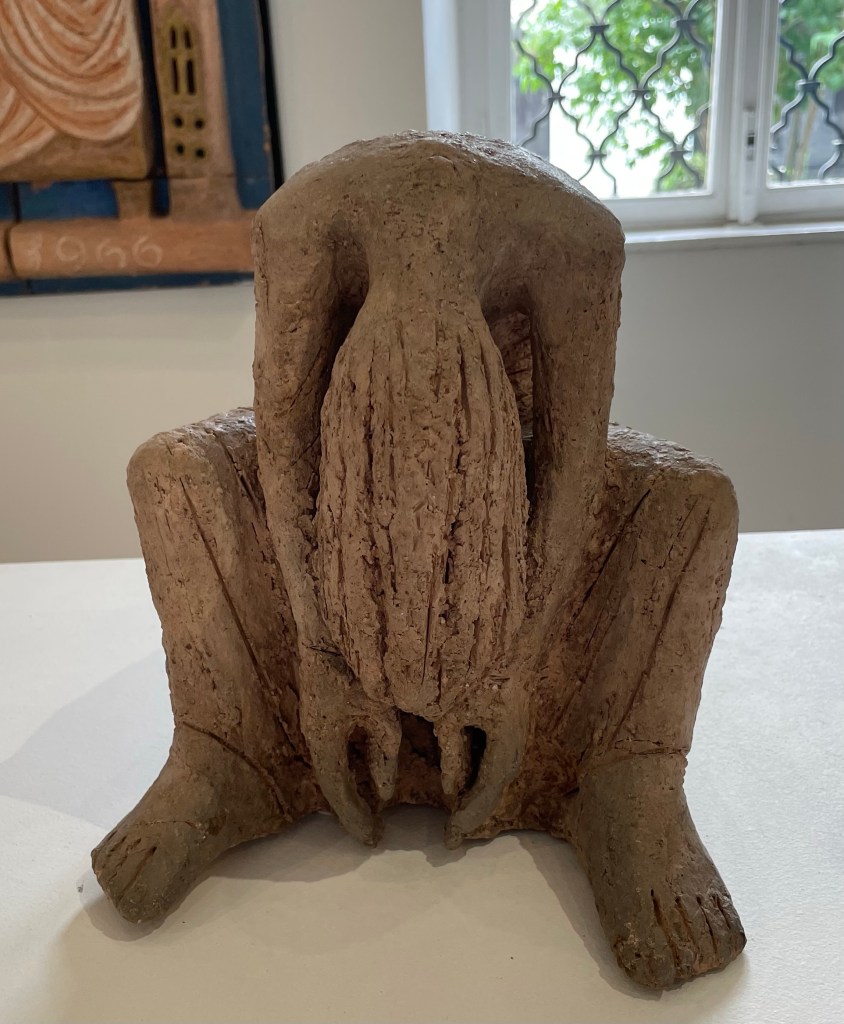
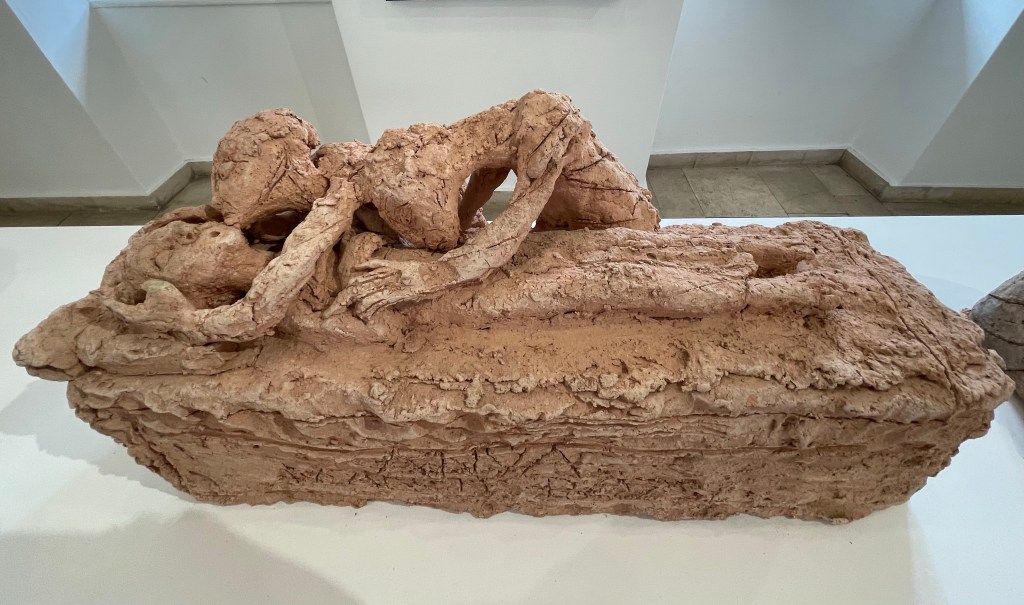
Here we visited a museum specializing in the ceramic and sculpture works of Margit Kovacs. Kovacs was born to a Jewish family in 1902 and died in 1977. She never married, and lived with her mother, who helped her with her work. She survived World War II by being protected by the Danish embassy.
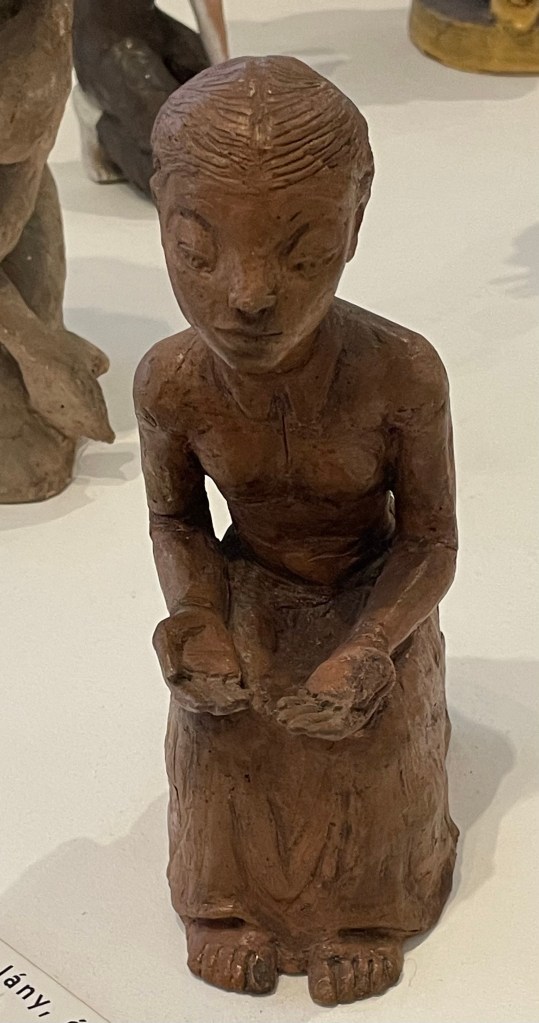
Her first public exhibition was in Budapest in 1928 and from then on her output was prolific and she continued working throughout the Second World War. She produced statuettes, pots, plates, wall plaques and tiled murals.
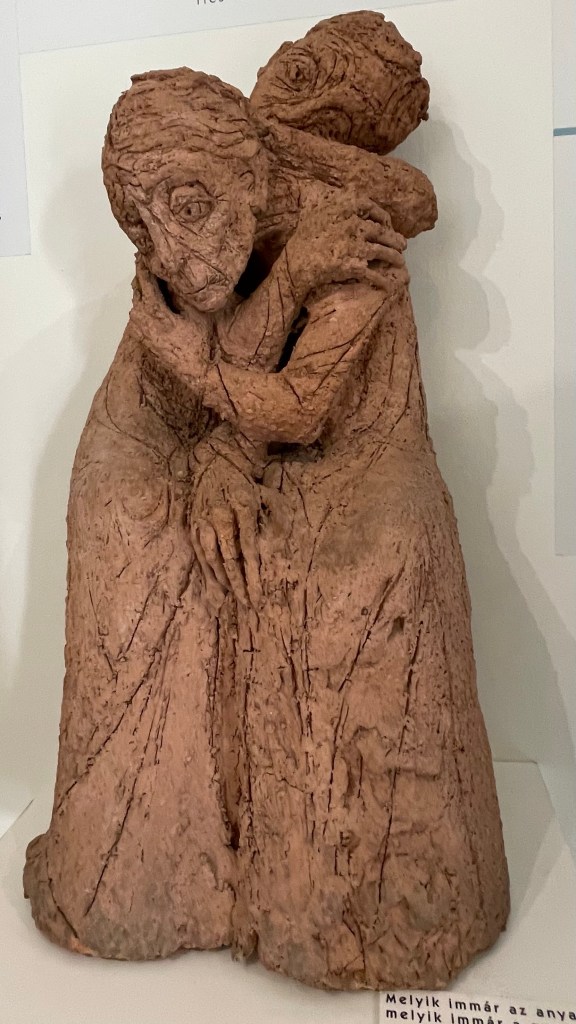
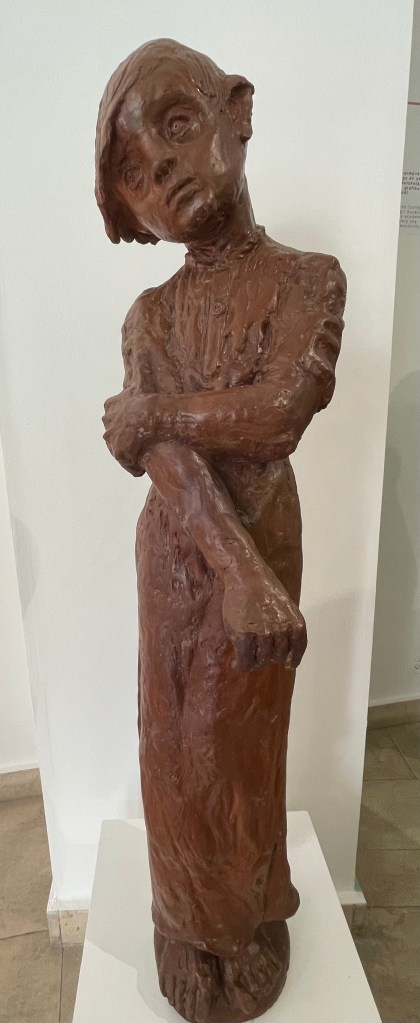
Her main themes are country folk, family life and bible stories. Her work is very varied but is characterised by flowing lines which curve sensually to evoke sentiment.
I found her work to be quite intriguing. I was especially impressed by the amount of emotion she could depict in her work.



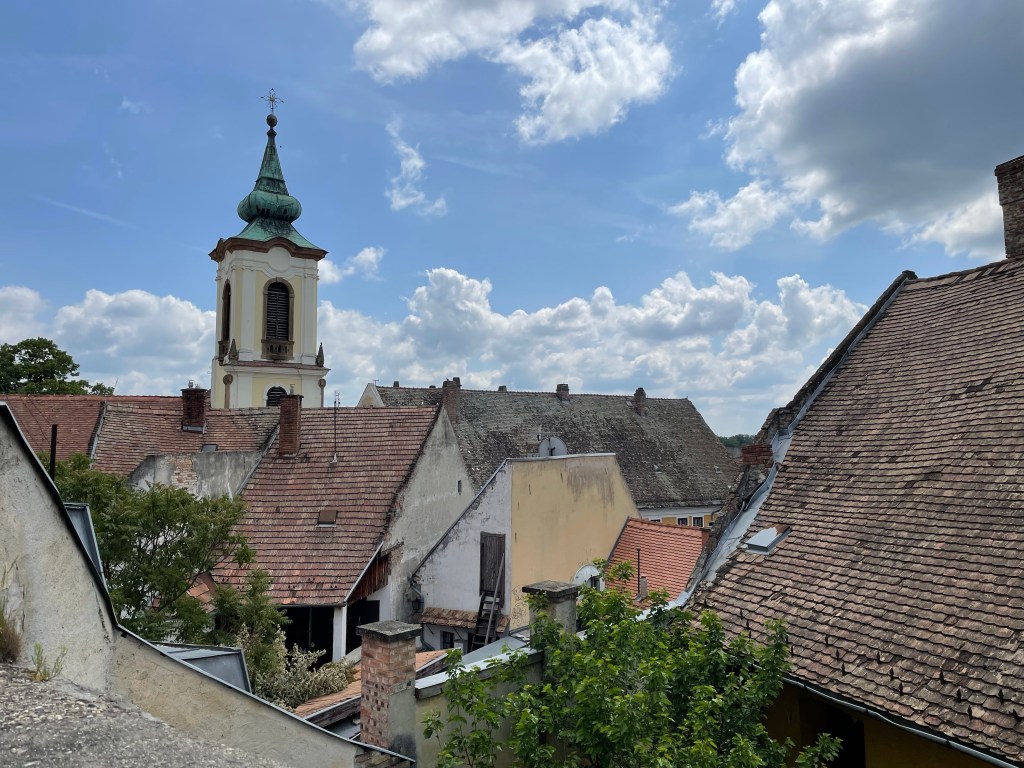
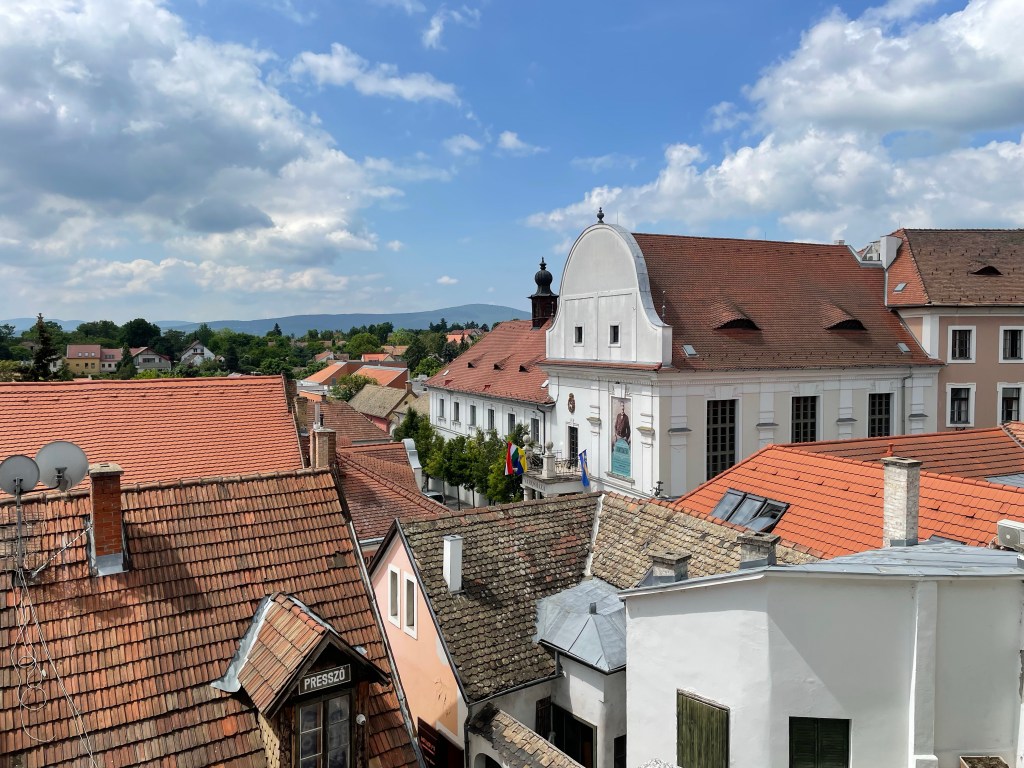
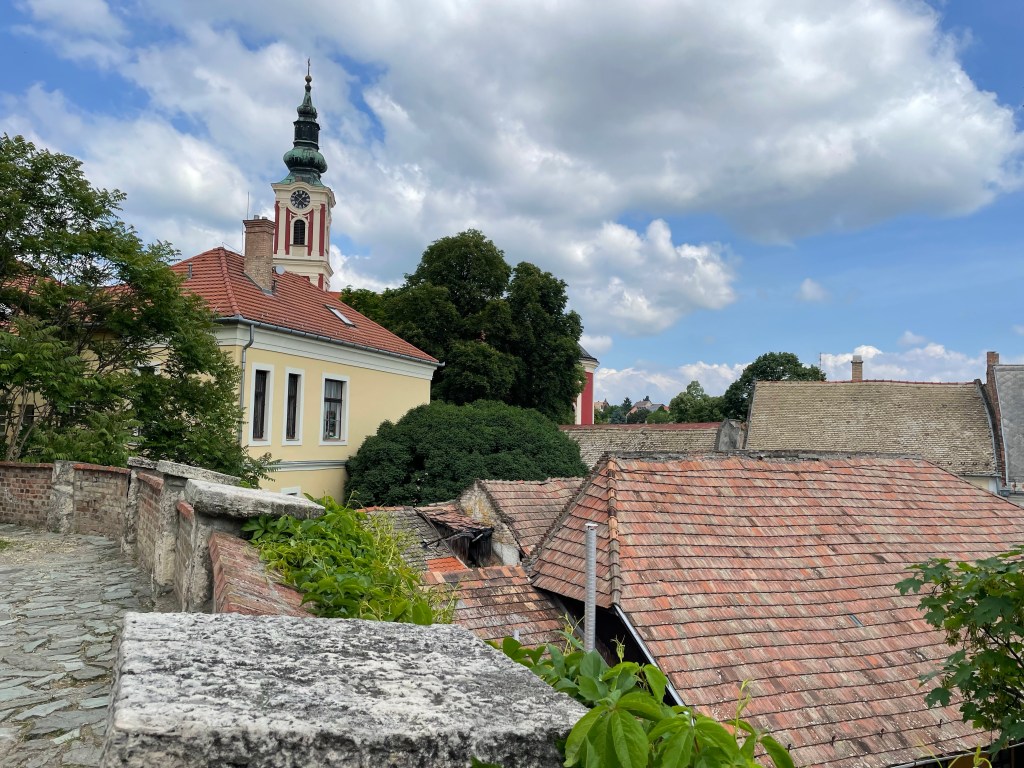
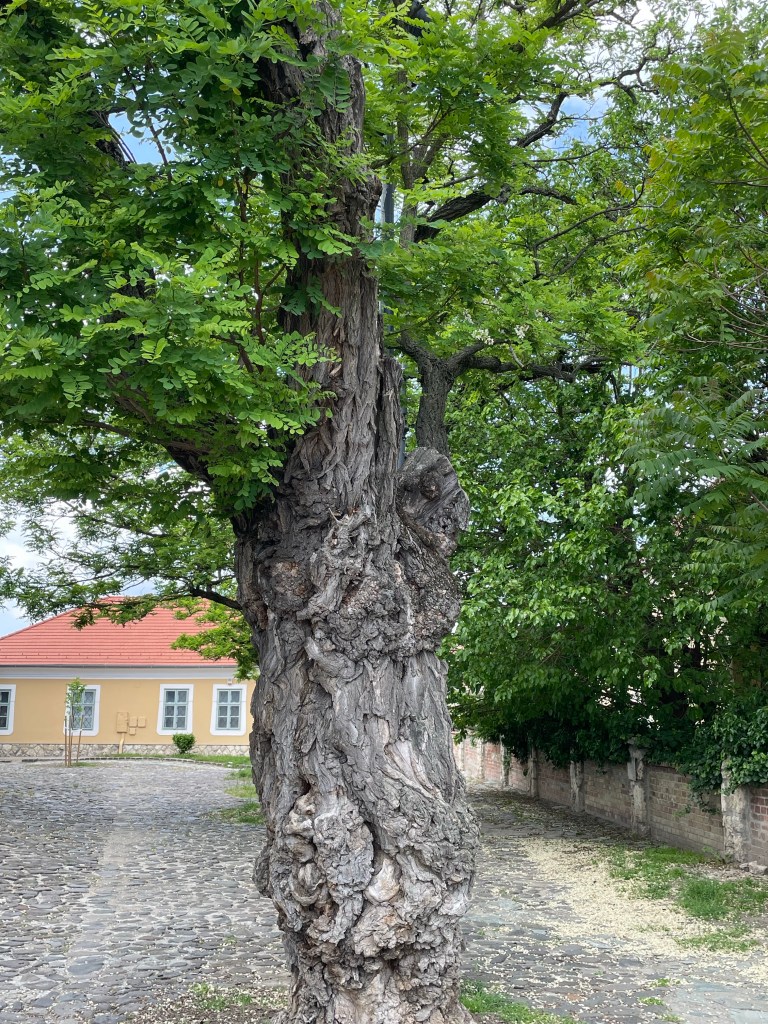
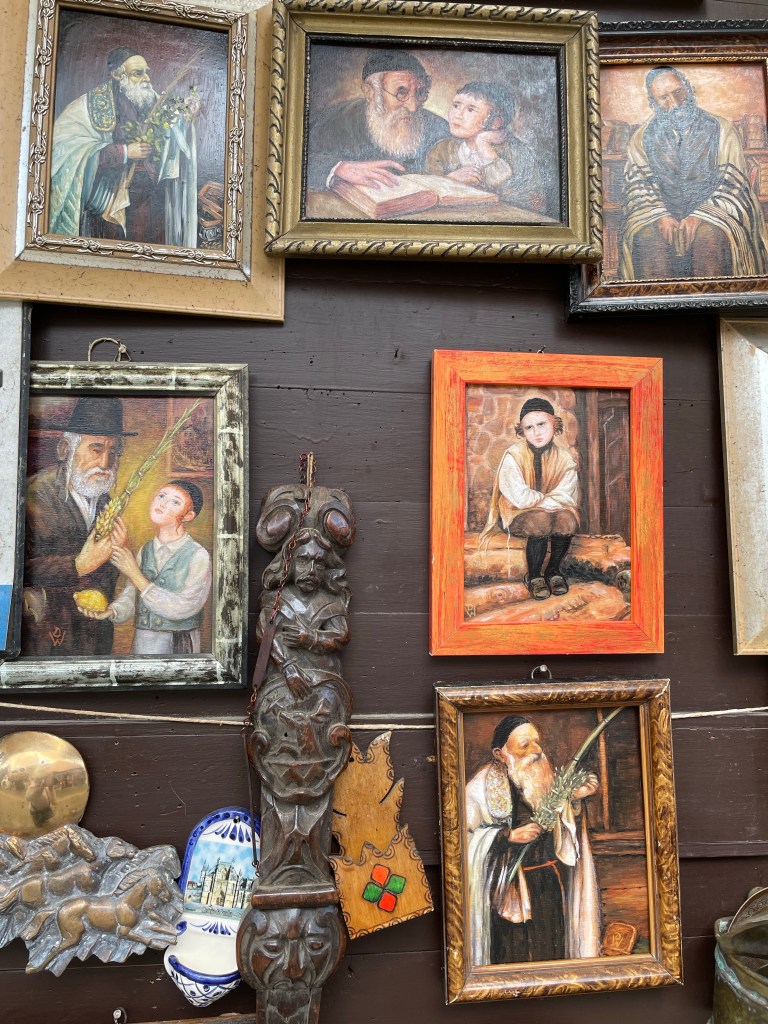
The next pictures are scenes taken from around the village. I went up to the high point of the village and was able to get some nice pictures of there.




 RobbieLambertsTravels