The Aswan dam, built in the 1960s, contains 18 times more material than that used to build the great pyramid and provides electricity and irrigation for the whole of Egypt. Currently because of the increase in population, the dam only provides about 10% of the electricity needed by Egypt.
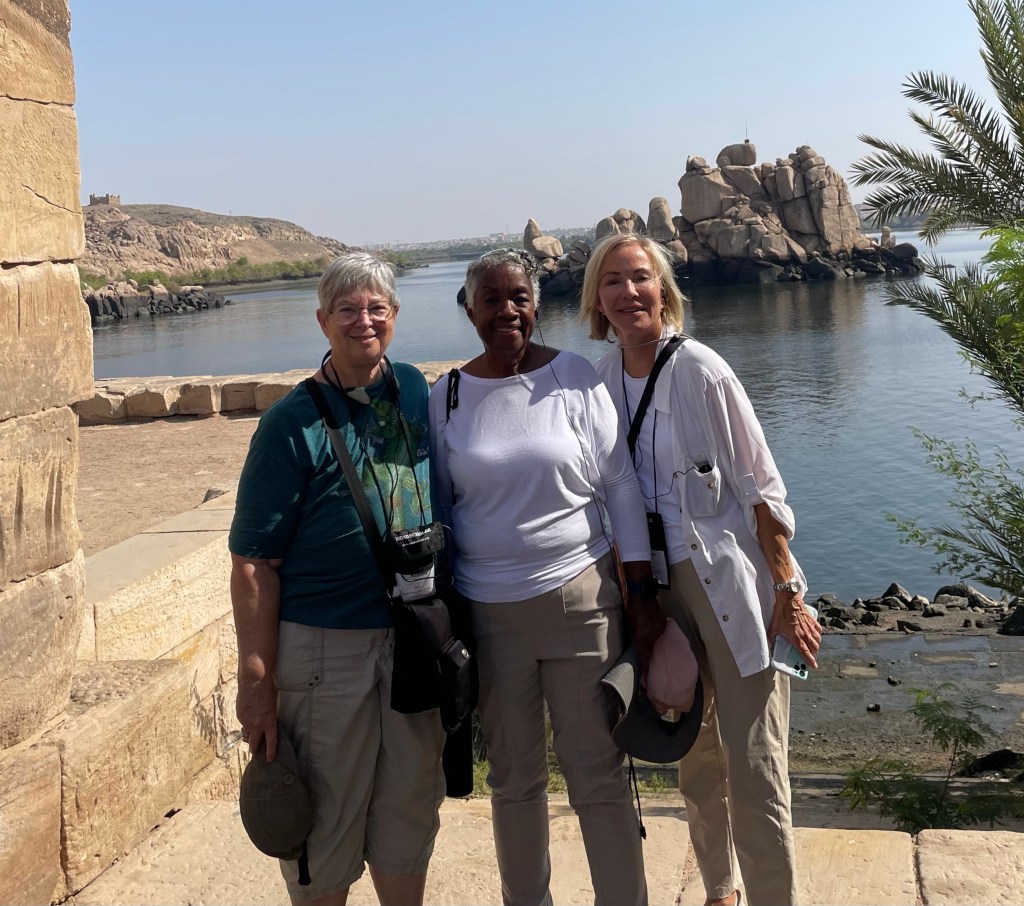
After driving over the dam, we went to visit the temples of Philae. The island of Philae is known as the pearl of the Nile, and is home to several monuments. The most prominent is the great temple of Isis, who was the main deity of the island. It is a UNESCO world heritage site.


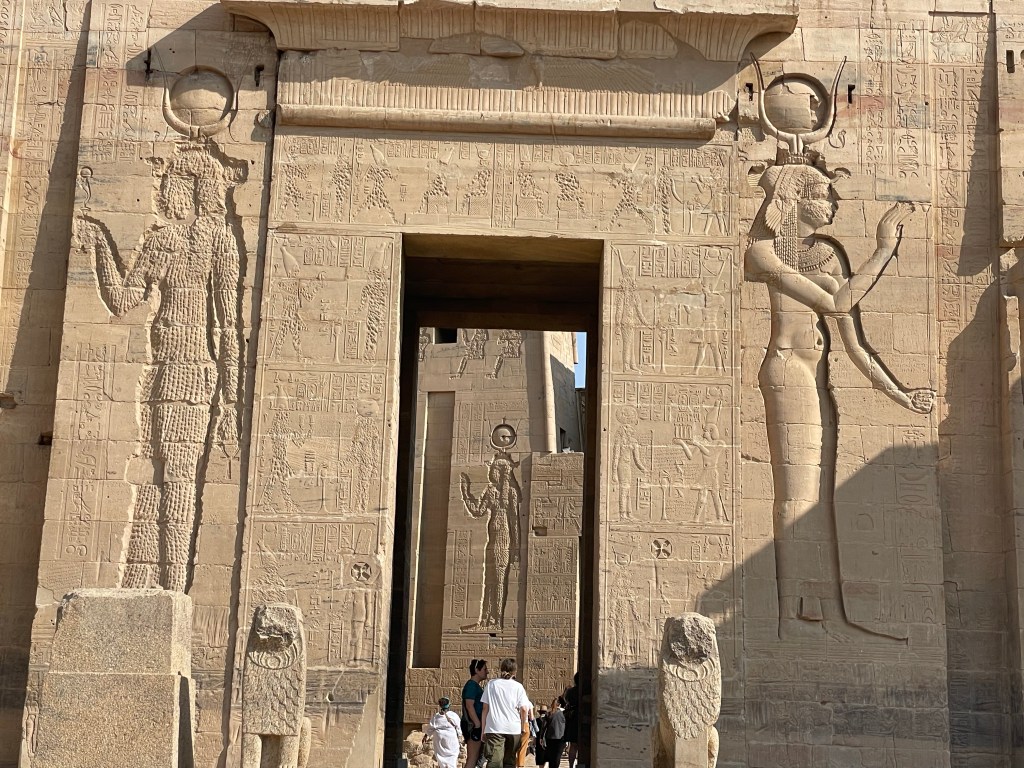
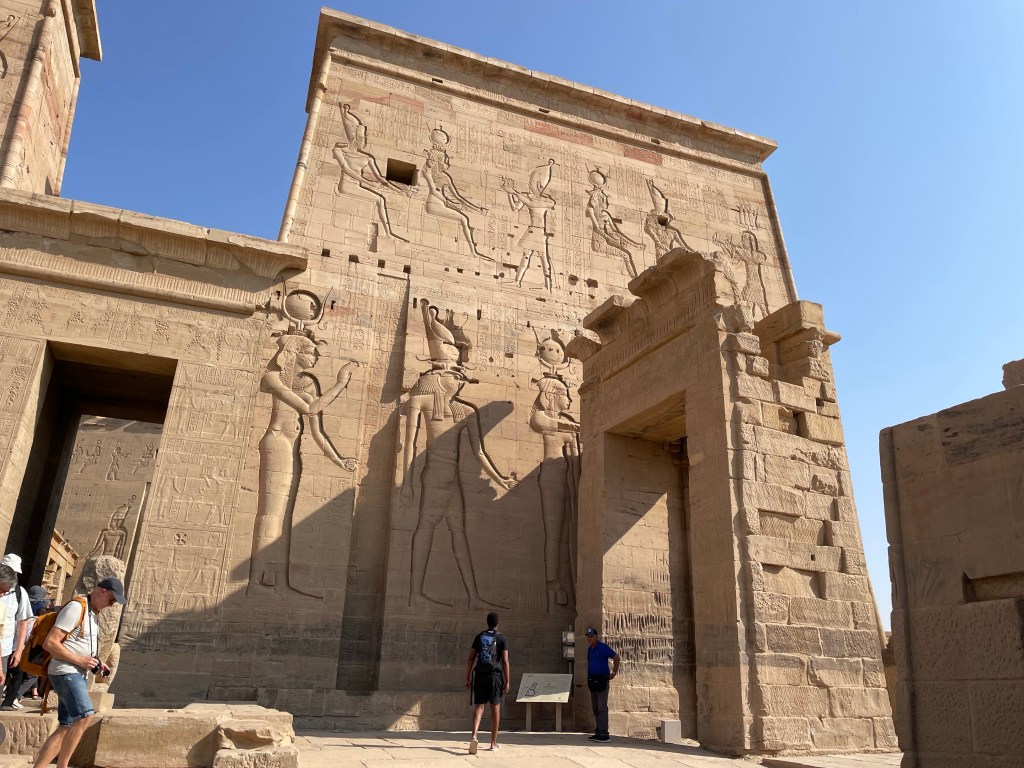
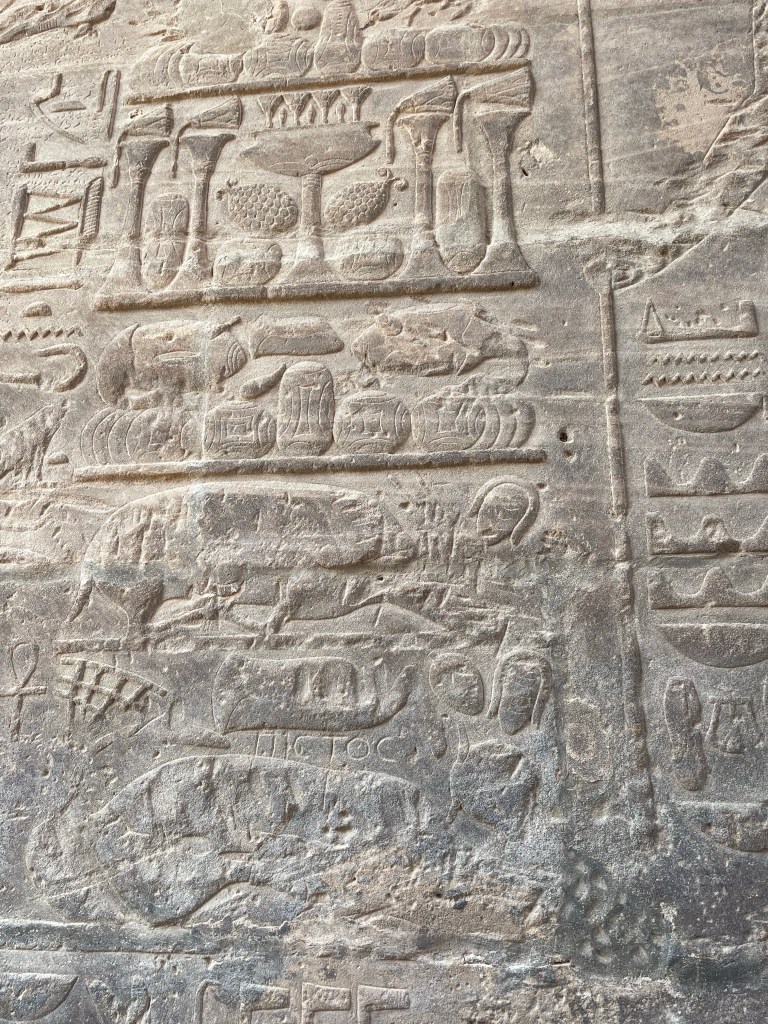
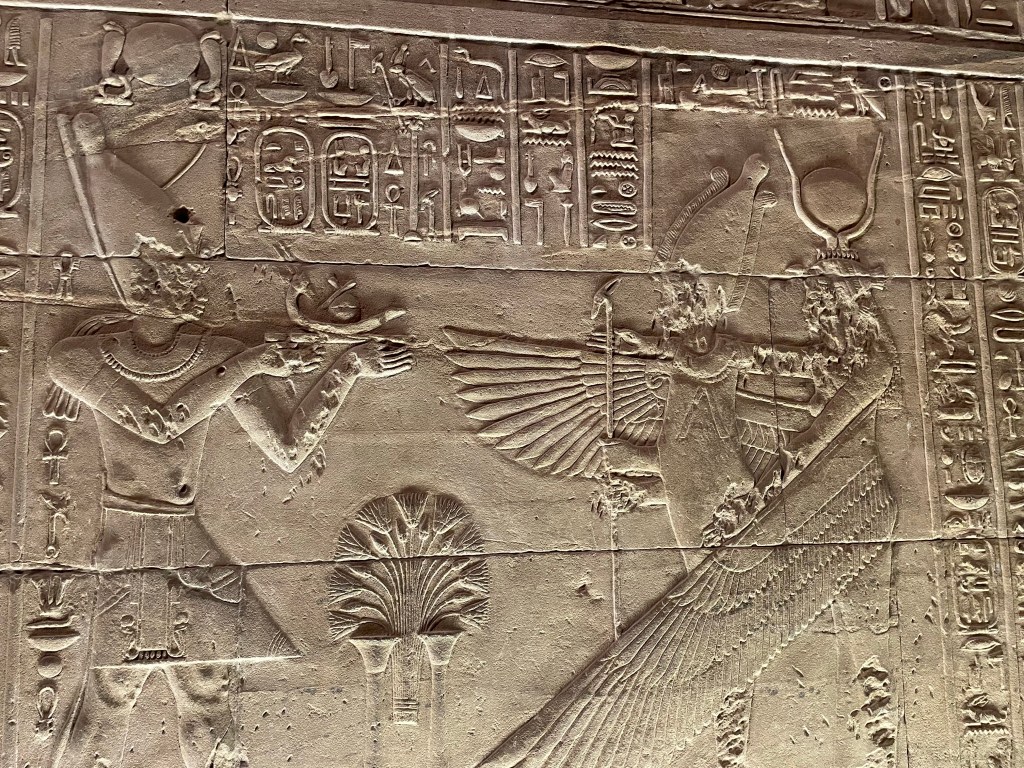

The temple was a huge complex with many structures. Here are some of the pictures taken in the area.


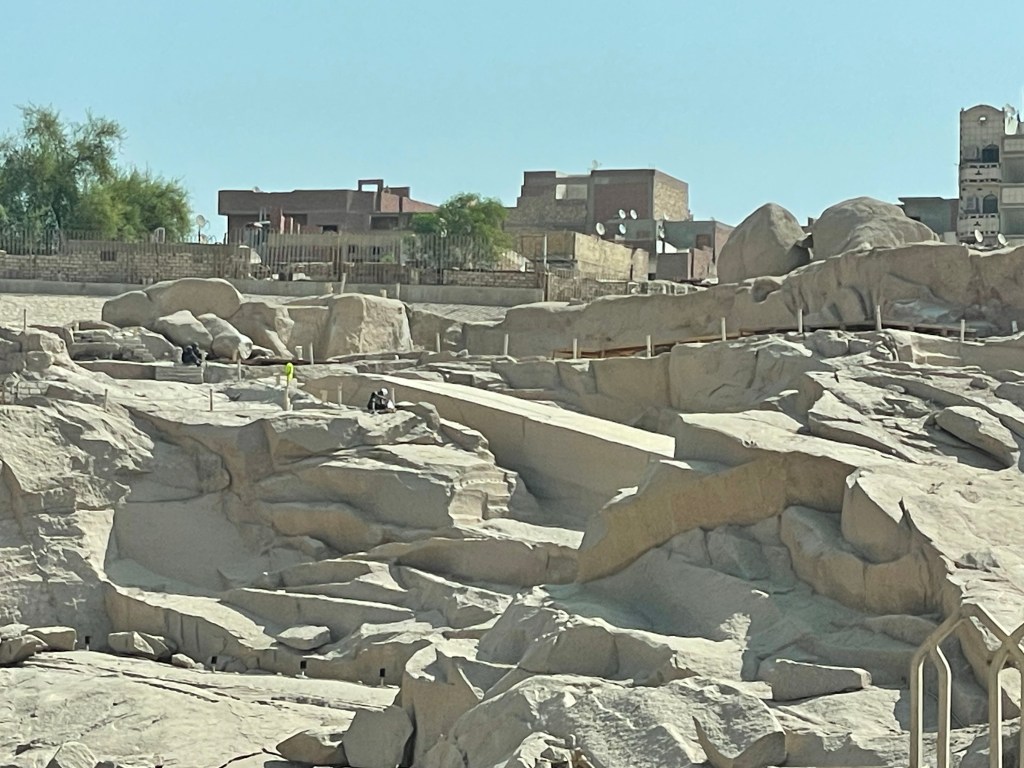
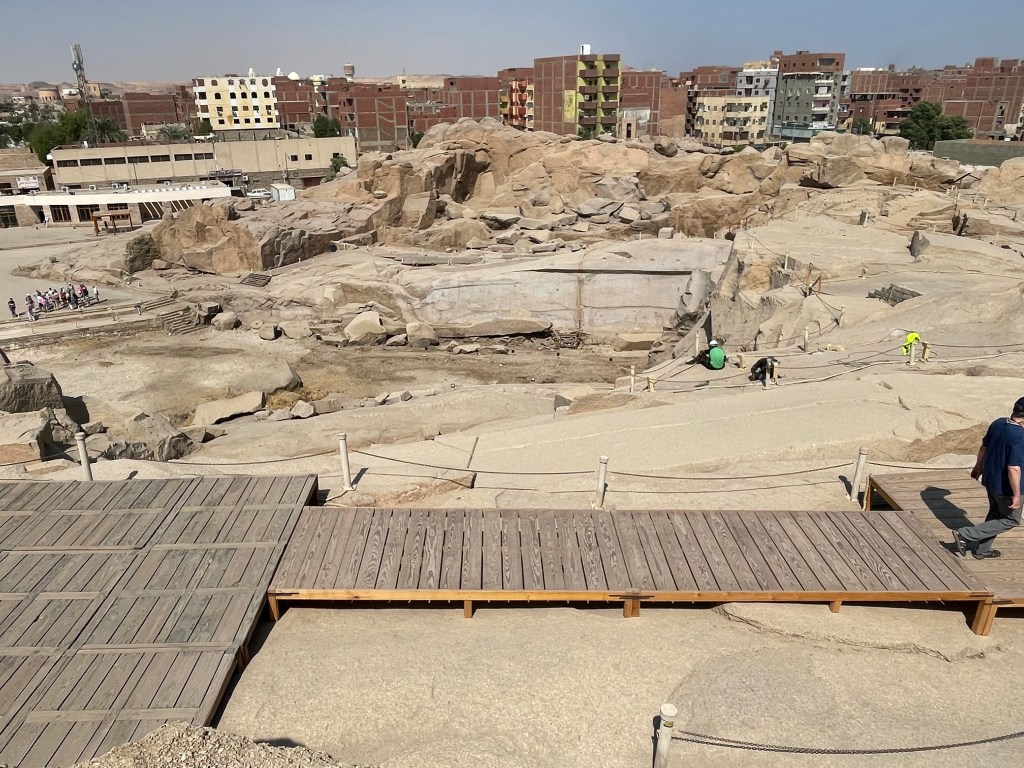
We then proceeded to visit the unfinished obelisk located in the northern quarry. It would’ve weighed over 2,300,000 pounds and would have been the worlds largest piece of stone ever handled. However, a crack in the stone occurred which caused it to be abandoned where it lays today.

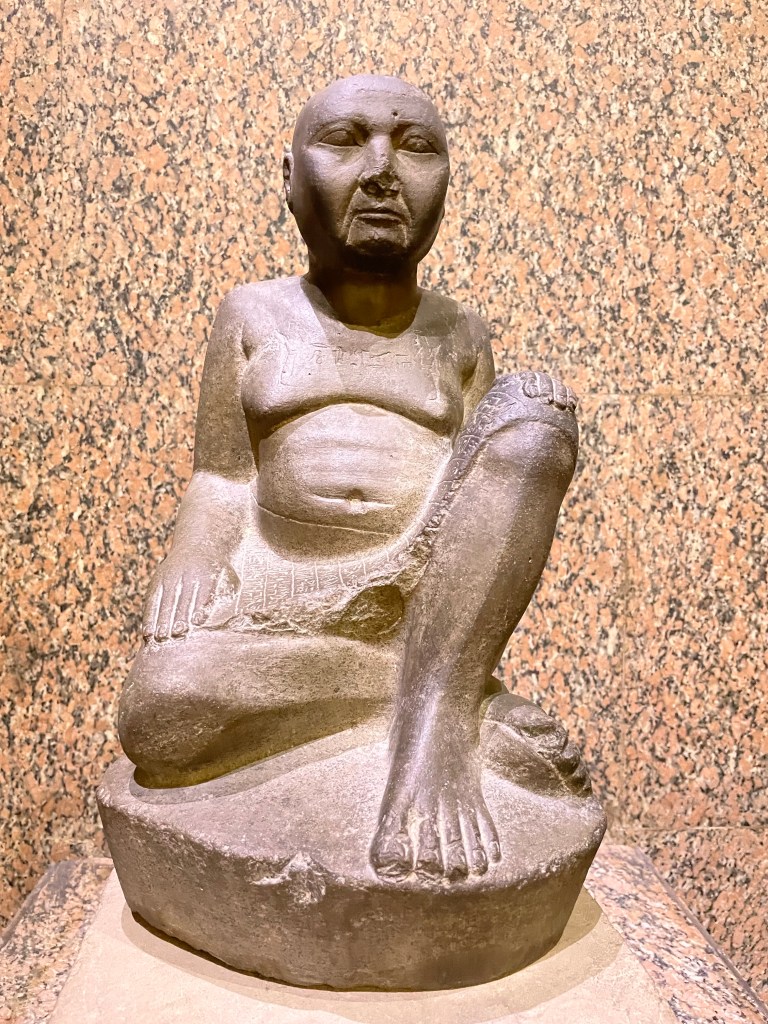
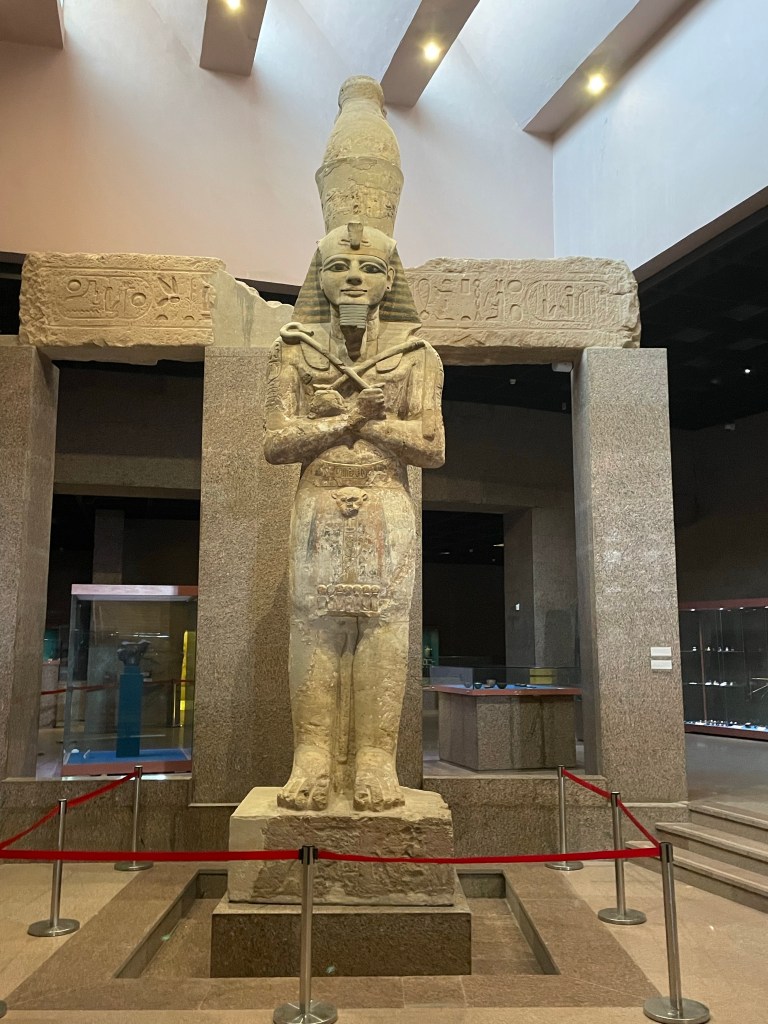
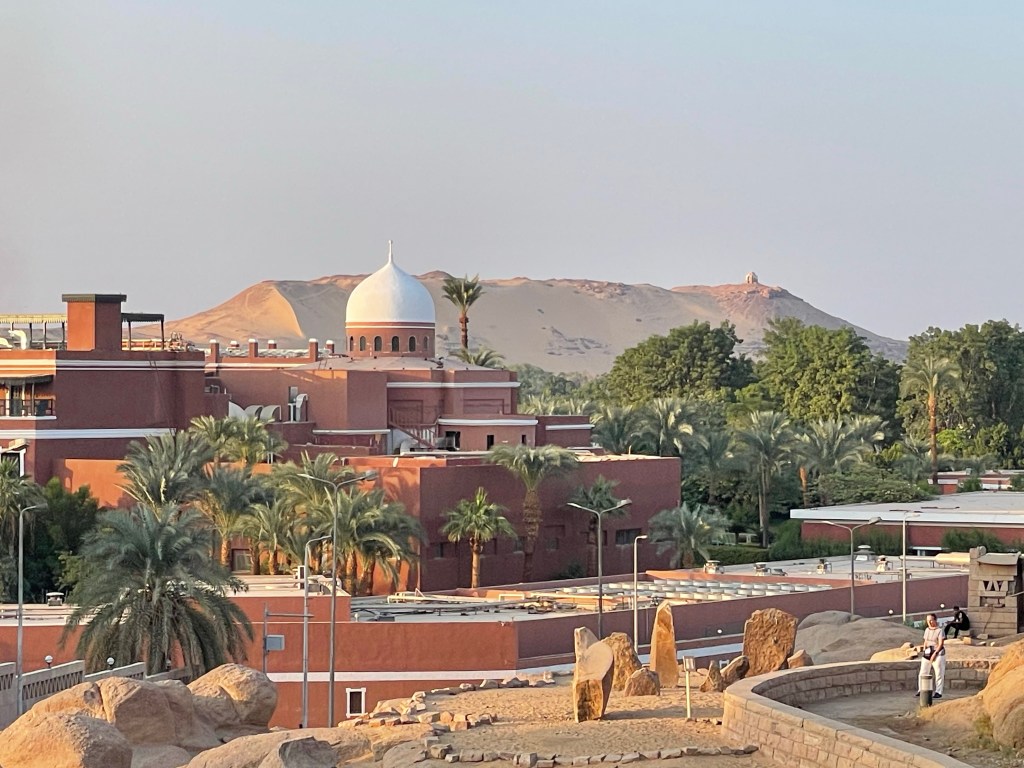
After lunch, we visited the Nubia Museum. Nubia means gold in the hieroglyphic language of ancient Egypt, and is the name given to the region by the Nile that extends from Aswan in Egypt to Khartoum in Sudan. This land of gold was known for its monumental treasures, many of which are on display at the Nubia Museum. All 3000 pieces exhibit in the museum reflect the character of Nubia throughout history and display how it merged with both Islamic civilization and the mother civilization of Egypt.

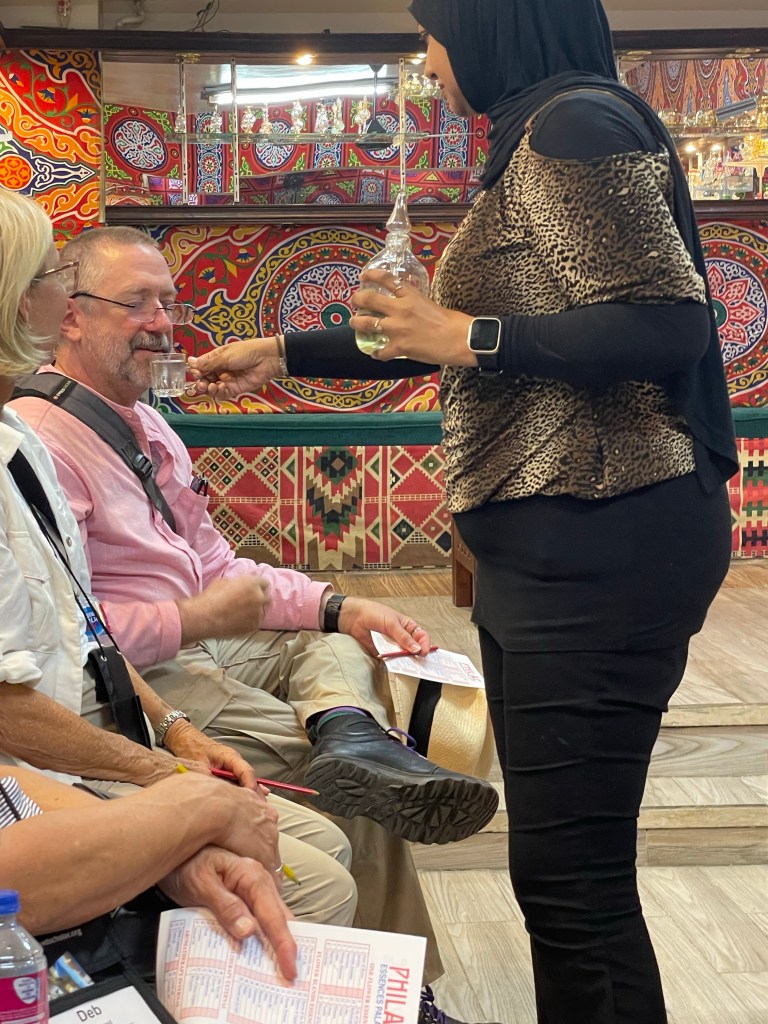
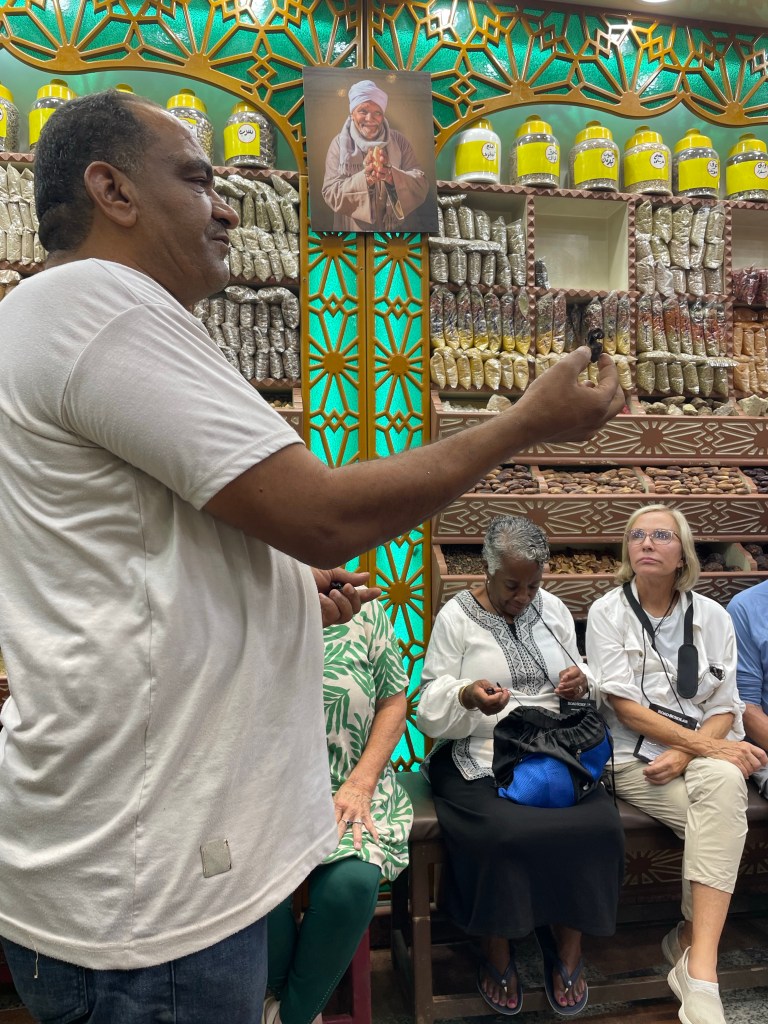
Our guide arranged for us to visit an essential oil manufacturer and the spice market. I was unable to restrain myself, so I am bringing home essential oils and spices.
 RobbieLambertsTravels
Thanks for the great photos and commentary. Anne
LikeLike