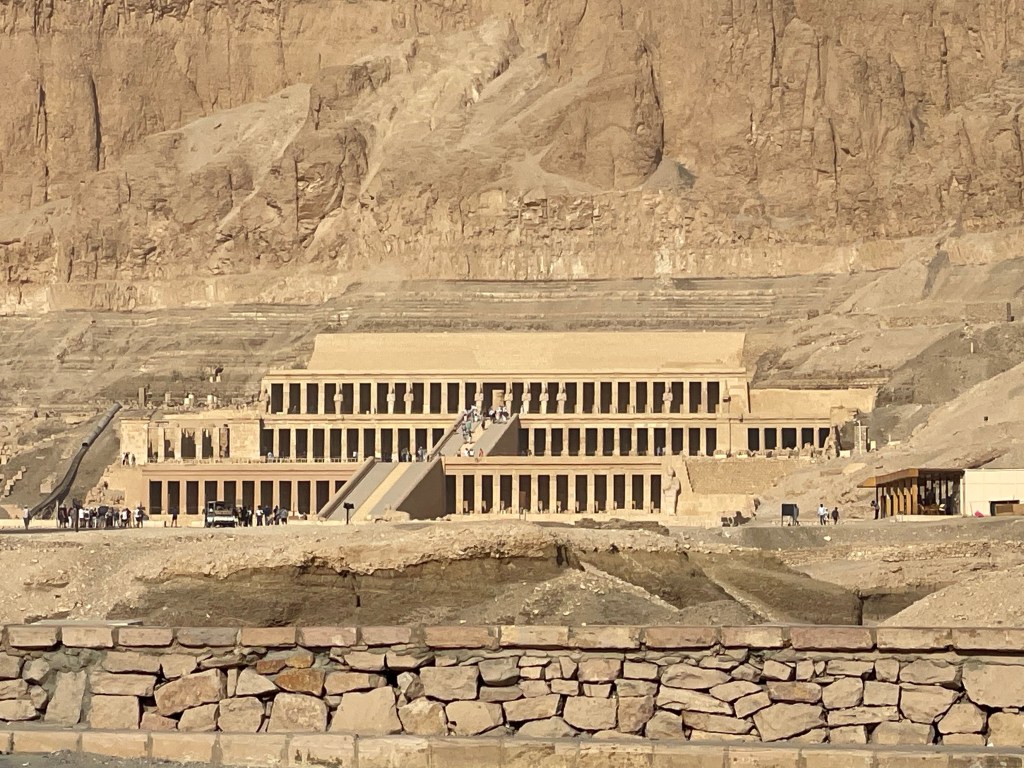
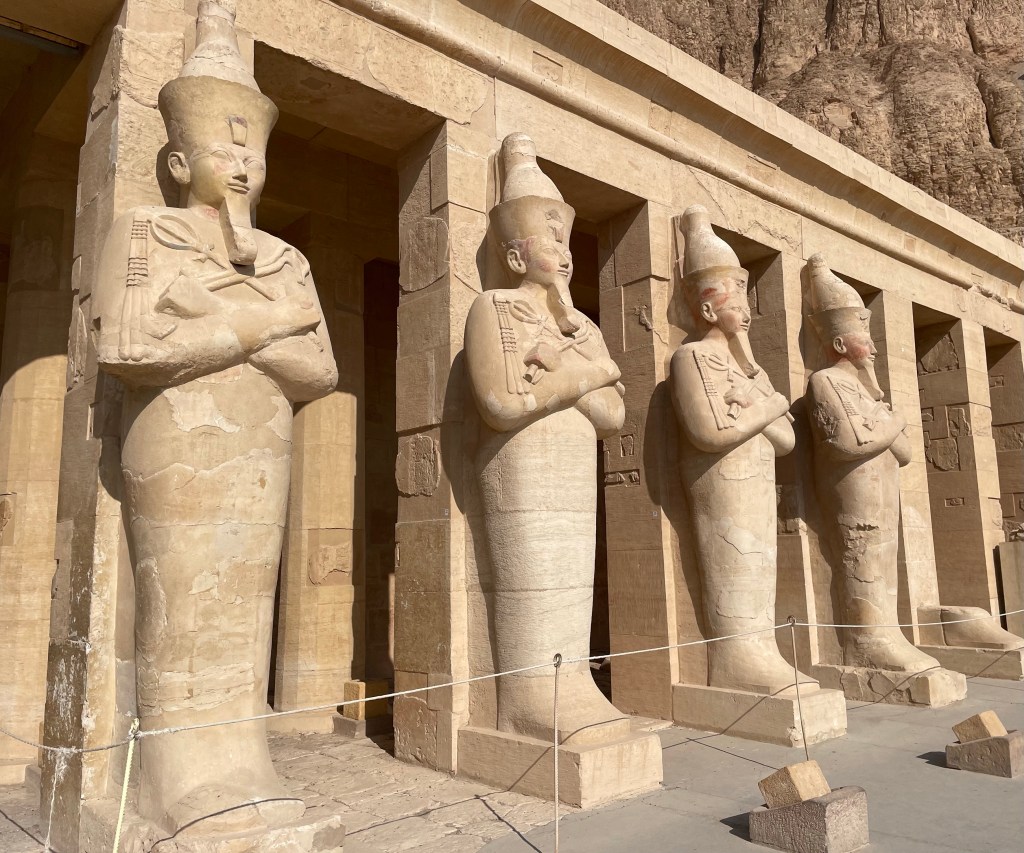
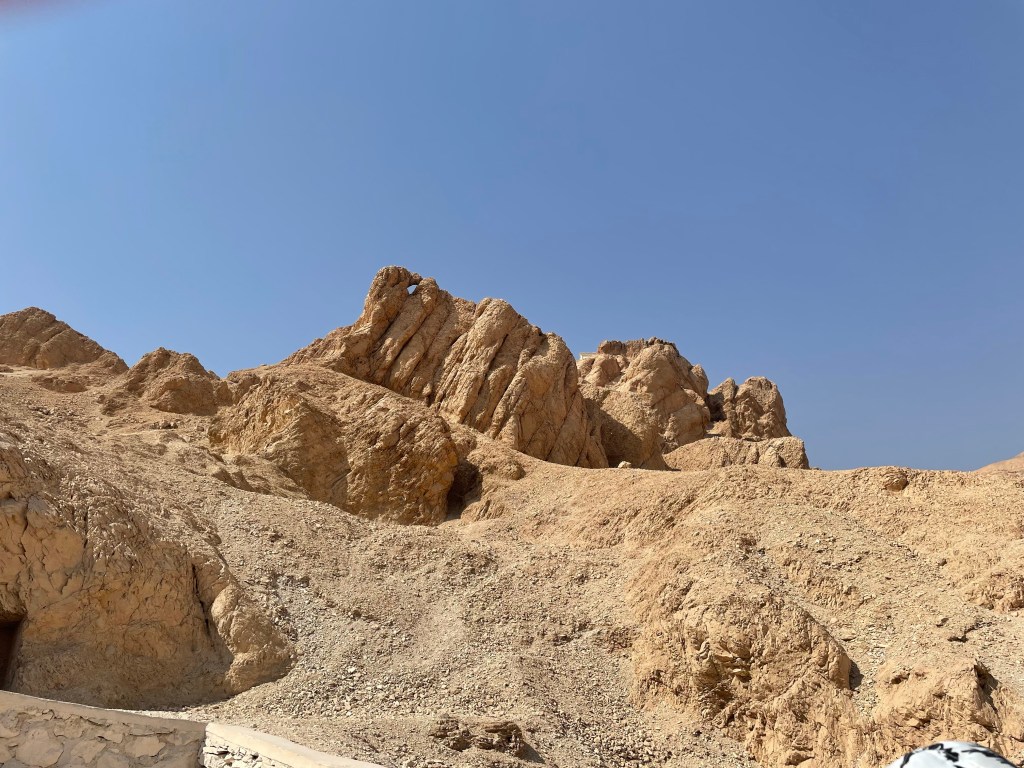
During the morning of our first day in Luxor, we visited the temple of queen Hatshepsut and the Valley of the Queens. Hatshepsut was the great royal wife of Pharaoh Thutmose II and served as the fifth pharaoh of the 18th dynasty of Egypt. She initially reigned as a regent for Thutmose III but assumed the full position of pharaoh. She reigned for 20 peaceful and prosperous years. After her reign, Thutmose III, who was incensed at her ruling in his steed, tried to erase official records of her rule.
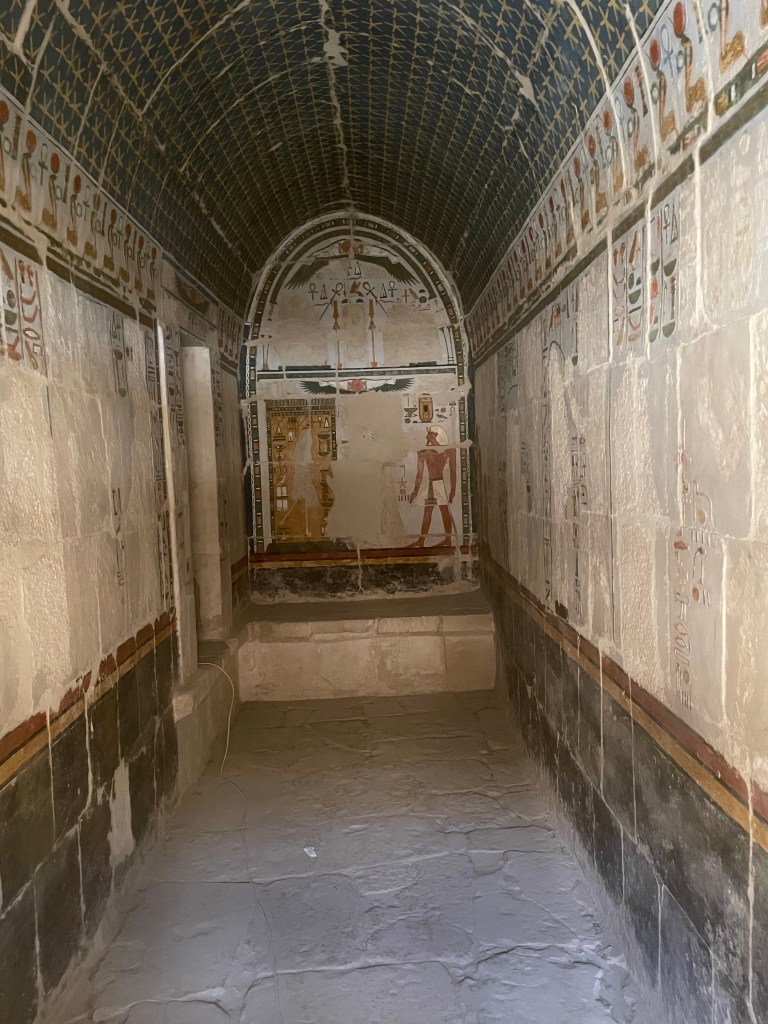
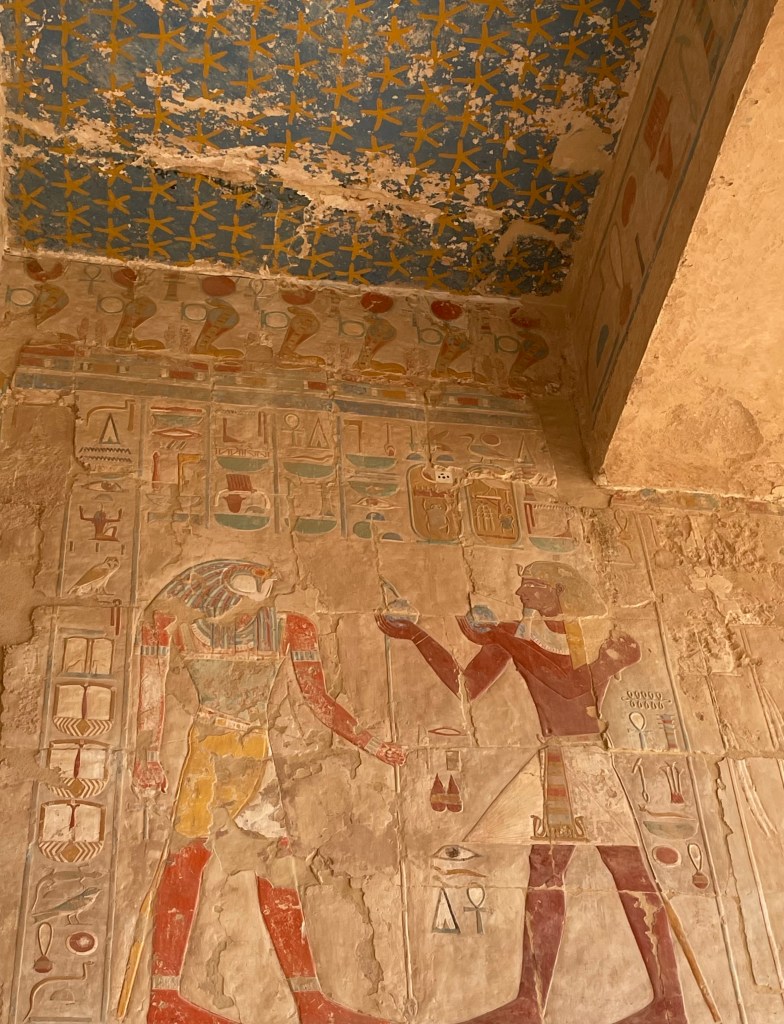
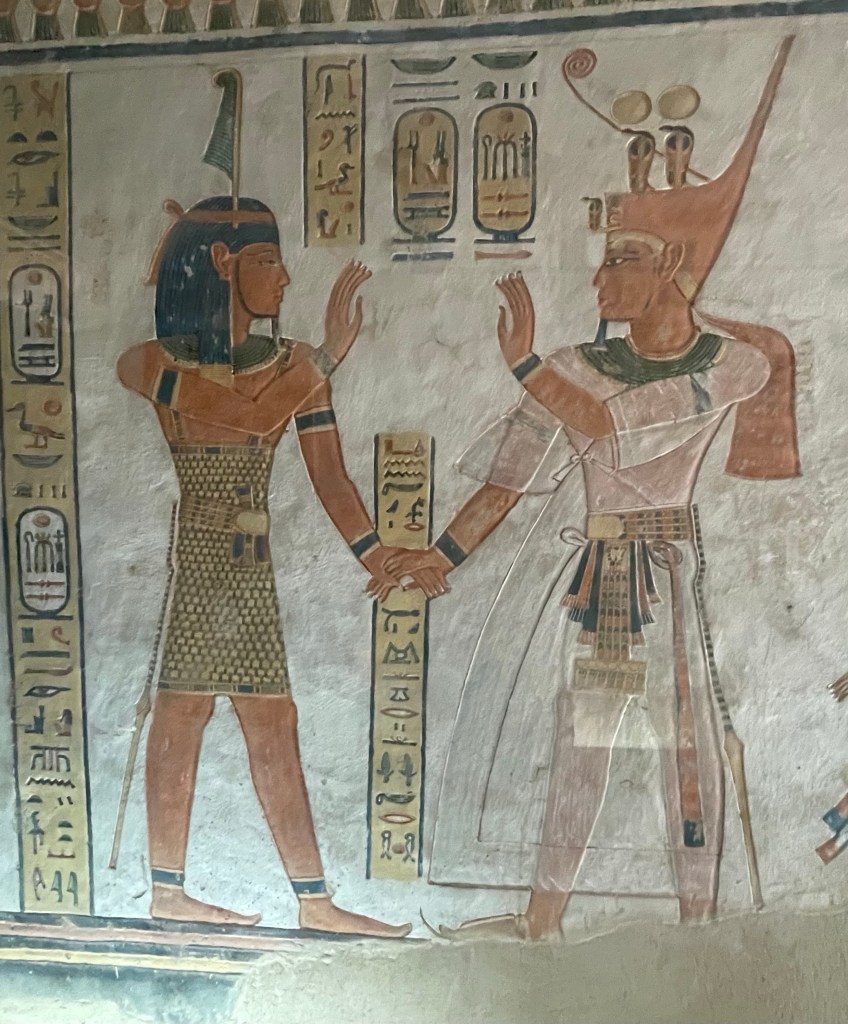
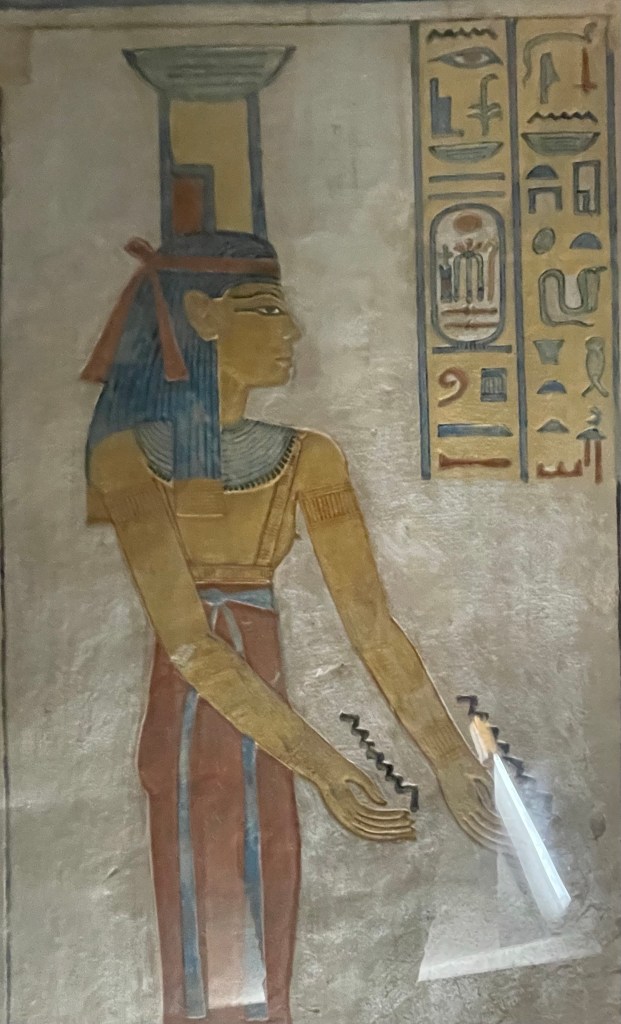
The Valley of the Queens, known at the time as Ta-Set-Neferu or the place of beauty, is the necropolis of the wives, daughters and sons of many Egyptian pharaohs of the 19th and 20th dynasties. One of the tombs we visited, was the son of King Ramses III, Amen-Khopshef. The colors were really well preserved in these tombs.



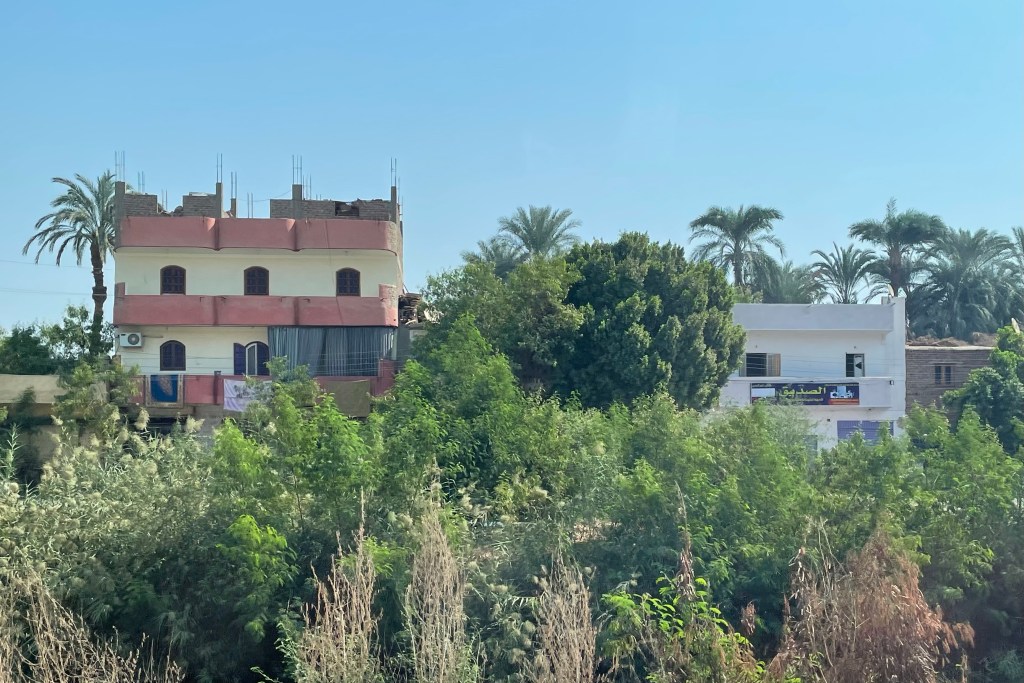
A few pictures taken from the bus on ride back to Luxor.

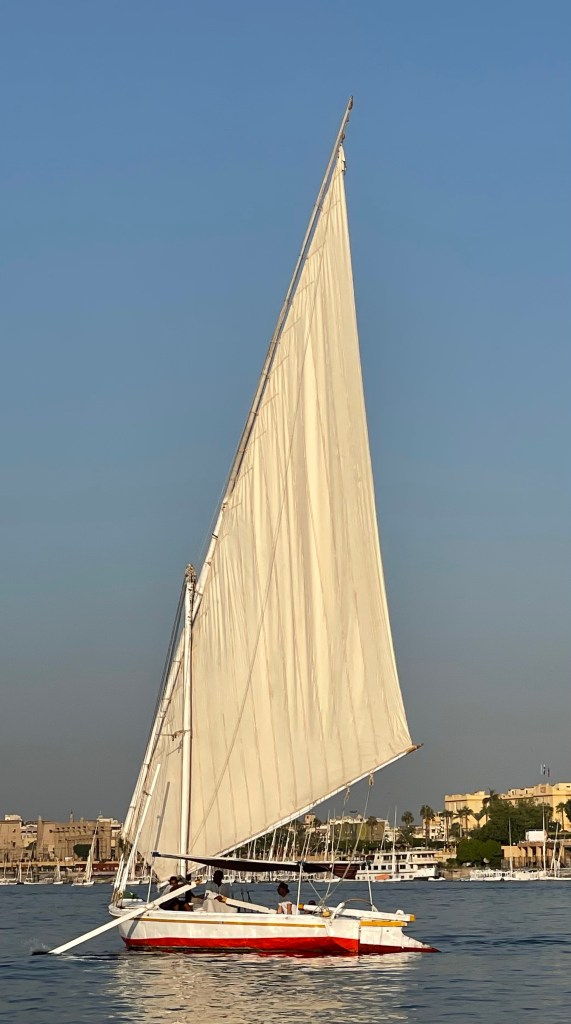
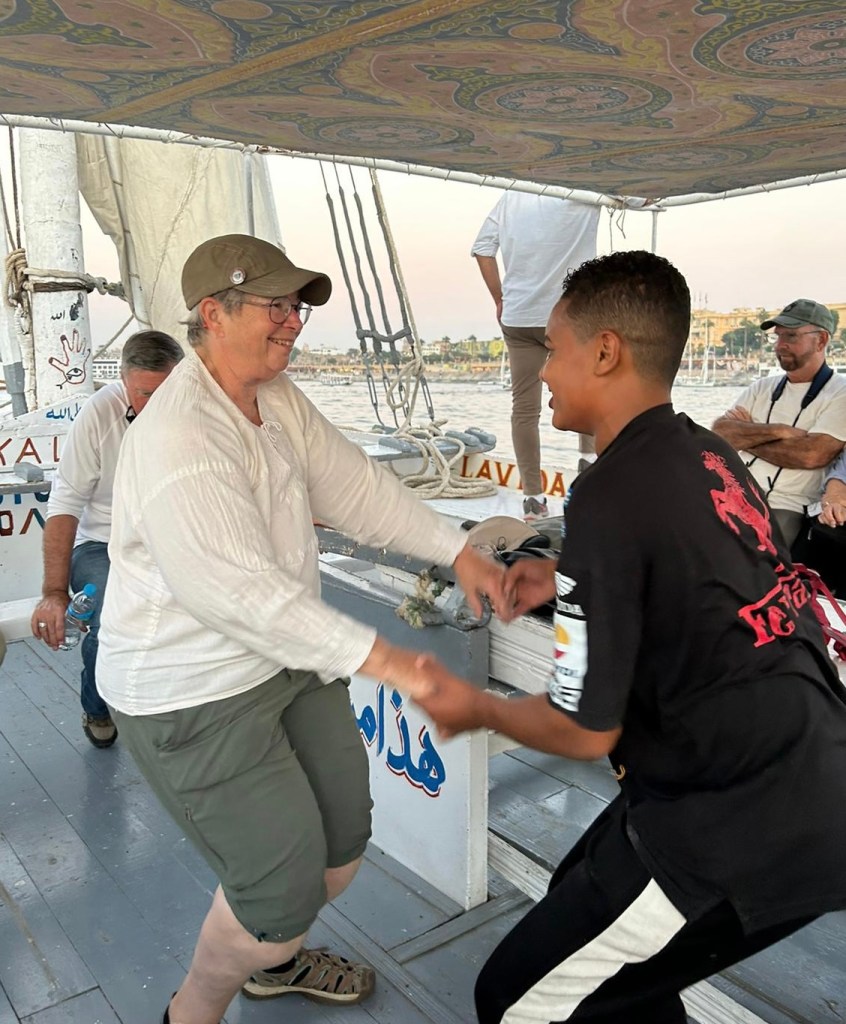
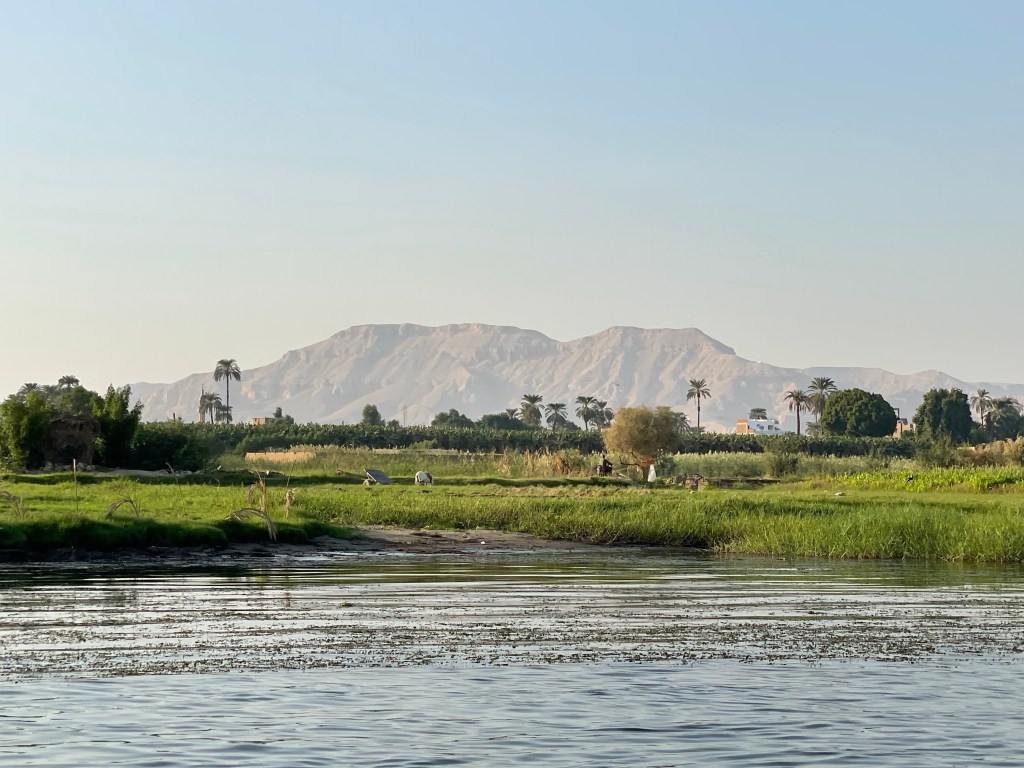
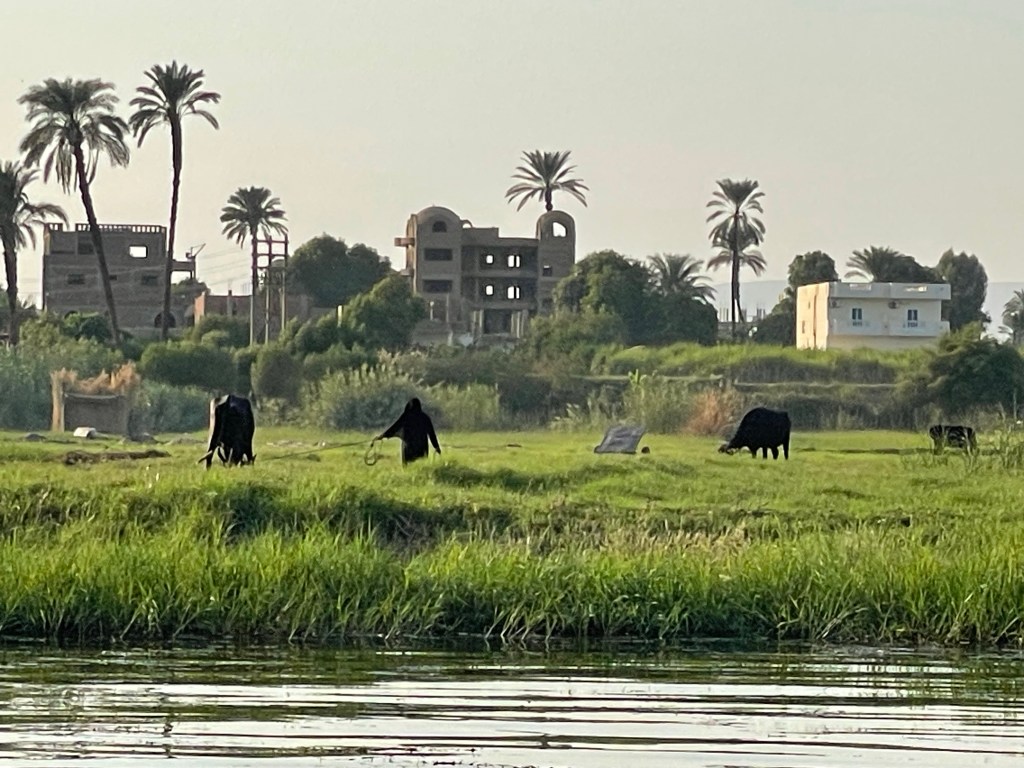
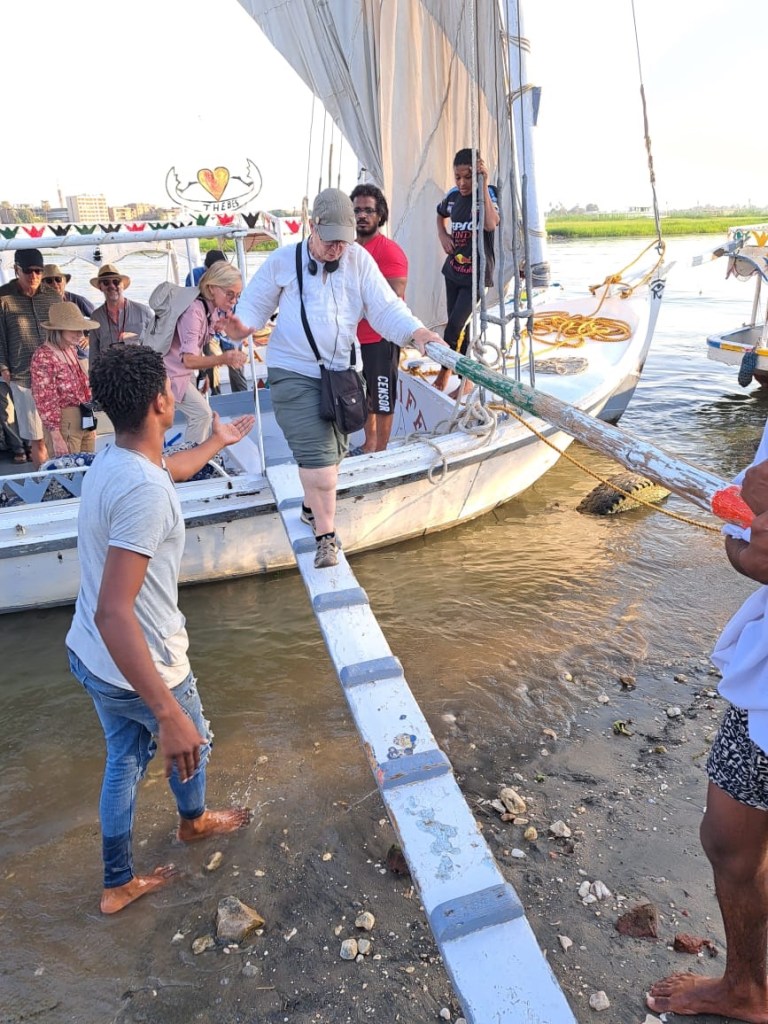
After lunch, we took a felucca ride. Unfortunately, there was no wind so the felucca was pulled by another boat. We went to an area called banana Island to visit a plantation.

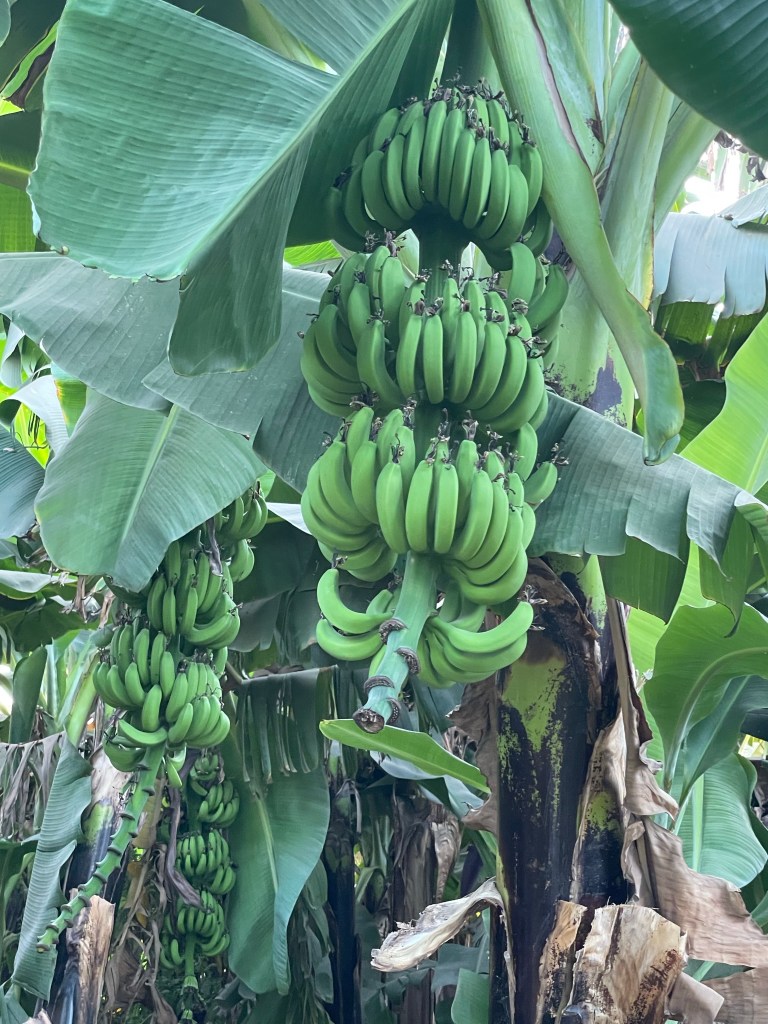
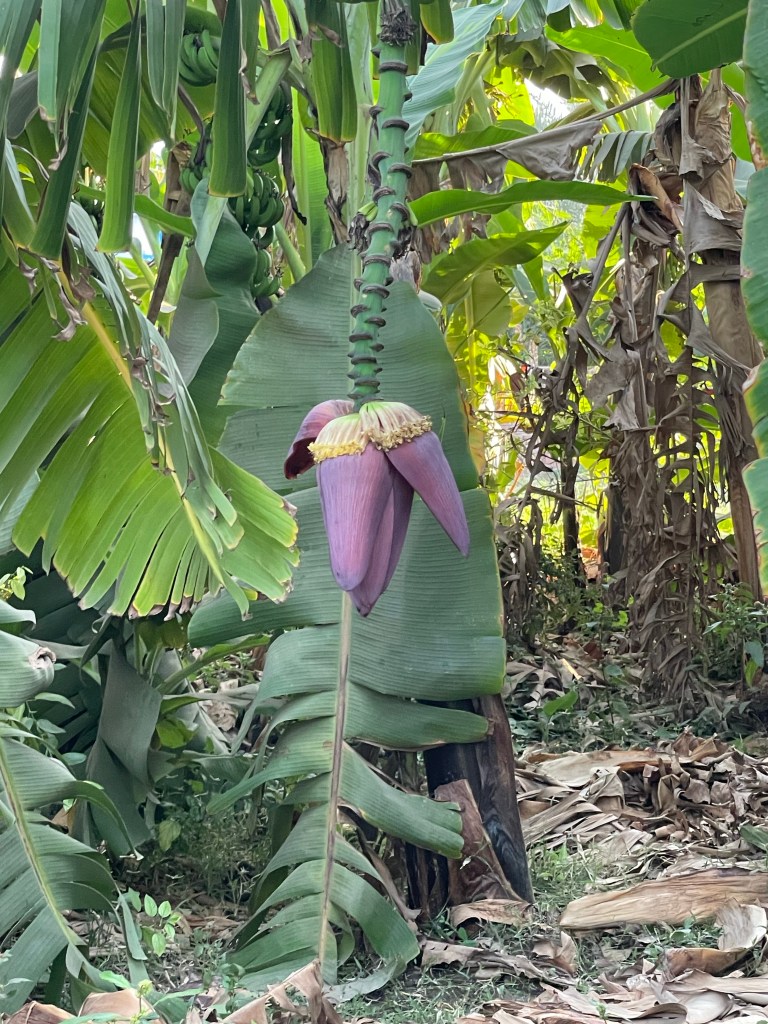
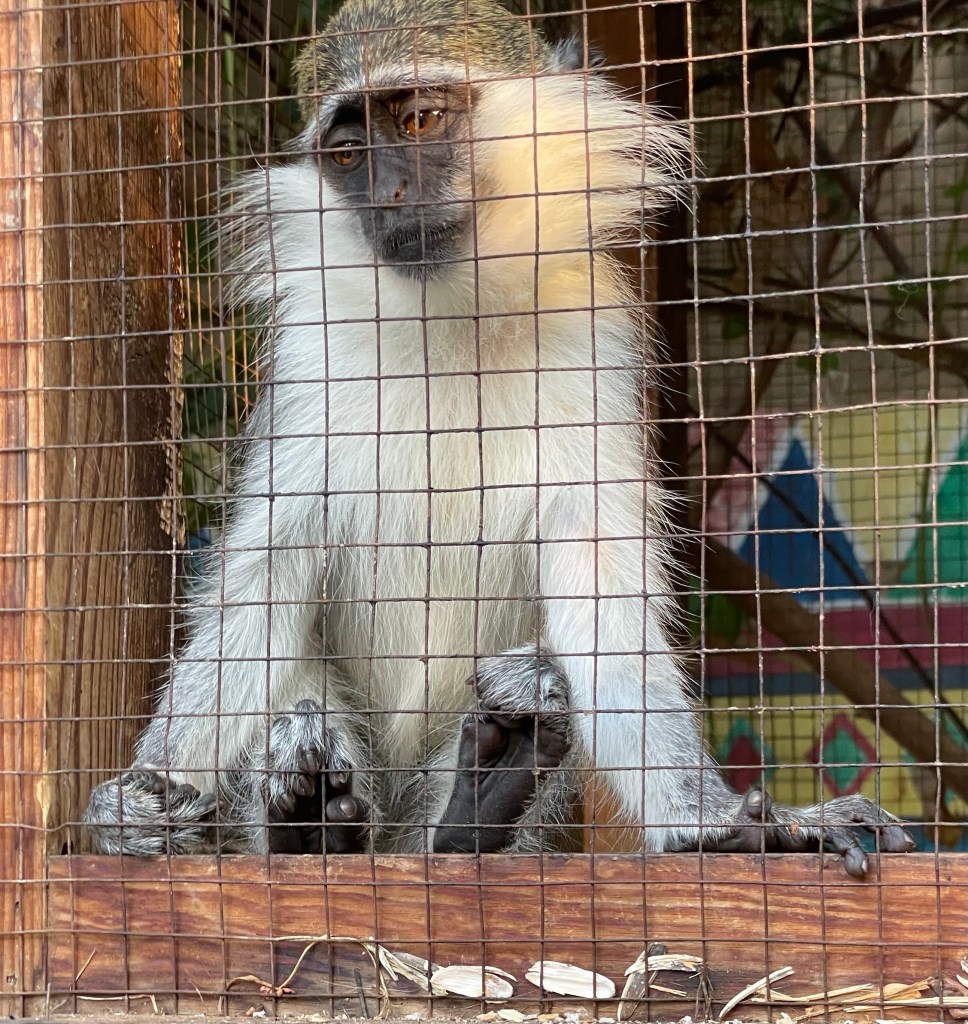
The plantation had a number of animals in cages. I will include some pictures here. However, I was quite upset by this and when I filled out my evaluation for Roadscholar, I made a point of saying that this was not the kind of thing that I expected on a Roadscholar trip. I hope that in the future they will come up with a different activity.

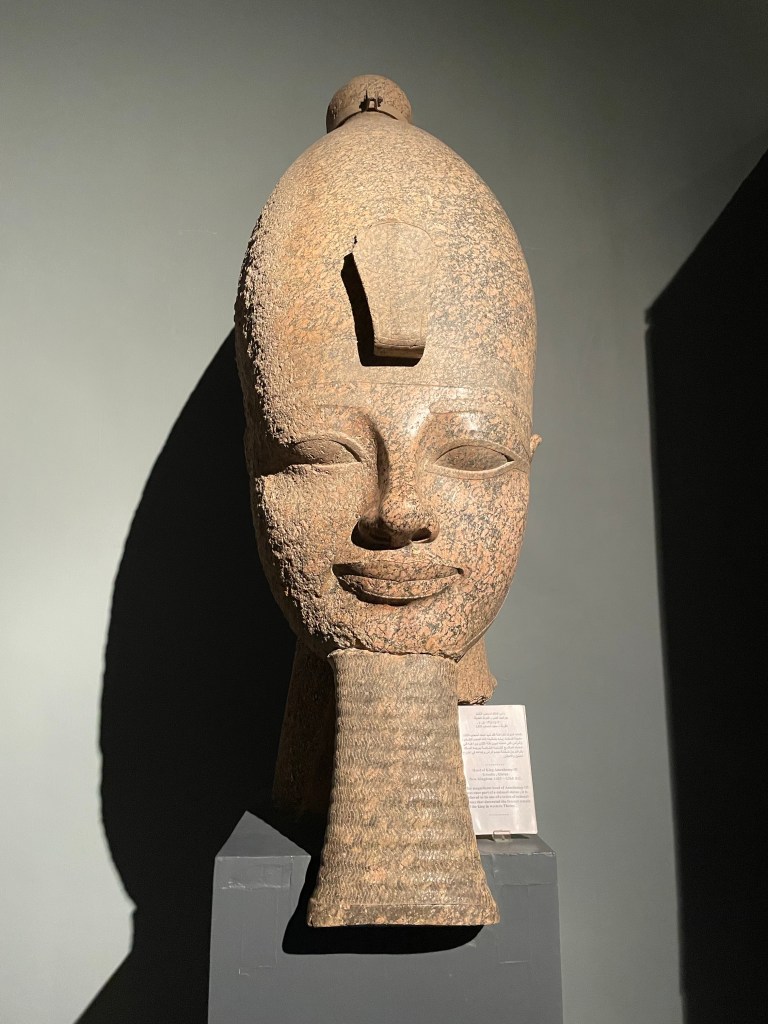
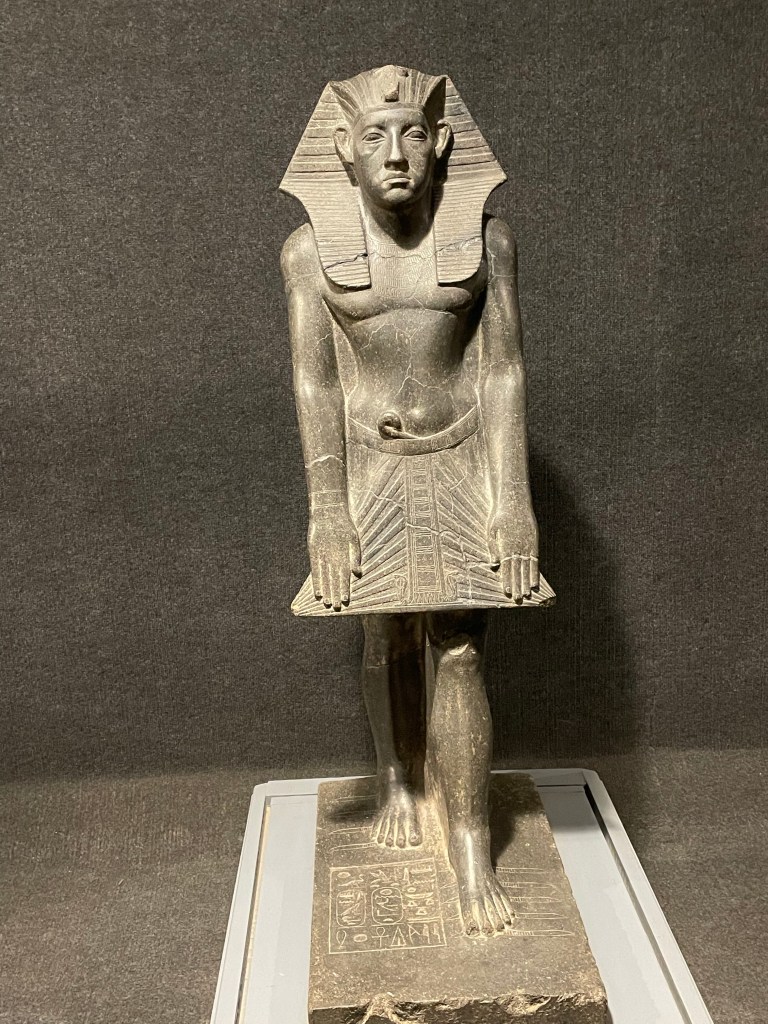
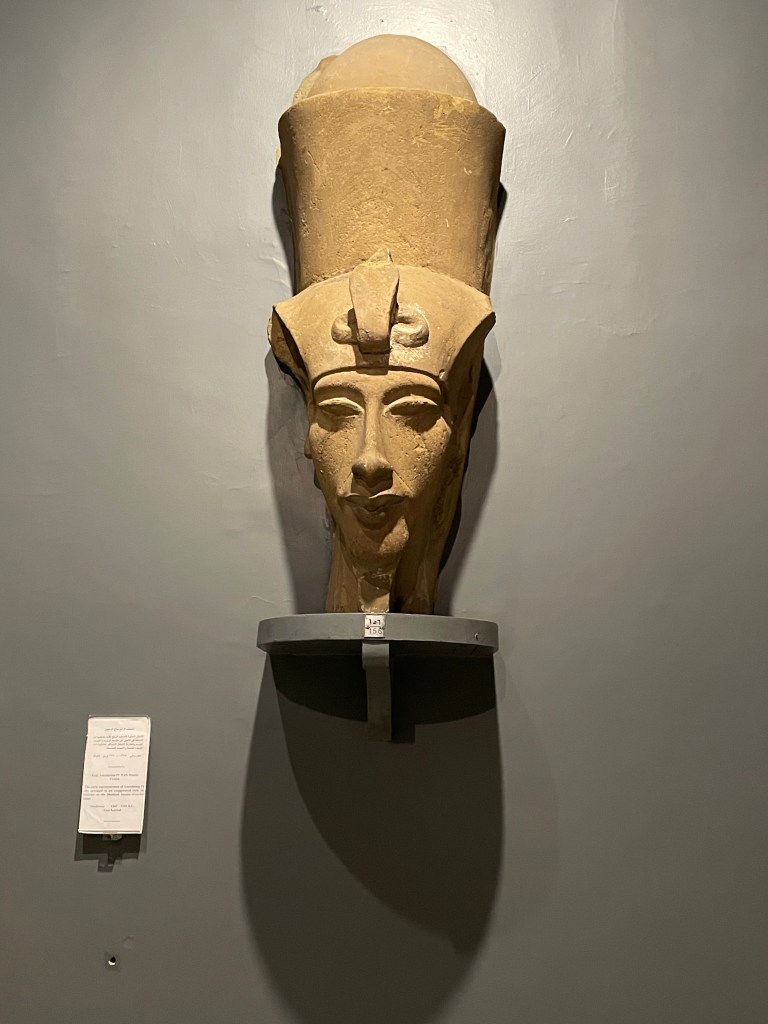
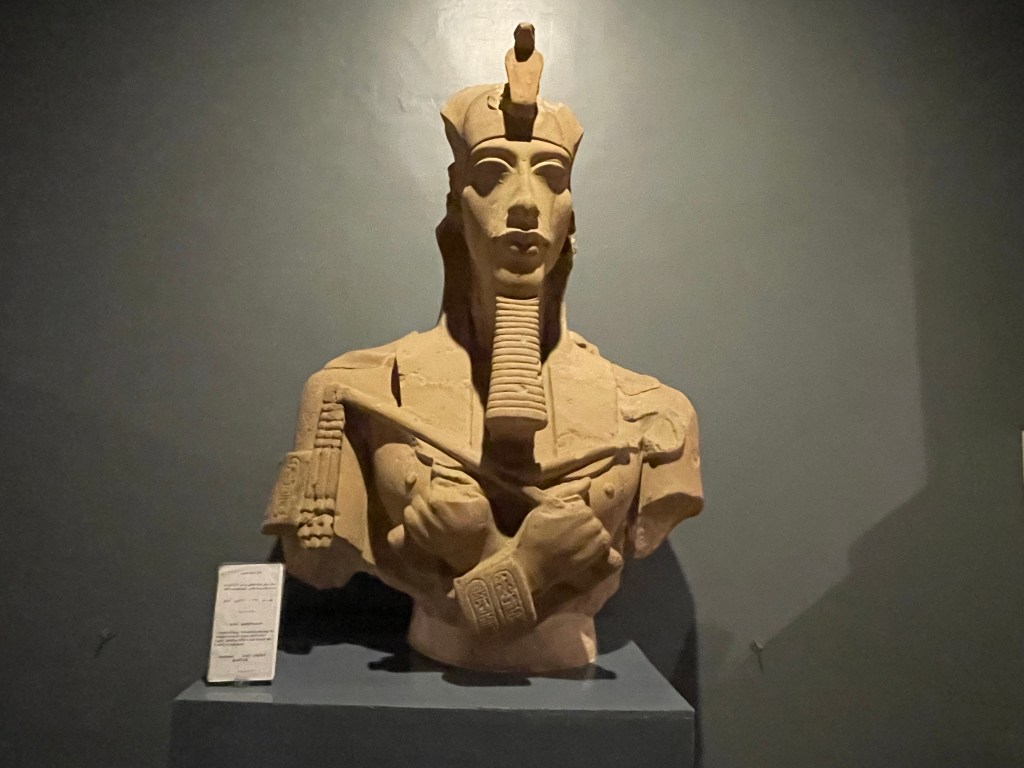
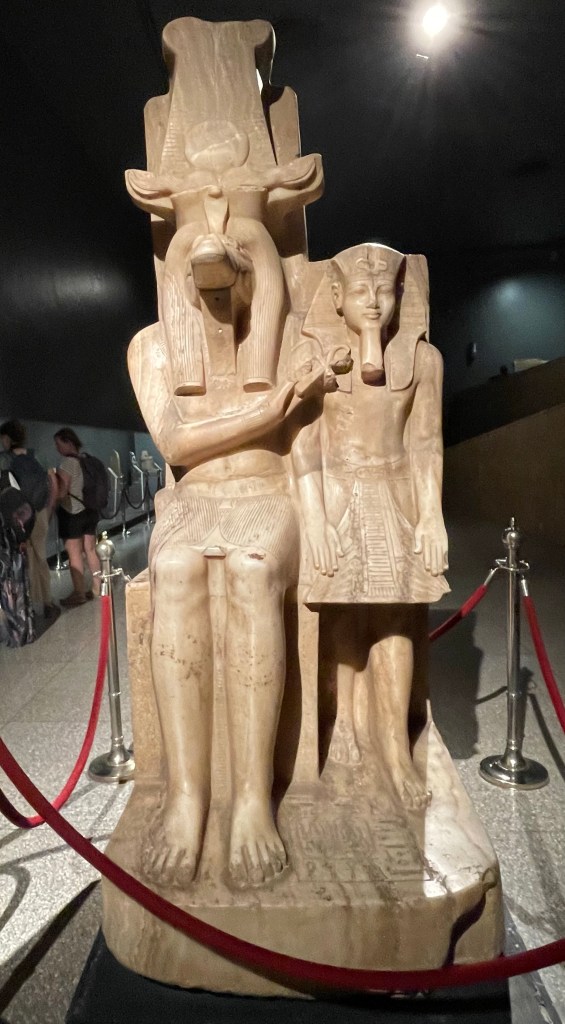
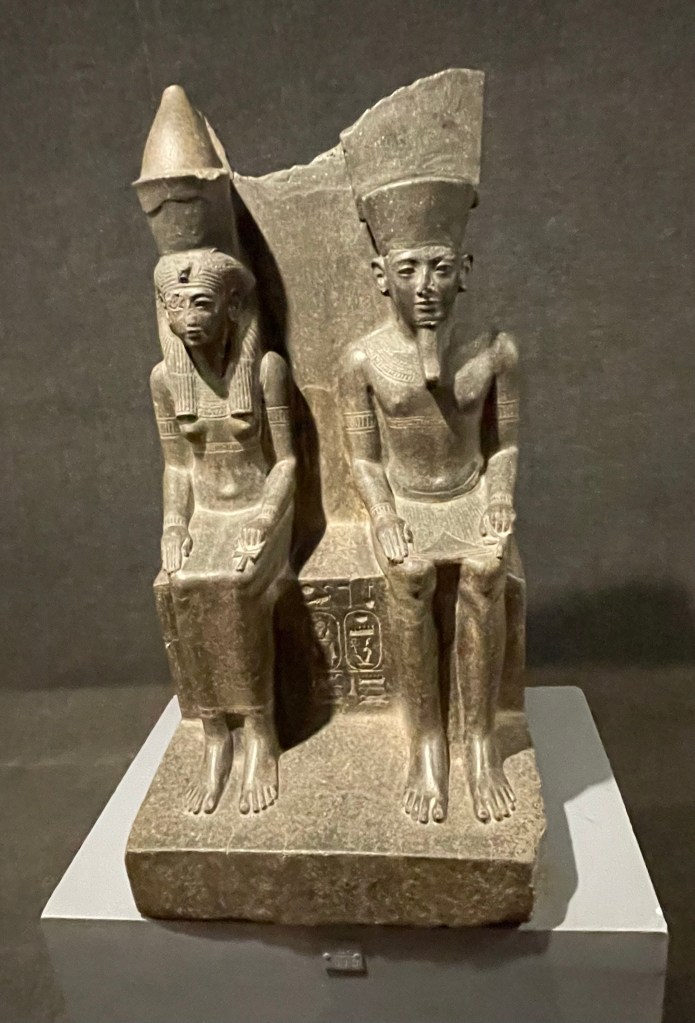
Our last excursion of the day was to the Luxor Museum of Archaeology. Opened in 1975, this museum has a small but significant collection of artifacts and statues collected from the nearby temples of Luxor and Karnak.
 RobbieLambertsTravels