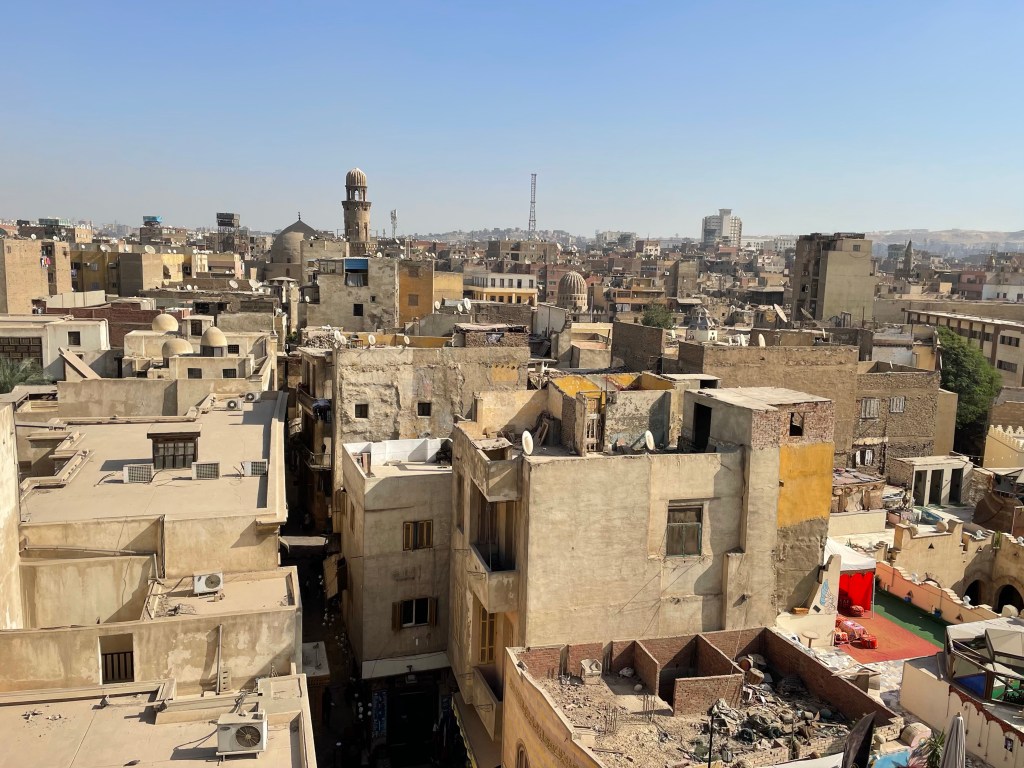
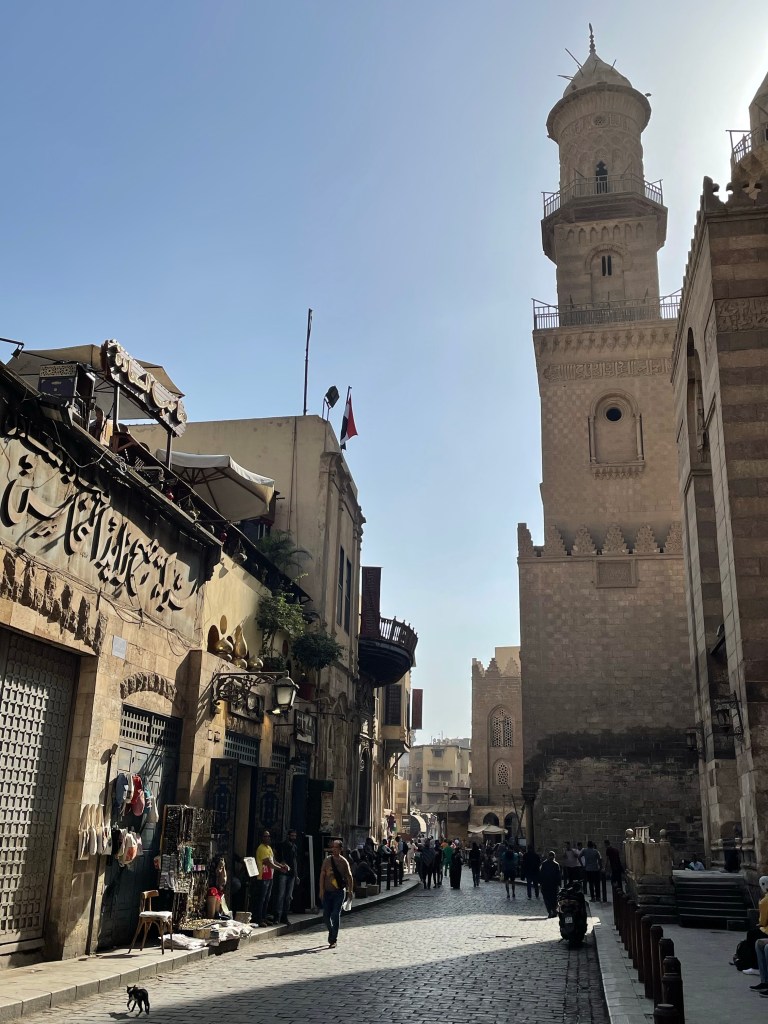
Today we explored the Islamic heritage of Cairo. Islam came to Egypt and 641CE. Islam spread quickly because people were given the choice of conversion or serving in the army. The Ottomans arrived in 1514 CE. We visited a number of mosques and concluded our visit on El-Moez Street, the most important street of Islamic Cairo. Dating to the 10th century, El-Moez was the main street where markets and shops flourished. It is also the location of the Khan El Khalili bazaar originally founded as a center of trade during a Mamluk era.
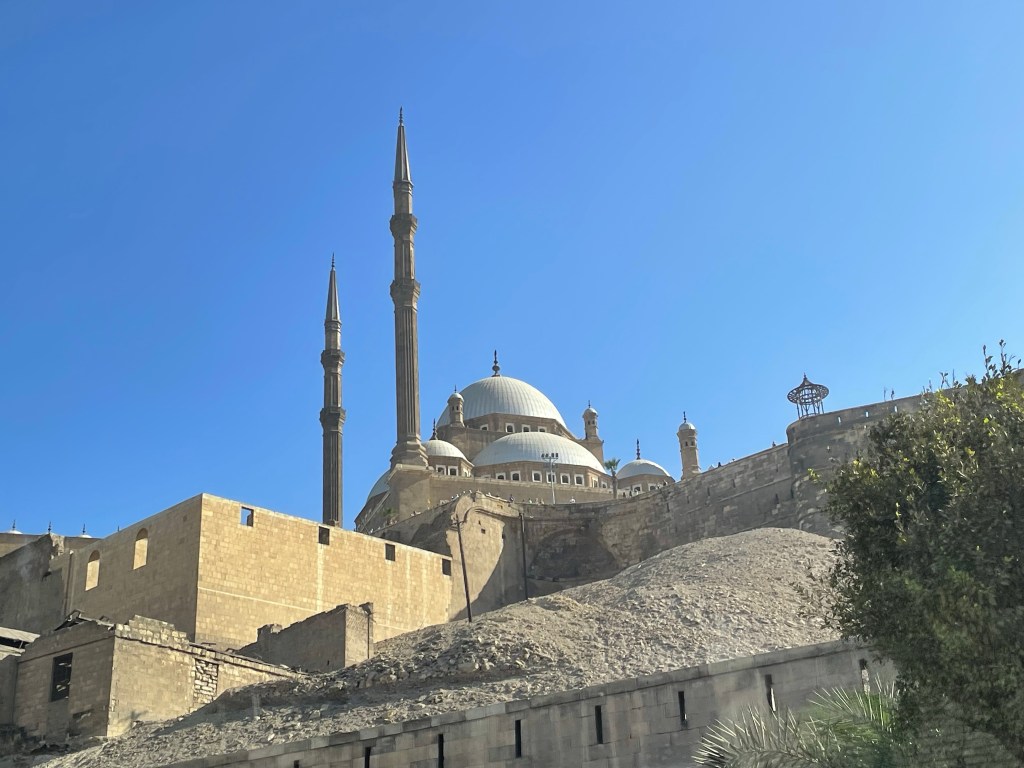
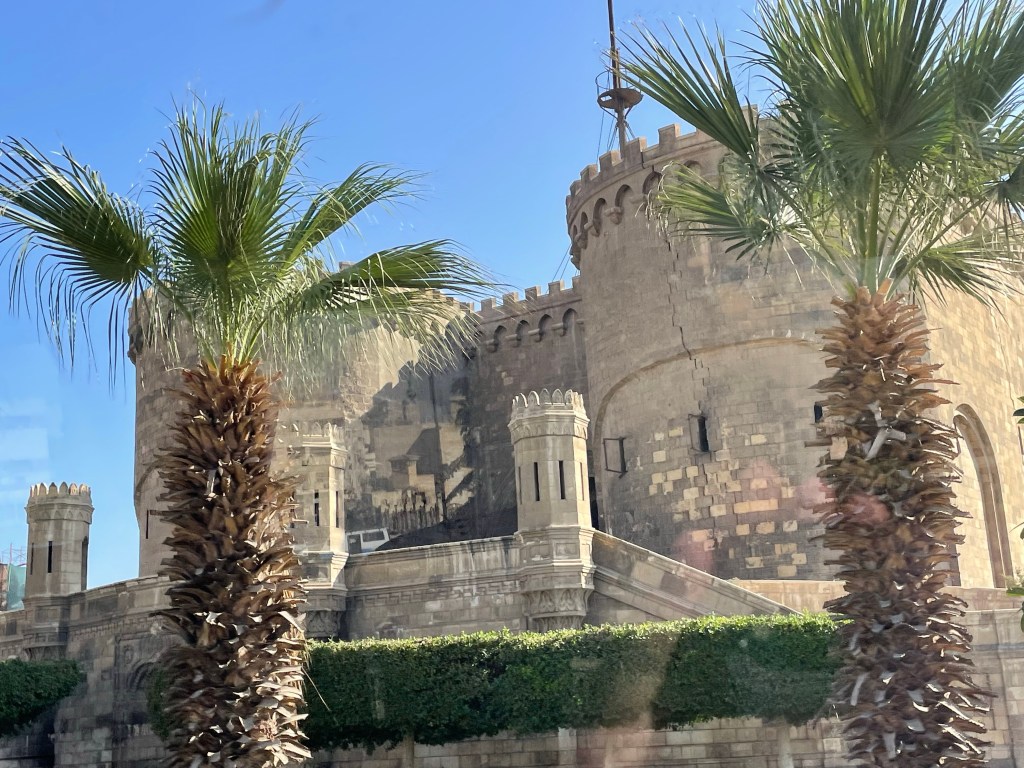
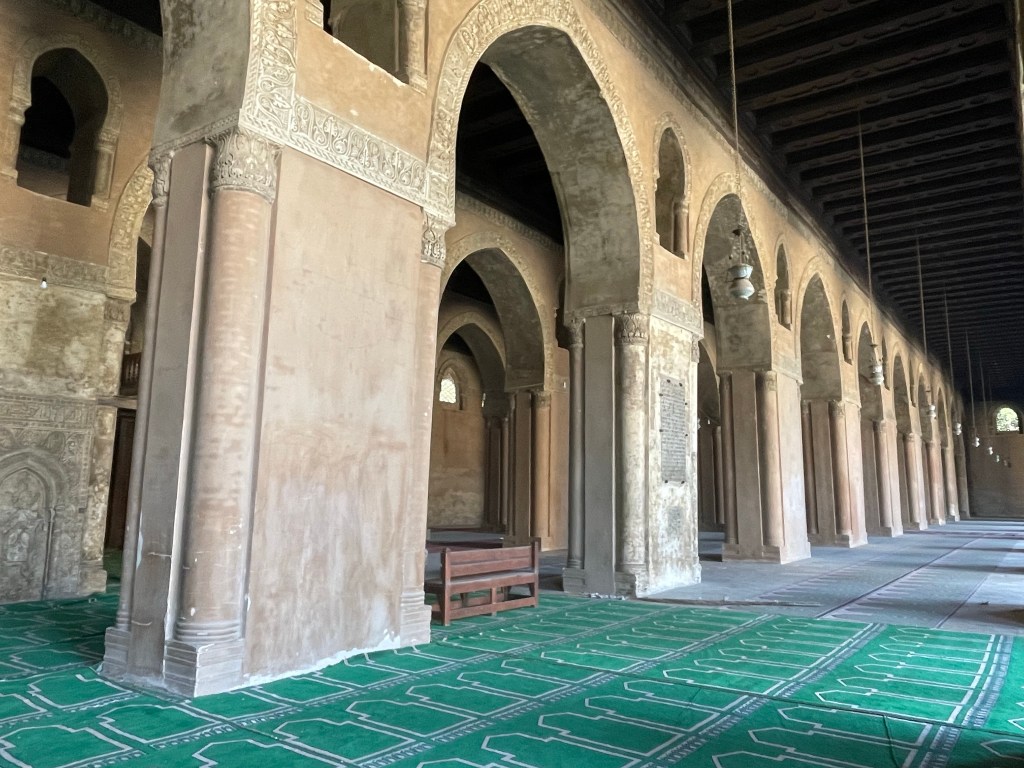
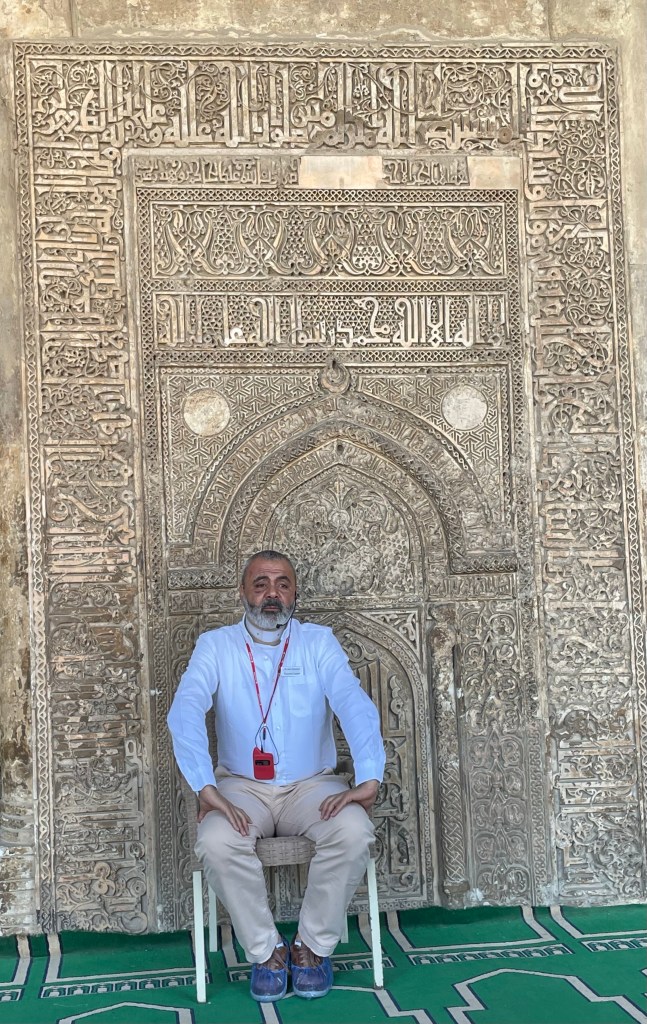
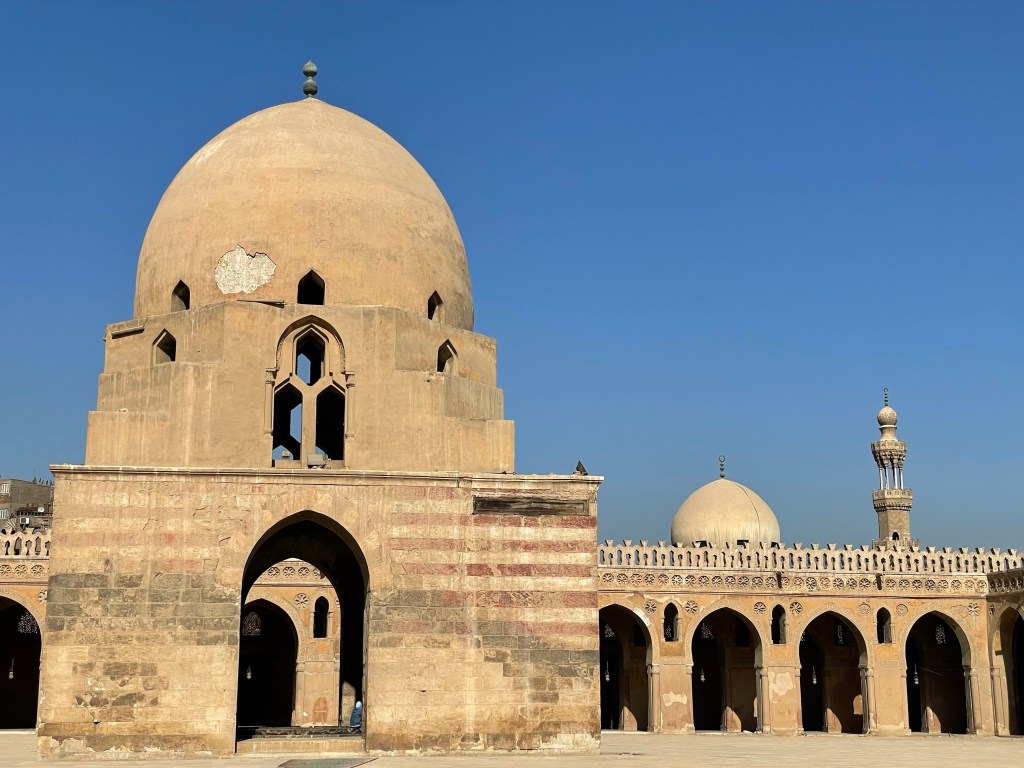
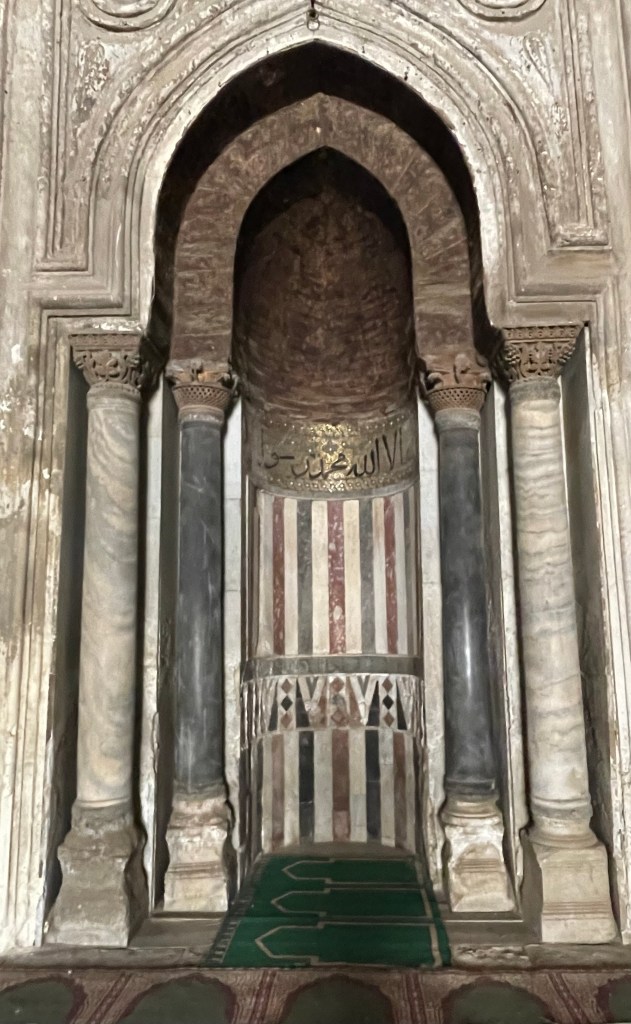
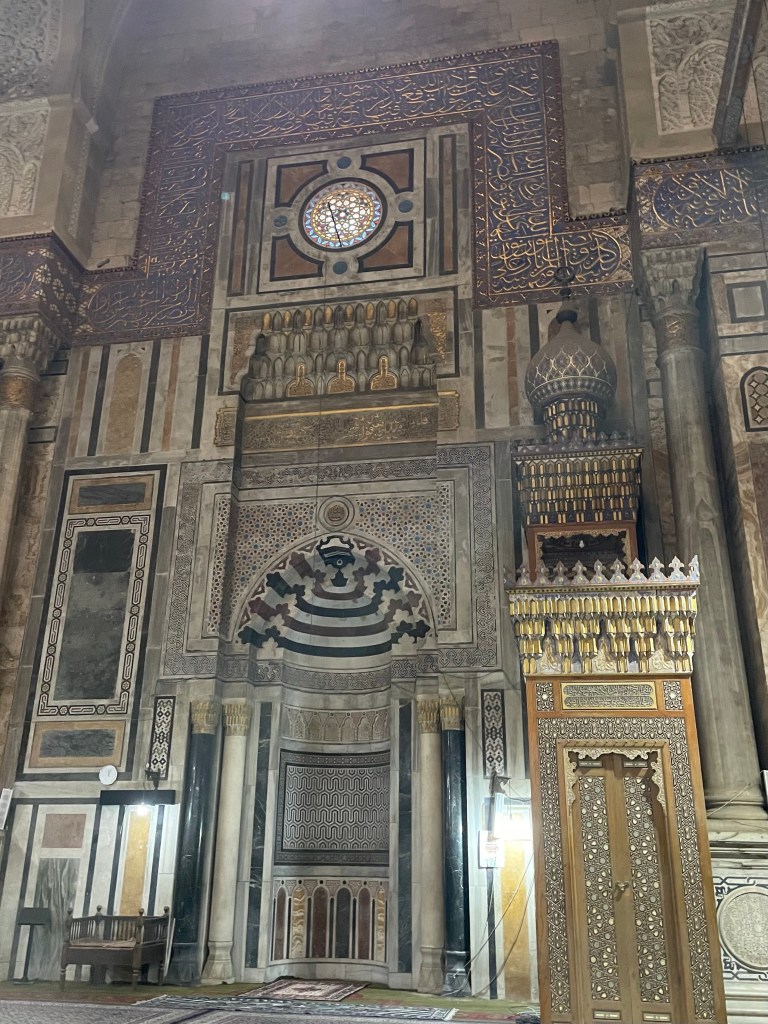
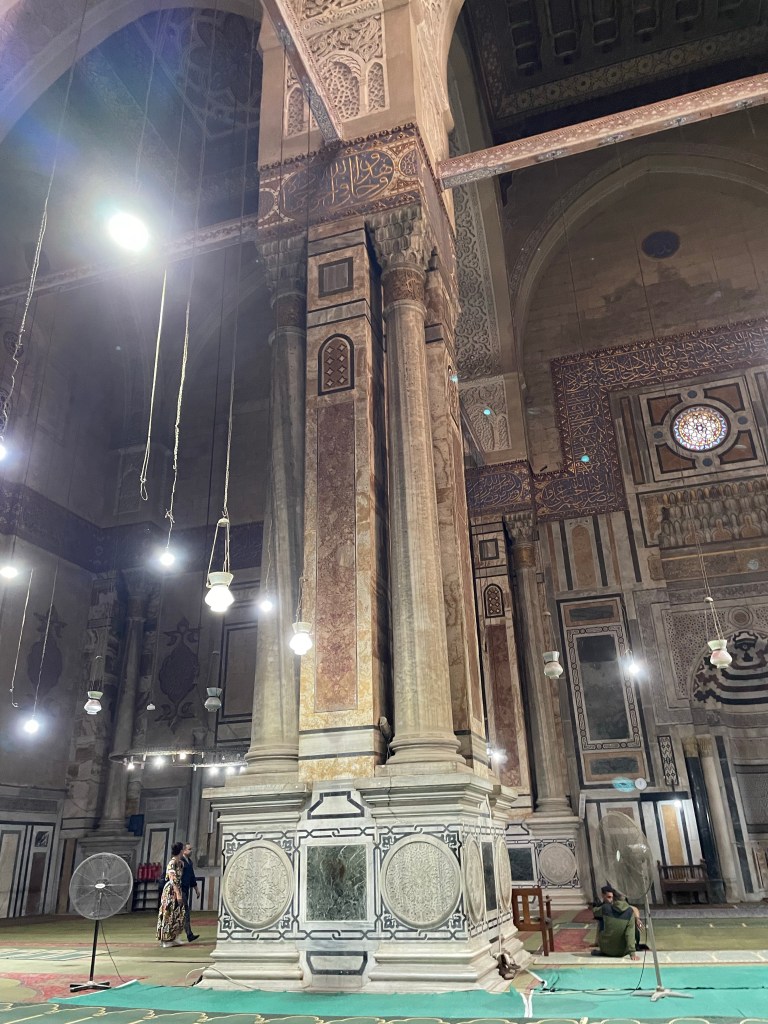
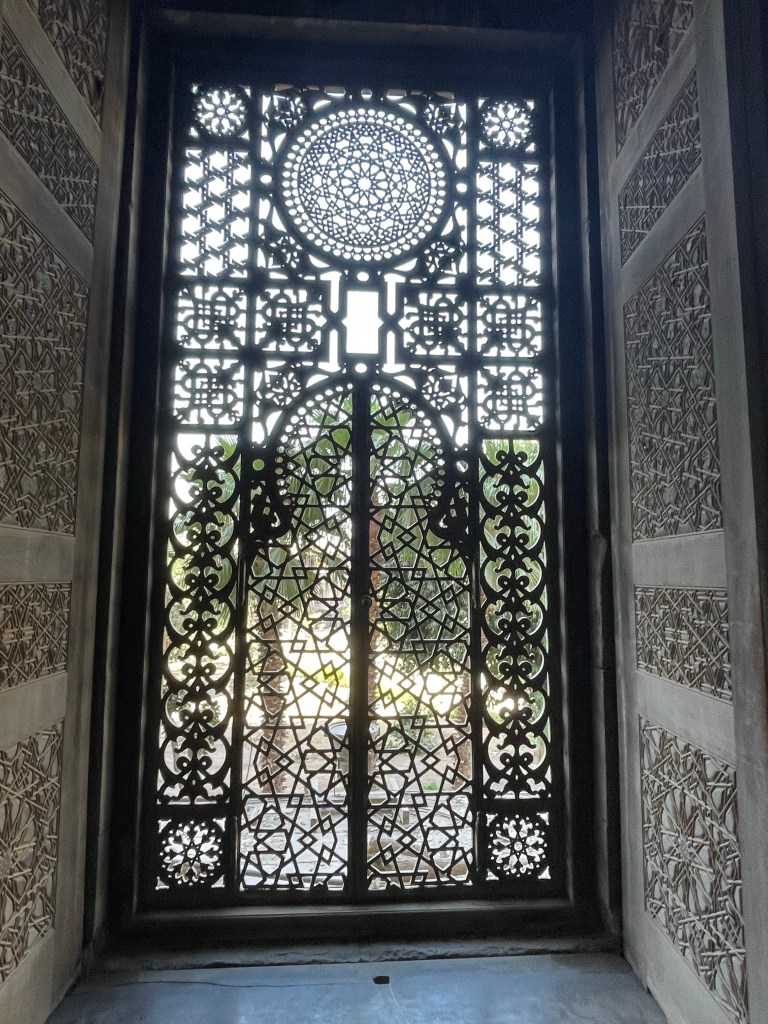
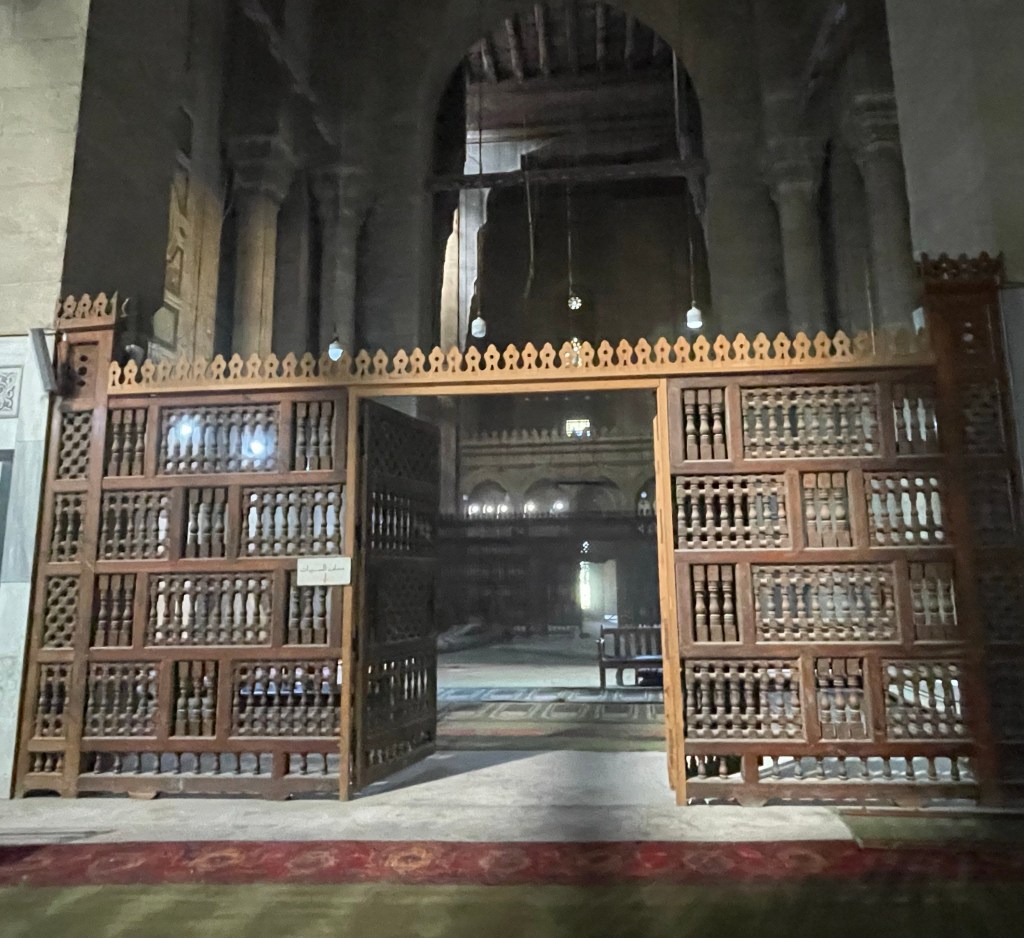
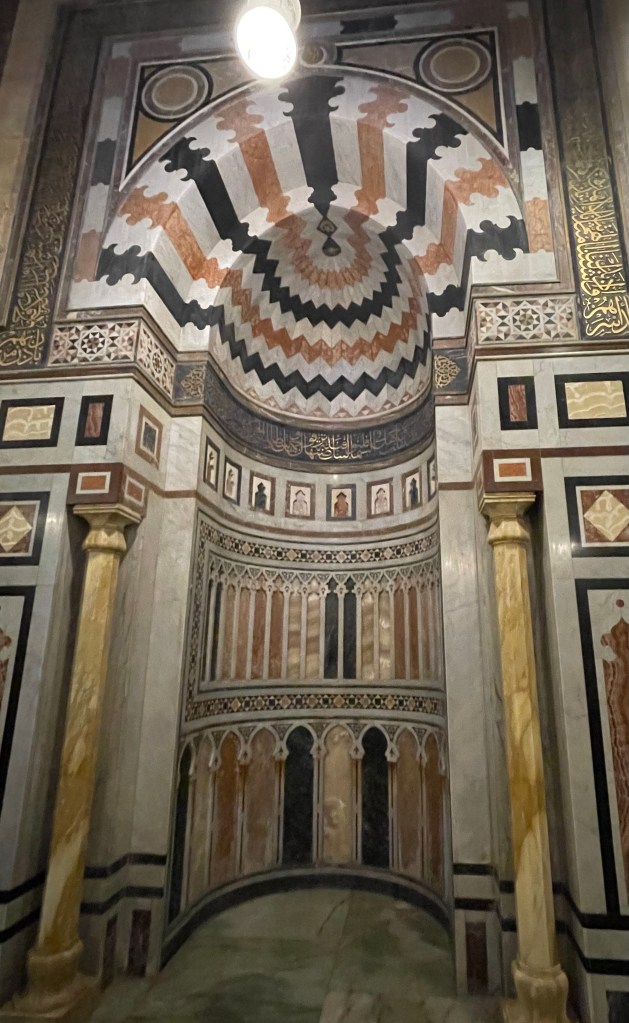
We next visited the Madrasa of Sultan Hasan, built in the mid-14th century during the Bahri Mamluk period. This imposing structure is one of the first buildings to combine a mosque with a Madrasa (school) and is considered one of the finest examples of Mamluk architecture.
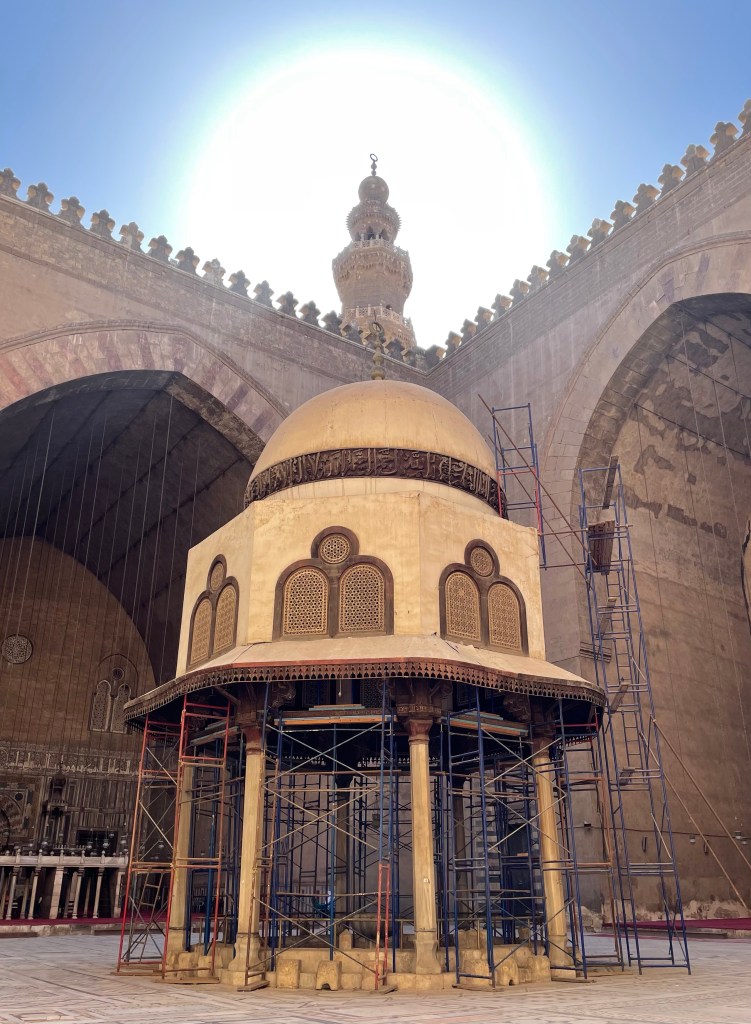
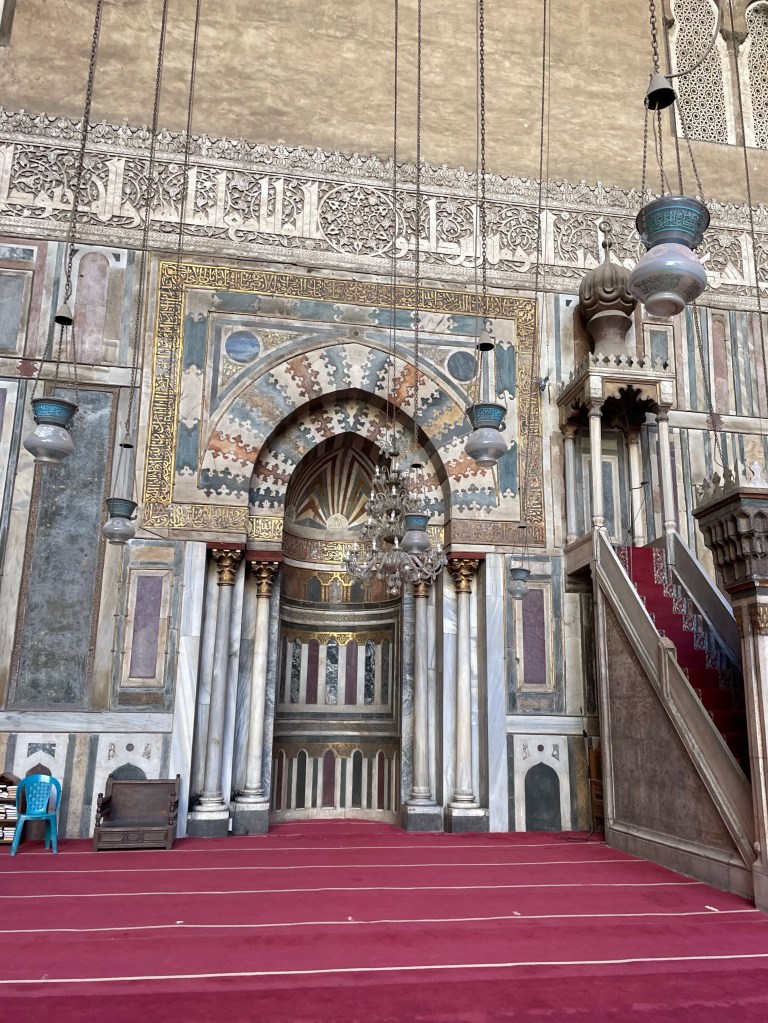
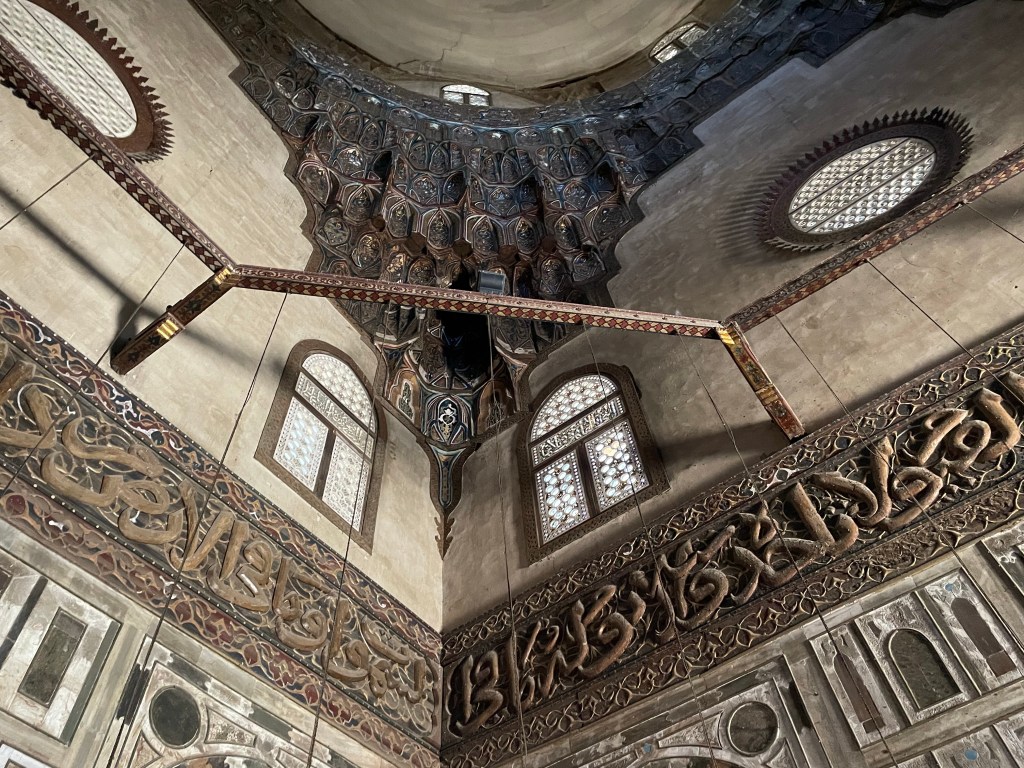
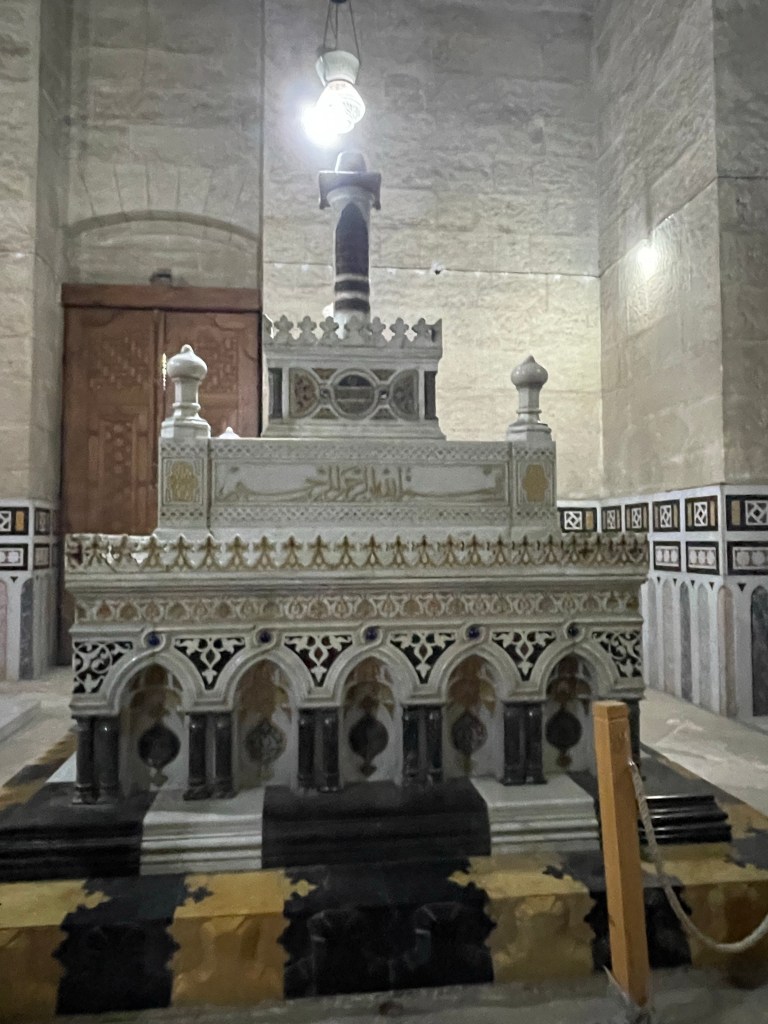
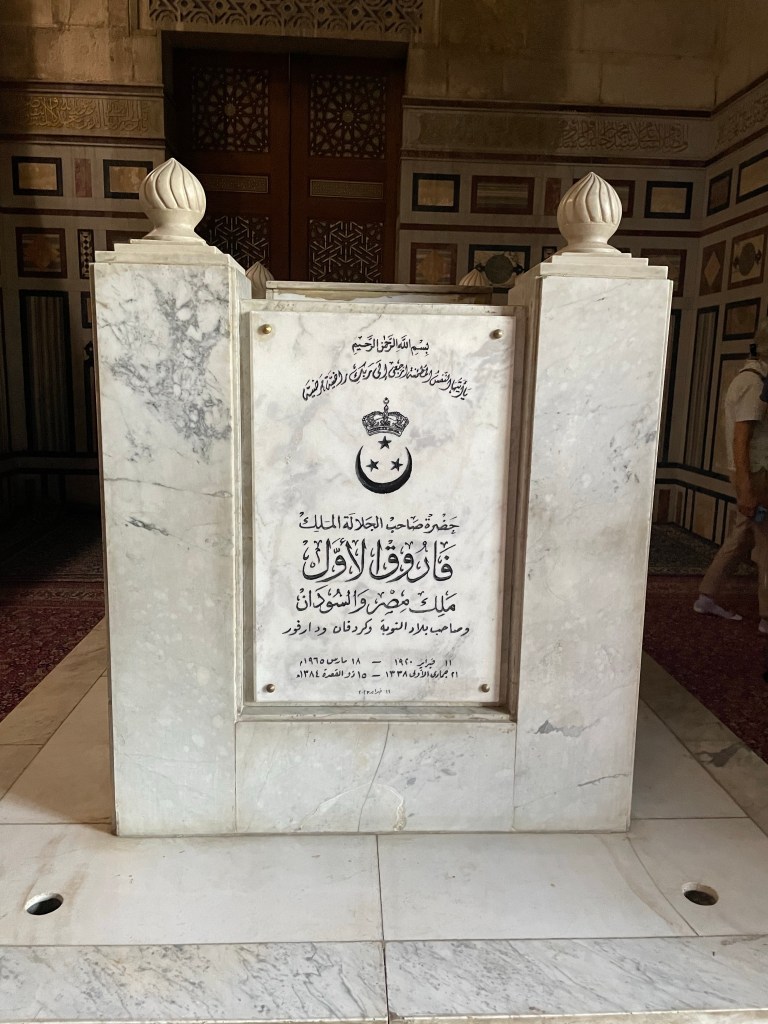
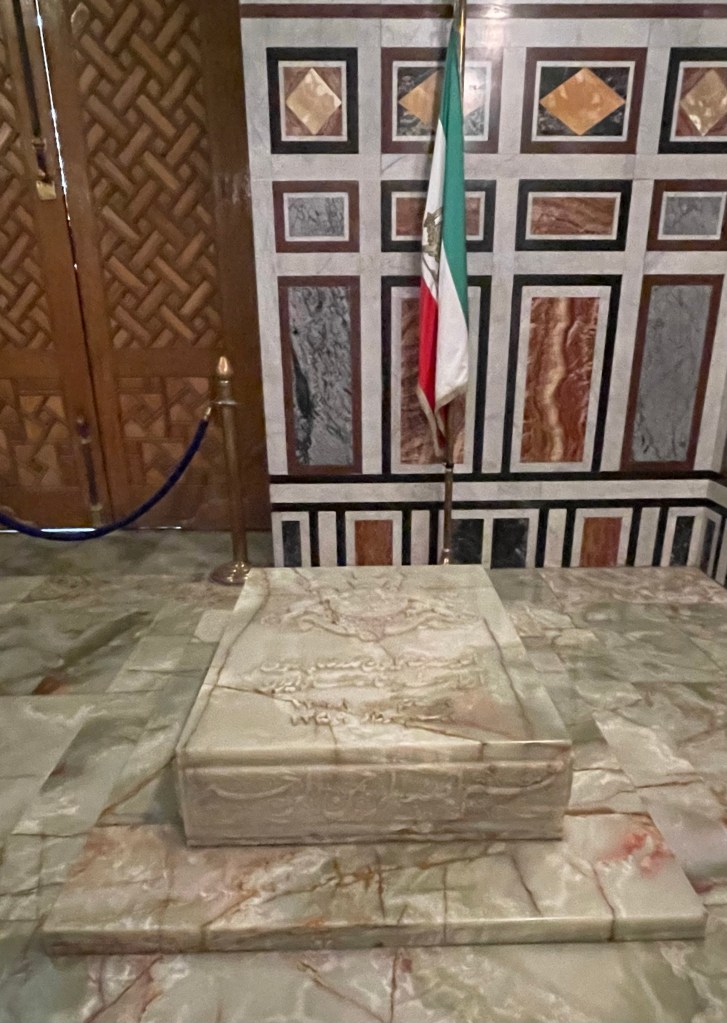
We then crossed the street to visit the Al-Rifa’i Mosque, built in the late 19th century, as a complement to its 14th century neighbor. This mosque is the burial place of multiple royal members of the Mohammed Ali dynasty (during the Ottoman Empire). Muhammad Ali ruled Egypt from 1805 to 1848 and is considered the founder of modern Egypt.
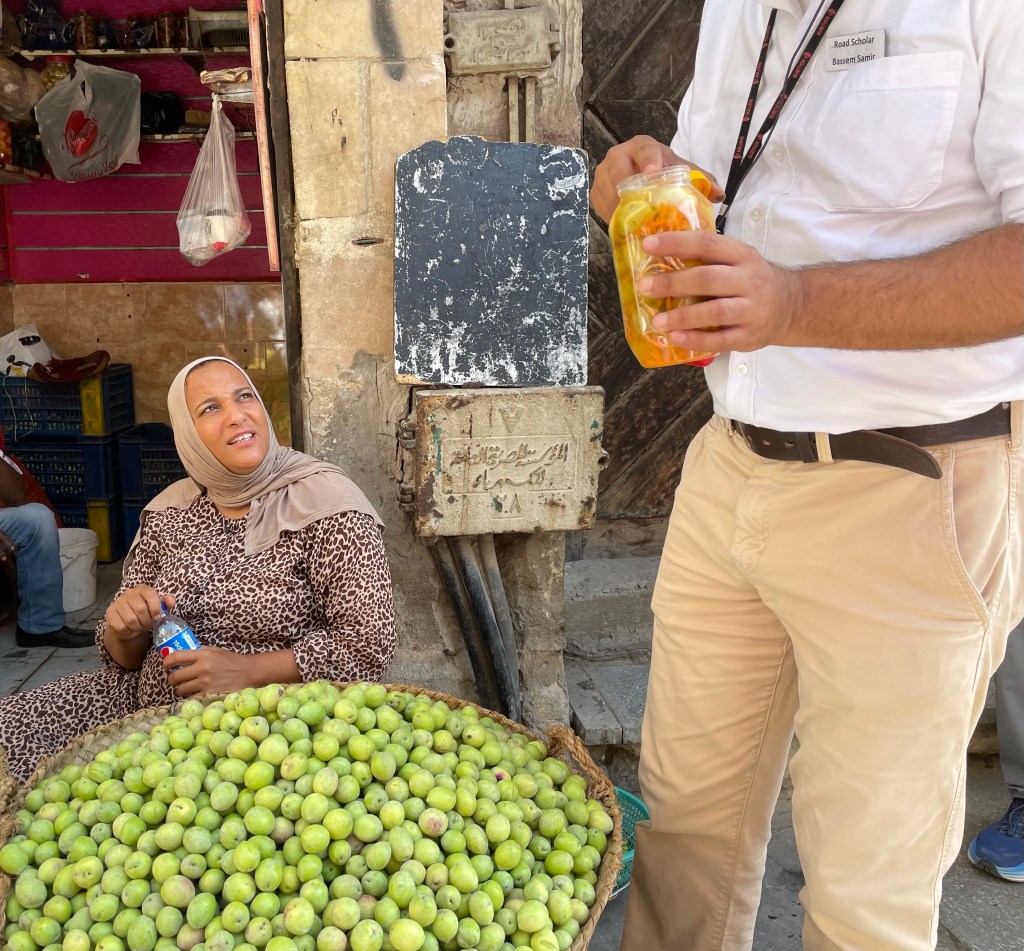
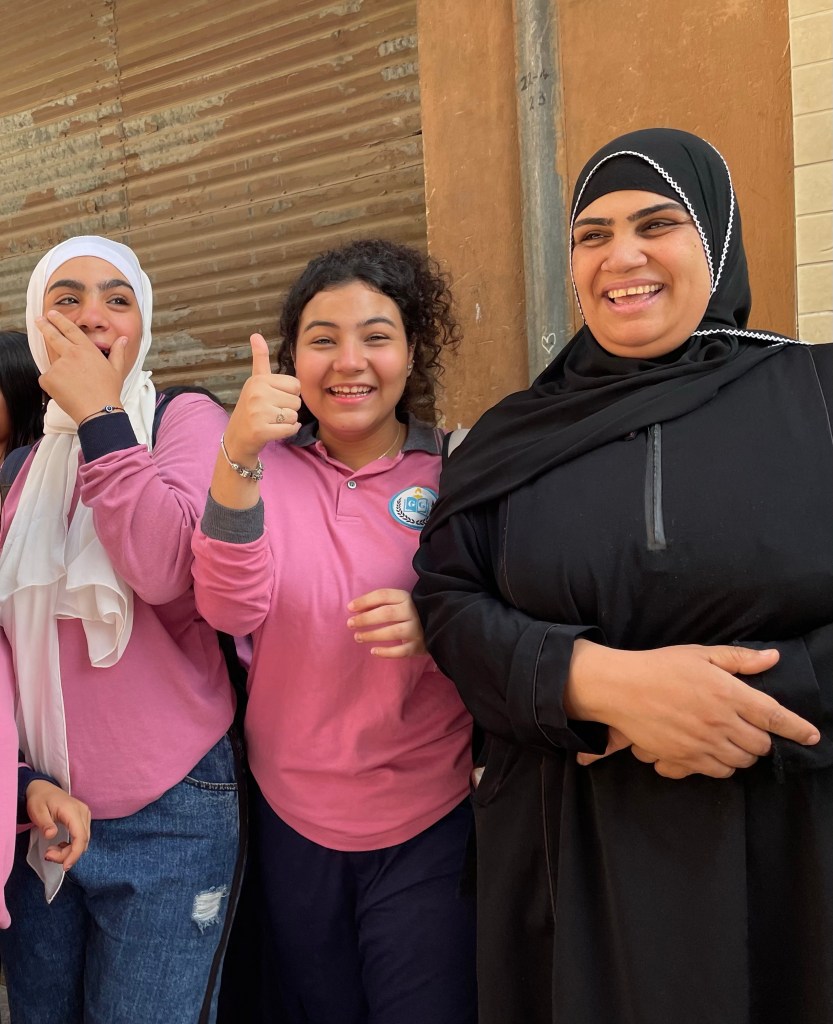
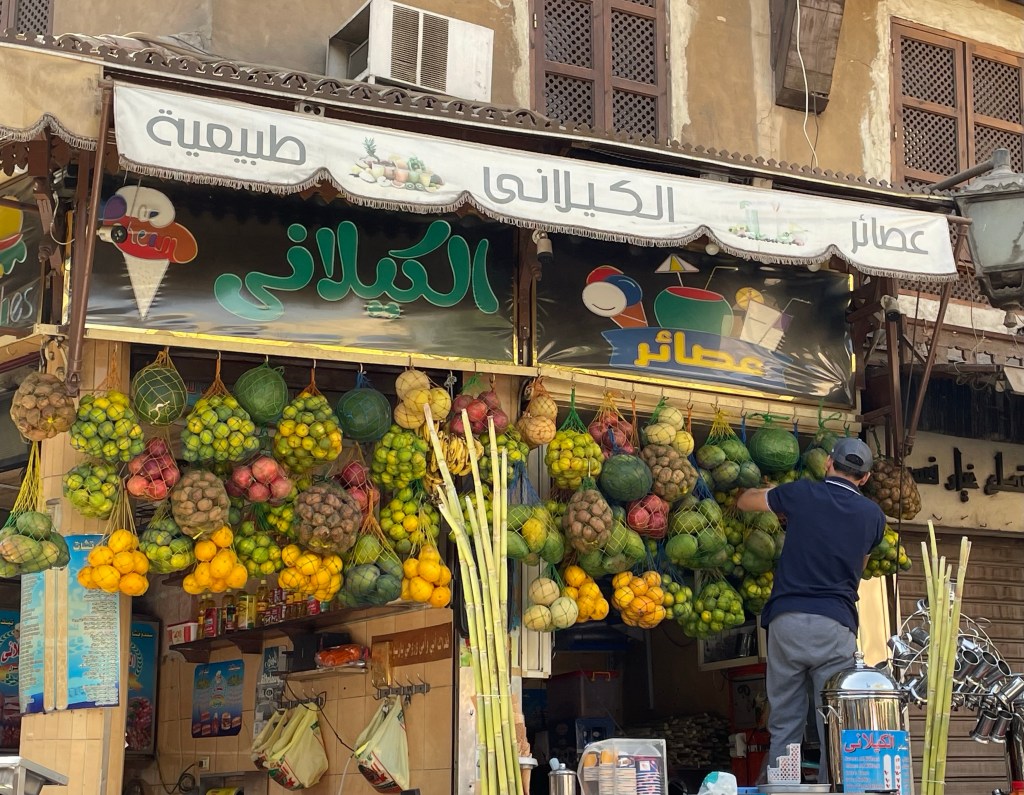
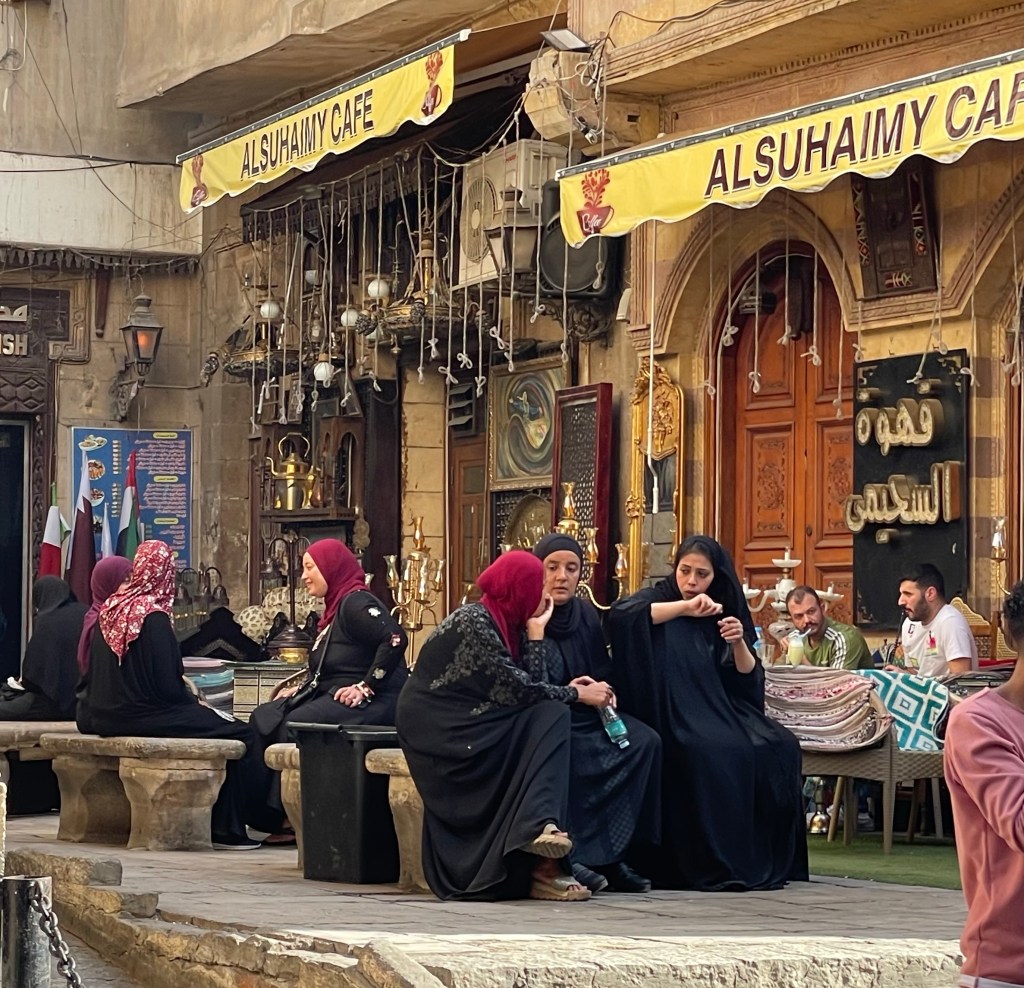
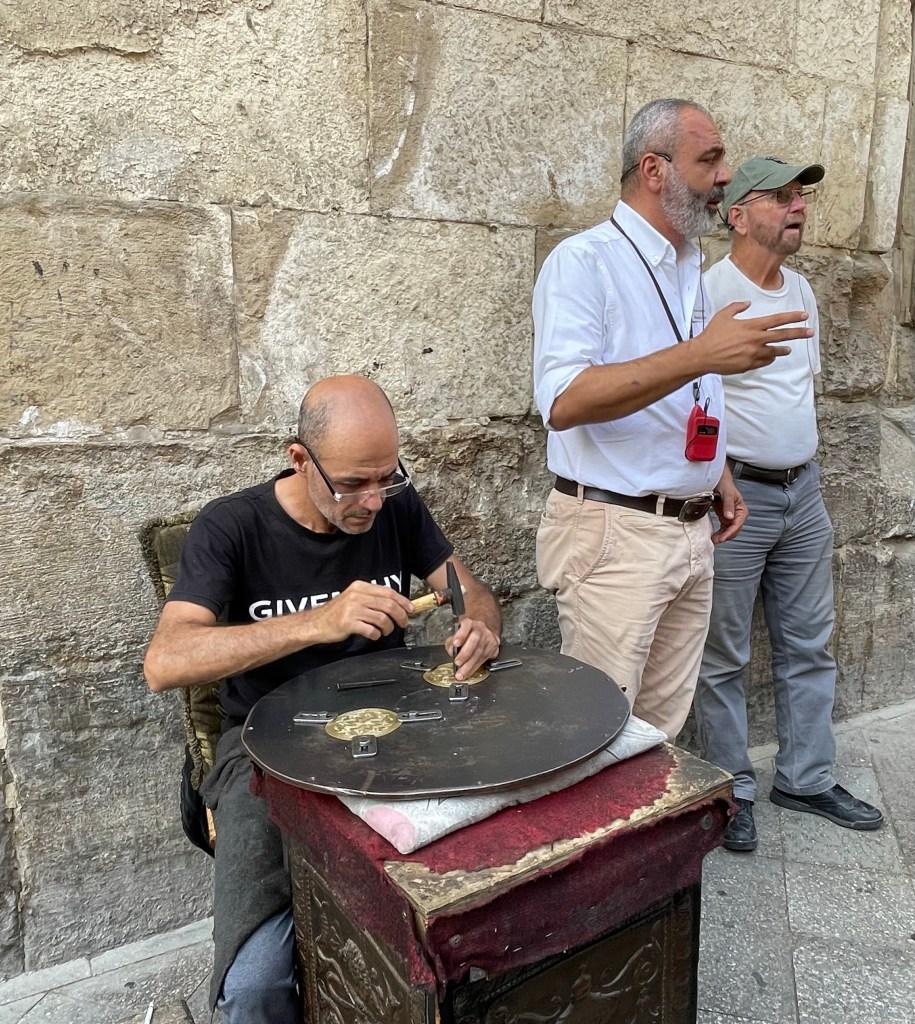
We next walked into the old part of Cairo, enjoying some of the markets and shops.
 RobbieLambertsTravels