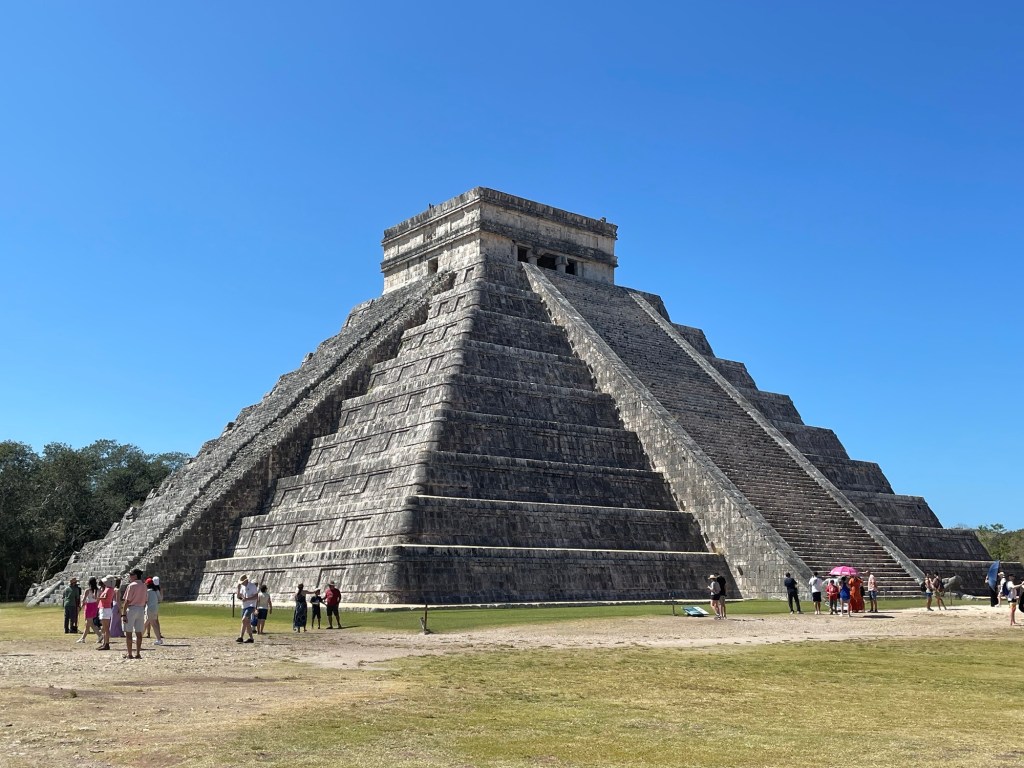
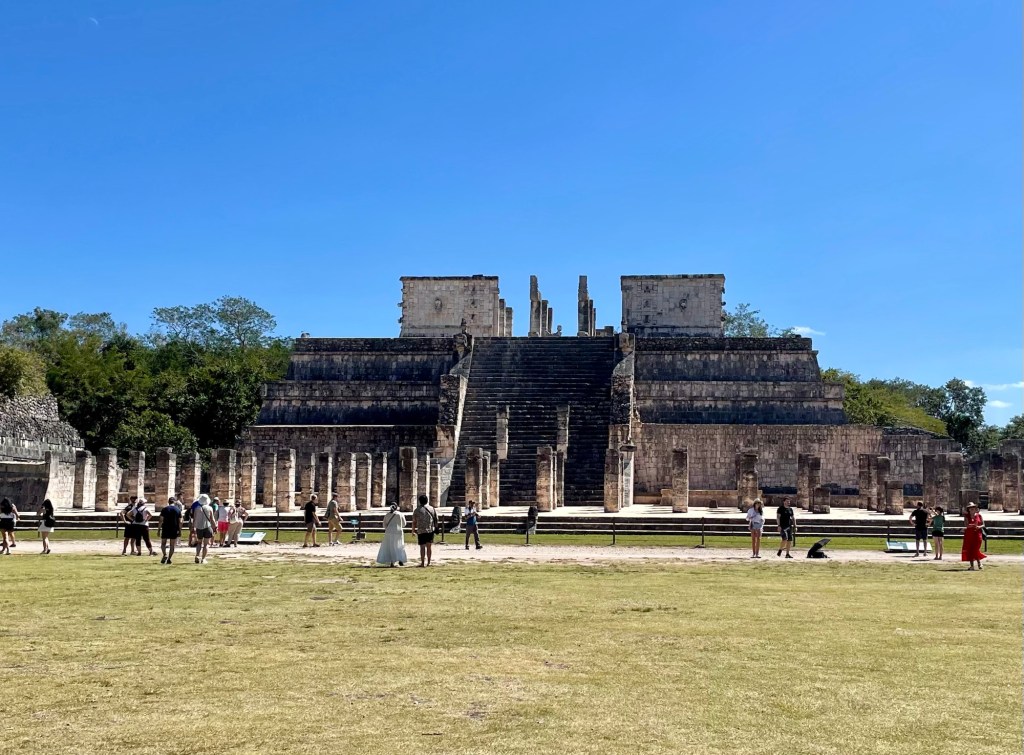
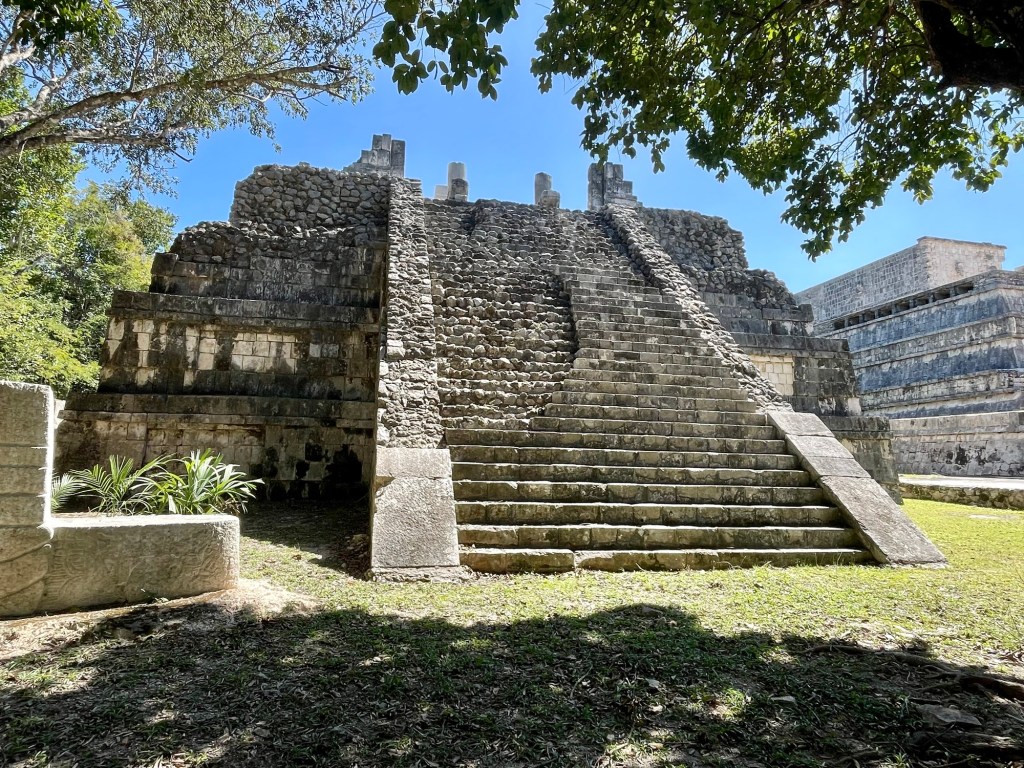
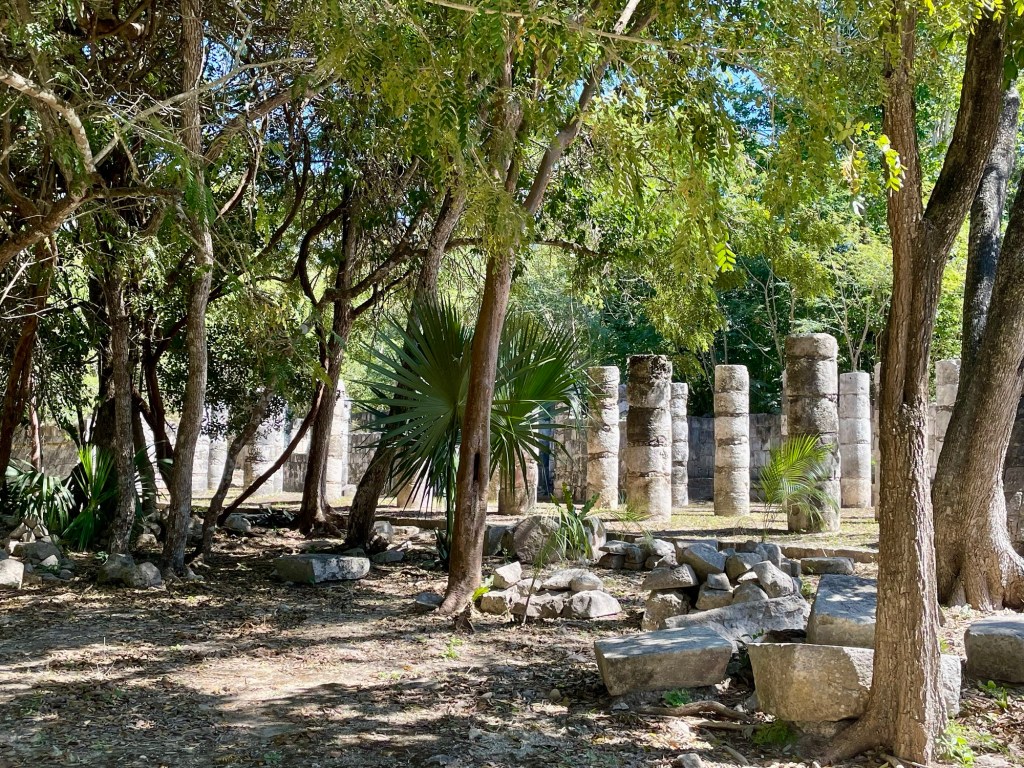
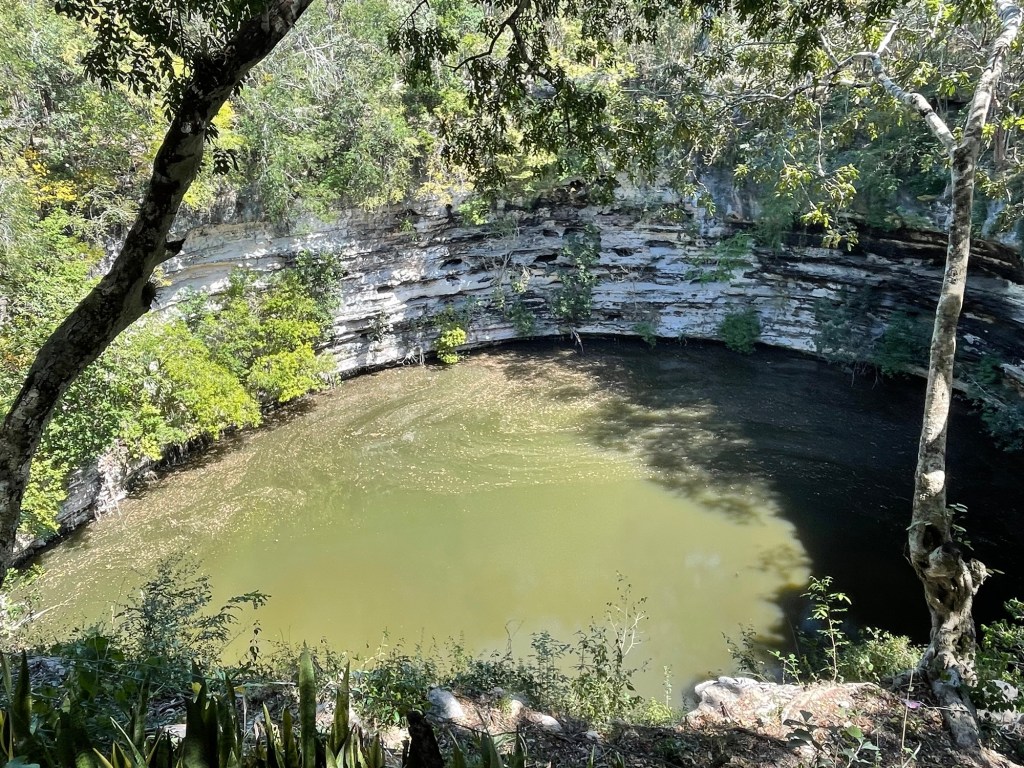
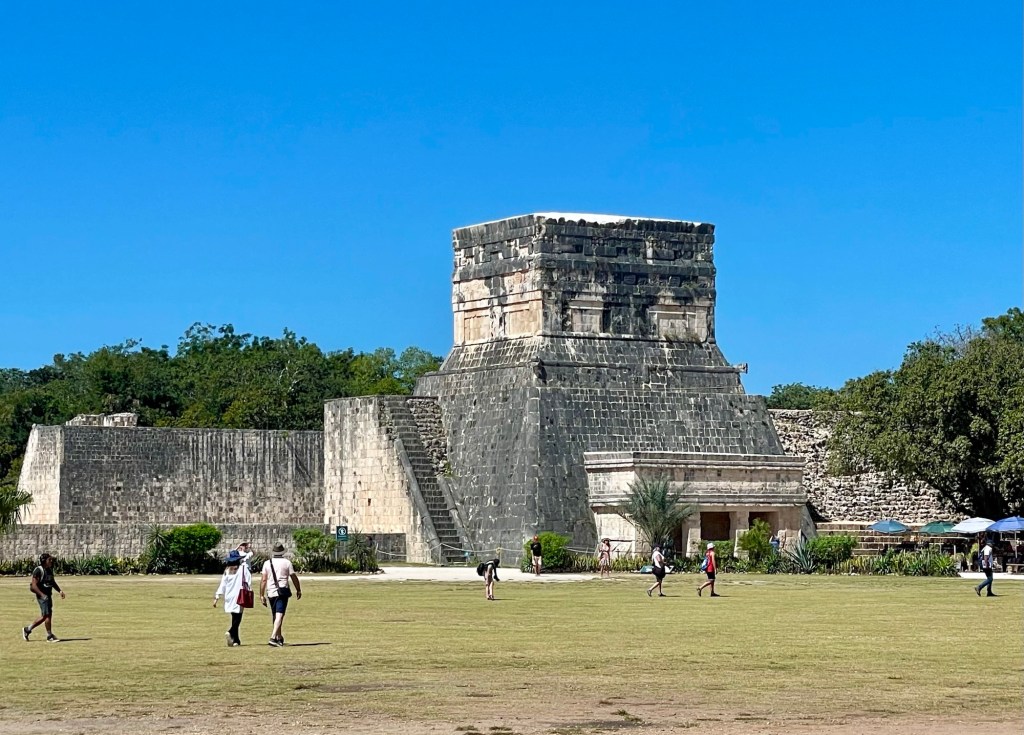
Today we visited Chichén Itzá, the biggest Mayan ruins in the Yucatan. We lucked out and got a parking spot right at the entrance. Chichen Itza was selected one of the New 7 Wonders of the World in July 2007. Chichen Itza means at the brim of the well where the Wise Men of the Water Live. The layout of Chichén Itzá site core developed during its earlier phase of occupation, between 750 and 900 CE. Its final layout was developed after 900 CE and the 10th century saw the rise of the city as a regional capital controlling the area from central Yucatán to the north coast, with its power extending down the east and west coasts of the peninsula.
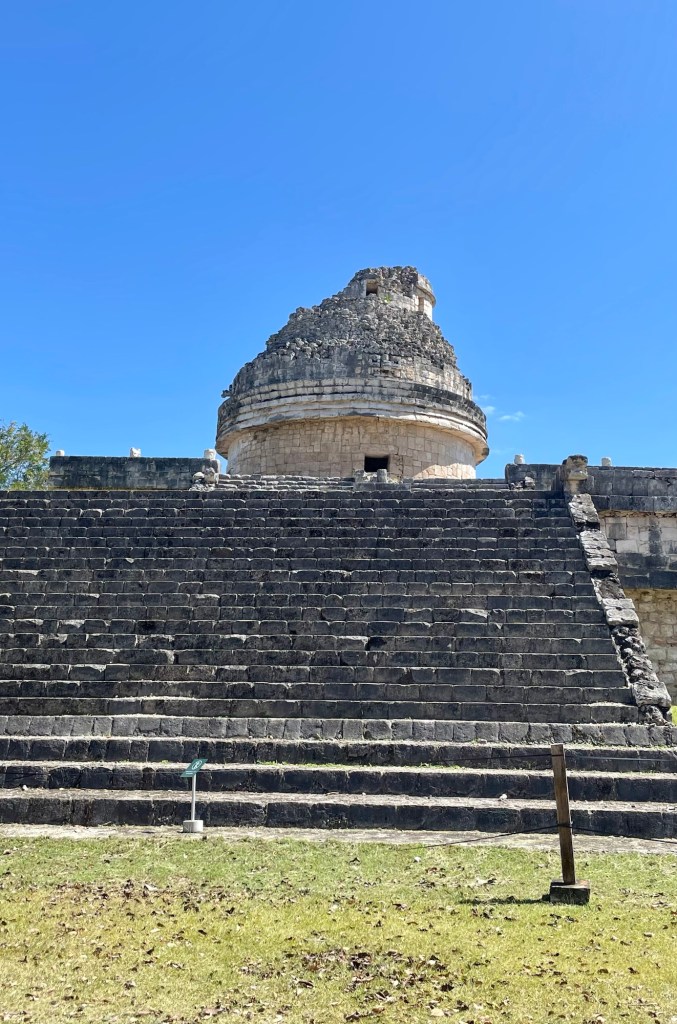
Through its windows, the sunsets are registered in the equinoxes and in the winter solstice, thus relating to astronomical observation. It is also called Caracol because of the spiral staircase that leads to the top part. The circular tower is not common in the Maya area.
The Maya priests were great observers of the sky and thoroughly registered its movements, which allowed them to develop a very exact calendar system that was proper for their needs.
Practically all the Mesoamerican societies had a calendar system with the same basic caracteristics. The oldest calendar dates have been registered in the area of the Olmeca culture and correspond to more than two thousand years ago.
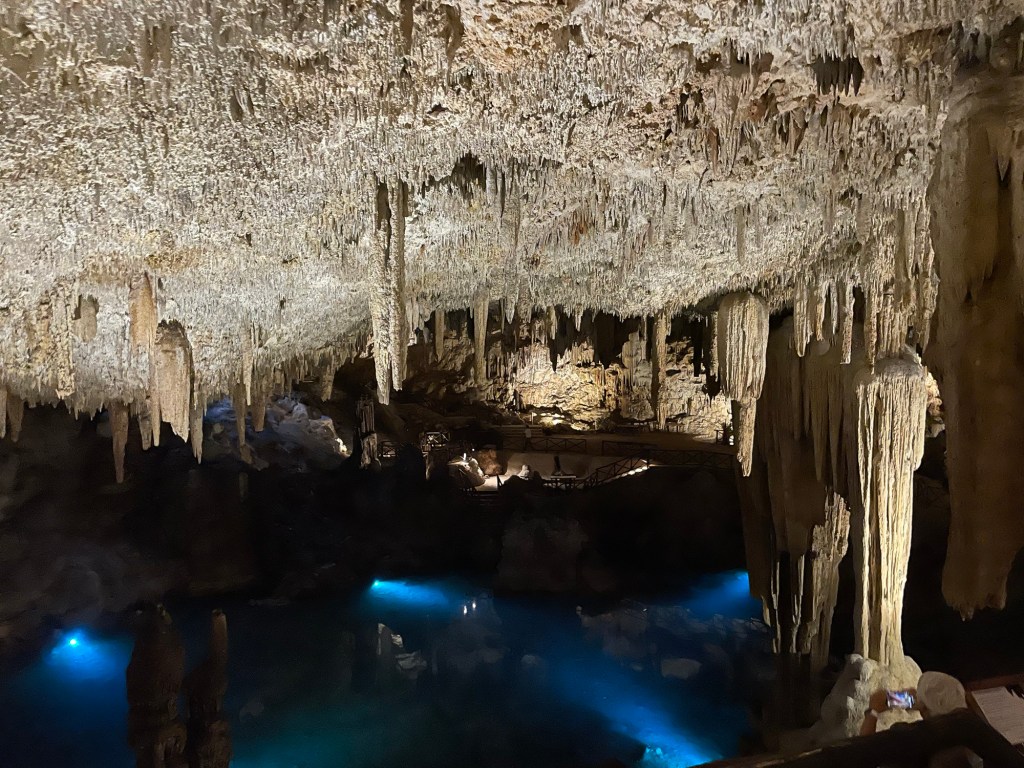
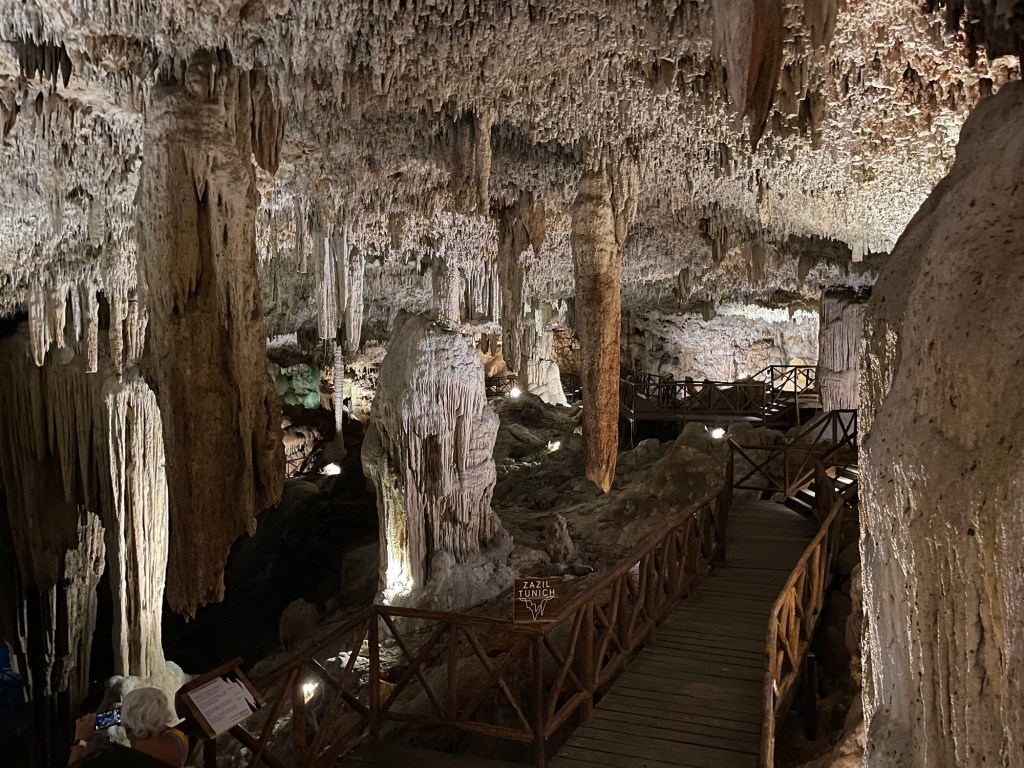
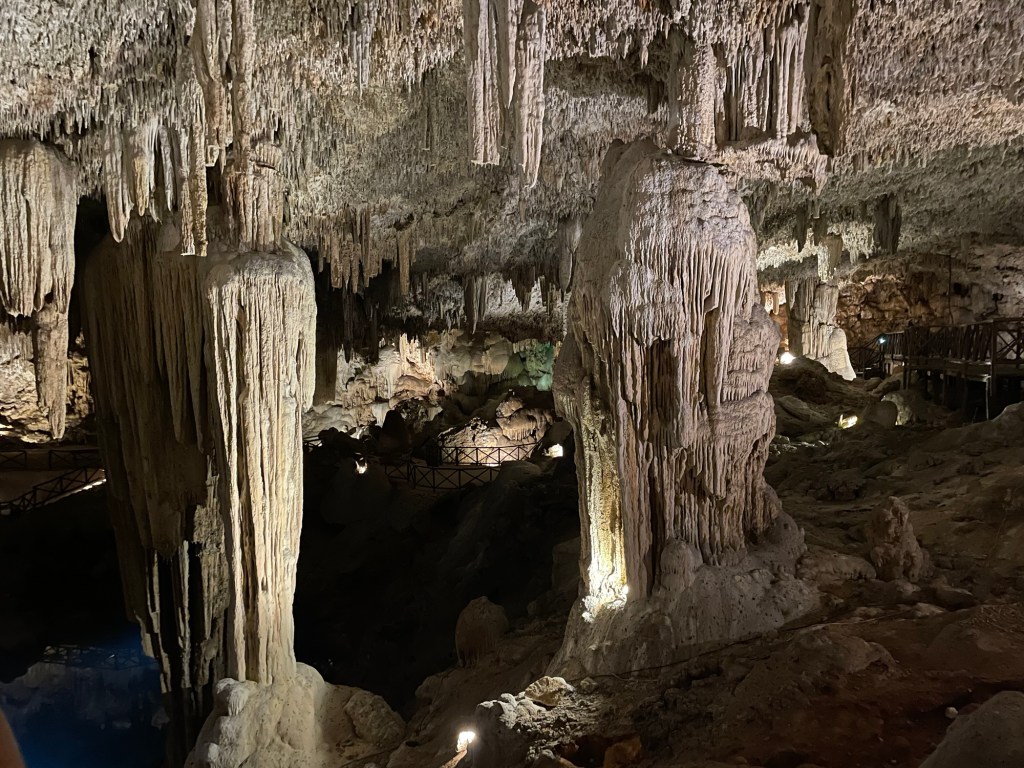
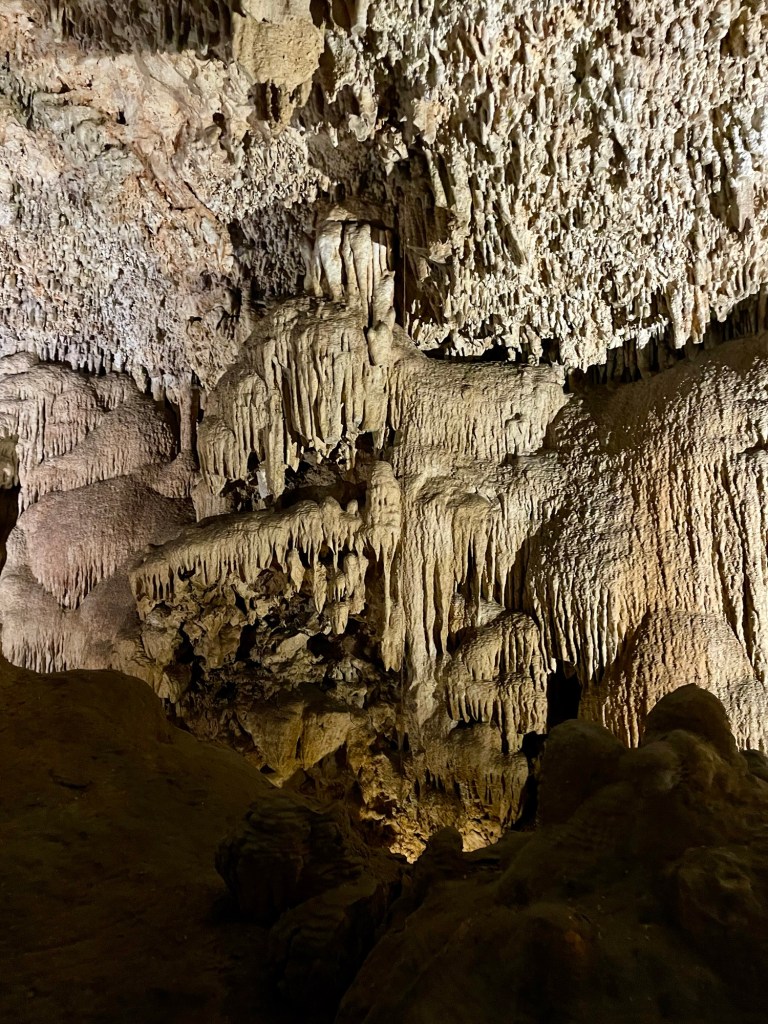
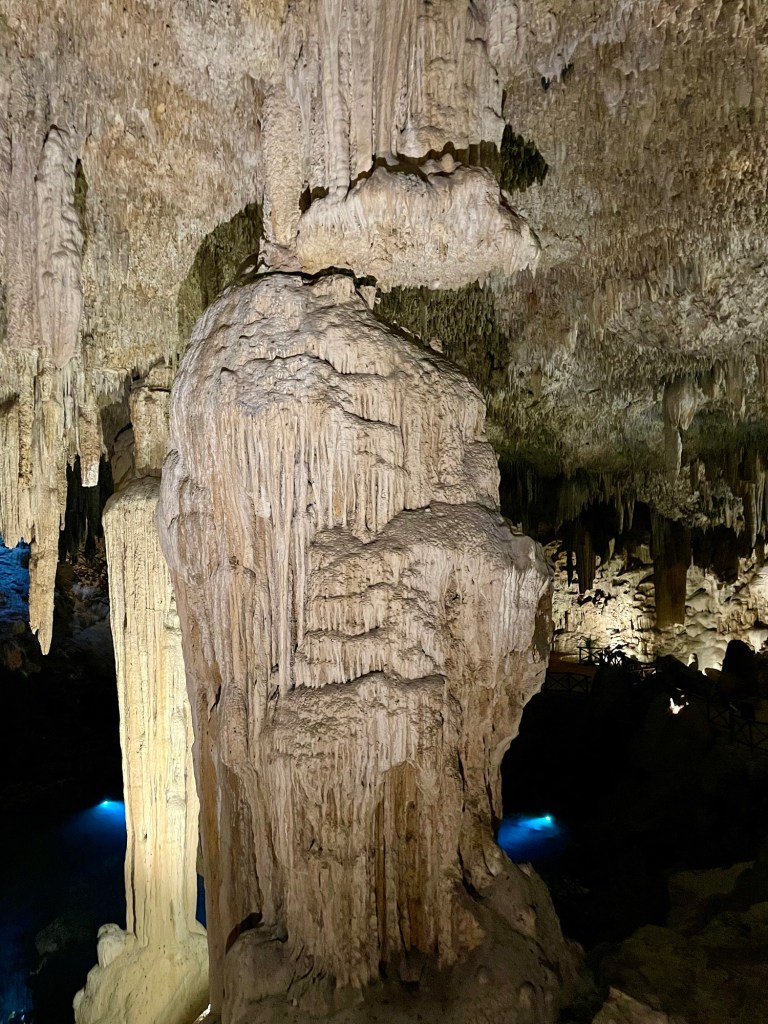
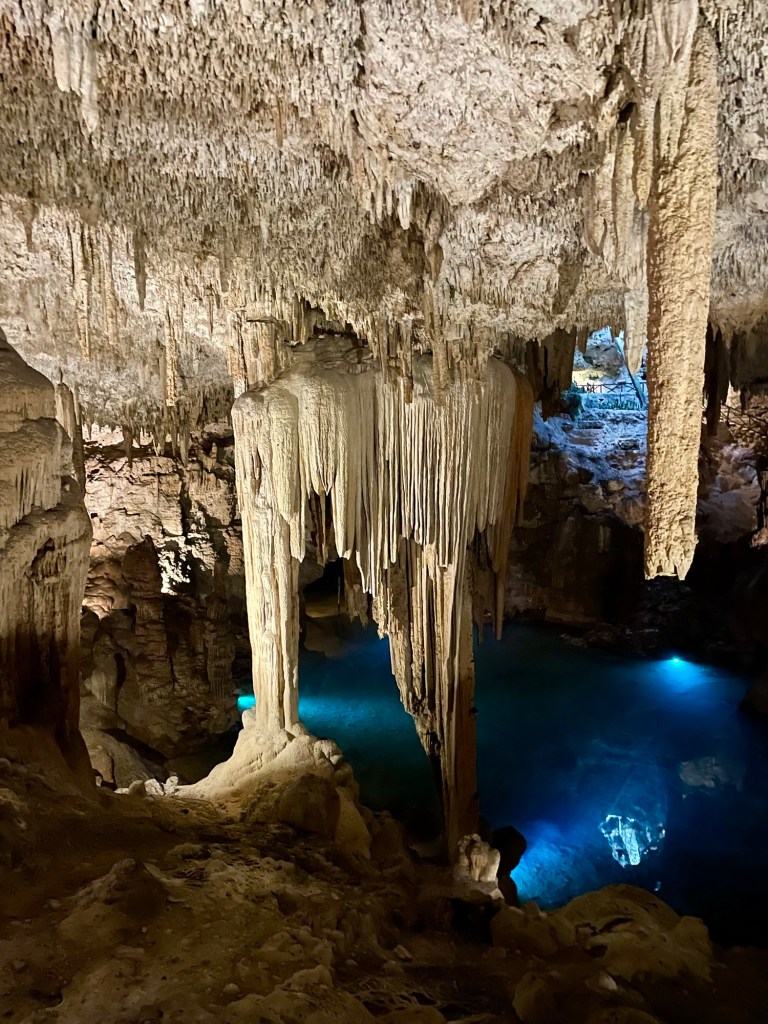
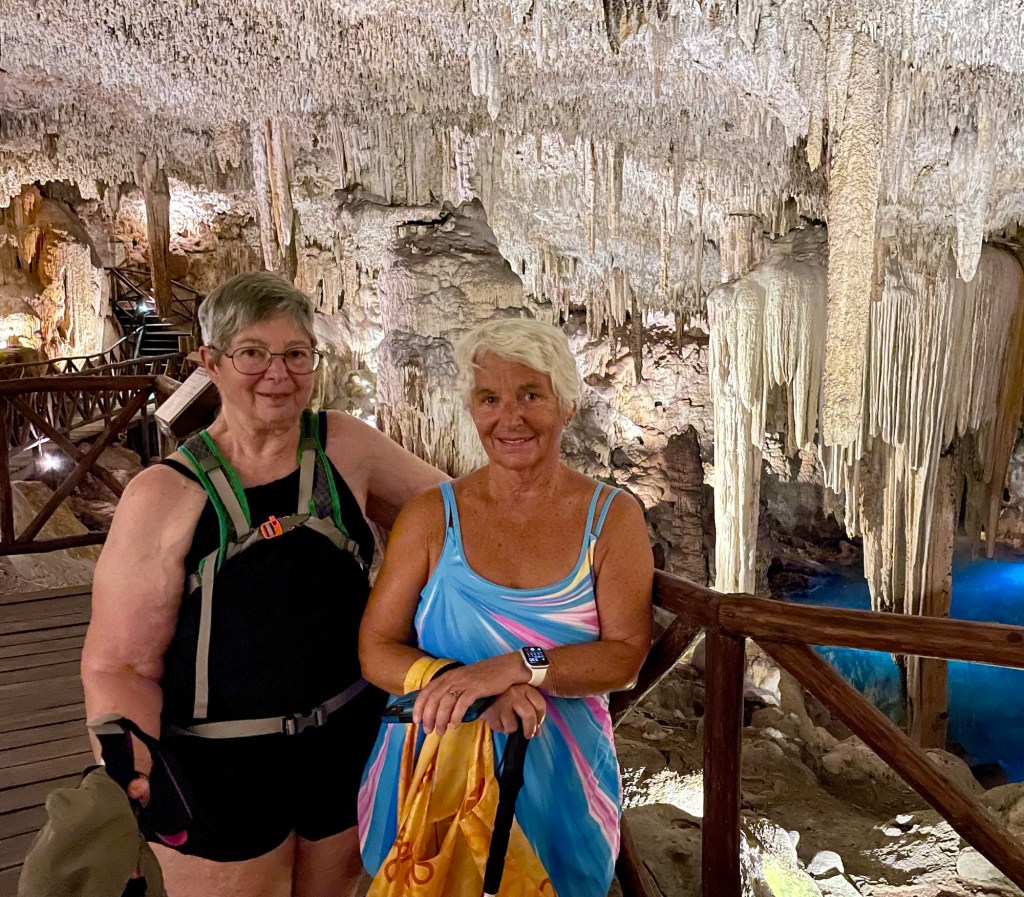
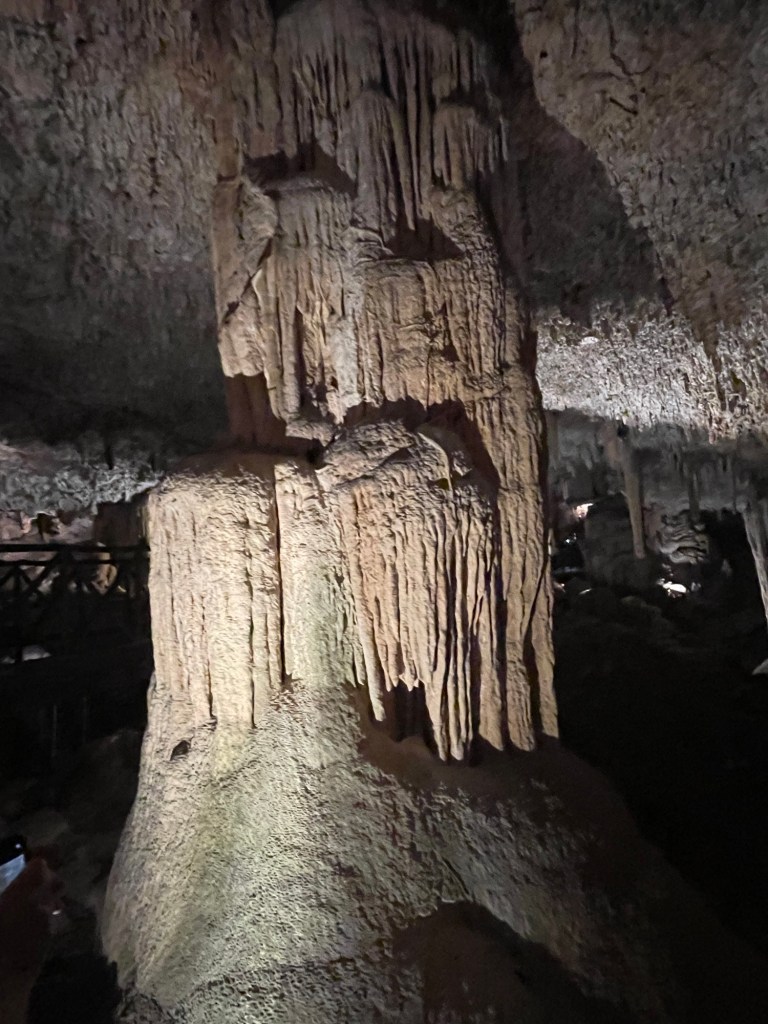
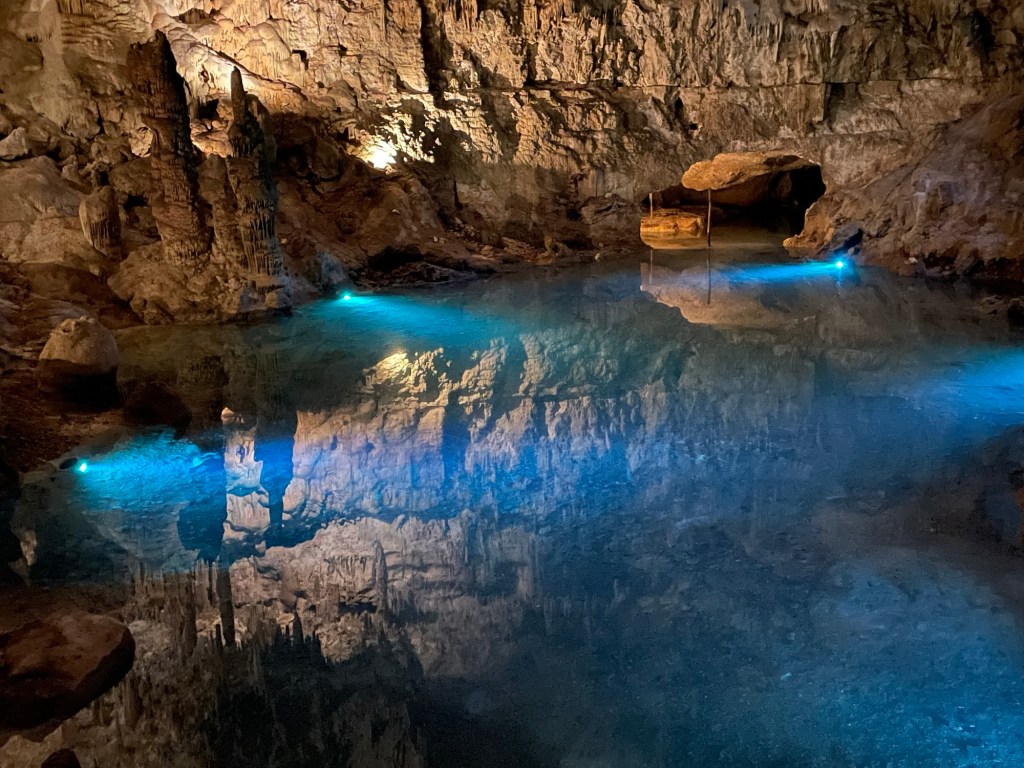
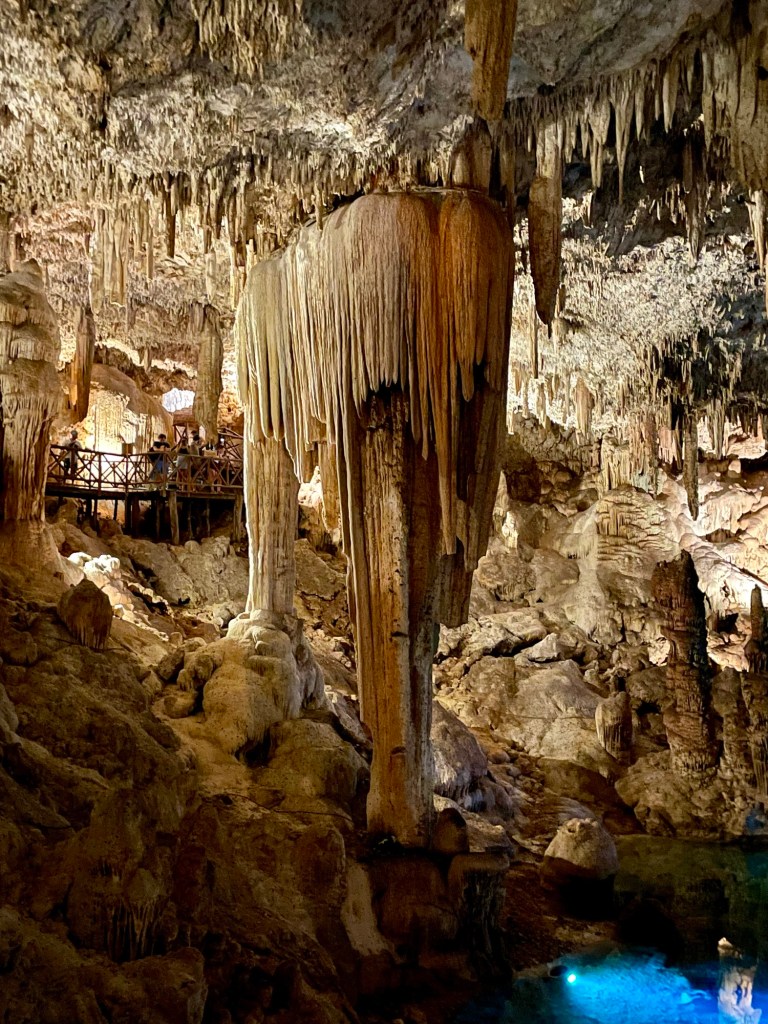
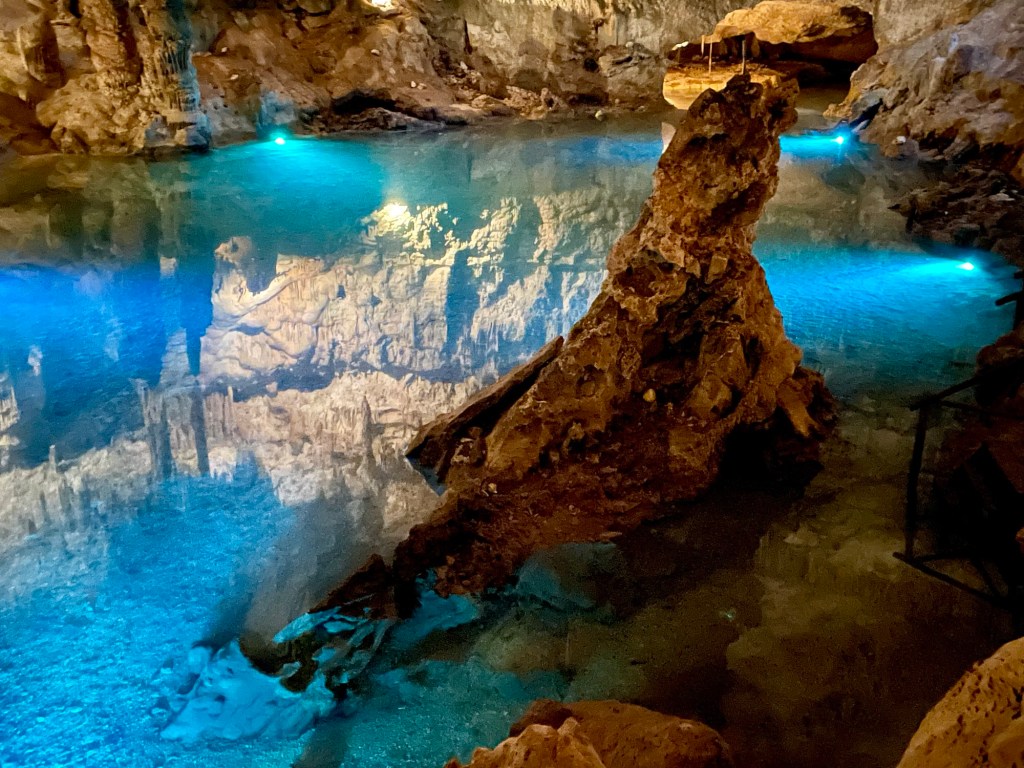
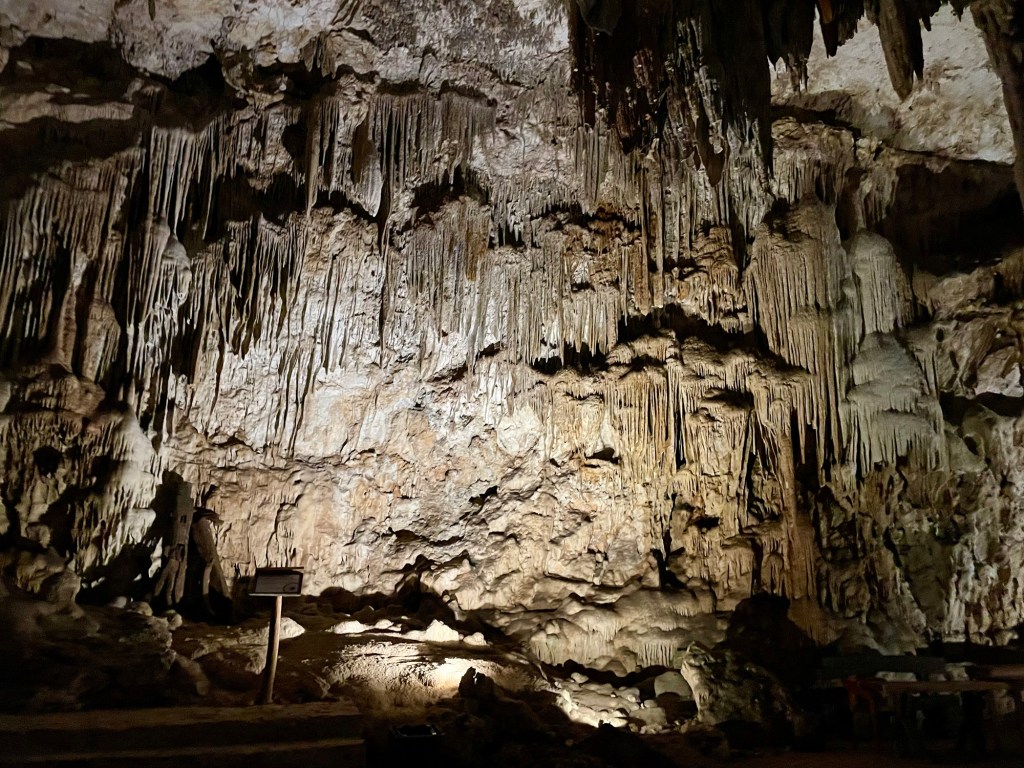
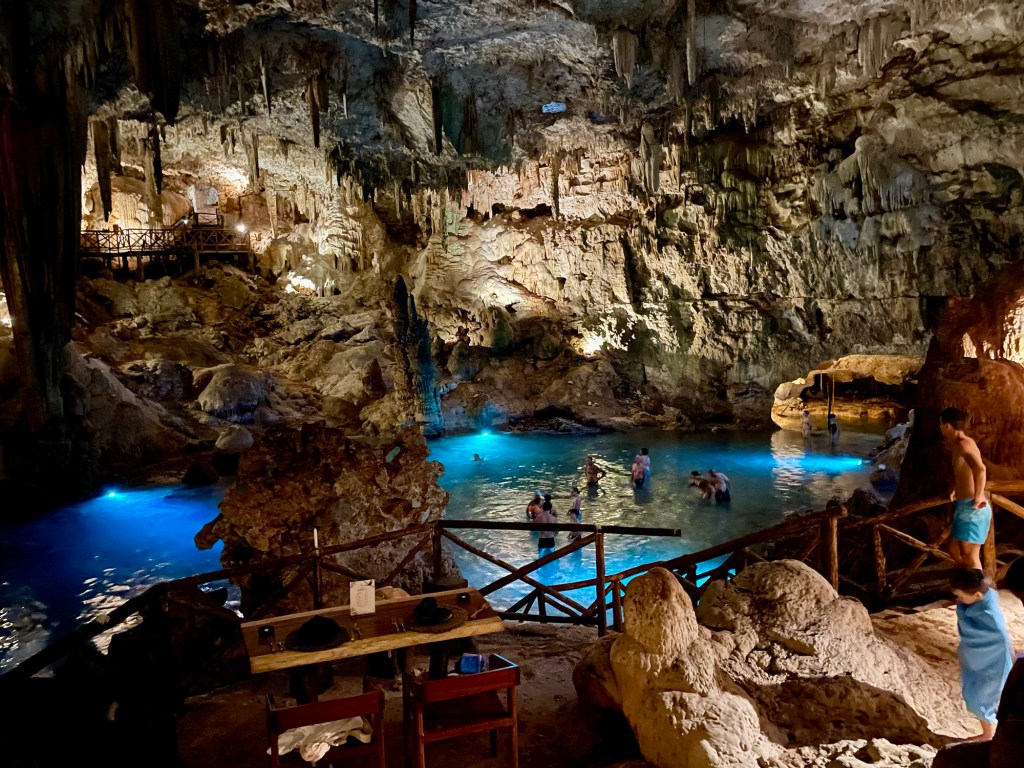
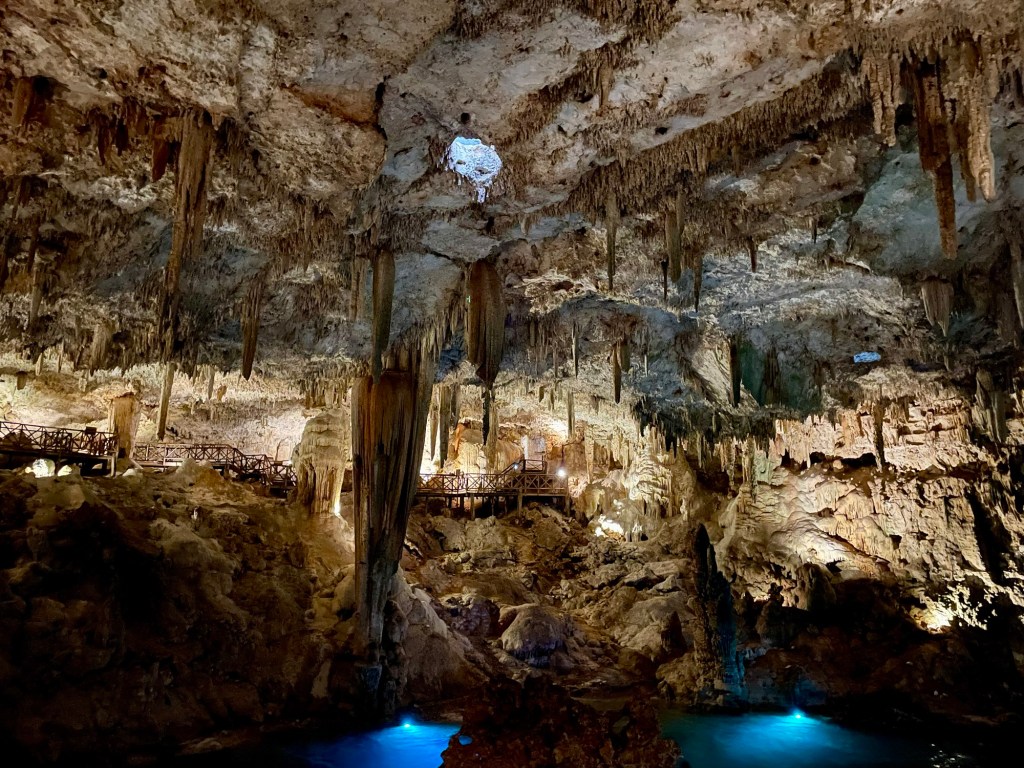
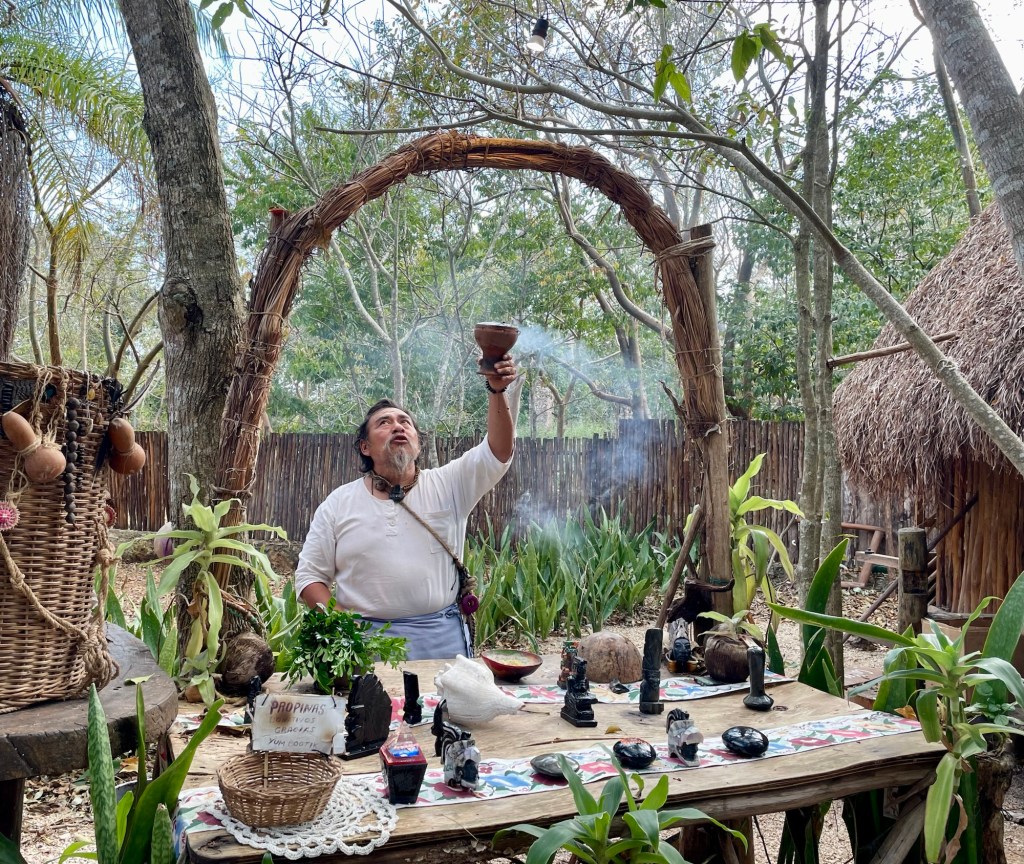
After visiting the archaeological site, we drove back through Valladolid to visit what we thought it was going to be a spectacular cenote. Zazil Tunich Cenote is a geological museum, a place where the stones tell their story, silent witnesses to the legend of Xibalbá. Legend says that 2 brothers, Hunahpú and Ixbalanqué, sons of an underworld goddess, were the only ones to descend alive into Xibalbá and defeat the lords of the underworld, which is why today we can access the cenotes. The legend of Xibalbá represents the essence that the cenotes had for the Mayan culture. These were sacred places that not everyone could access and sadly today many of them are used as swimming pools.This site provided a tour into the cavern. They limit the number of people that can go in at a time. They are very sensitive to the sacredness of the place. Our first view of the place was overwhelming.
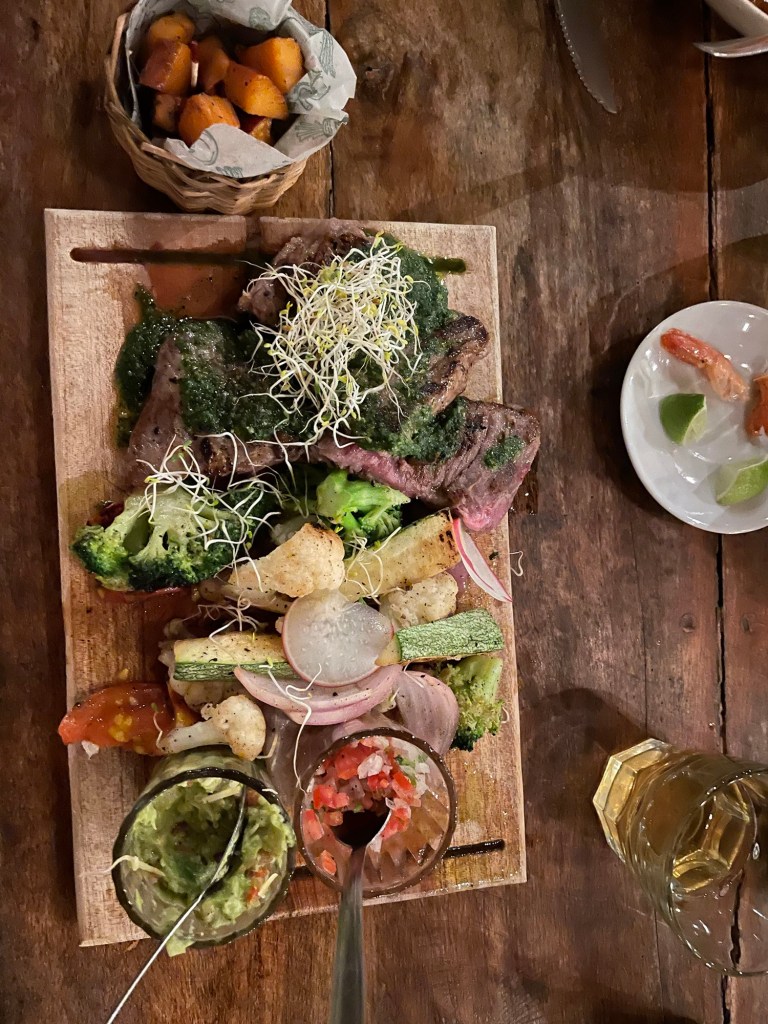
We finished our day with a delightful meal in Valladolid.
So ends our second day in Valladolid. It certainly was immersed in Mayan culture.
 RobbieLambertsTravels