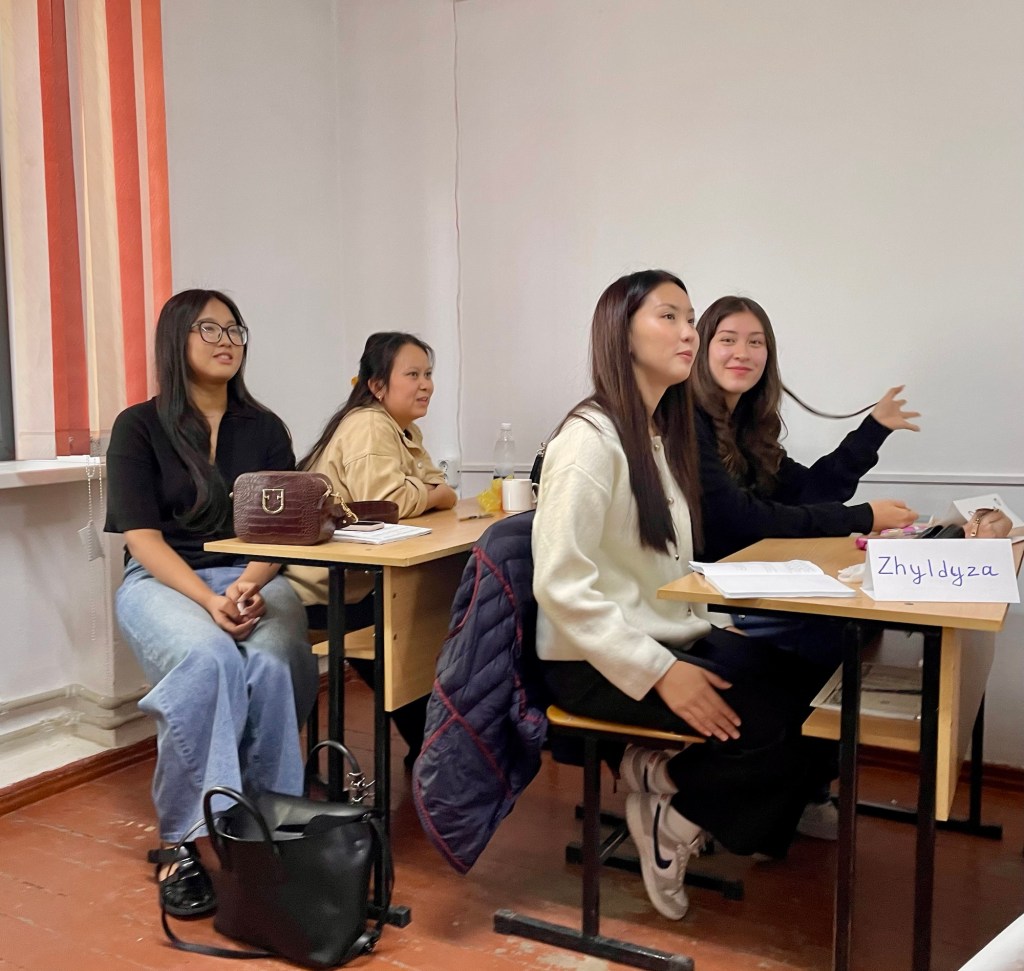
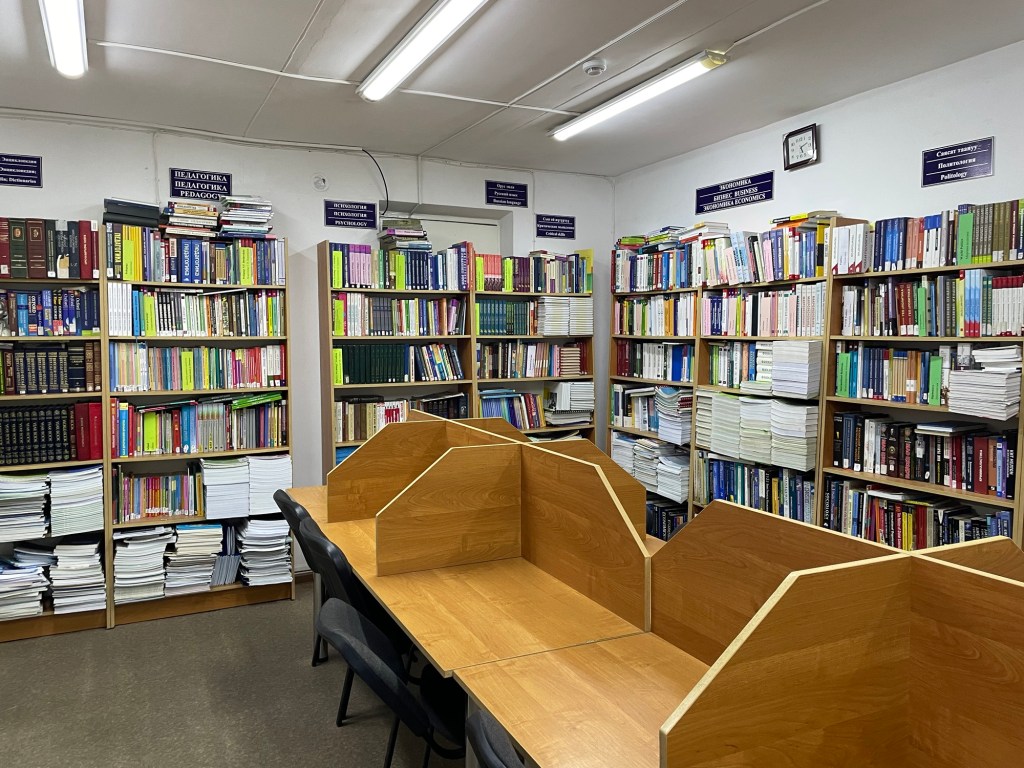
I am actually learning to spell and pronounce the names of these countries. Today was another day filled with variety of adventures. The first stop was the International University of Central Asia which is an American credited university. This university got its start with the help of Al Gore and Hillary Clinton. It offers students the opportunity to receive a western style liberal education with many classes conducted in English. The curriculum includes business management, IT, Chinese language, international relations, law, and psychology. There are between 150 to 200 students and tuition is based on the students major, the highest being $9000 per year. I am surprised that it is a credited as a university since there are no graduate degrees and the library is about the size of my living room. But I was really impressed with what they’re trying to do. We actually spent some time with an English class talking with the students. It turned out to be a really enjoyable activity because we got to meet with local people, especially young people.

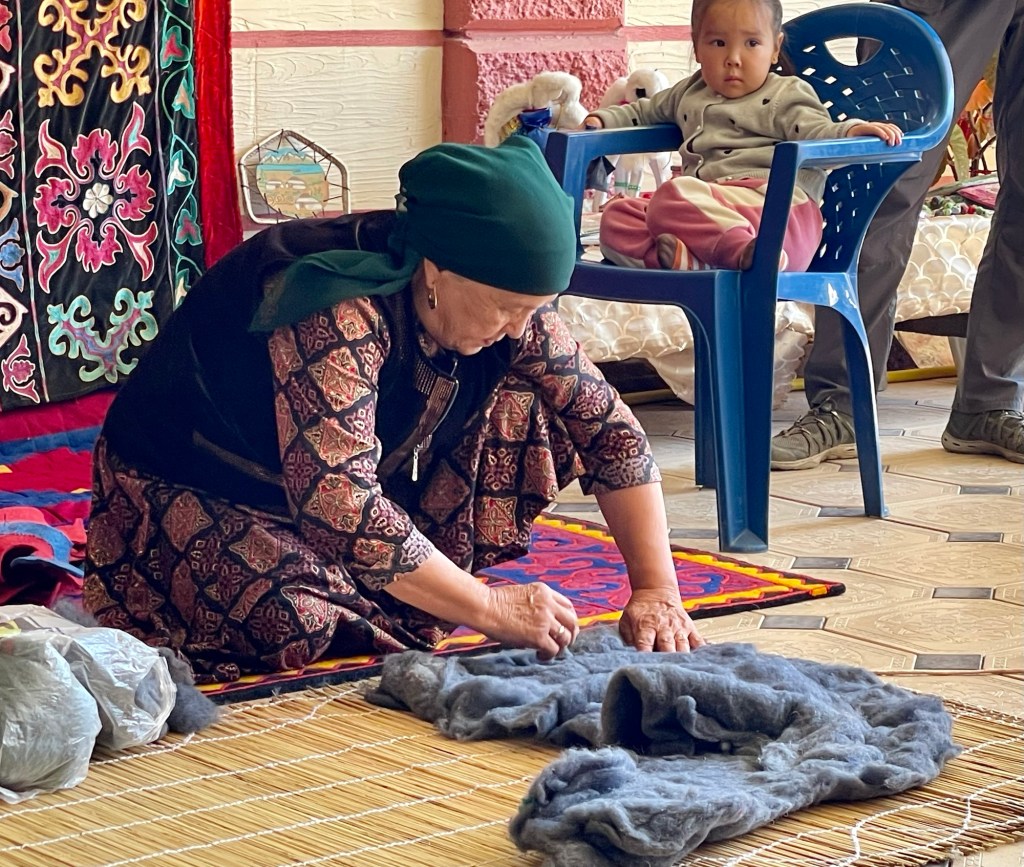
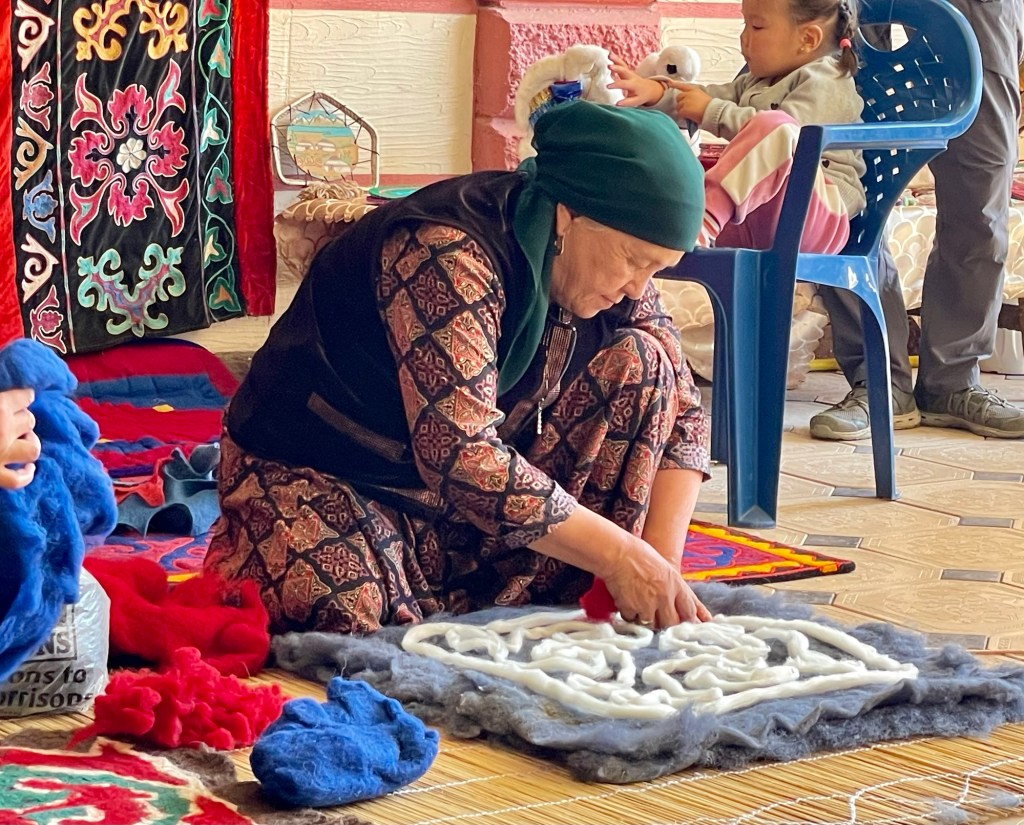
Our next stop was a village home where we got a demonstration on how to make felt carpets.

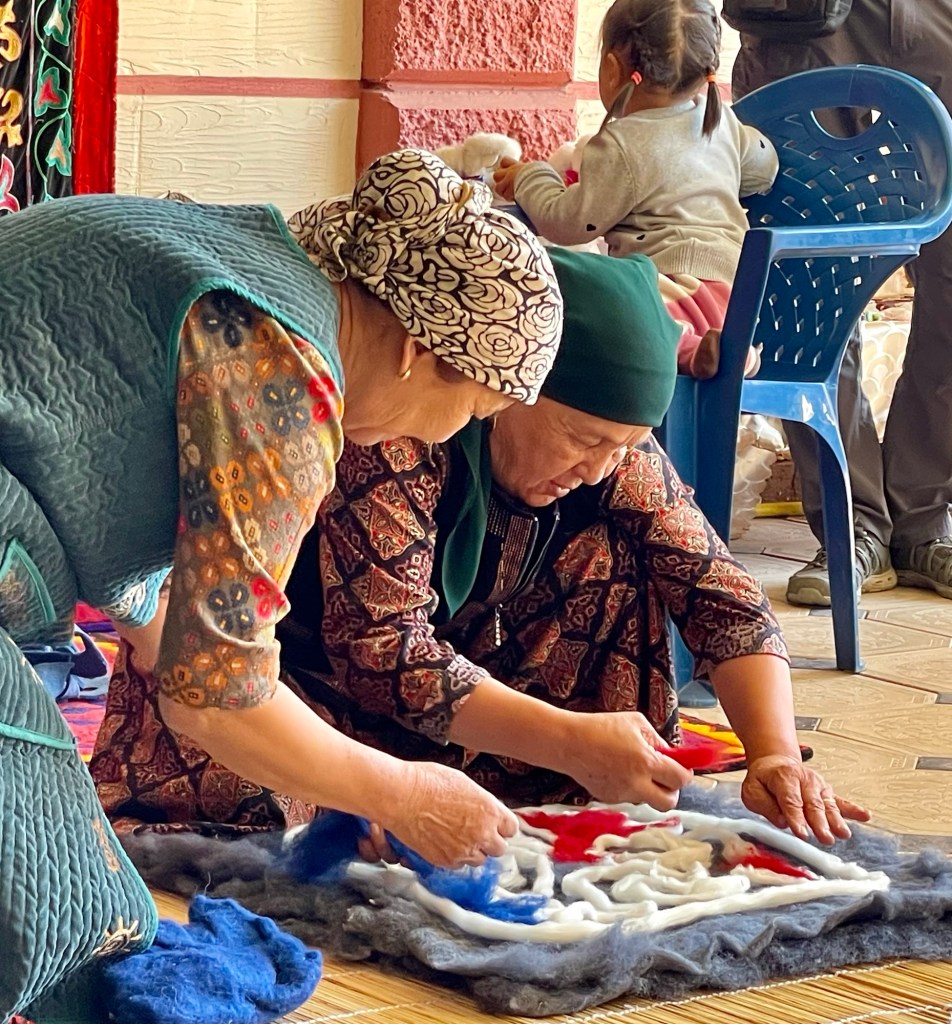


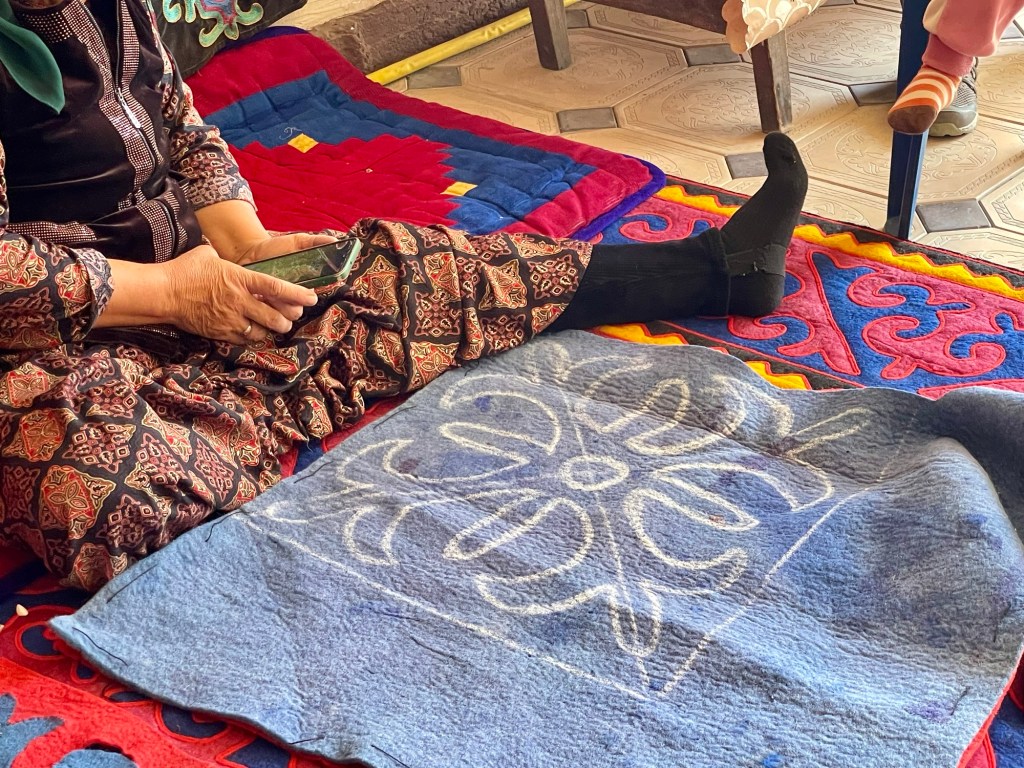
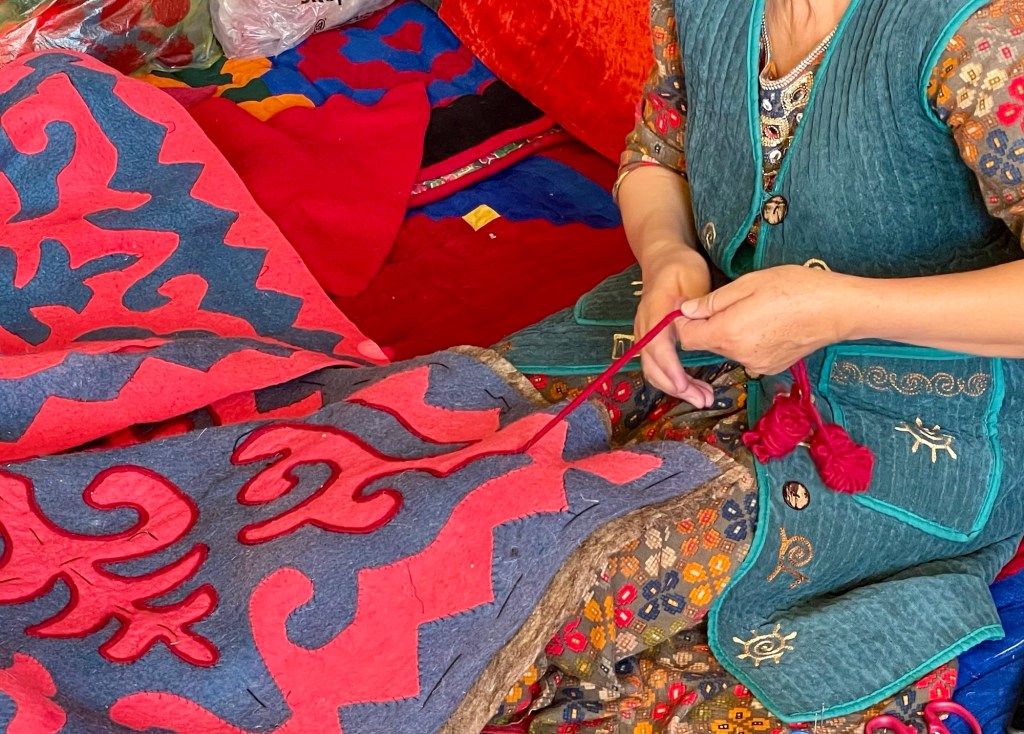
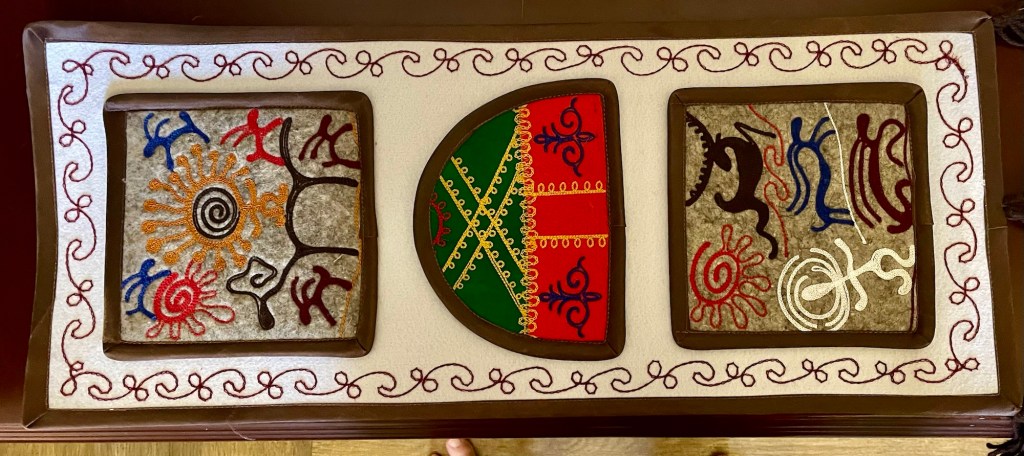
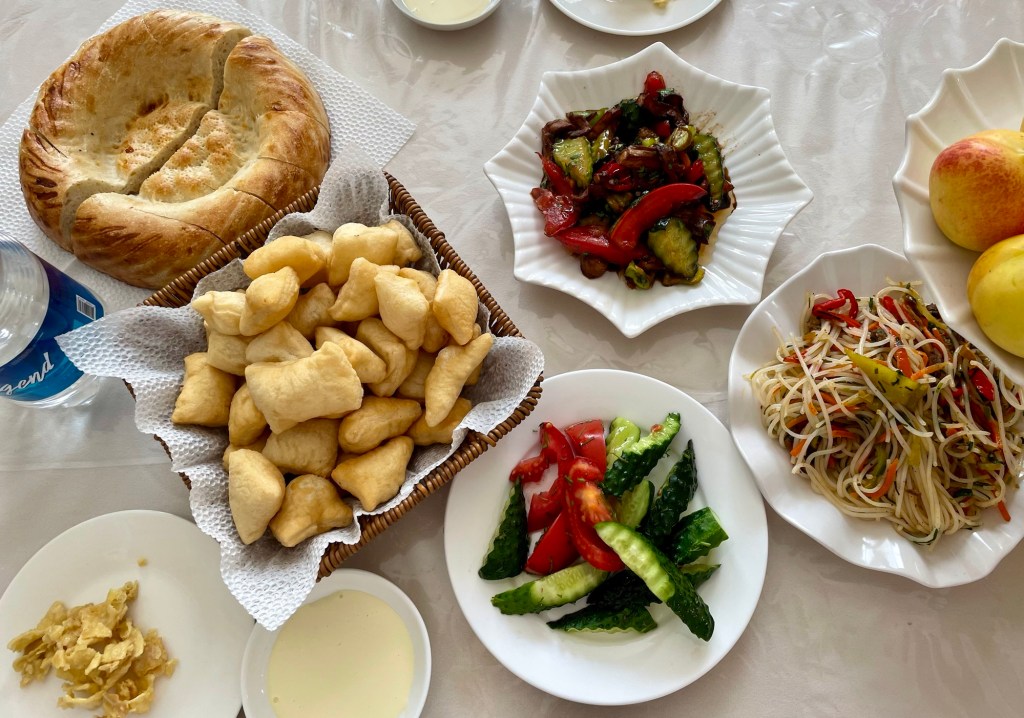
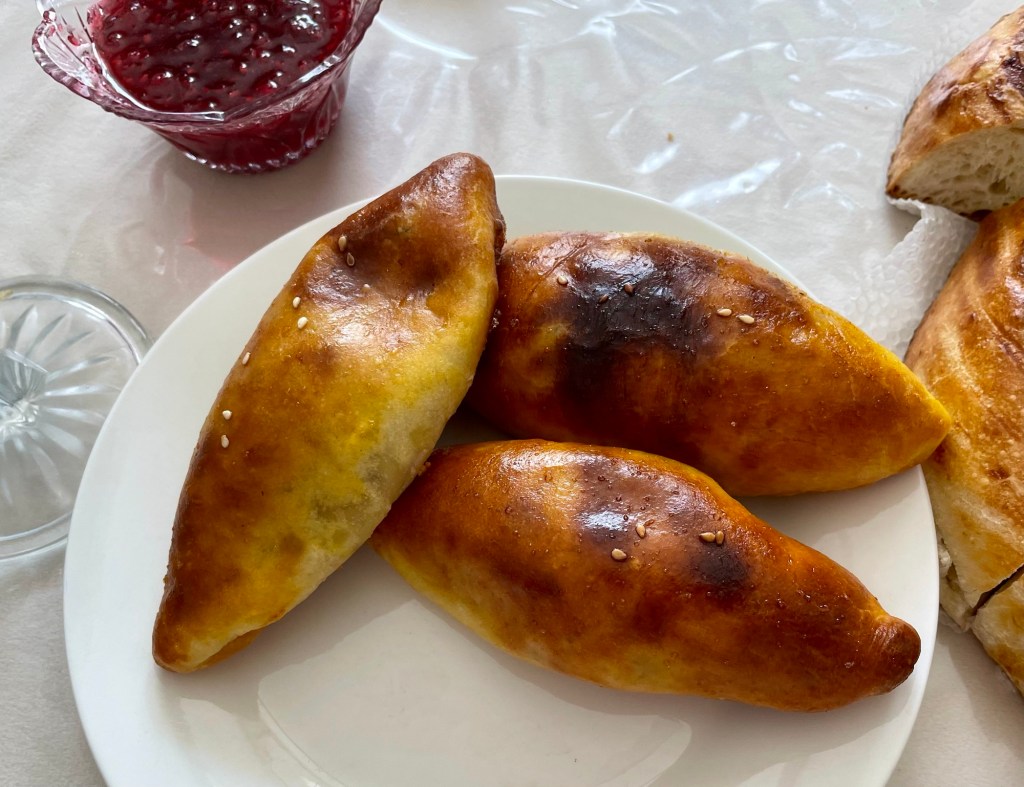
After the felt and demonstration, we got a delightful lunch in their home.

Our next stop was ruins dating back to the height of the Silk Road. Site has been turned into an outside museum, and several figures have been moved to the area.
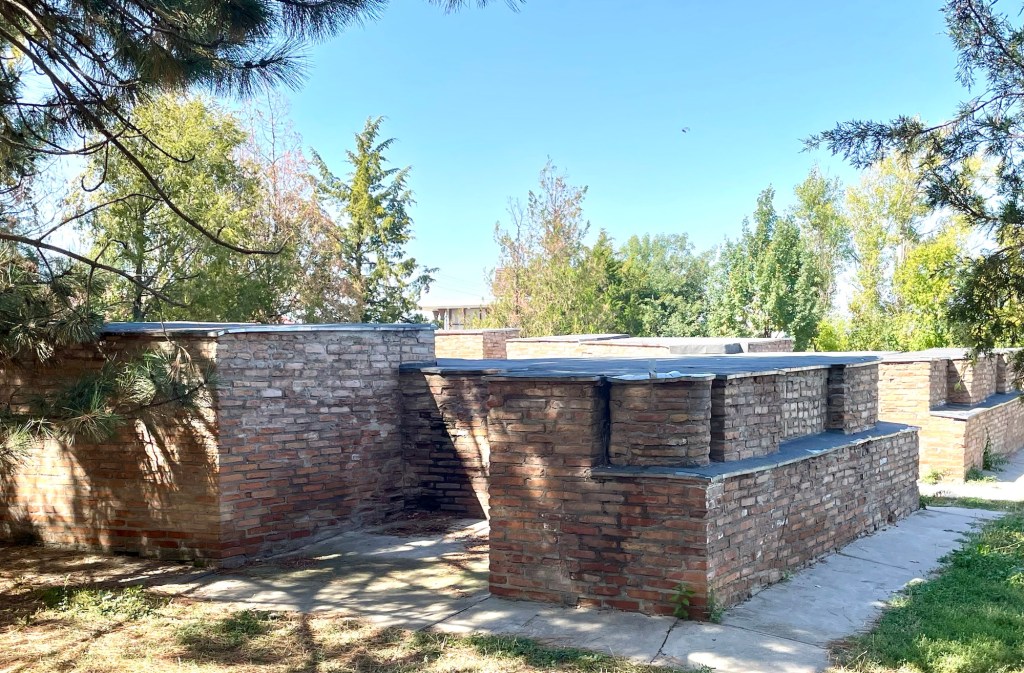
Remains of tombs of 11th century rulers of Kara-Khanid Khaganate. This state was formed in the middle of the 10th century and lasted to the middle of the 12th.

The Burana tower was built during the 11th century to serve as a minaret to call the faithful to prayer and also to serve as a guard tower along the Silk Road. The original height of the tower was 47 m. Now it is only 24 m. An ancient settlement developed around the tower.
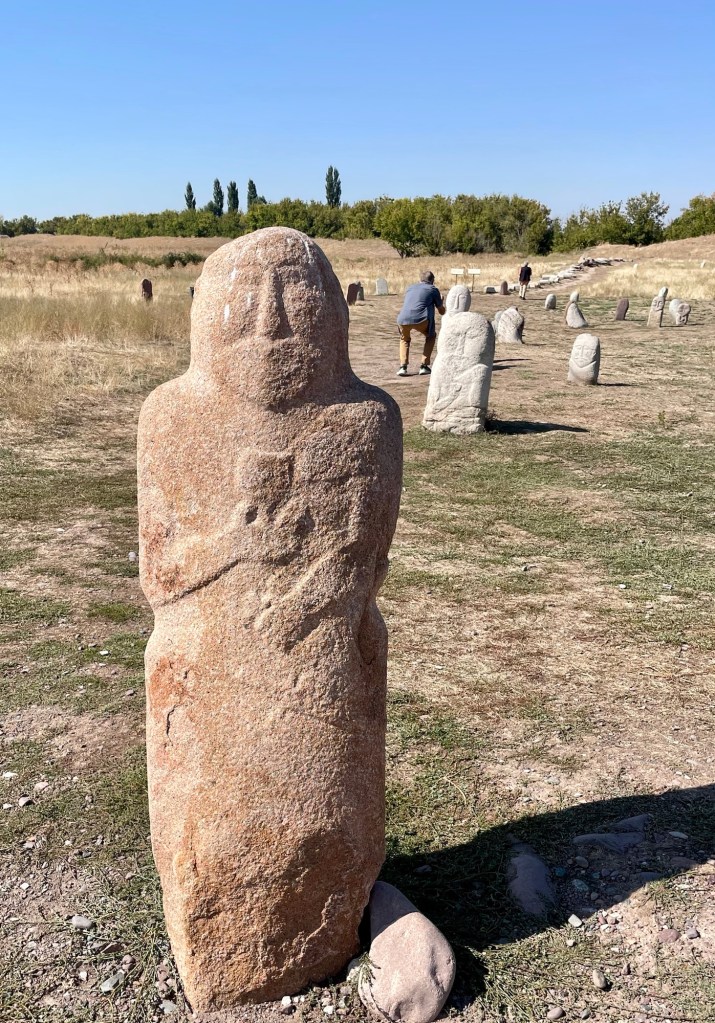
The northern part of Kyrgyzstan is an area of widespread stone sculptures and monuments of Turkie nomads. Usually, they are sculptures with careful study of the figures, as well as hats, clothing, ornaments, and weapons. Moreoffen, the warrior was drawn with a weapon or without it and with vessel in right hand. There are rare occurrence of images of women. Stone sculptures installed on the graves wich depiected a powerful enemy or who was killed by deceased during the lifetime else was a kind of monument to the dead.
Stone sculptures date from VI-X centuries.


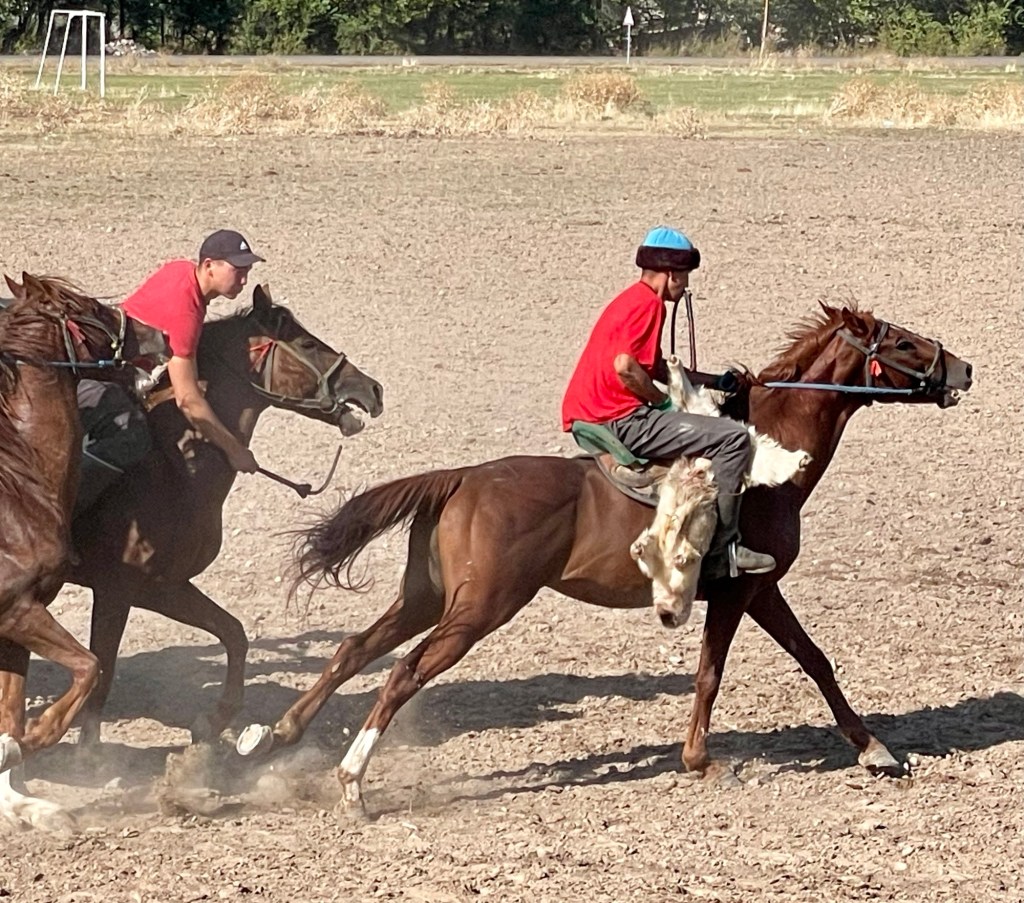
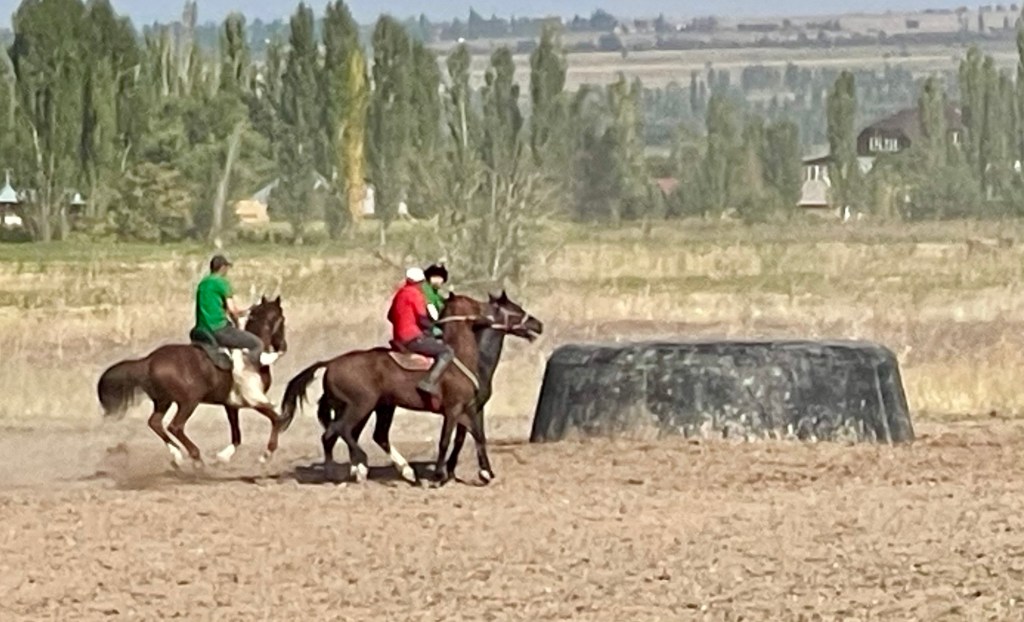
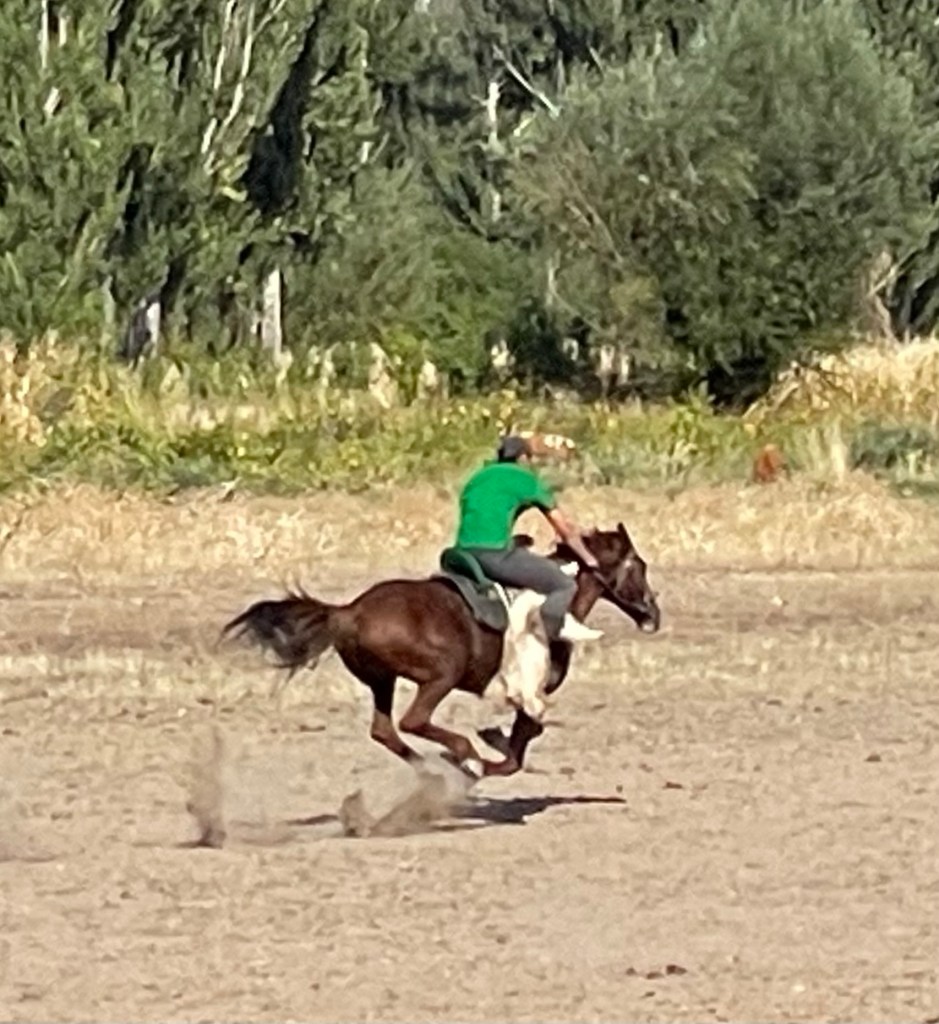
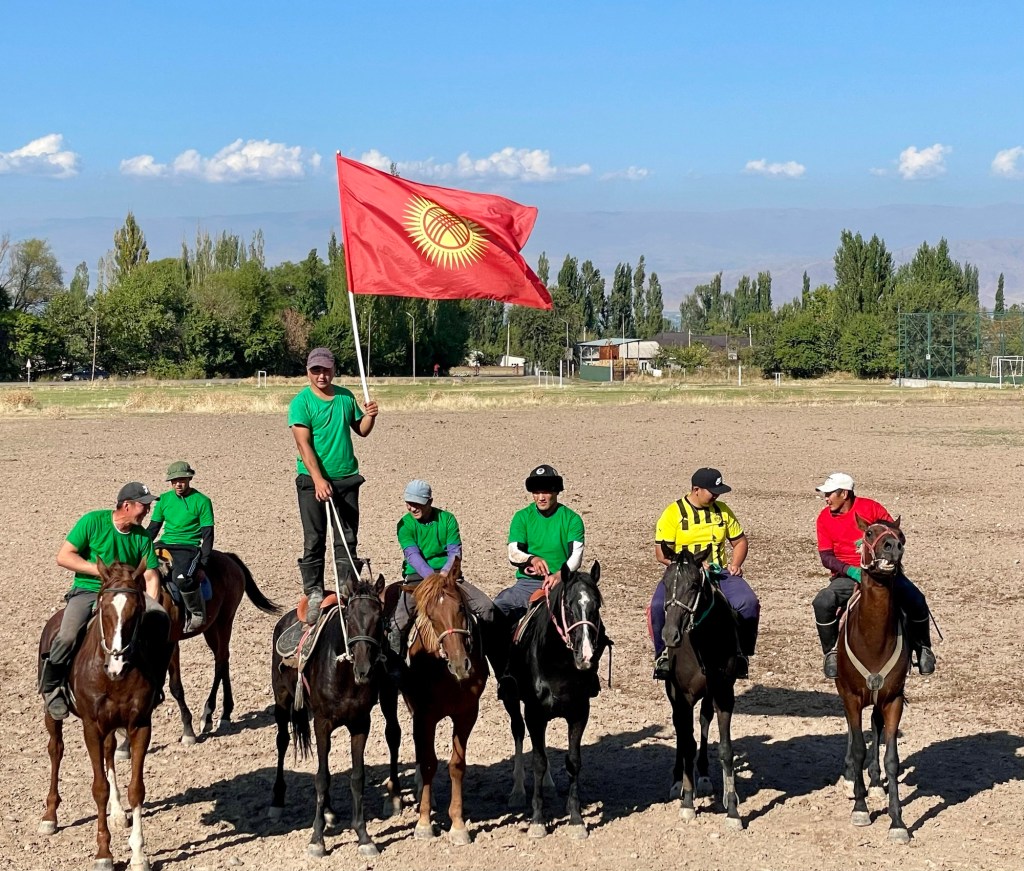
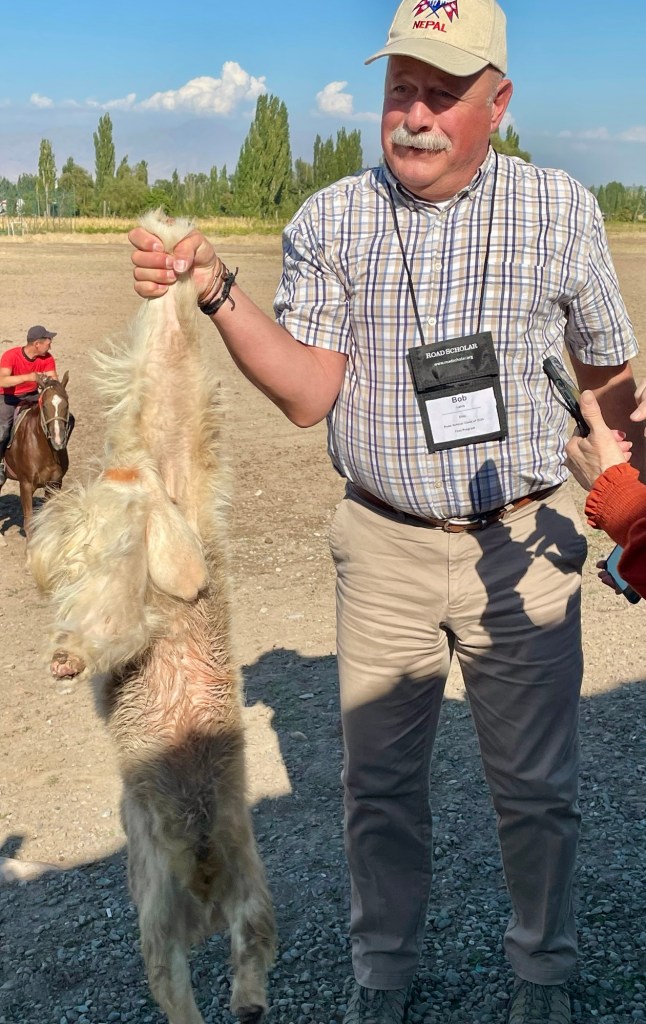
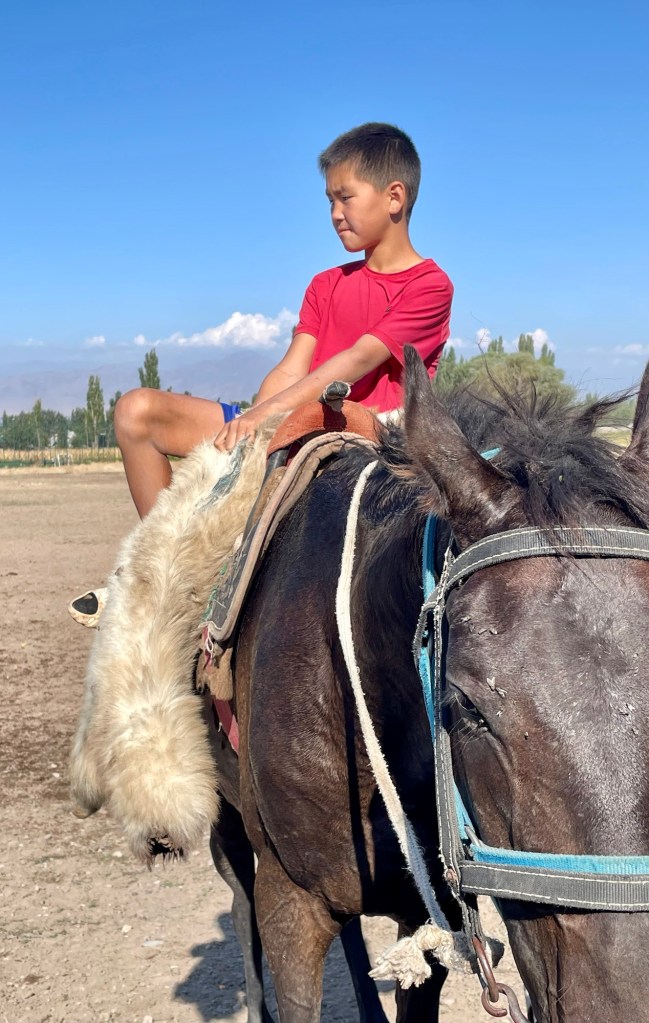
Afterwards, we attended a demonstration of Kyrgyz horse games, such as Ulak Tartysh, a sort of polo played with a goat carcass, and Kurdish which is wrestling on horseback.

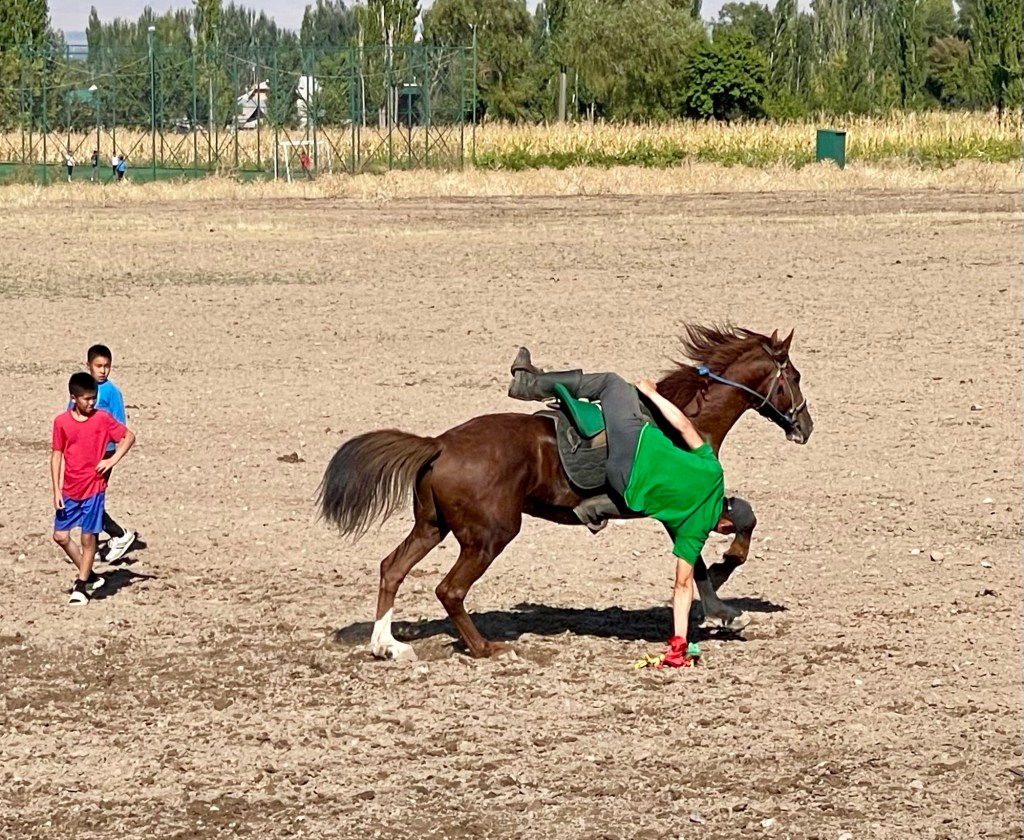
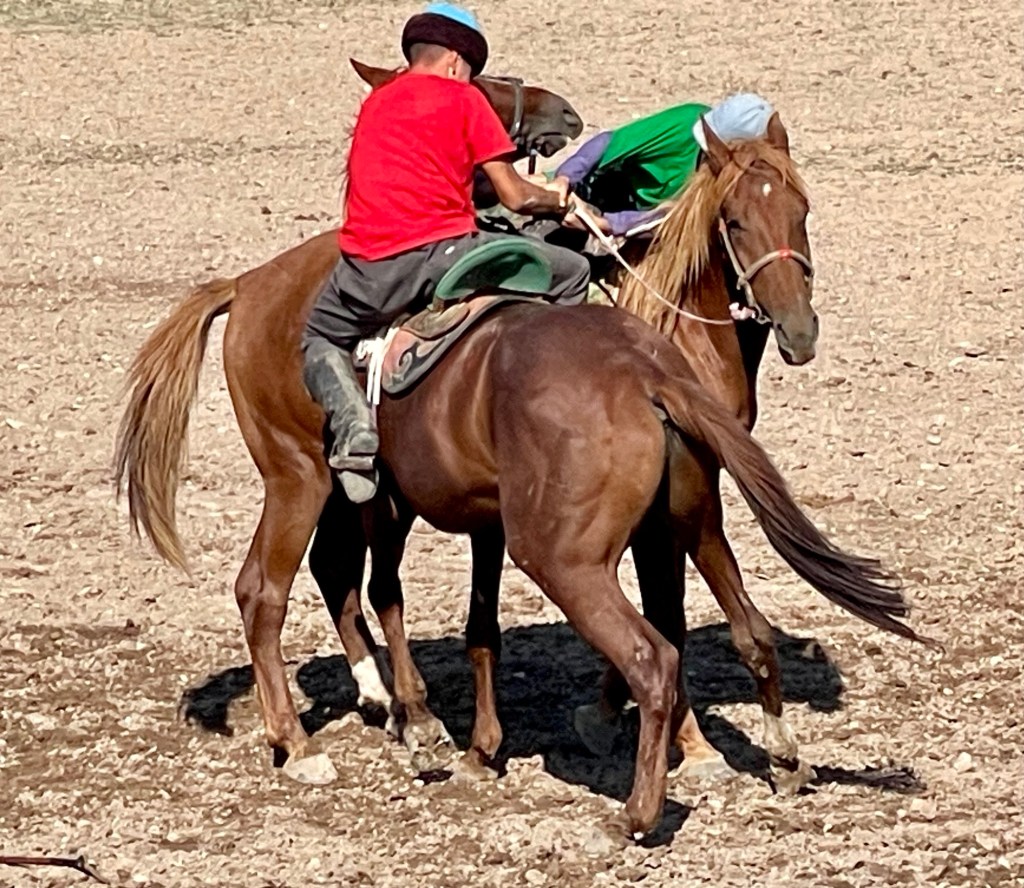
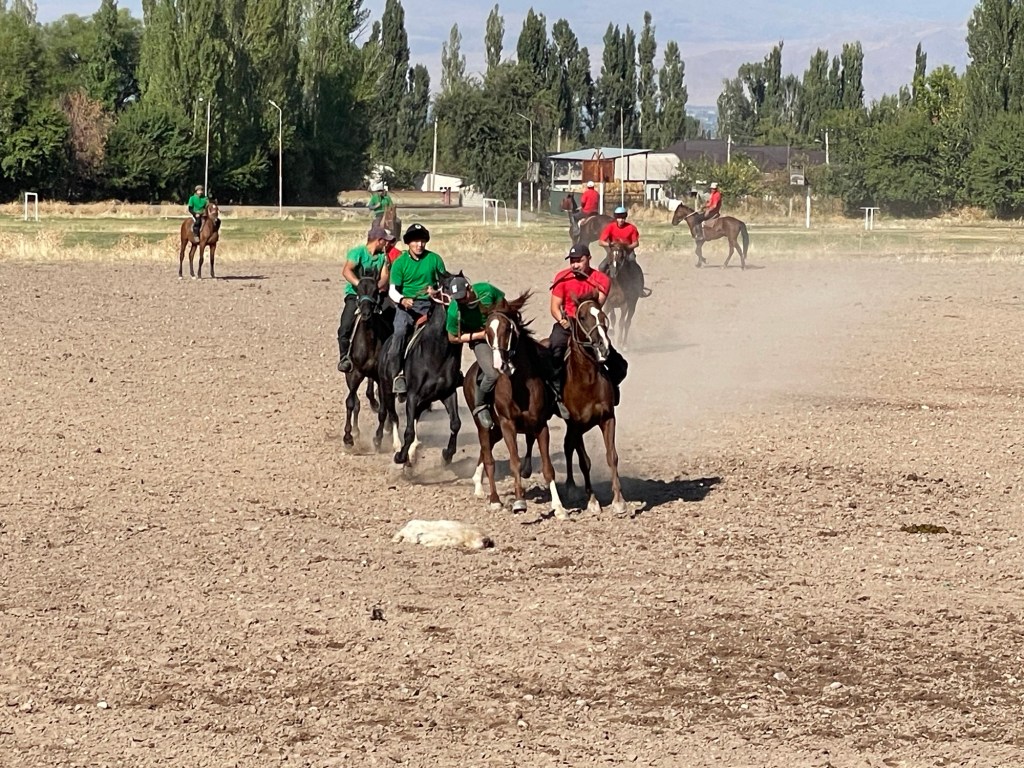
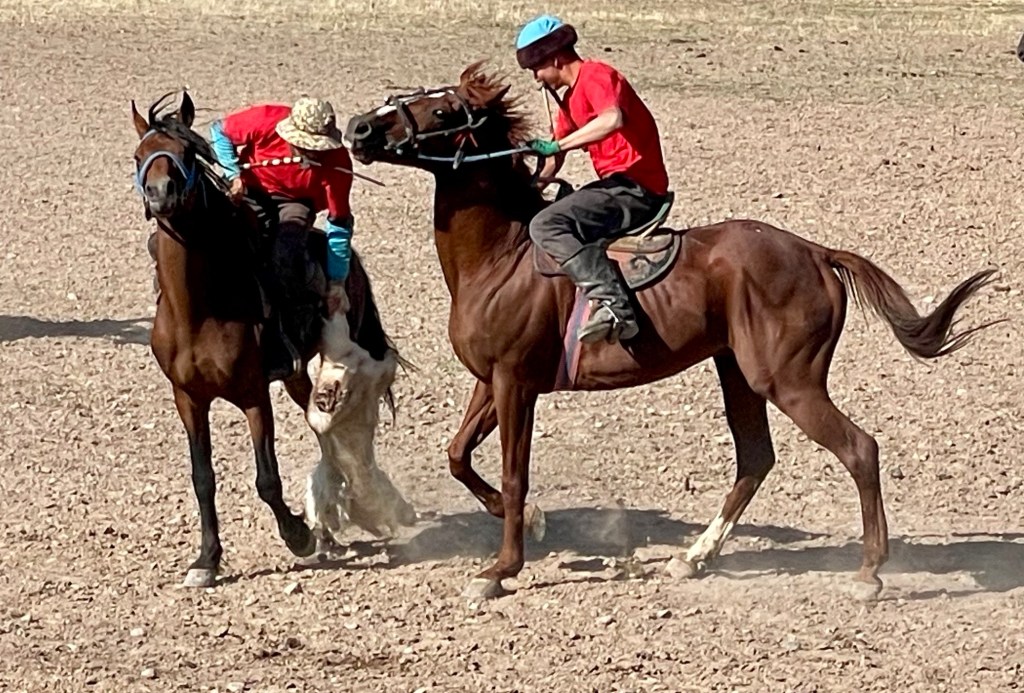

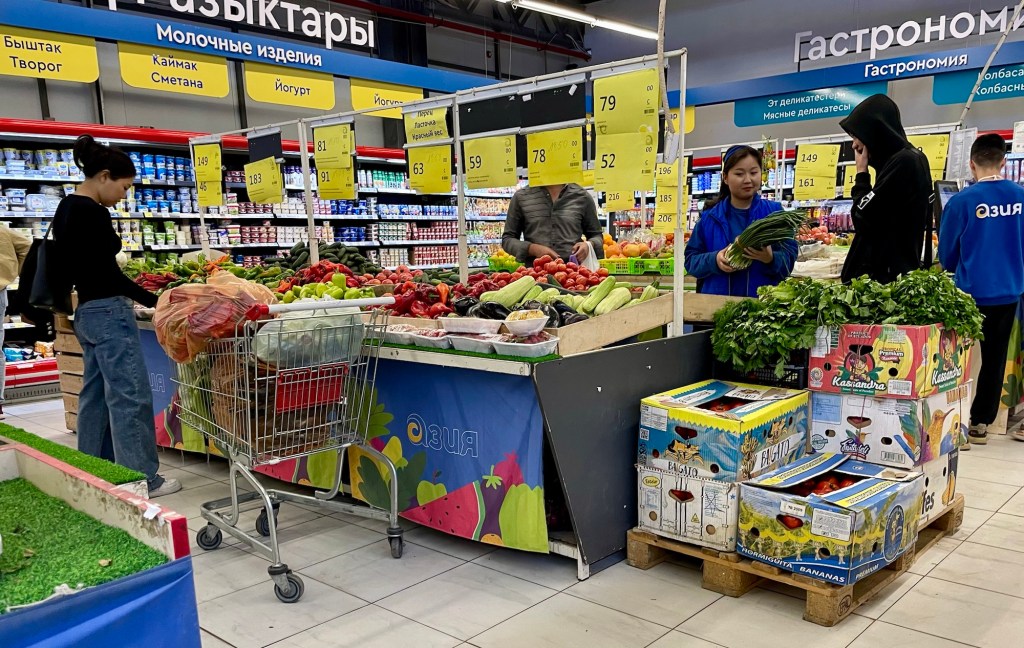
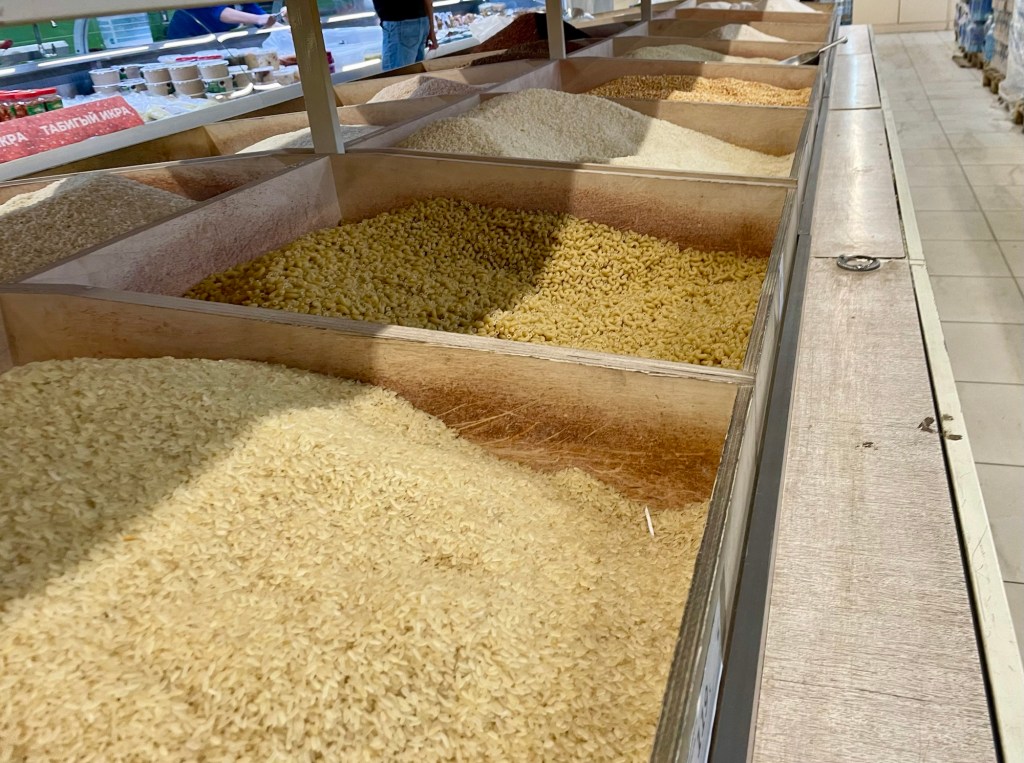
That was the end of the activities for the day so the next stop is of course dinner. On the way we stopped at a supermarket. I’m including a couple pictures I took. I was surprised at the number of choices that were available. I have been in a supermarket in Israel, which eas no better than a glorified 7-Eleven.

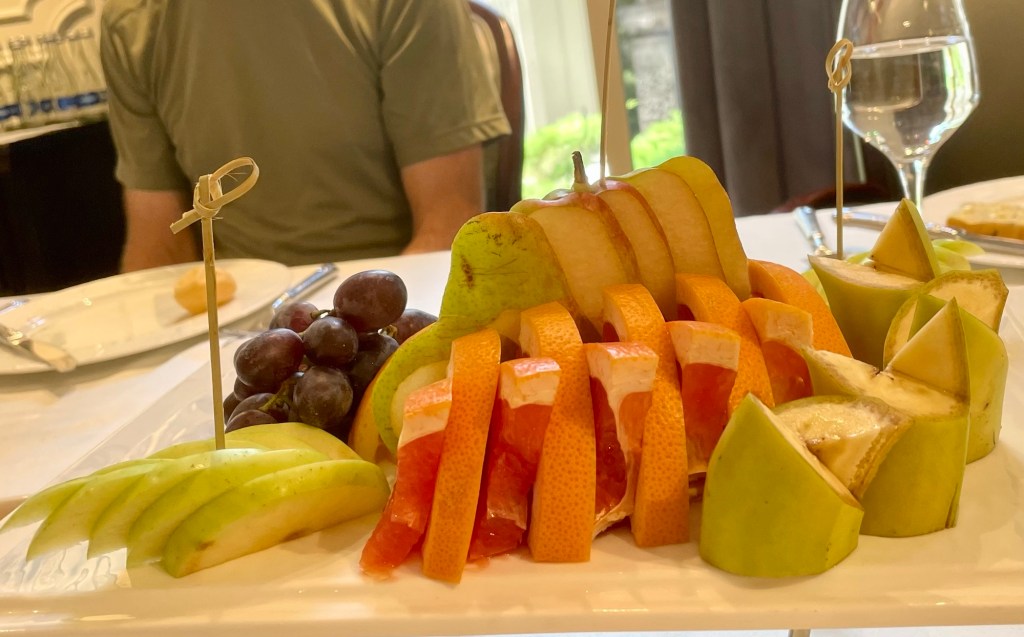
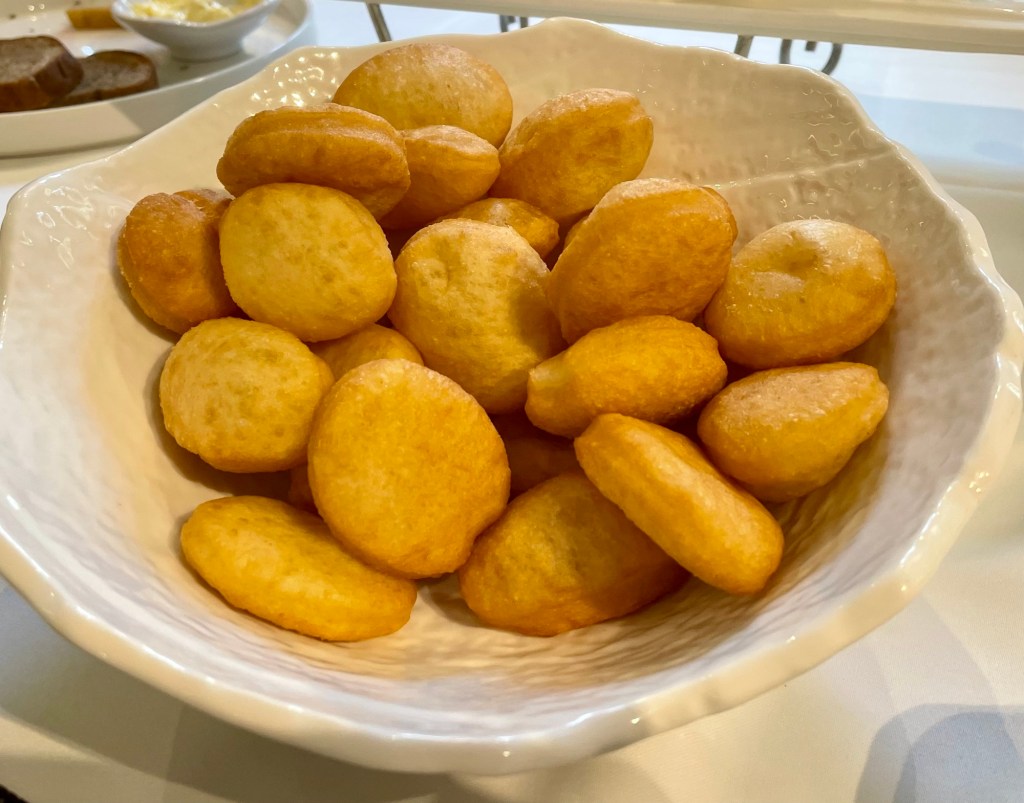
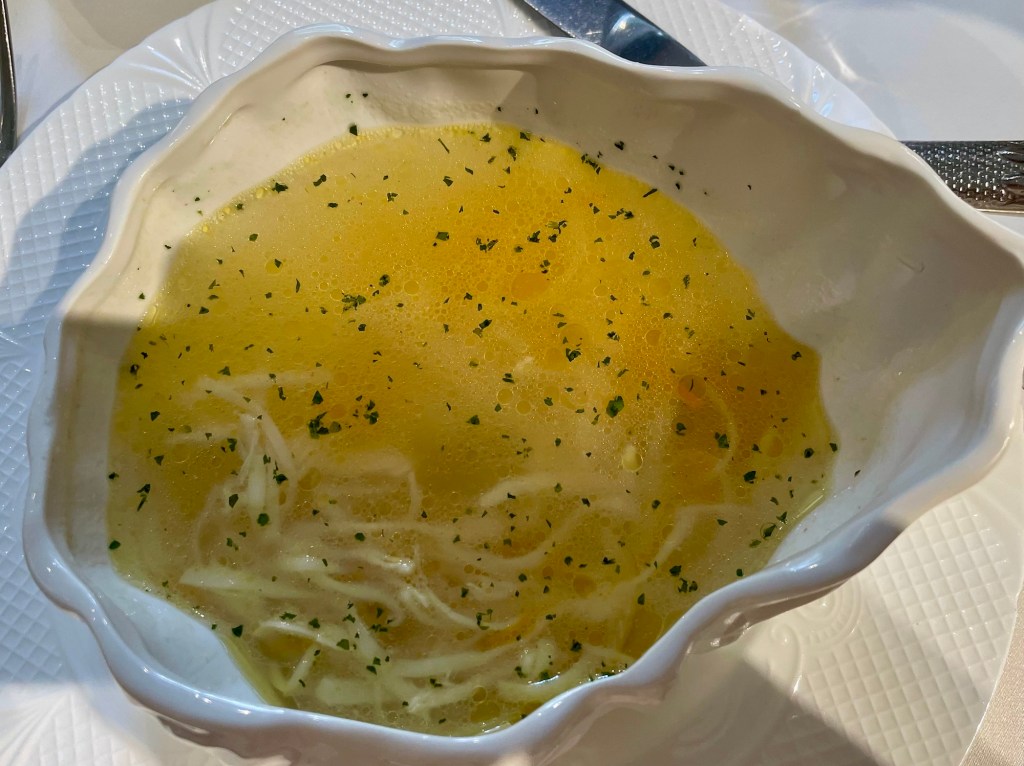
Now for dinner pictures.

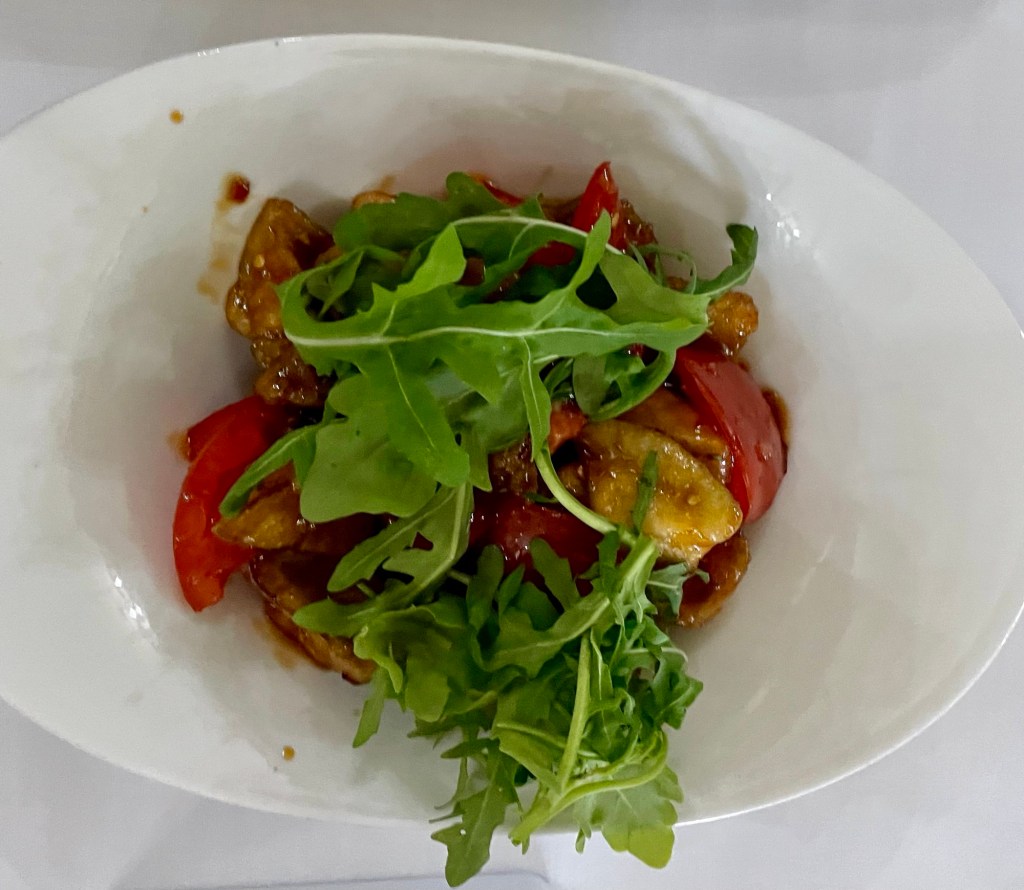


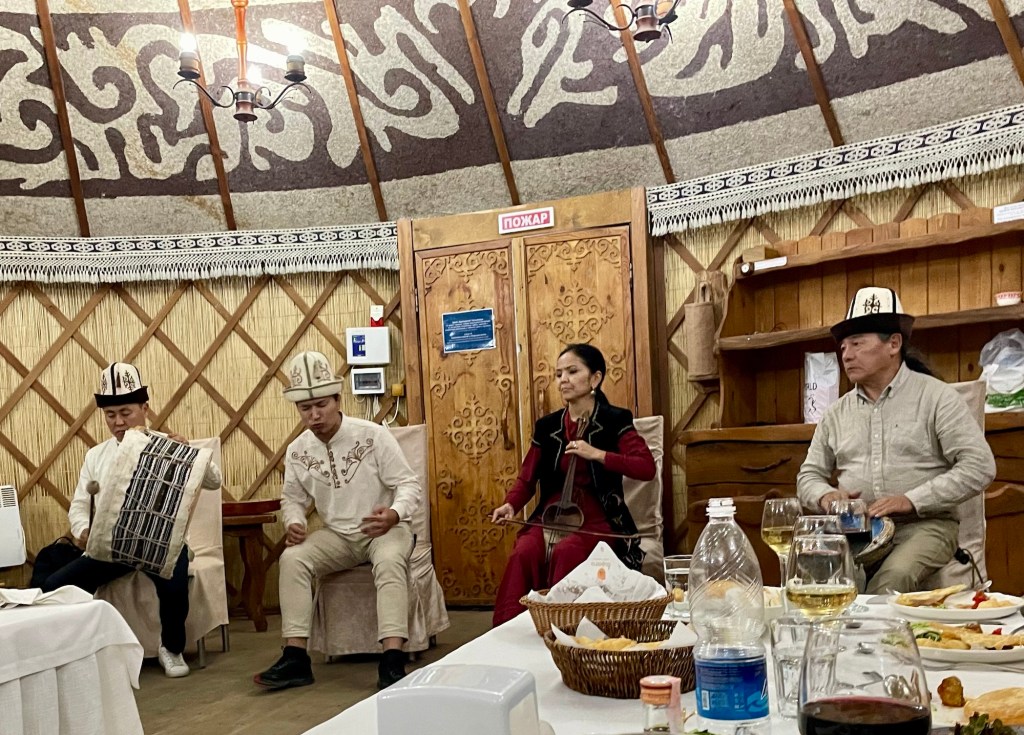

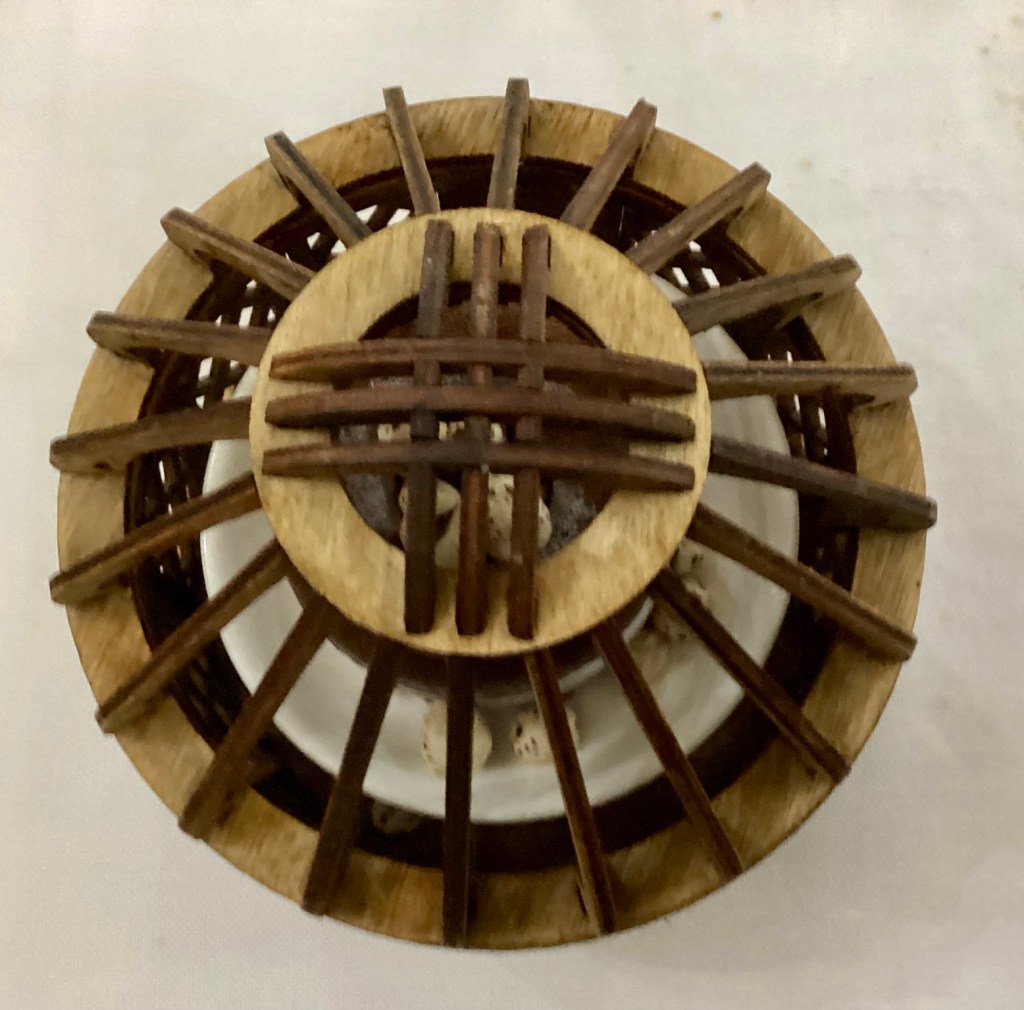

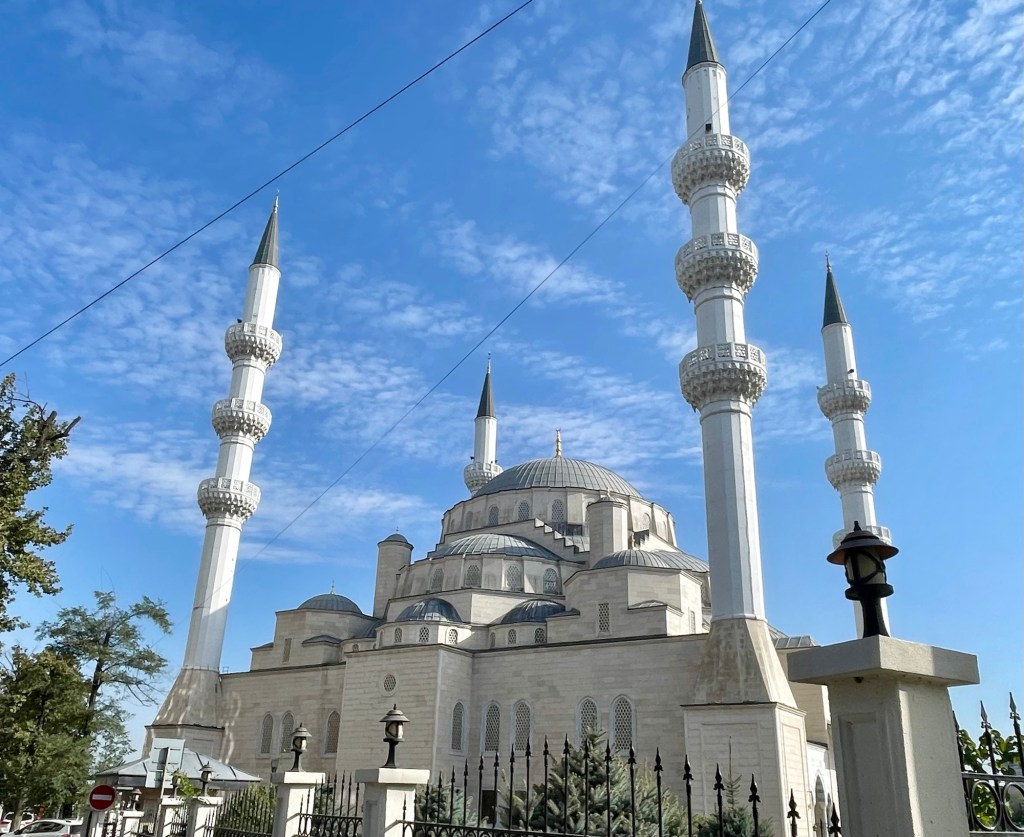
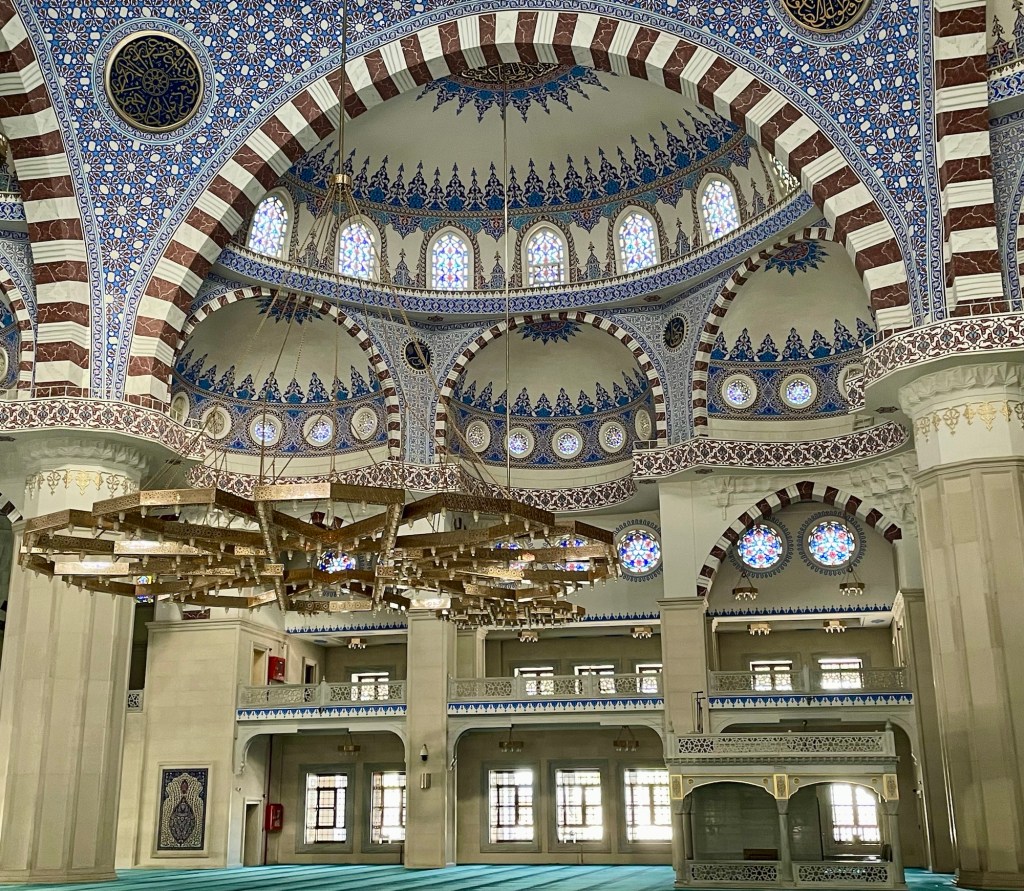
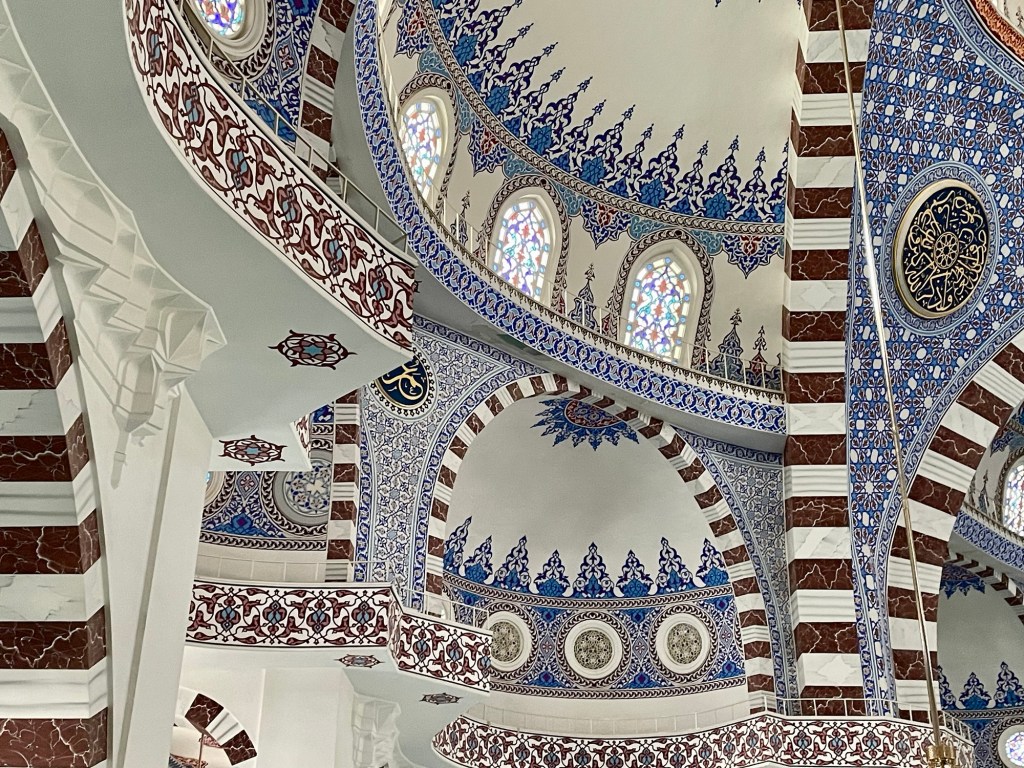
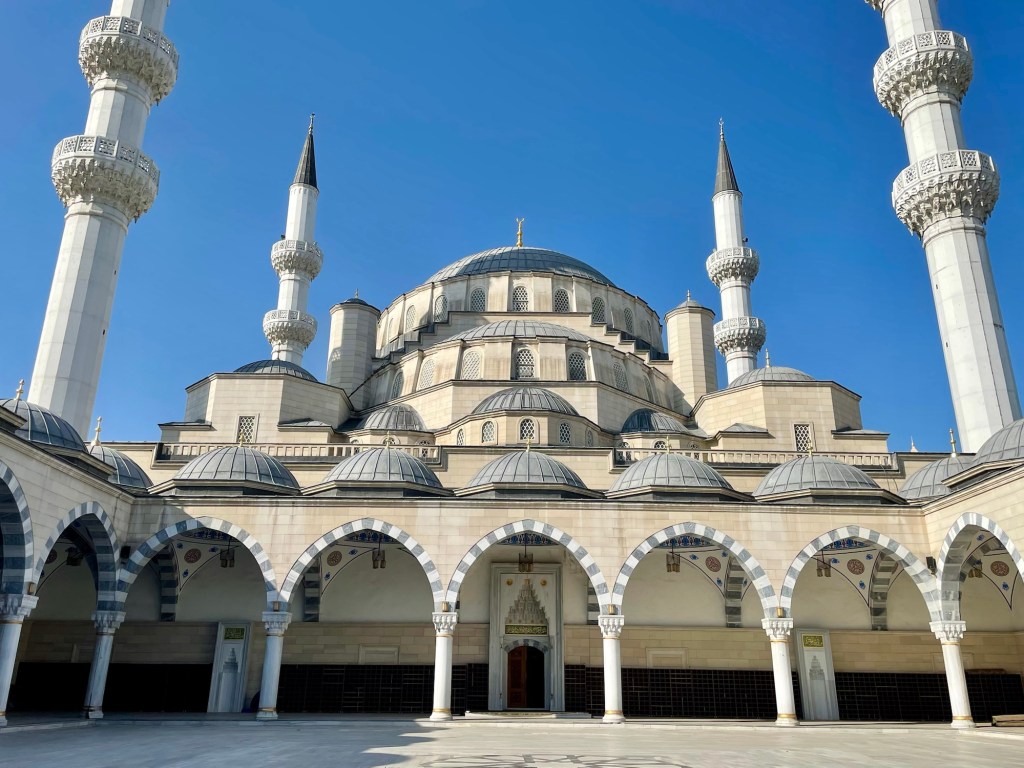
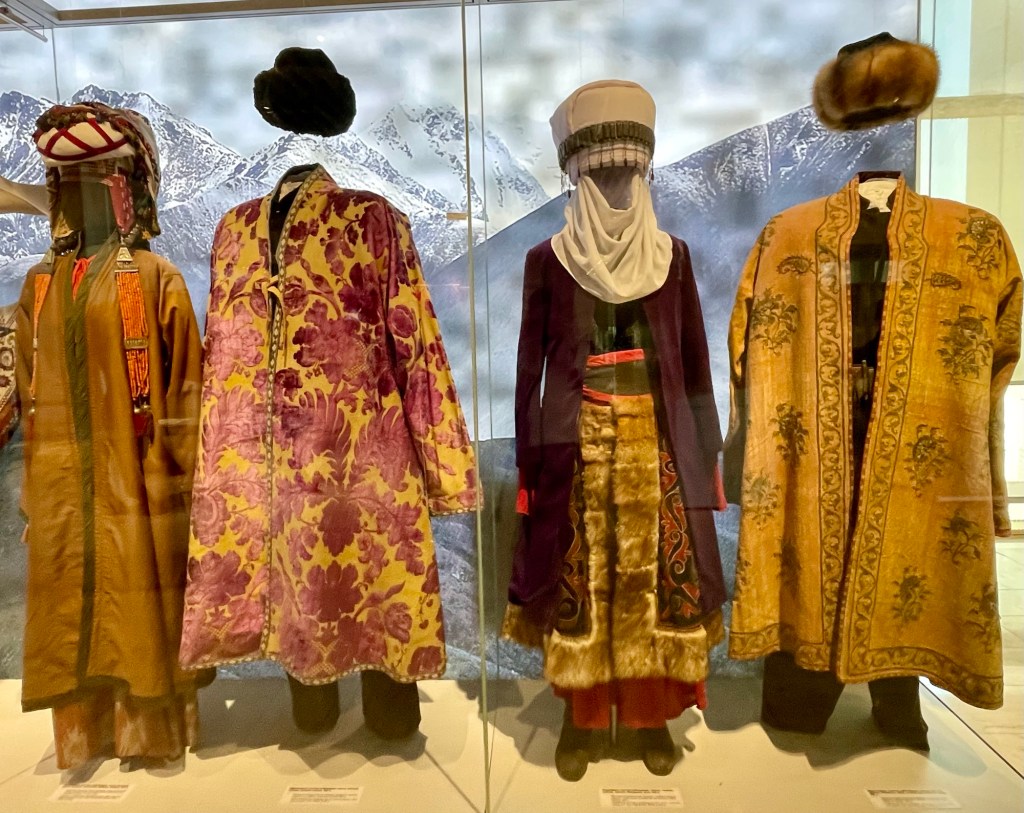
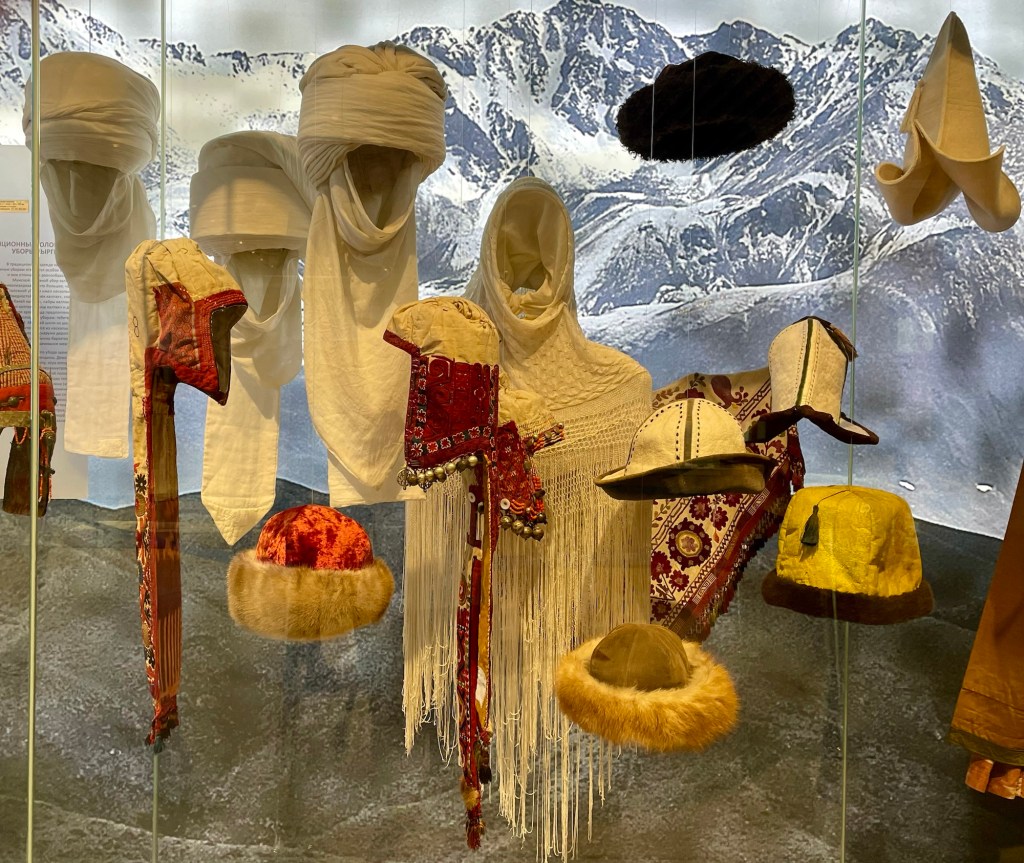
The next morning we visited the main mosque, a museum and the Central Park before boarding our flight to Tashkent.


The natural history museum is in the central Park area.
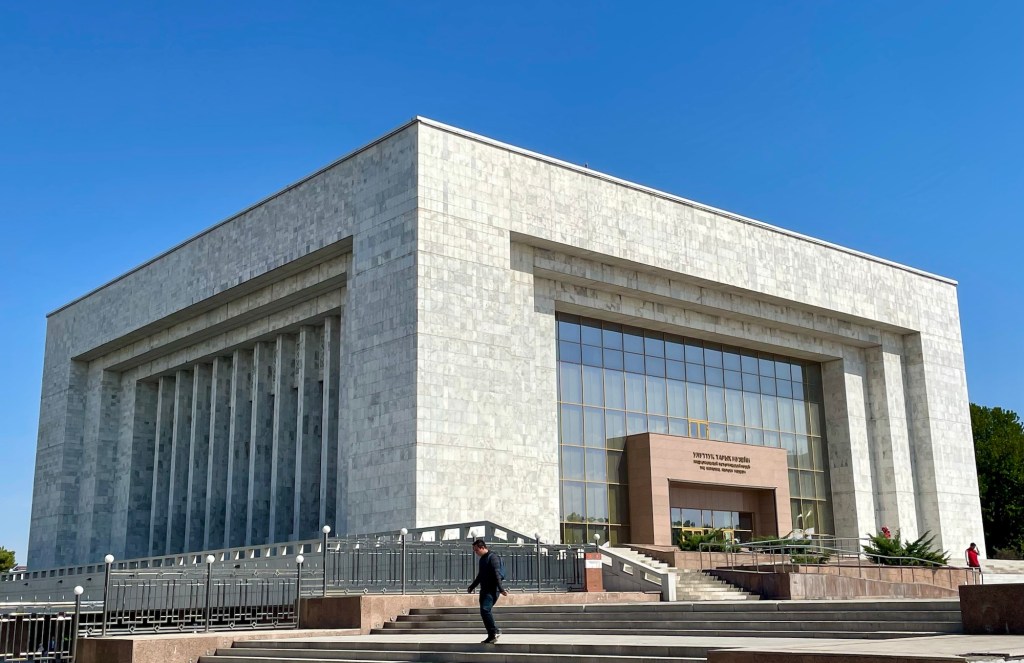
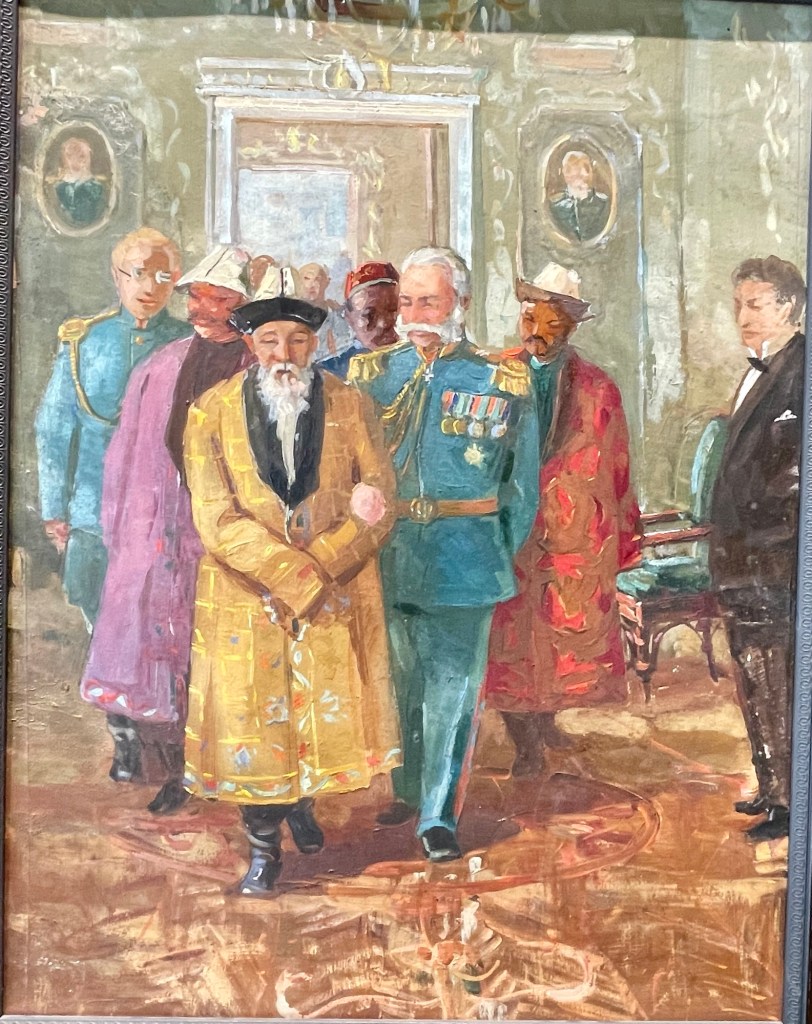
On March 15, 1786 Catherine I| received the Kyrgyz ambassadors. In the Winter Palace, Her Majesty the Empress was handed a message on behalf of Atake Batyr and made appropriate offerings. As a result of the first diplomatic mission, the Kyrgyz received the patronage of Russia and strengthened trade relations.


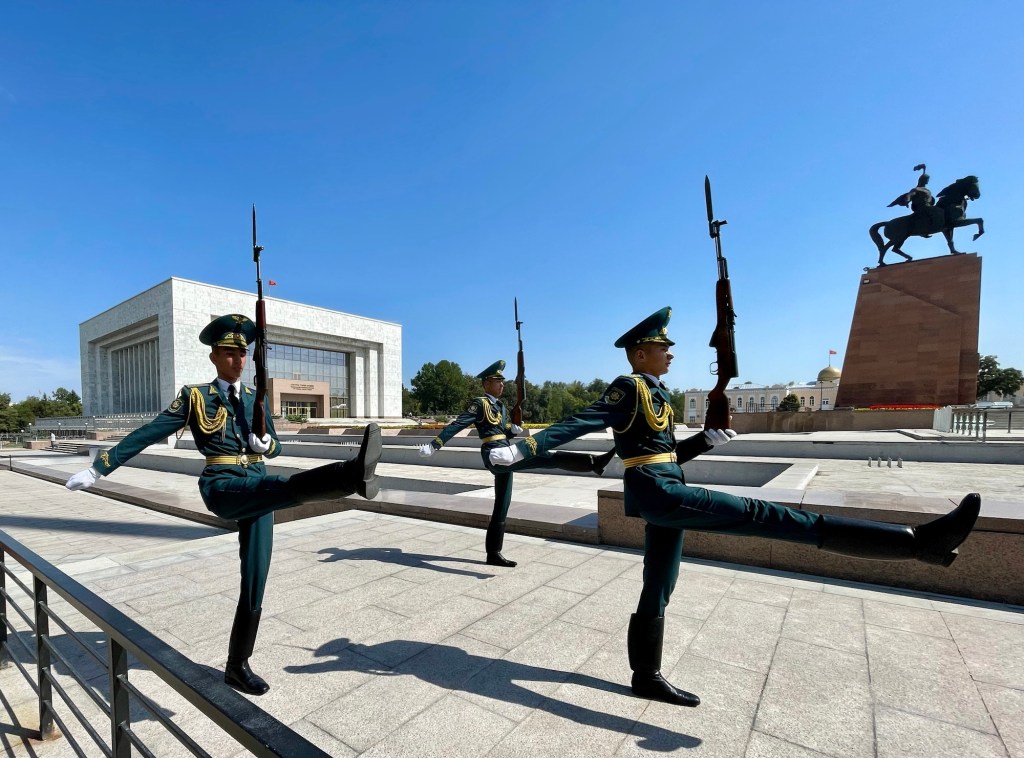
We just went to watch the changing of the God of the national Memorial, which was just cross from the museum. They stand guard in one hour shifts from 8 AM to 6 PM.
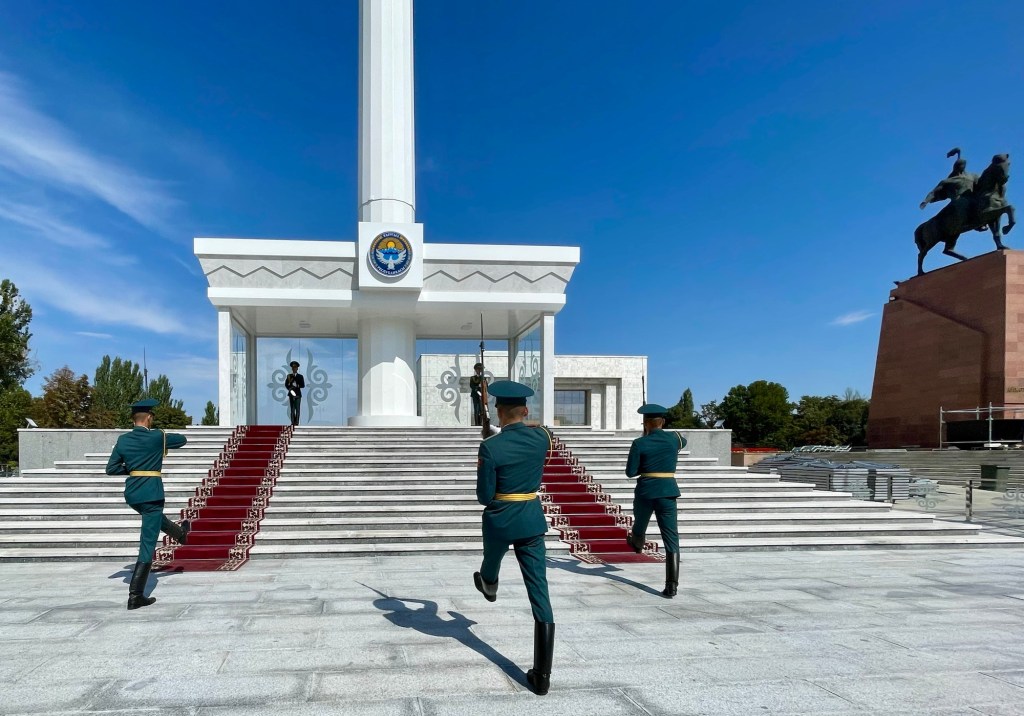
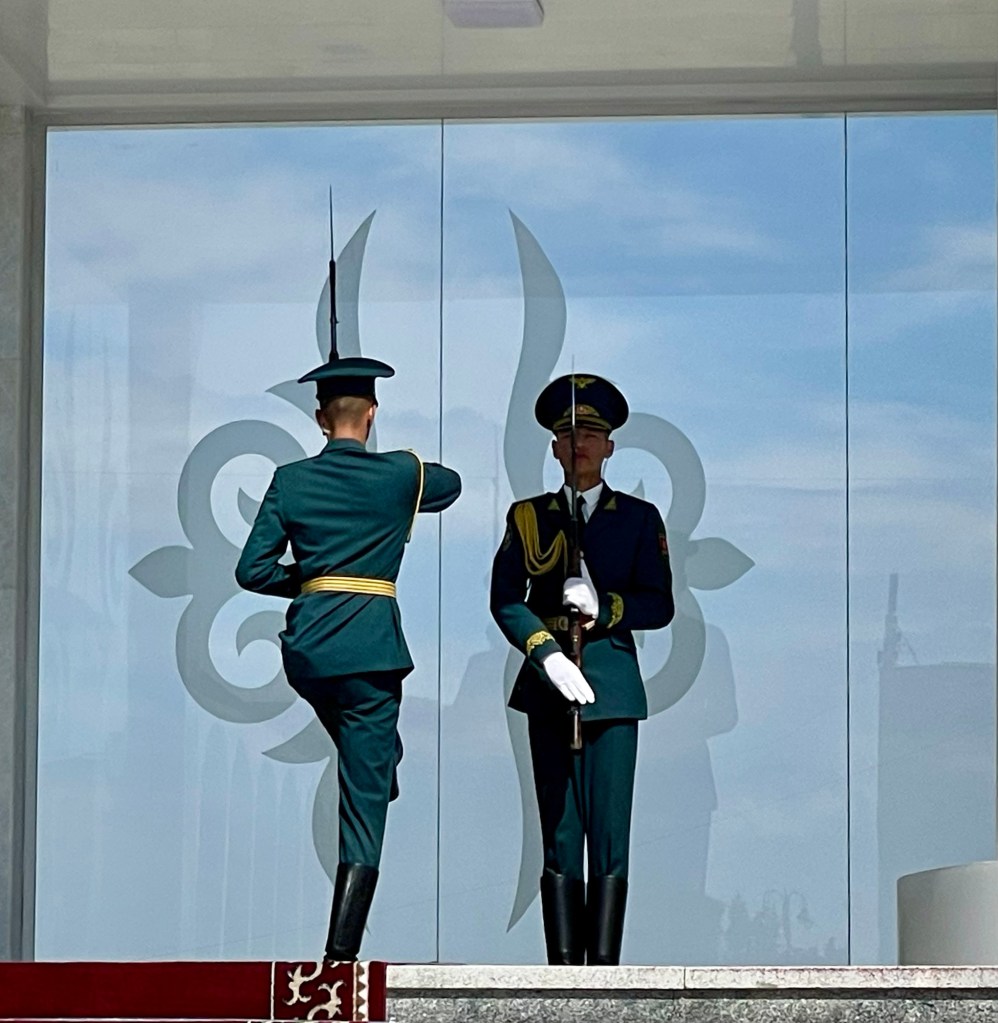
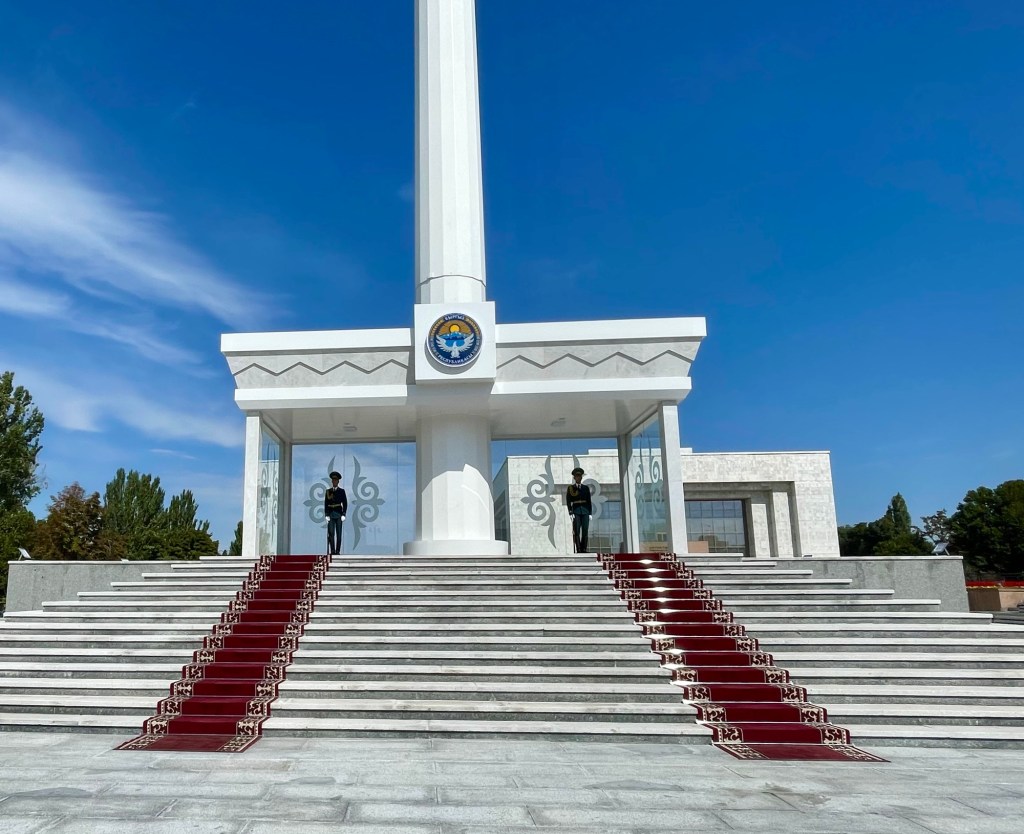
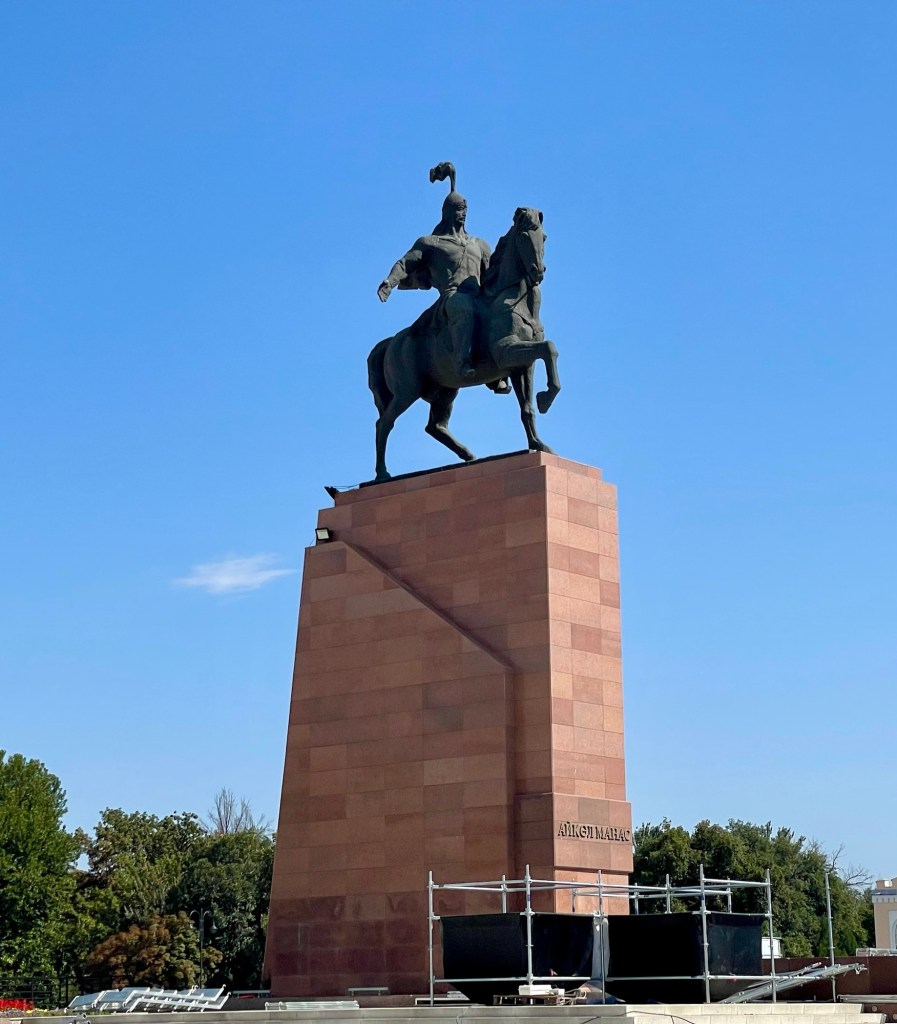

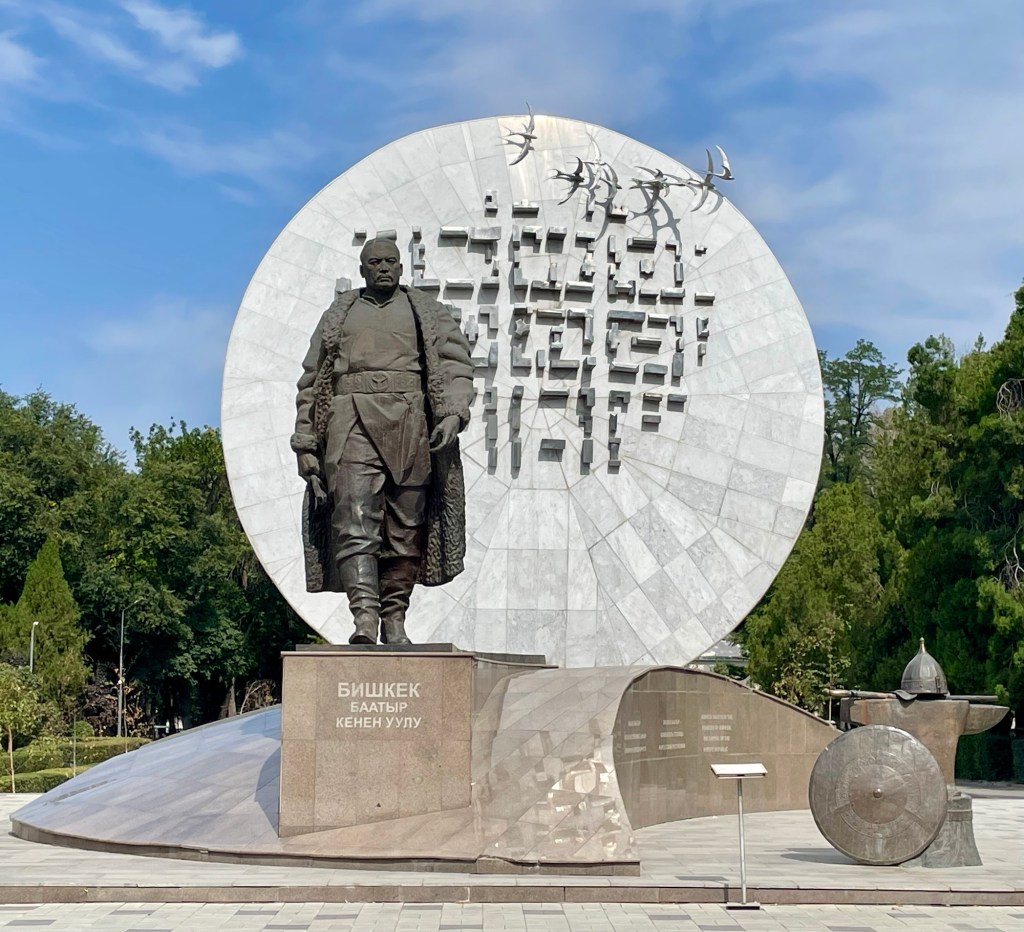
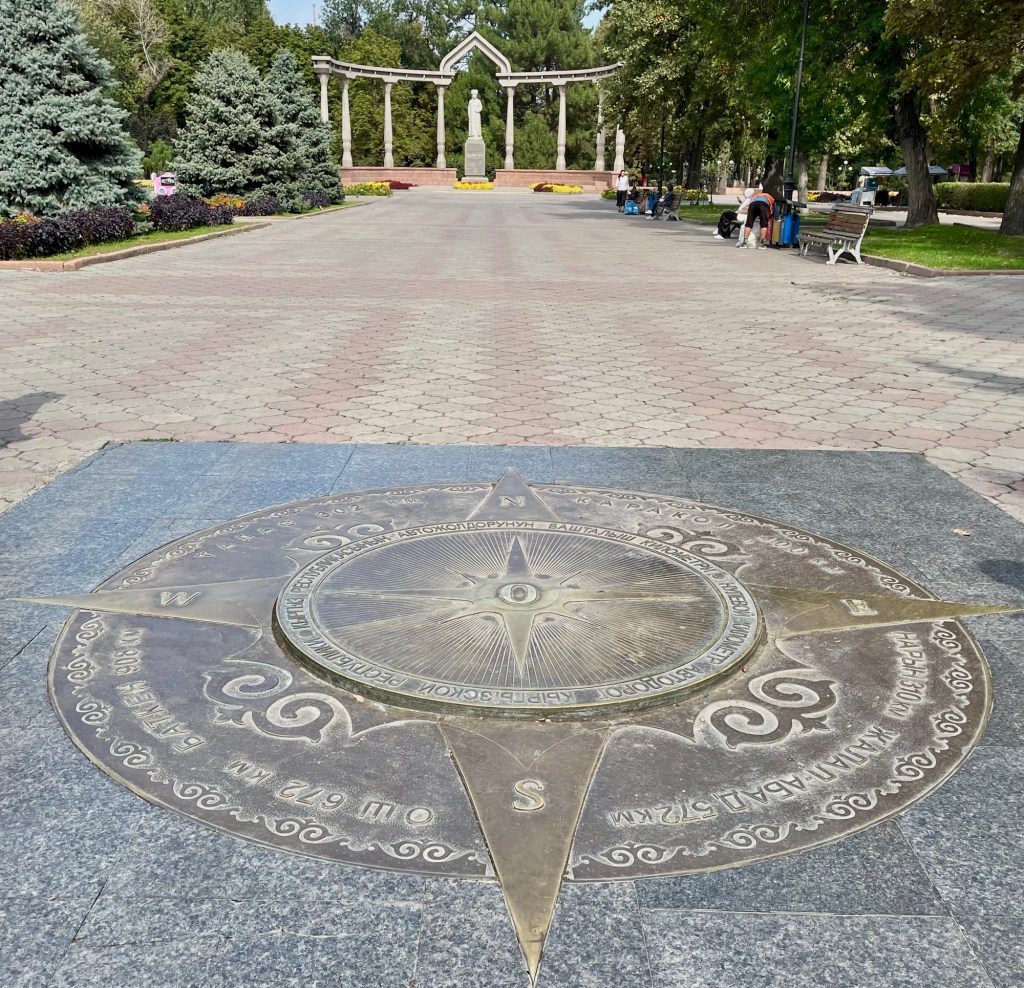
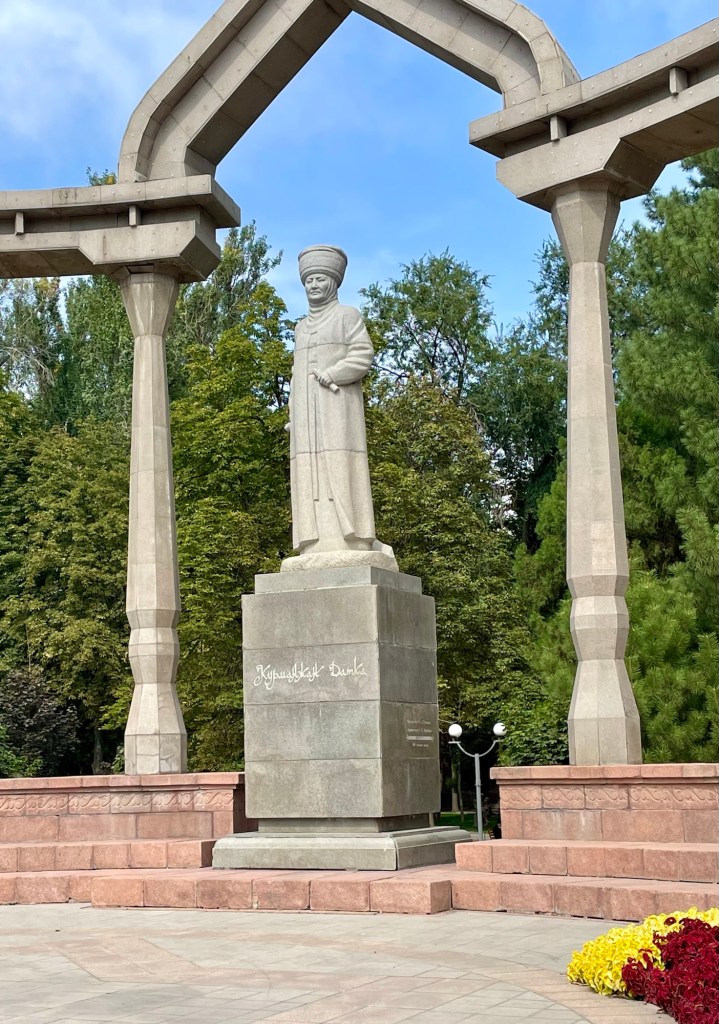
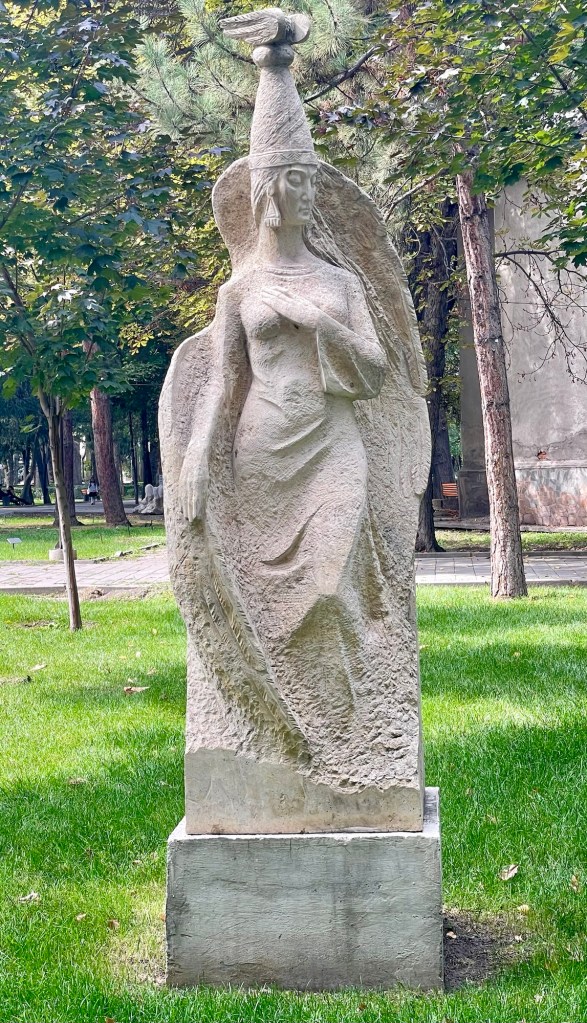
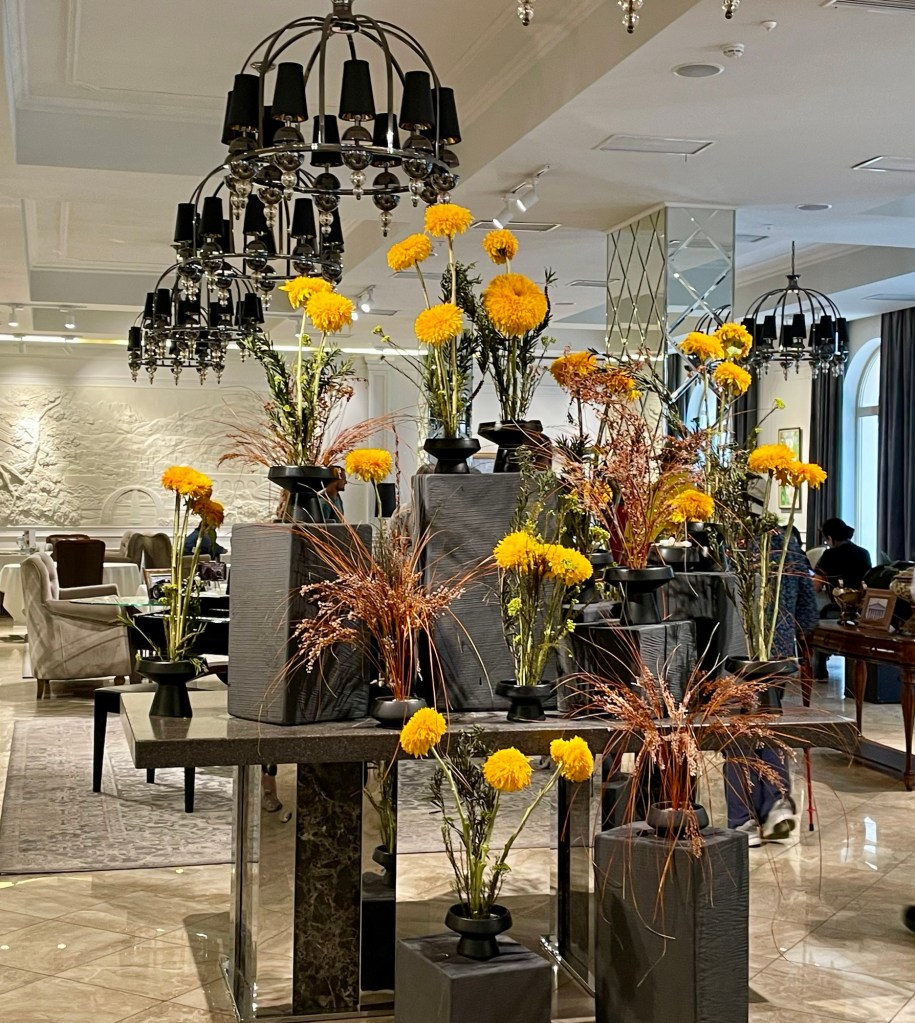
We next went to lunch in a delightfully terraced restaurant in the park before going to the airport and flying to Tashkent, Uzbekistan.
Kyrgyzstan
90% mountainous, 7.5 million people, 80 national groups. Central Asia melting pot. Bishkek built as Russian fortress in 19th century. Many Turkic tribes that fought among themselves so couldn’t organize to fight off mongols and Chinese.
Kyrgyzstan burns a significant amount of coal. Very polluting. They do have hydro power. But can have lack of water so can not completely rely on hydro.
Constitution is Secular but country becoming more religious. Over 3000 mosques. More women covering head here than in Kazakhstan.
In nineteenth century Muslim Chinese rebelled, were persecuted and many moved to Kazakhstan and Kyrgyzstan. Uyghurs are actually Turkic people and are being seriously persecuted in China today.
 RobbieLambertsTravels
what an amazing trip! I love all the interesting food!
LikeLike
Oops! I might have erased my comment, Here it is again….This looks like the usual GLORIOUS experience you have on these trips. The streets look so clean. The photos of the food are yummy looking! You might ask the Rhode Scholar people if they ever thought of publishing a Rhoads Scholar cook book covering all of the countries they go to!!!
LikeLike