Right after breakfast, we left for Tajikistan. Our guide gave us quite a bit of information on the way. I will try to share some of it with you. First, a very concise and brief history.
6th-3rd century BCE. Persian Empire
Alexander the Great Greco-Bactrian. 4th century BCE
1st century BCE. Kushan Empire
4th century CE Huns invaded
7th century CE China tried to conquer area
8th century CE Islam invasion
11th century CE Mongol invasion
Late 12th century CE Khwarezmid Empire
Early 19th century. England and Russia involve themselves in the region, intending to expand their territories. The power struggle in central Asia between these two empires comes to referred to as the “great game“.
20th century Soviet
1991 collapse of Soviet Union
Other miscellaneous information
Uzbekistan 70% flat
Traditional for a groom to plant poplars so that when is children grow up he will have wood to built them a house.
Got Silkworms from China and developed a silk industry.
Silk paper comes from bark of mulberry tree which can last for thousands of years.
Our guide’s wife chose to start wearing a hijab during Covid. Many other women also made that choice during that time. Seems to be more of a cultural choice.
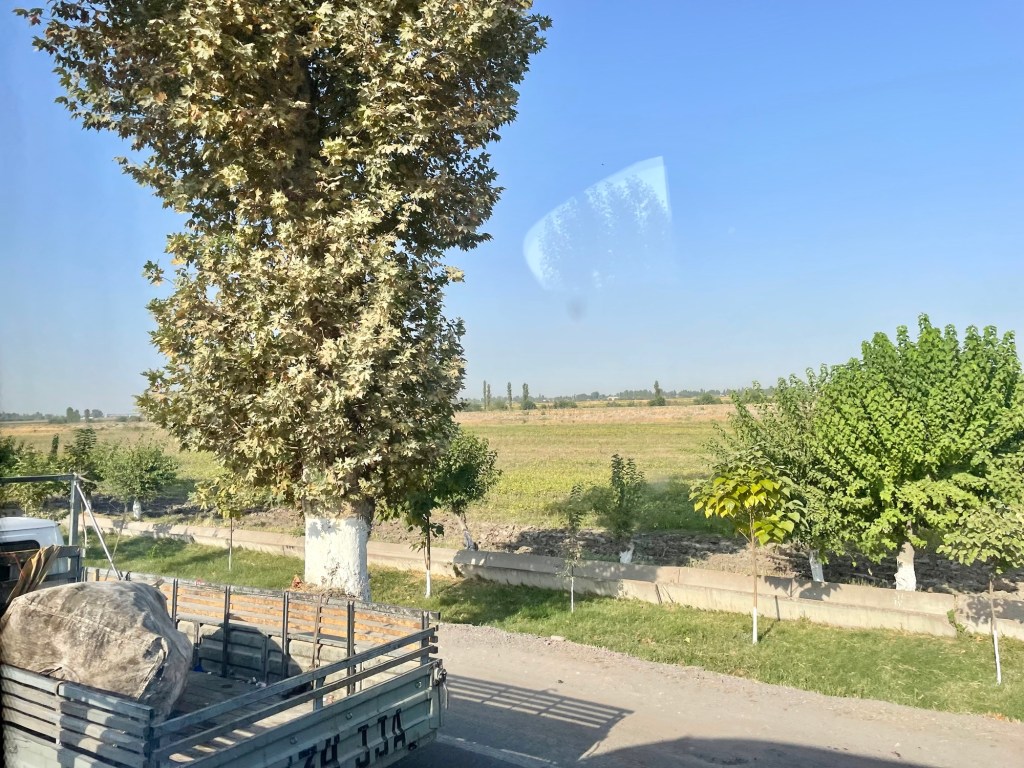
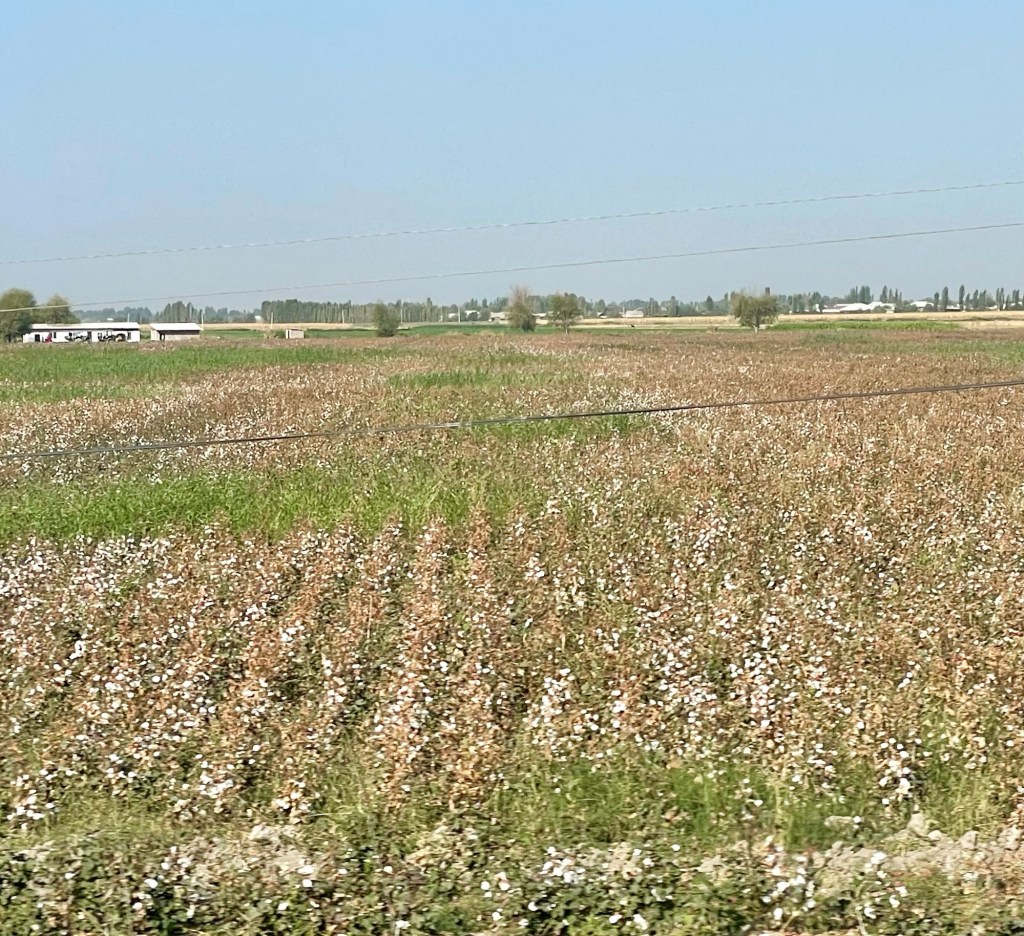
Here are some pictures taken from the bus (might have some reflections in these pictures) and of the border crossing.

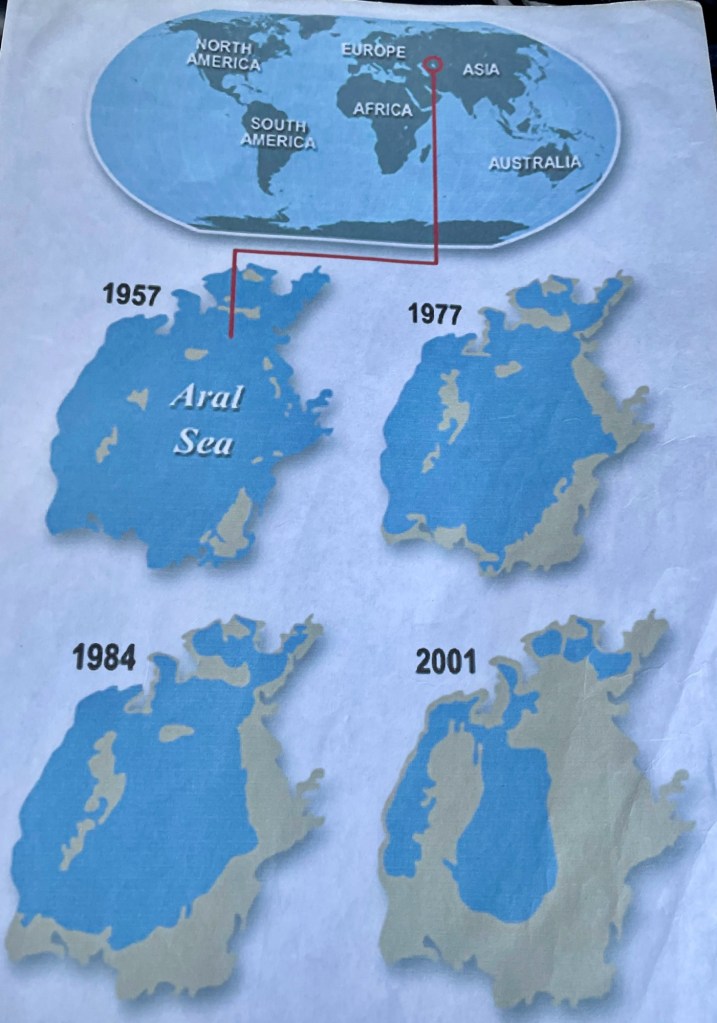
The Aral Sea stands at the boundary between Kazakhstan to the north and Uzbekistan to the south. It was once a large saltwater lake of Central Asia and the world’s fourth largest body of inland water.
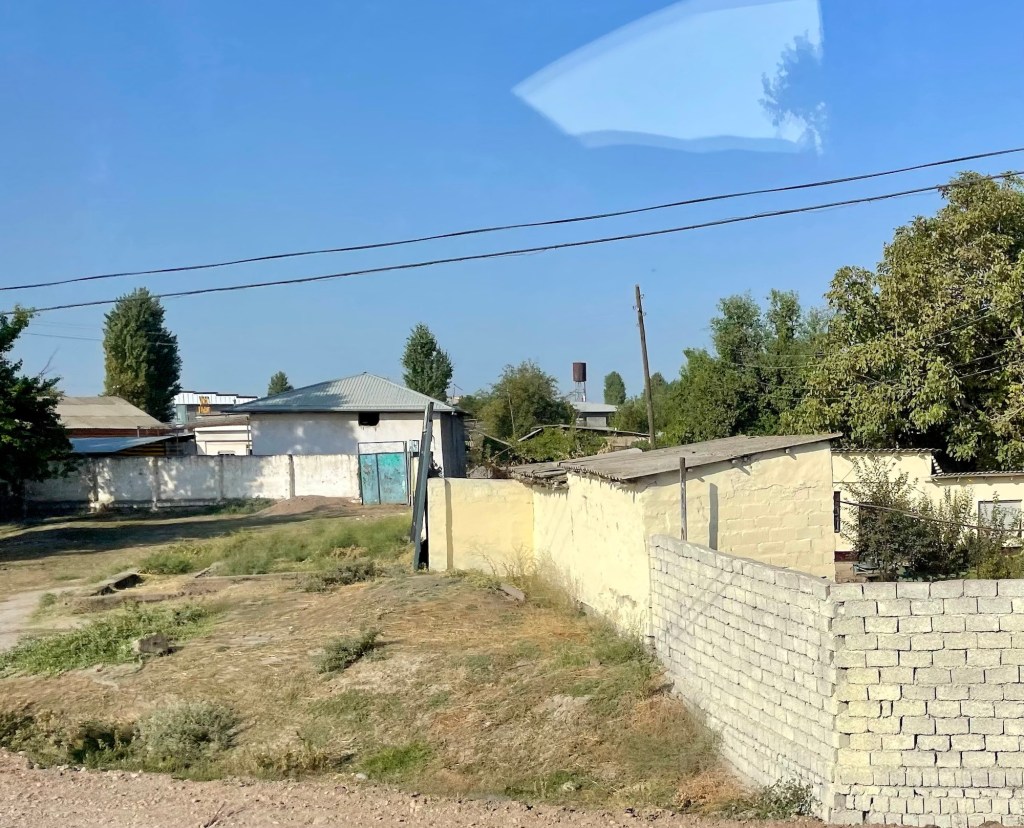

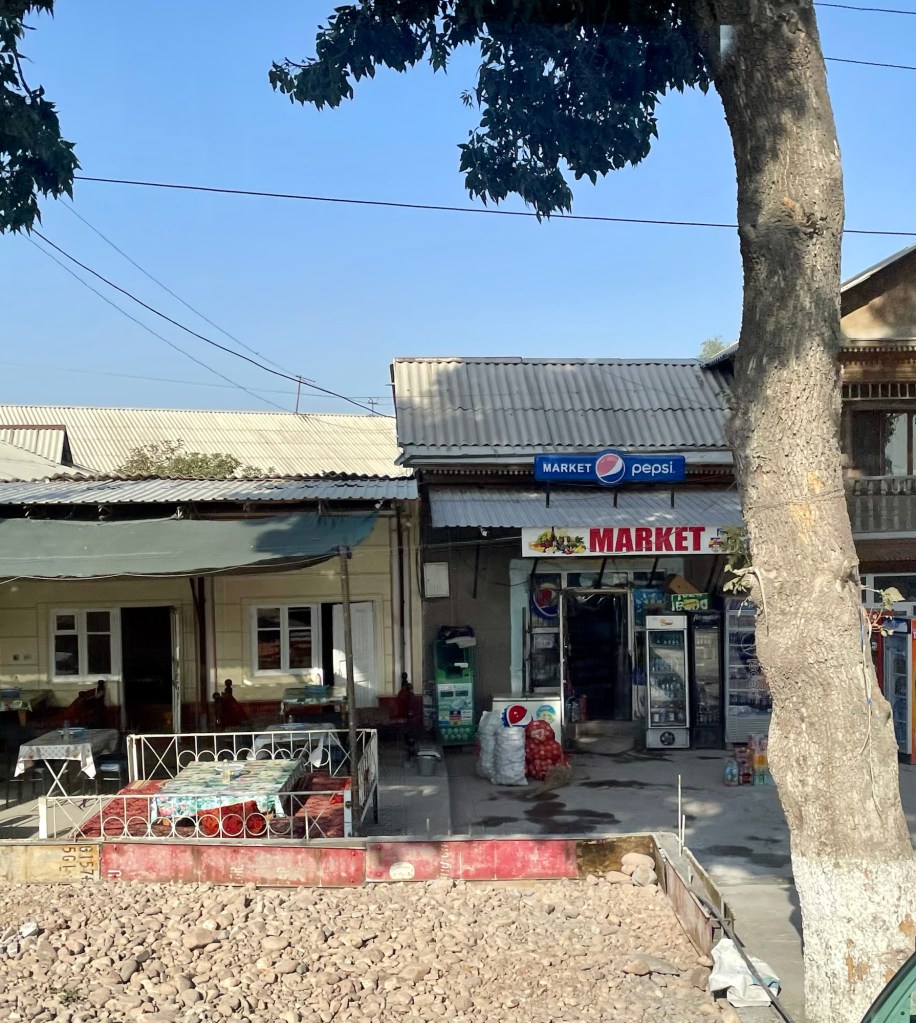
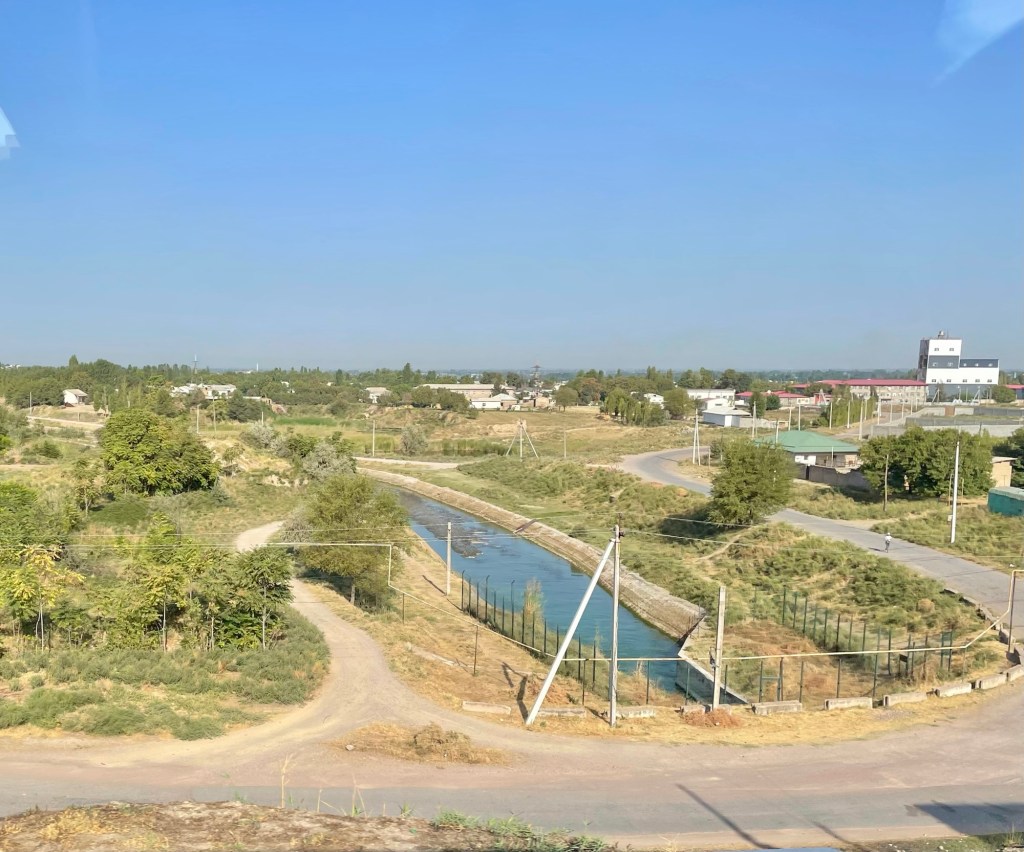
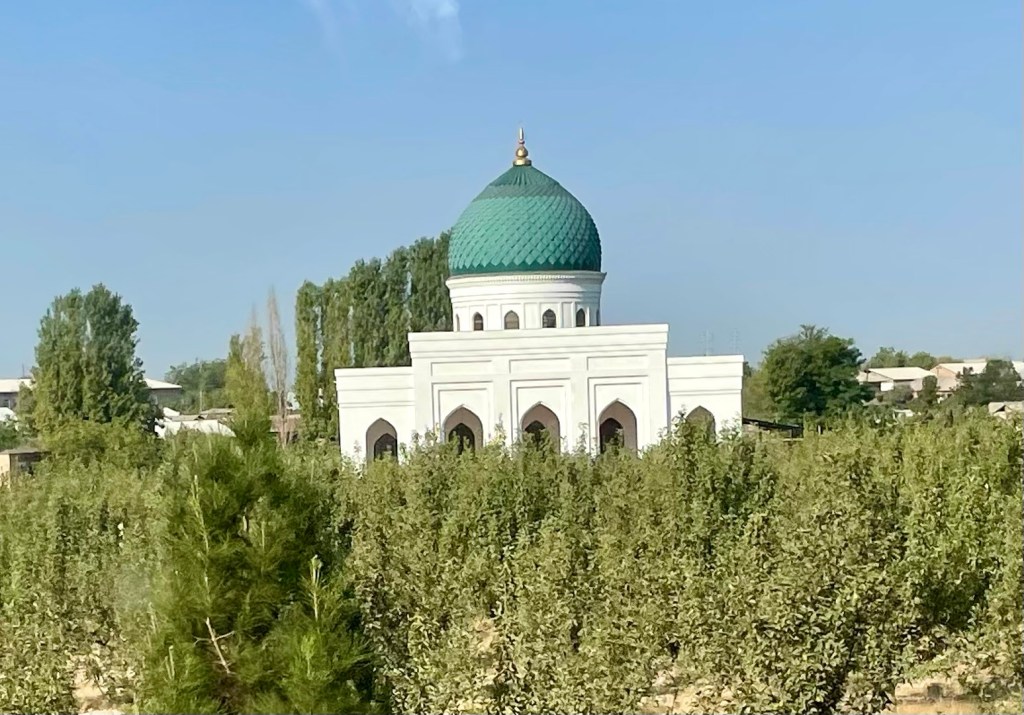

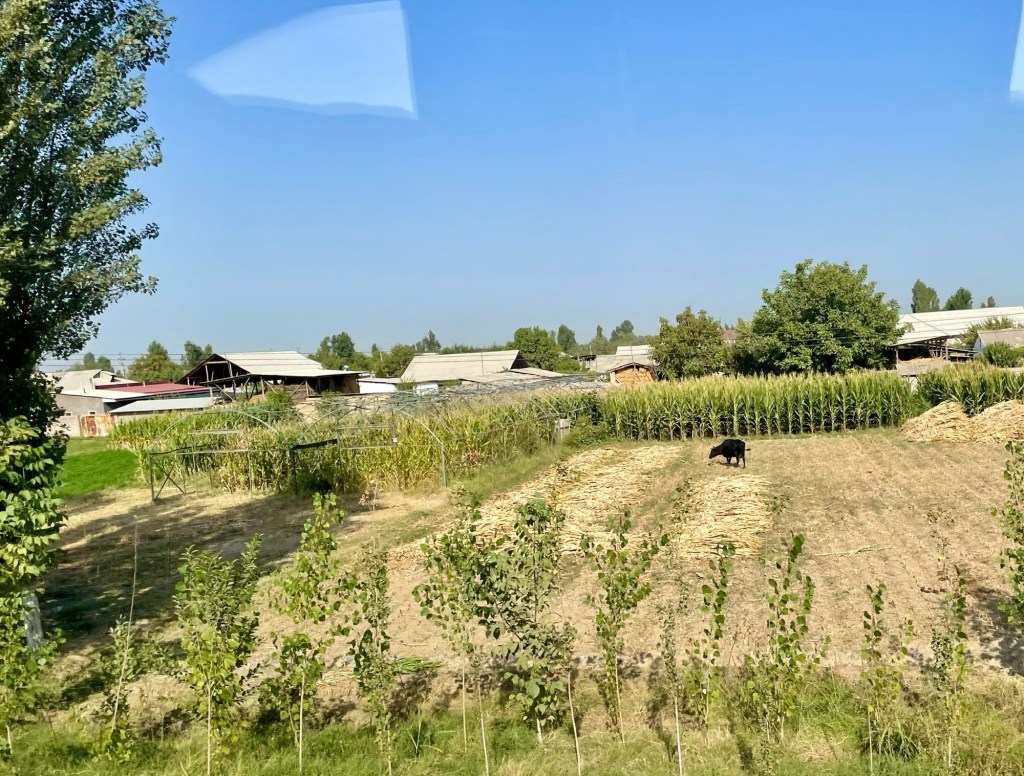
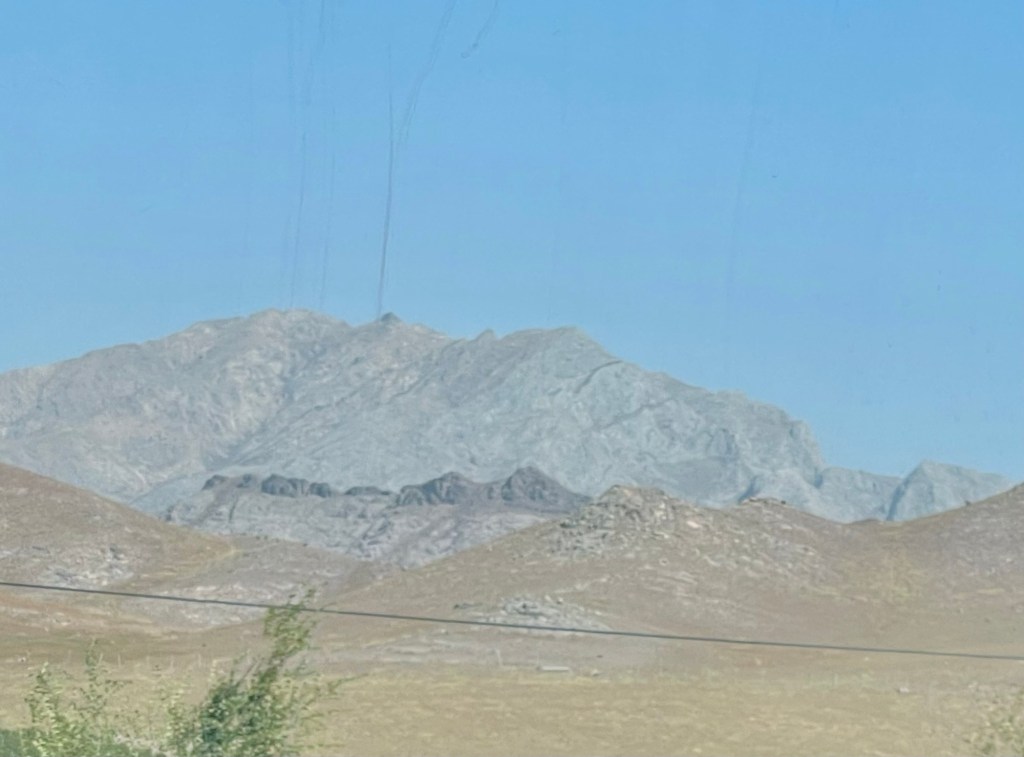

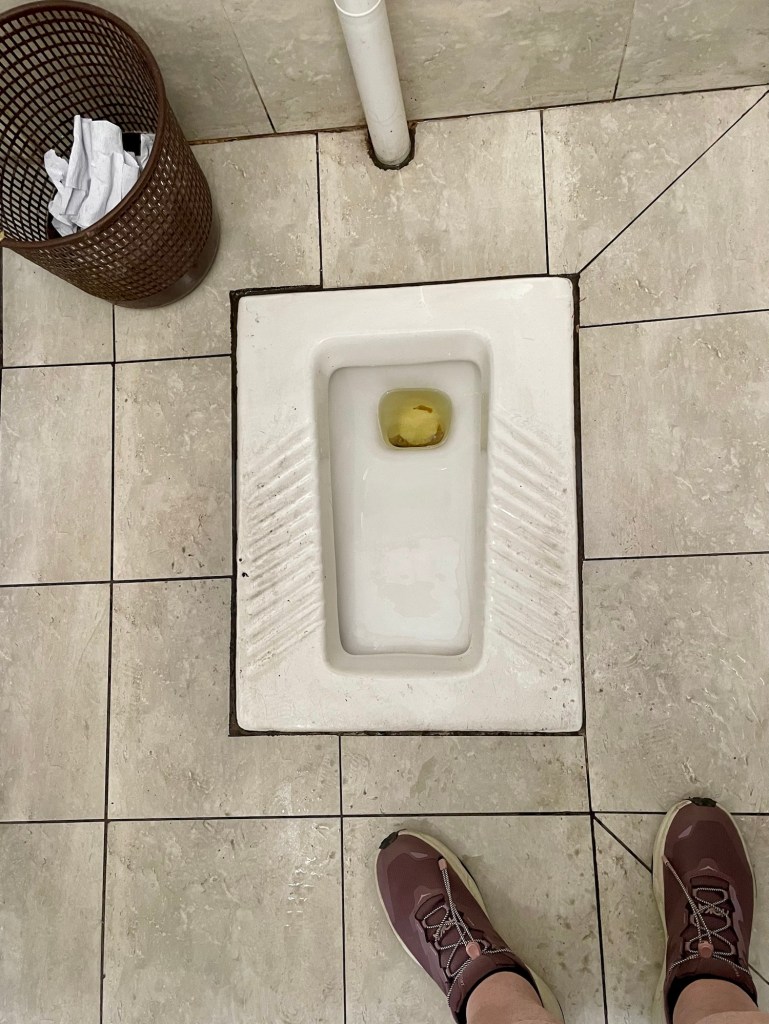
Once we cross the border, we made the short ride into Khujand where we had lunch. On the way our new guide for Tajikistan gave us some interesting information.
Language similar to Persian language but uses Cyrillic alphabet
Have a small Jewish population. About 50000
Population of country mostly secular
After the collapse of the Soviet Union in 1991 there was a Civil War between Islam and the secular population which ended in 1997.
Tajikistan shares a long border in south with Afghanistan. 50000 refugees from Afghanistan
Citizens cannot buy or sell weapons.
Compulsory 2 year military service. 1 year only if you go to college. Not required if only son.
Many men go to work in Russia to avoid service. Return when 27 years old
947 rivers. 93% mountainous
Export onions and potatoes
Import fruits
Do not trade with Afghanistan because of how they treat women
Uzbekistan does trade with Afghanistan.
Unfortunately they still mine, use and export coal.
School from 7-17 years, wear uniforms.
30% of members of Parliament are women
Women retire at 58, men at 63. Want to make it 65
The National Assembly is the upper chamber of Tajikistan’s bicameral parliament. It has 33 members: 25 elected for a five-year term by deputies of local majlisi and 8 appointed by the president. The lower chamber with 63 members elected for a five-year term.
The upper chamber makes the law which then goes to lower chamber for approval and then to president for approval.
2017 outlawed Islamist party
Unfortunately President is like a dictator because he has been serving unlimited 5 year terms. New law says that the presidents term is limited to one 7 year term. His term then will be over in a couple of years and it is going to be interesting to see what happens. He has eliminated most of the opposition. He appears to be respected by some of the people of the country.
Energy independent.
Pass exam tuition free to university
Government pension about 200-300 dollars per month
NO public health system Pay on a scale.
Khujand has about 300000 people
Capital of Tajikistan has about 1 million people.
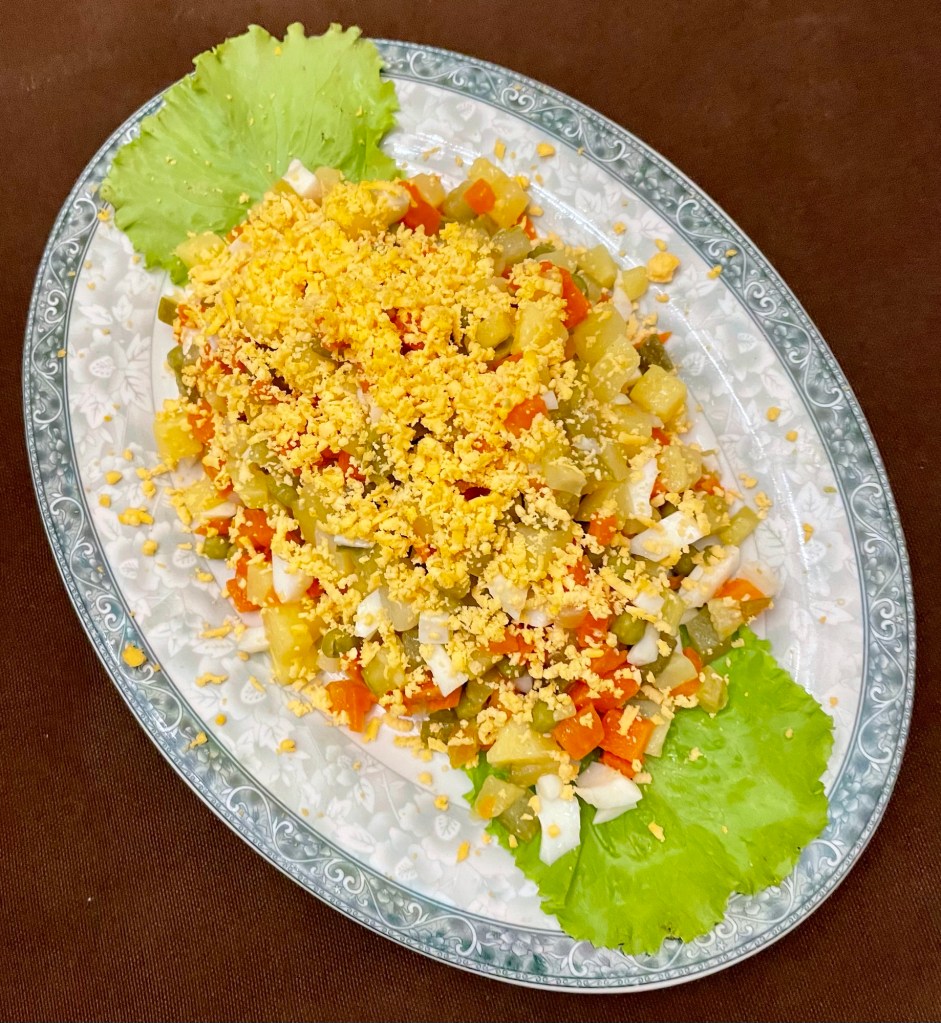
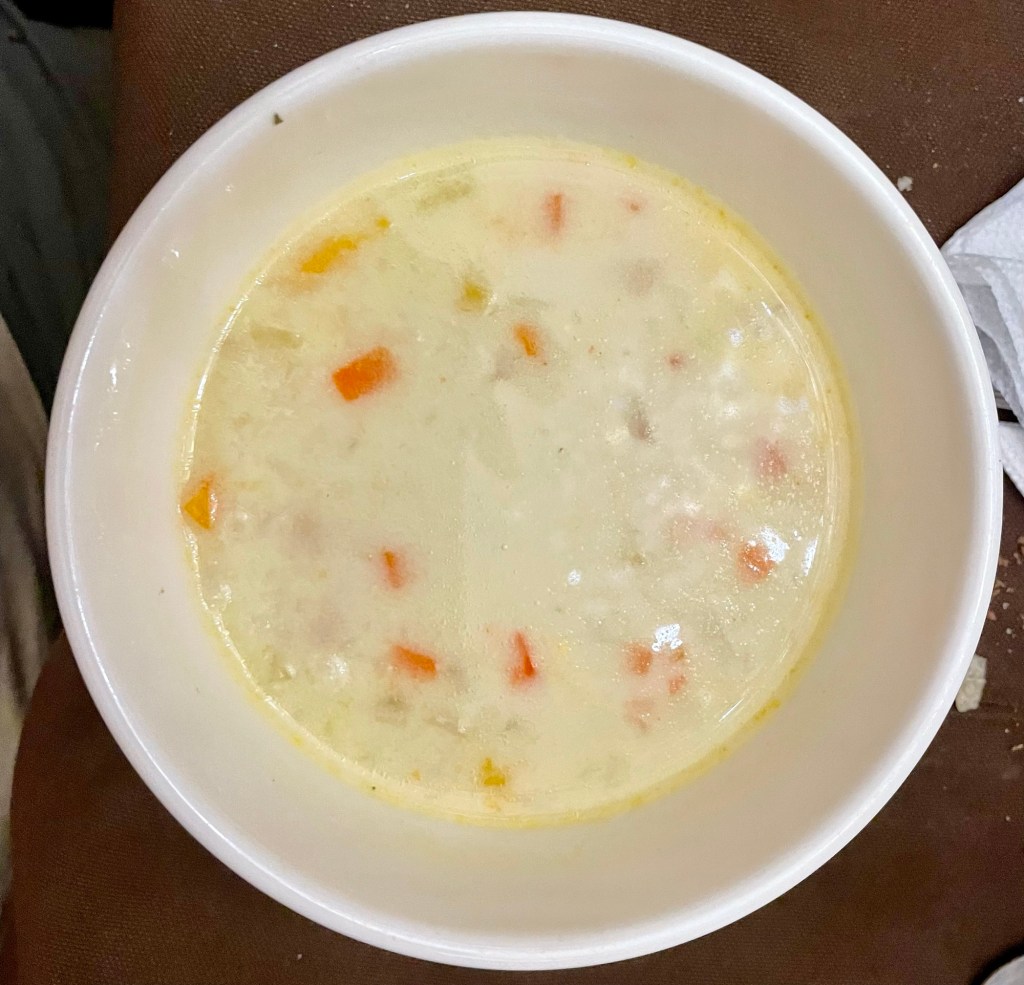
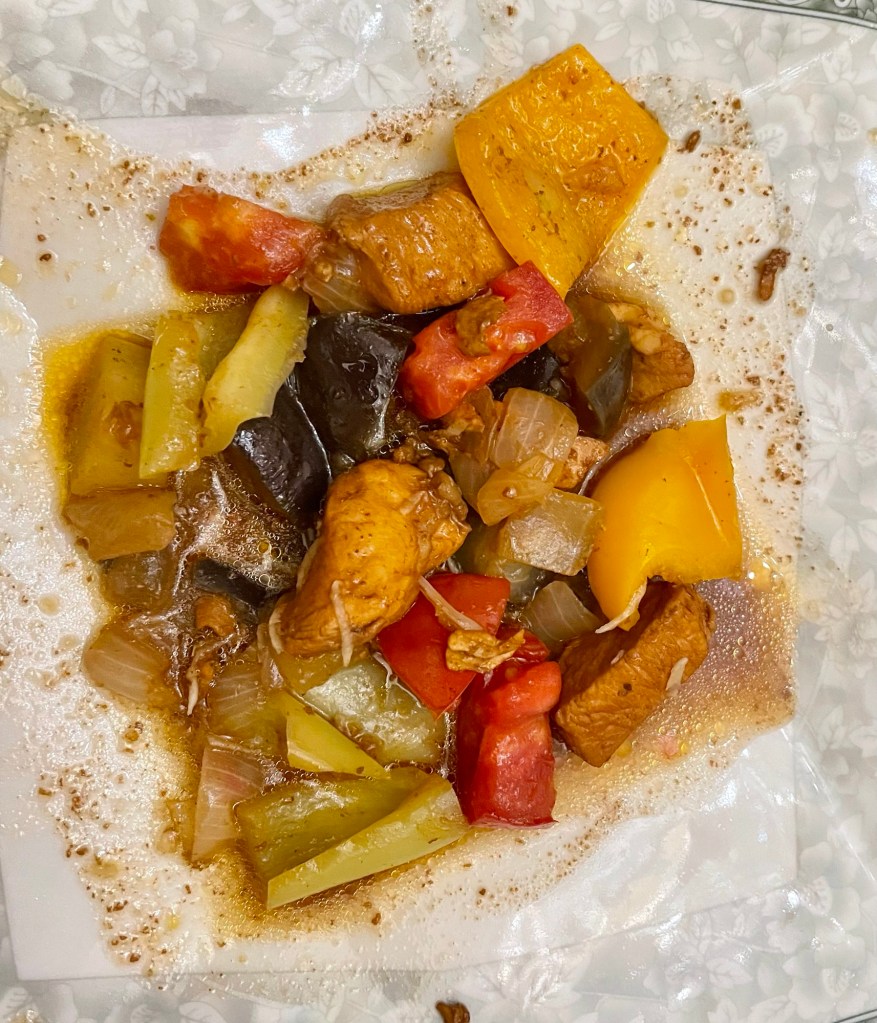
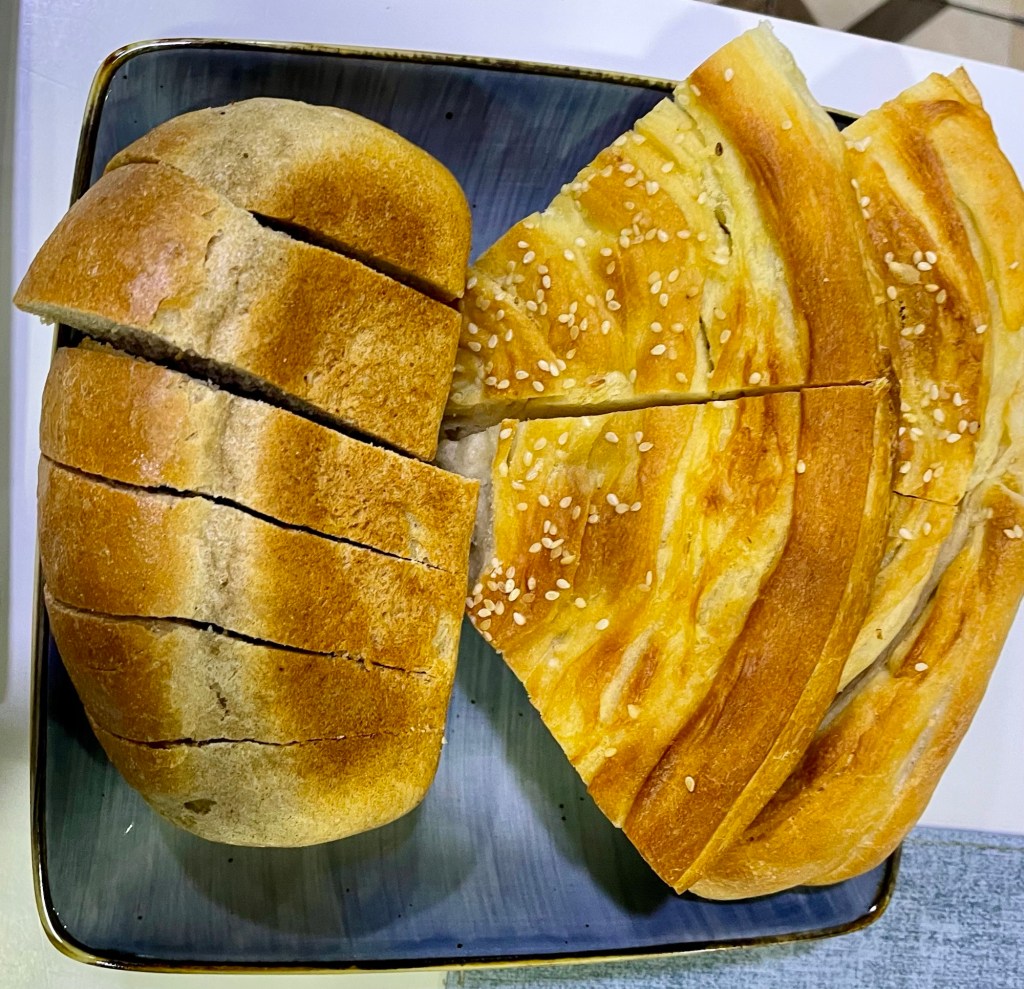
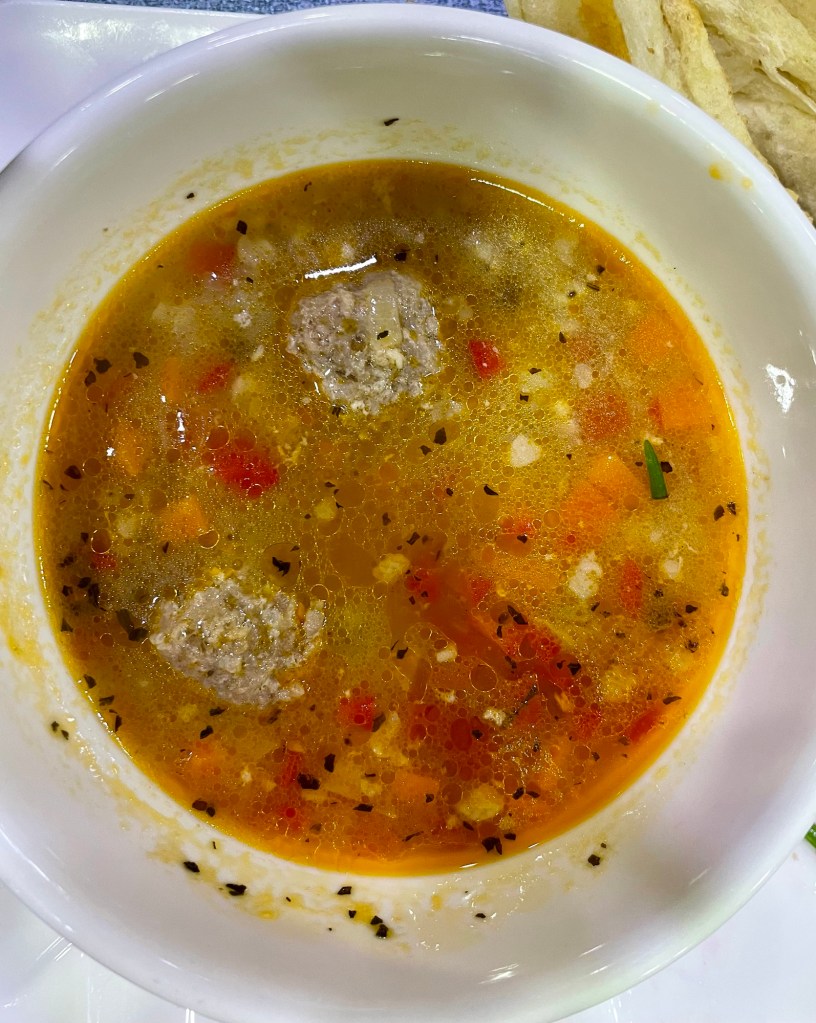
Pictures from lunch.


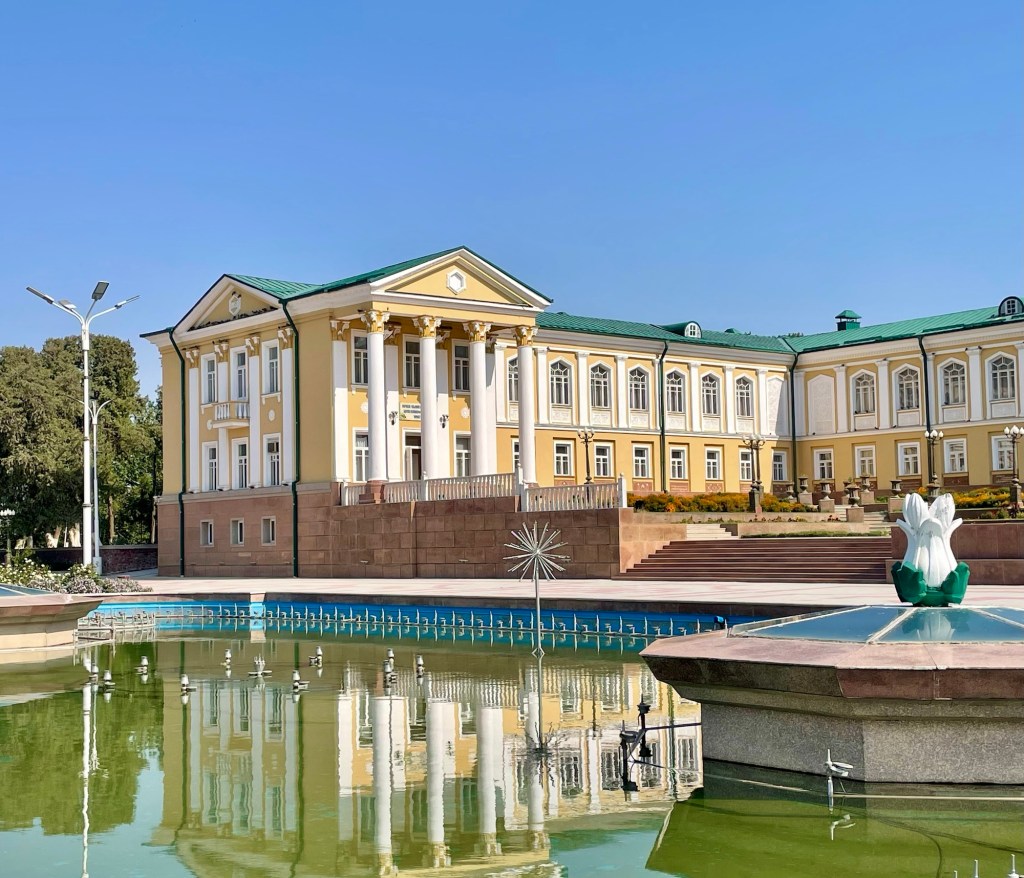
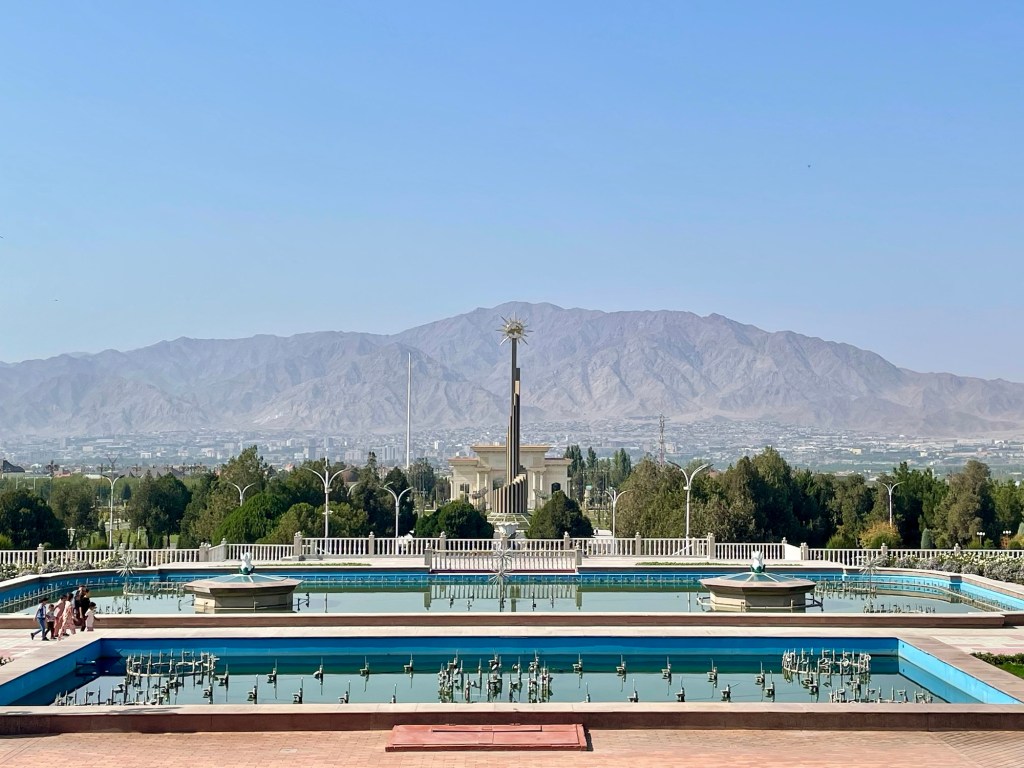
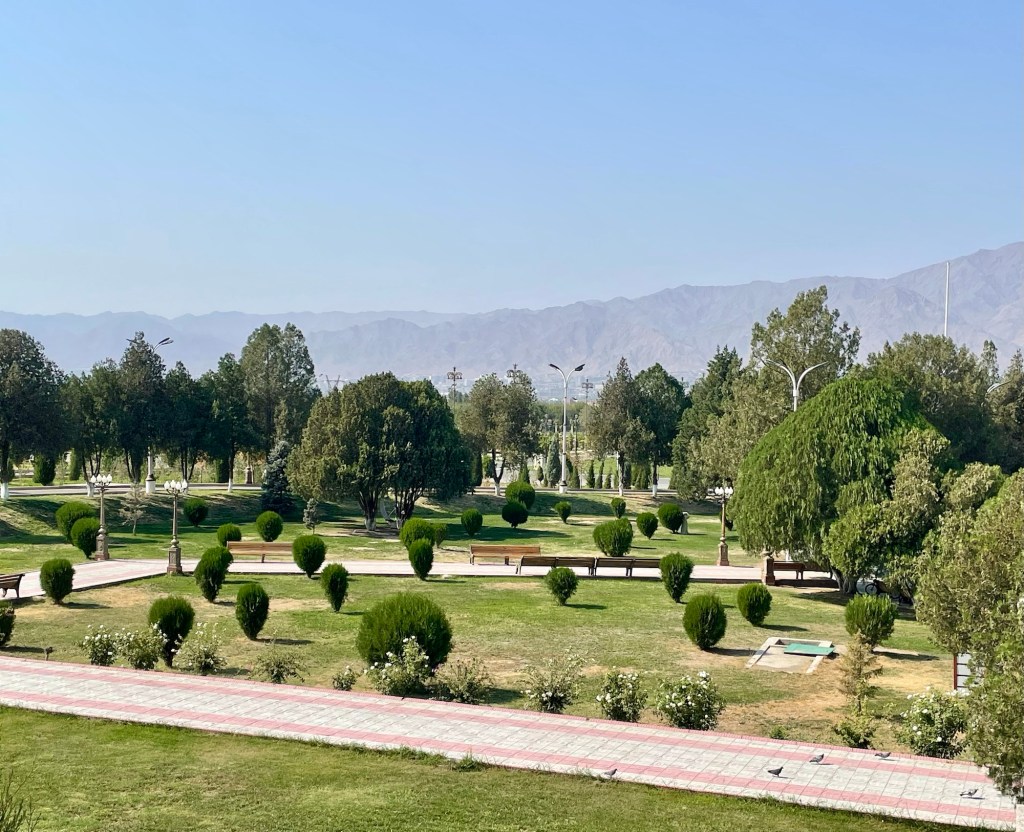
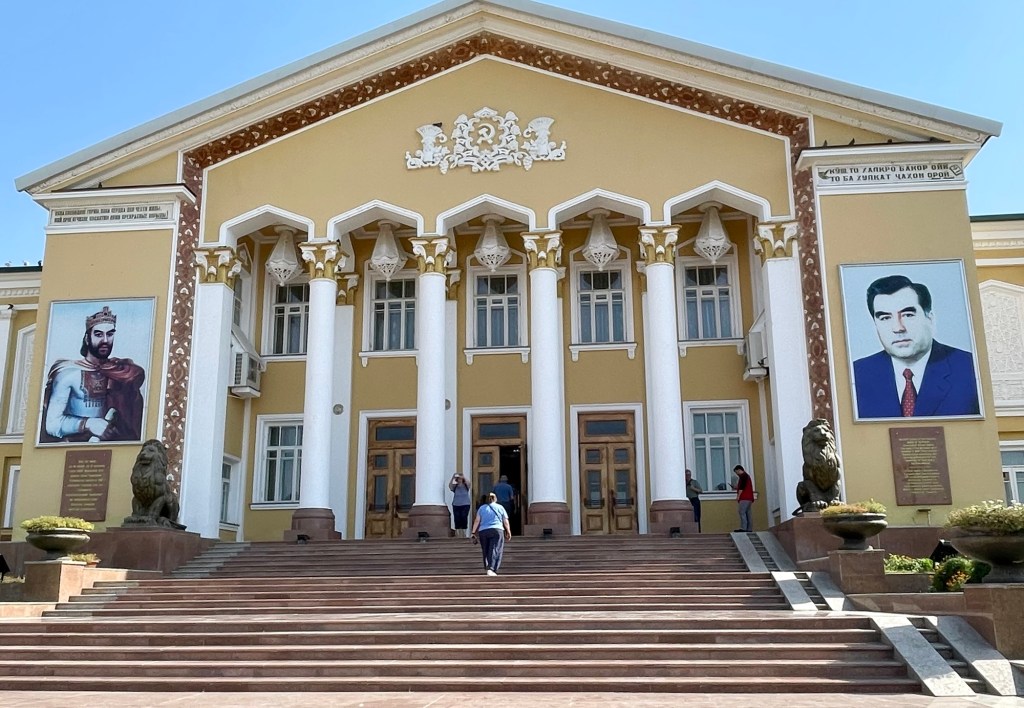
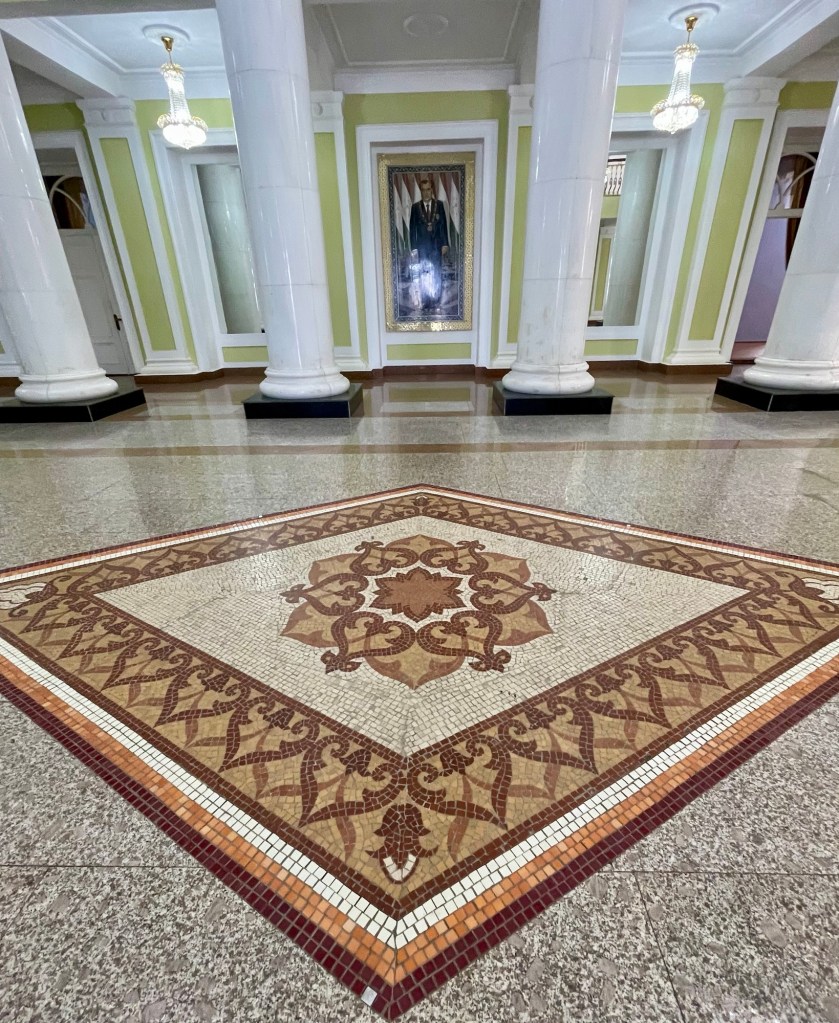
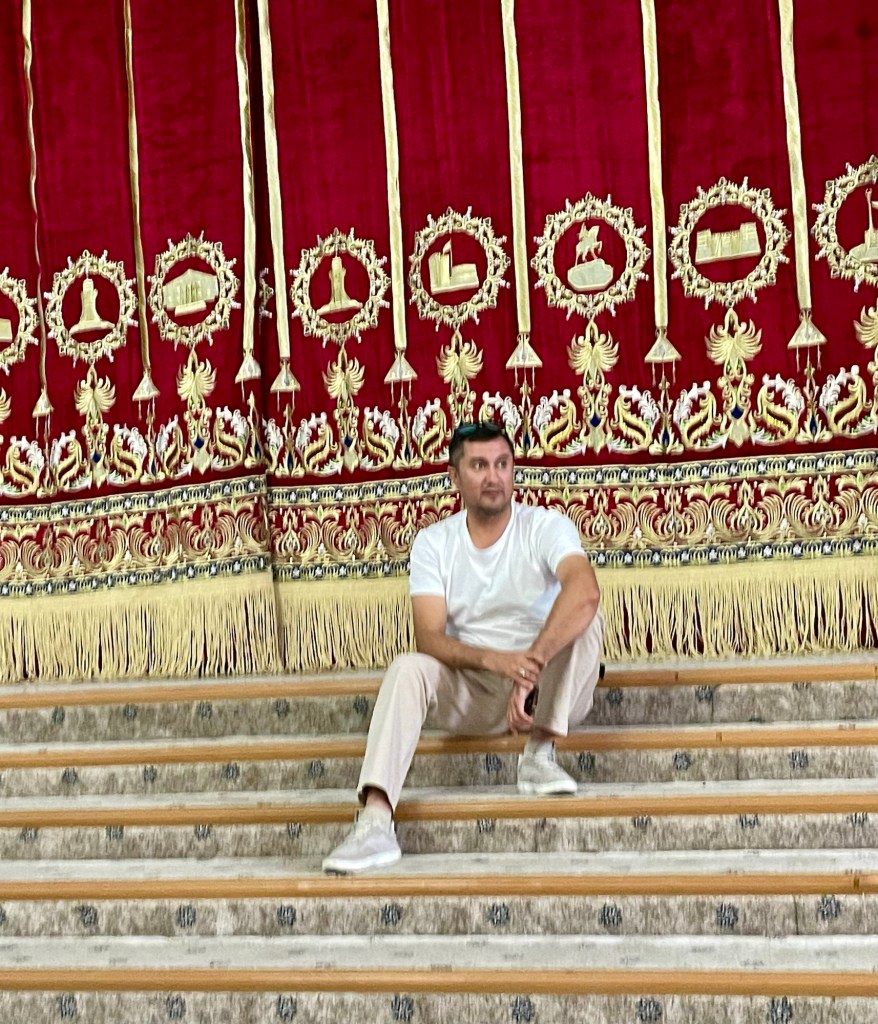
Our first stop in Khujand is the Arbob Cultural Palace located in the central building of a former Soviet collective farm. It comprises a theater, museum, a hall that seats 1000, fountains and formal gardens. The palace is the site where independence from the Soviet Union was declared. It is considered a great example of 1950s architecture in Tajikistan. Became historical in 1992 when meeting of parliament elected the president after fall of Soviet rule.


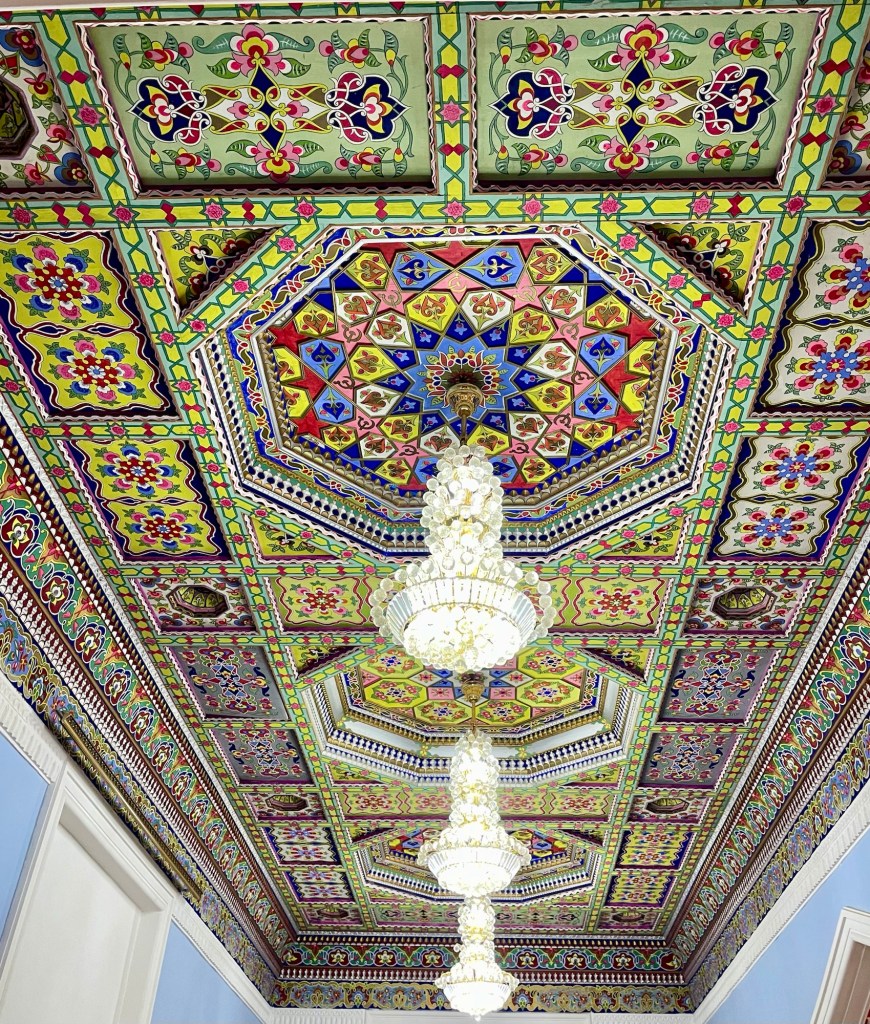
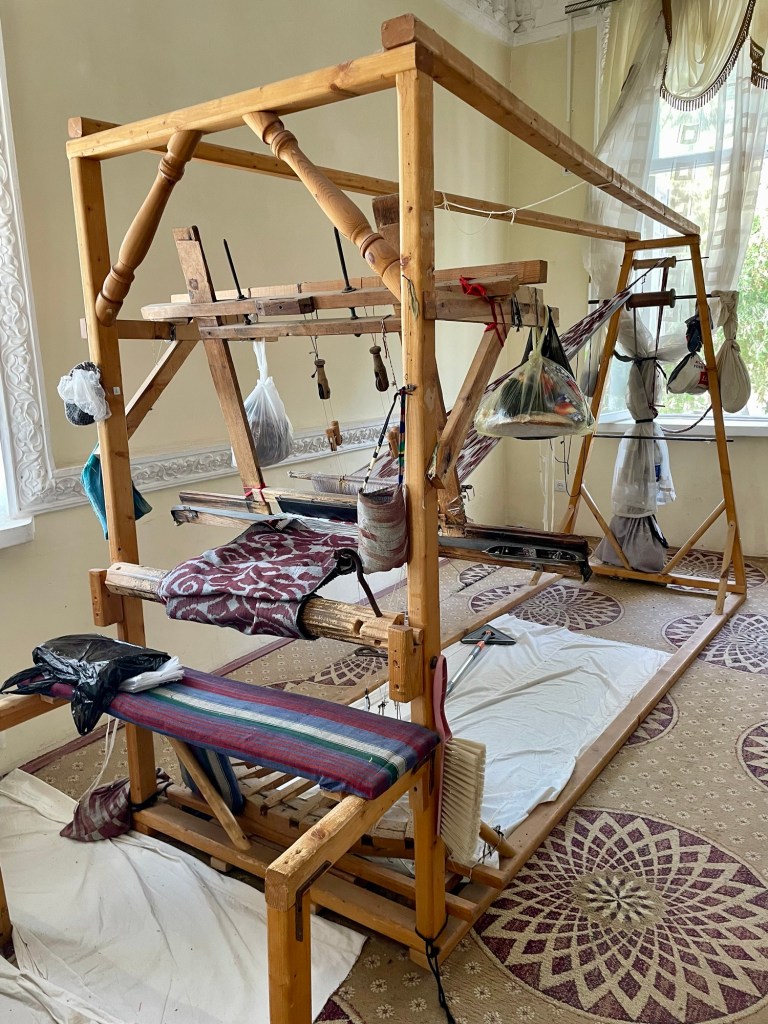
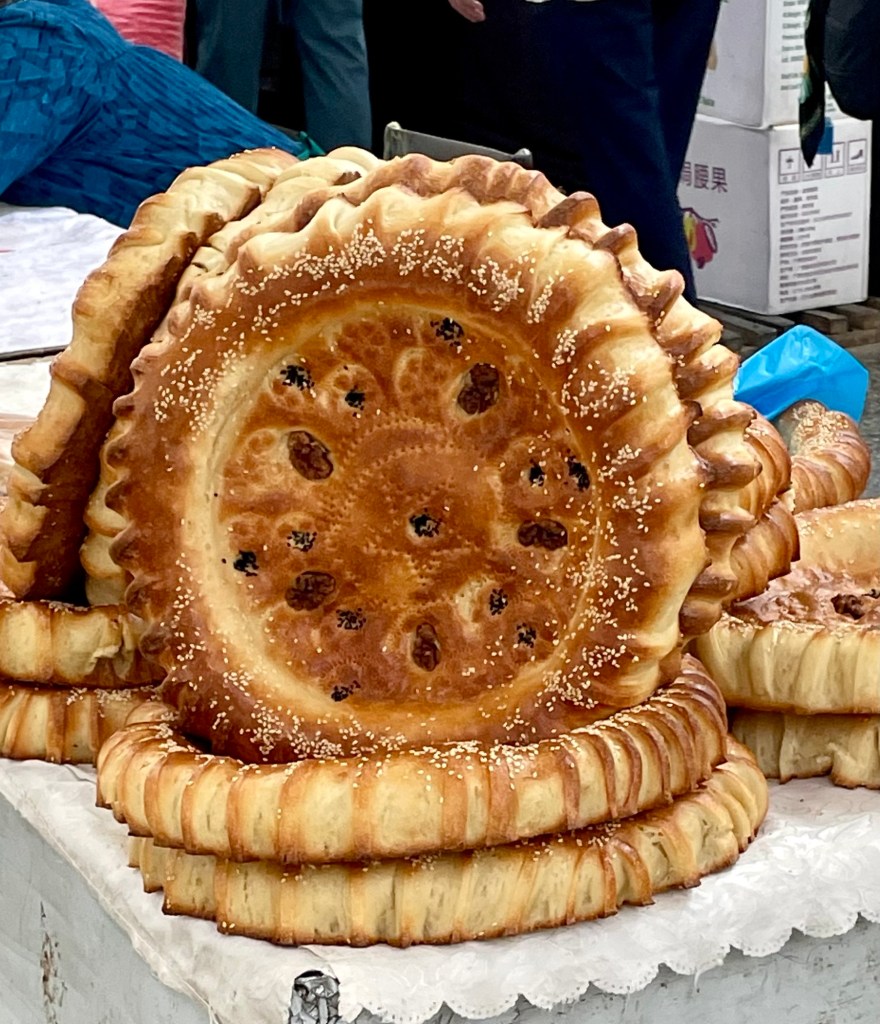
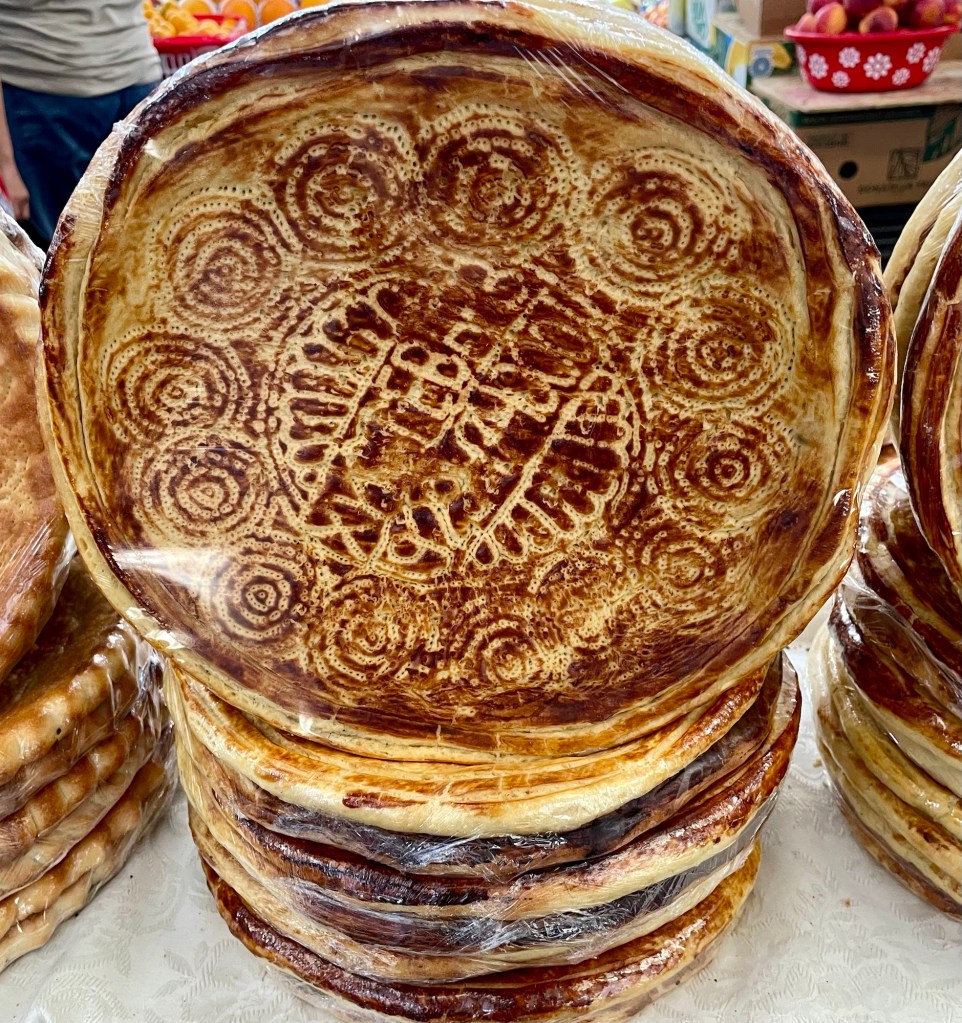
We next explored the Muslihiddin memorial complex. A 12th century, leader and poet, Muslihiddin Khudjandi is buried here in the complex, which has been rebuilt many times since his burial. Today the complex includes a 16 century mosque and a 19th century minaret, as well as the poet mausoleum. In the same area of the complex is a major bazaar.

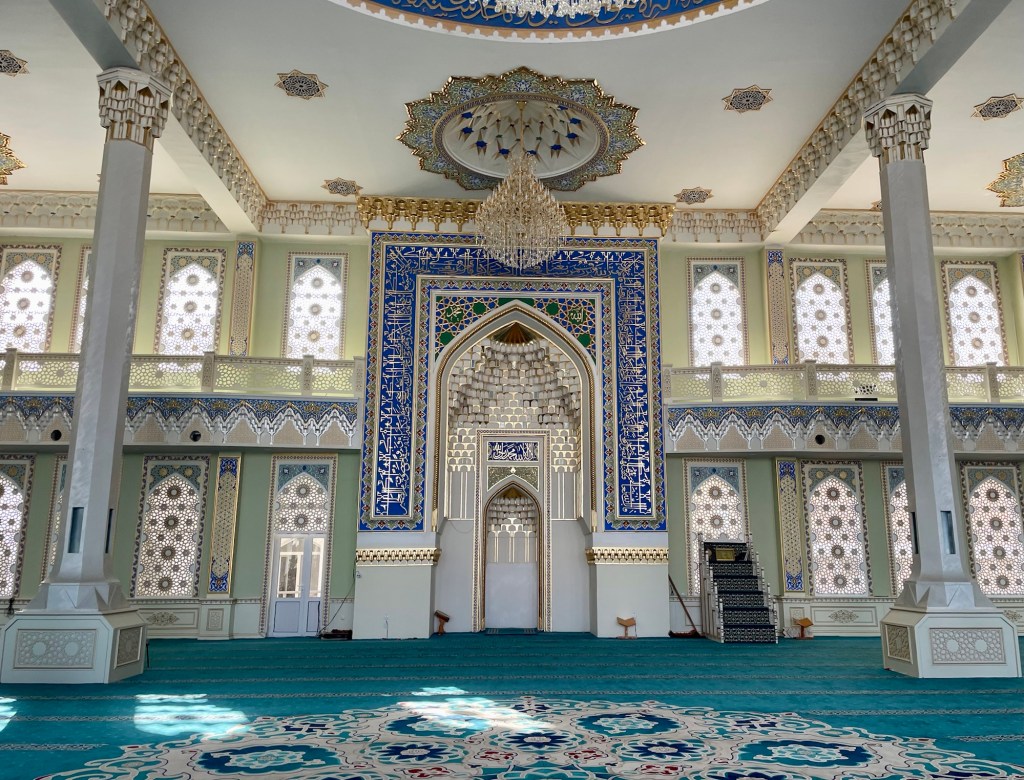
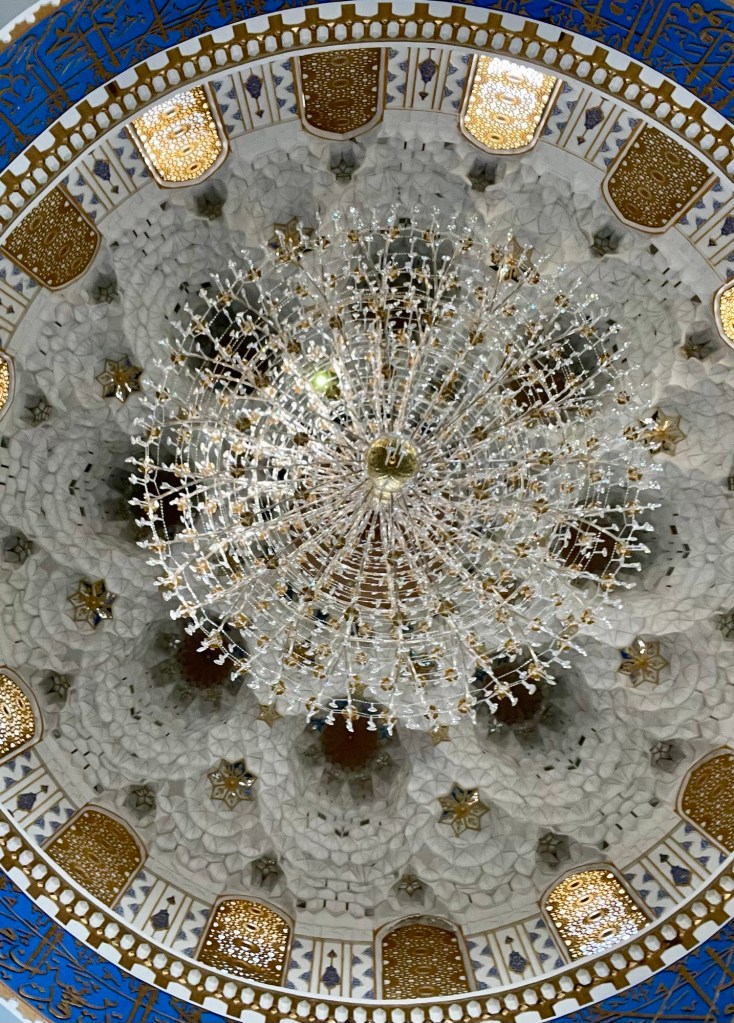
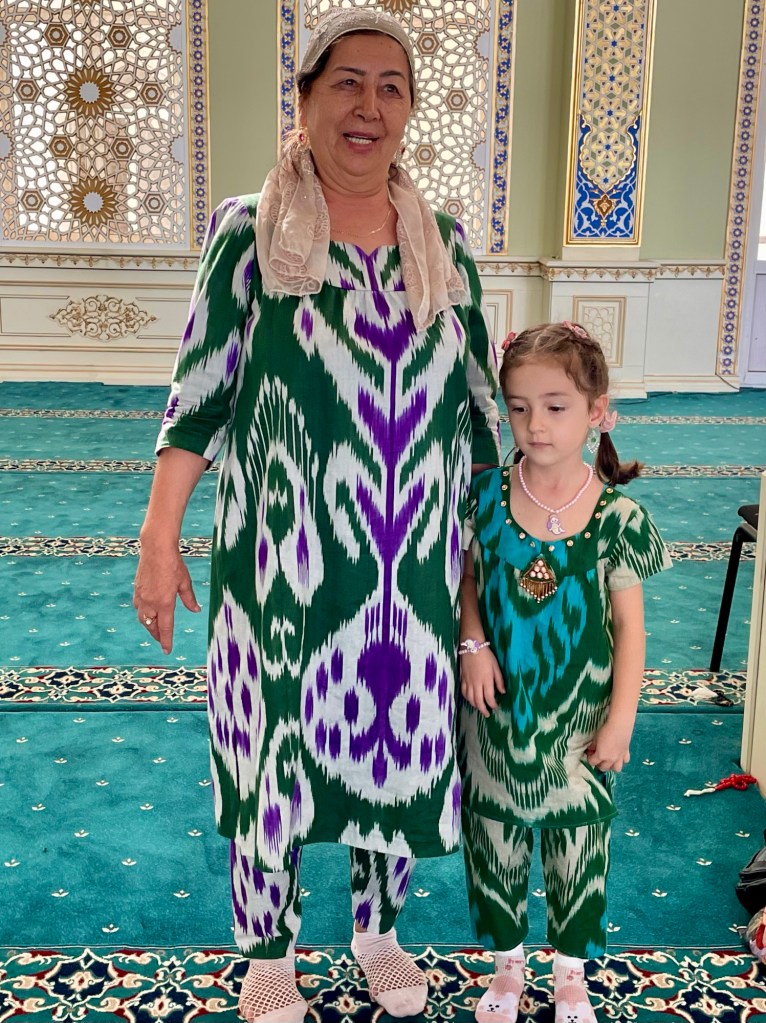
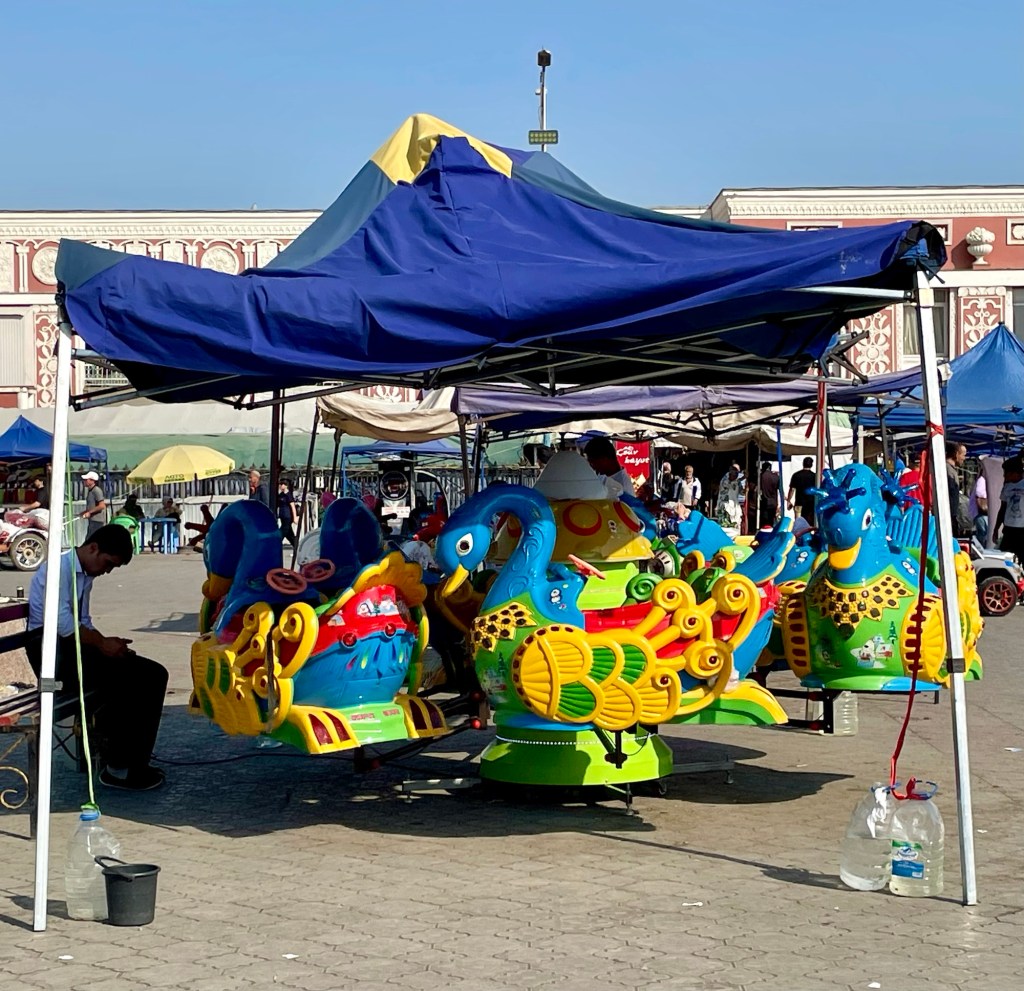
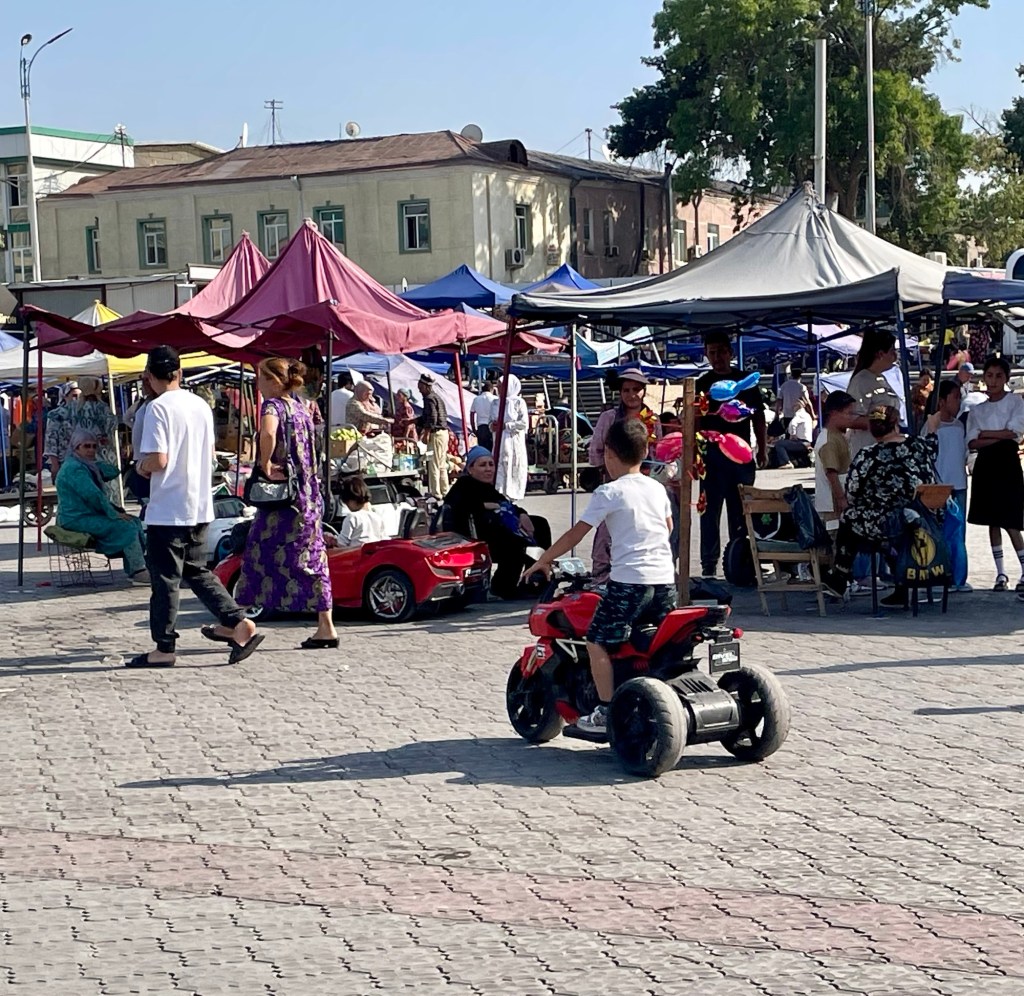
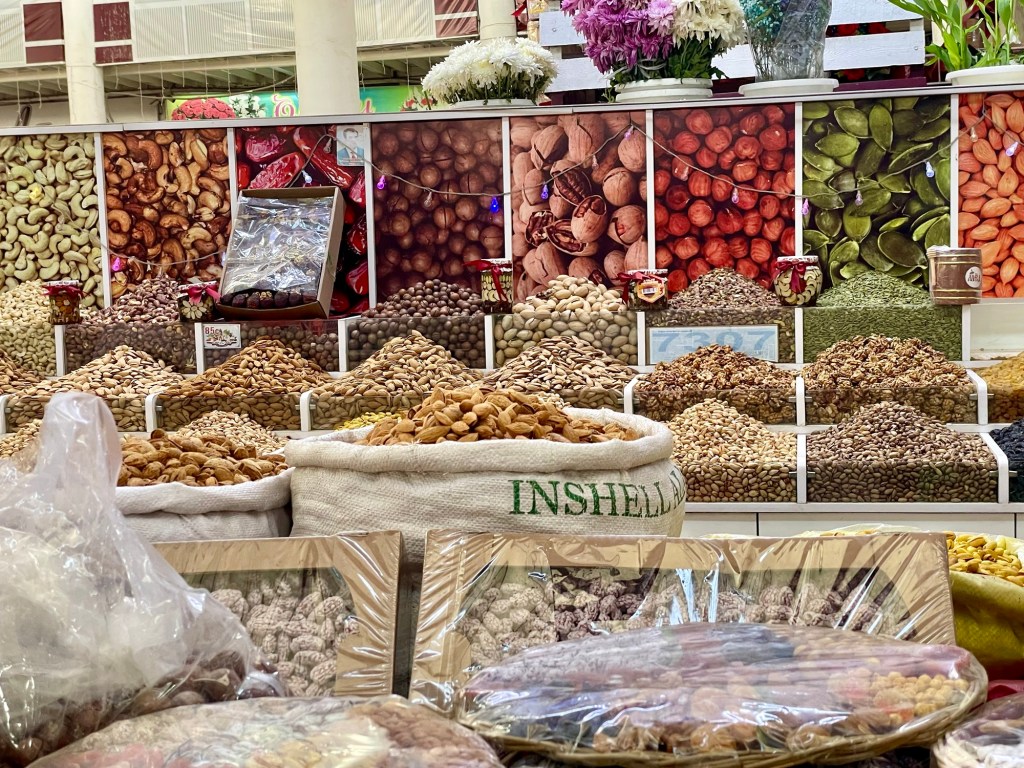

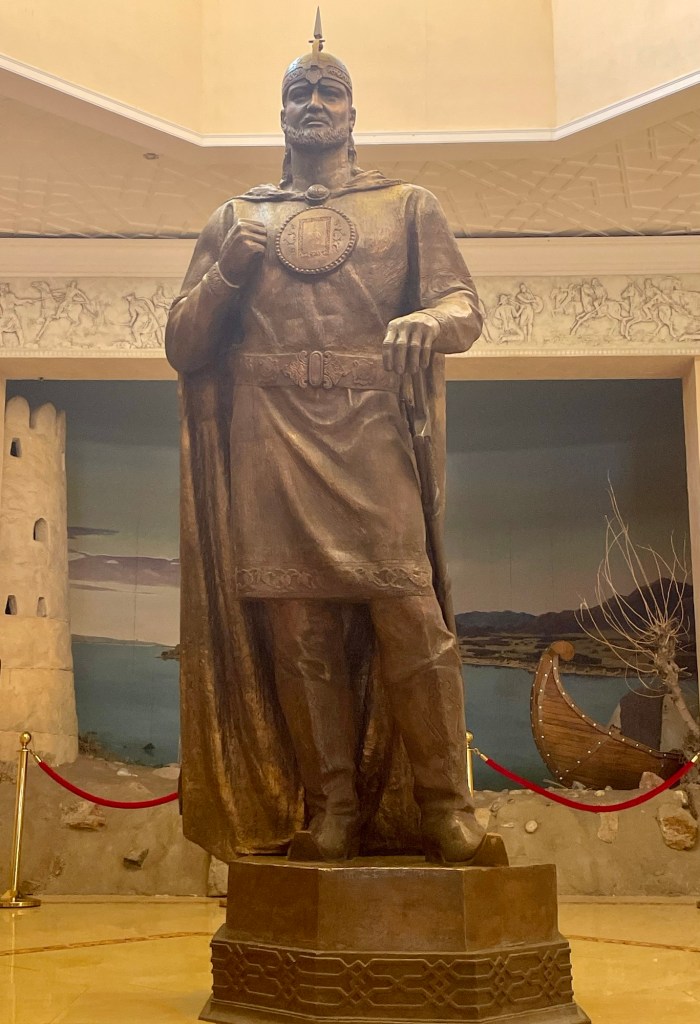
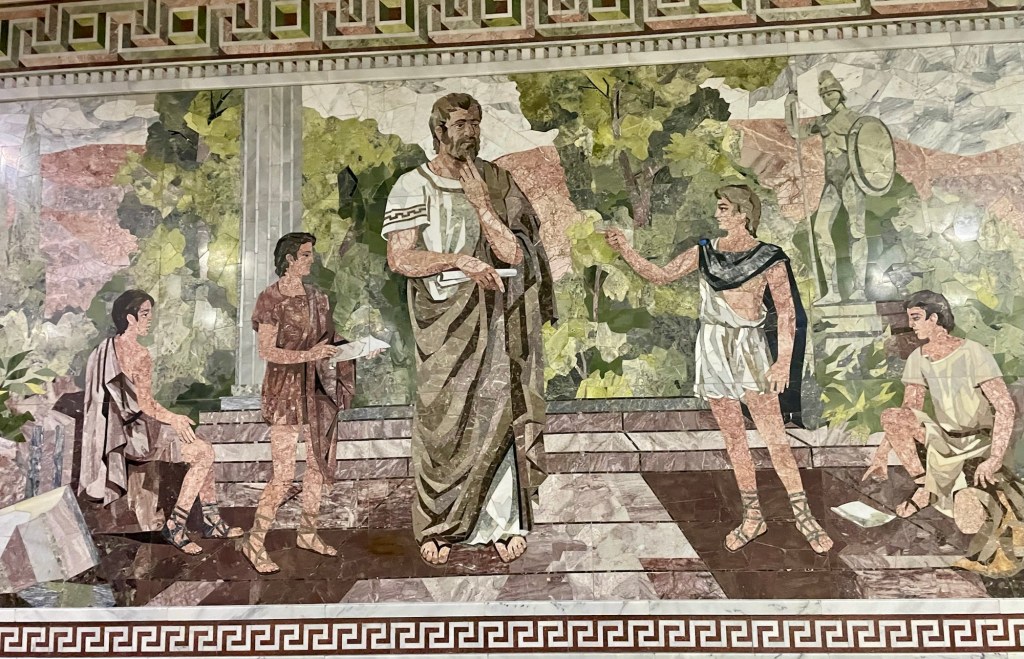
We then visited the historical museum of Sogdiana. The entrance is part of a reconstructed medieval city gate. Displays here include ancient Sofdian artifacts and exhibits for more recent Tajik history.

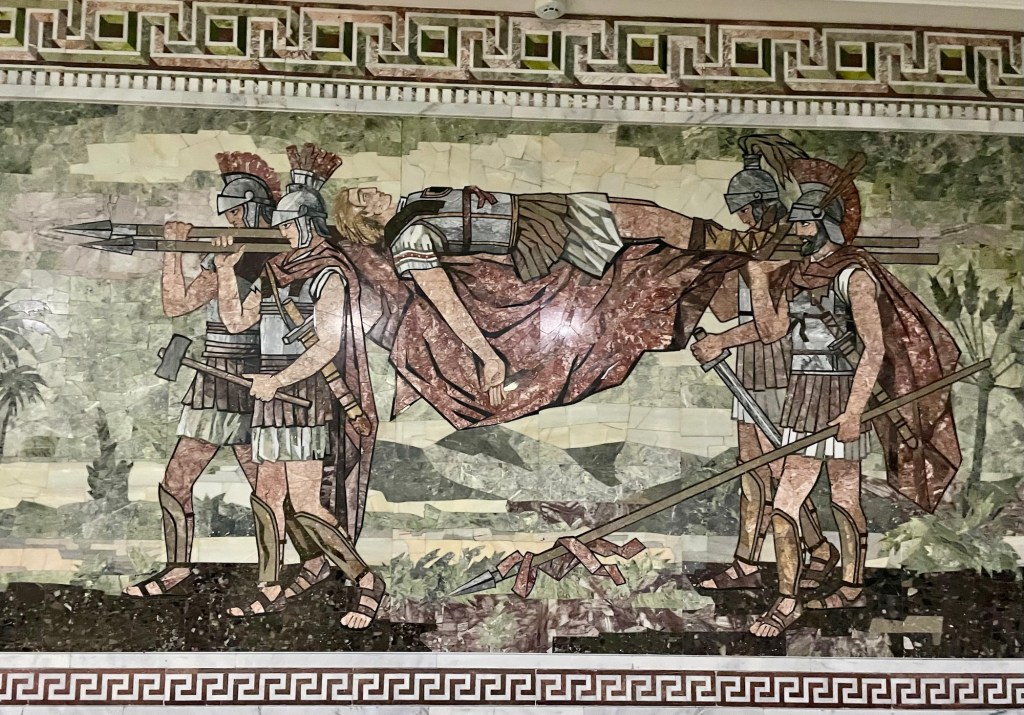

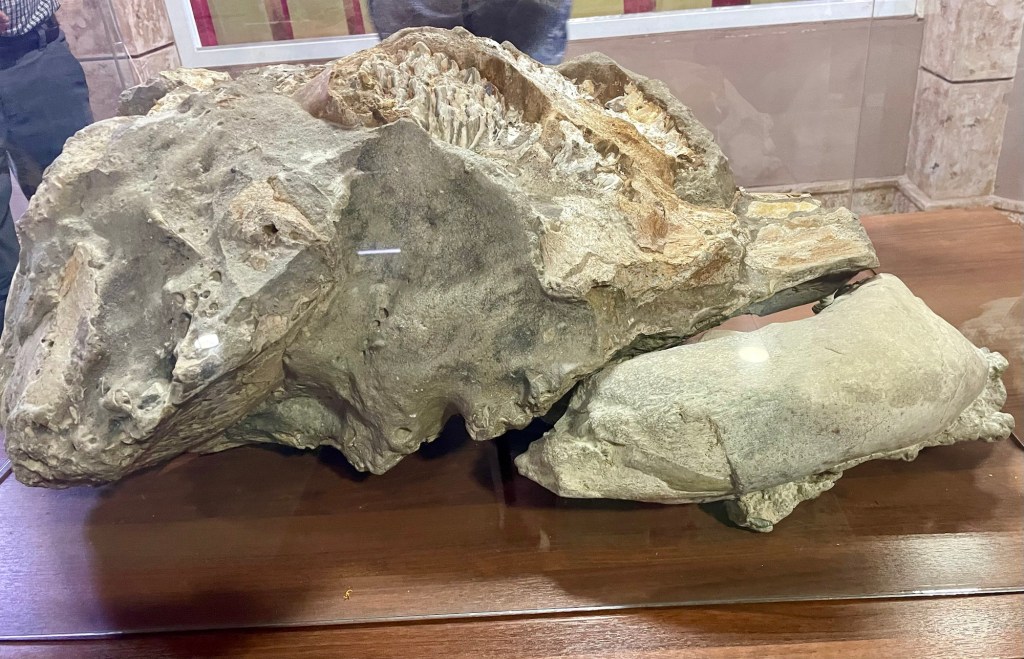
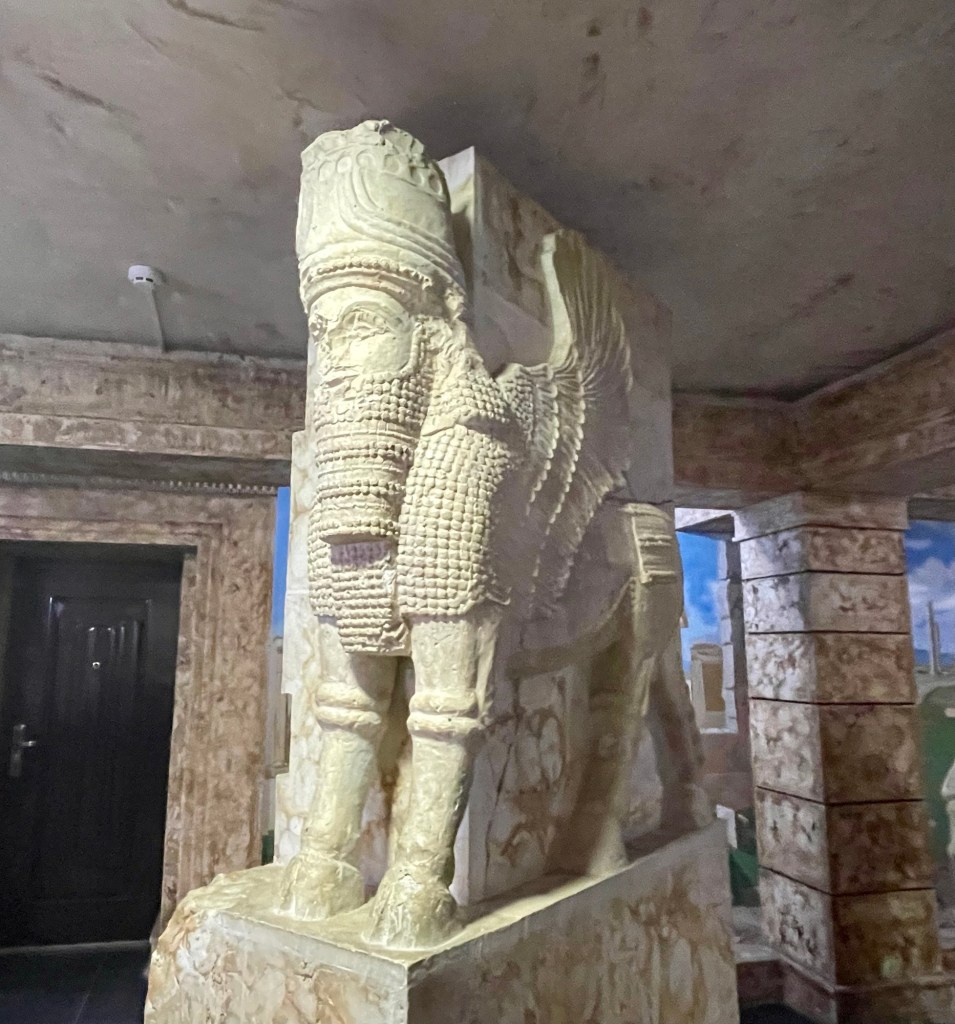
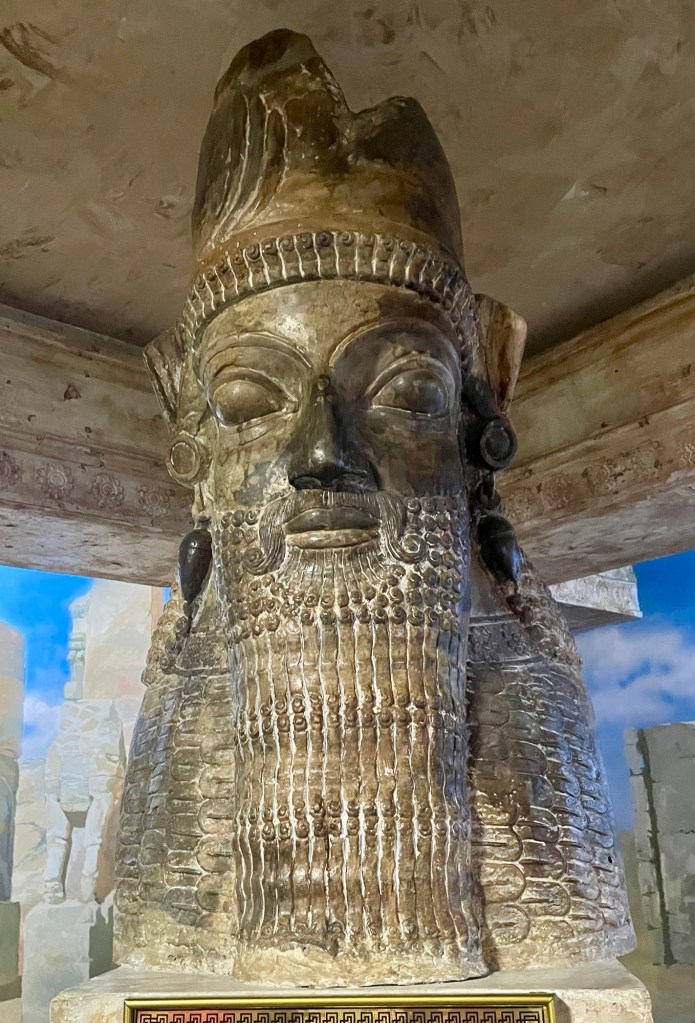

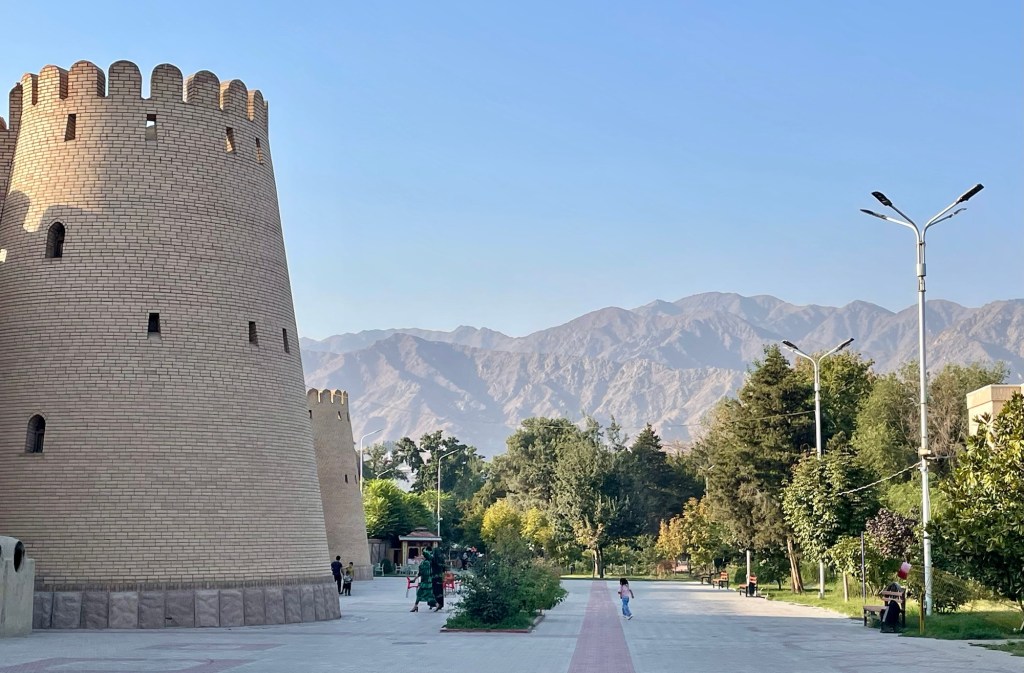
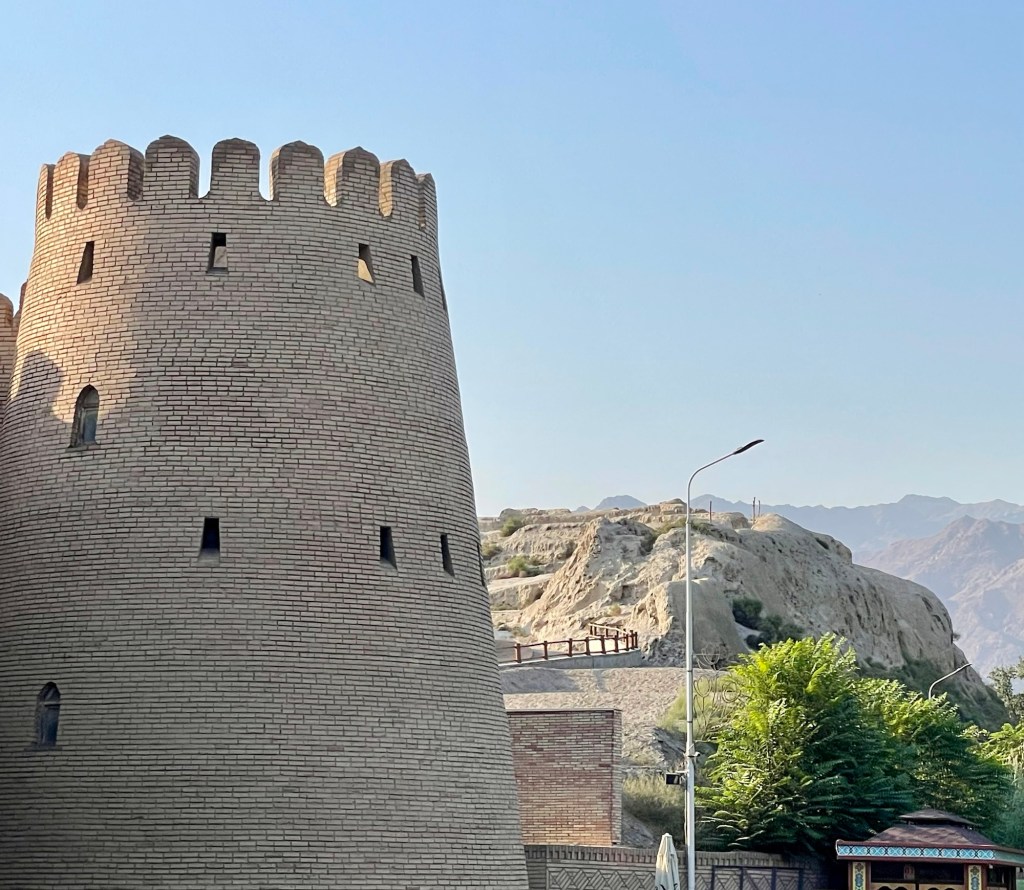
We then walked from the museum to our hotel, which was through the grounds of the Timurmalik Fortress, which is a 10th century citadel restored in 1999. Archaeological excavations around the walls have uncovered artifacts from the fourth century BCE.
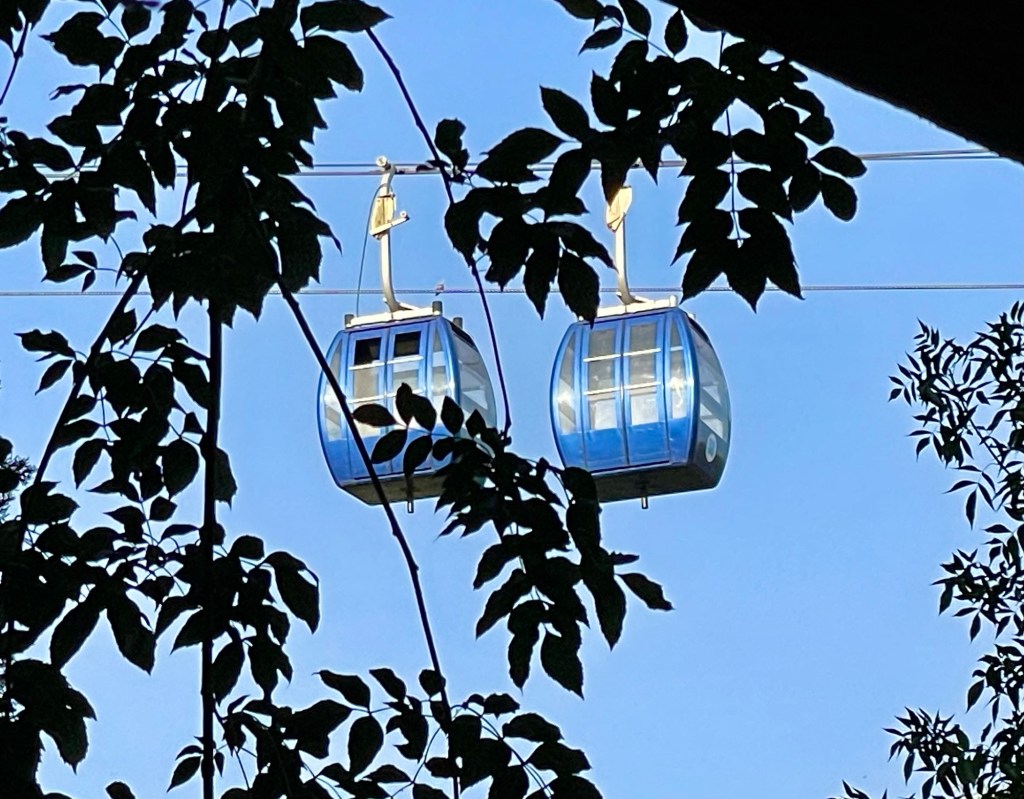
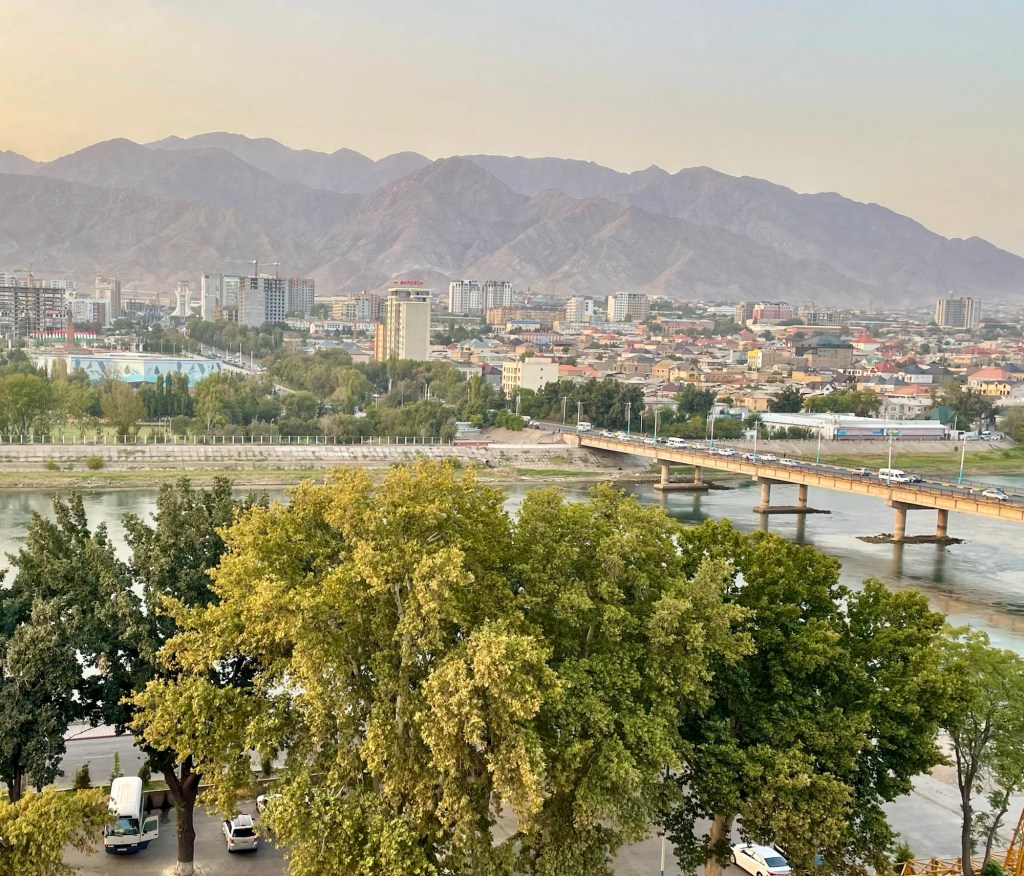
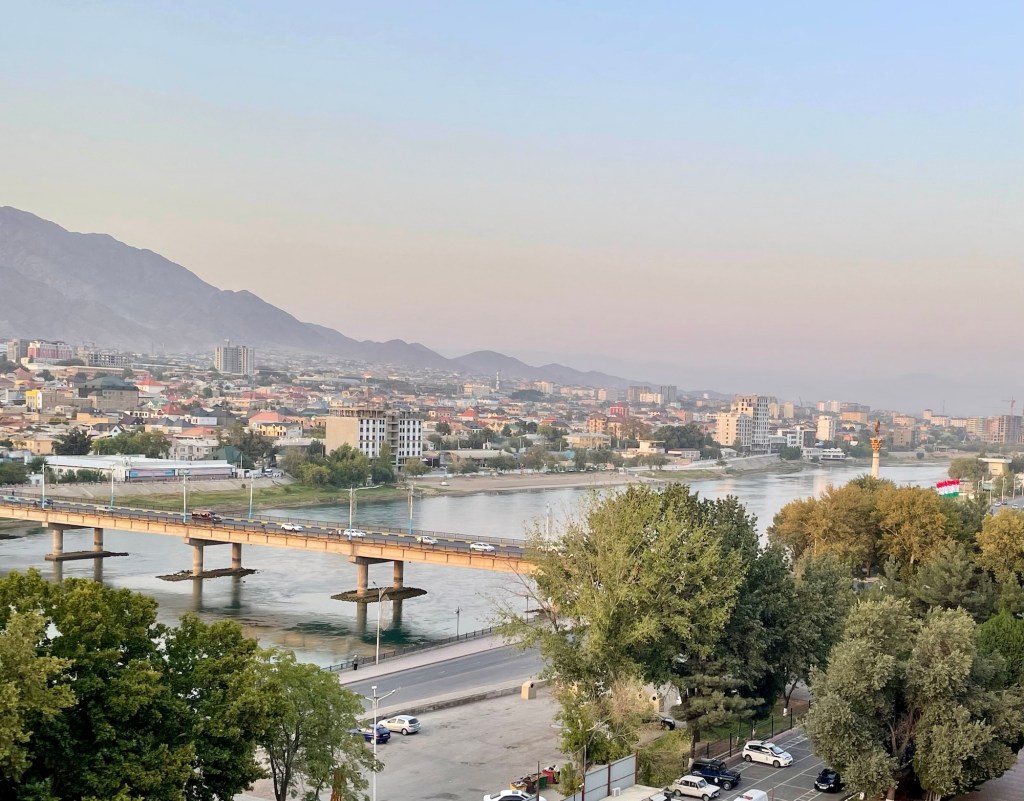
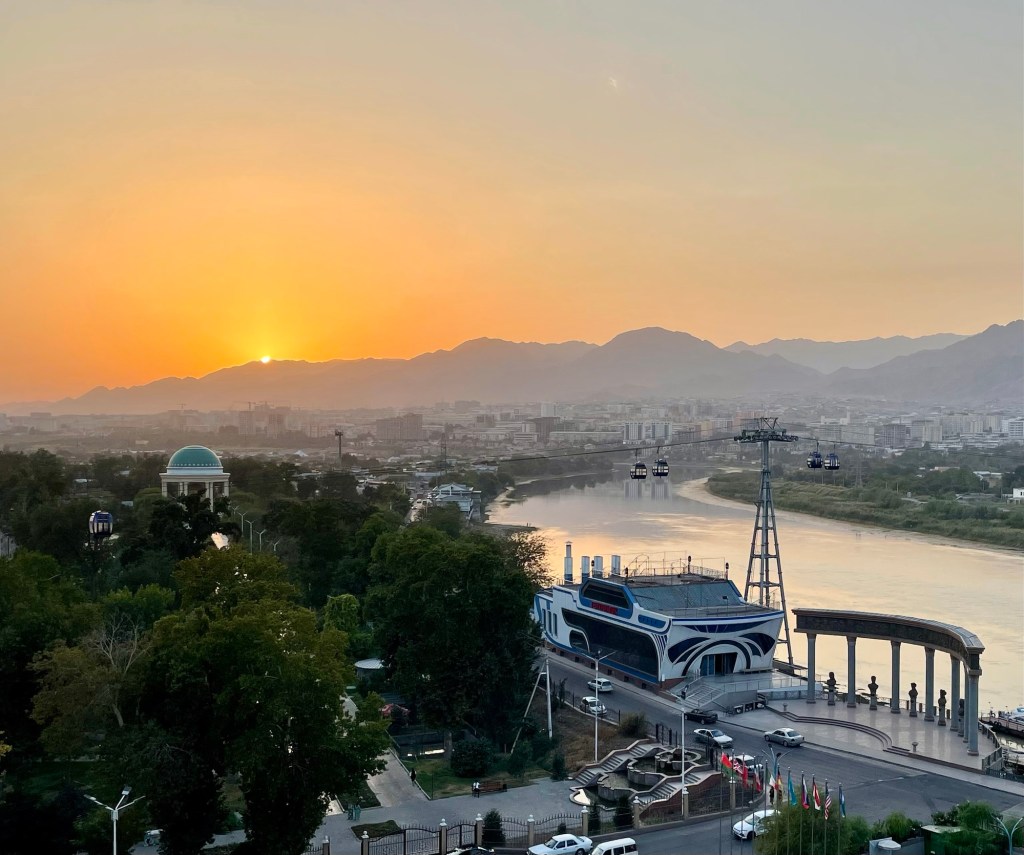
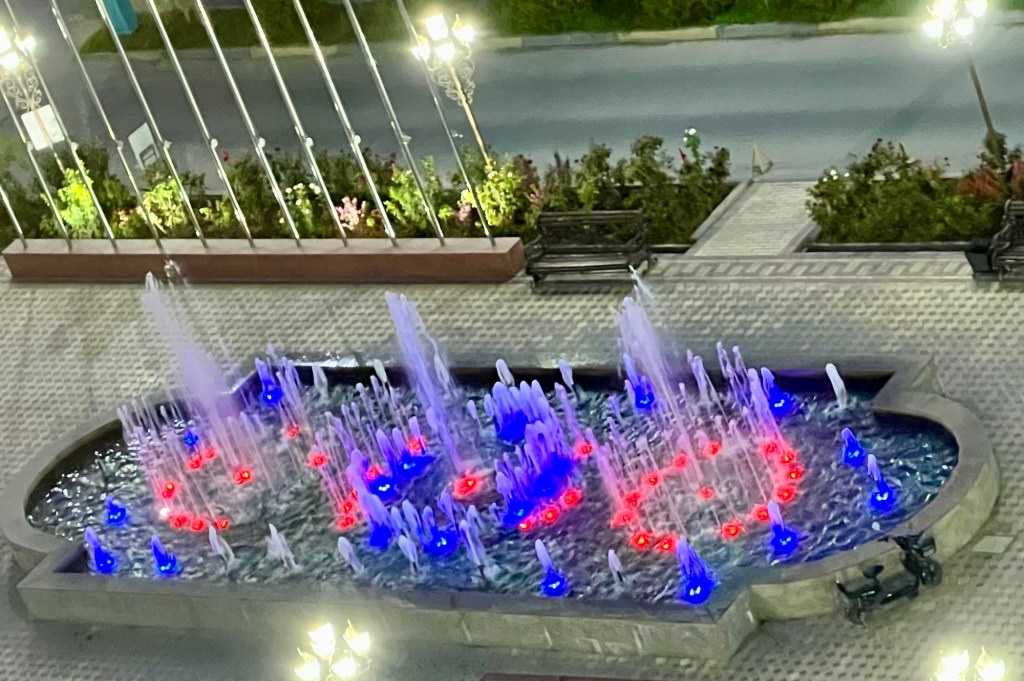
I was on the 10th story of our hotel. There were spectacular views of the city from up there. Here are some pictures of the view during the day and later during sunset and the evening.


After settling in at the hotel, our bus took us over to a restaurant by the museum.


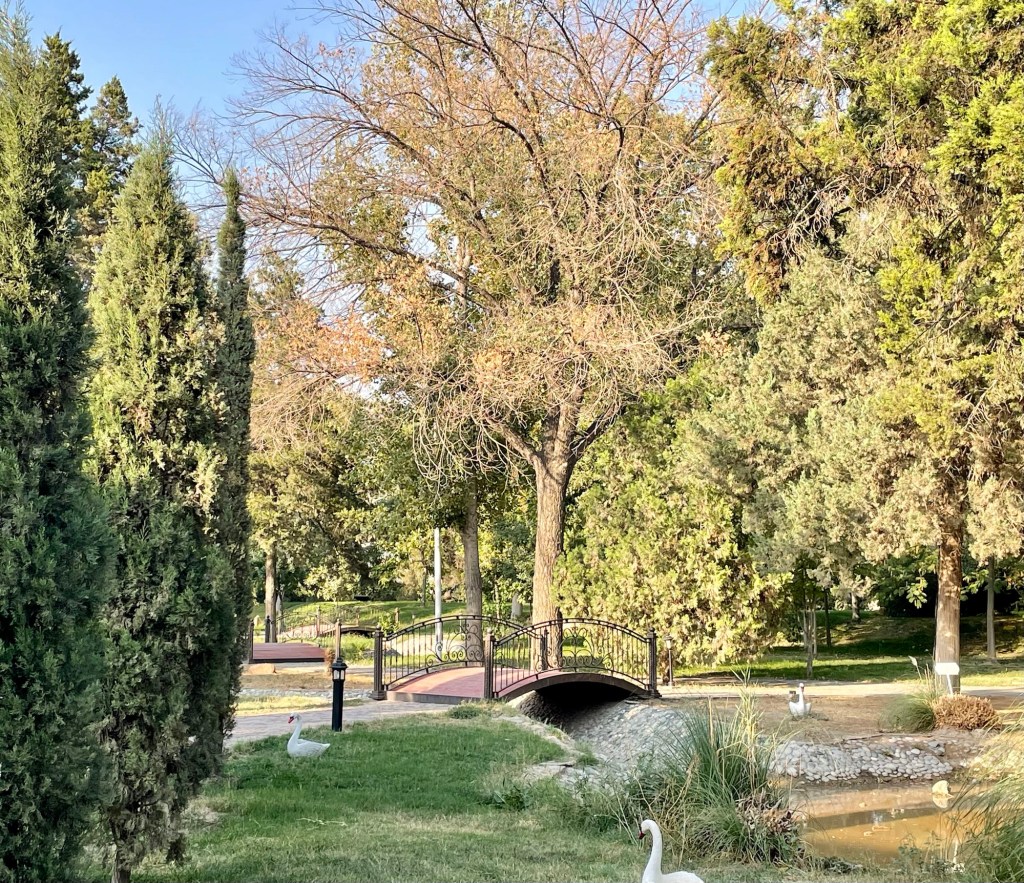
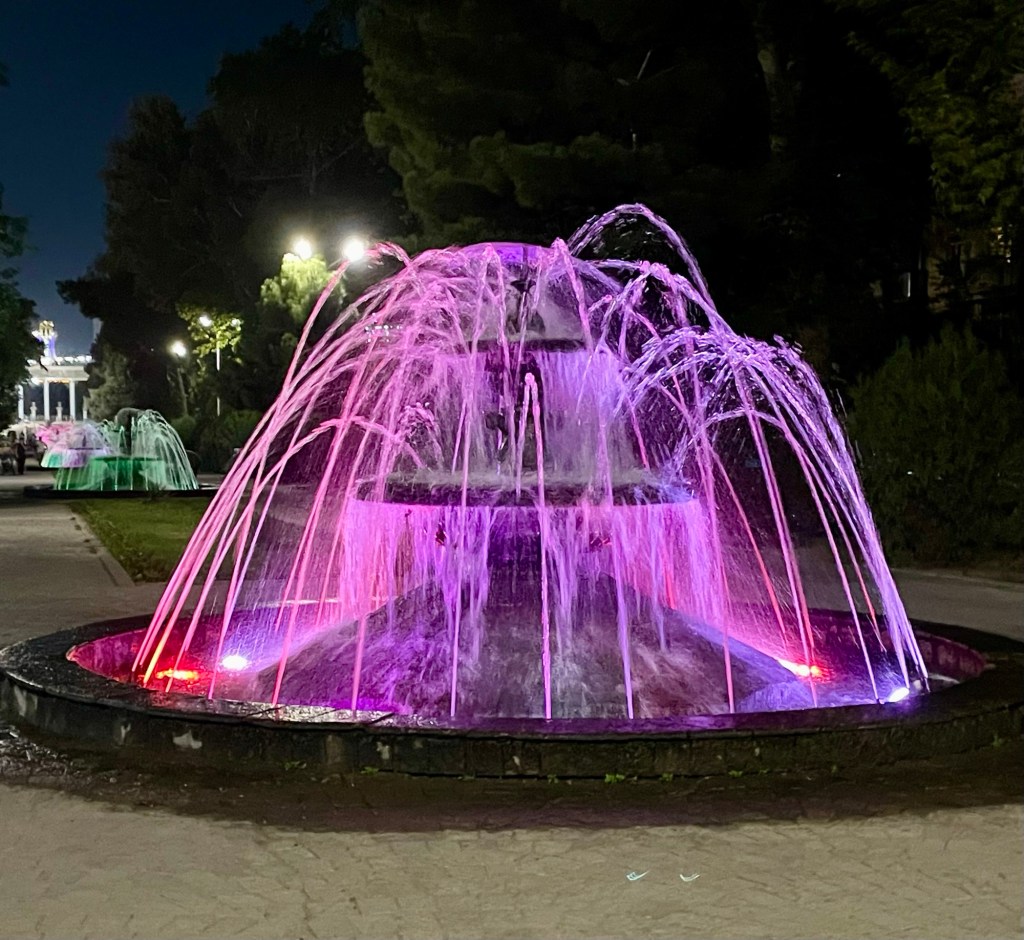
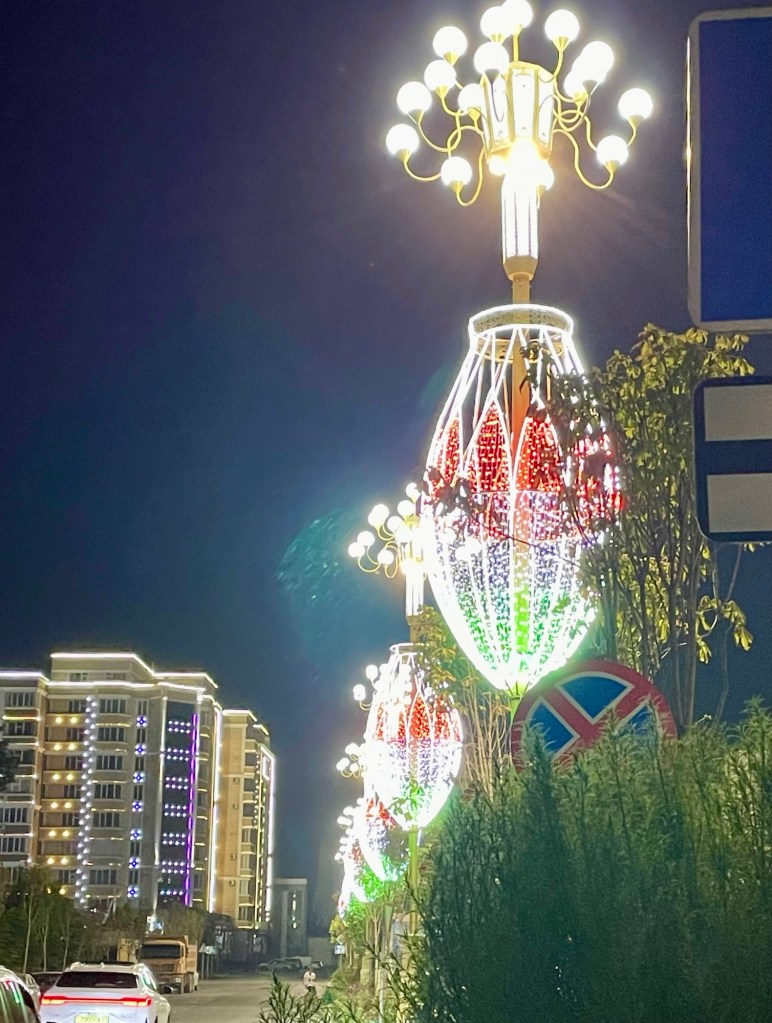
Again, we chose to walk by the fortress and through the park to the hotel. This time it was at night.
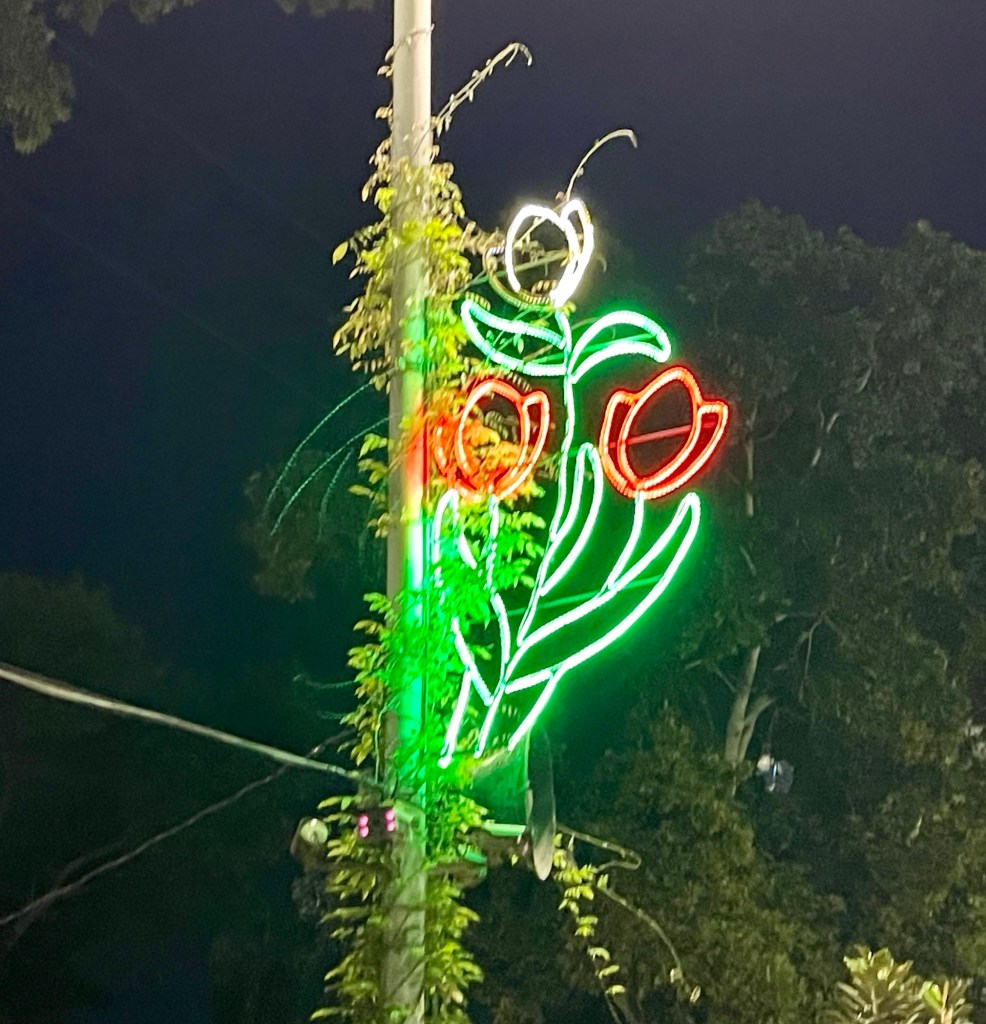
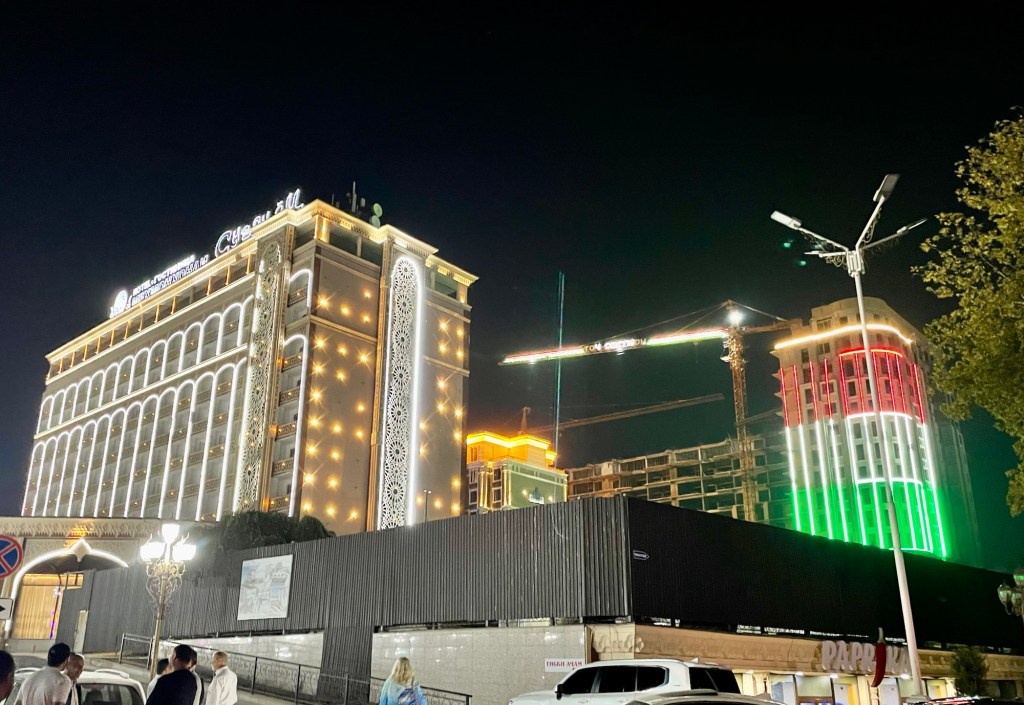
As it turned out, there was a wedding occurring in our hotel. We actually saw the bride and groom having pictures taken in the park after we got out of the museum. There were these trumpeters at the hotel. When we returned from dinner, the wedding was going on inside the hotel. As we left the next morning, there were trumpeters, greeting the male guests of the party who were coming to say blessings for the bride and groom.
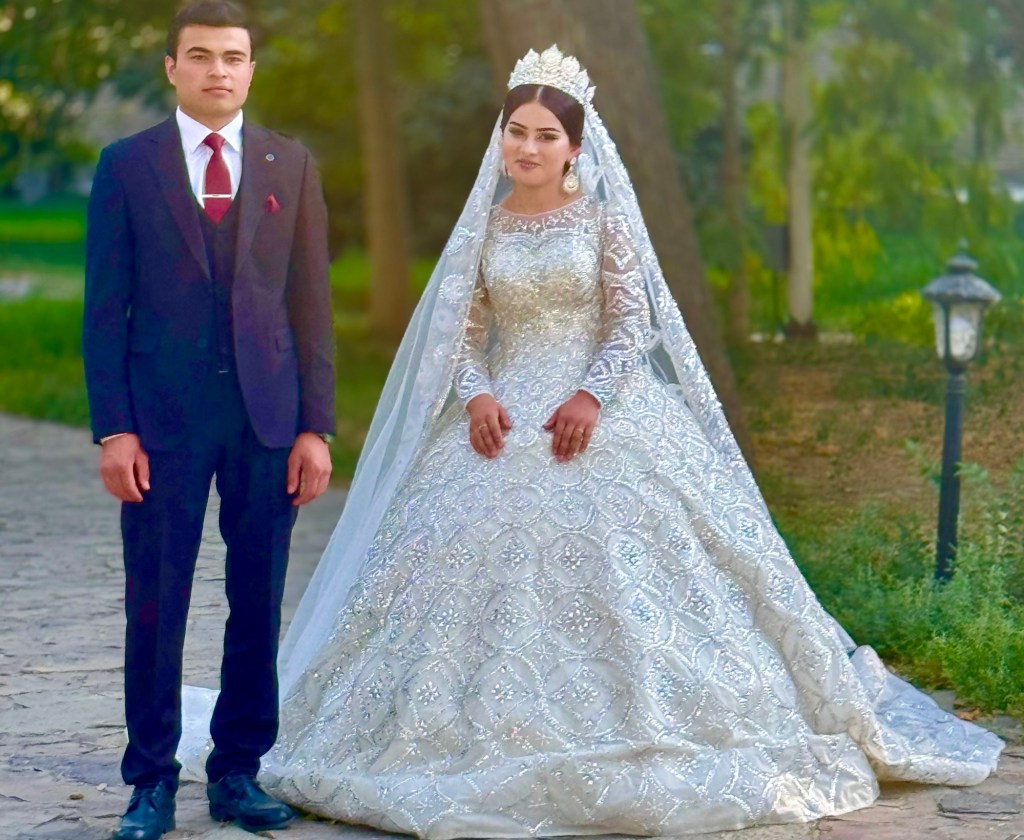


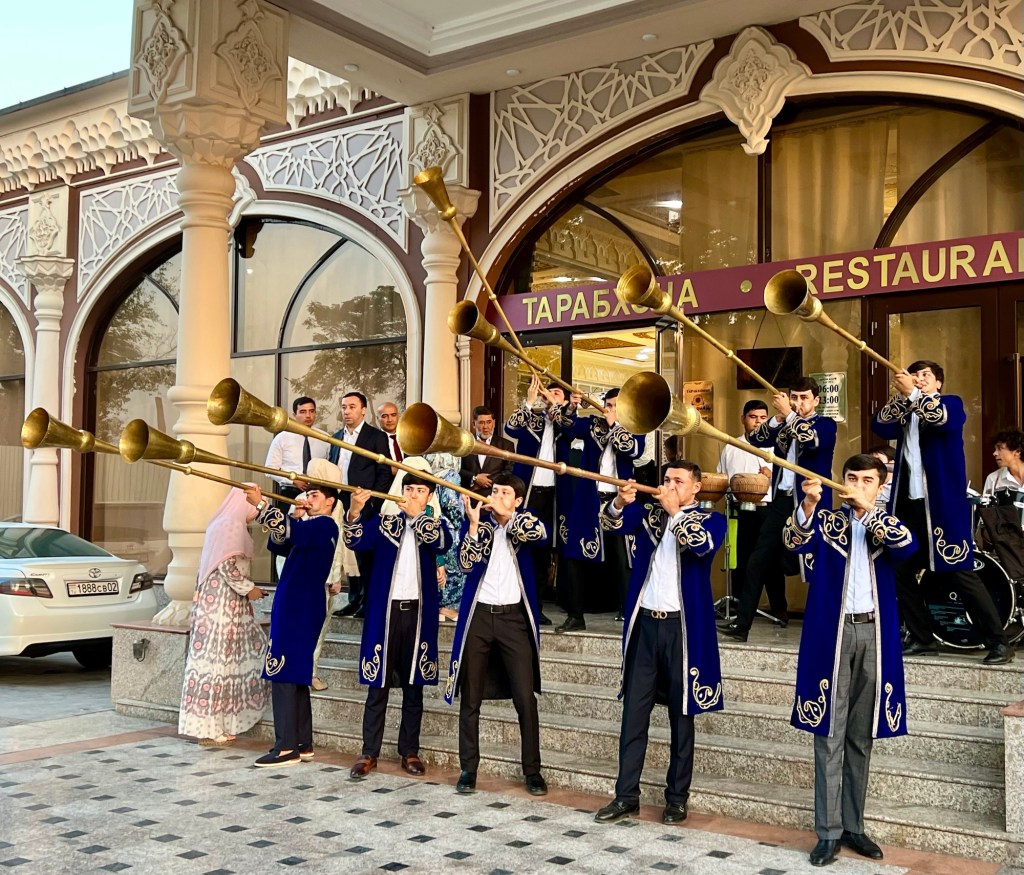
Here is what our guide told us about marriages and weddings.
Weddings are now limited to 150 guests. Used to be up to 1000. Government said too much money is being spent so limited guests. On morning of wedding guests go to visit bride and groom. Bring honey to wish them a sweet life. Groom pays for wedding. Next morning men gather to get blessings for bride and groom. Limited to 200 men. First 40 days are special. Need to be careful not to bring bad vibes. Get health evaluation before marriage. Very low divorce rates. Hard to get a divorce. It definitely was so cool to experience what we were able to see of this wedding. 
 RobbieLambertsTravels
so much interesting information!
LikeLike