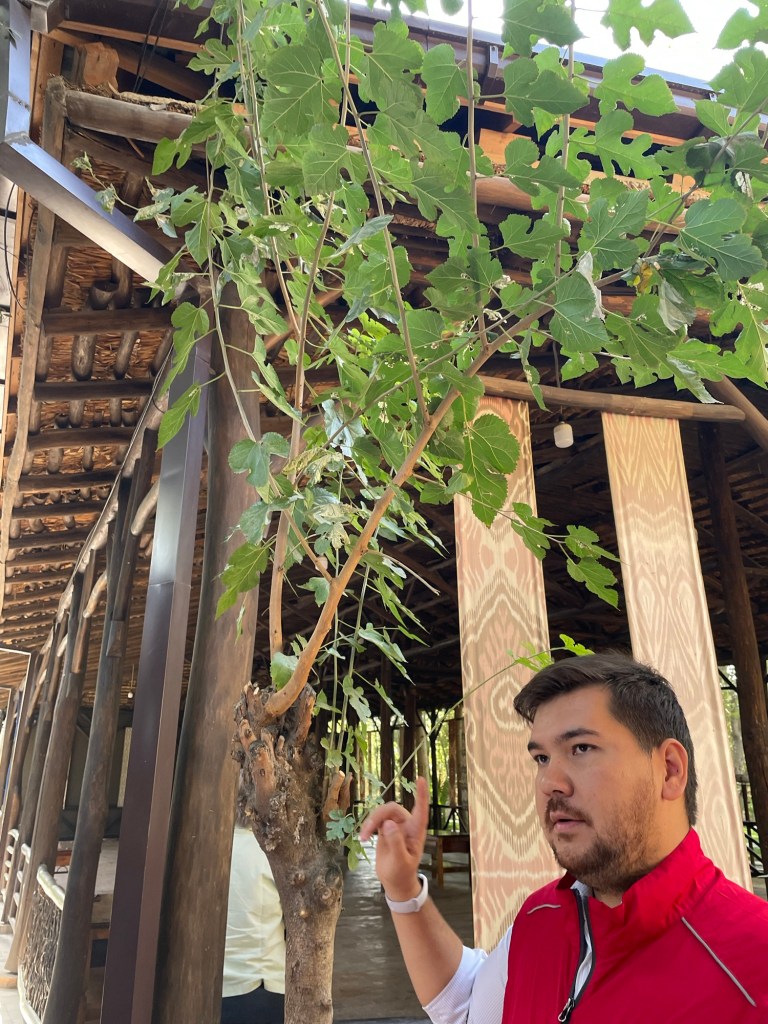
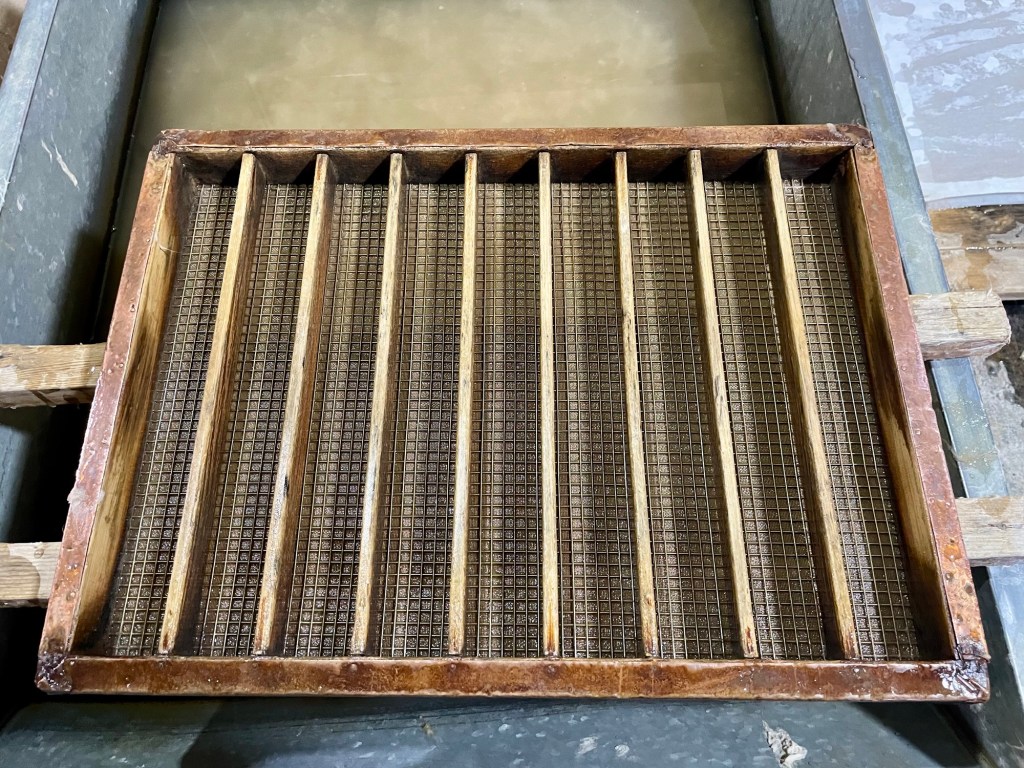
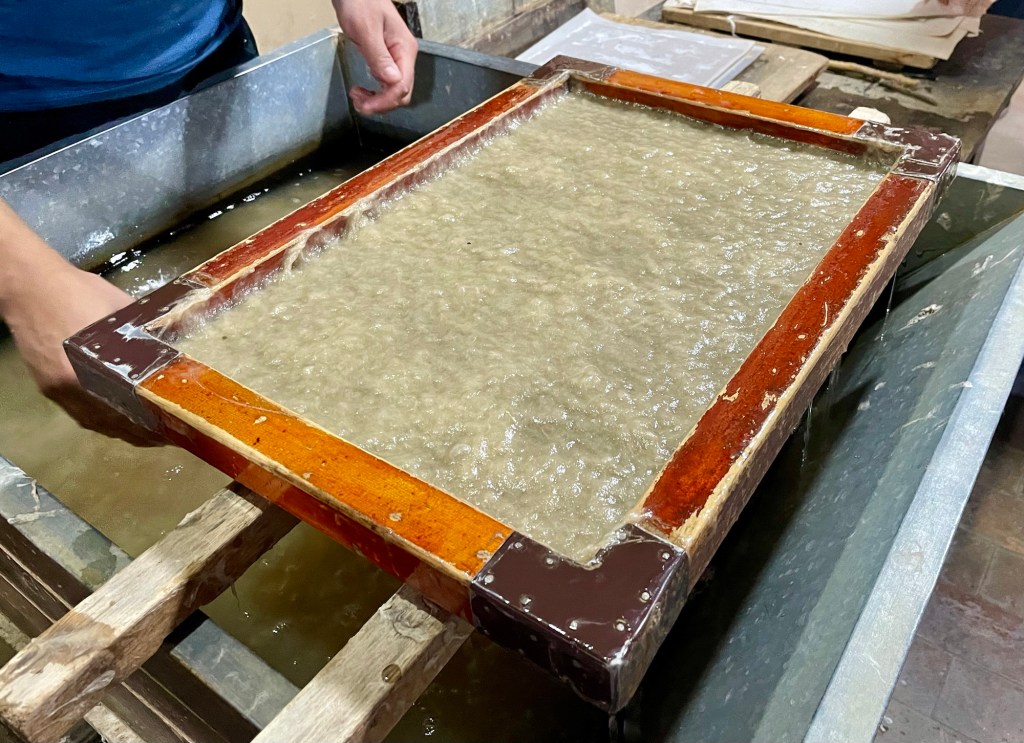
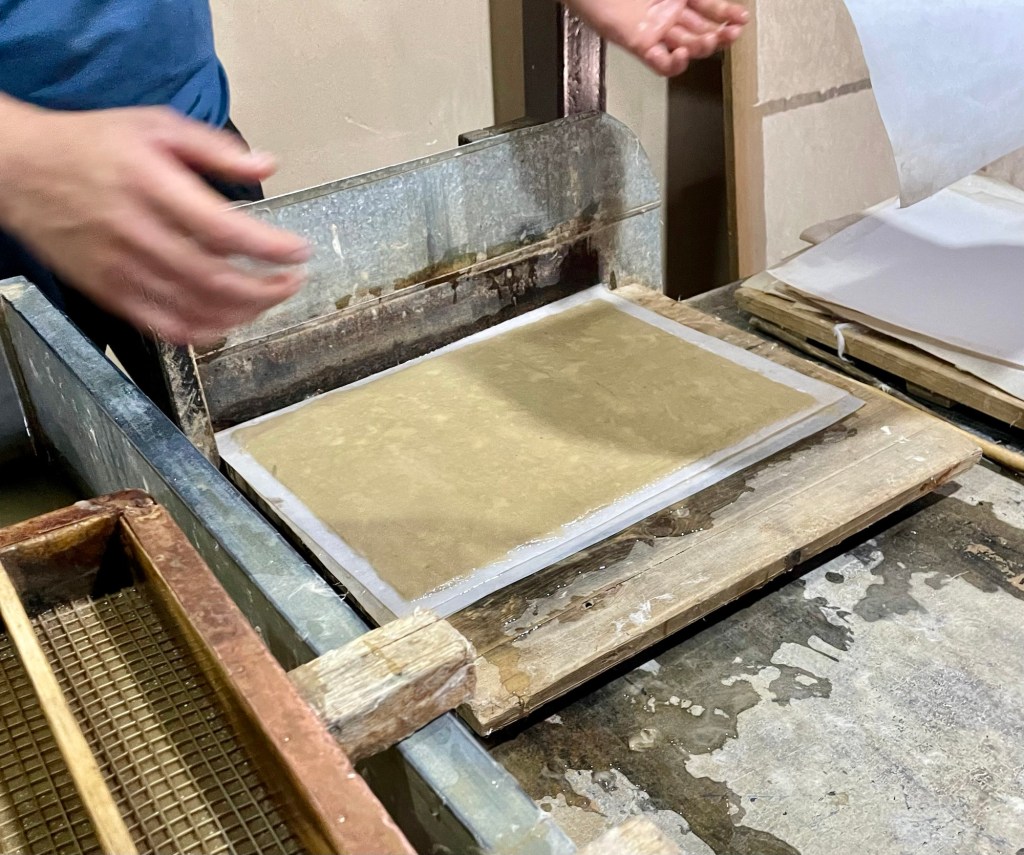
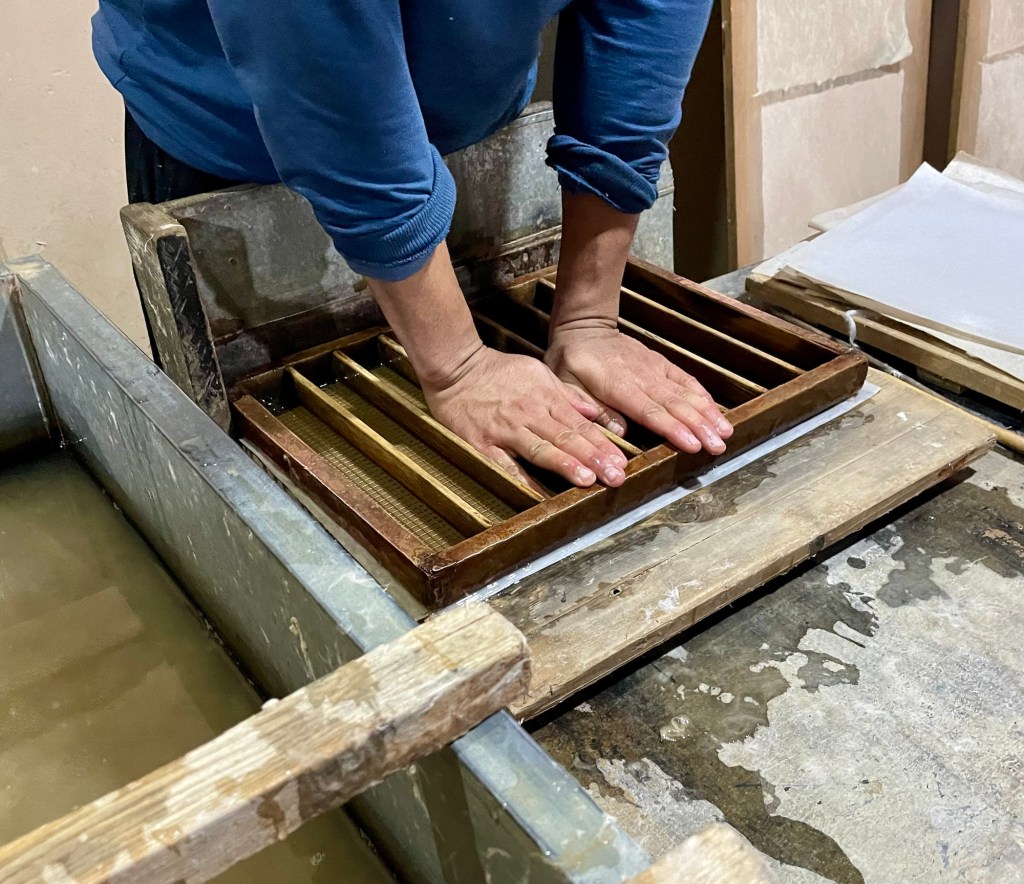
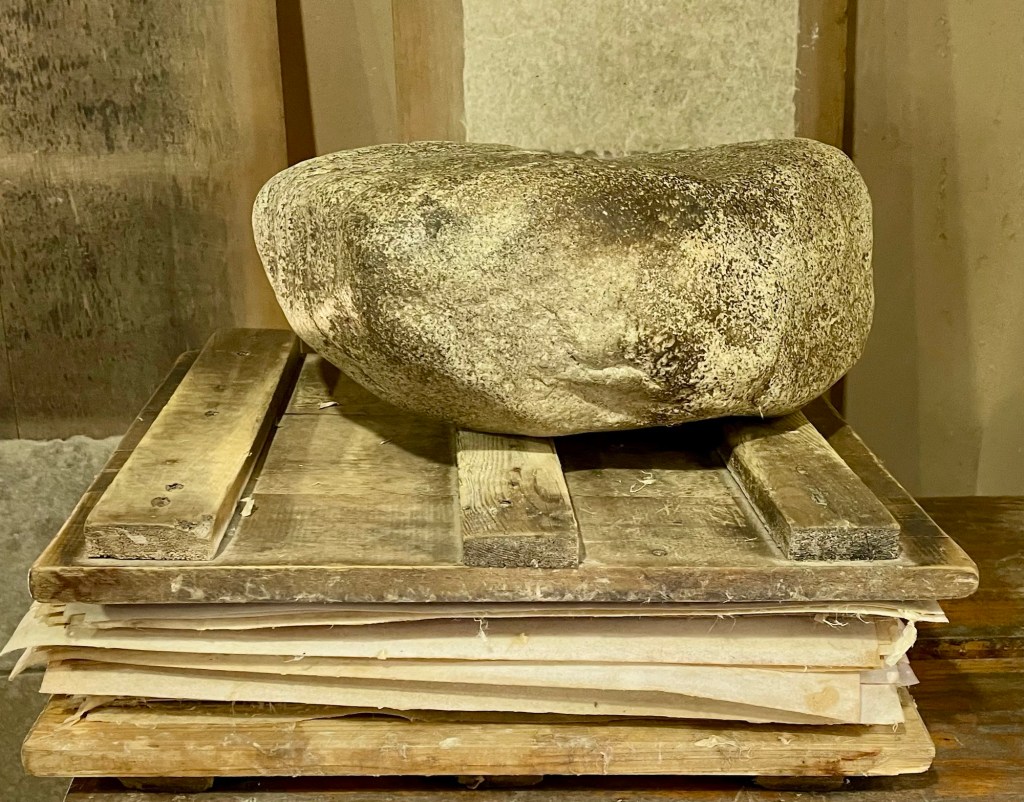
Our first activity was to learn how silk paper is made. Mulberry trees are very common in the Stans. The Mulberry tree is also the home of the silkworm which eats the leaves of the tree and of course is where silk comes from. The small branches of the tree, however, are used to make paper. It’s a fascinating process and the paper that is made from this tree can last for 1500 years.
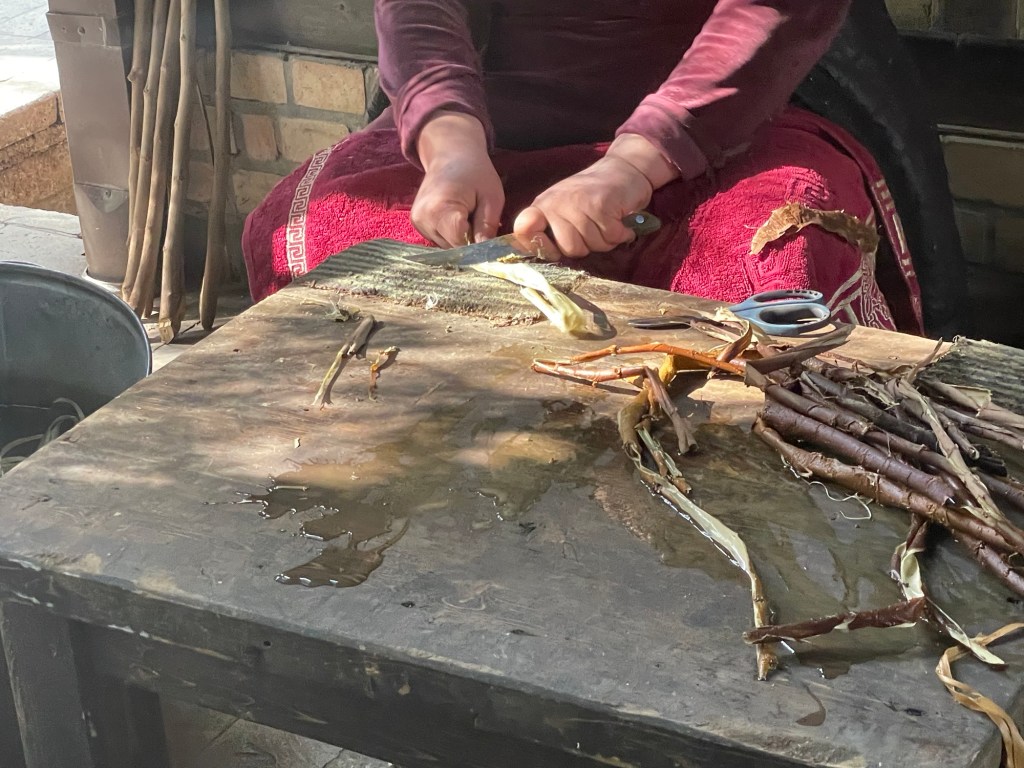
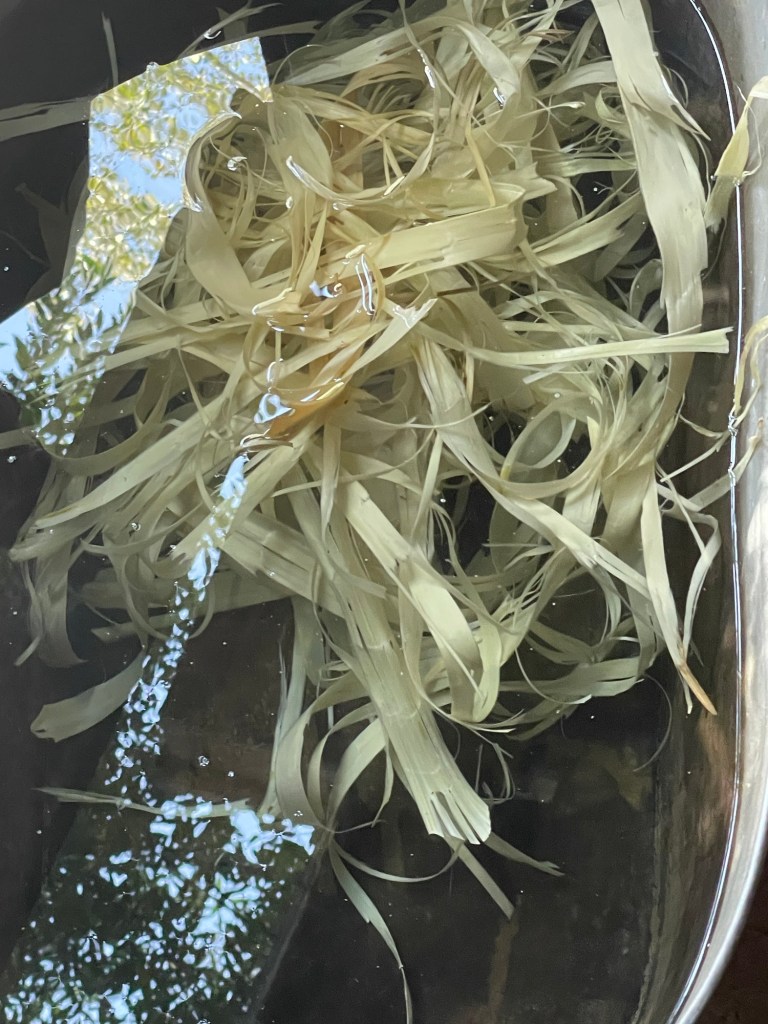
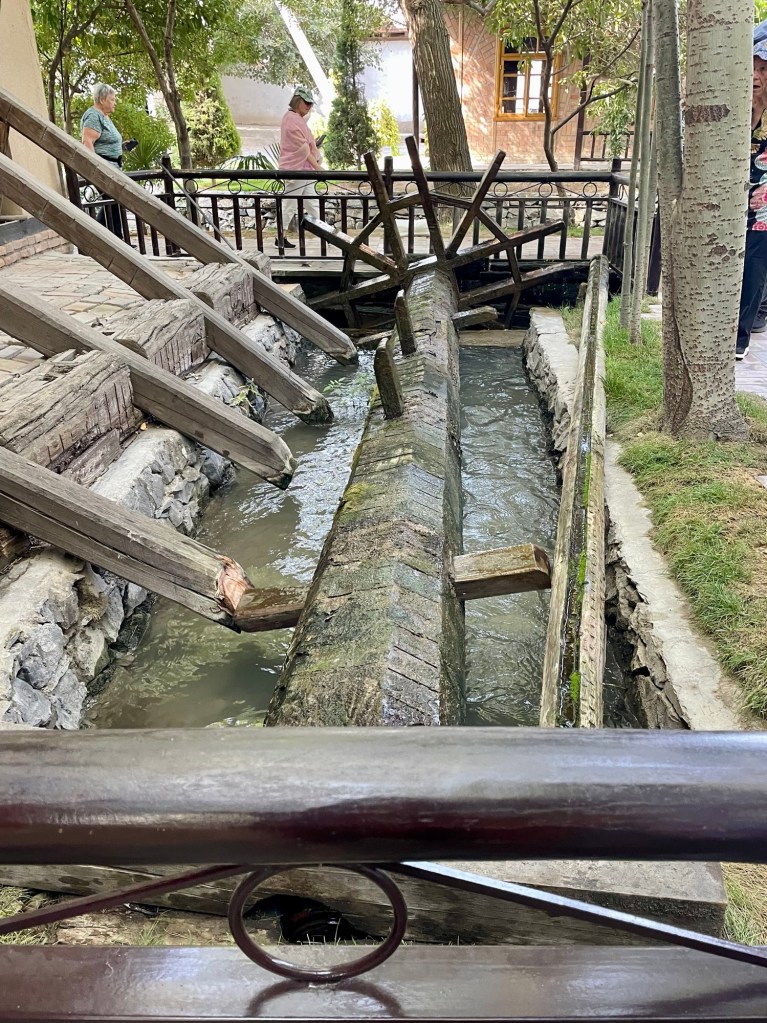
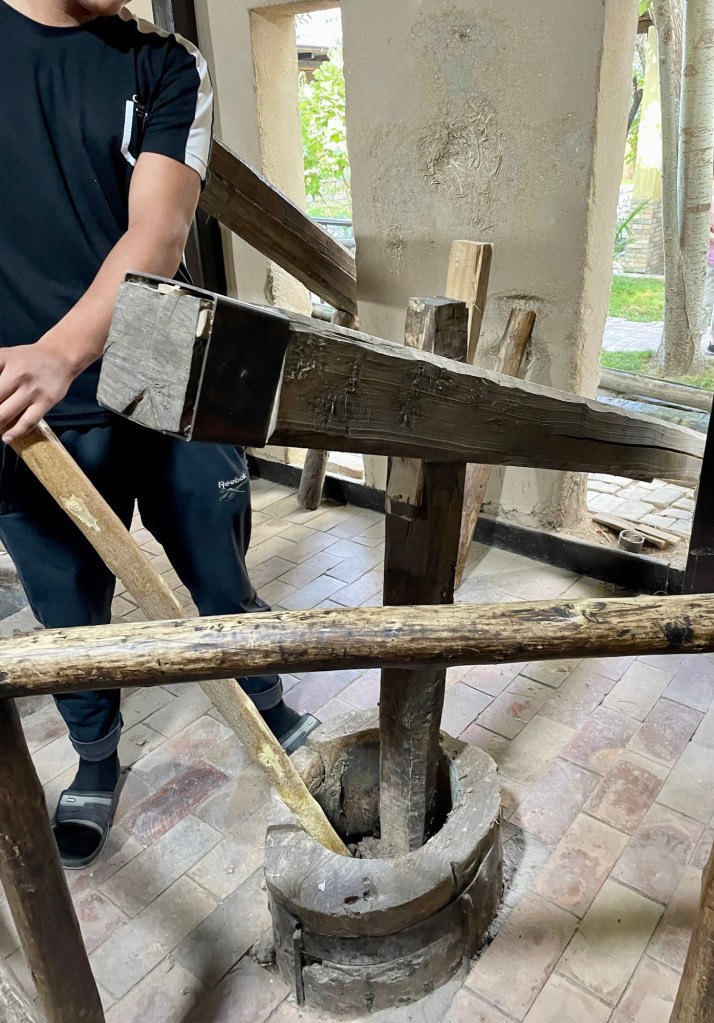
From here the strips are made into pulp. The process is driven by a water wheel that turns an axle that drives the mashing of the strips.

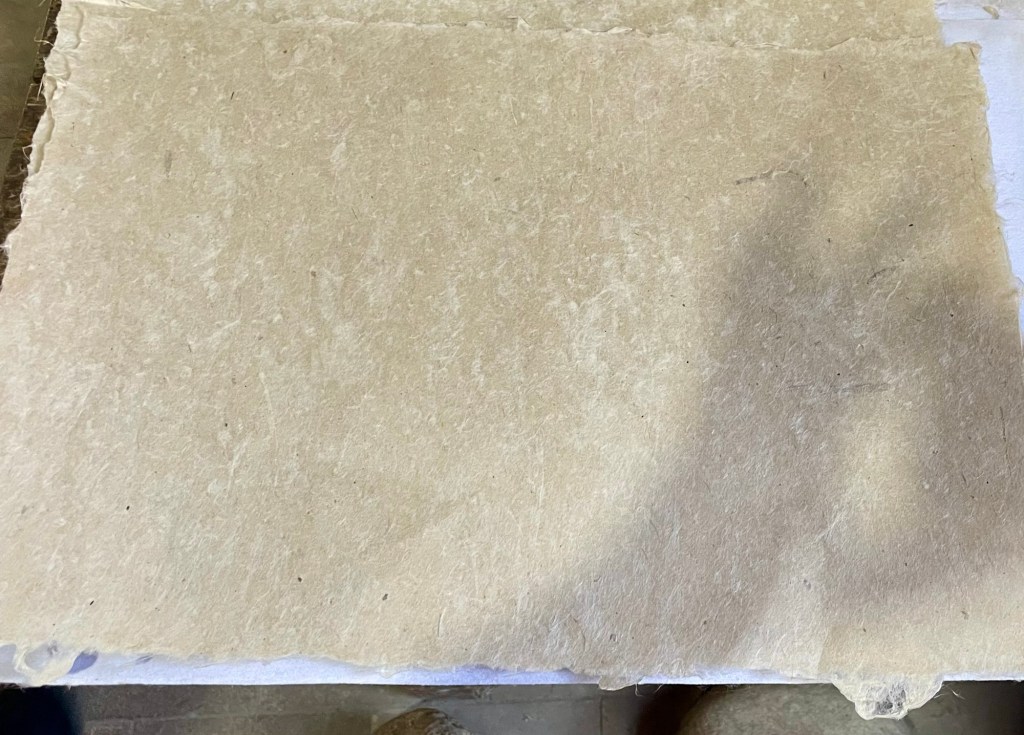
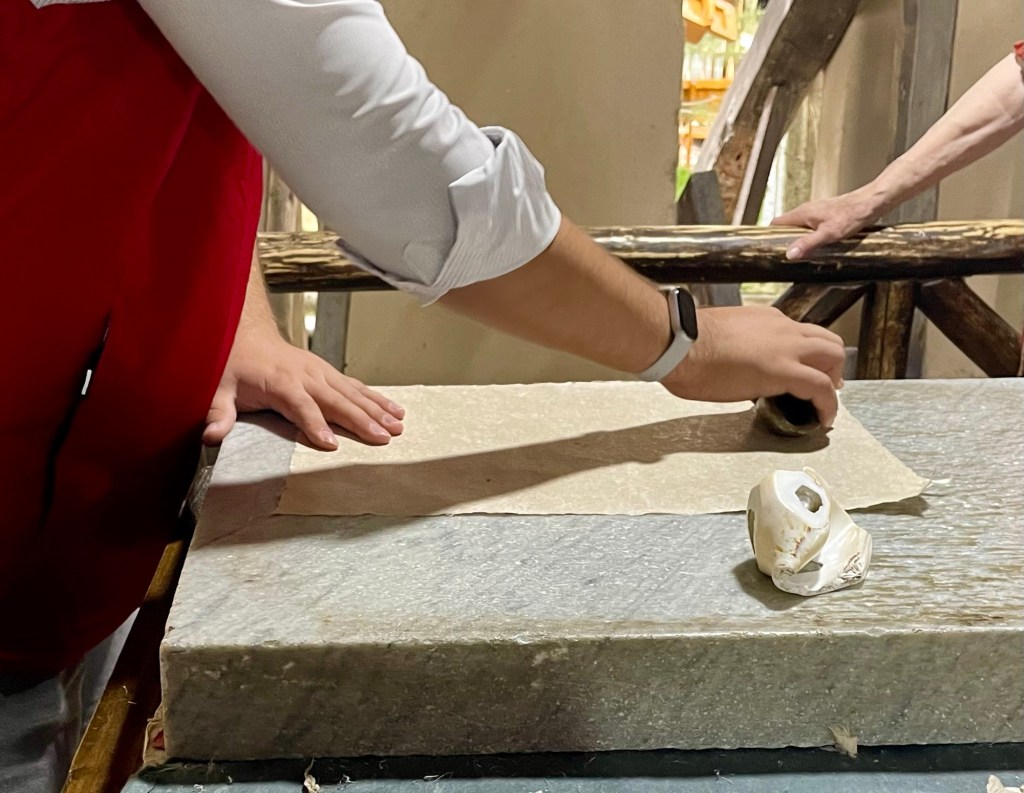
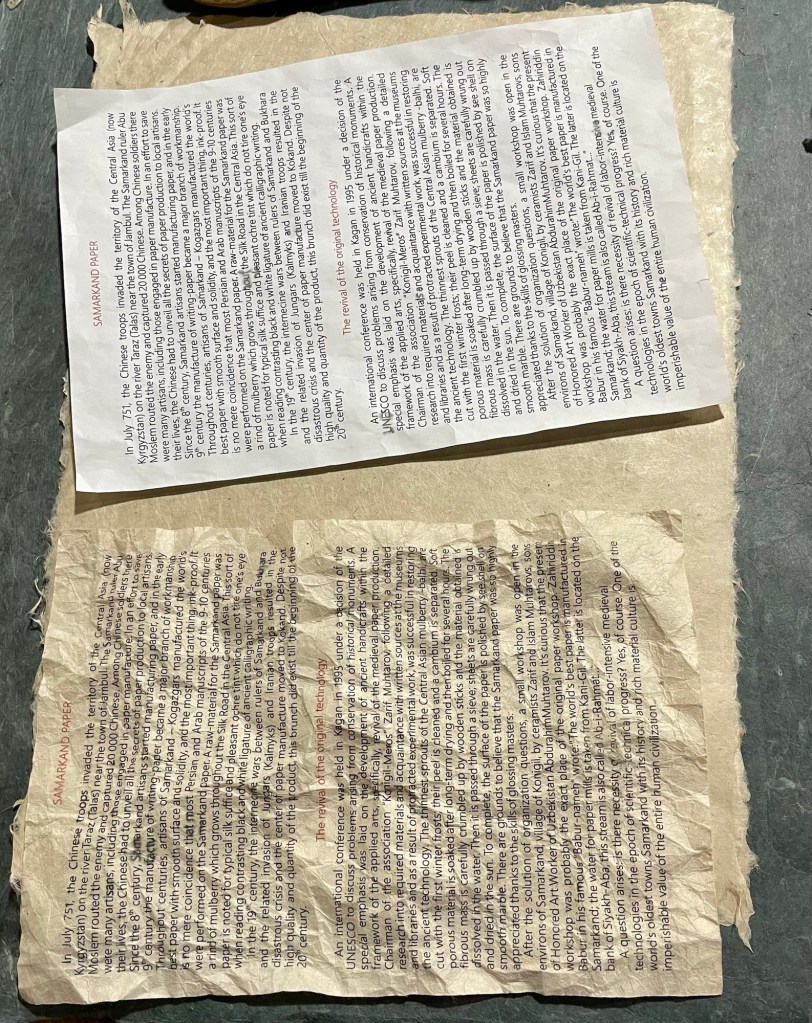
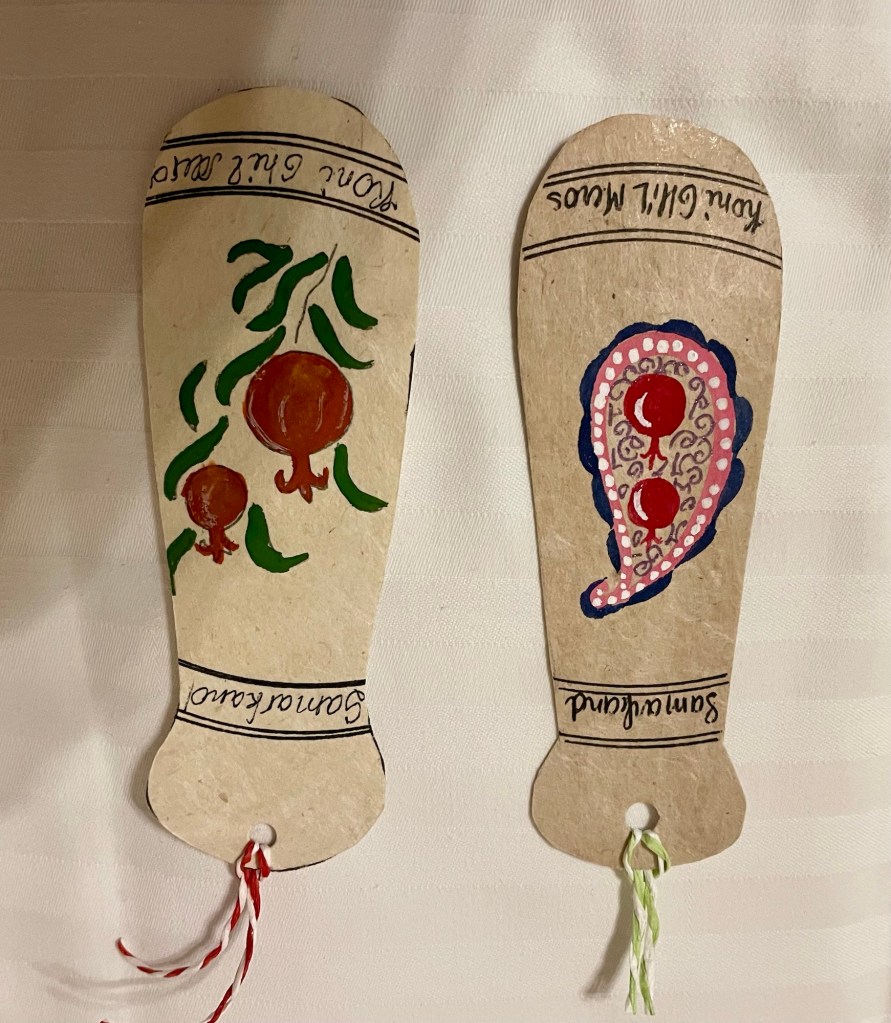
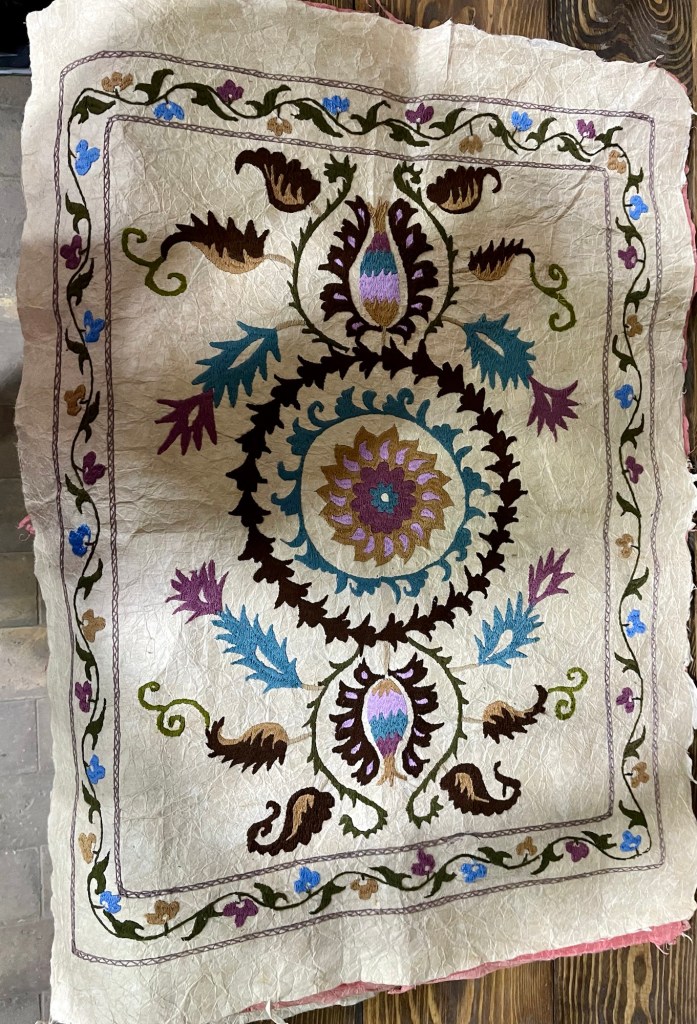
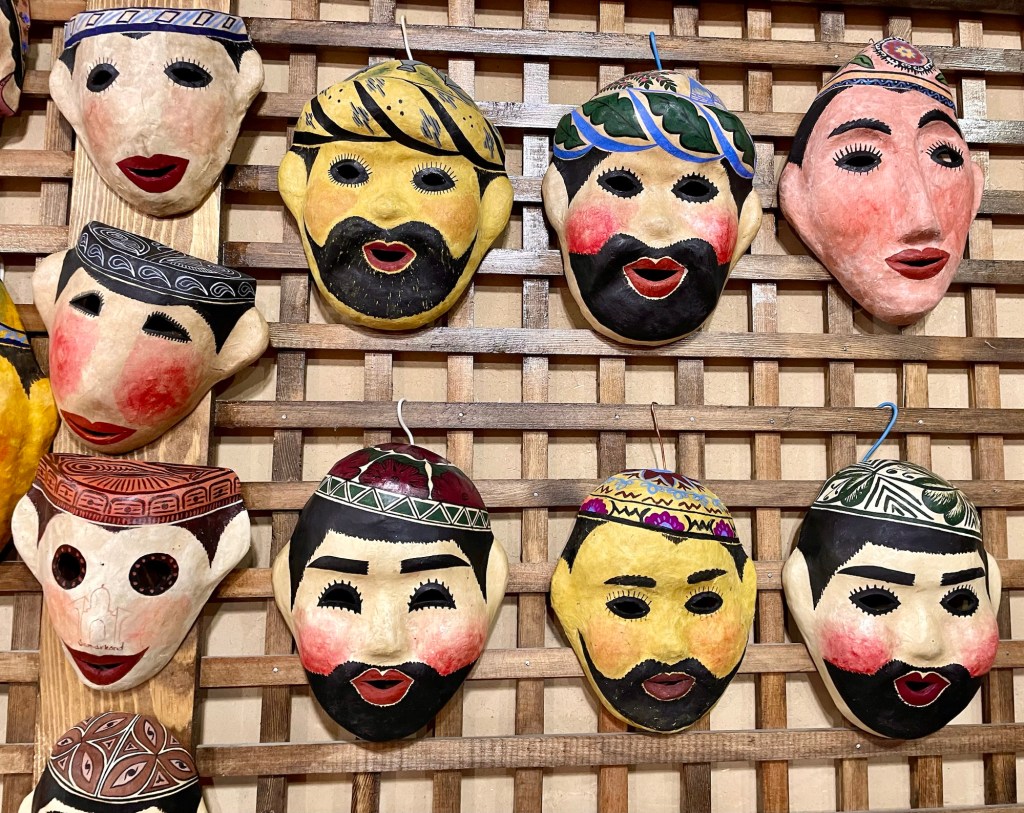
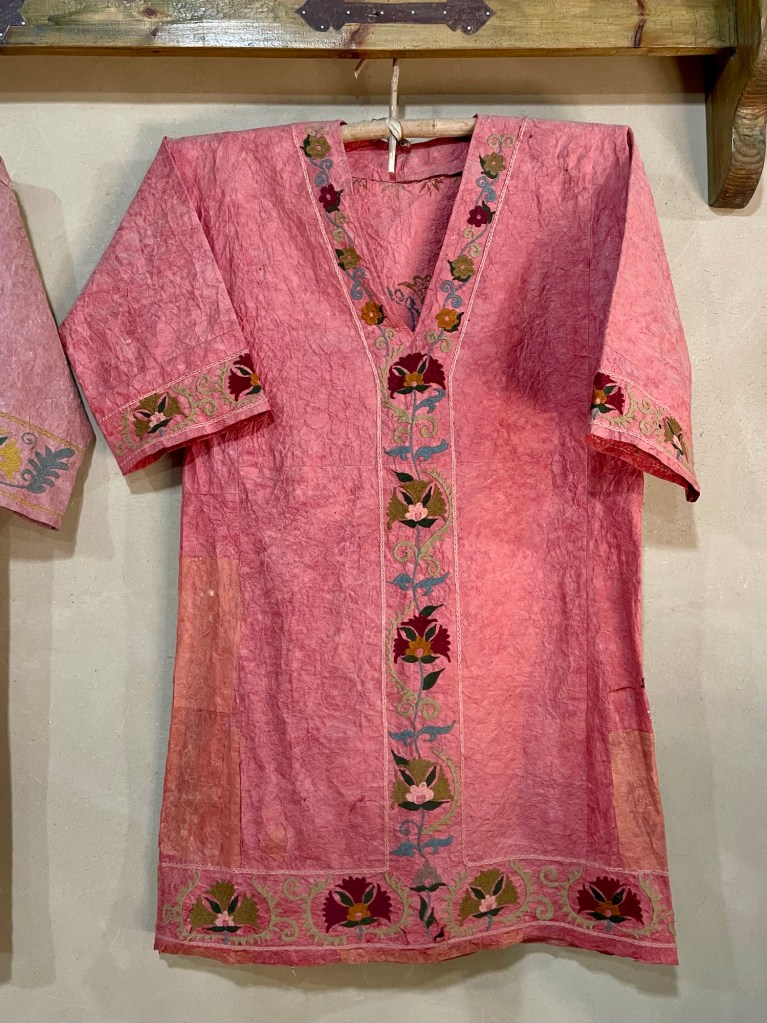
The following items are all made from silk paper.
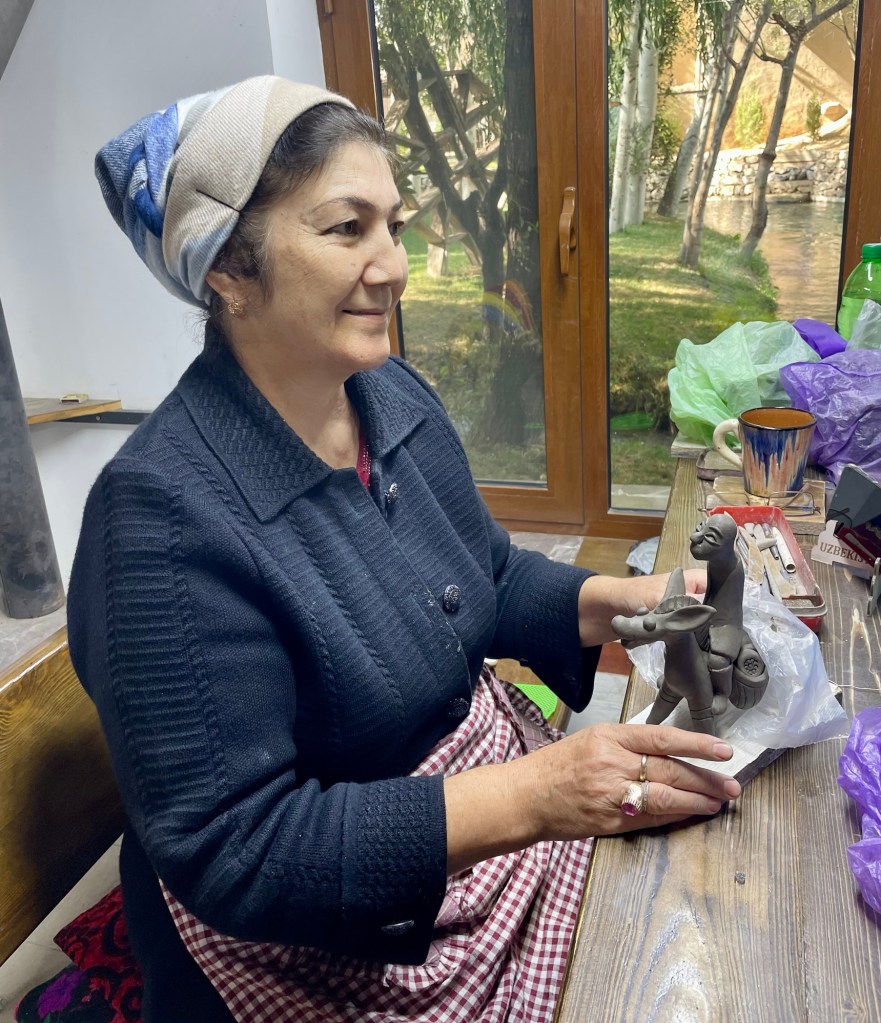
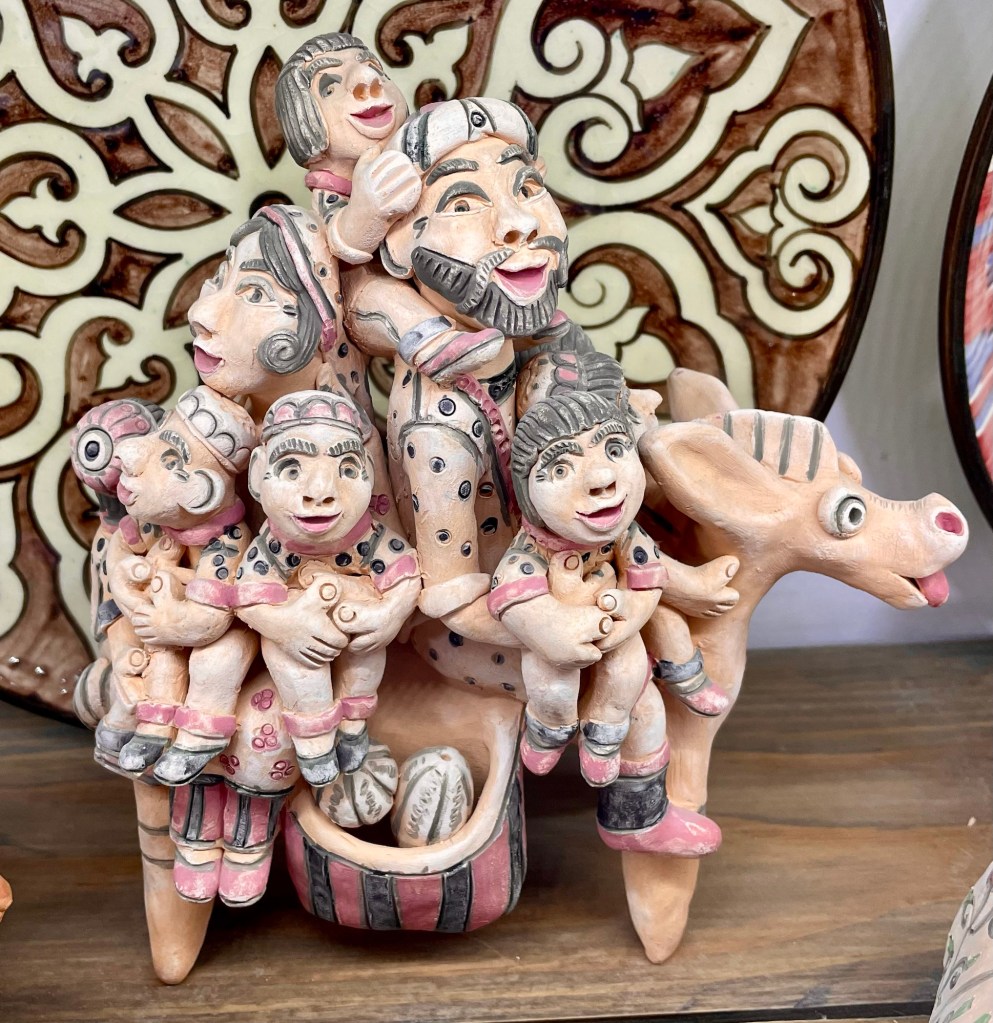
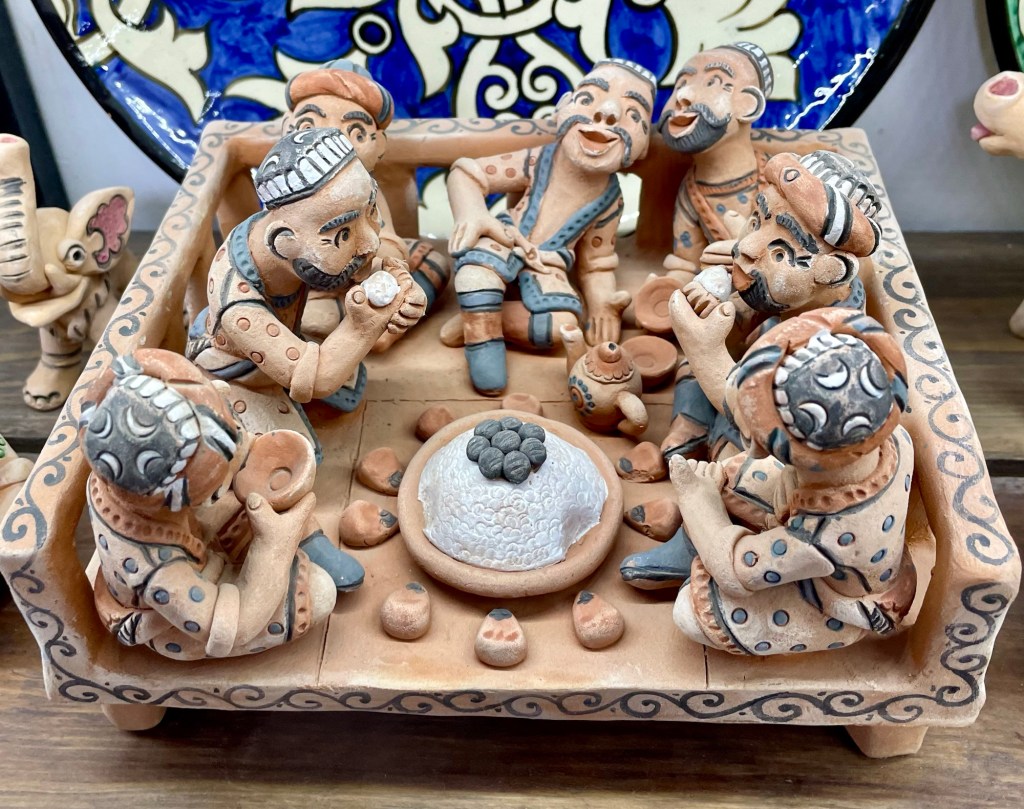
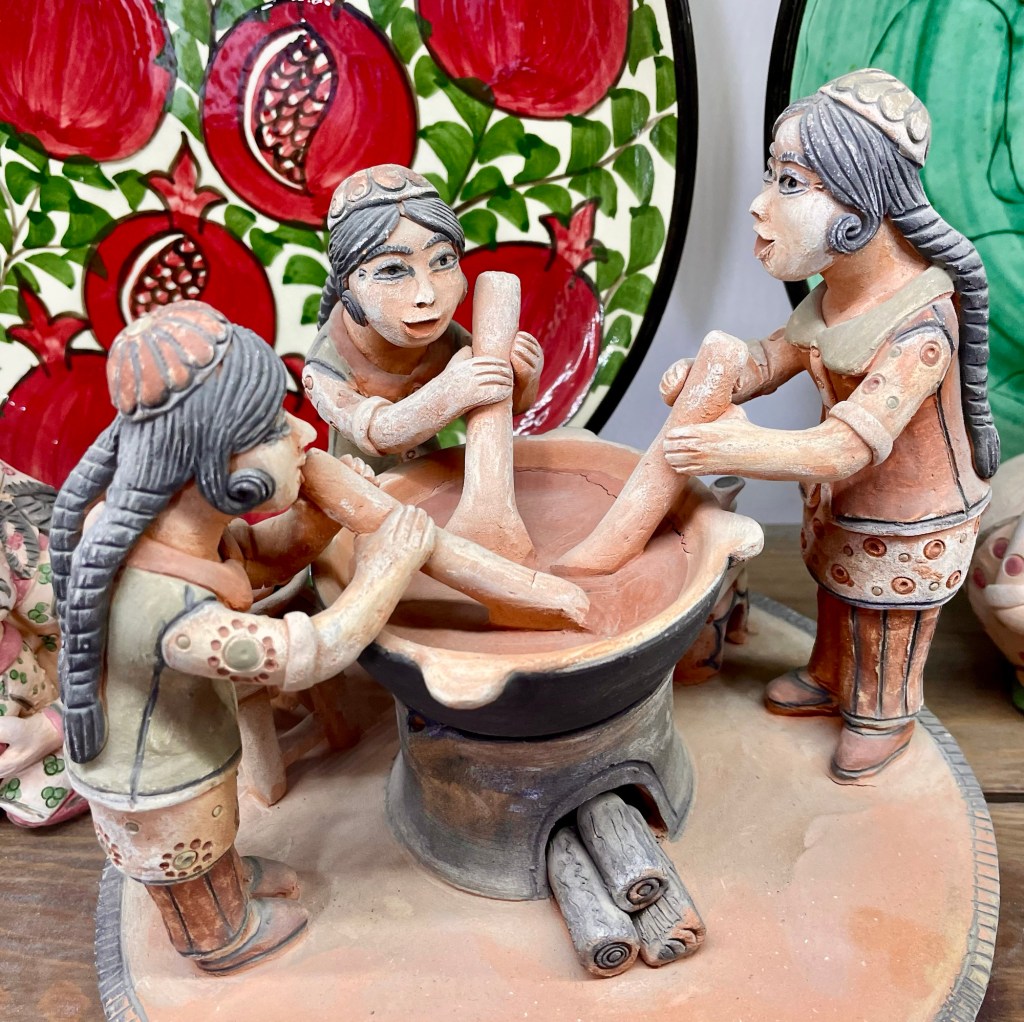
The studio also has a ceramic shop and here are some pictures taken from there.
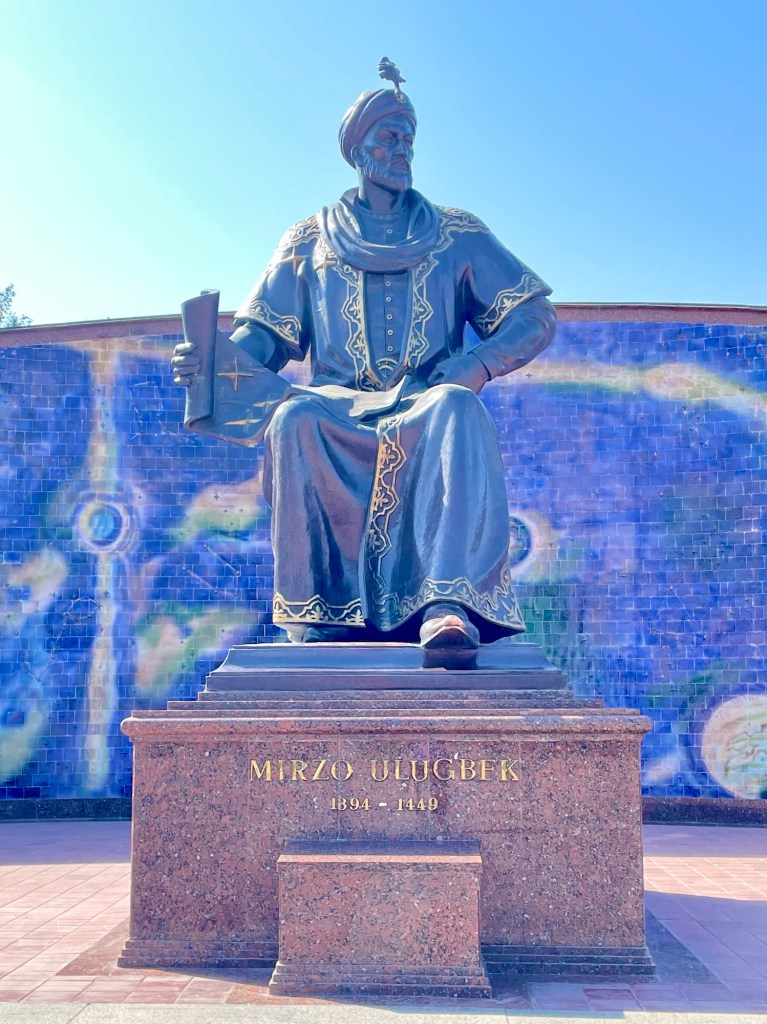
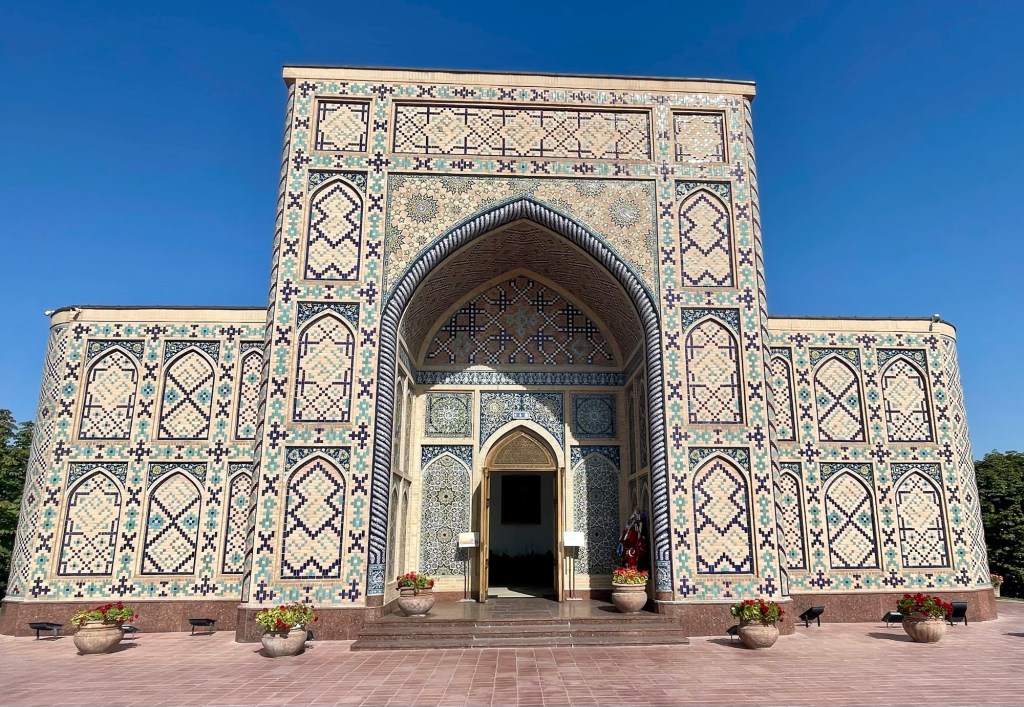
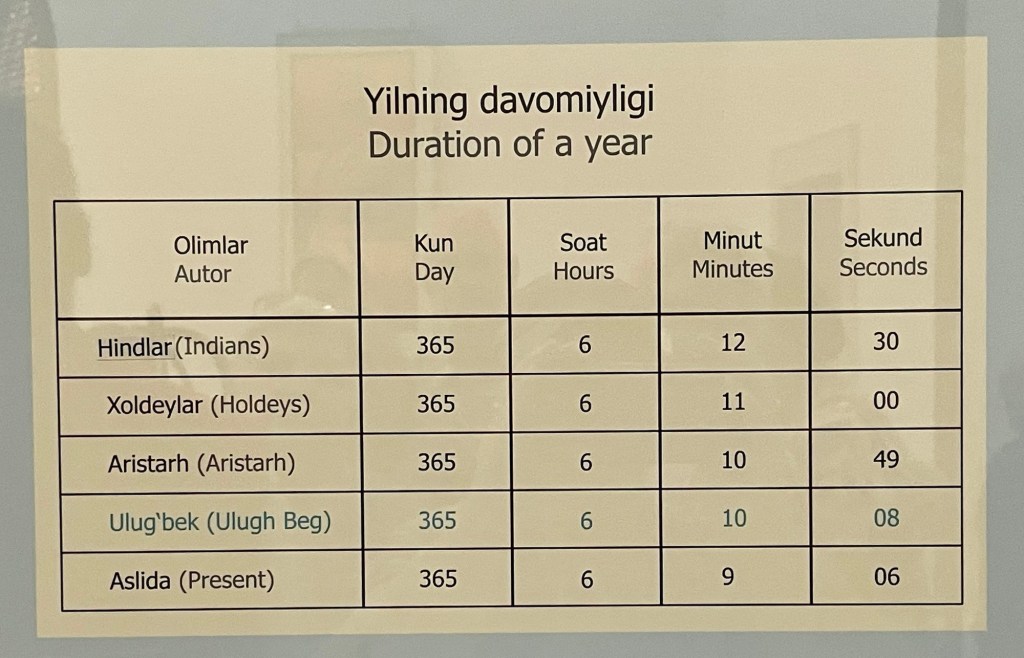
Our next visit was to the Mirzo Ulugbek observatory. Ulugbek was the grandson of the famous ruler Amir Timur who I will talk about later. Ulugbek was notable for his work in astronomy-related mathematics, such as trigonometry and circle geometry, as well as his general interests in the arts and intellectual activities. It is thought that he spoke 5 languages in addition to a small amount of Chinese. During his rule (first as a governor) the Timurid Empire achieved the cultural peak of the Timurid renaissance through his attention and patronage. Samarkand was captured and given to Ulugbek by his father. He built the observatory in Samarkand between 1424 and 1429. It was considered by scholars to have been one of the finest observatories in the Islamic world at the time and the largest in central Asia. Ulugbeh was subsequently recognized as the most important observational astronomer from the 15th century by many scholars. However, Ulugbek’s scientific expertise was not matched by his skills in governance. During his short reign, he failed to establish his power and authority. As a result, other rulers, including his family, took advantage of his lack of control, and he was subsequently overthrown and assassinated.

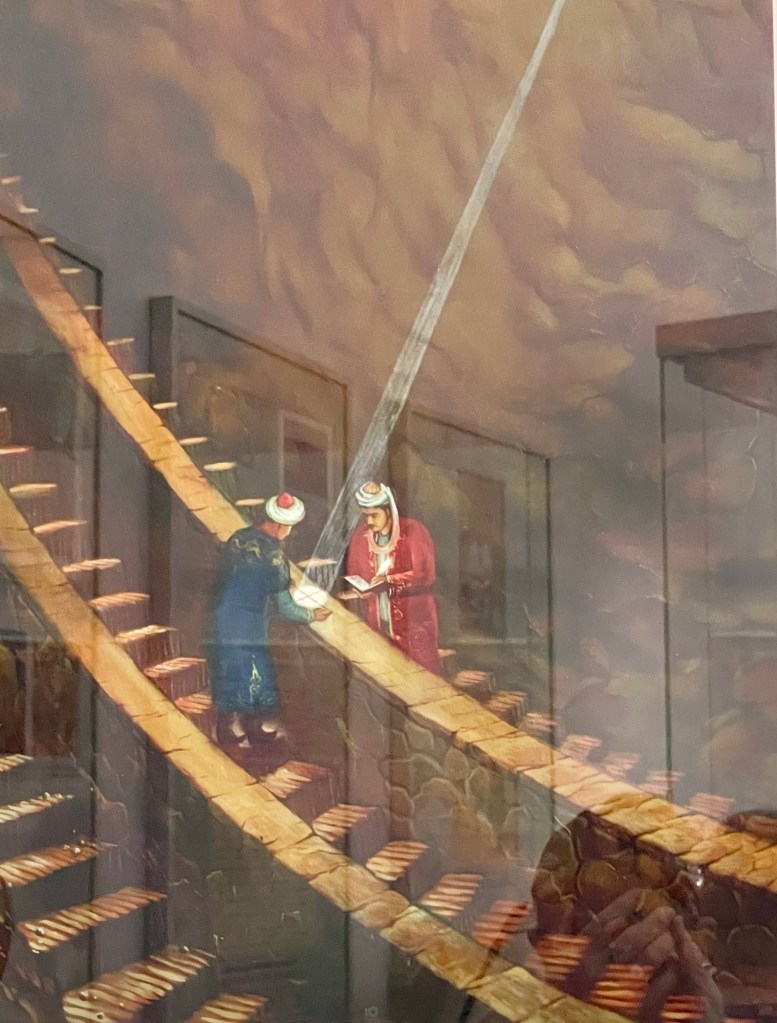
Lacking telescopes to work with, he increased his accuracy by having his sextant have a radius of about 36 meters (118 feet) and the optical separability of 180″ (seconds of arc). The purpose of the sextant was to measure the transit altitudes of the stars. This was a measurement of the maximum altitude above the horizon of the stars.
Also at the site is a museum
We drove back into town to go to a necropolis.
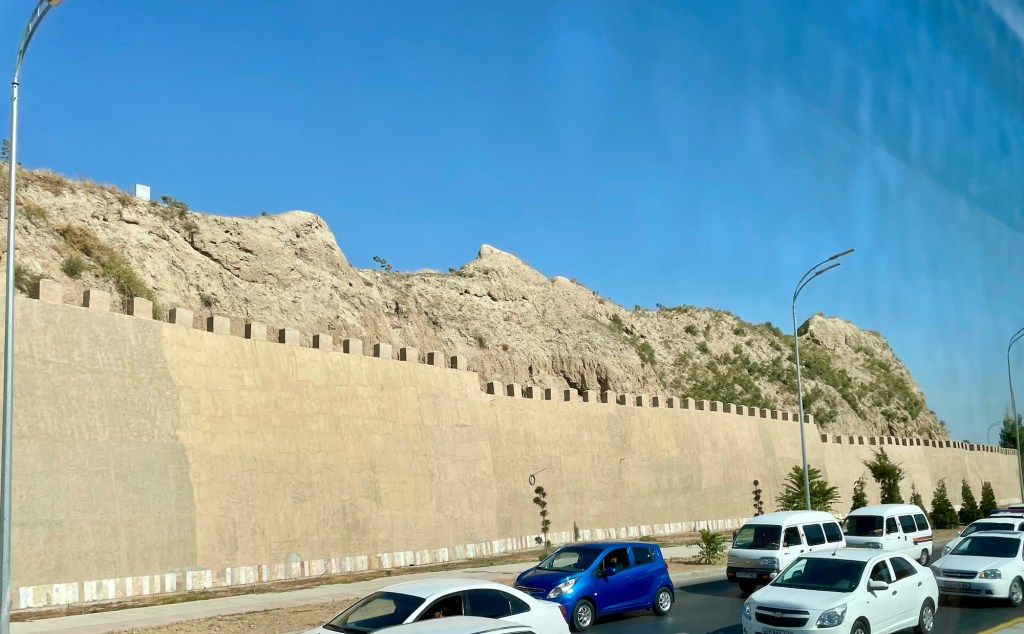
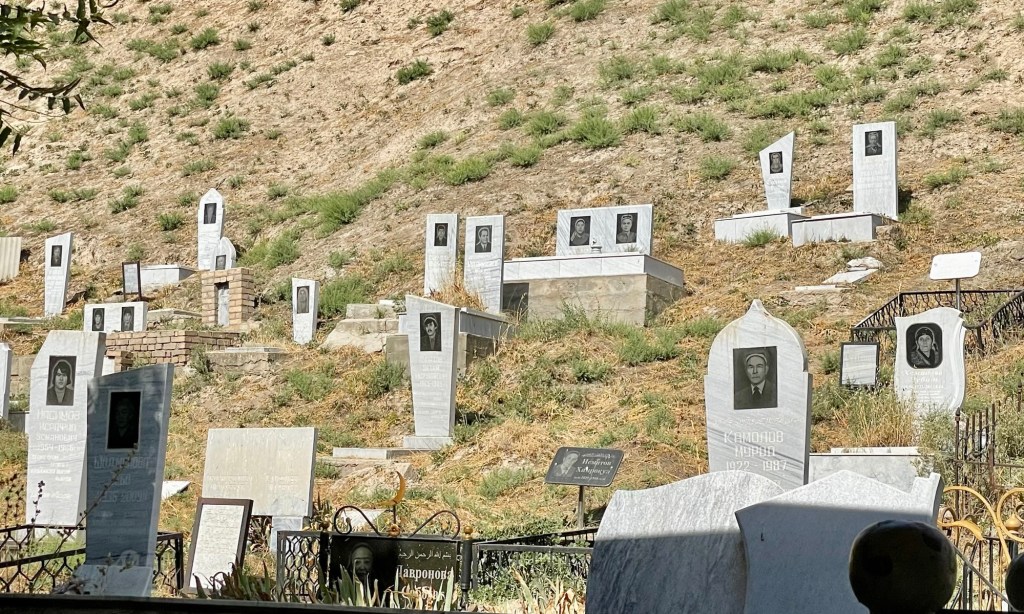
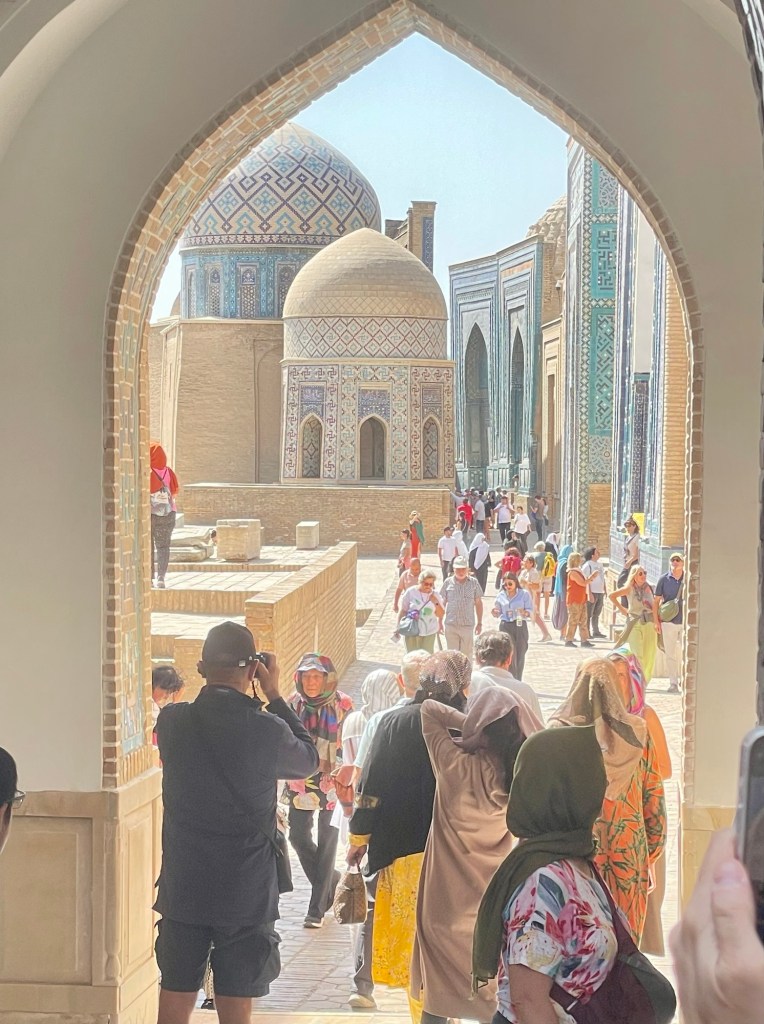
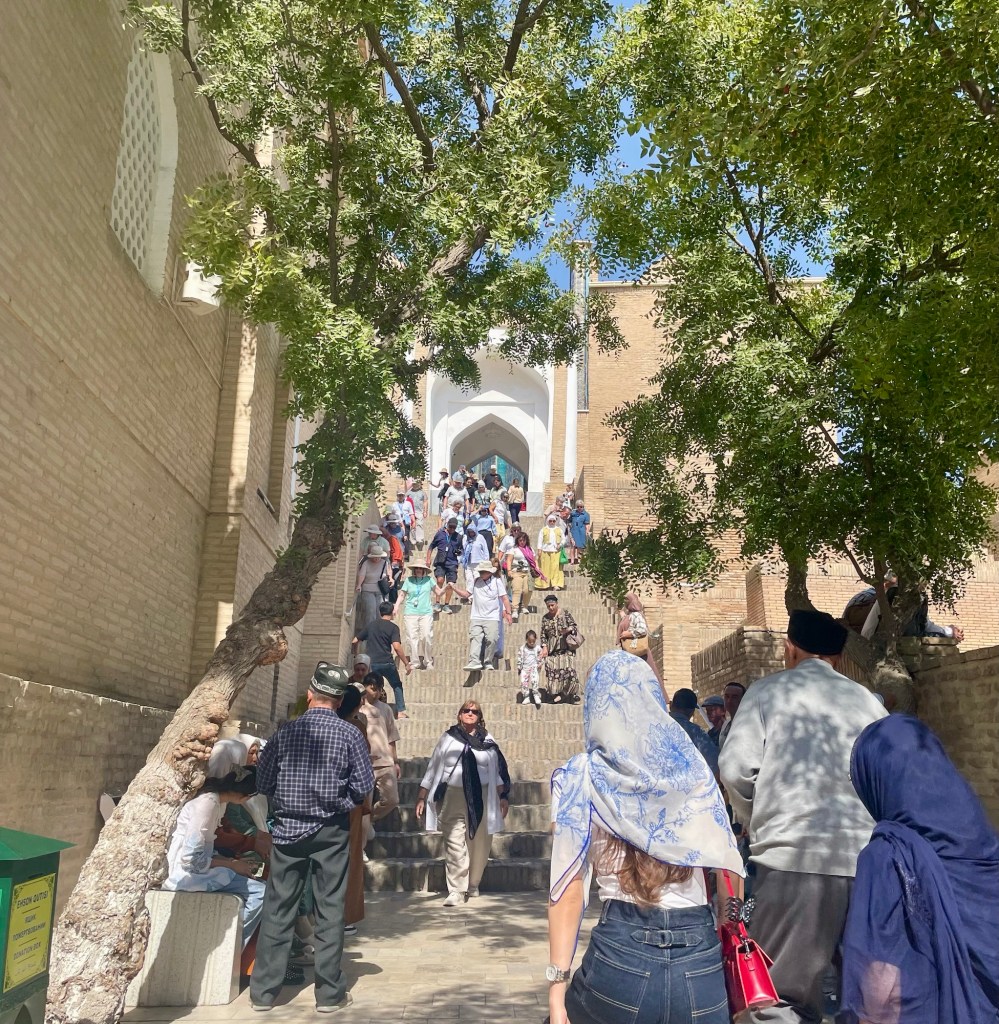
The necropolis is the Shohi Zinda complex dating from the 11th to 19th century. The mausoleums were built for women. 
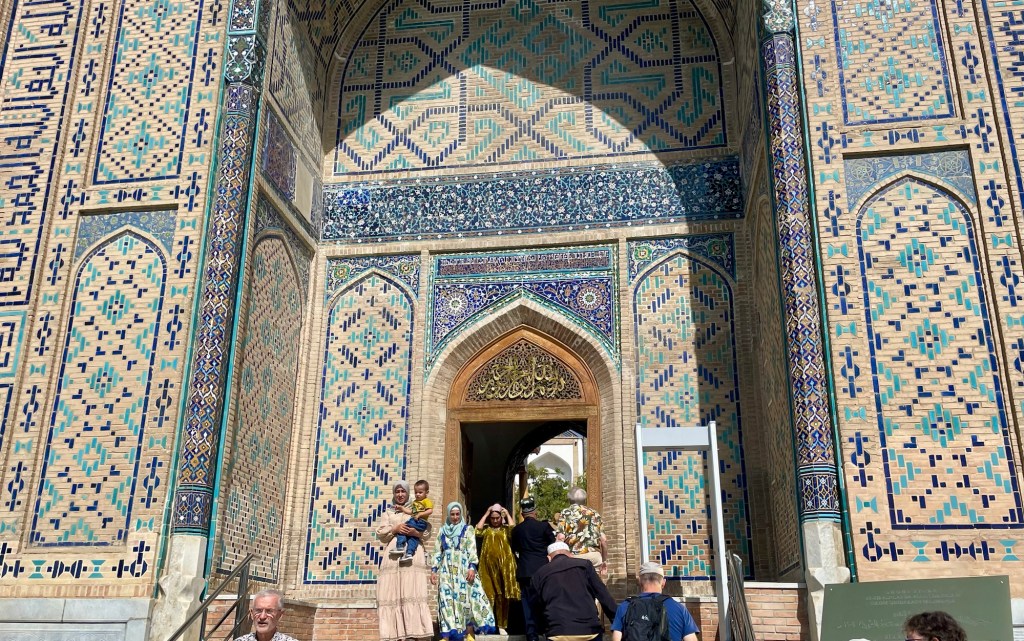
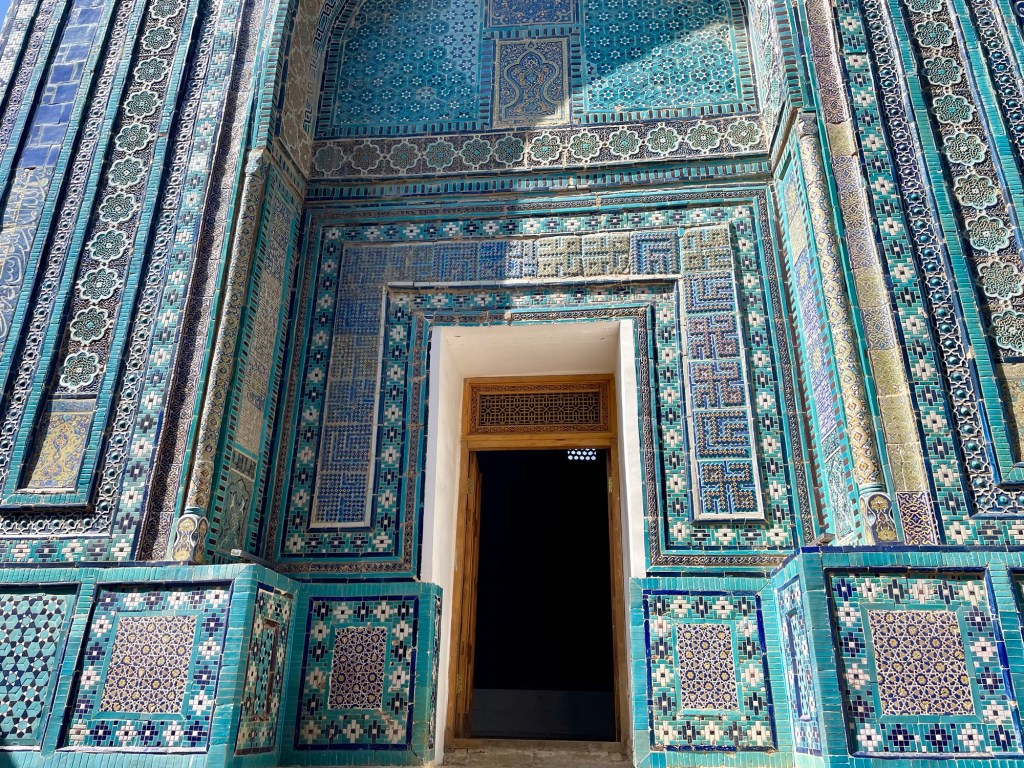
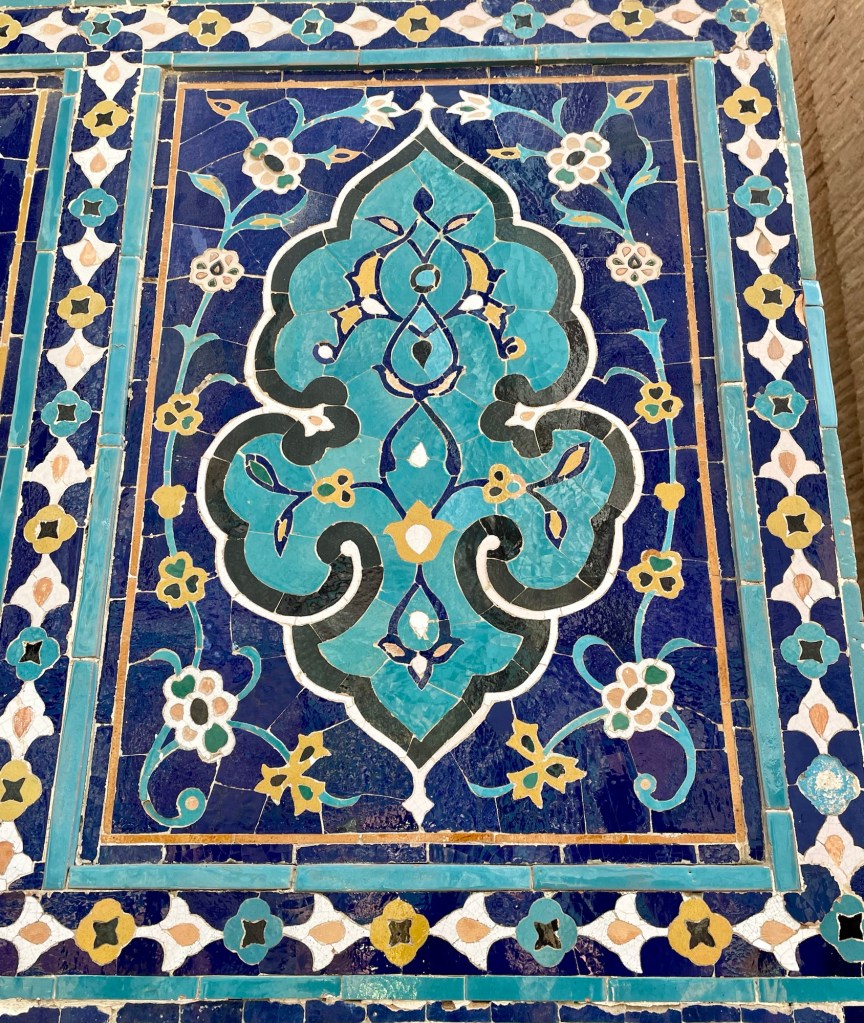
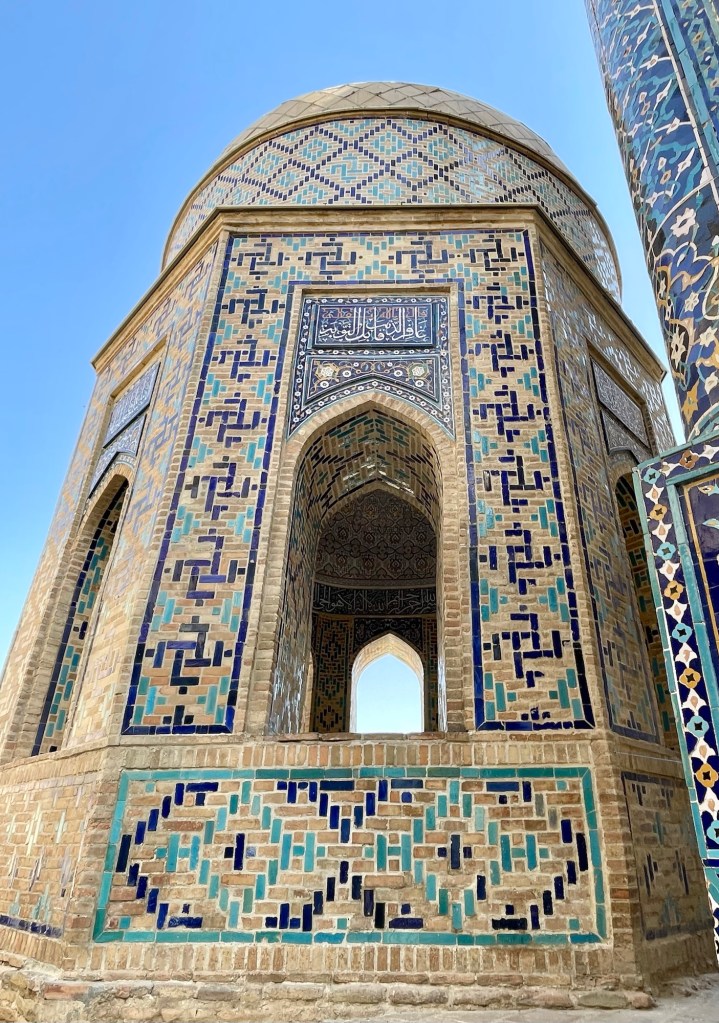
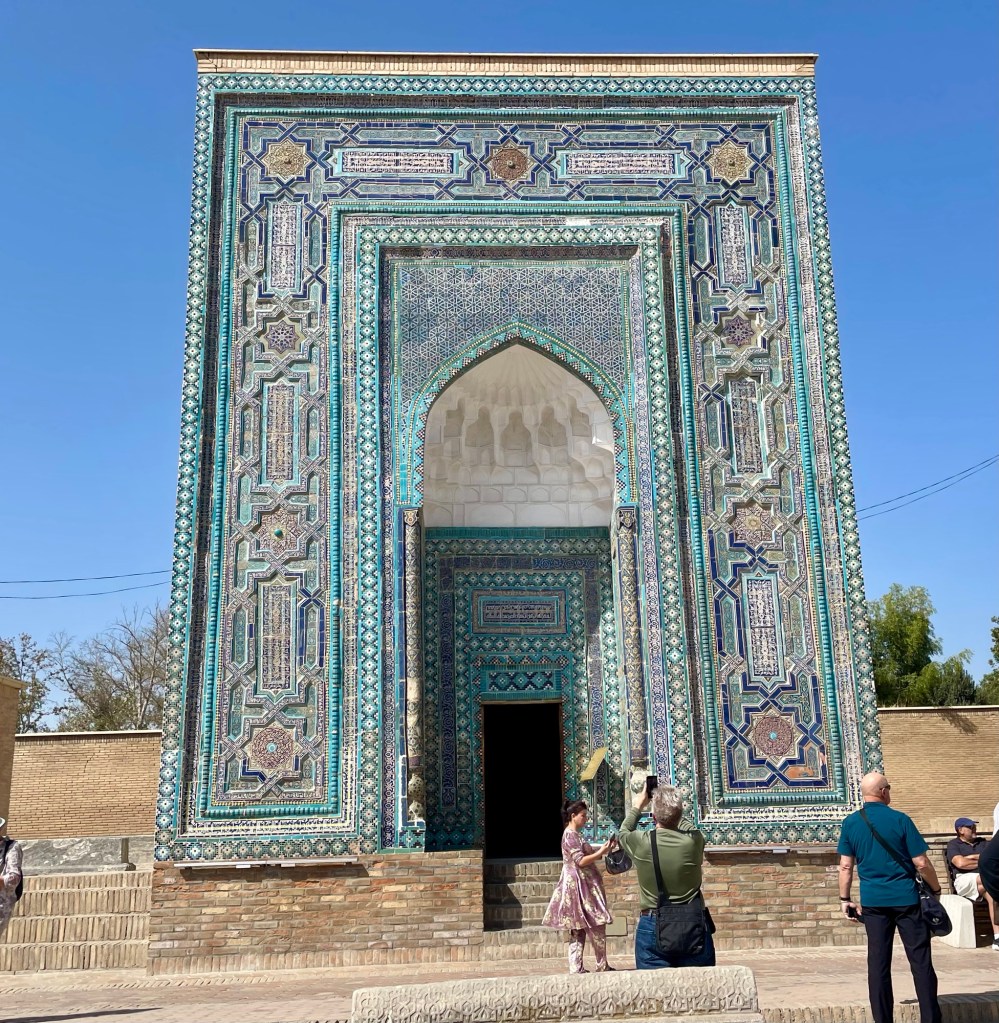
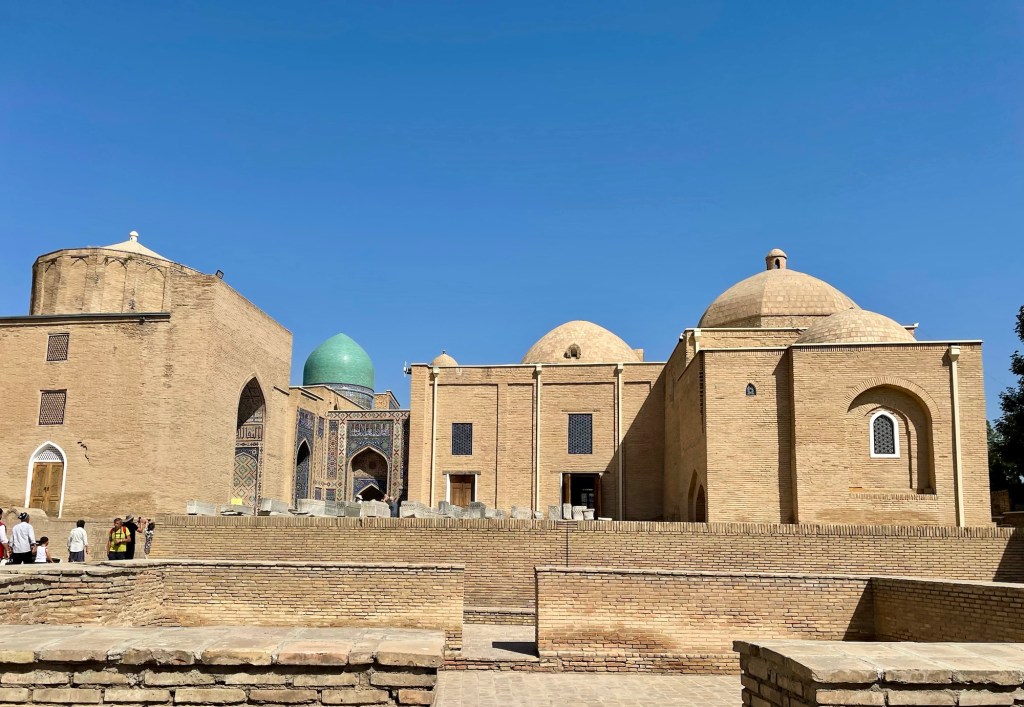
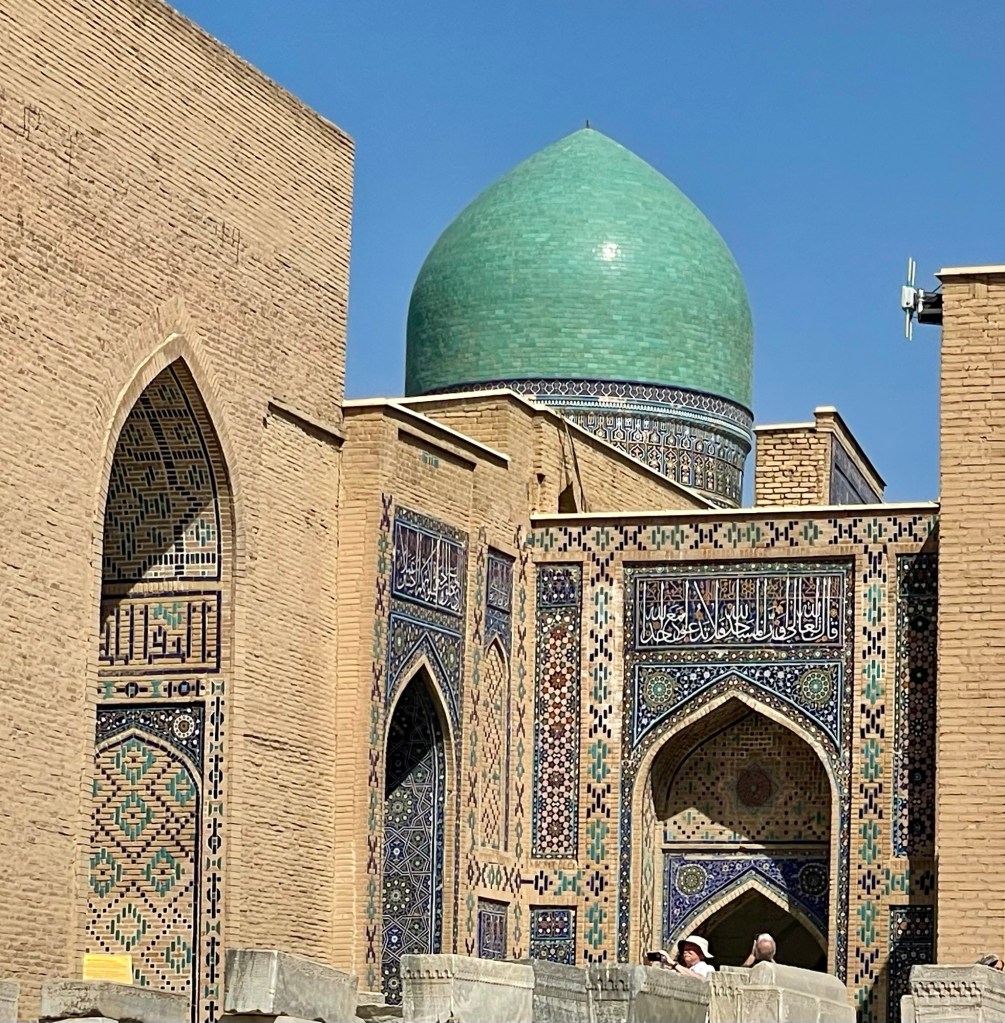
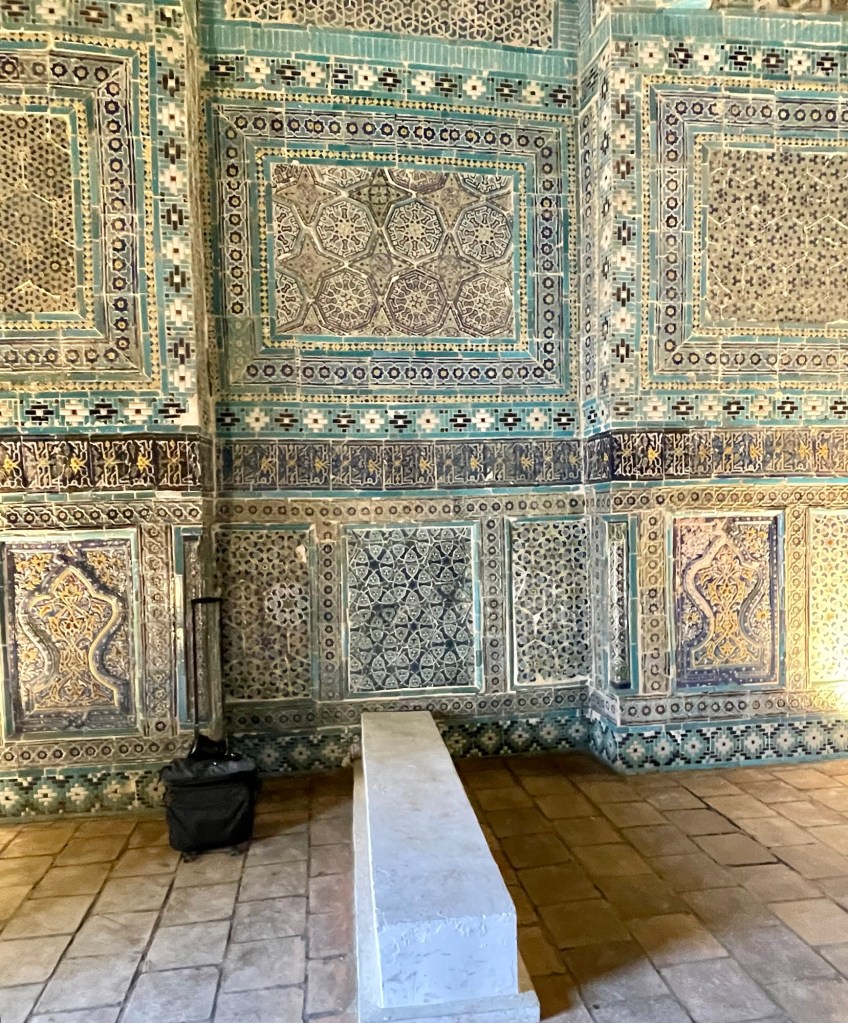
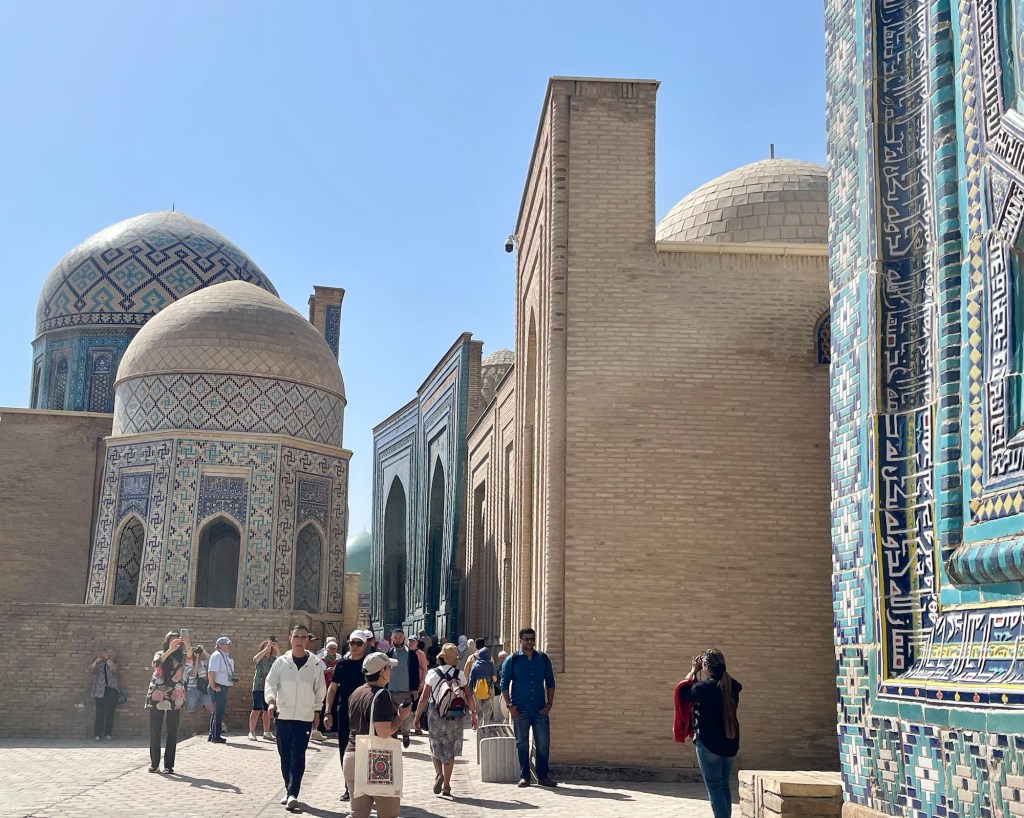
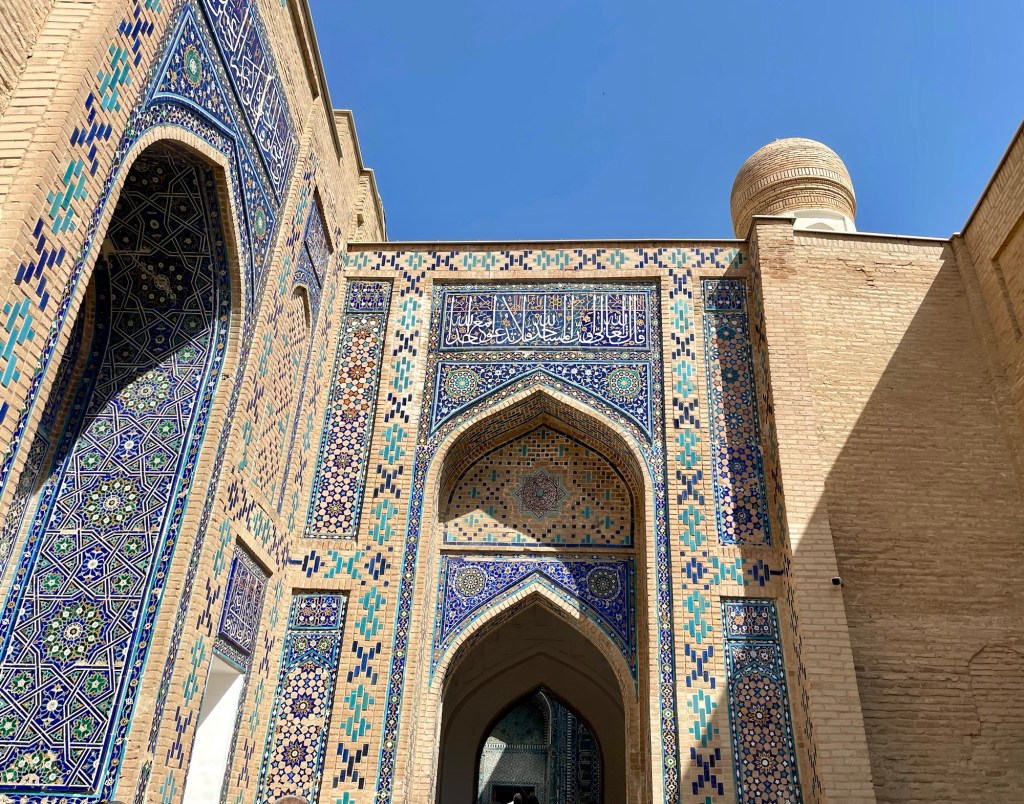
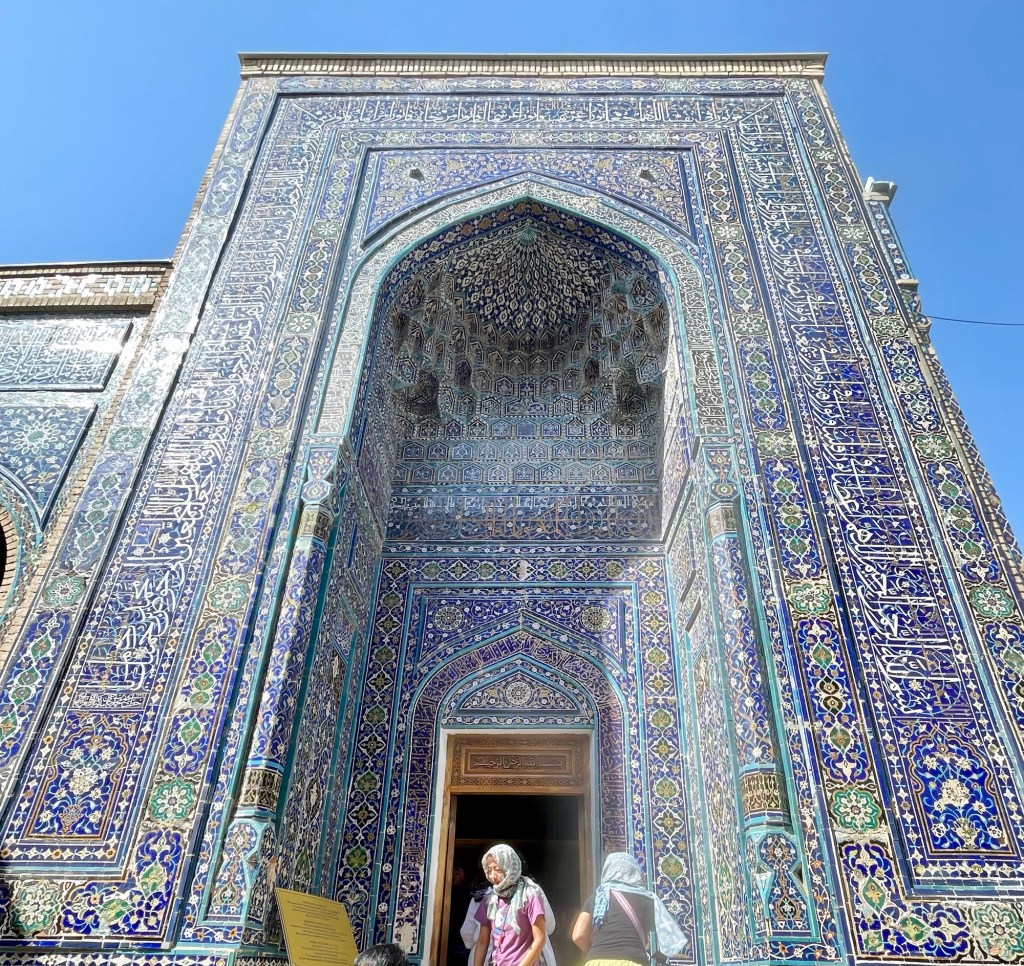
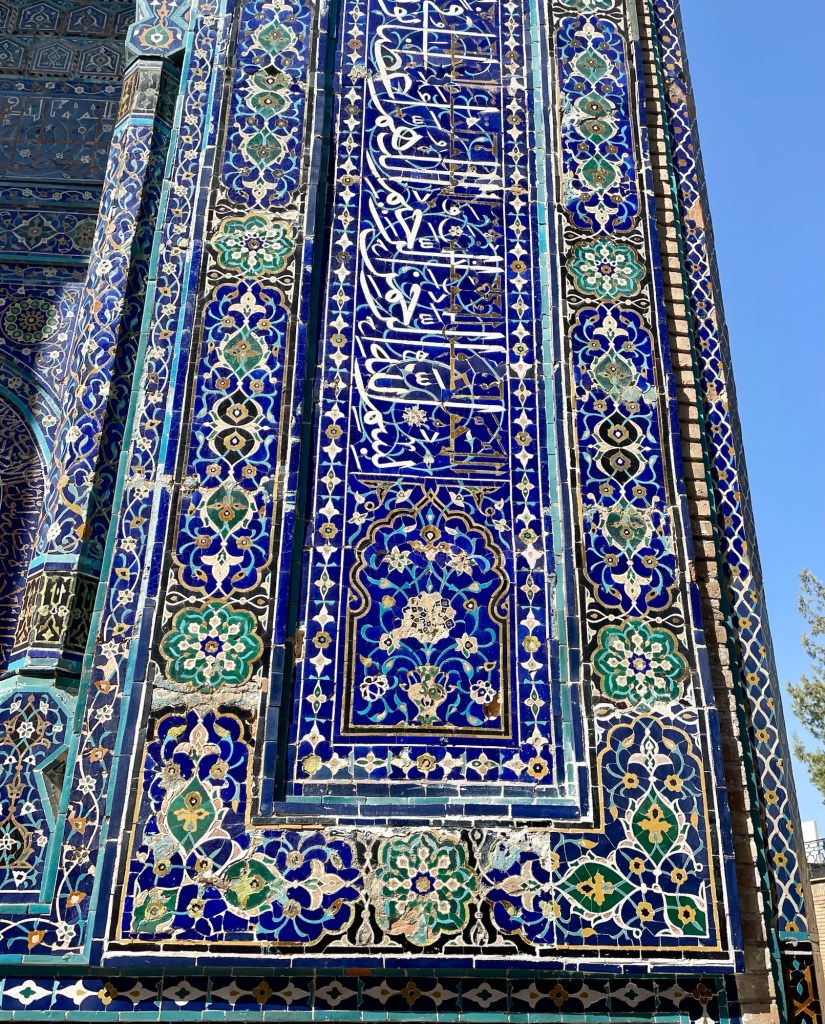
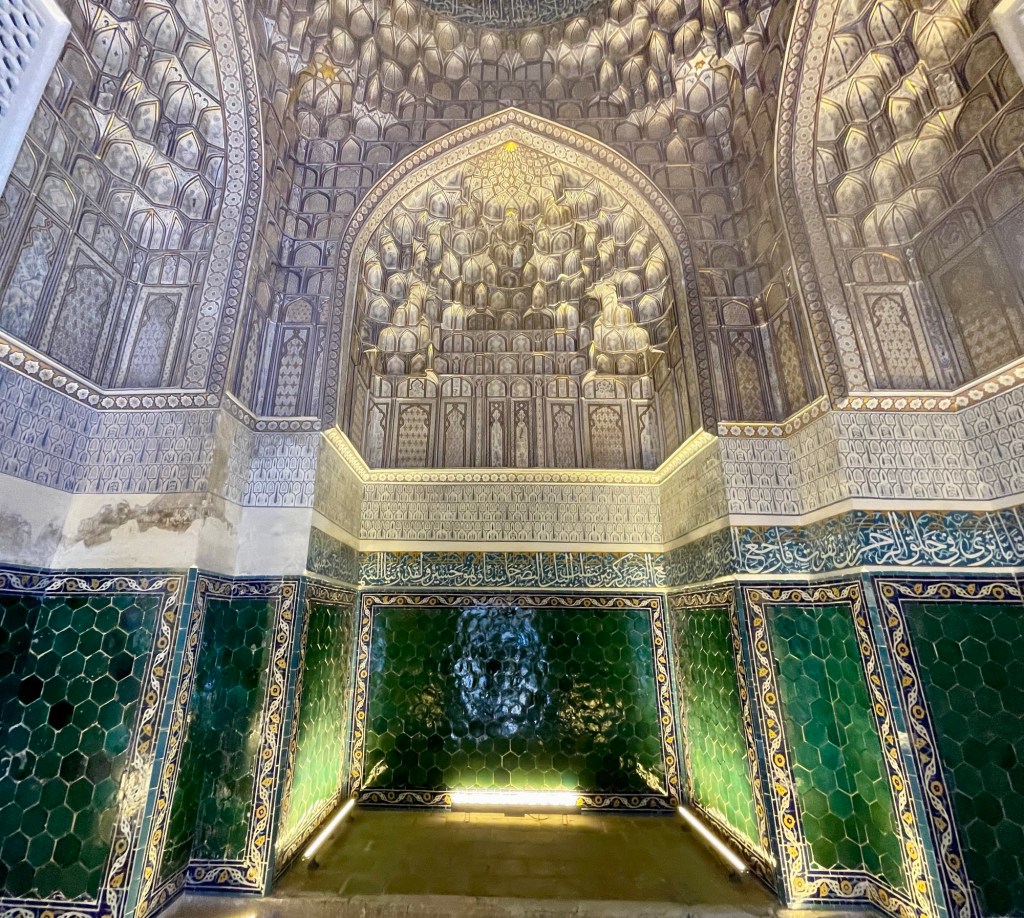
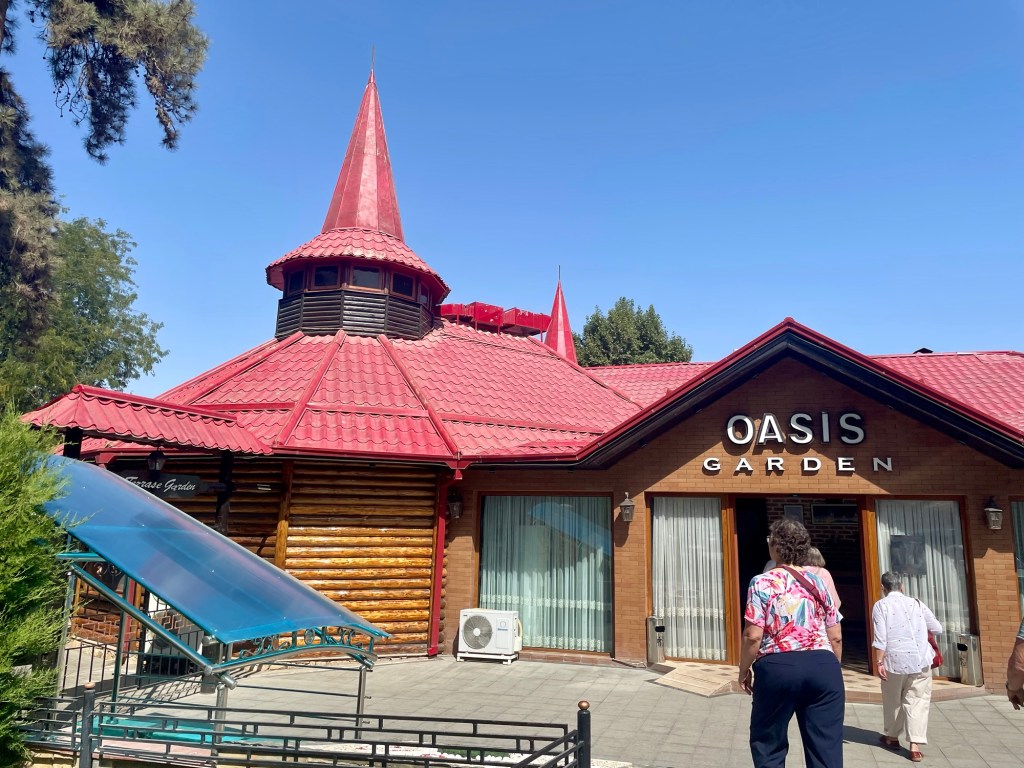
Next stop was a well earned lunch.
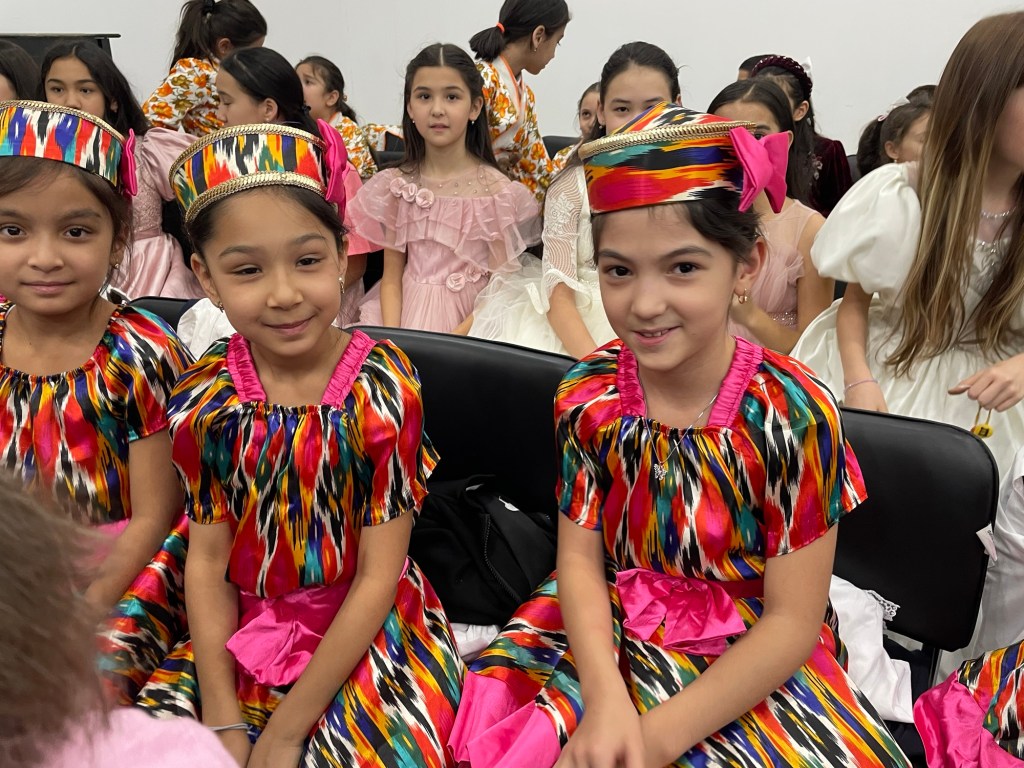
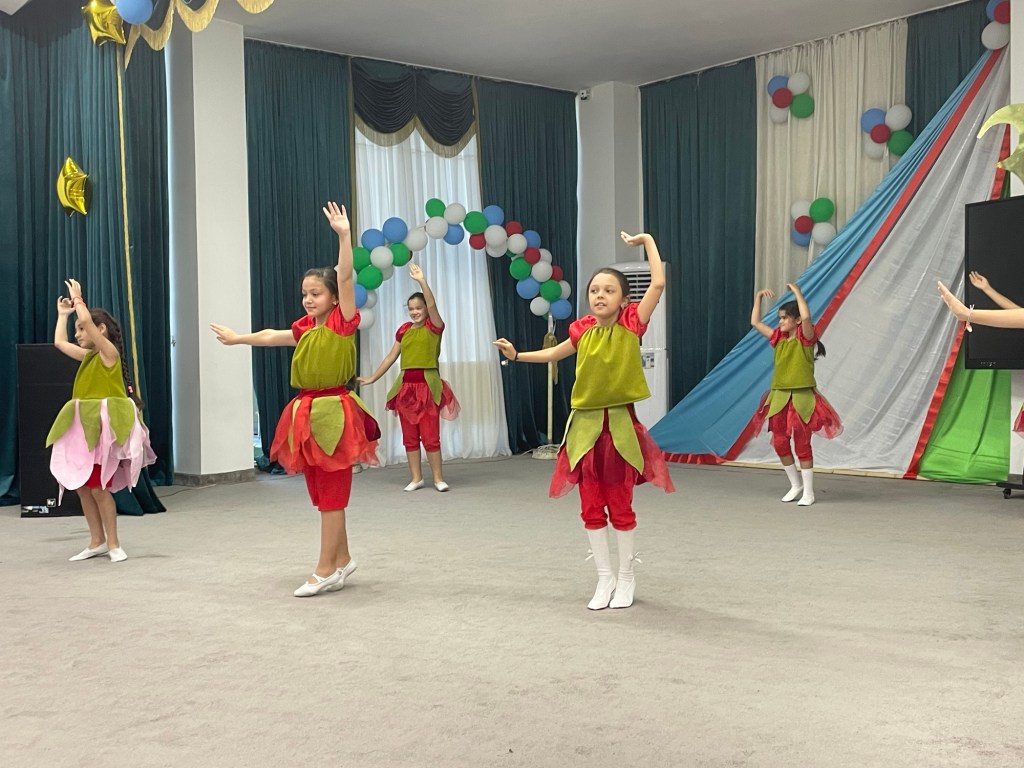
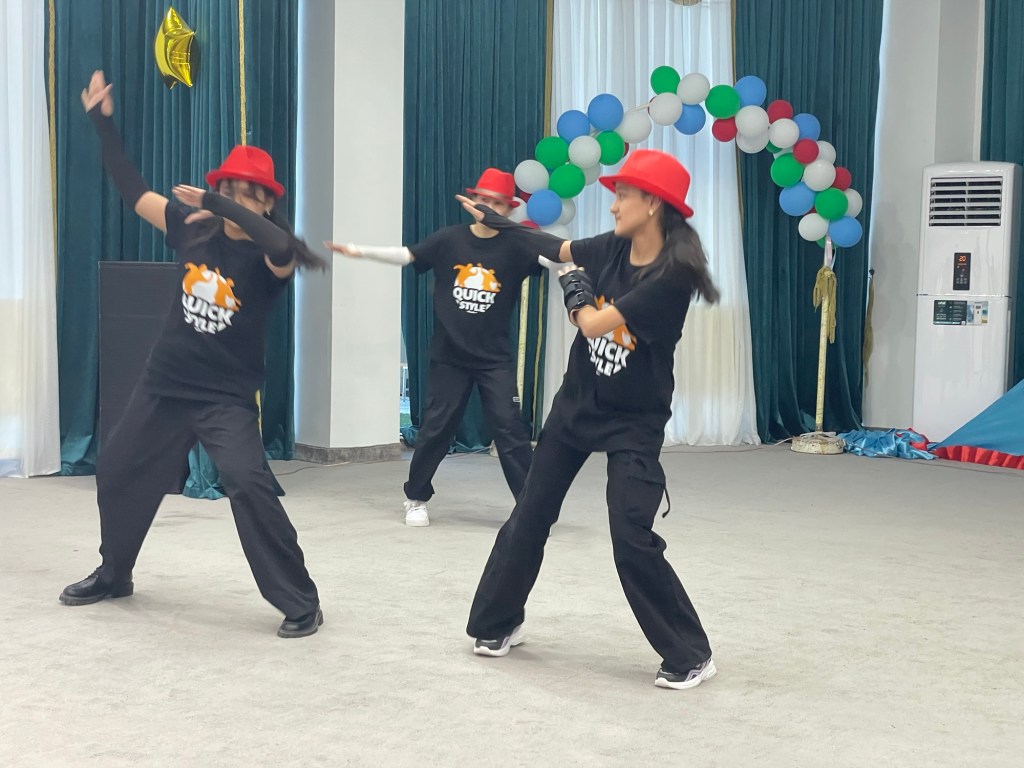
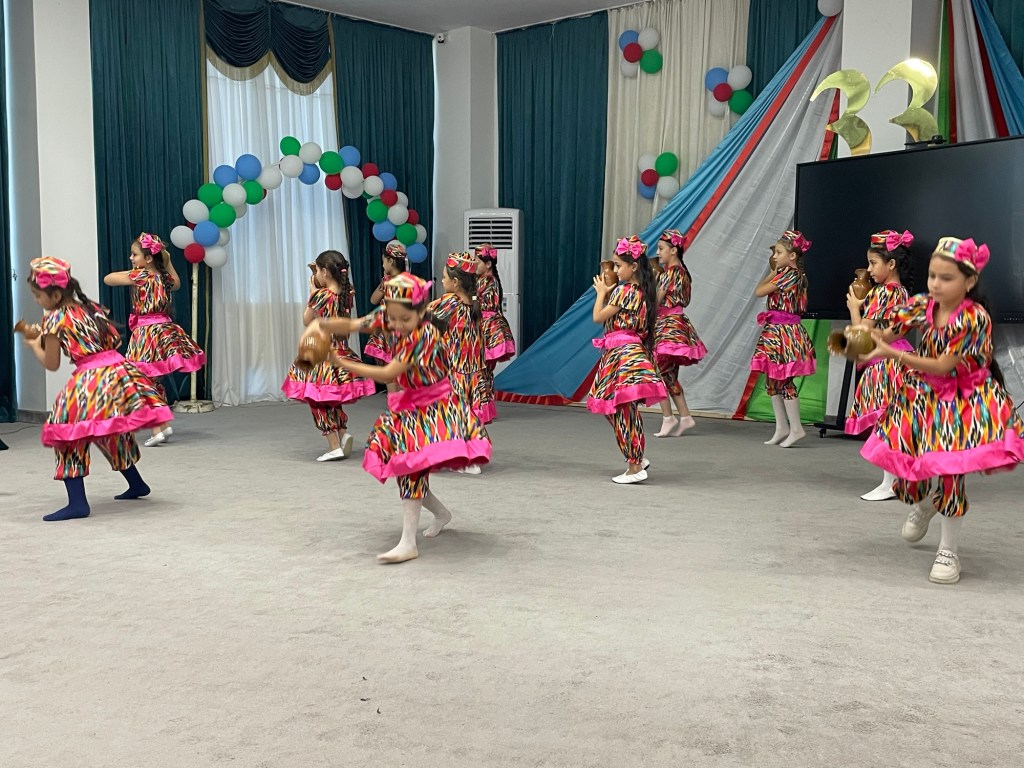
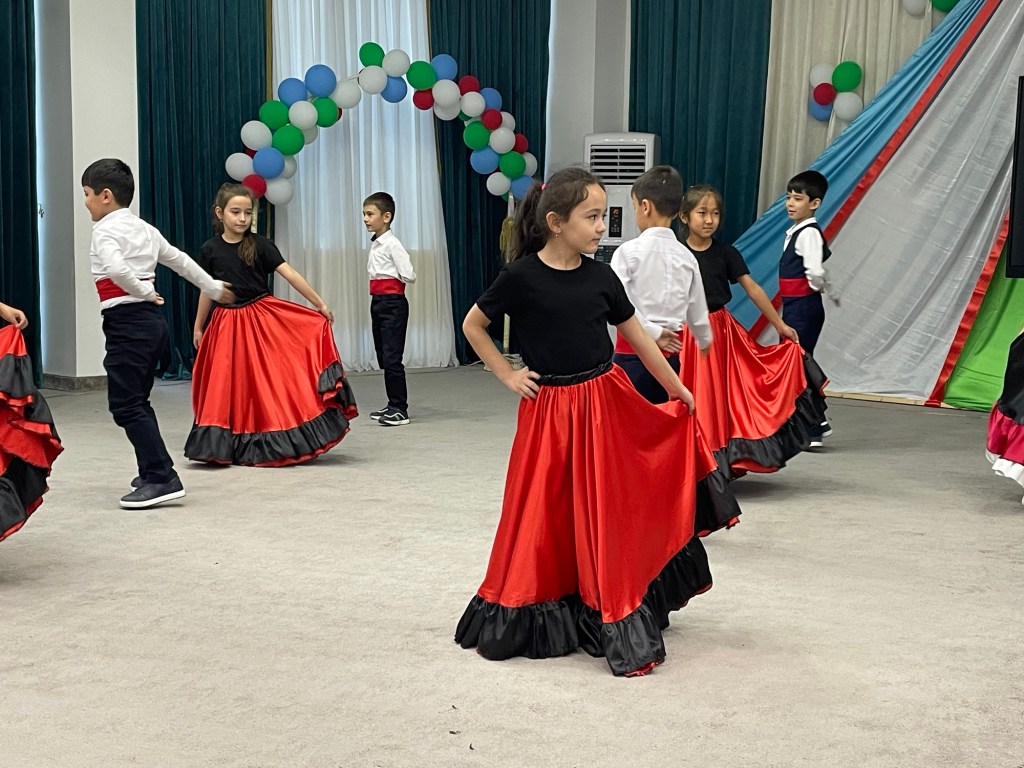
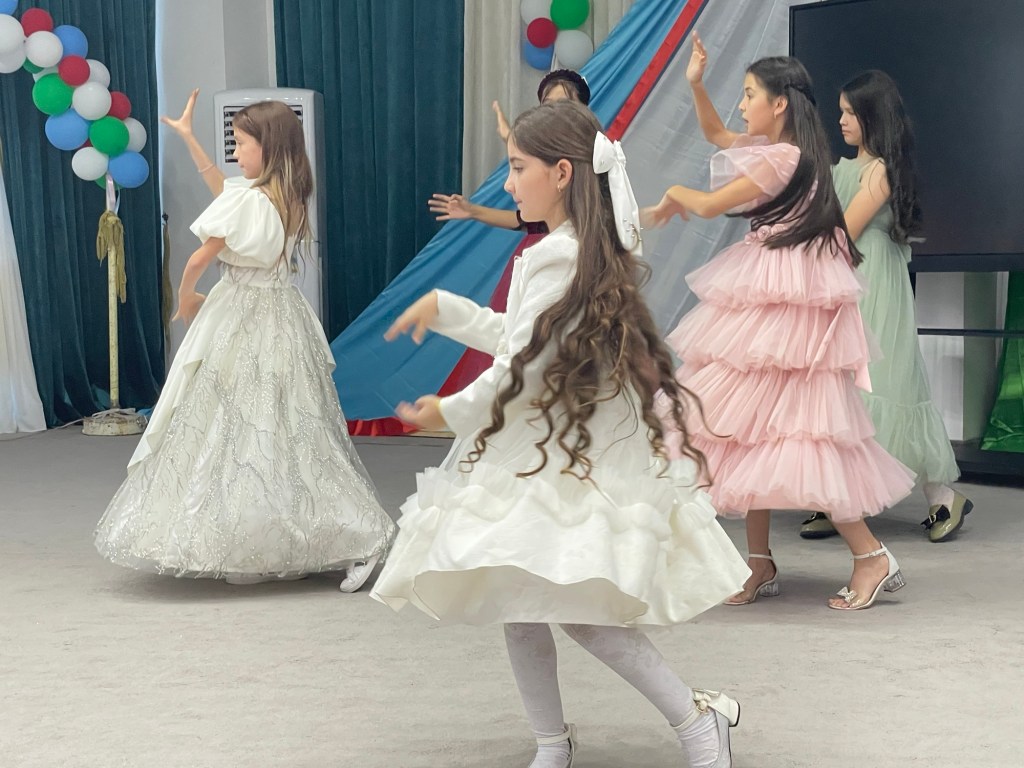
After lunch, we got to enjoy a delightful dance performance at a dance school. The dances perform traditional dances, modern dance, and a Spanish dance. I’m just going to post a bunch of pictures of the kids.

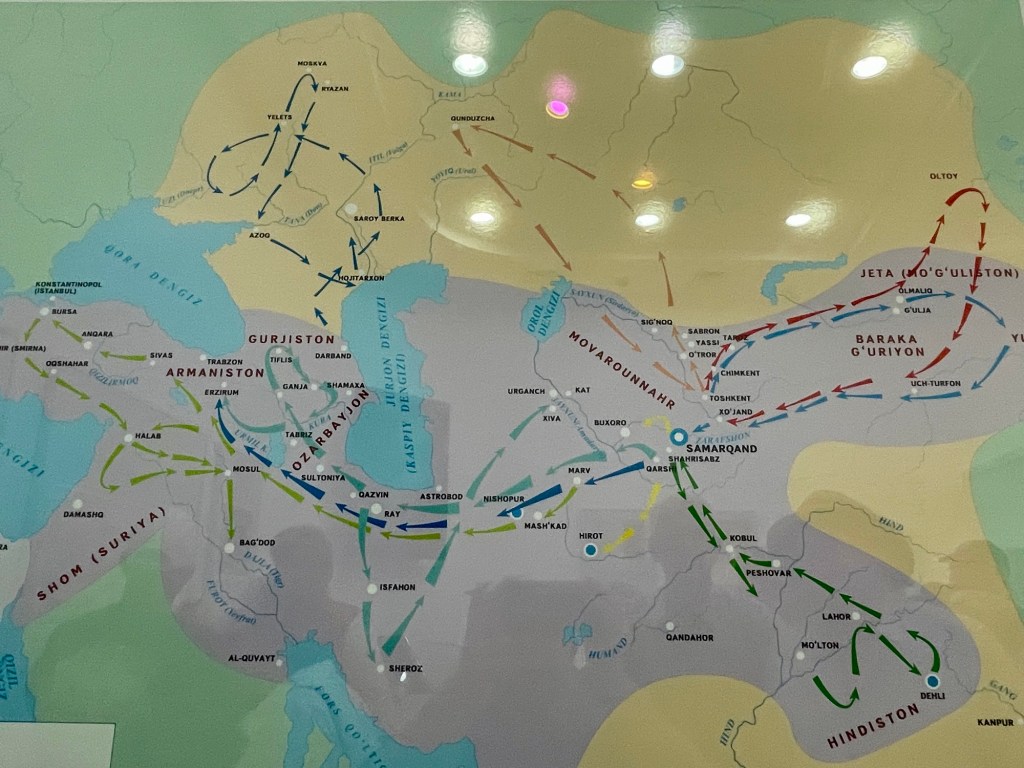
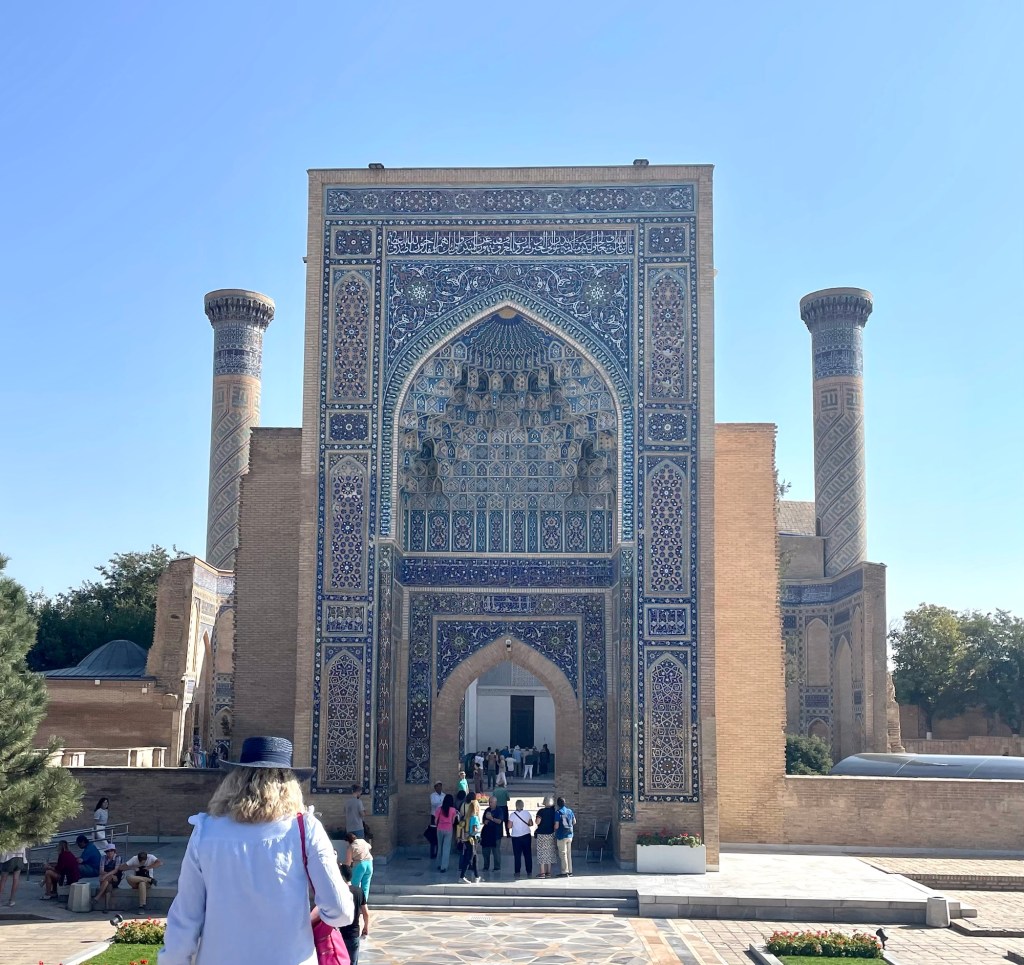
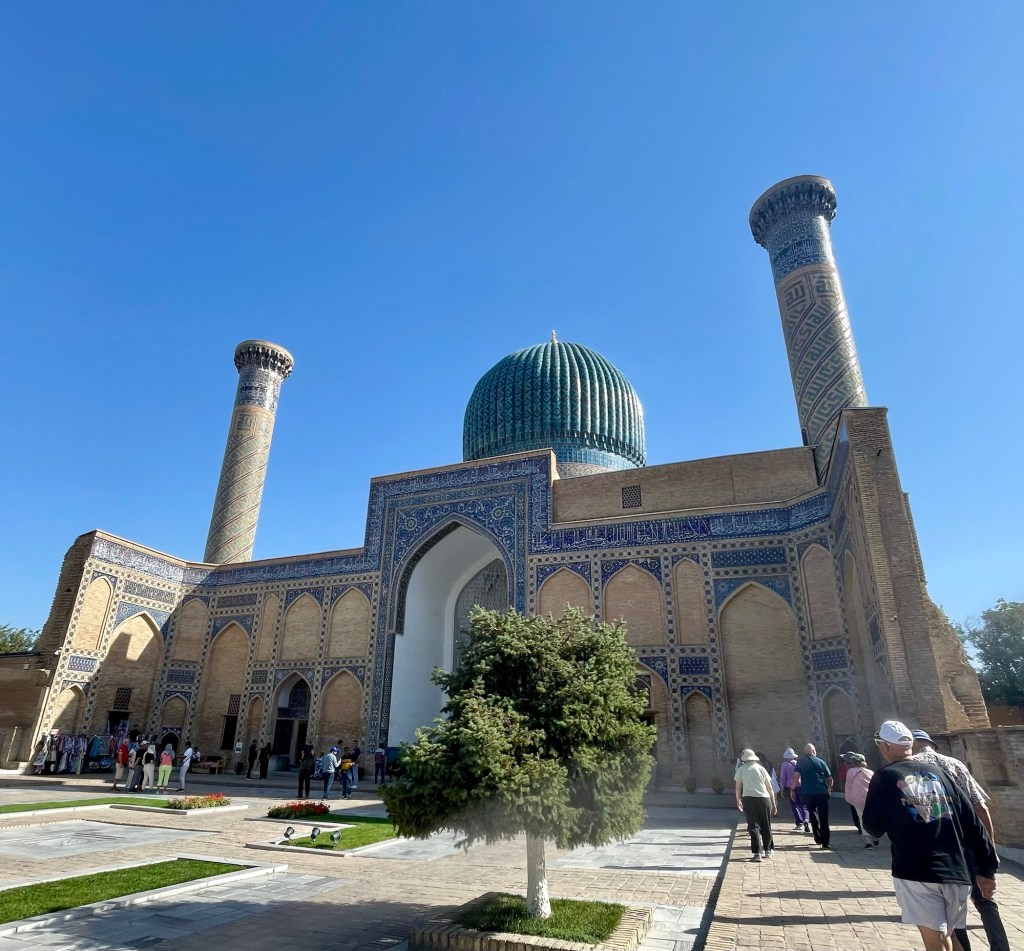
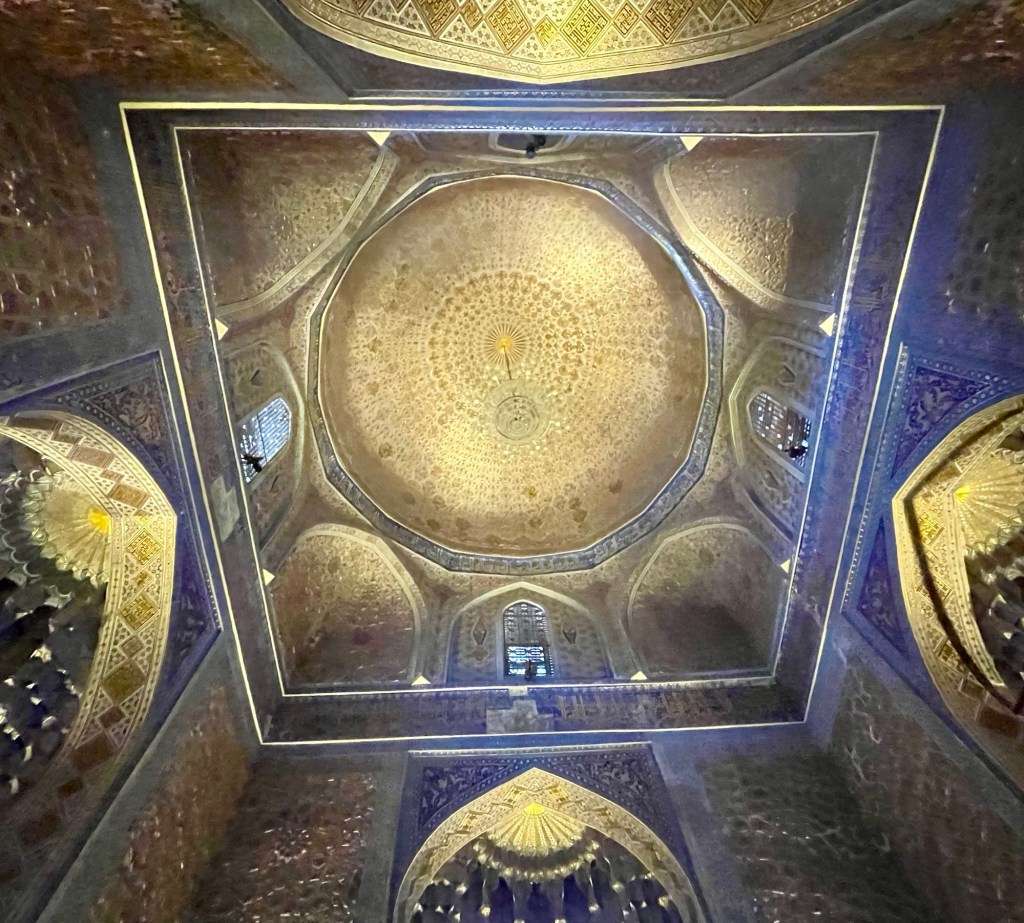
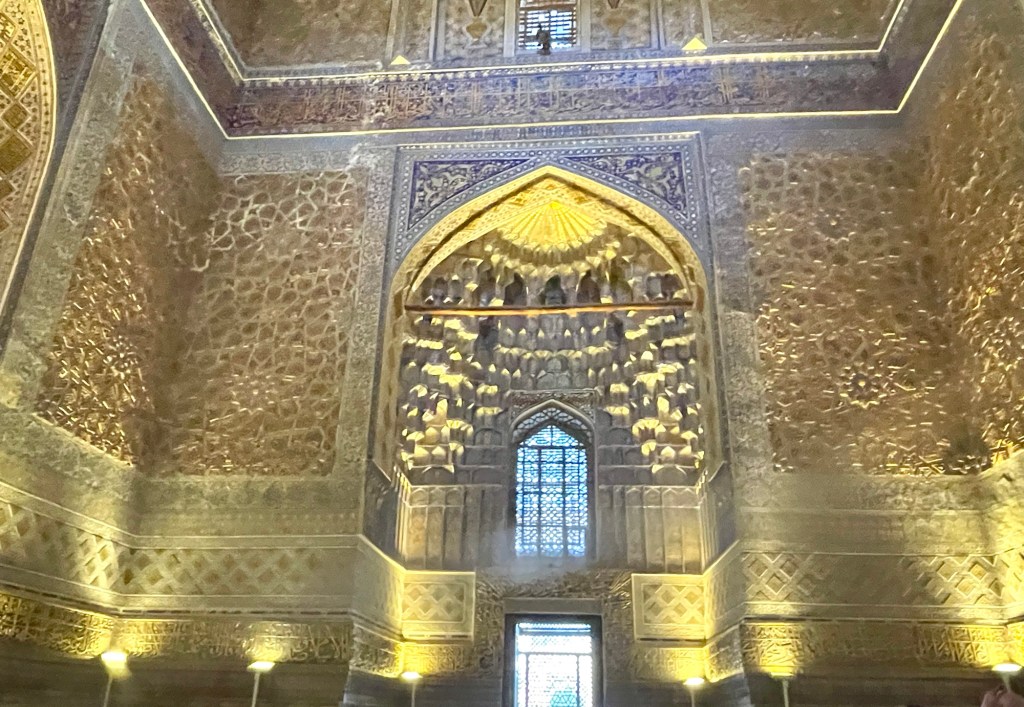
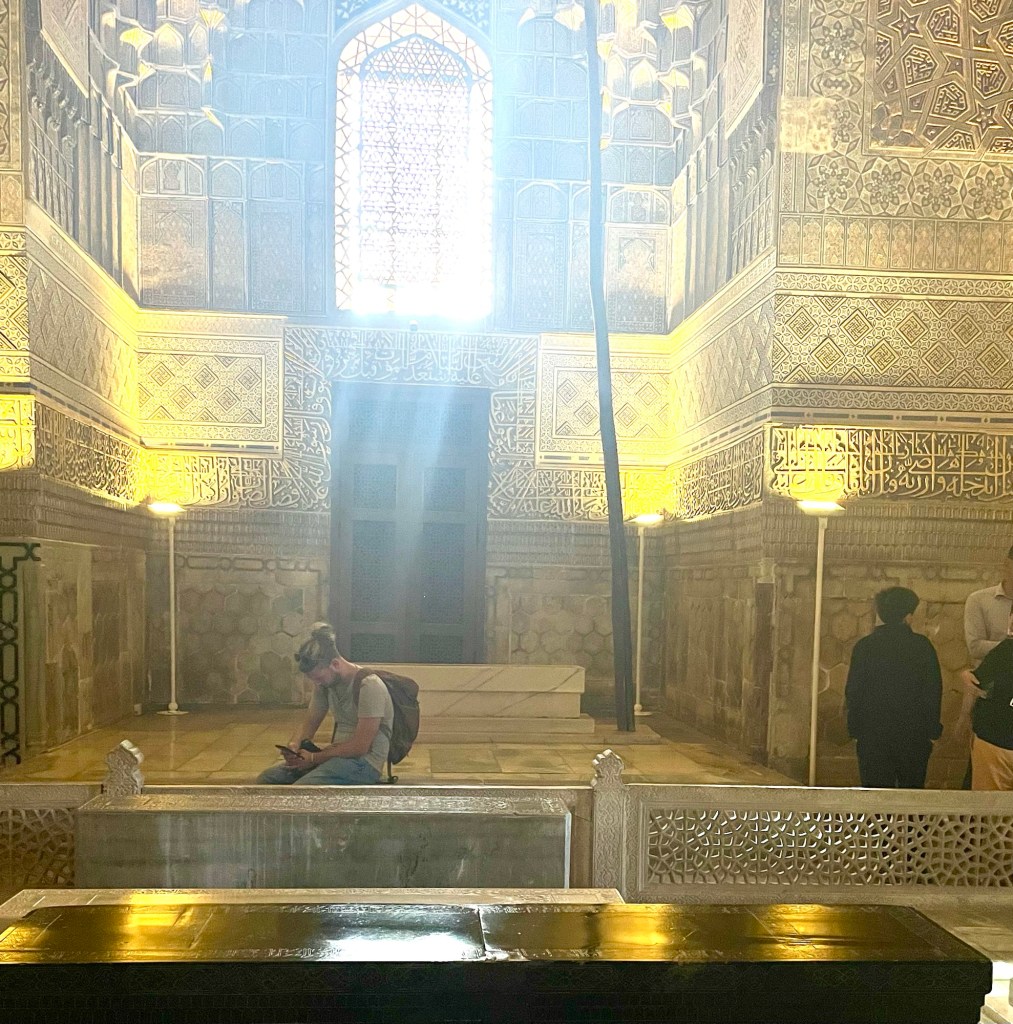
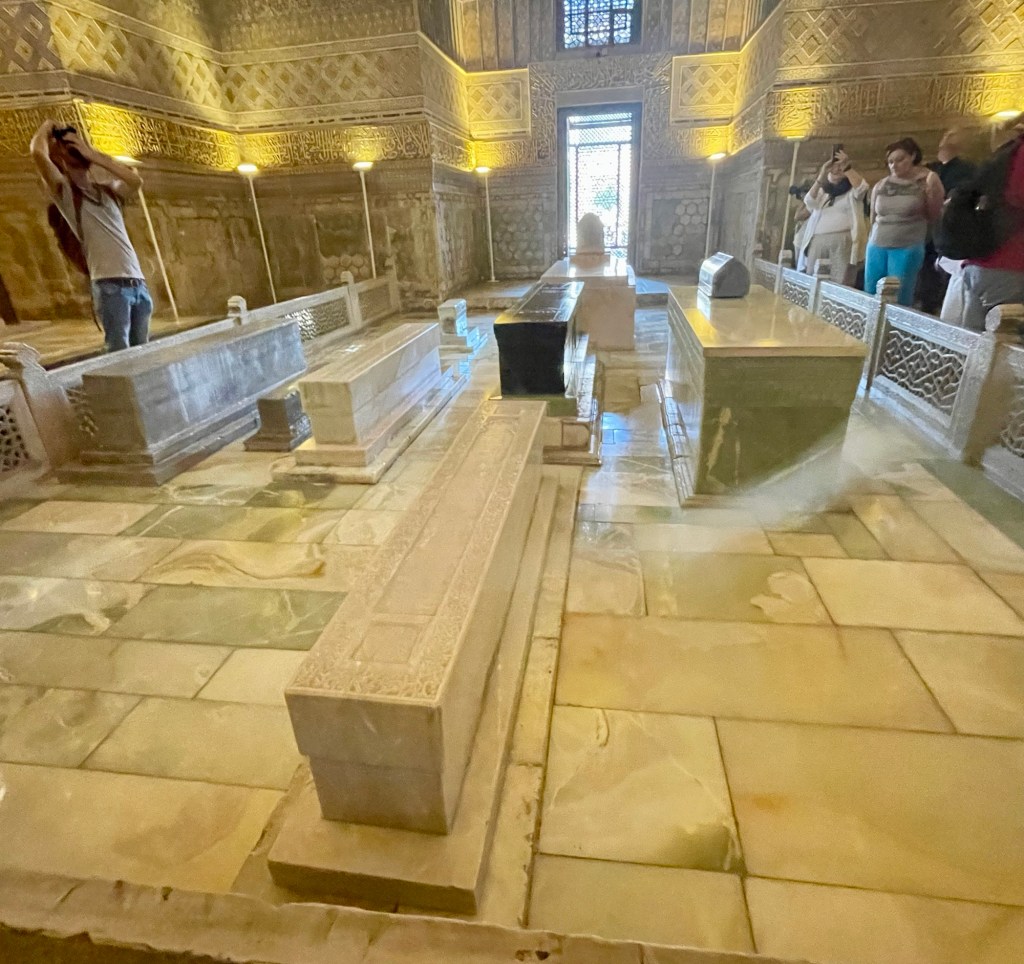
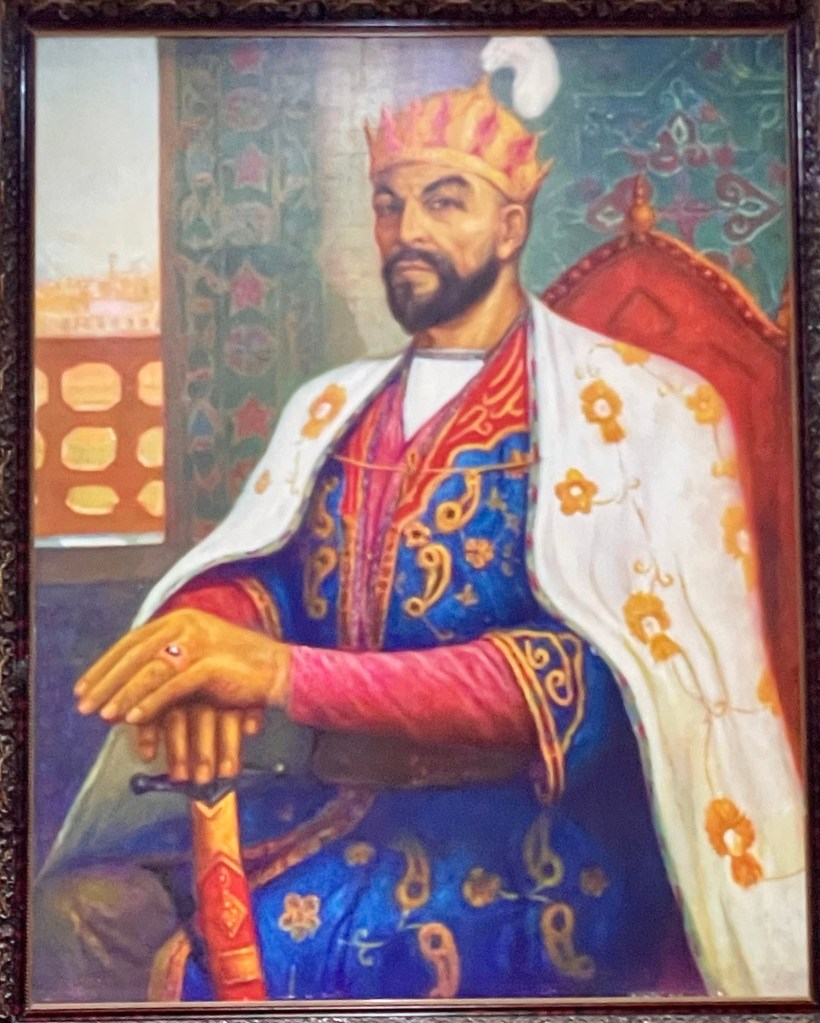
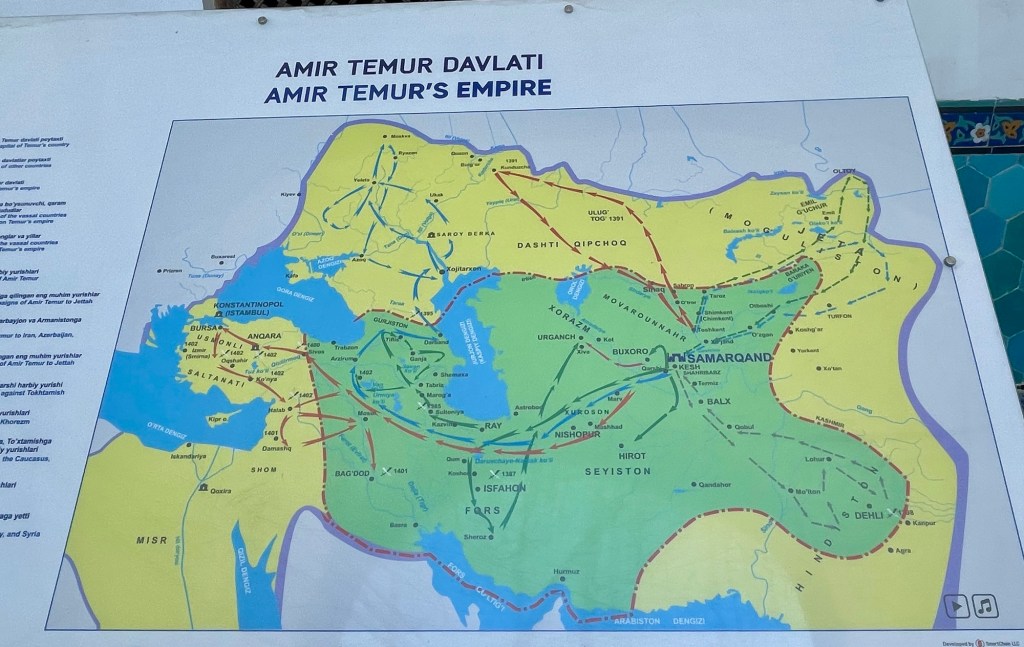
We next visited the Gur-Emir mausoleum, the final resting place of Amir Timur, also known as Tamerlane, built at the turn of the 15th century. The interior of the mausoleum has been restored and is brilliant in gold leaf and fresh tile. The heavy gilded central dome opens over a set of tomb markers, resembling sarcophagi. All are marble, with the exception of Amir Timur, which is a slab of solid Jade. Timur, a Turkic ruler, led a small nomad band and by guile and force of arms established dominion over Central Asia by the 1360s. About 1370 Timur proclaimed himself sovereign of the Chagatai line of khans and restorer of the Mongol empire. He then for three decades led his army to subdue each state from Mongolia to the Mediterranean. He is considered the national hero of Uzbekistan.
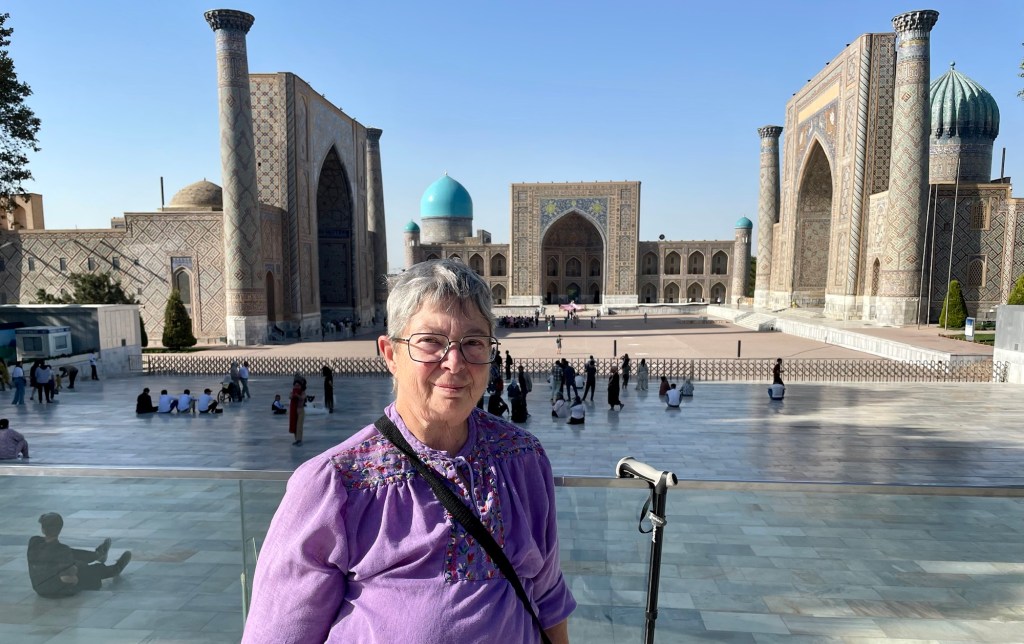
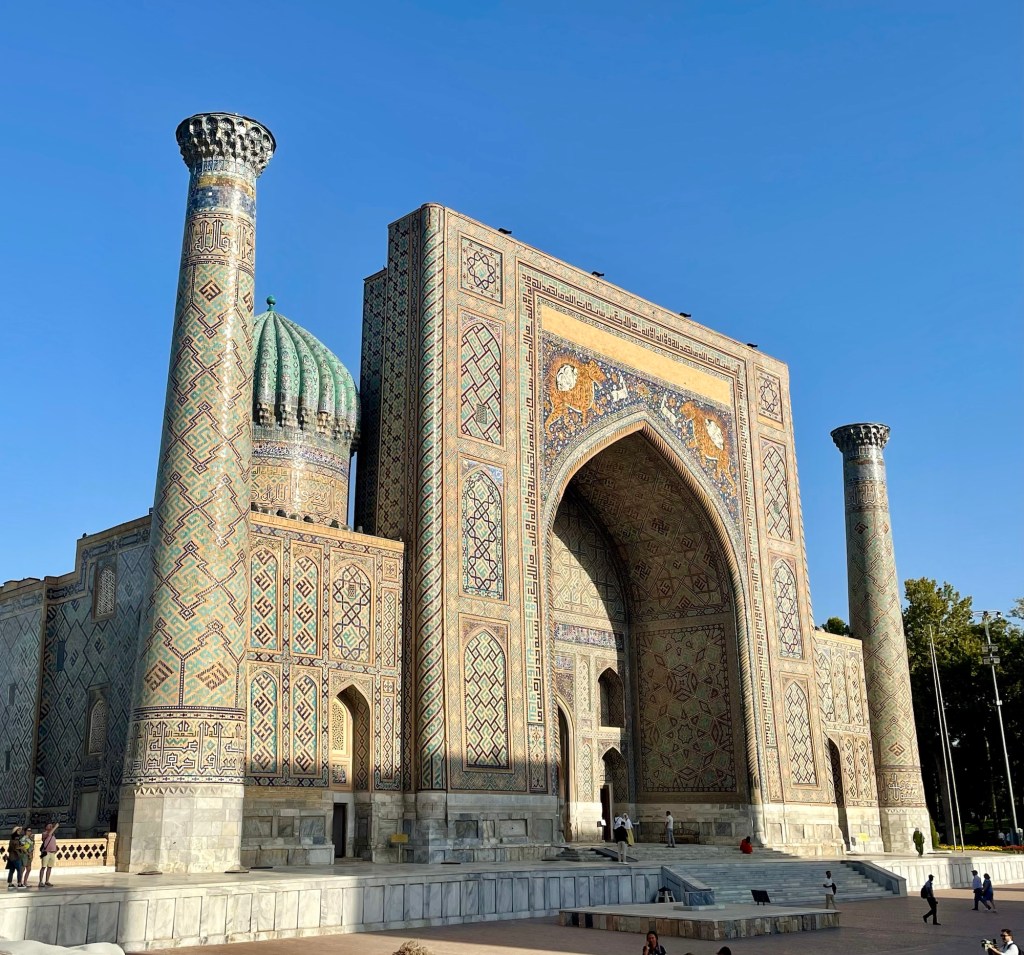
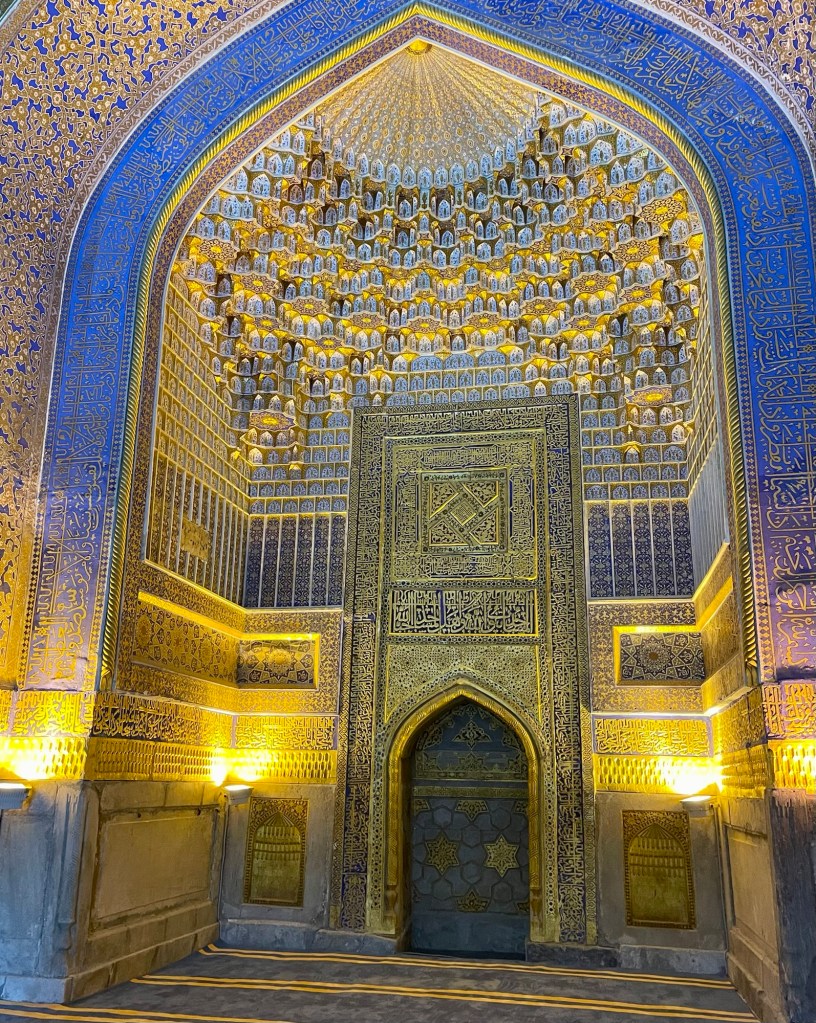
Our last stop of the day was at Registan Square, the centerpiece of the city and its most recognizable landmark. Three emblematic Madrassas frame the square and loom over the empty space in the center.
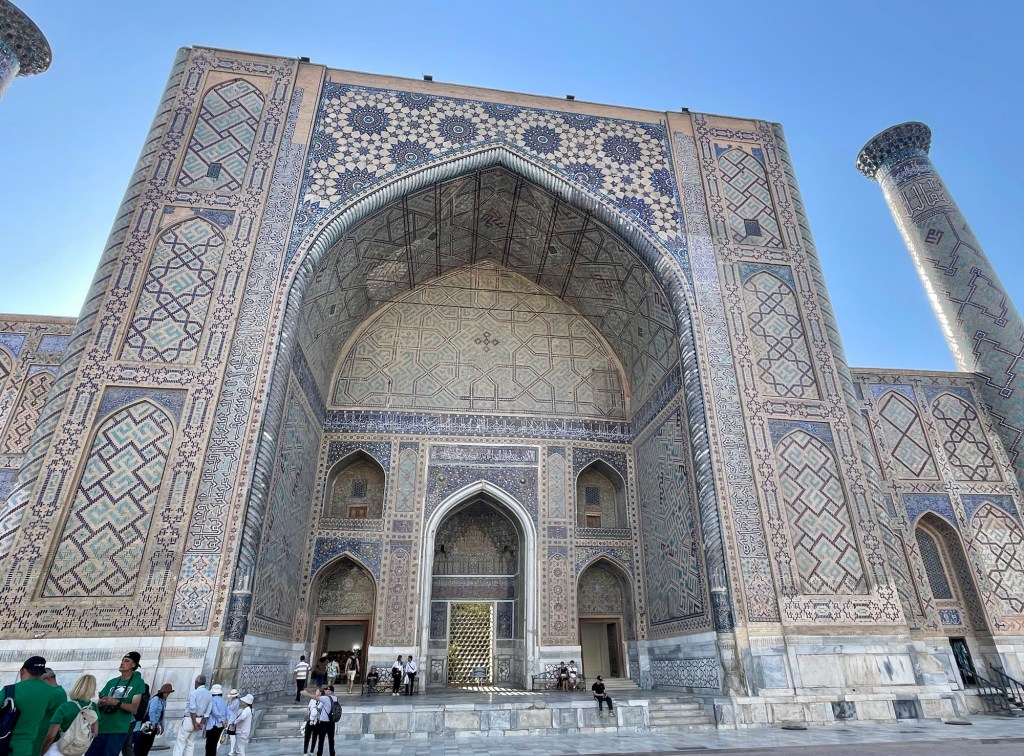
Pictures of Ulugbek’s Madrassah.
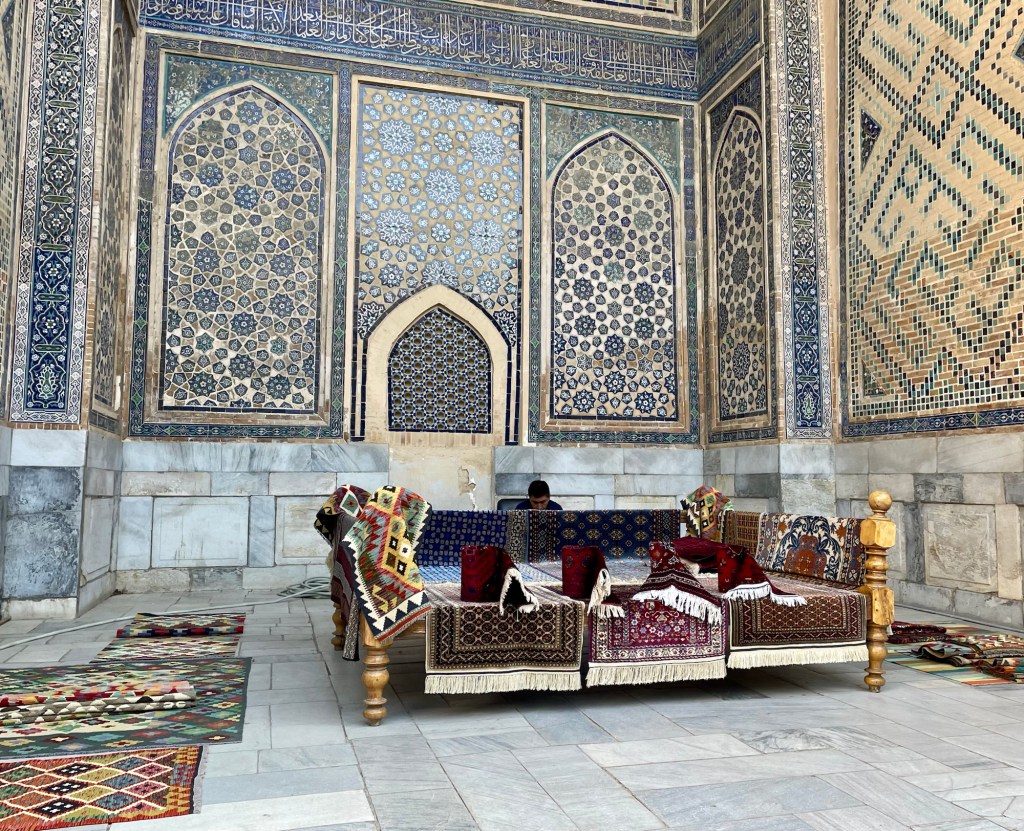
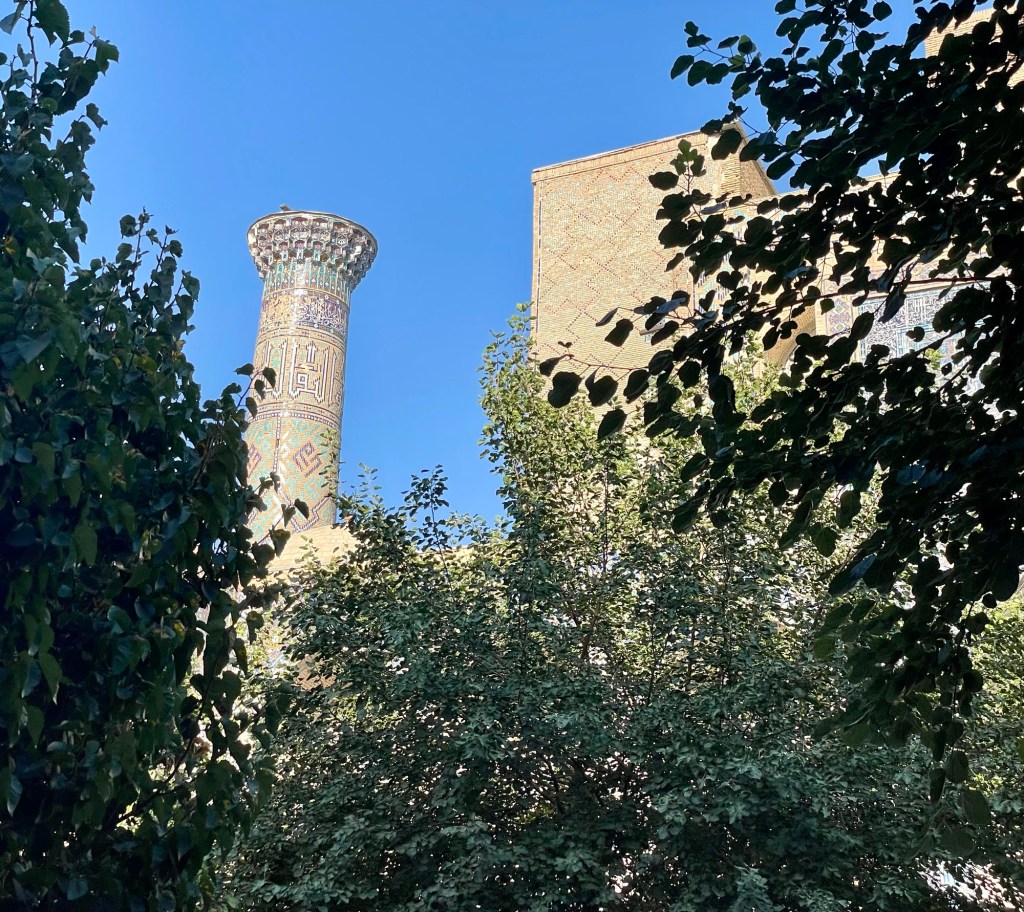
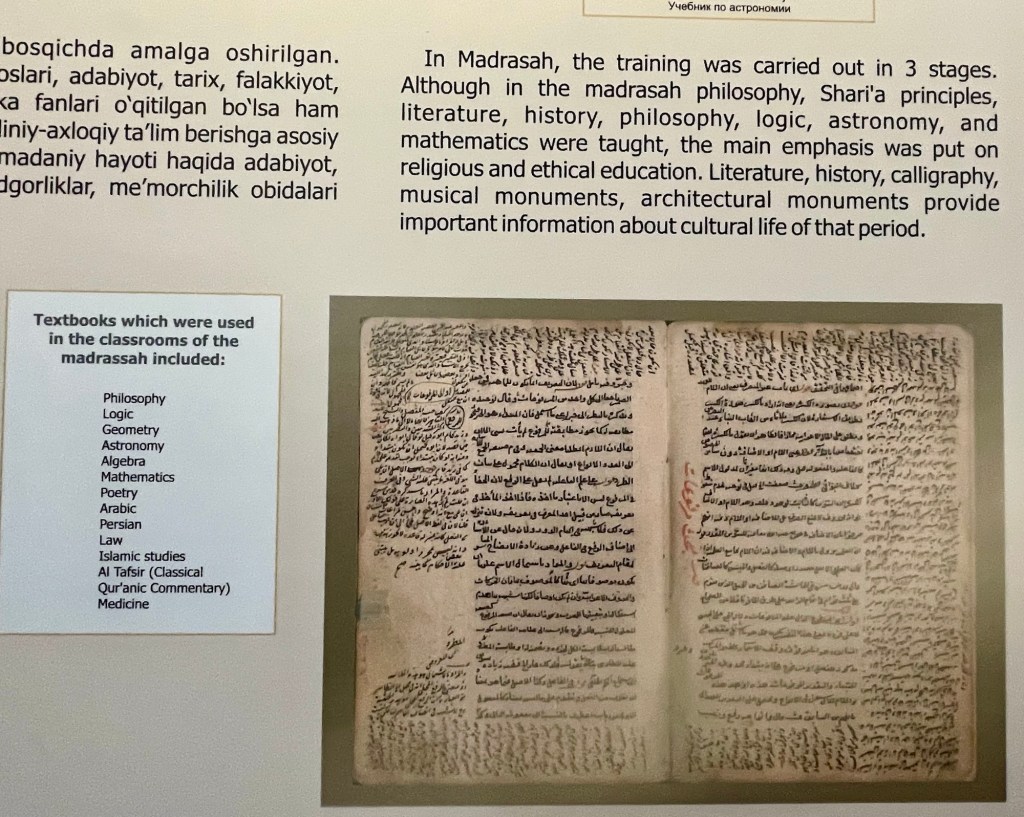
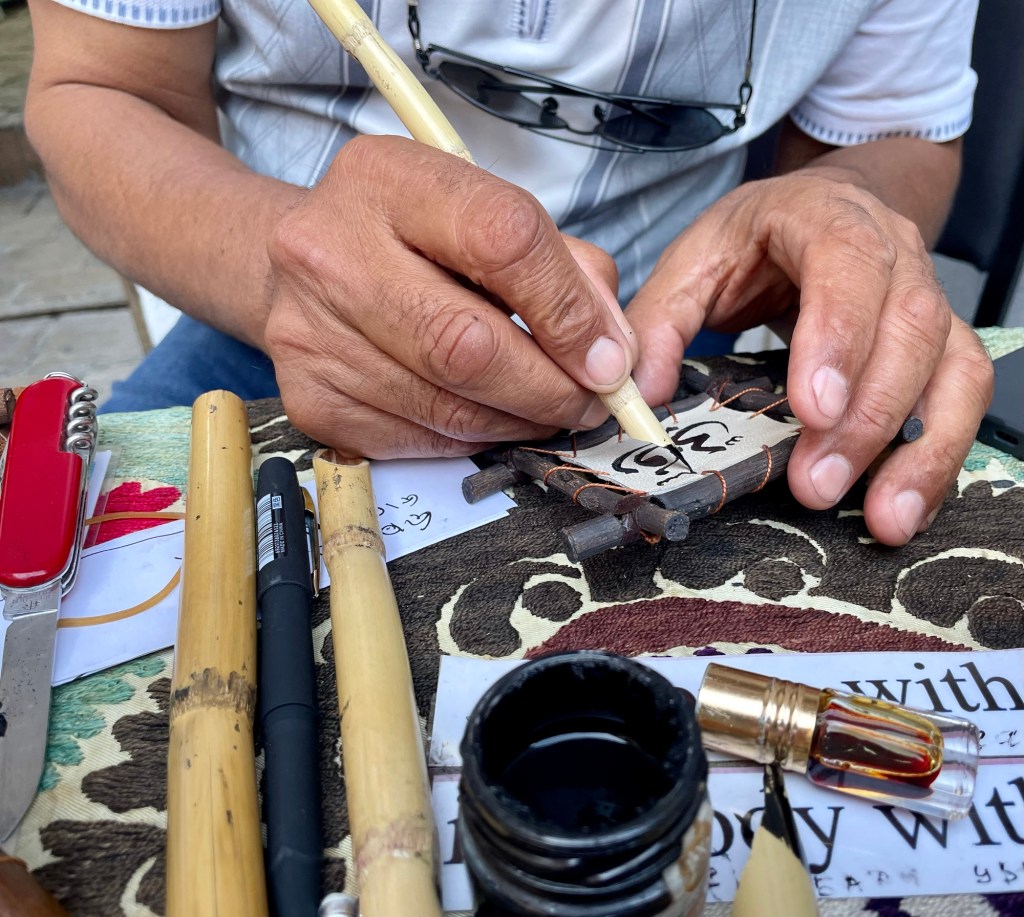
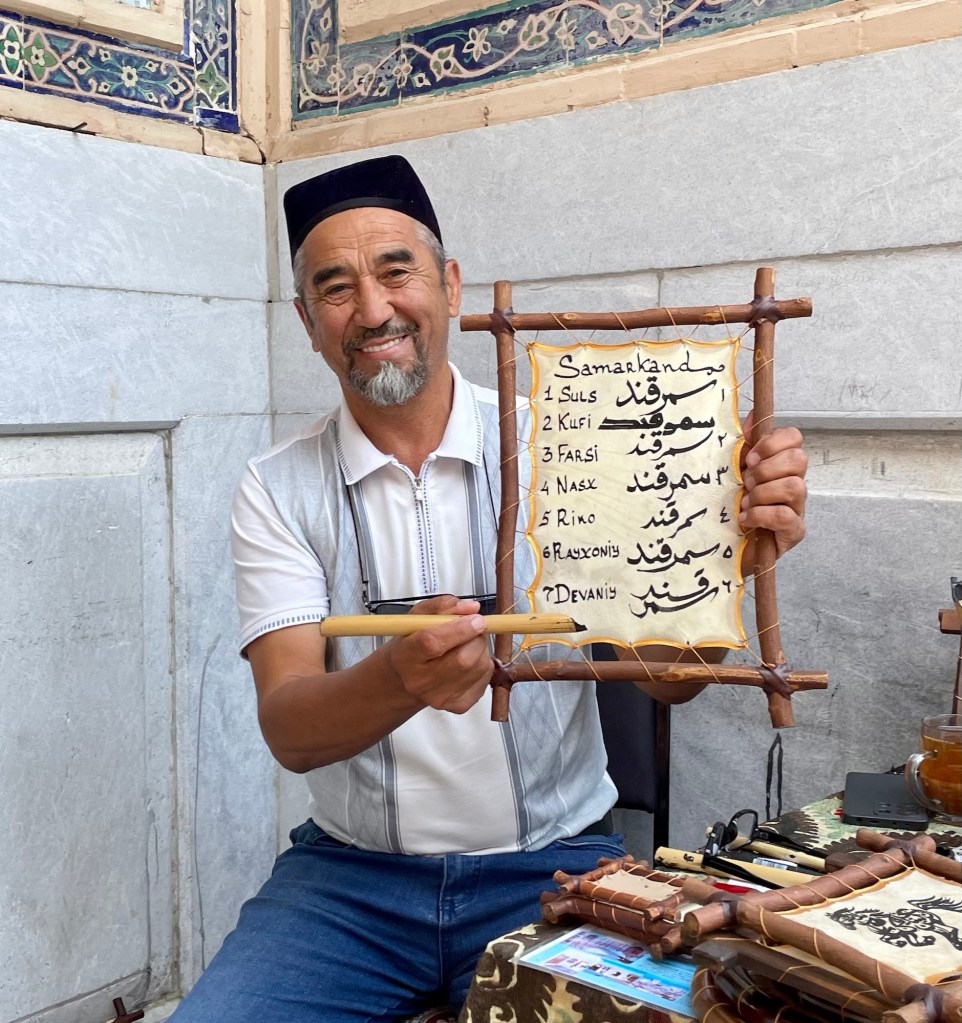
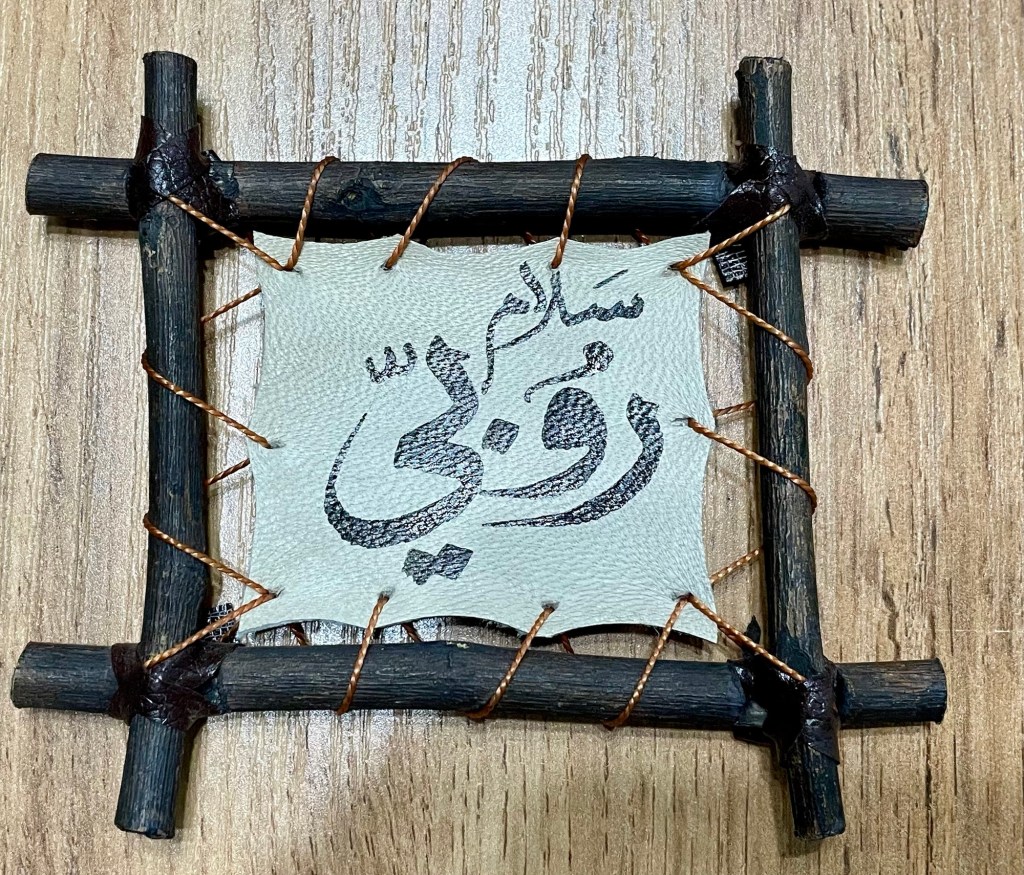
The Madrassah no longer serve as schools, but there are many commercial shops inside. At one of them, I had my name written in Arabic.
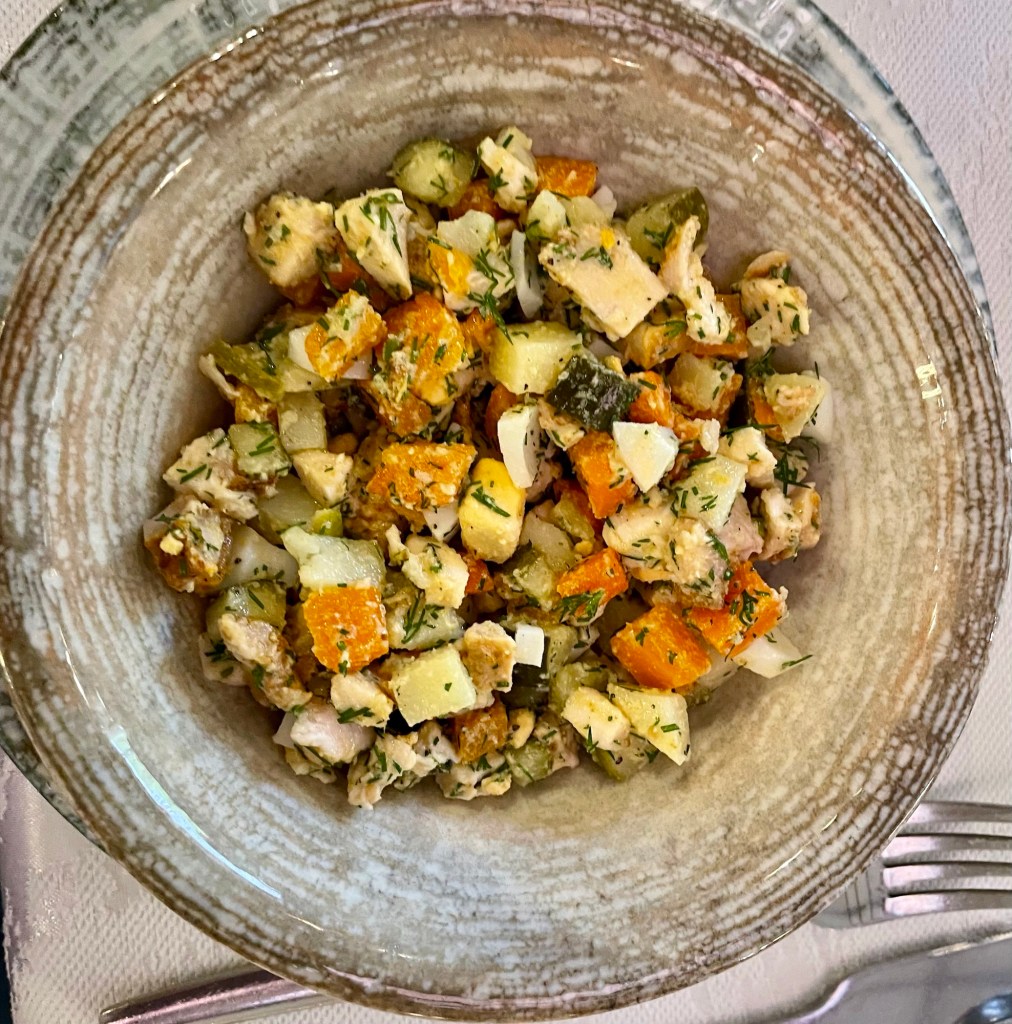
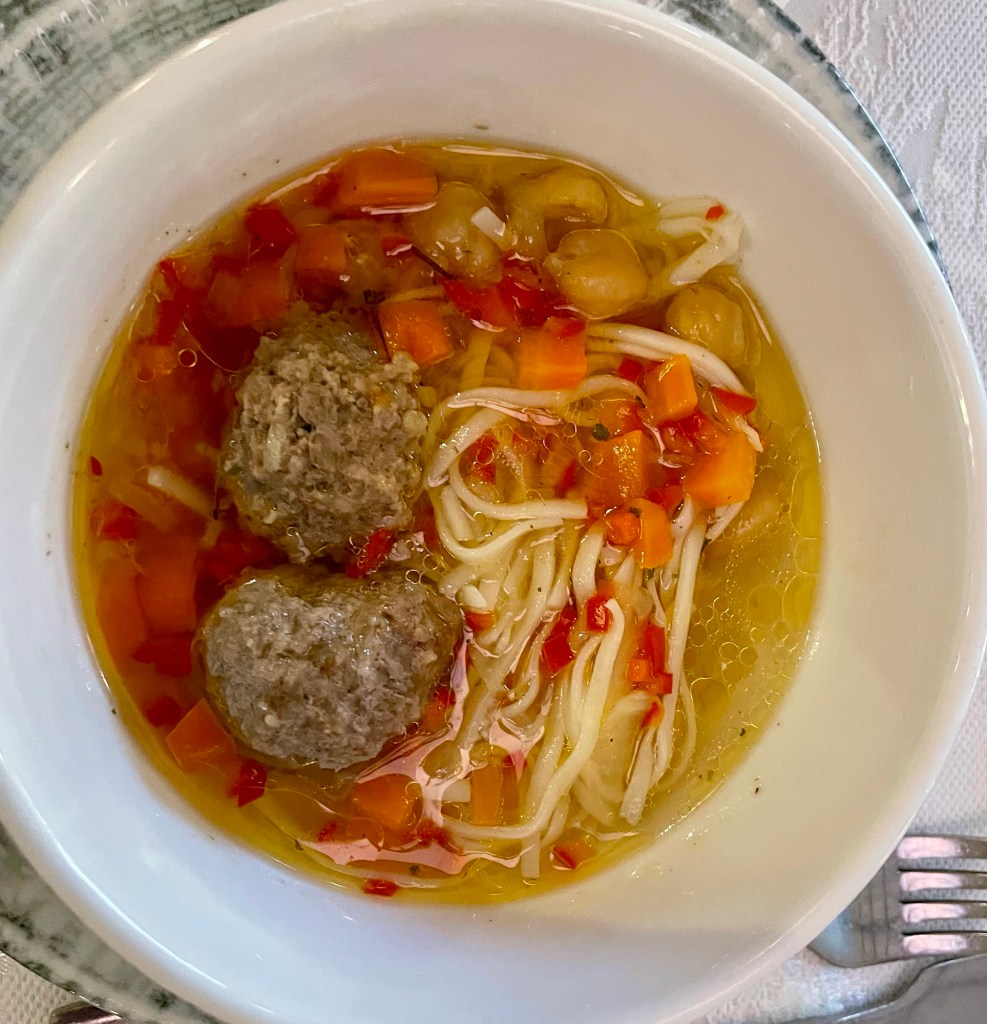
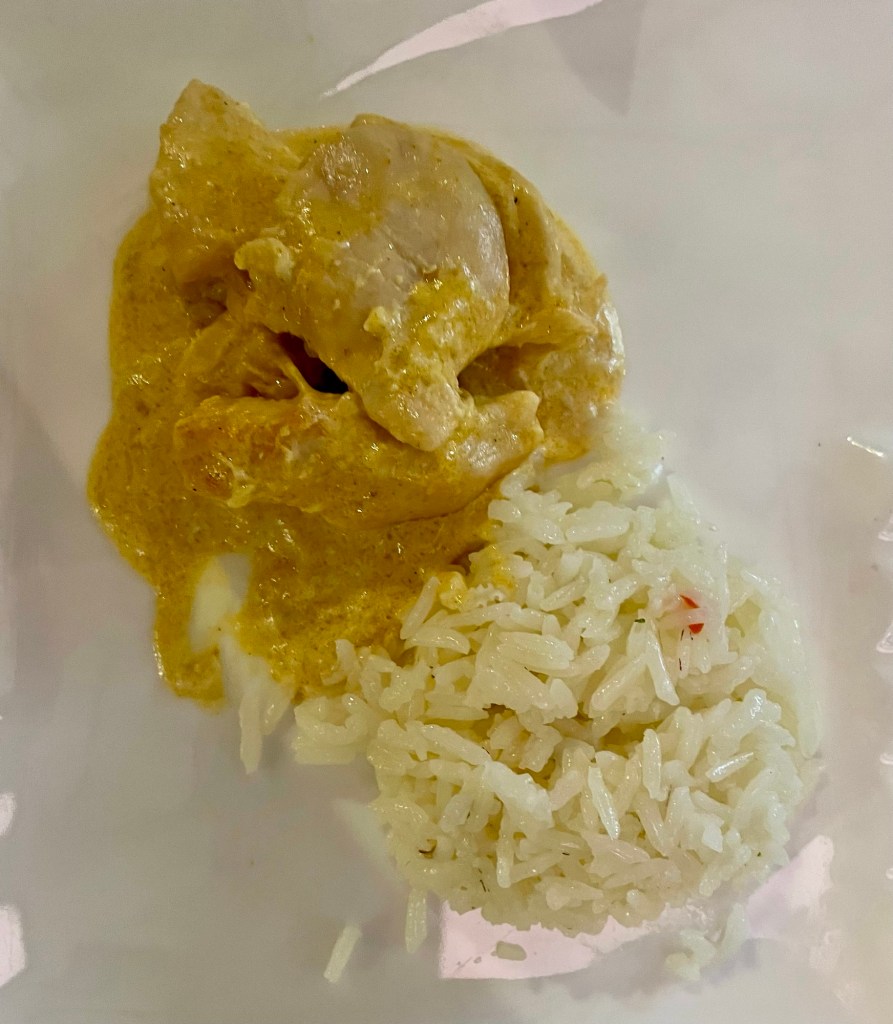
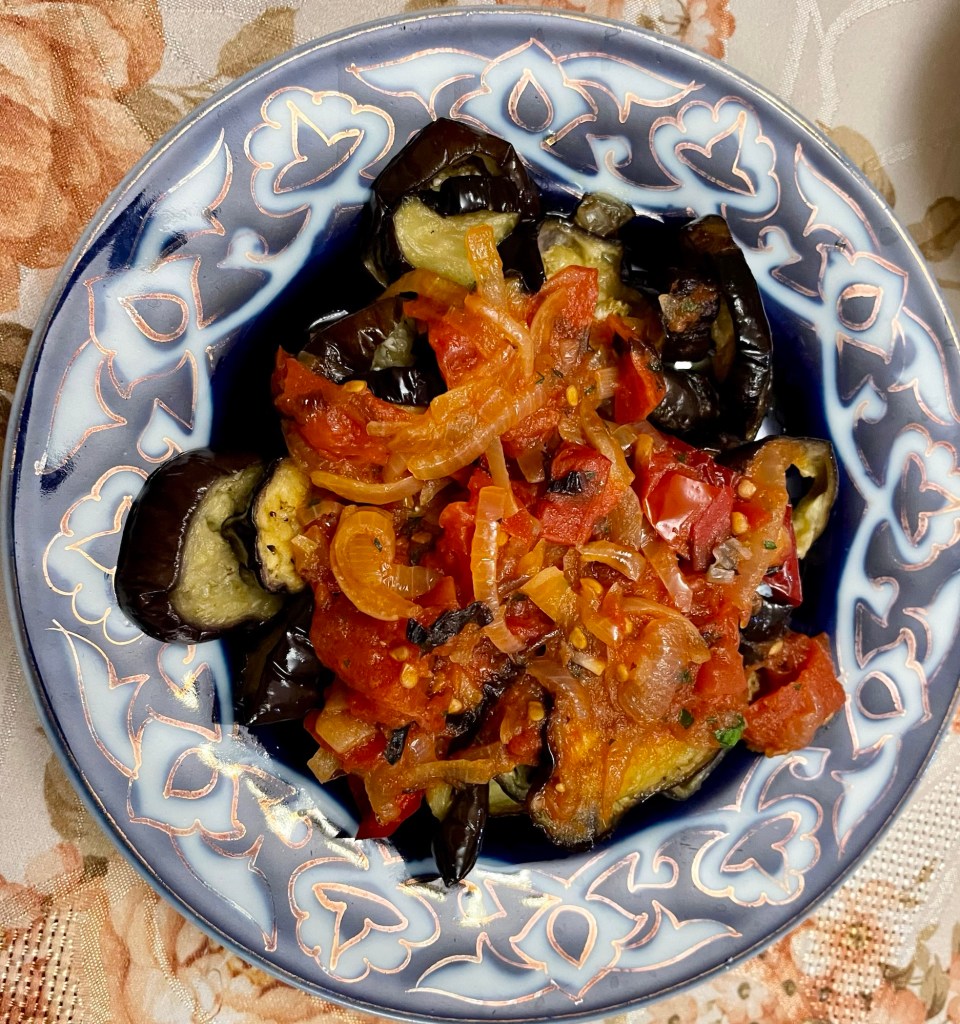
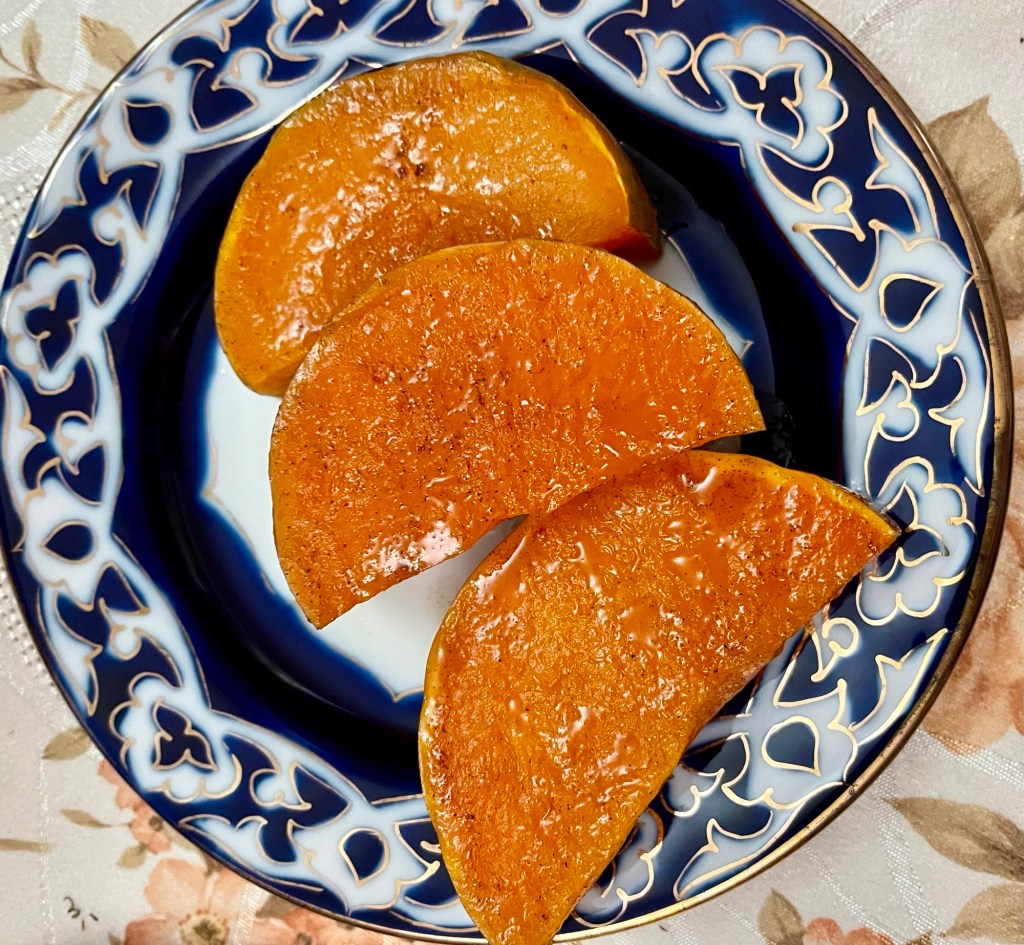
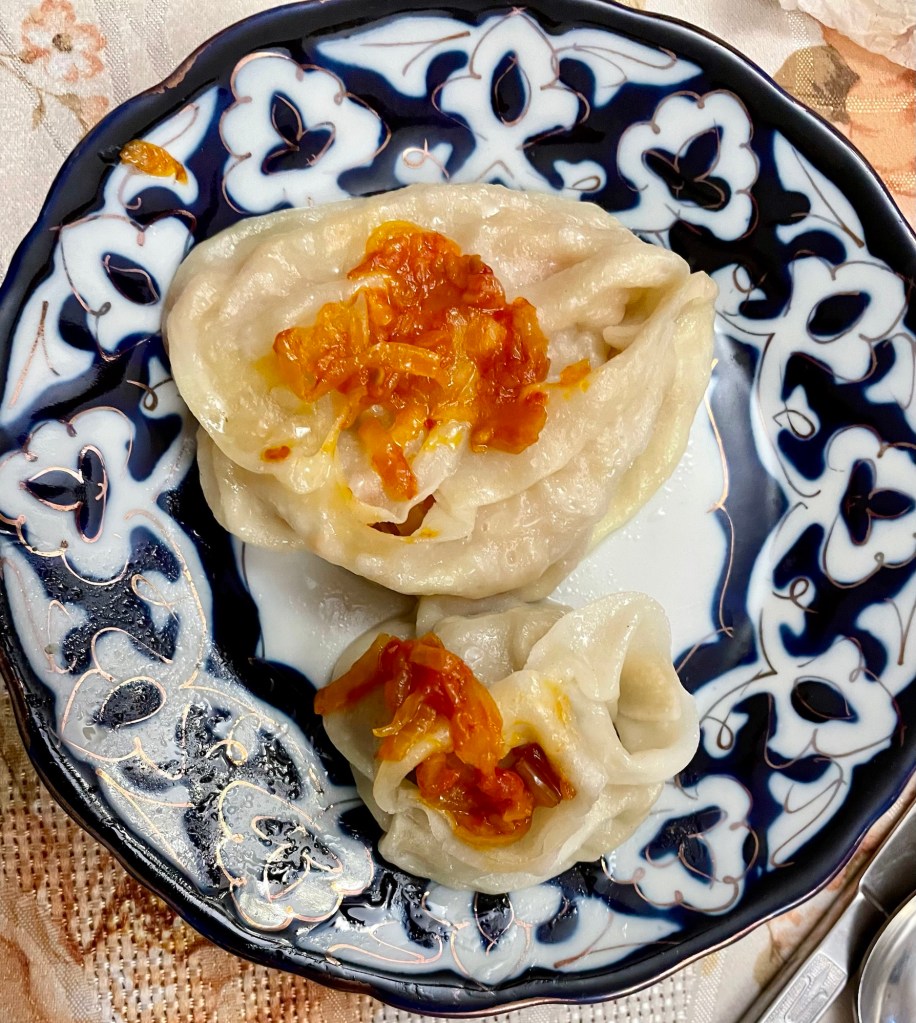
And that is the end of a very long day. Dinner was at a family’s home. Here are my dinner pictures.
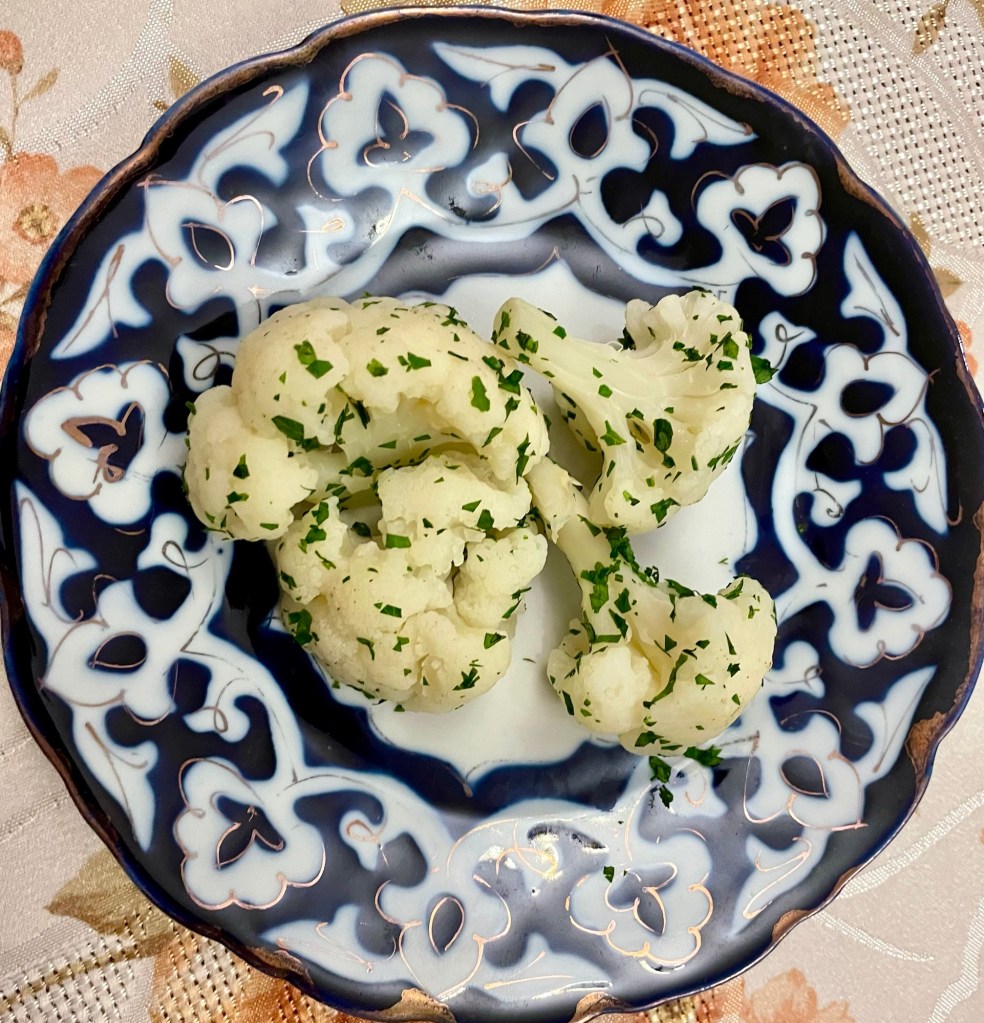


That’s all folks.
 RobbieLambertsTravels