The distance from Samarkand to Bukhara is approximately 170 miles. Here are some pictures of Samarkand as we drove out of town.
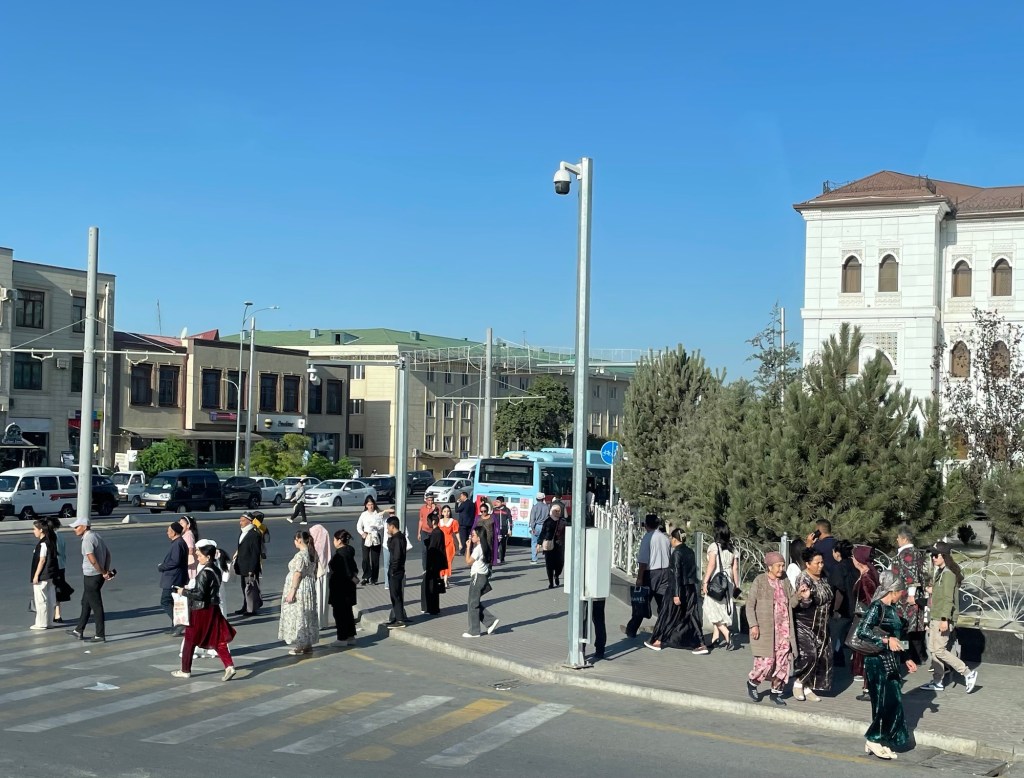
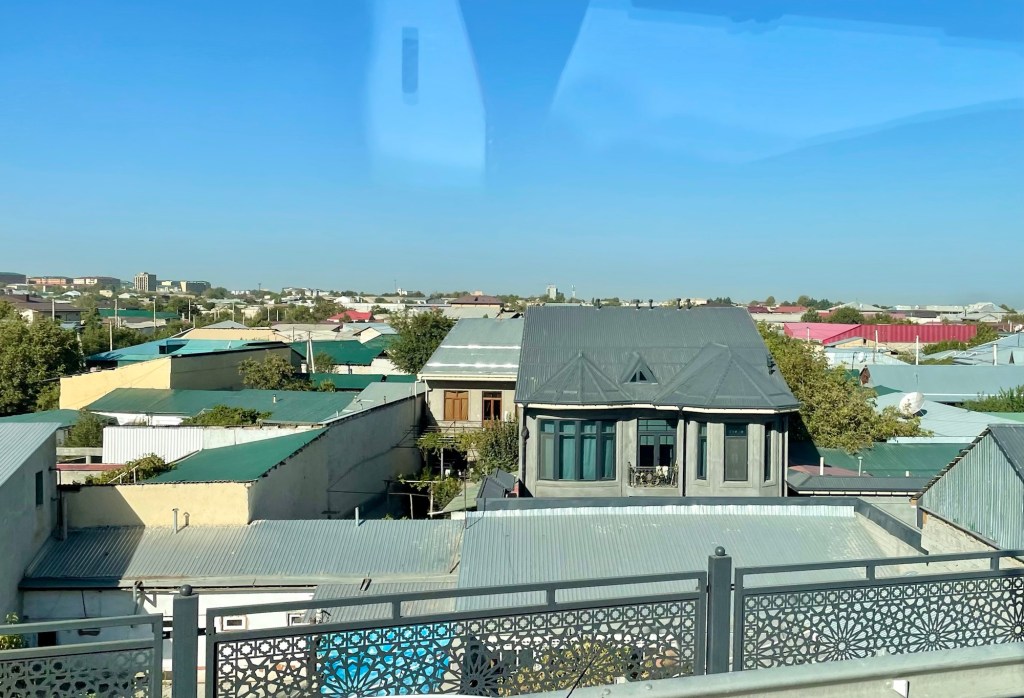
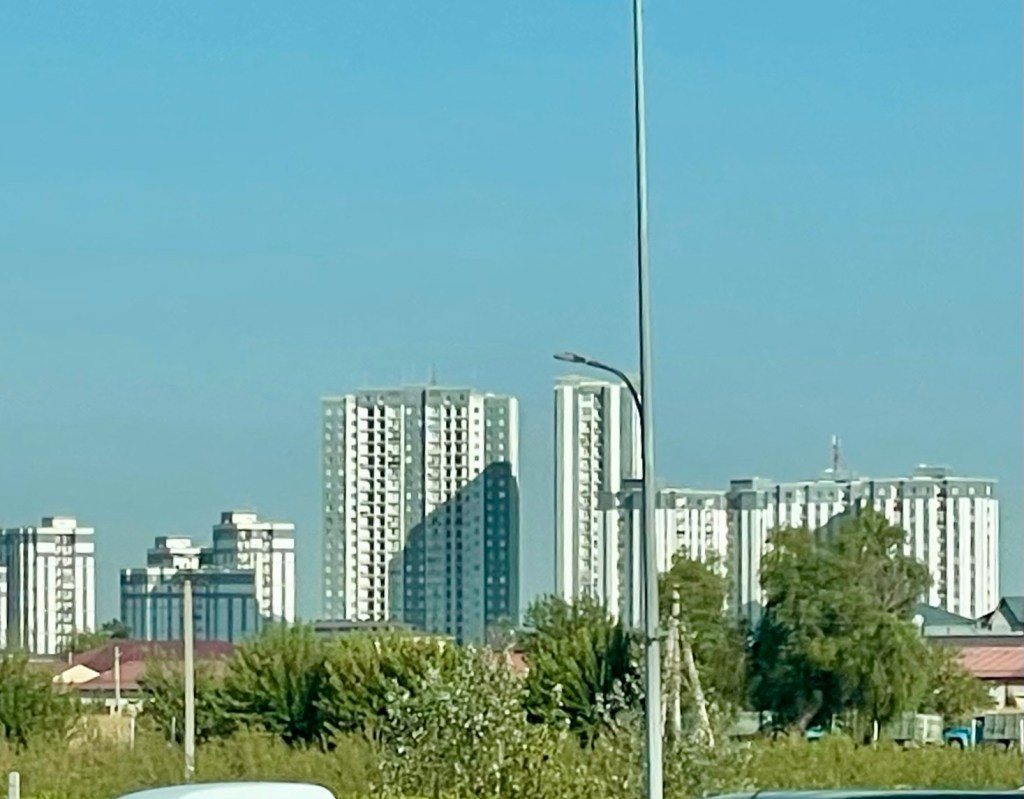
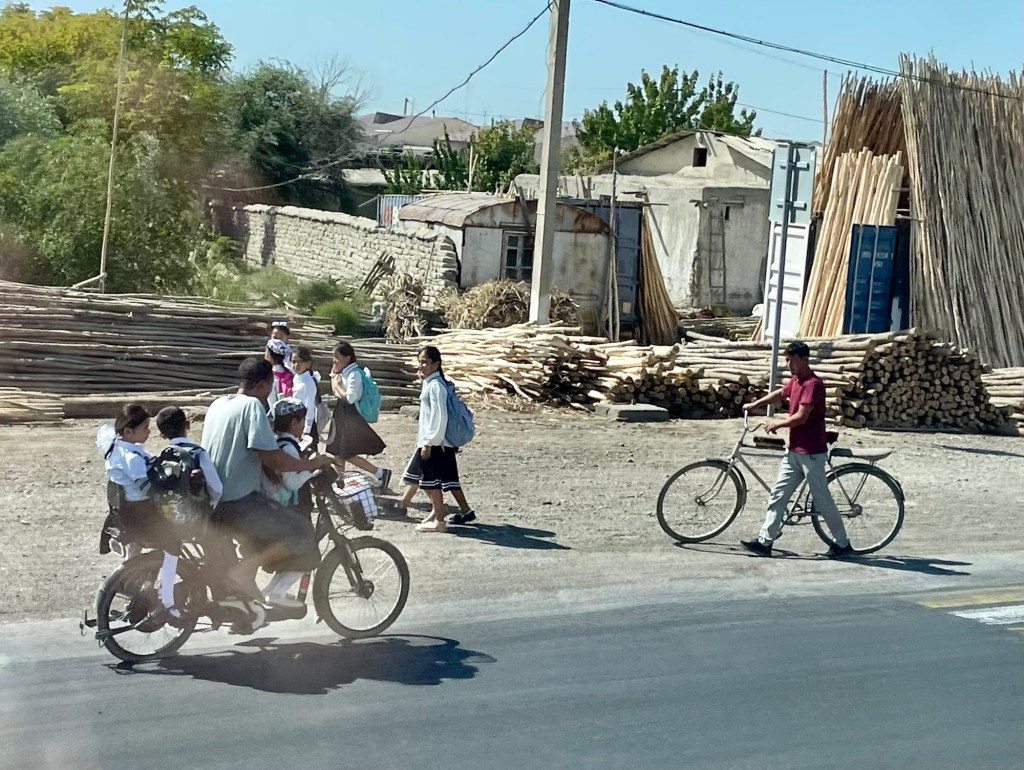
As you can see, it’s fairly modern. It’s a Soviet style city. I was able to also get some shots as we drove through the countryside.
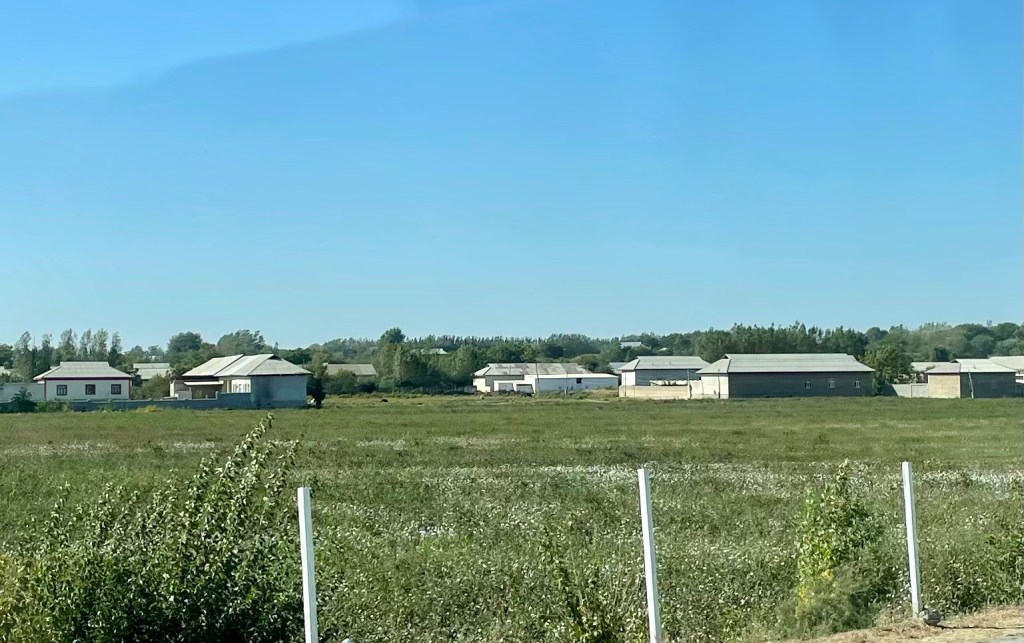
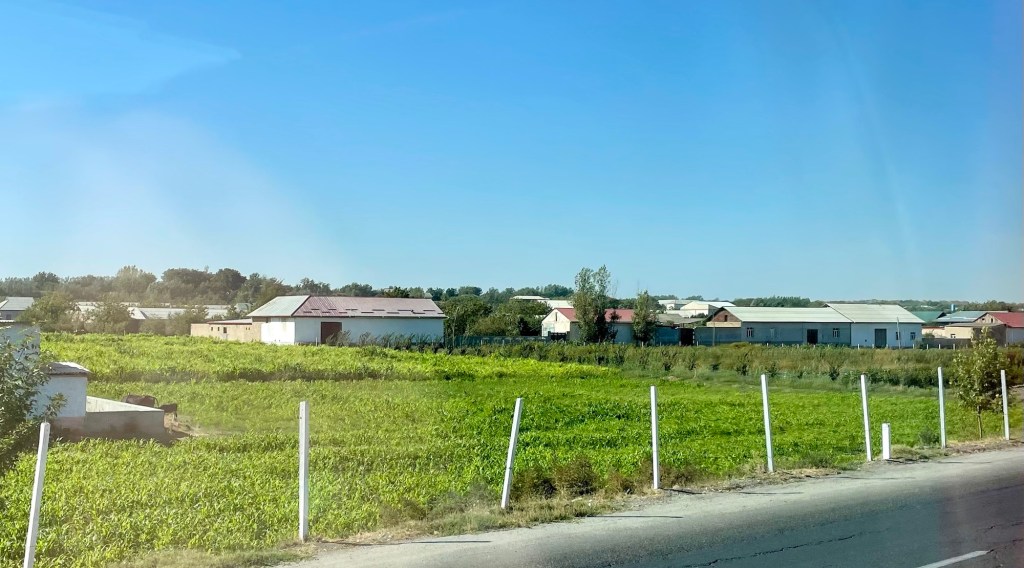
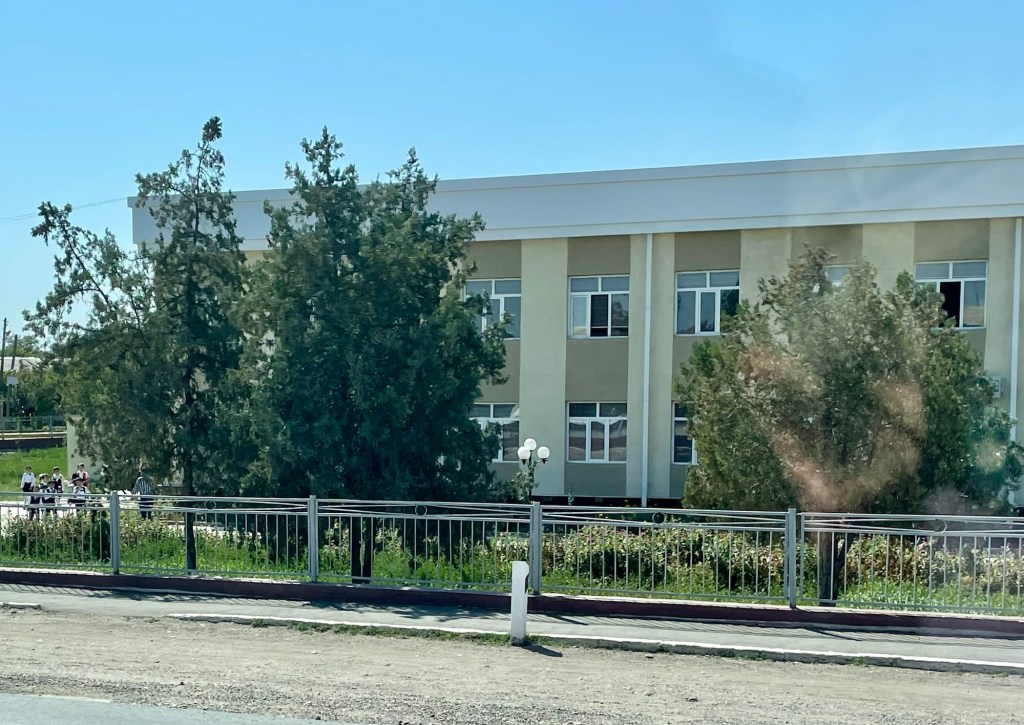
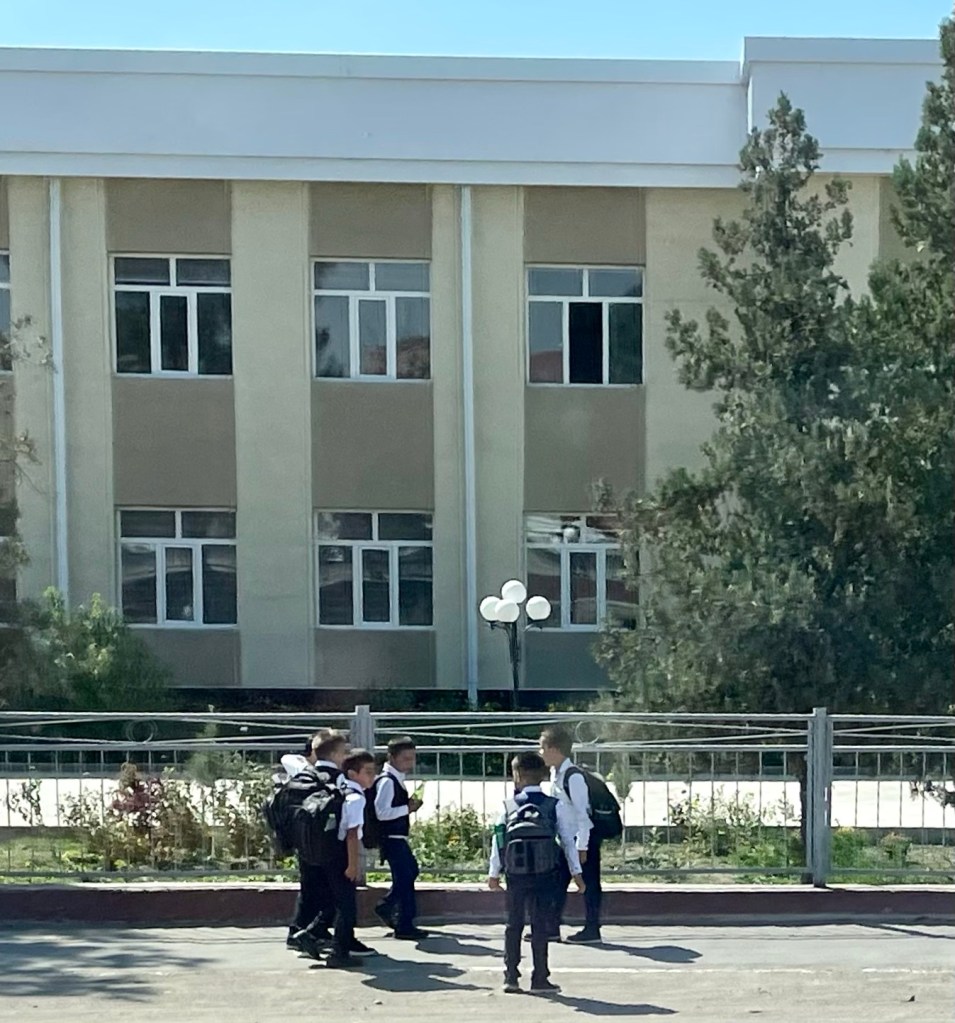
So while on the bus, our guide throws a lot of information at us. As you know, I try to take as many notes as I can, and I have posted this information before. So here we go with information on Uzbekistan. Before Soviets there were many different kingdoms. During 19th century, there was a rivalry between Britain and Russia for sphere of control. In 1924 area became part of Soviet Union. At that time the current country boundaries were determined. Soviets established good education system, medical, infrastructure, etc. in 1991 the Soviet Union broke up. Islam Karimov, who was first secretary of the communist party of Uzbekistan, was elected president of the independent Uzbekistan. He was the authoritarian ruler until he died in 2016. He was replaced by his longtime Prime Minister. The country does have a constitution and a bicameral legislature. Unfortunately, it does have a strong man ruler. In 1998 Islamists tried to take control but they did not succeed. The emphasis is on a market economy. Starting to grow tropical fruits in desert areas with help from Turkey. Starting to make cars. Neutral on Ukraine war because they are afraid to hurt relationship with Russia. It is basically a lower middle income economy, and they have successfully reduced the poverty rate to about 5% of the population. Unemployment is about 2 or 3%. Everyone seems to own a house in a car. Even in the cities they own their apartments. They do have gypsies that tend to be poor and do beg. . They are not ethnic Uzbeks but they are citizens. After 1991, farm land was owned by large companies or government. Farmers lease land. Share equipment Farmers homes in clusters or neighborhoods or small villages. (see above pictures of clusters of homes) Farmers do fine economically. Government buys their produce at a reasonable price. They can also keep what they want for own use or to trade or sell. Can sell to vendors in the bazaars. Starting to bring in more machinery such as cotton harvesters. Starting to have water issues because of climate change.
Gay and lesbians aren’t treated equally. 2022 had demonstration. Many arrested. President said being gay does not match country’s traditions.
Used to have people leaving country to work. They are now coming back.
Starting to have health issues because of diet. Too much sugar, heavy diet. Diabetes. Issues with obesity which leads to cardiac issues, etc.
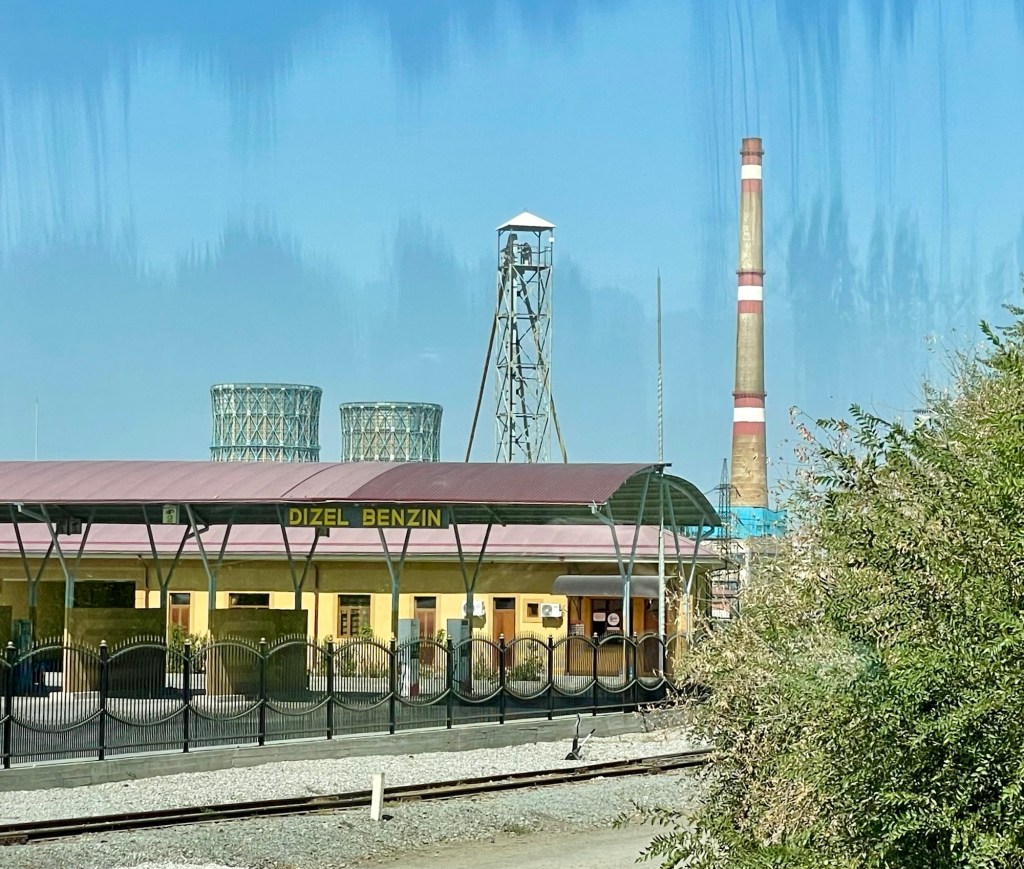
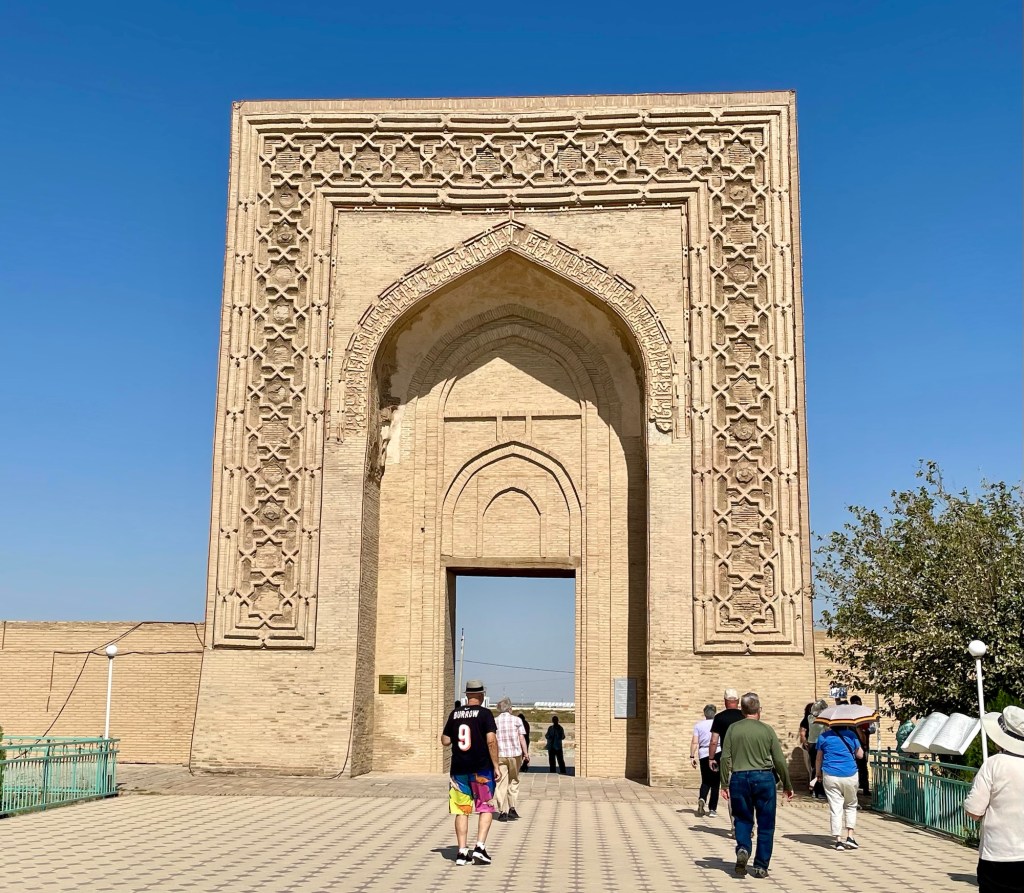
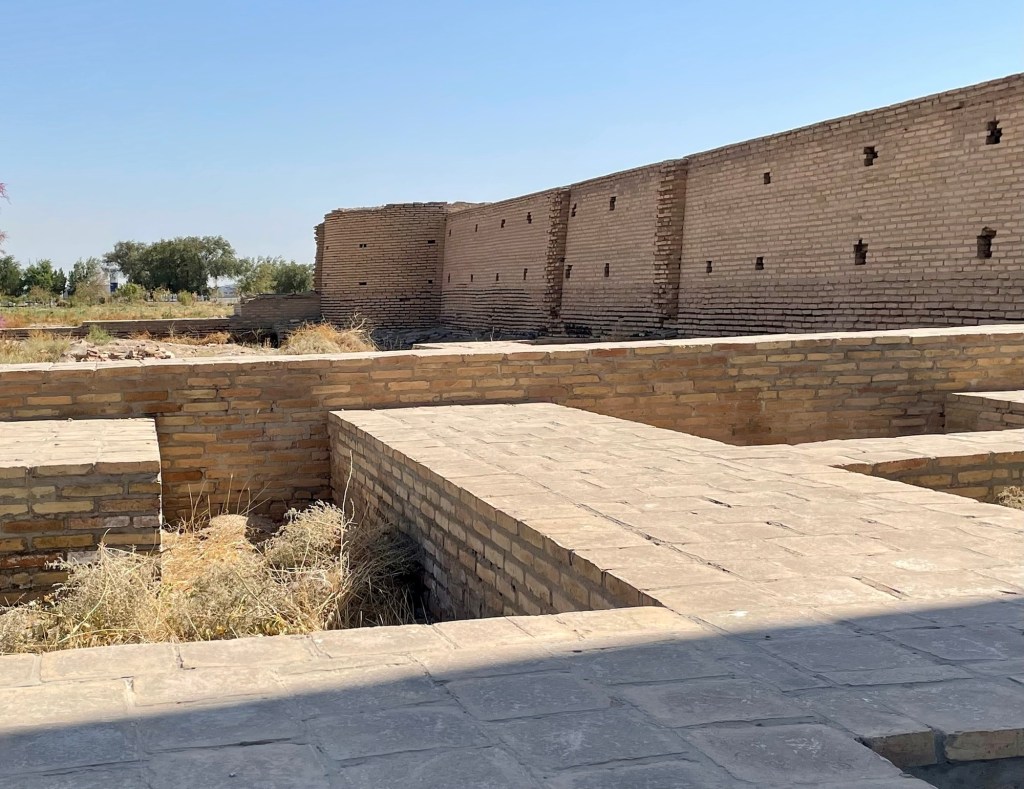
We stopped along the way at the ruins of a caravansari.
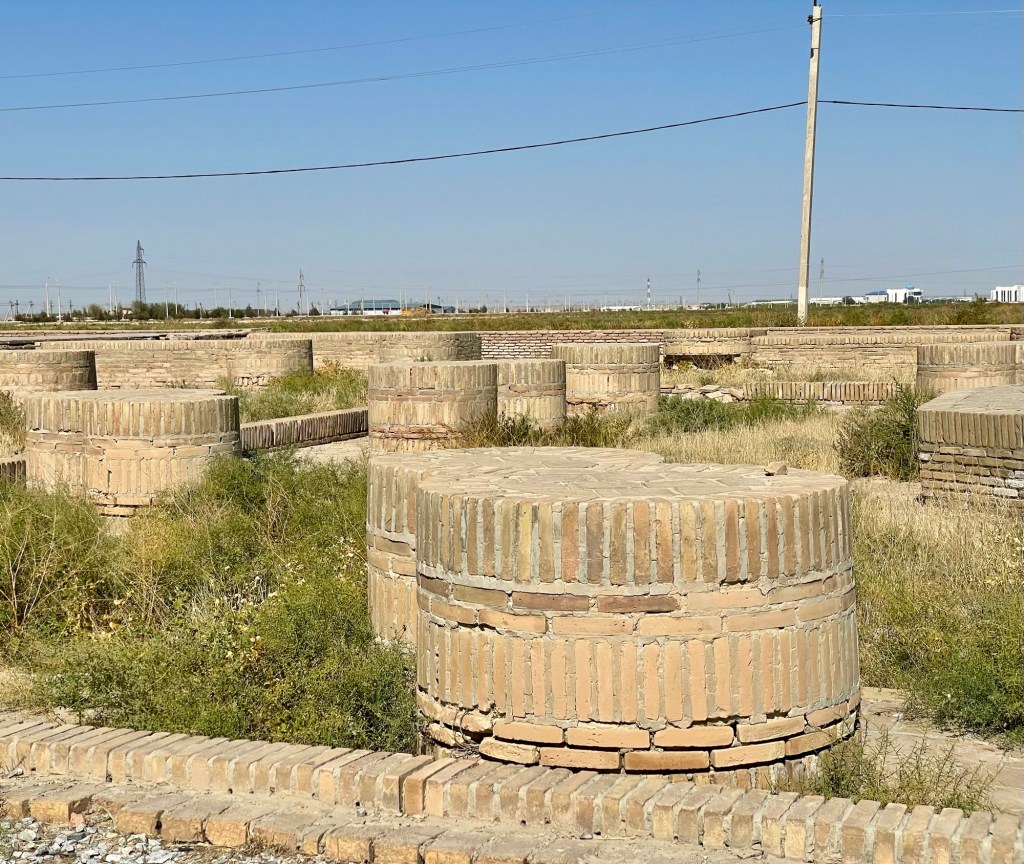
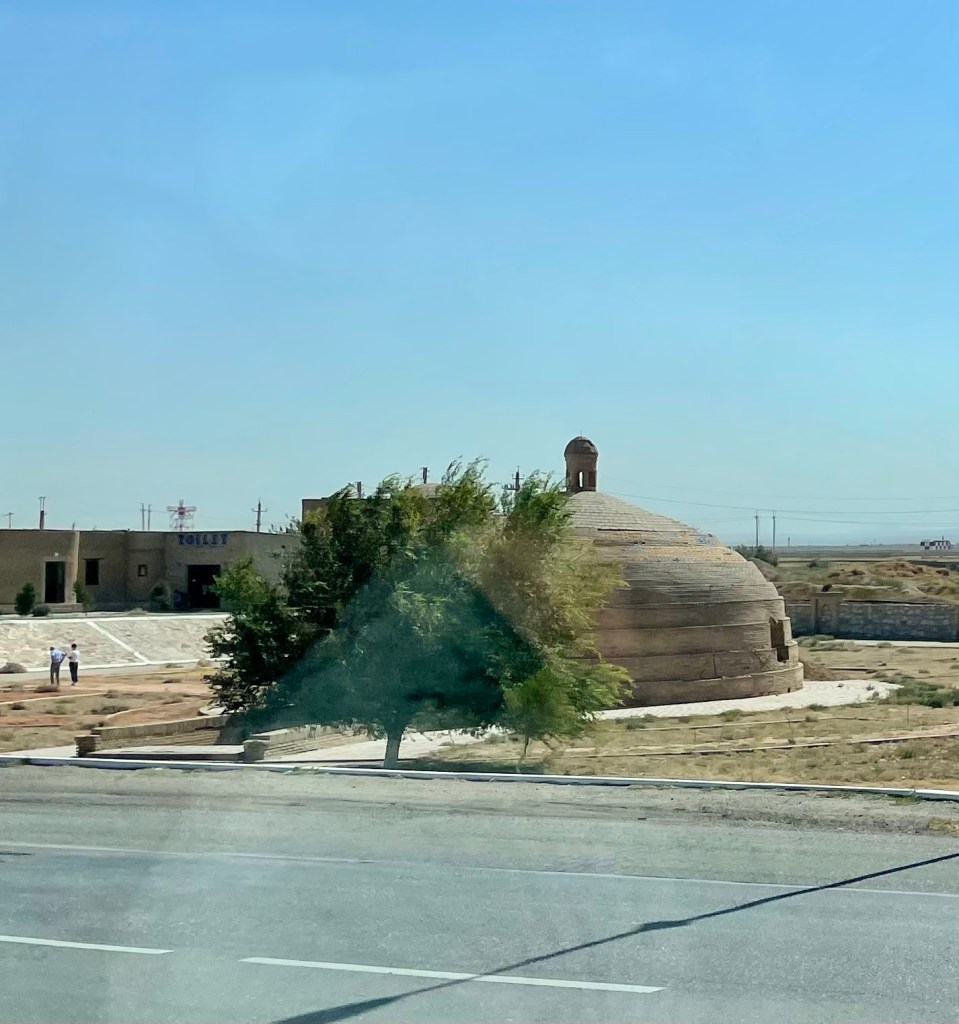
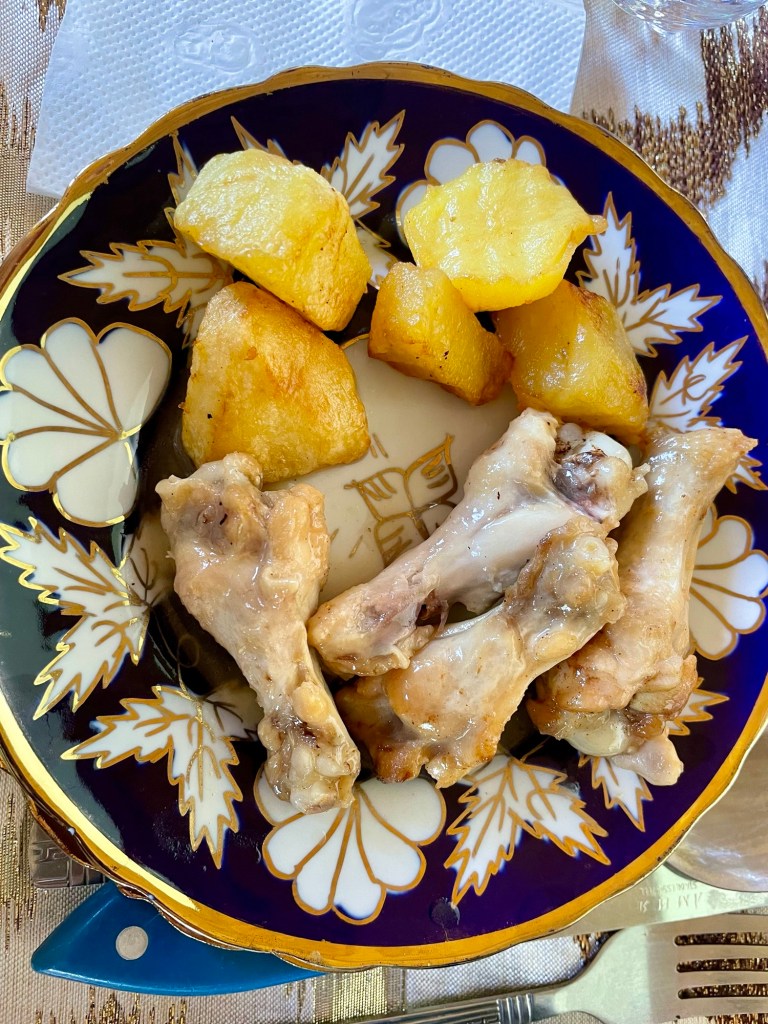
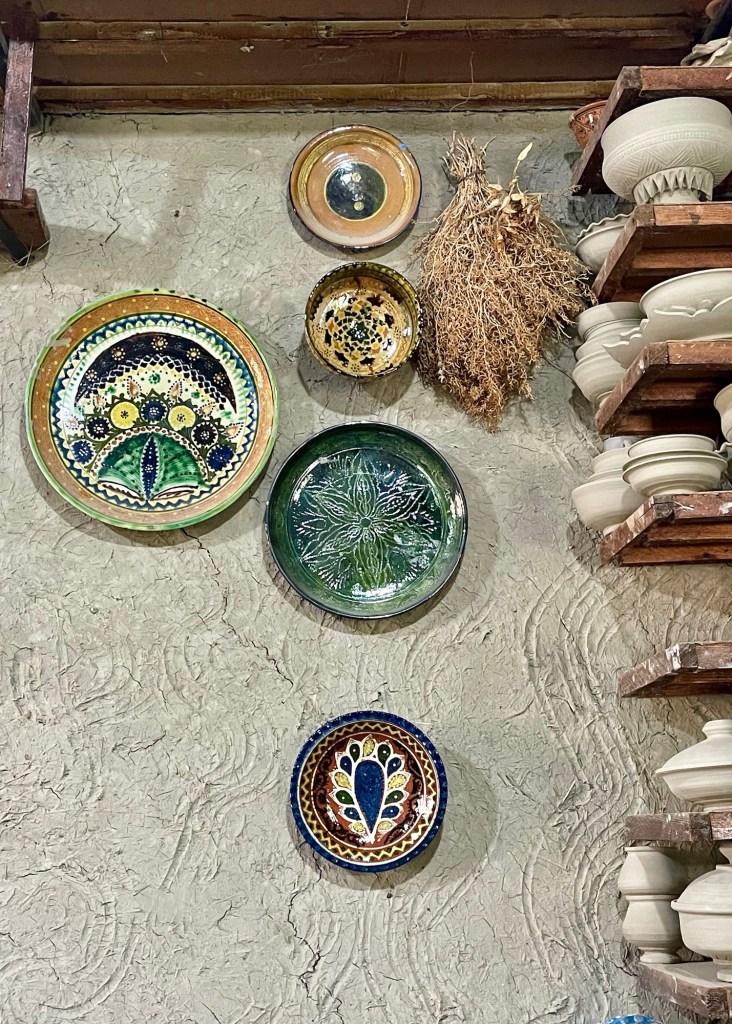
Our next stop was for lunch. At this location was also a ceramics Masters home and studio. After eating, we got a private tour of his workshop.
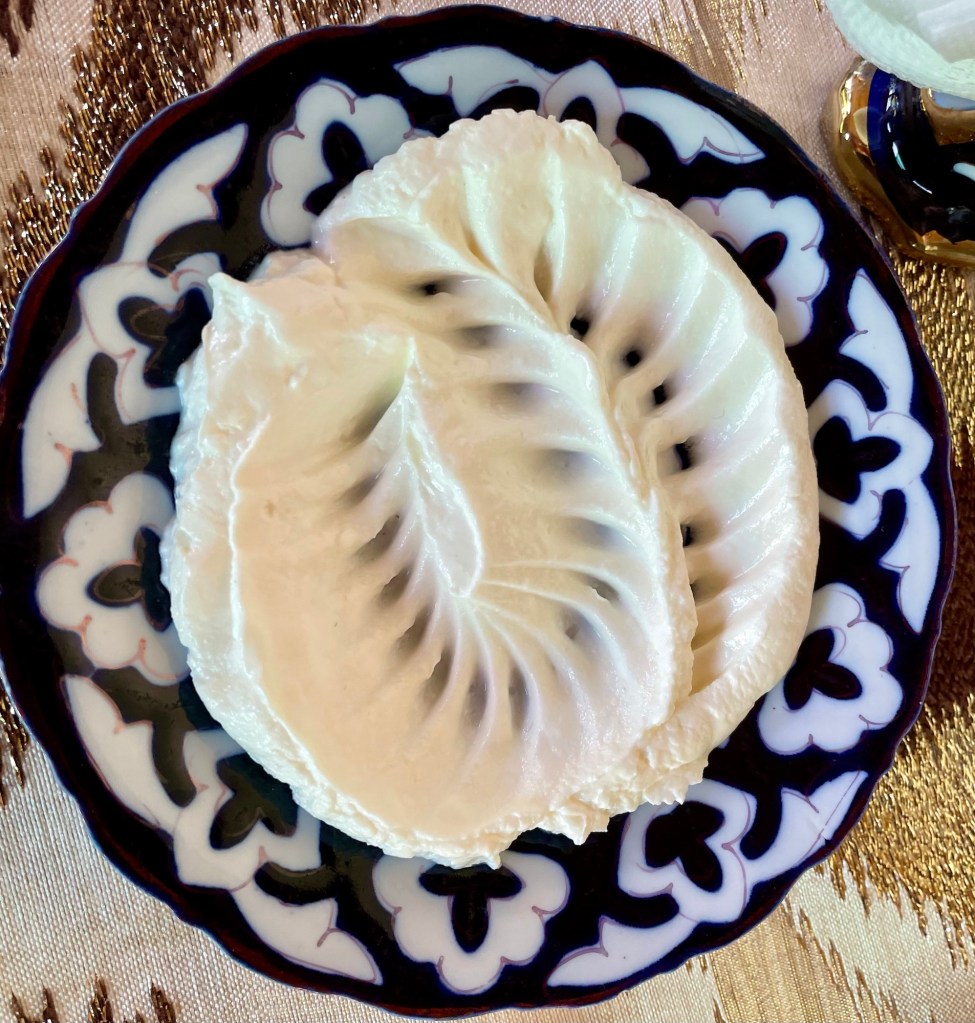
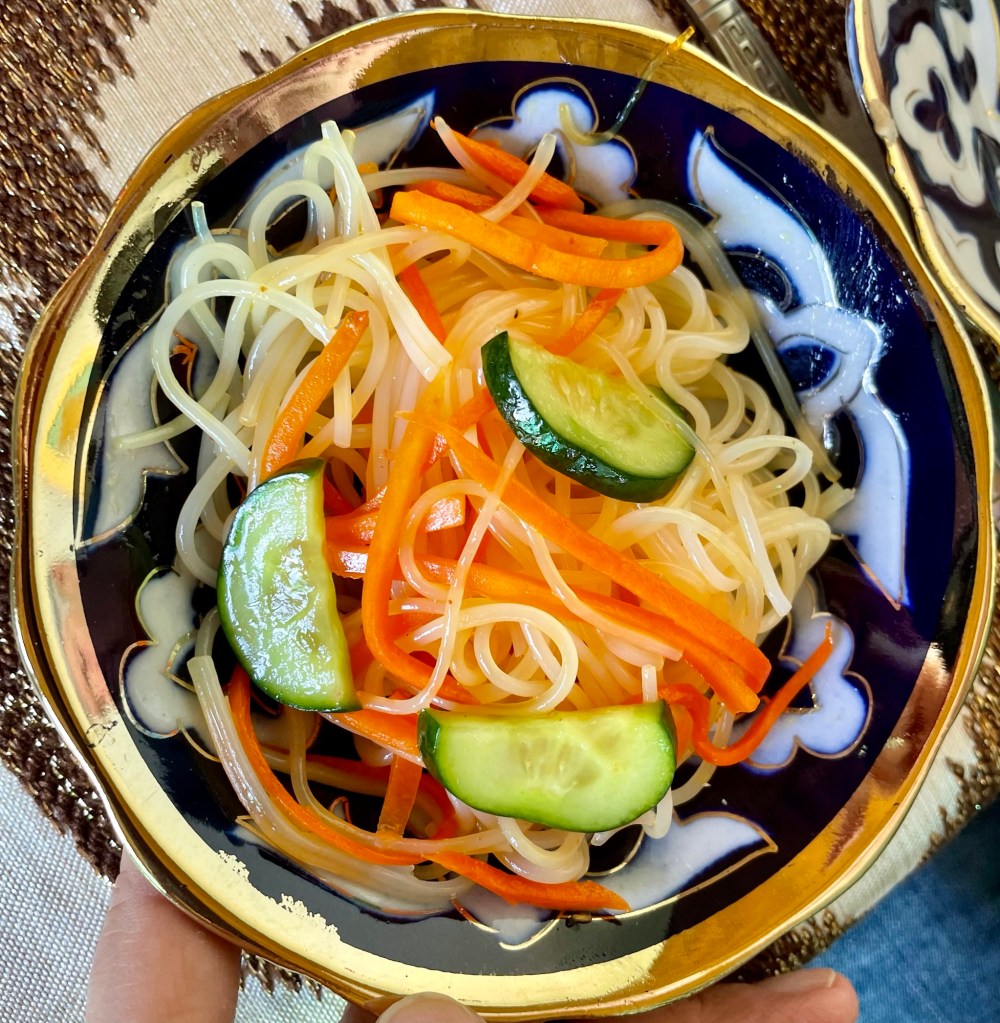
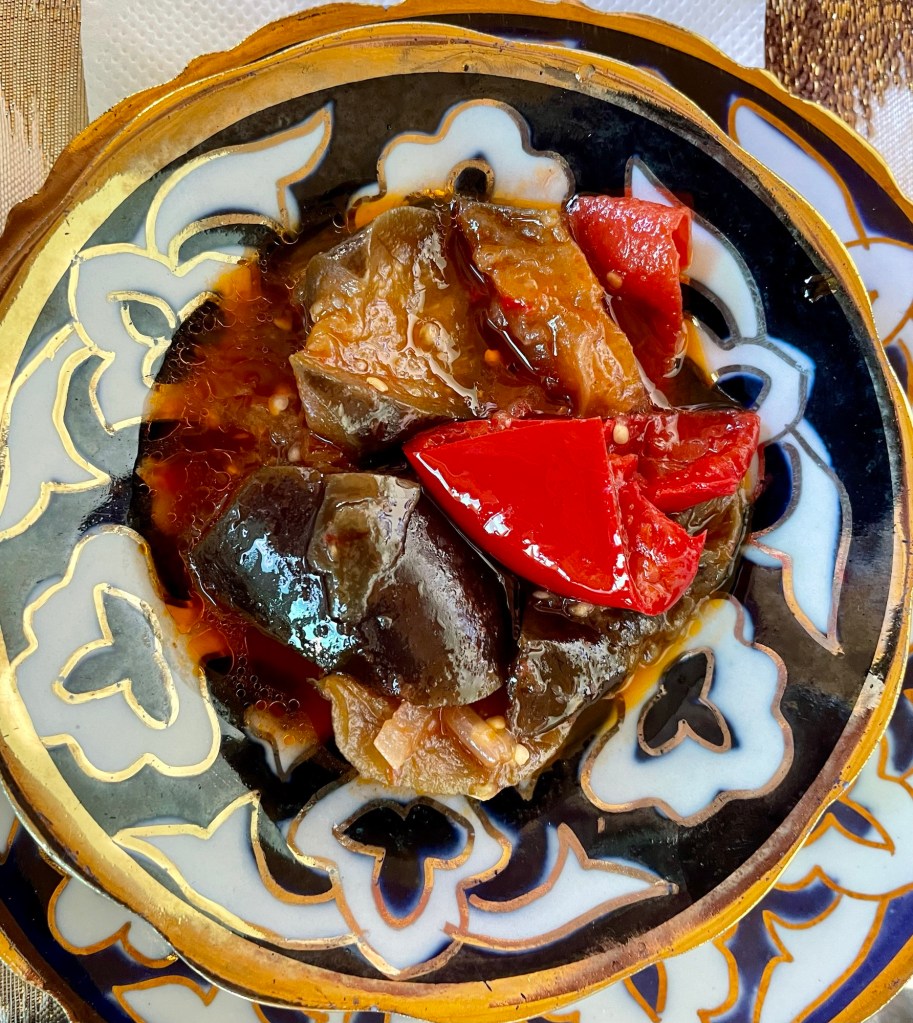
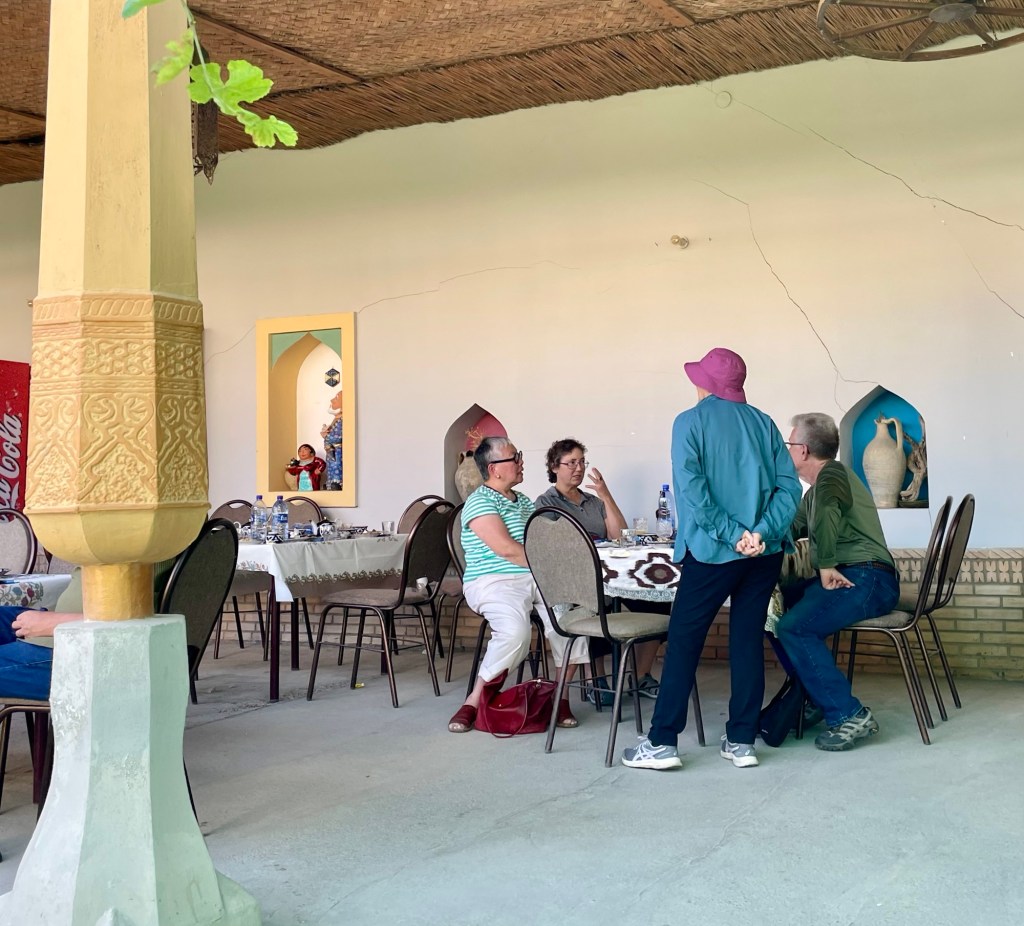
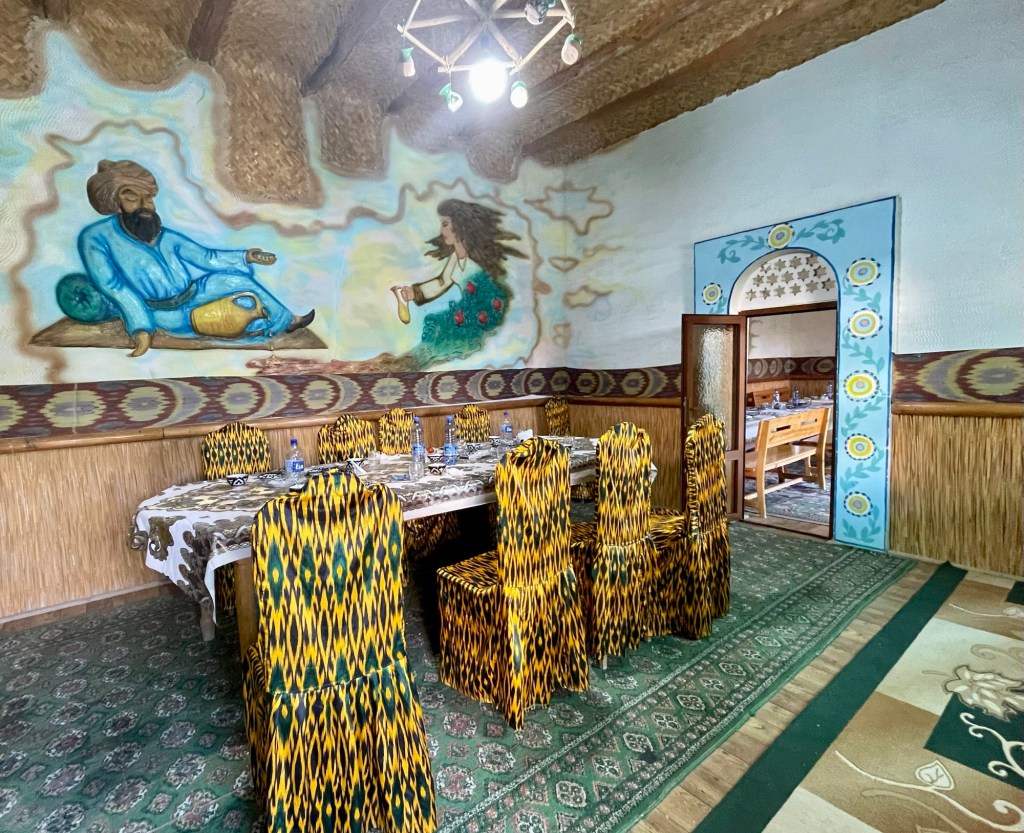
Here are some pictures of the rest of the location and the ceramics studio.
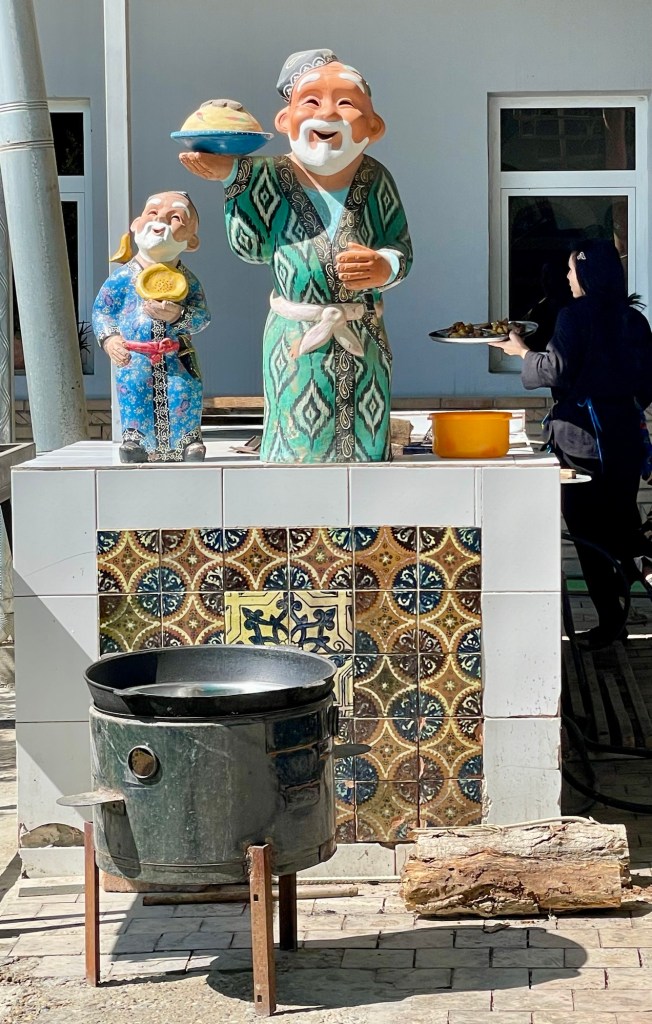
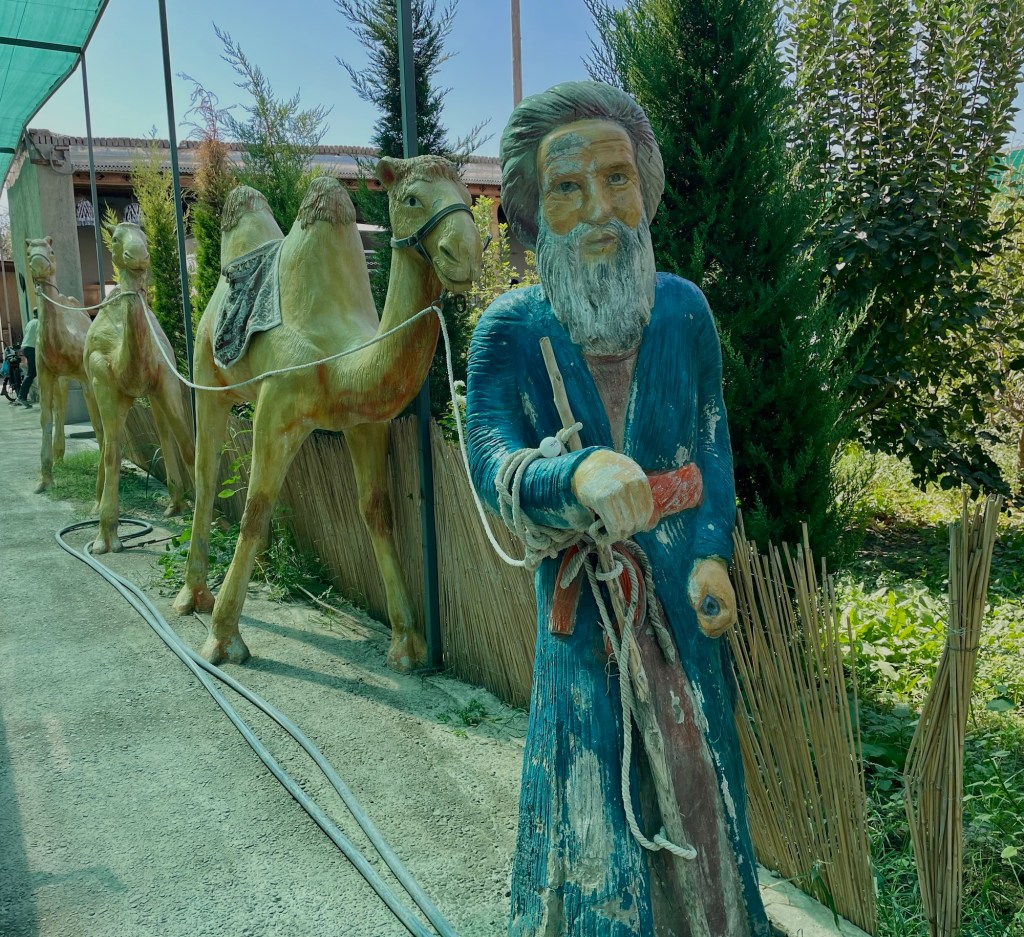
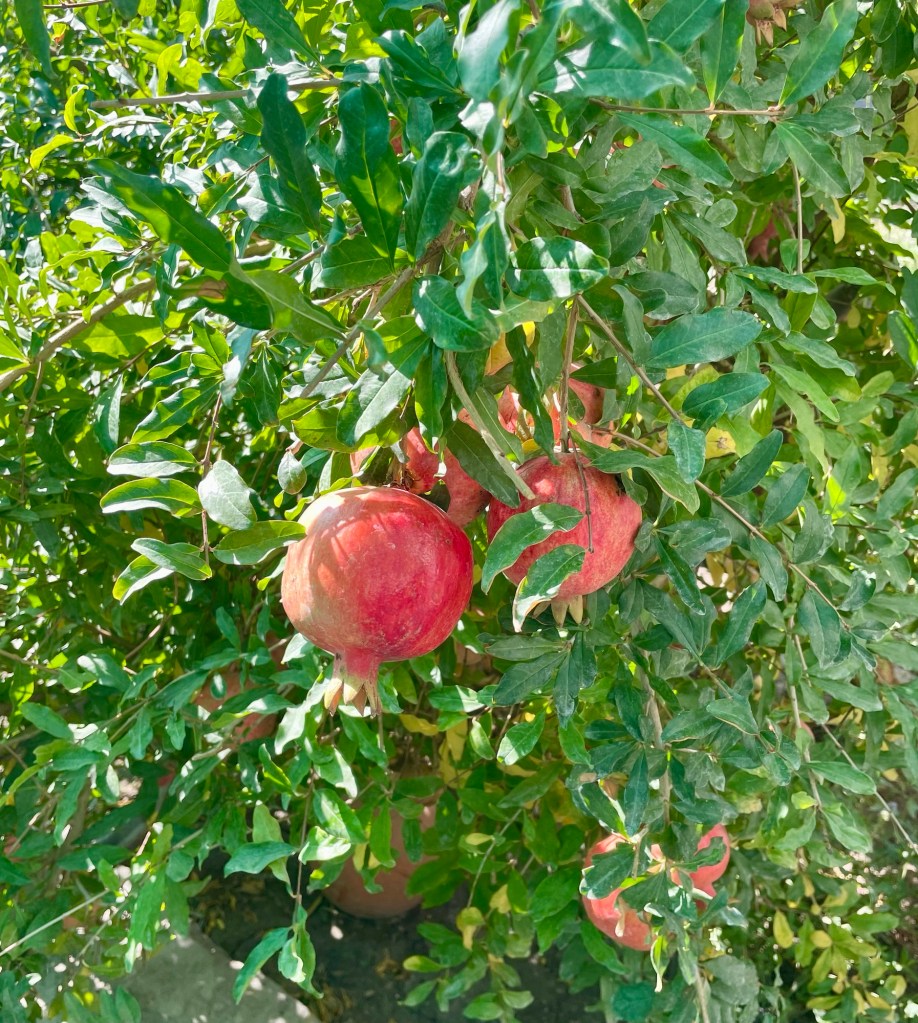
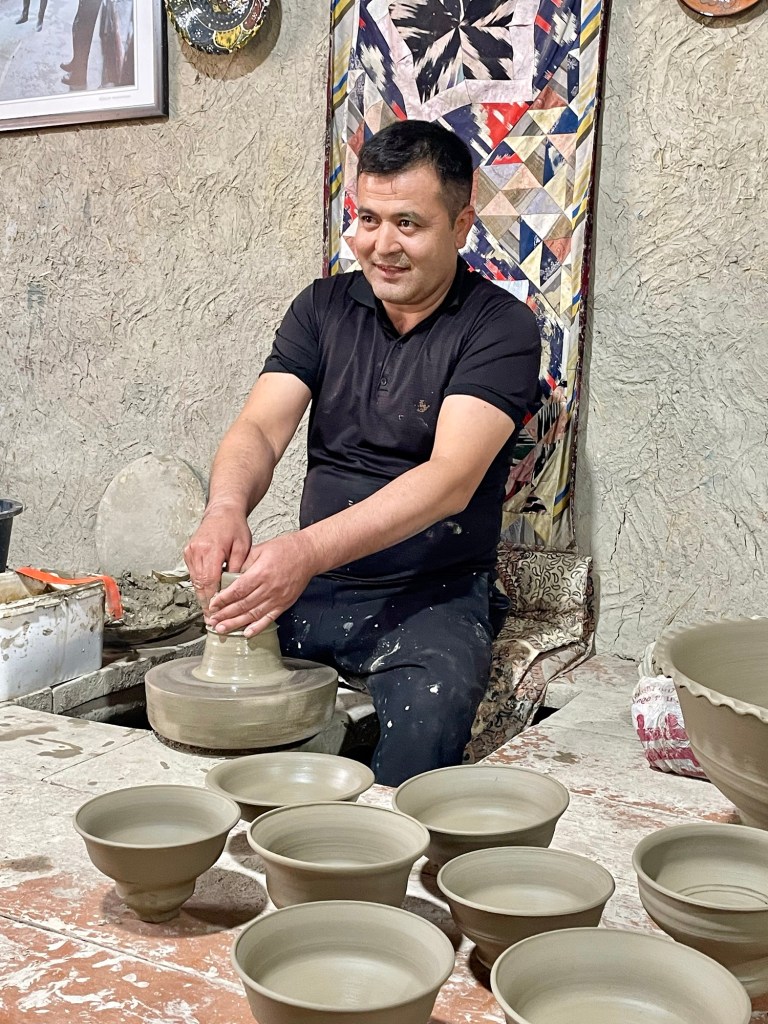
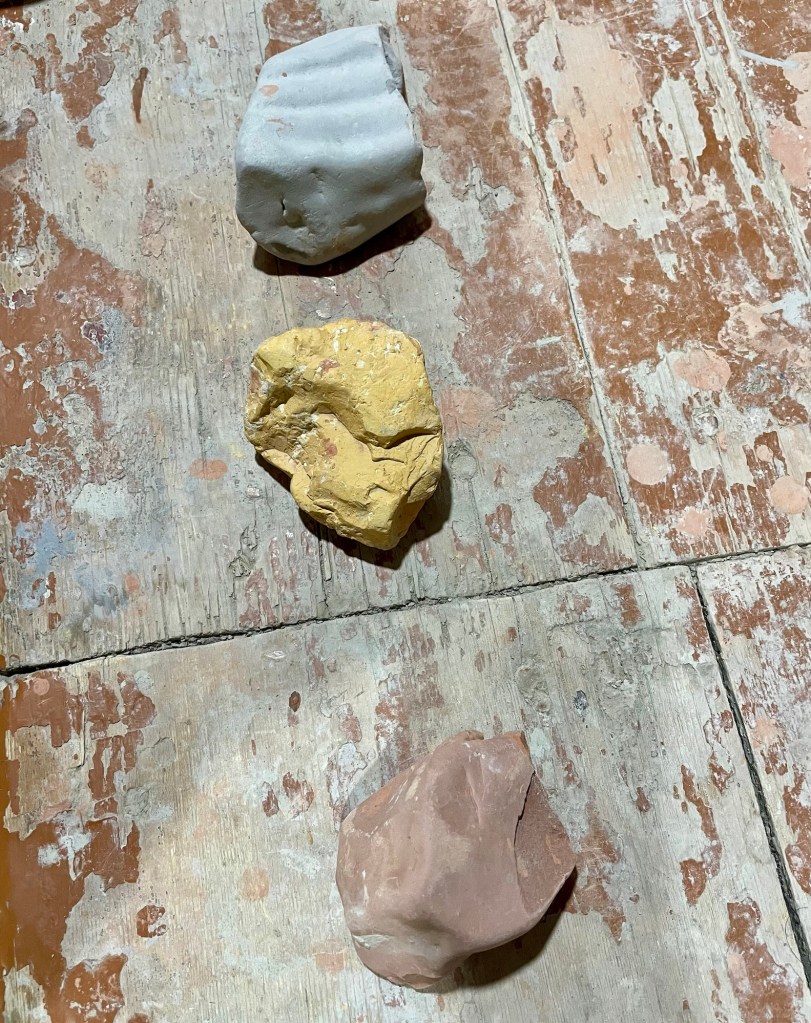
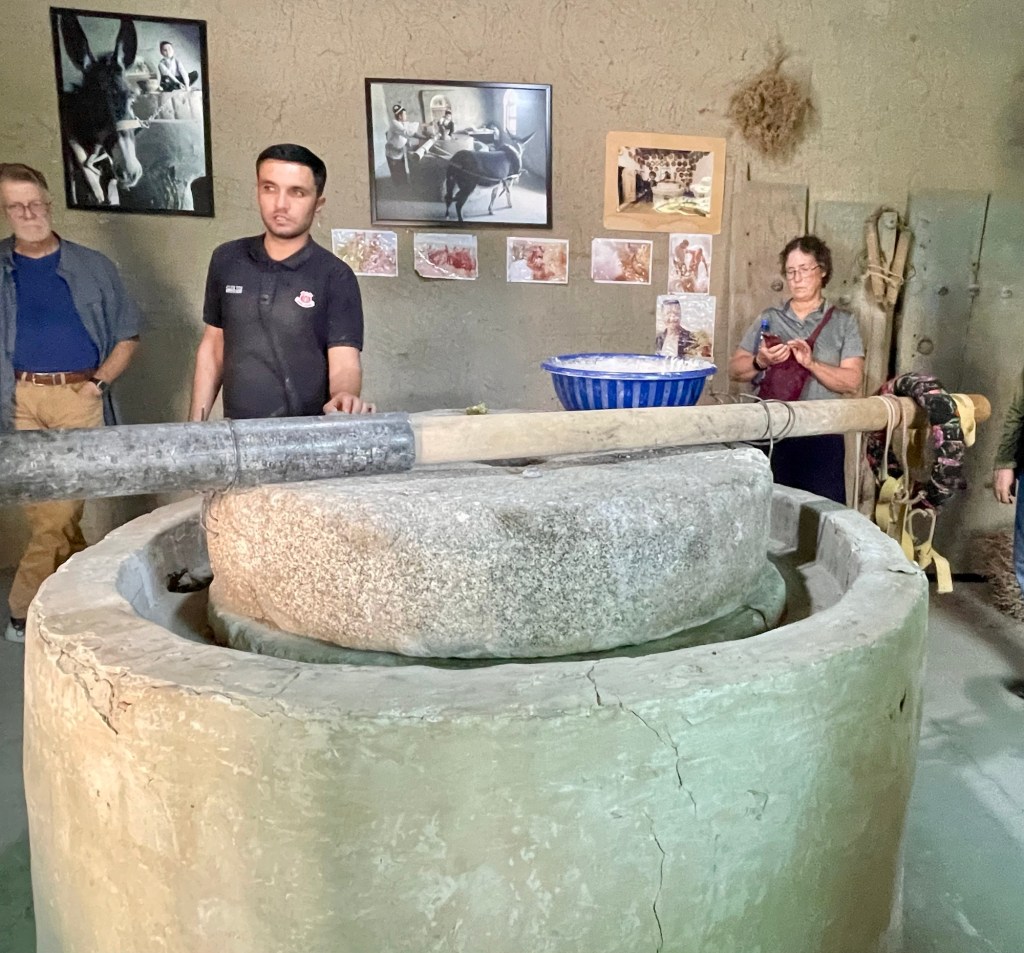
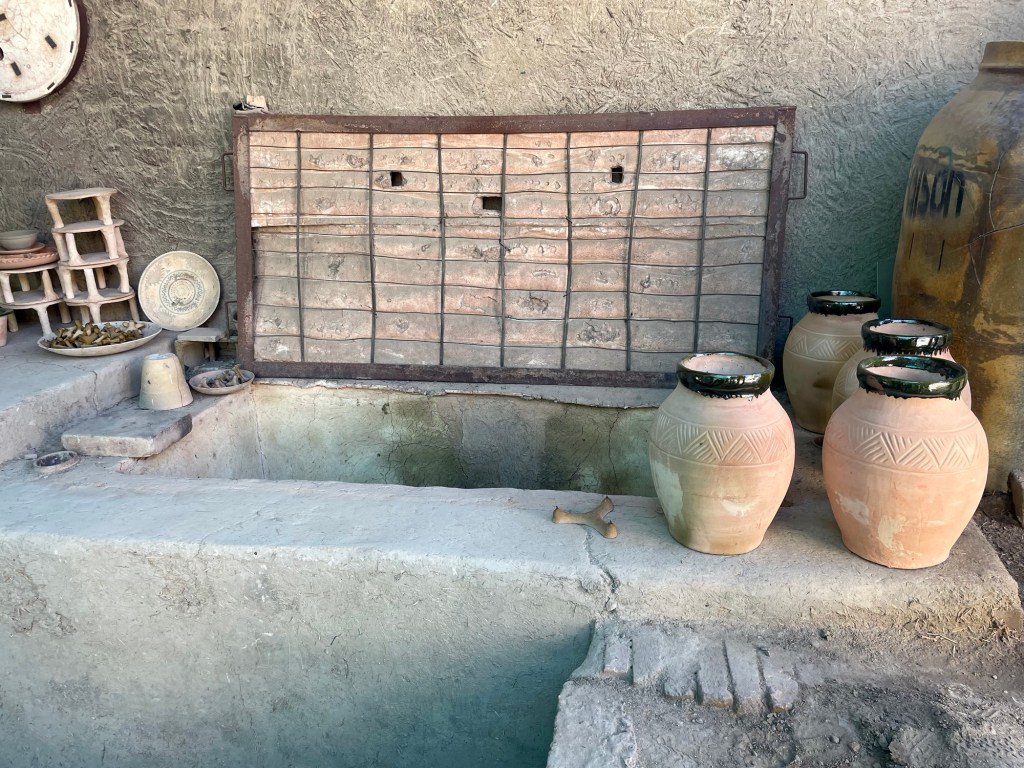
Here are some pictures of the work they do.

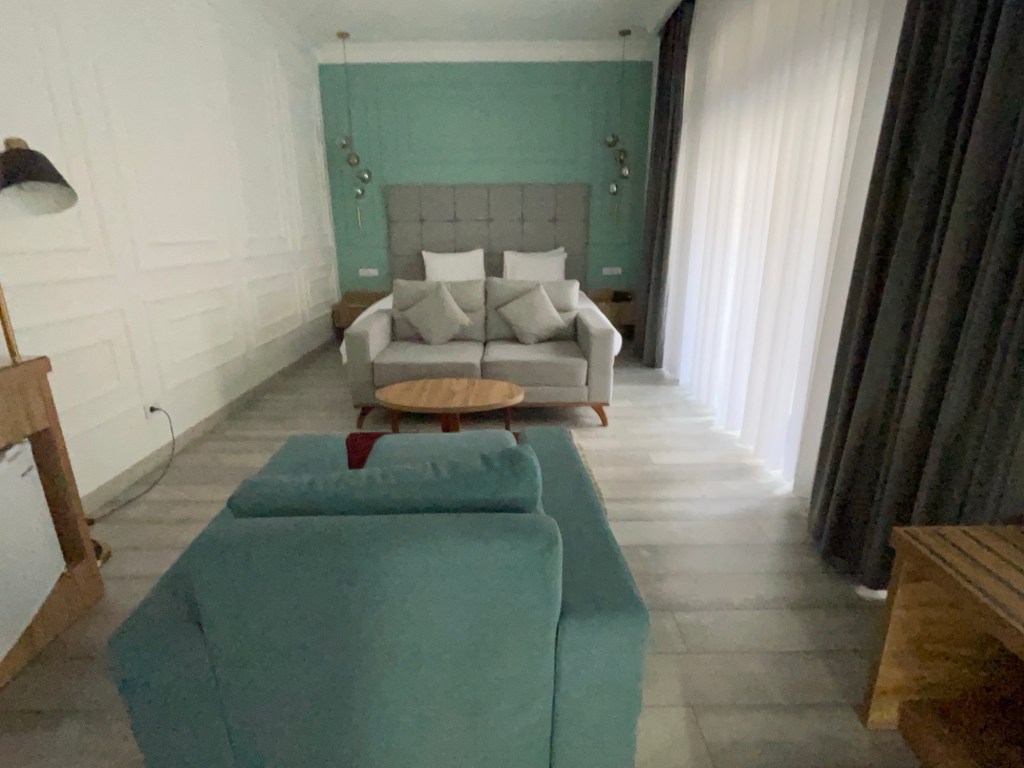
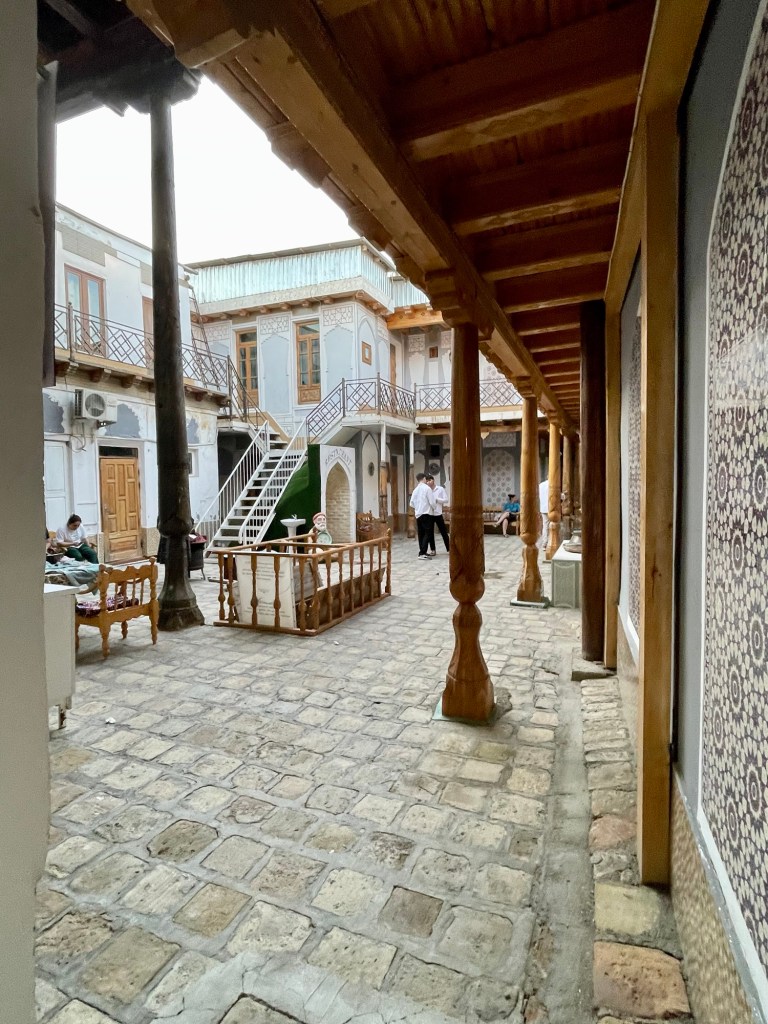
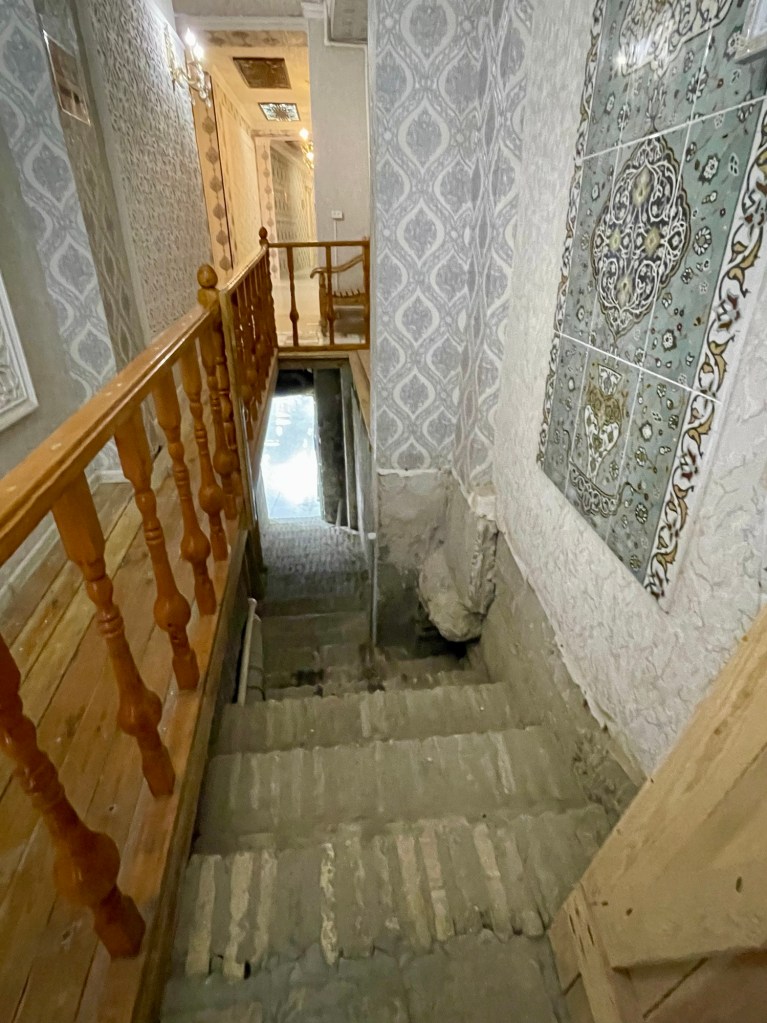
We then took another hour to get to Bukhara. Our small boutique hotel turns out to be a restored Jewish home. In fact, we are in the Jewish quarter. Here are some pictures of my room and the hotel.
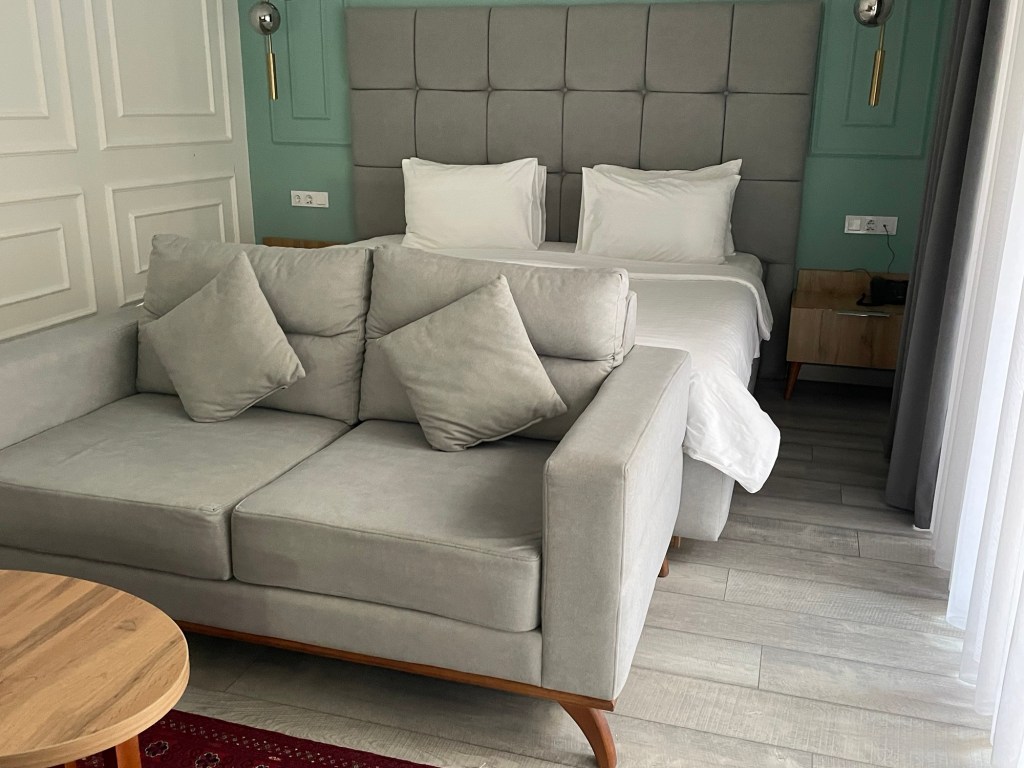
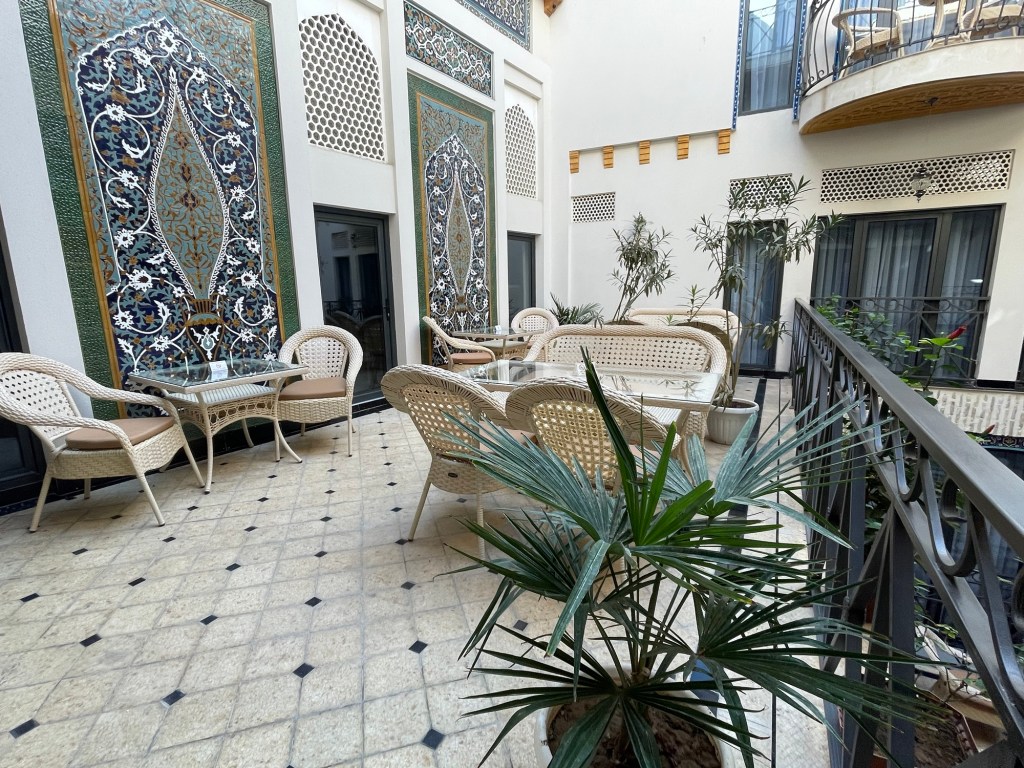
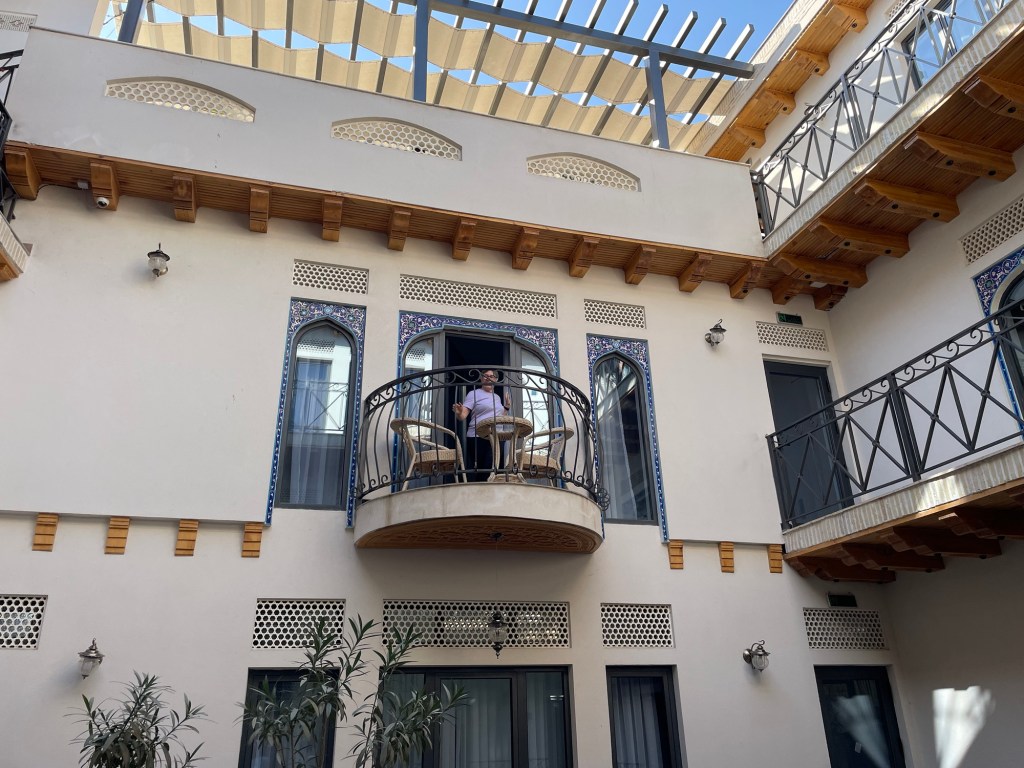
After settling in, our guide took us for a walk to the synagogue and to an old Jewish house. This synagogue is still active.
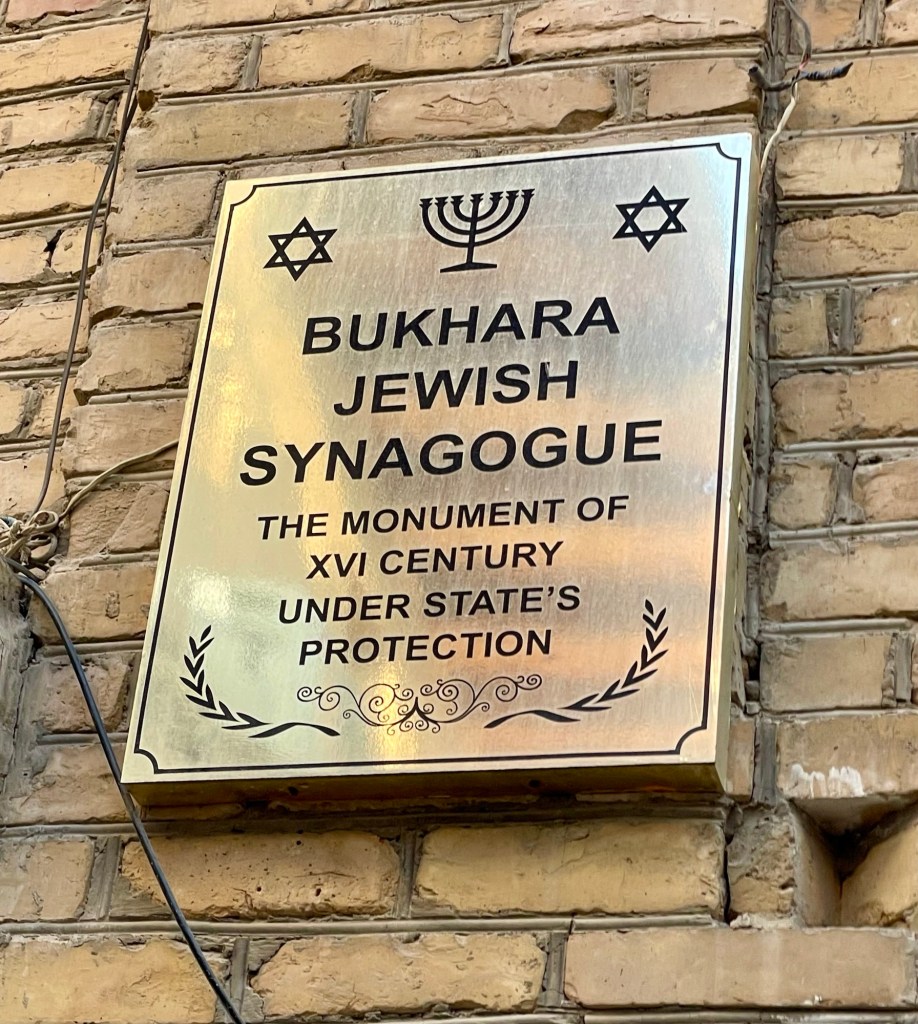
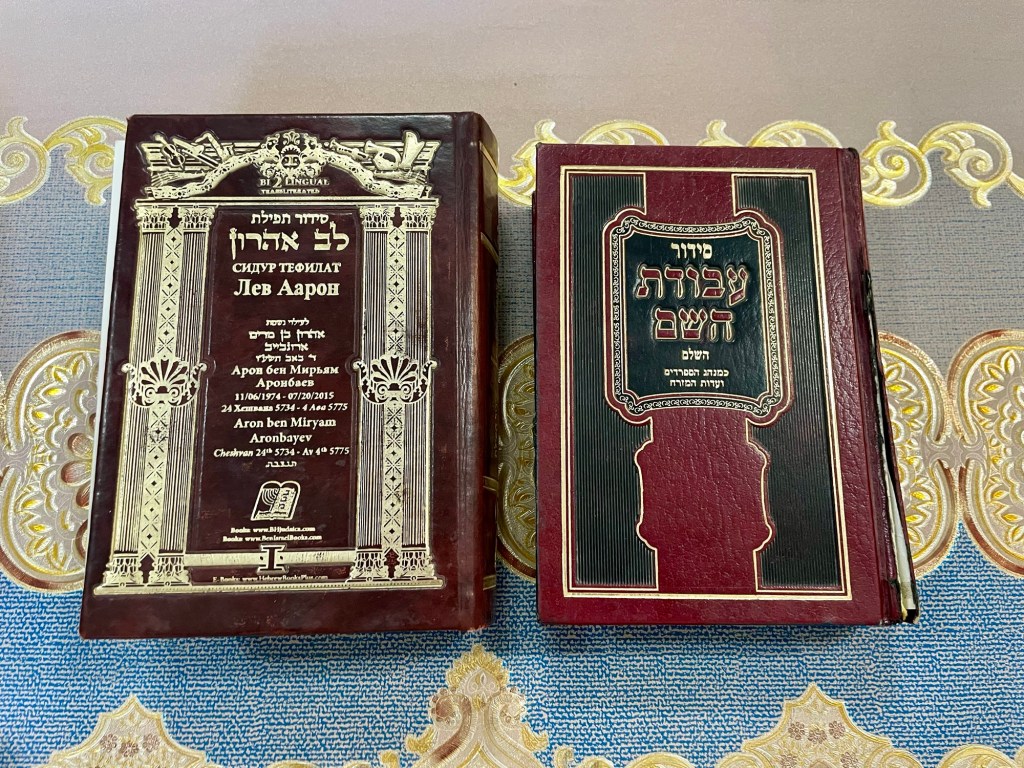
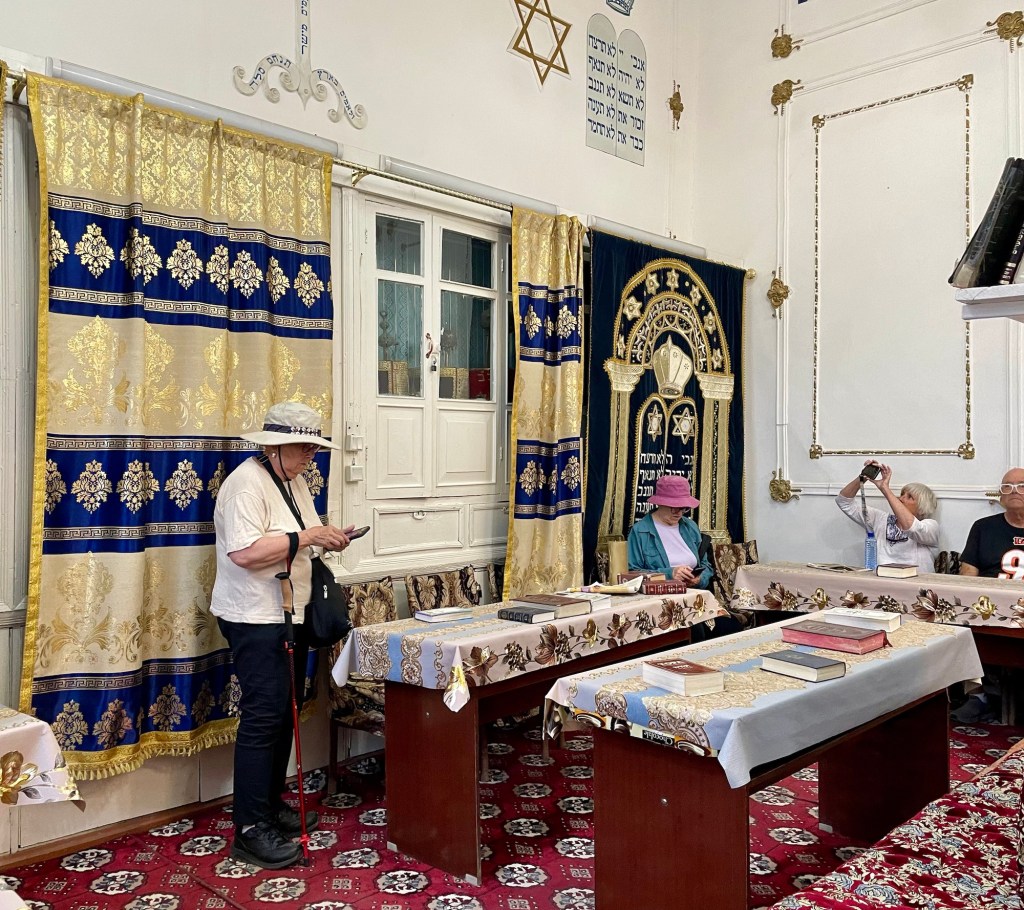
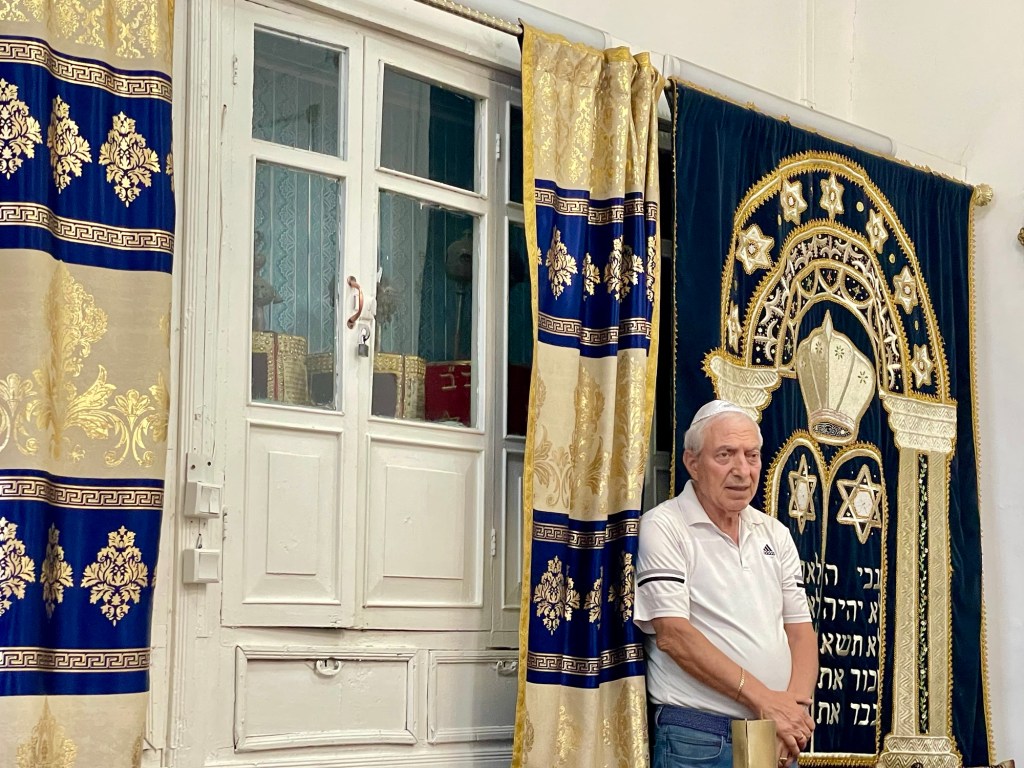
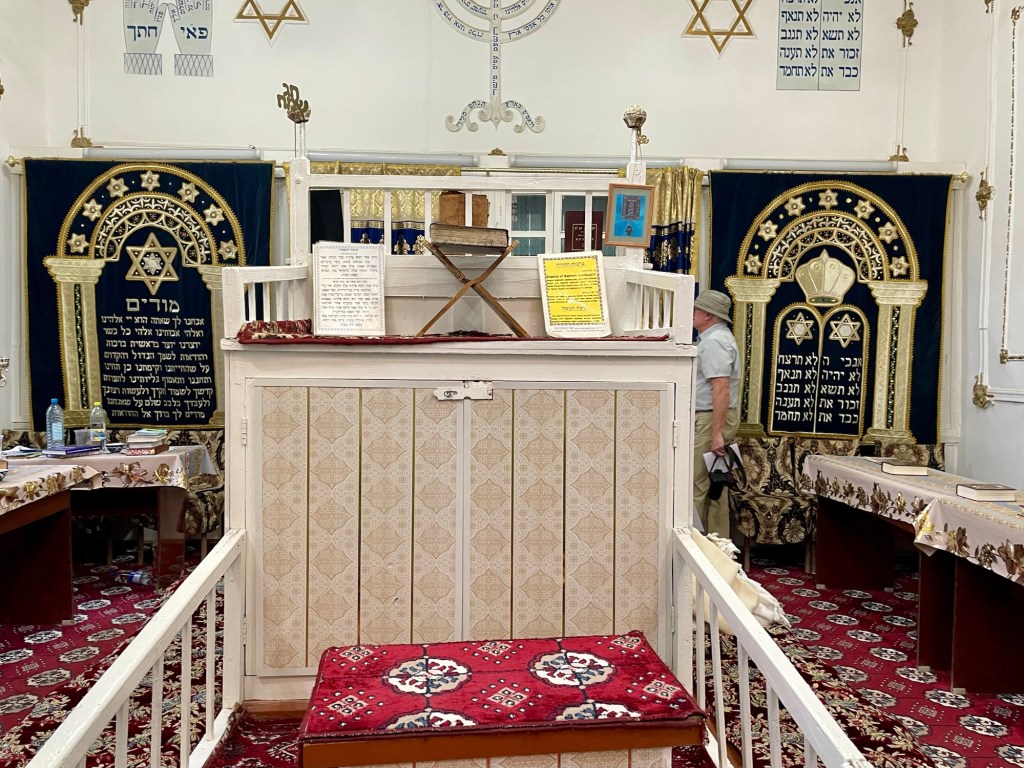
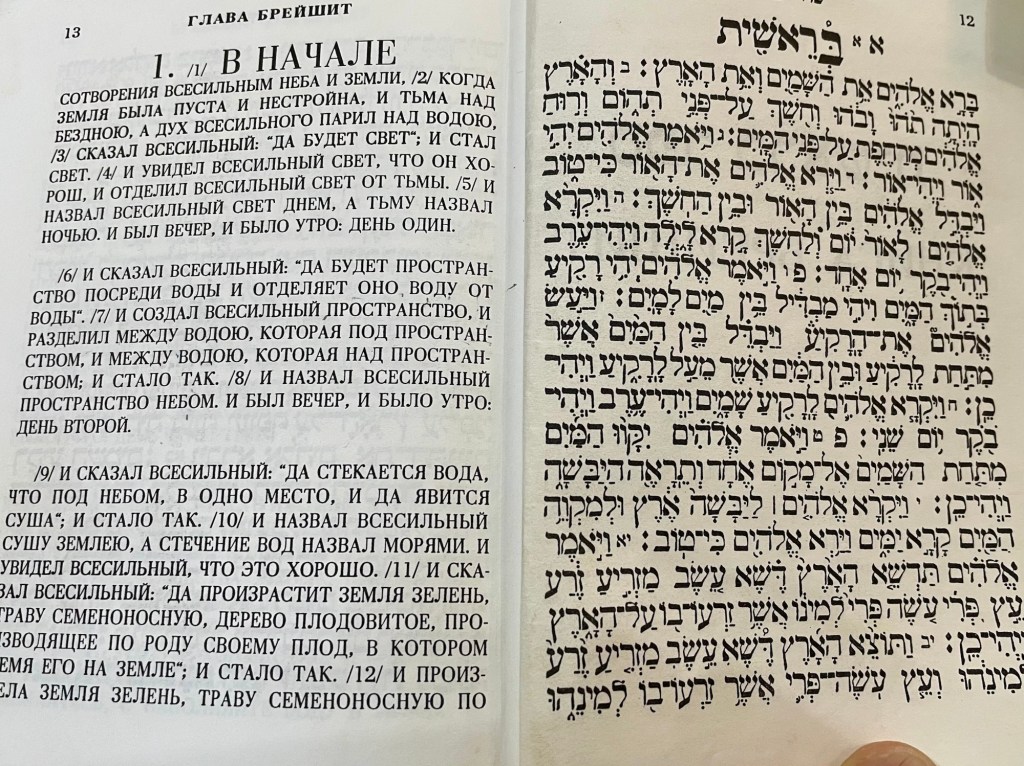
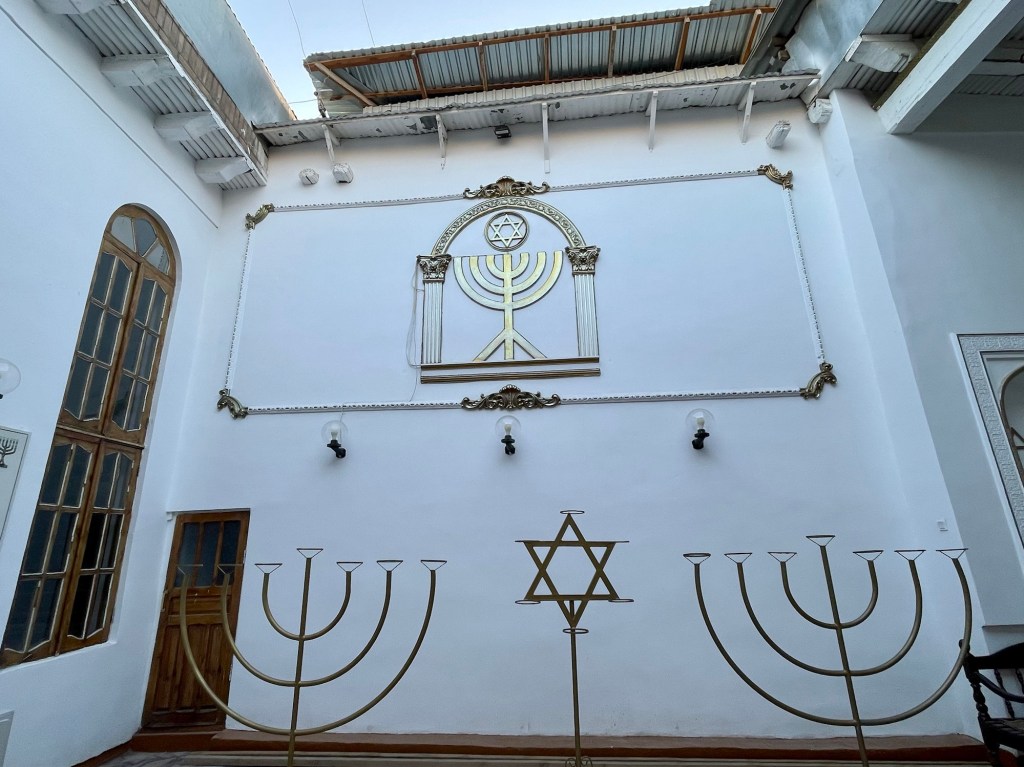
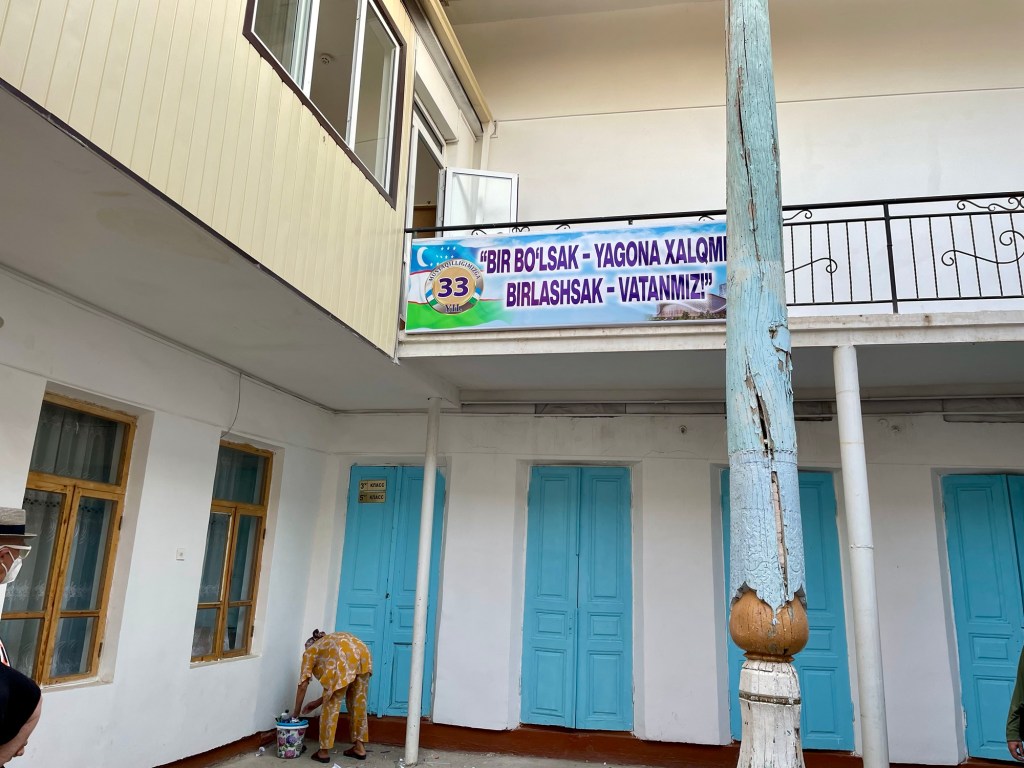
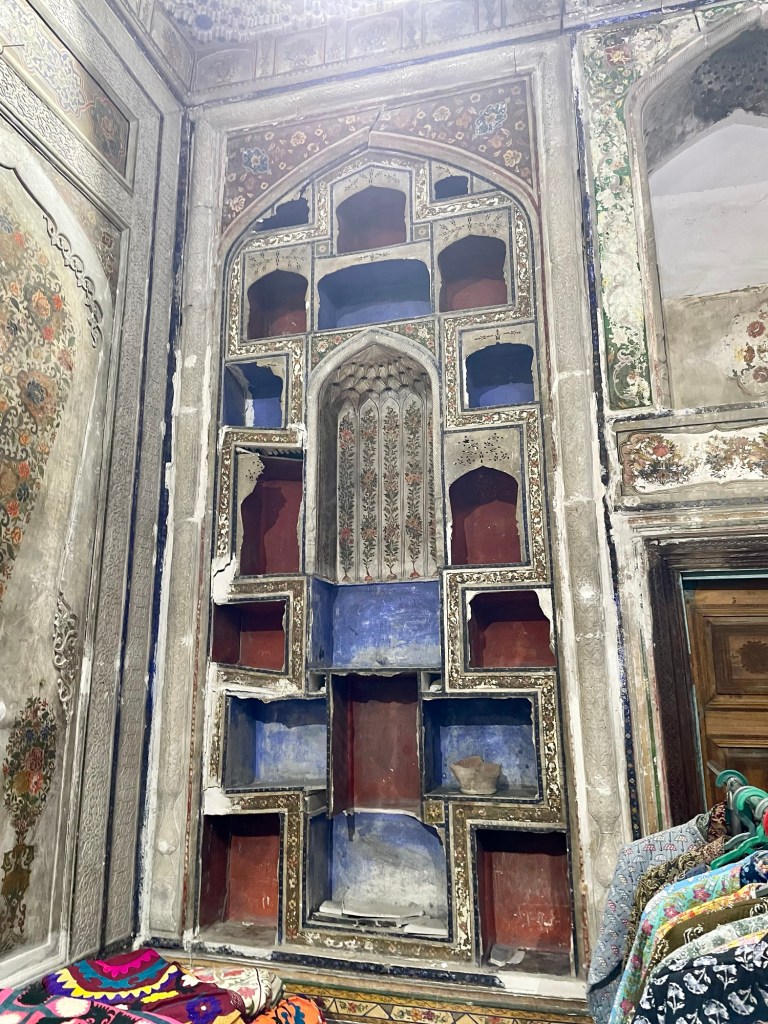
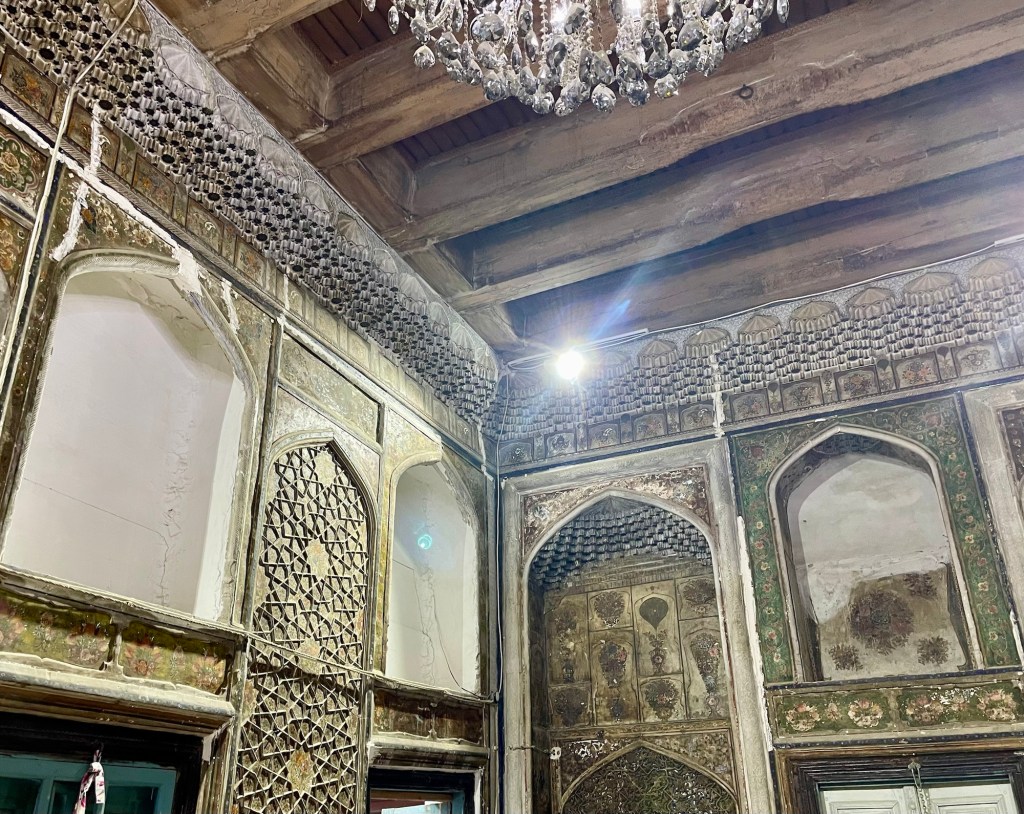
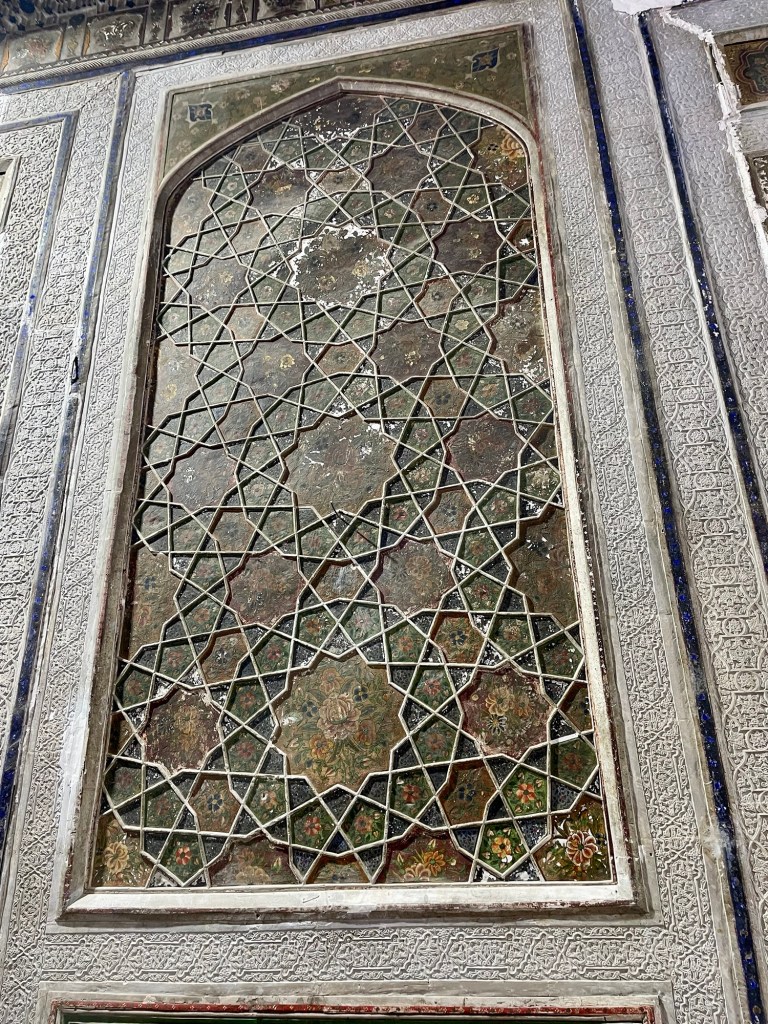
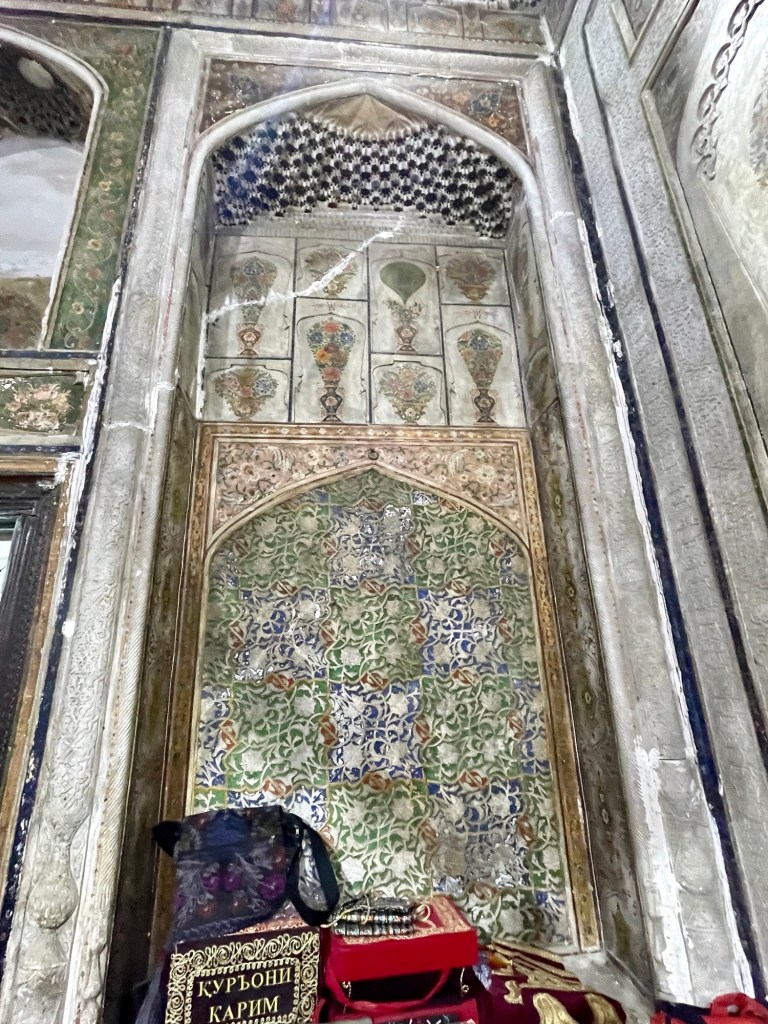
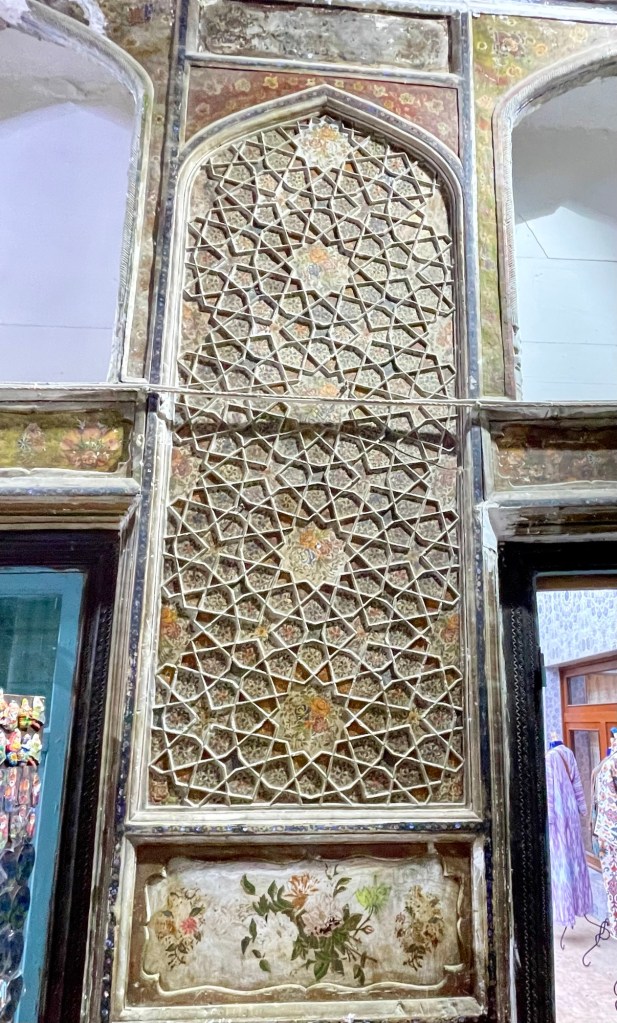
We next visited a Jewish house that is basically a merchant establishment. He did keep one room as it originally was.
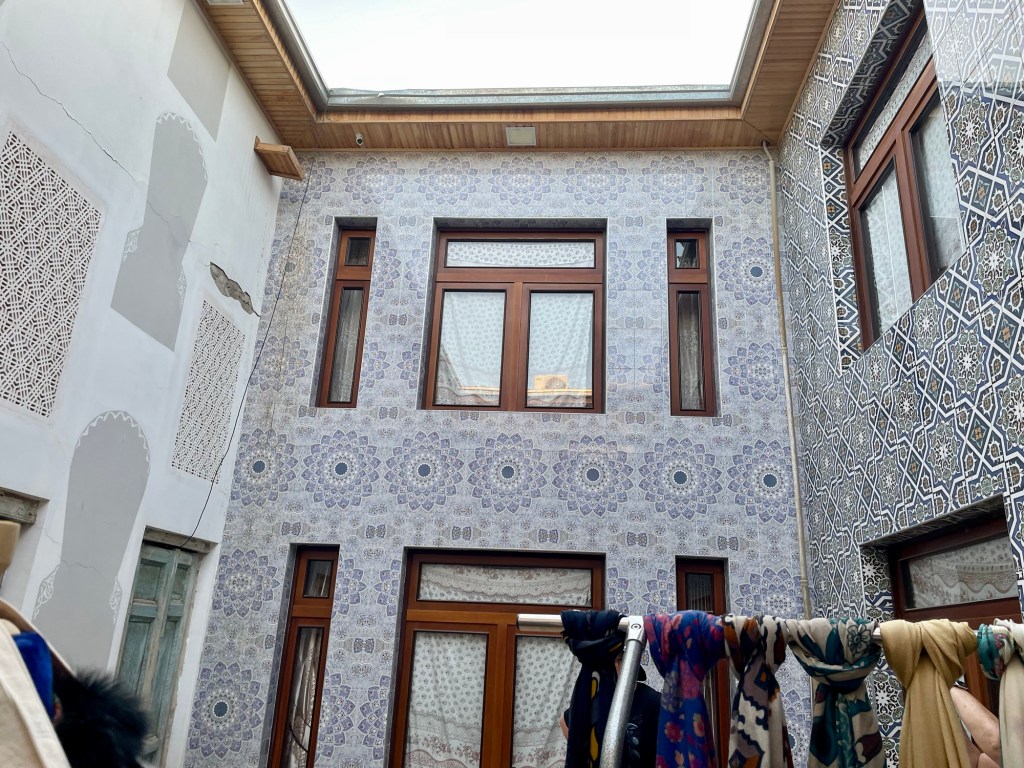
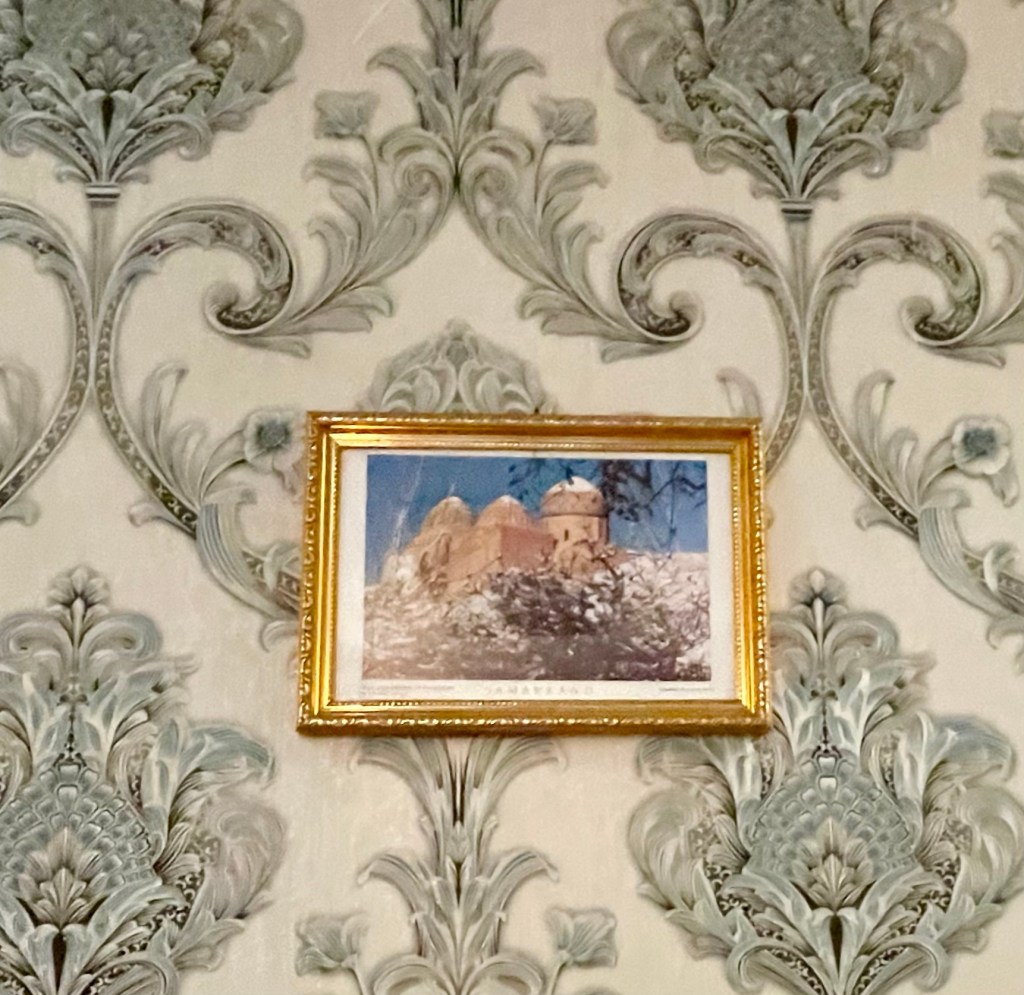
The next set of pictures are taken in the room that was left in it’s original state.
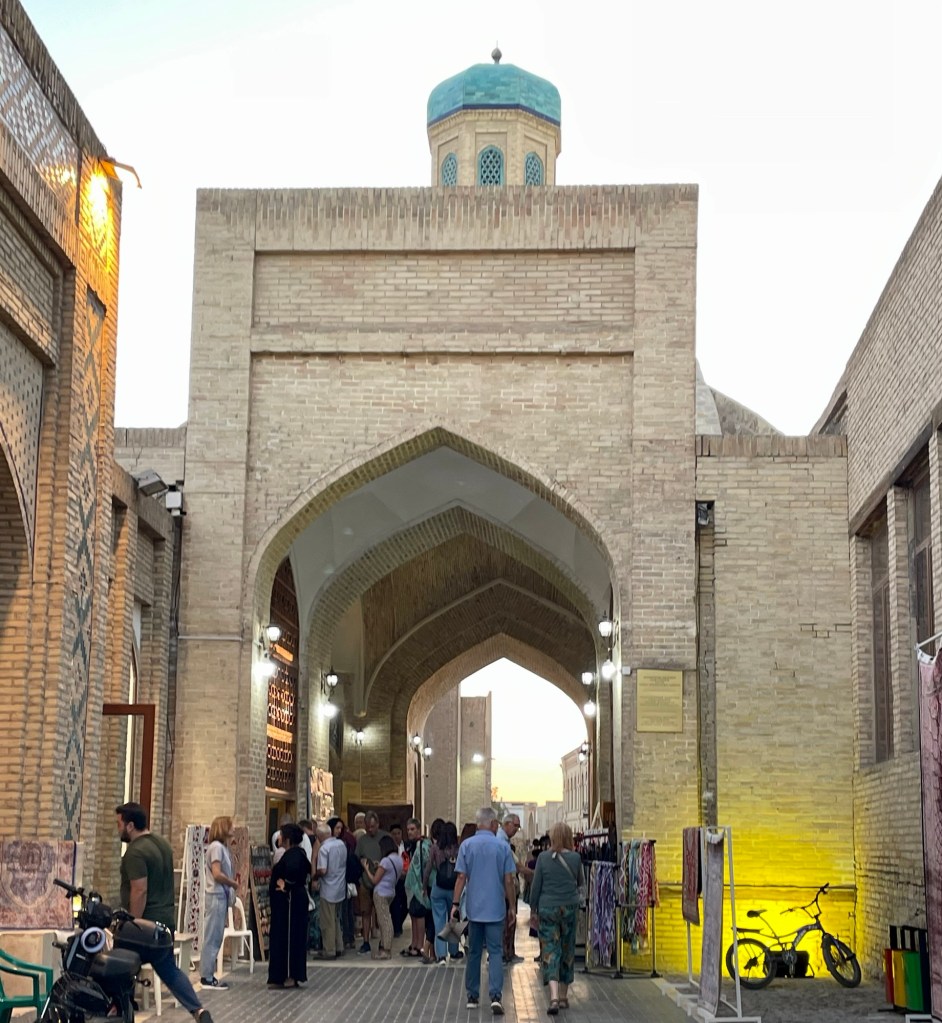
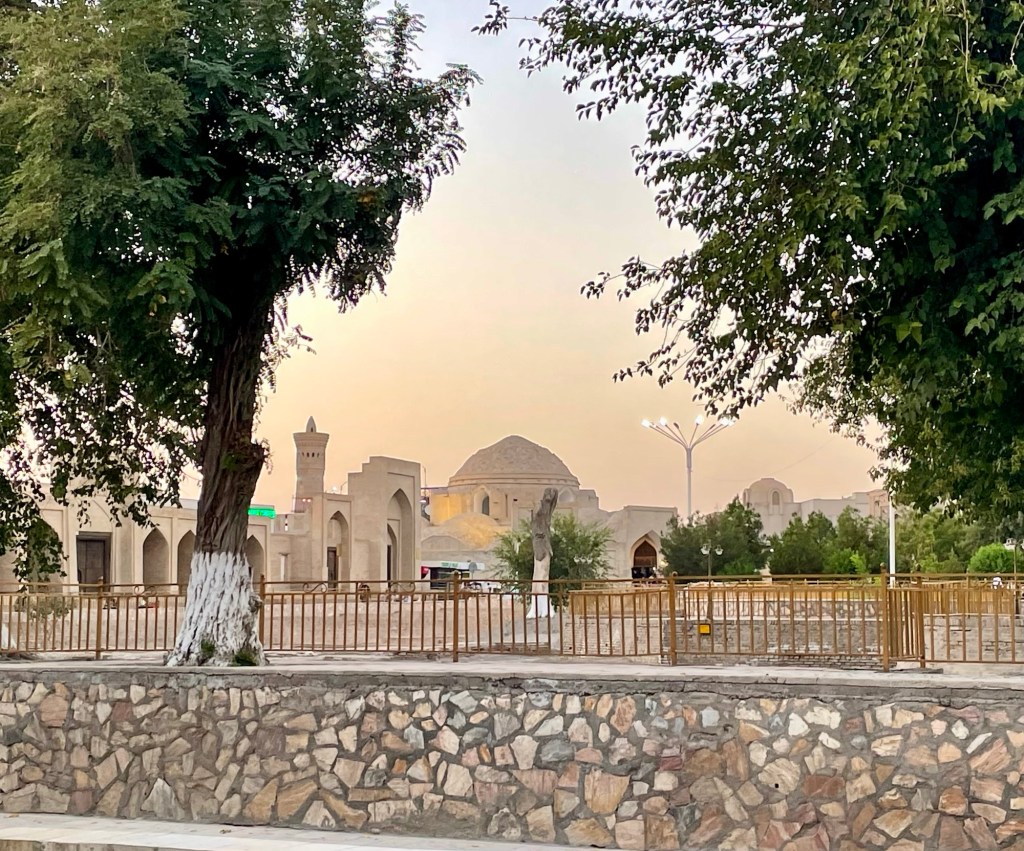
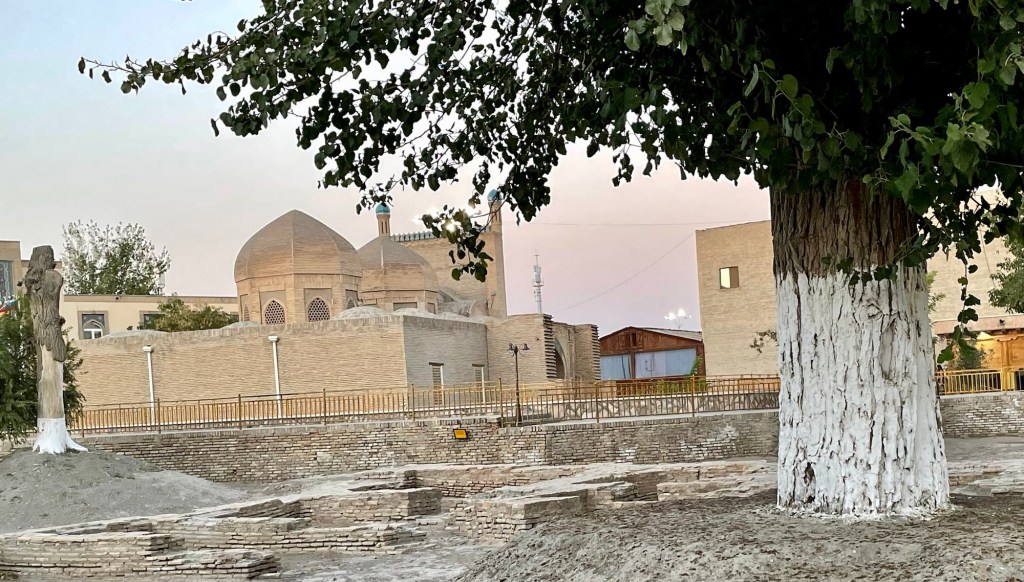
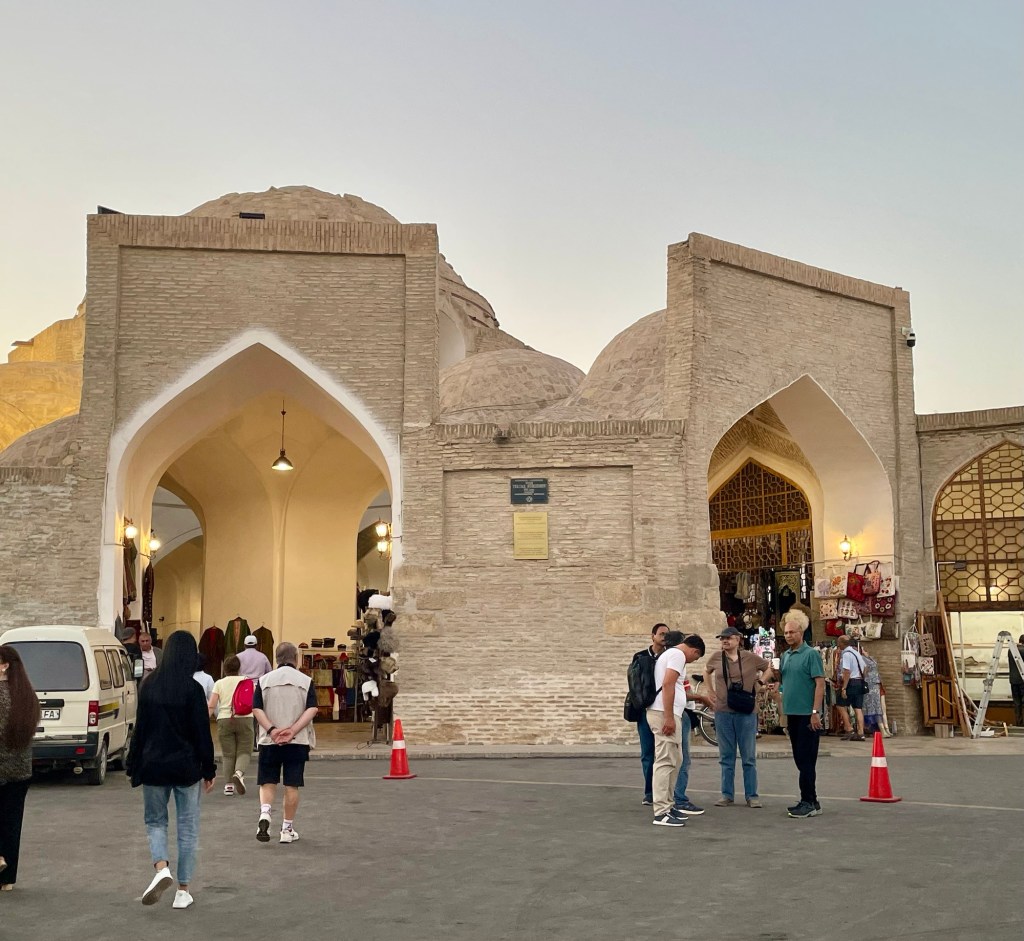
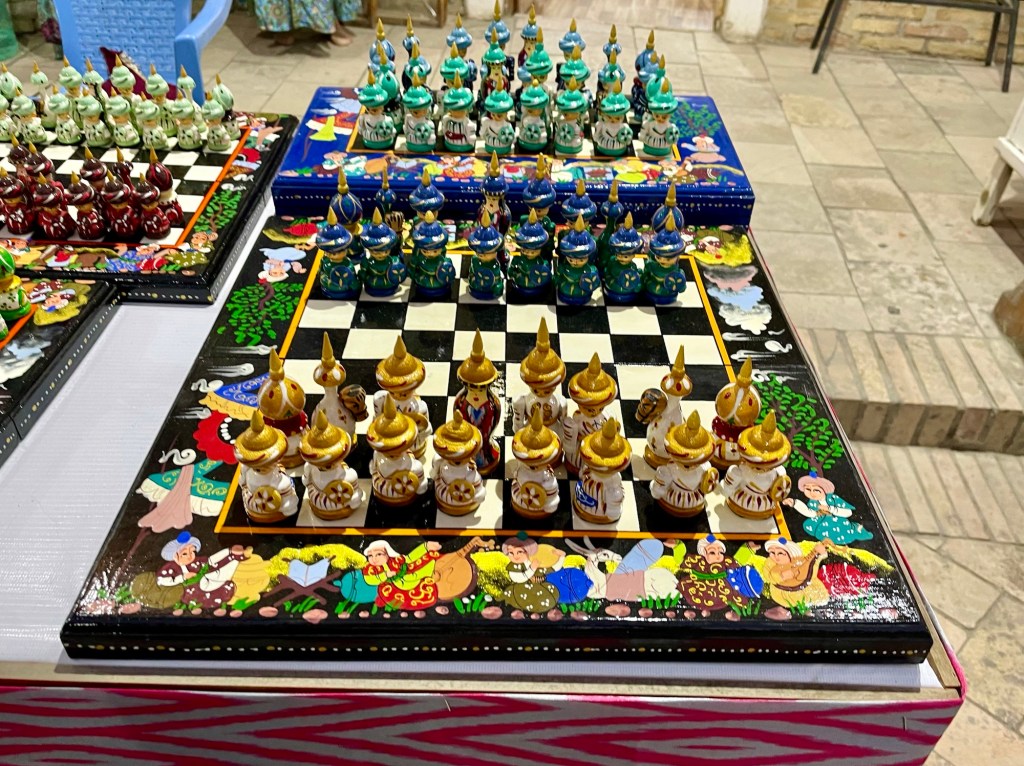
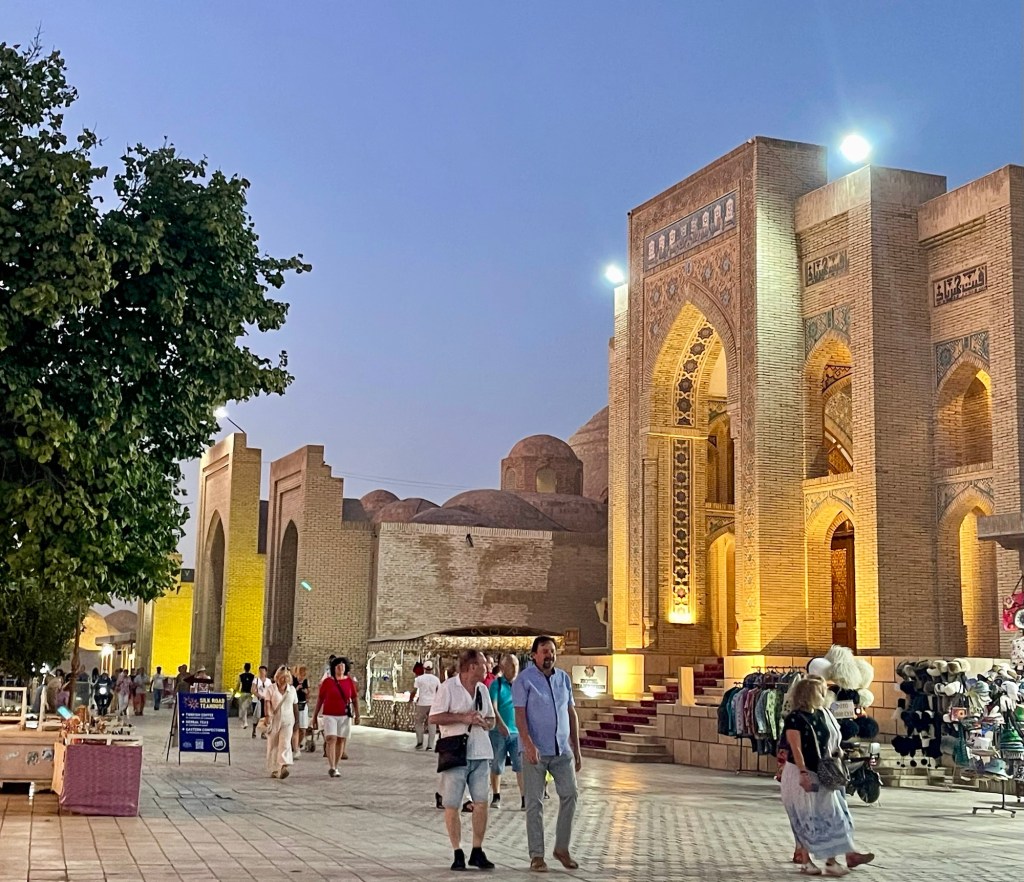
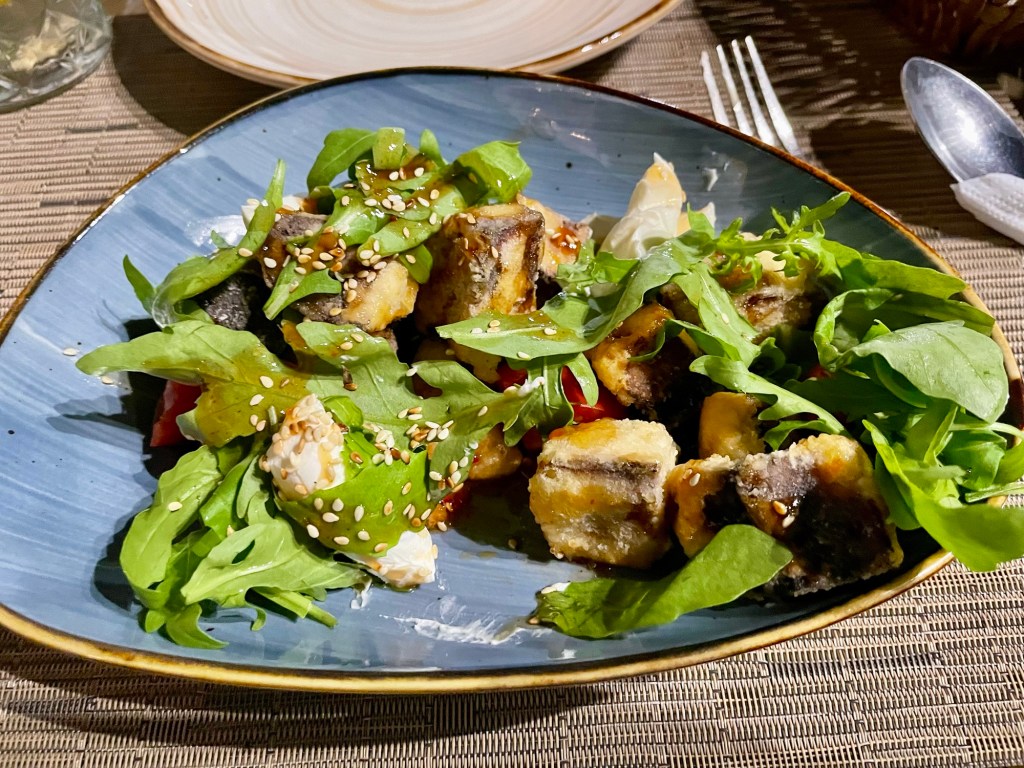
After this walking tour, we were on our own for dinner. I joined three other ladies and we wandered around and looked at some of the shops. We were in search of a restaurant that one of the gals wanted to go to. When we found out that it was closed, we just picked some other restaurant. It really turned out to be good. It was such a nice evening just sitting outside eating great food, looking at all these old buildings, watching families stroll by and just enjoying each other‘s company. This is one of the reasons I love traveling. We are finally in city that actually looks like what I expected these cities, that I would be visiting, to look like. The old town of Bukhara is not a Soviet city.
 RobbieLambertsTravels