At its height, the Parthian Empire, from the third century BCE to the third century CE, stretched from the northern reaches of the Euphrates, in what is now central-eastern Turkey, to present-day Afghanistan and western Pakistan including Turkmenistan. The empire, located on the Sulk Road, became a center of trade and commerce.
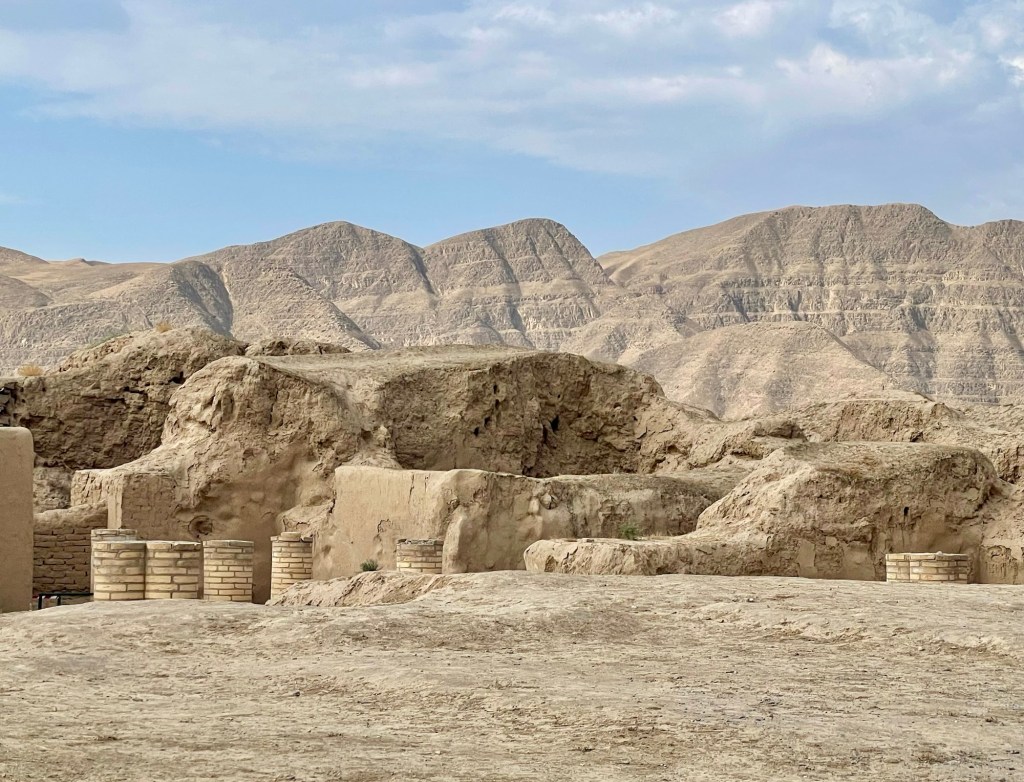
Nisa was an ancient settlement of the Parthians, located near Ashgabat. Nisa is described by some as the first seat of the Parthian Empire. It is traditionally assumed to have been founded by Arsaces I (reigned 250 BC–211 BC) and was reputedly the royal residence of theParthian Kings. Mary, about 200 miles east of Nisa, was the other major Parthian city in Turkmenistan.
The Chinese opened up trade with the Parthian Empire in BCE. Marc Anthony tried to defeat the Parthians and he failed. Persians revolted in the third century CE and that was the start of the fall of the Parthian Empire.
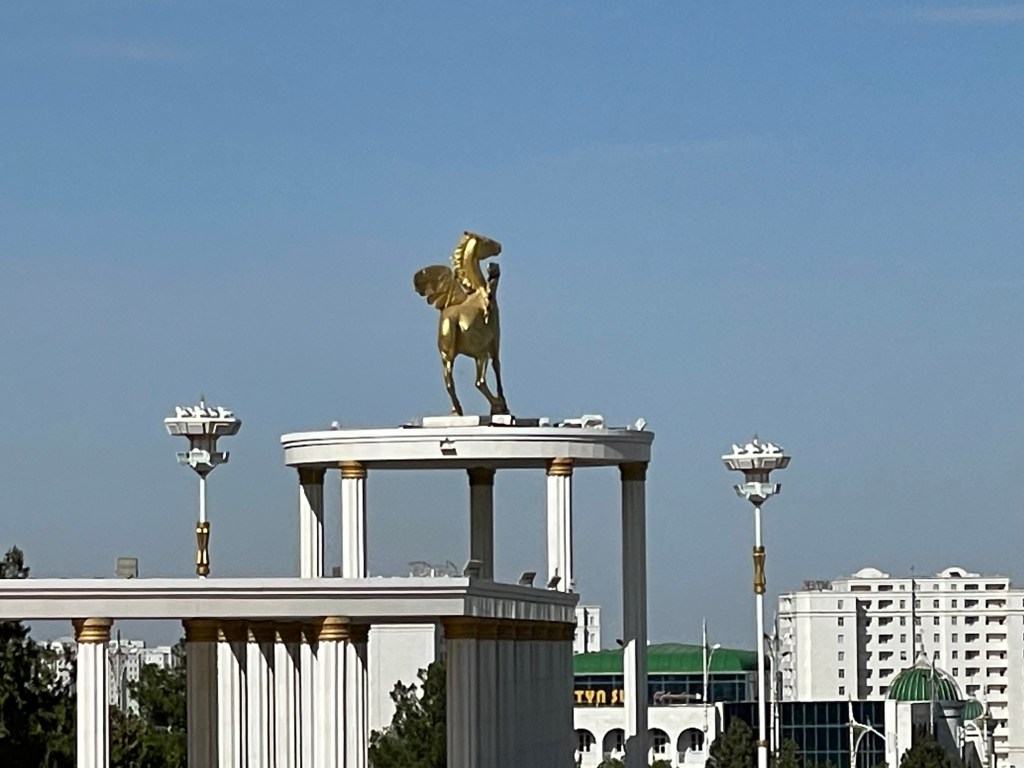
During excavations of ruins in Nisa’s temples, archaelogists found splendid masterpieces such as marble statues, ivory vessels and so on. Also there were found registration documents testifying that Parthia used vine and grapes as payment. Parthia led a great struggle against the Roman Empire and the nomadic tribes of Central Asia. The Parthian army included warriors and horses in armour. Iron disks covered the bodies of the horses. Greek and Rome writers glorified Parthian horses for their great endurance. These horses were ancestors of current day Akhalteke horses.
In 330 CE, the region was conquered by Alexander the Great.
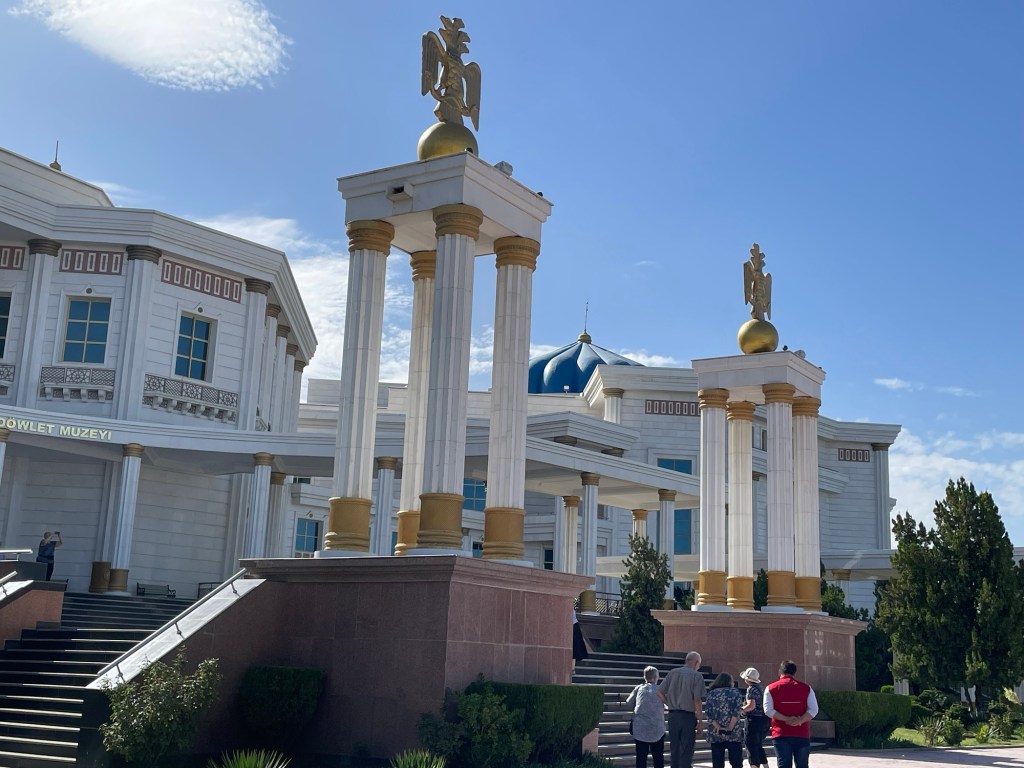
On our first day in Ashgabat, we went to the Natural Museum of History and saw artifacts from the Parthian Empire. The museum has over half a million pieces.
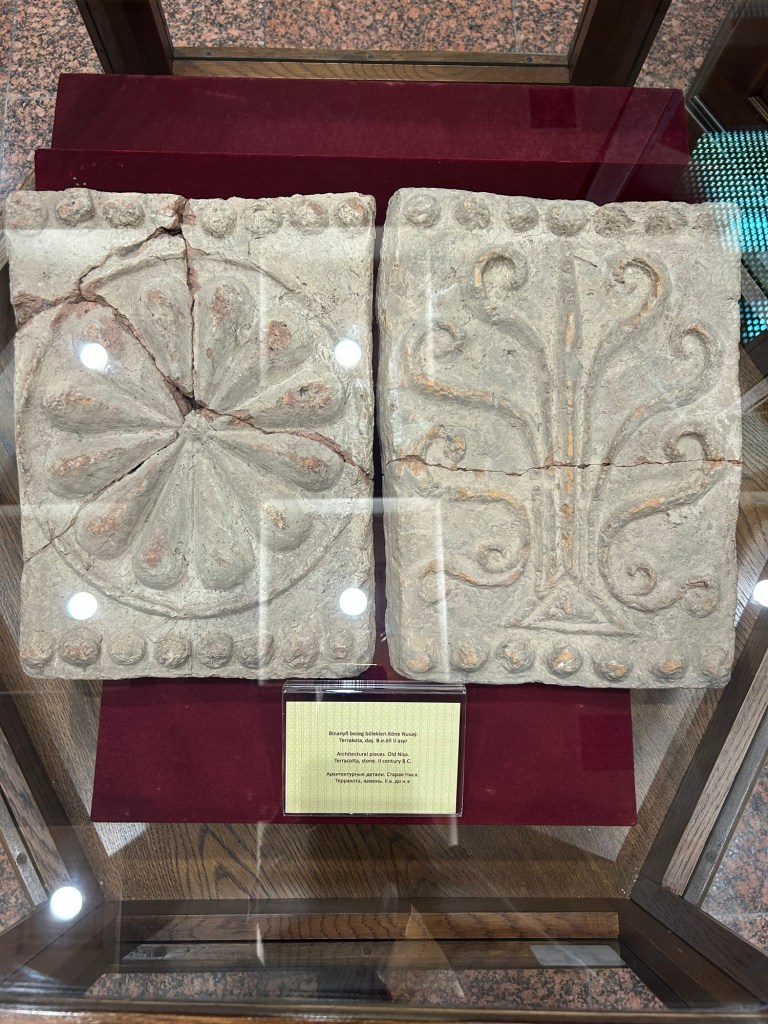


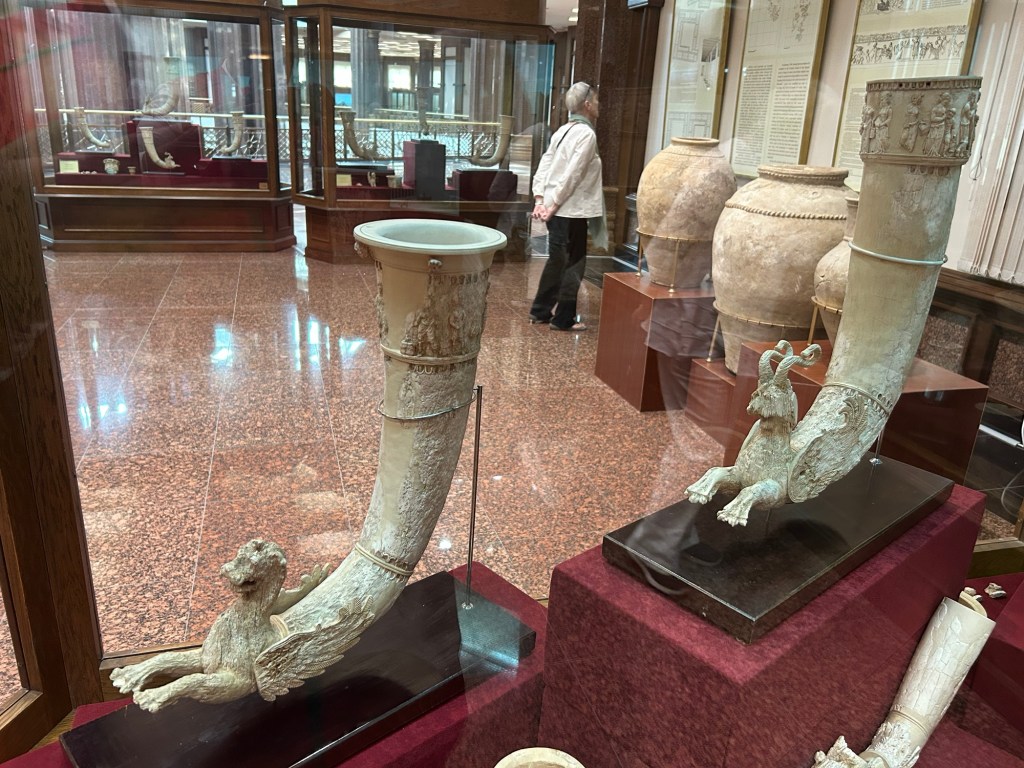
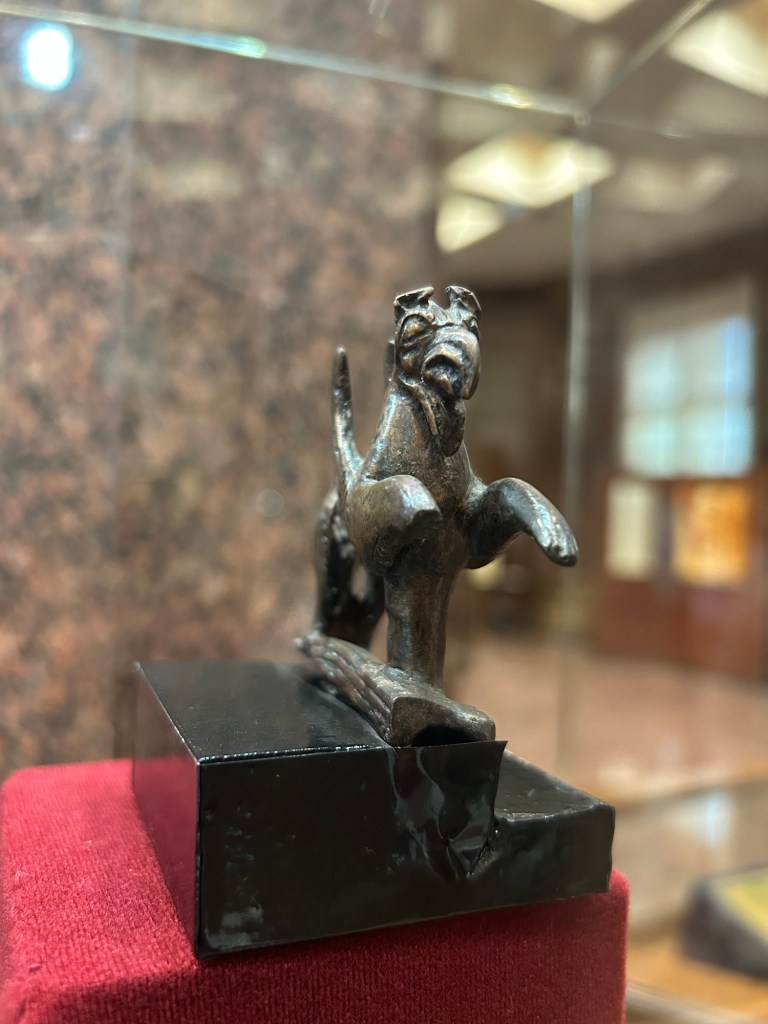
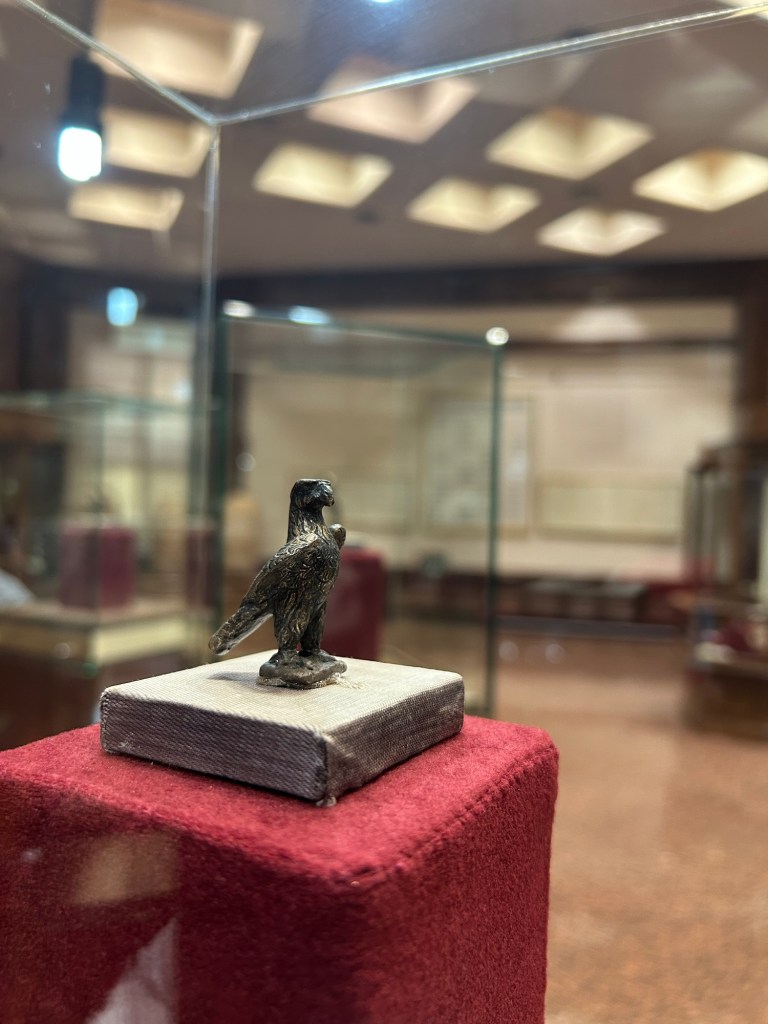
Here are some other artifacts in the museum and unfortunately I don’t have them identified.

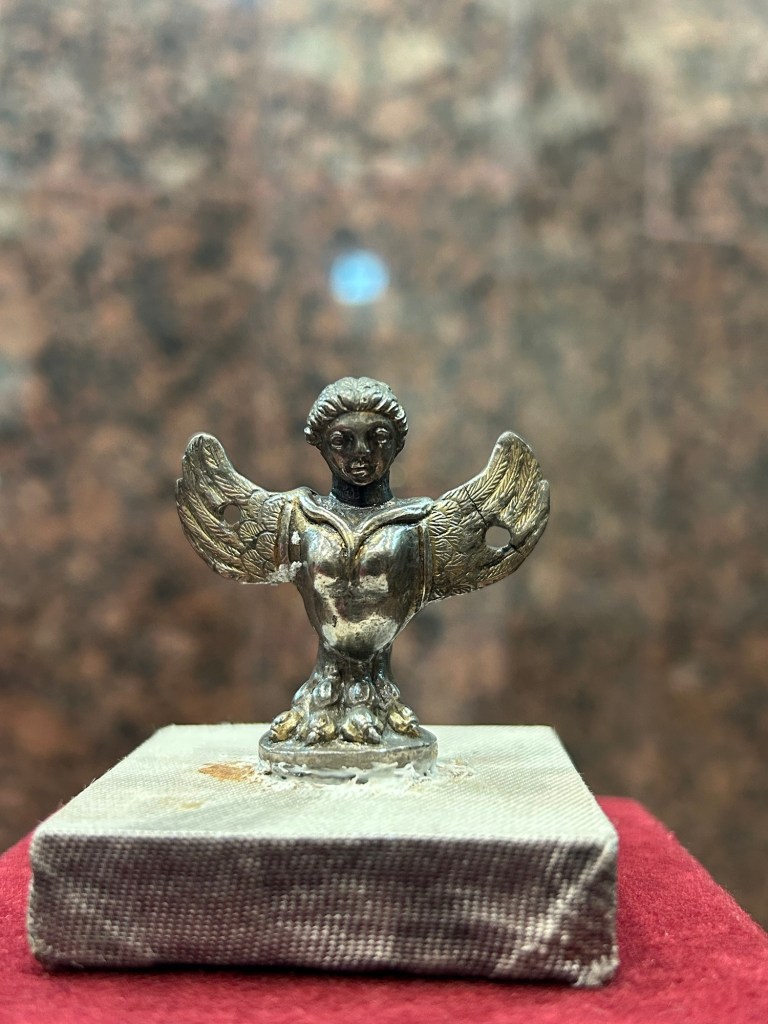
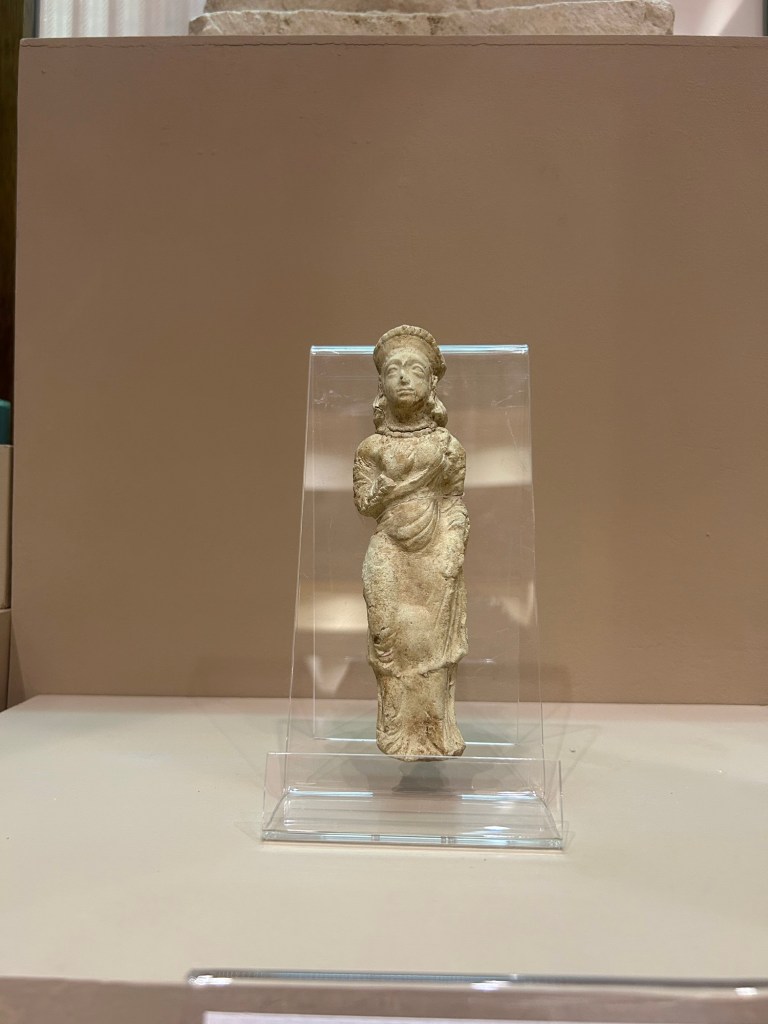
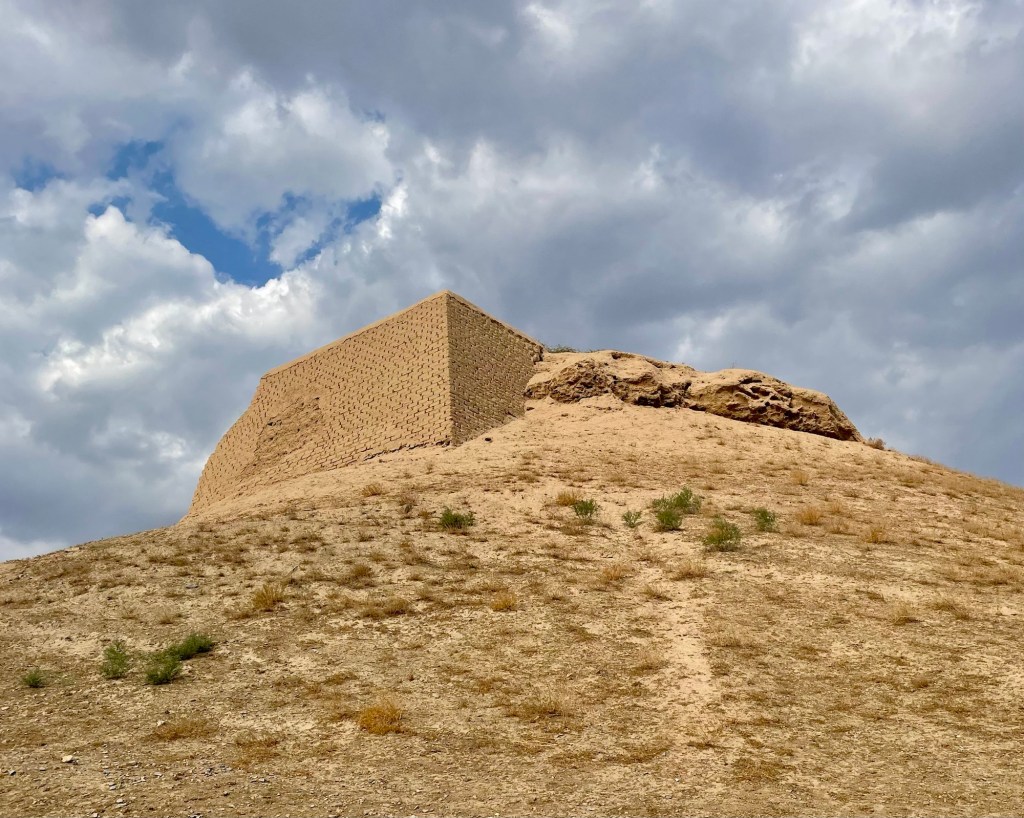
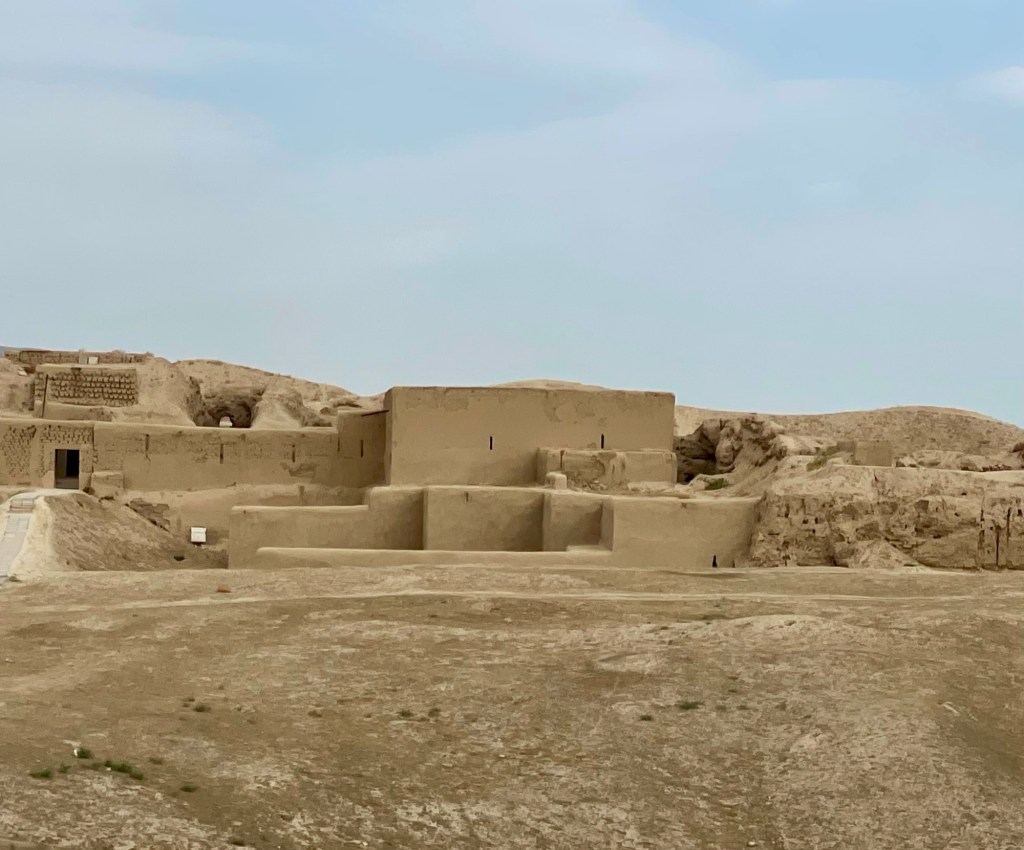
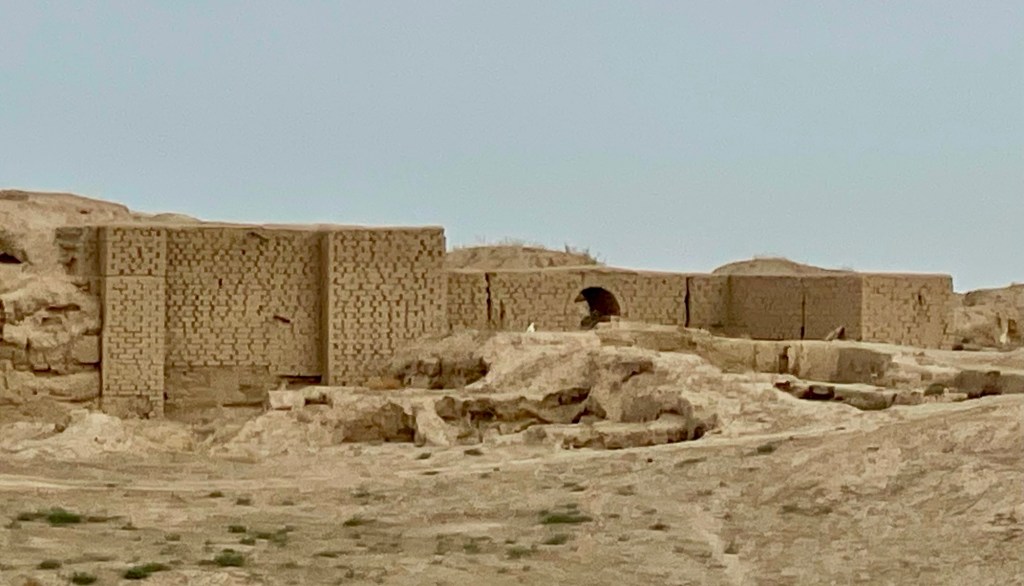
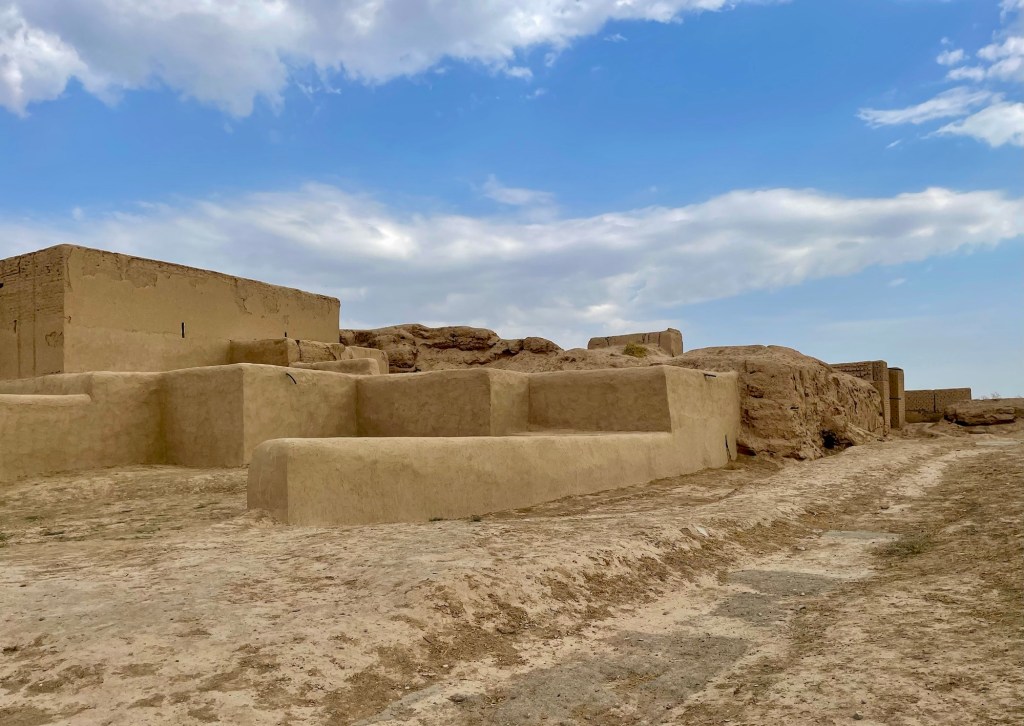
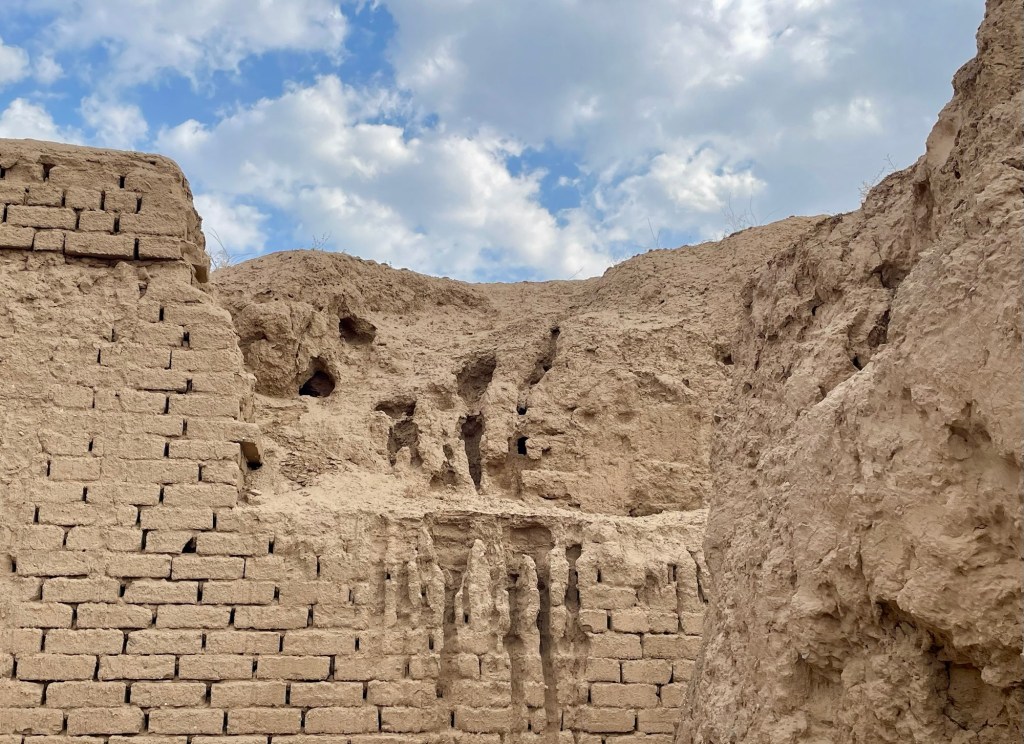
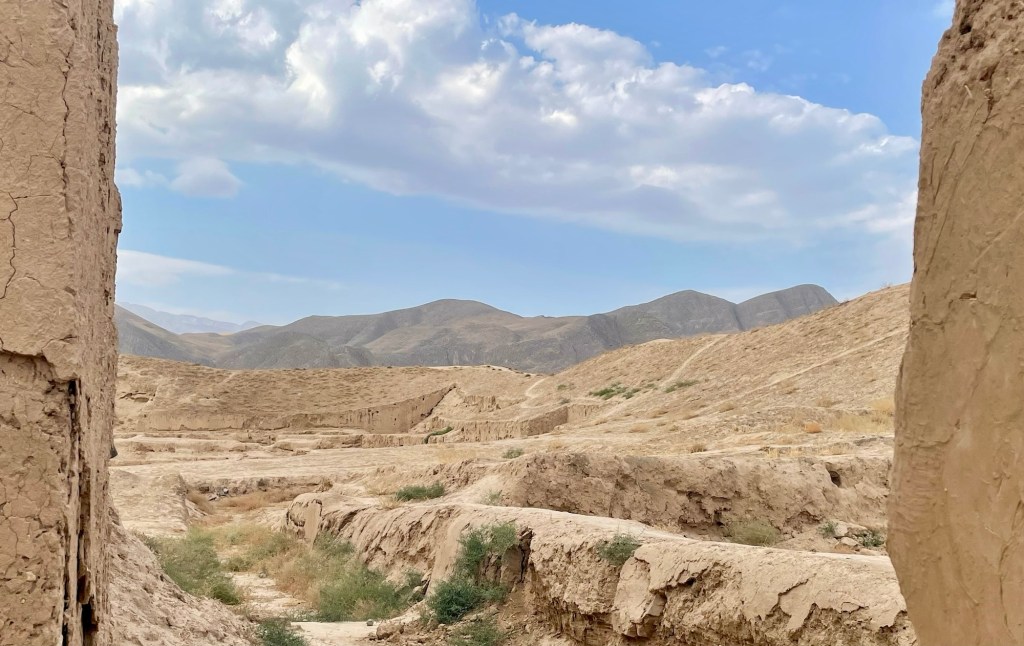
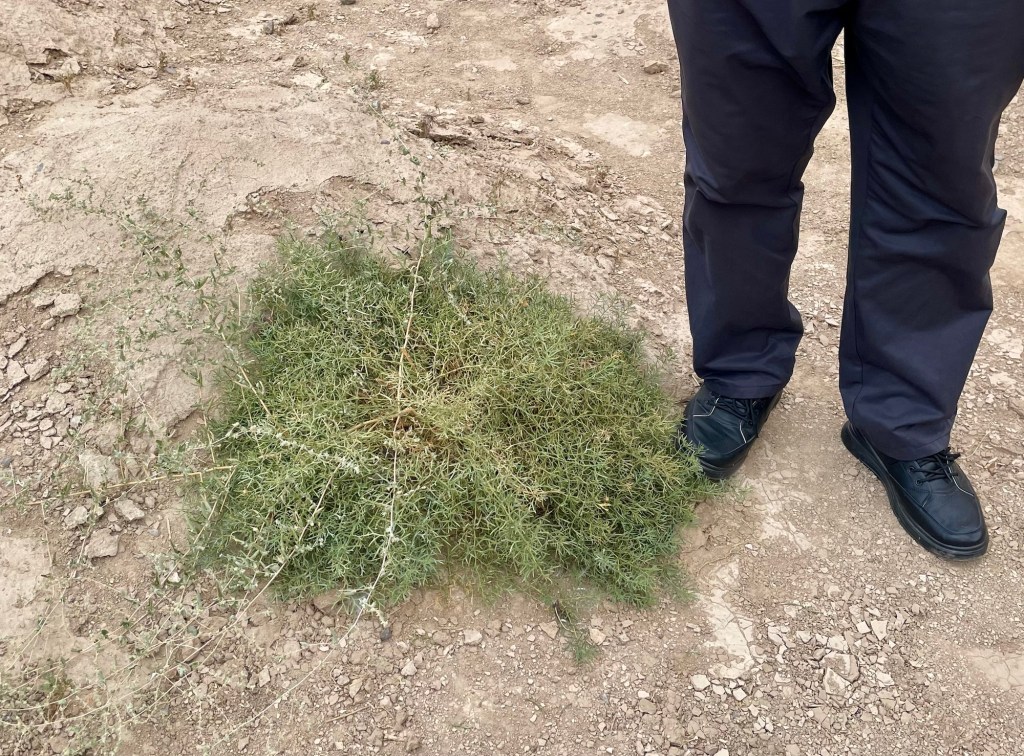
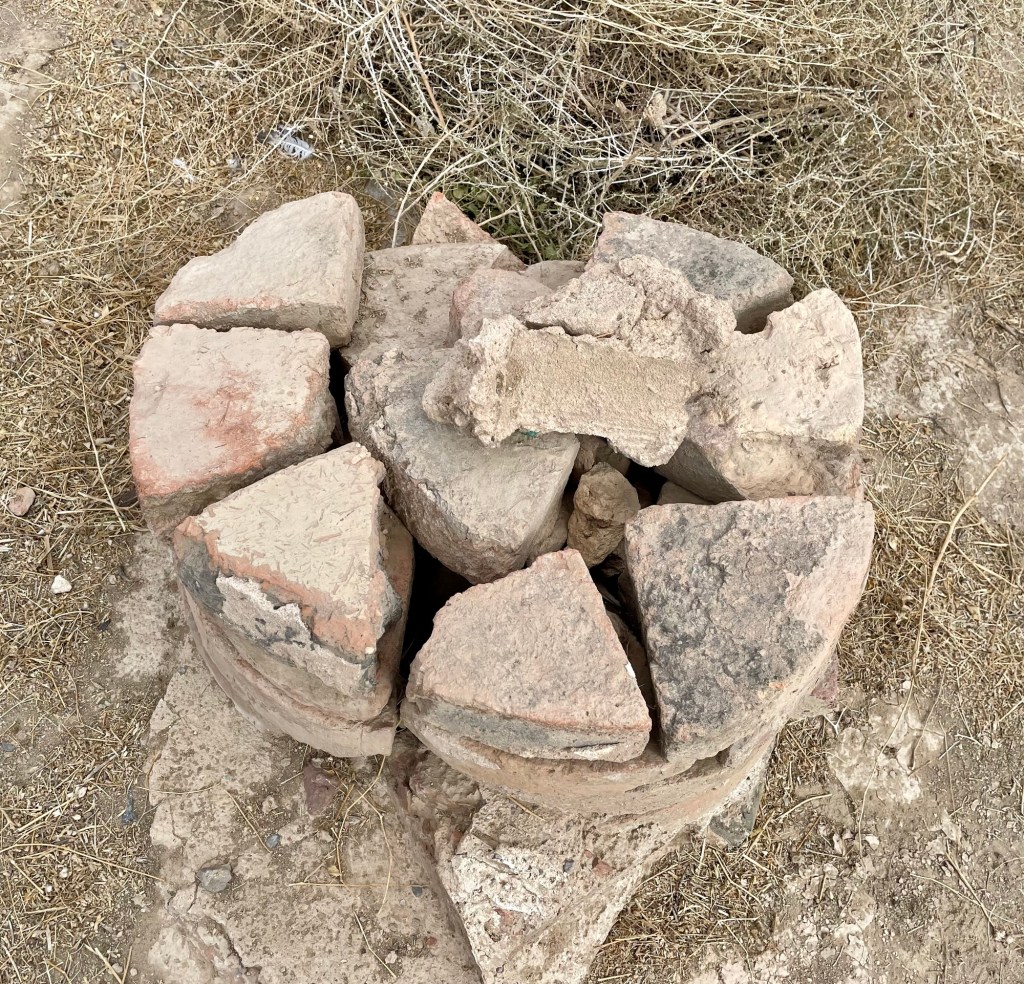
During our second day in Ashgabat, we visited the ruins of Old Nisa. It is now a World Heritage site.






 RobbieLambertsTravels