The history of the Camino de Santiago began in the 9th century. A hermit named Pelayo reported seeing mysterious lights in a forest, which led Bishop Teodomiro to find a mausoleum believed to be the tomb of Saint James. The first pilgrim was King Alfonso II of Asturias, who made a journey to the site in the 810s, establishing the first route known as the Camino Primitivo . By the 10th century, the number of pilgrims increased significantly, especially as it was declared one of the three great pilgrimages of Christendom by the Catholic Monarchs. The other two are Rome and Jerusalem. Its popularity grew through the Middle Ages, leading to the creation of various routes across Europe and the development of infrastructure to support pilgrims. After a decline due to wars and reformation, the Camino was revitalized in the late 20th century and has seen a massive increase in modern-day pilgrims. The number of pilgrims has seen a steady year-on-year increase, with hundreds of thousands walking the paths each year for a variety of spiritual, cultural, and personal reasons. The route can be done by walking or bicycling or on horseback. You can get a booklet that you can get stamps put in as you go along the route. On this tour, we will be walking along the Camino in different locations. We are following the path that is called the French Way. For our first trek, we started the journey in the village of Roncesvalles, which is a starting point for many pilgrims. I walked a total of 2 1/2 miles through a beautiful forest and then through a village.
This area is also the location of the battle of Roncedvalles Pass in 778 when a large force of Basques ambushed a part of Charlemagne’s army. The Basque attack was in retaliation for Charlemagne’s destruction of the city walls of their capital, Pamplona. As the Franks retreated across the Pyrenees back to France, the rearguard of Frankish lords was cut off and was wiped out. Among those killed in the battle was Roland, a Frankish commander. His death elevated him and the paladins, the foremost warriors of Charlemagne’s court, into legend, becoming the quintessential role model for knights and also greatly influencing the code of chivalry in the Middle Ages.
Here are the pictures that I took.
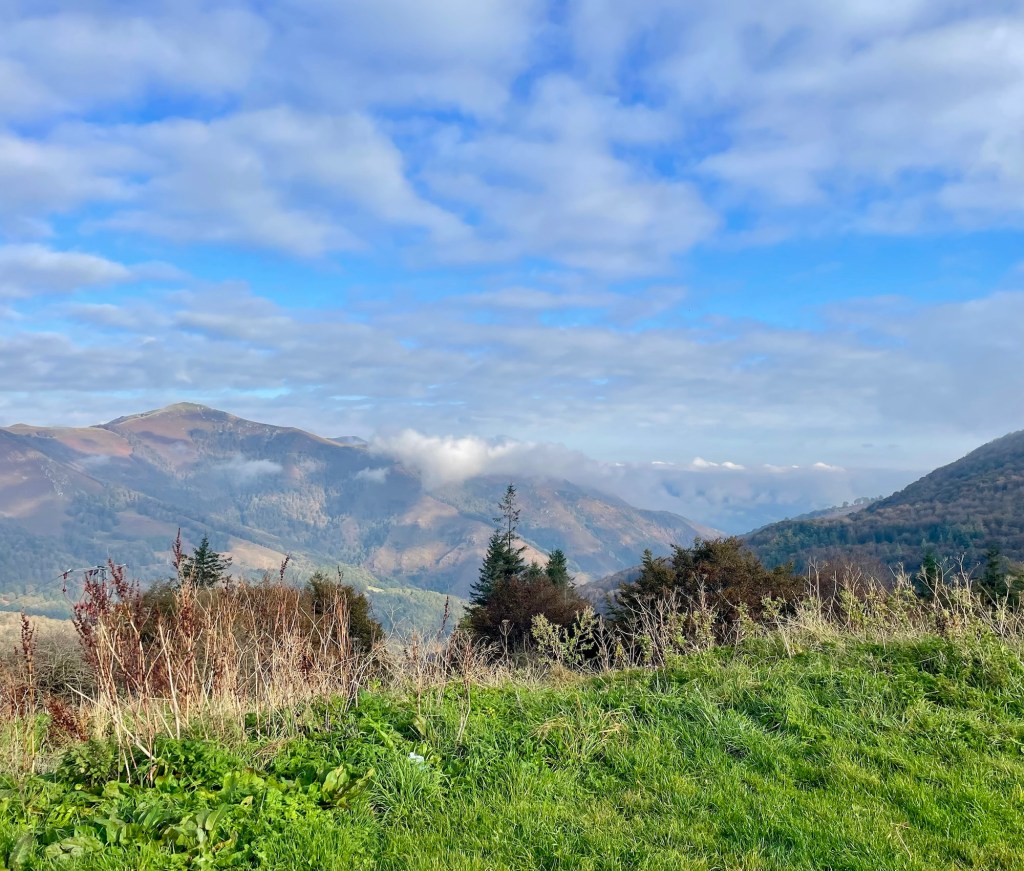
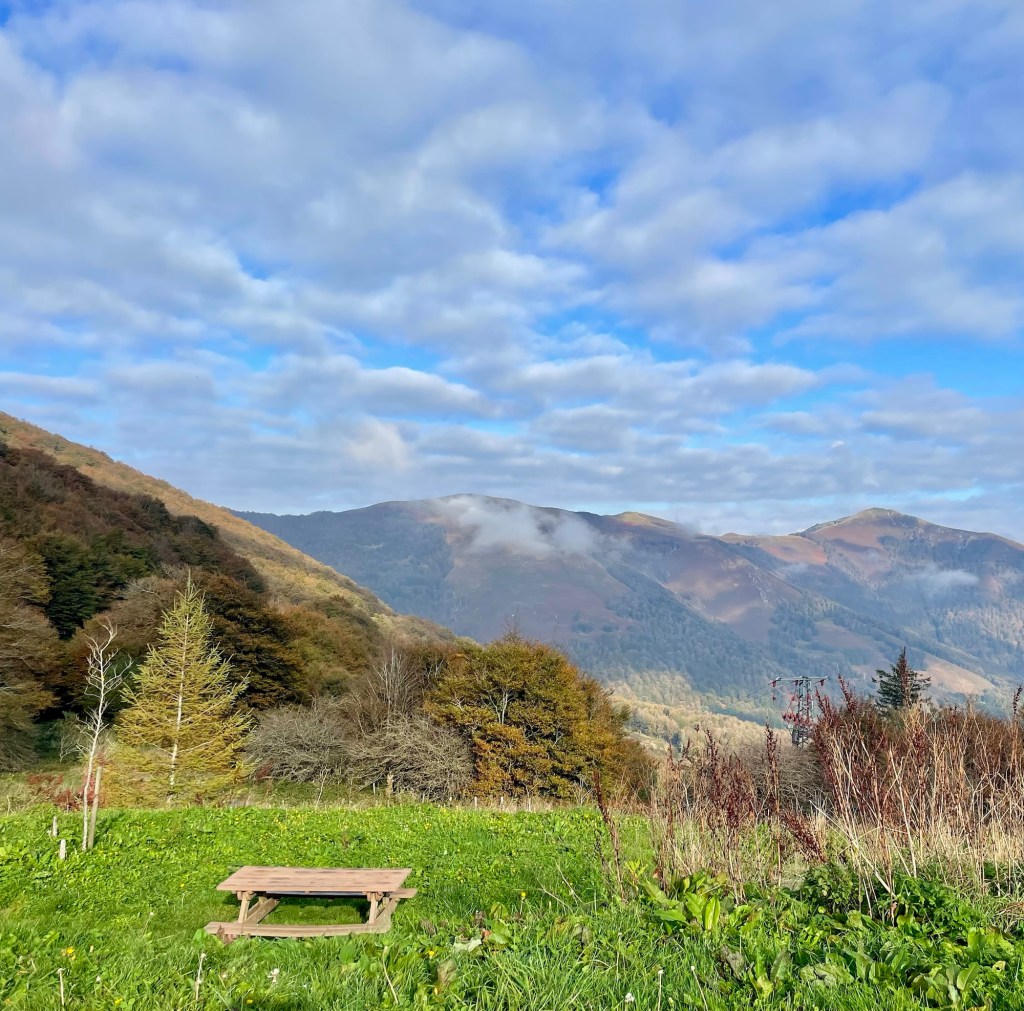
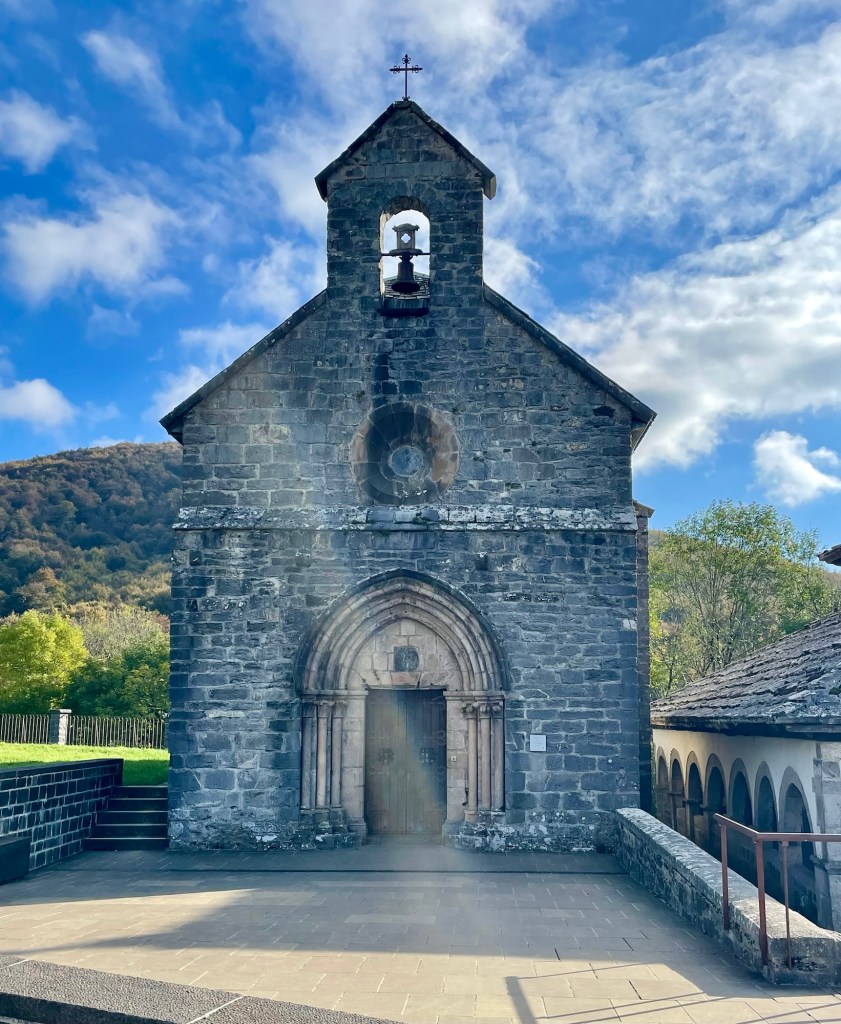
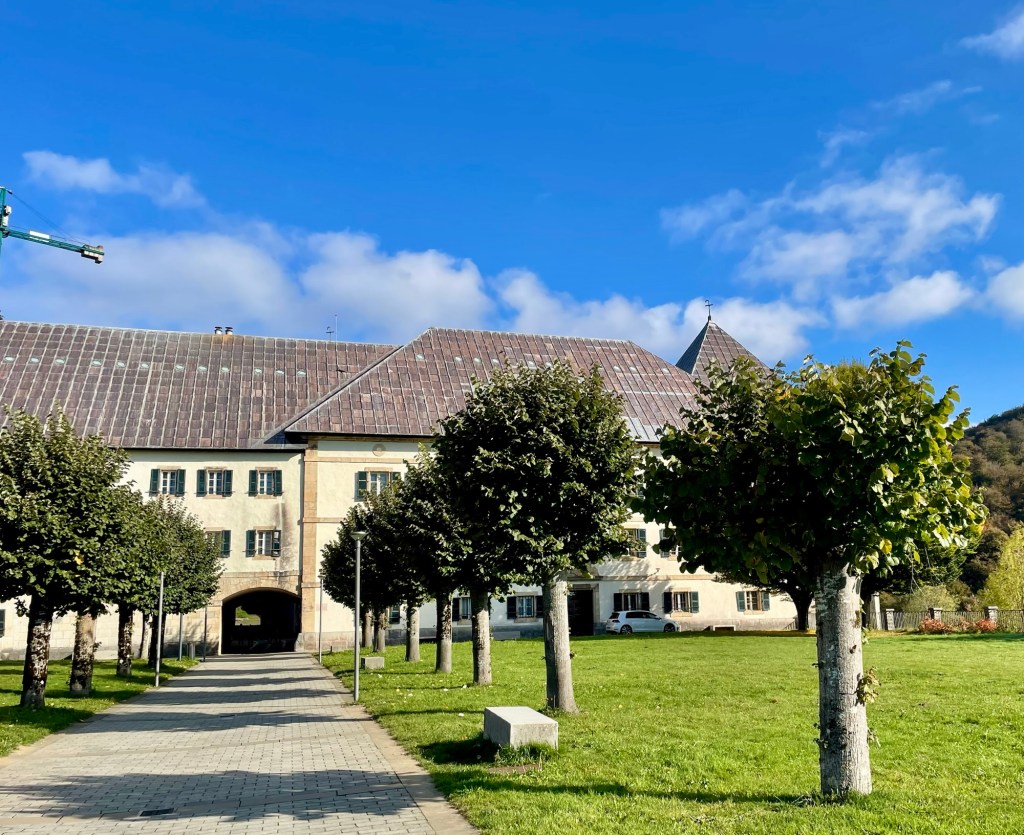
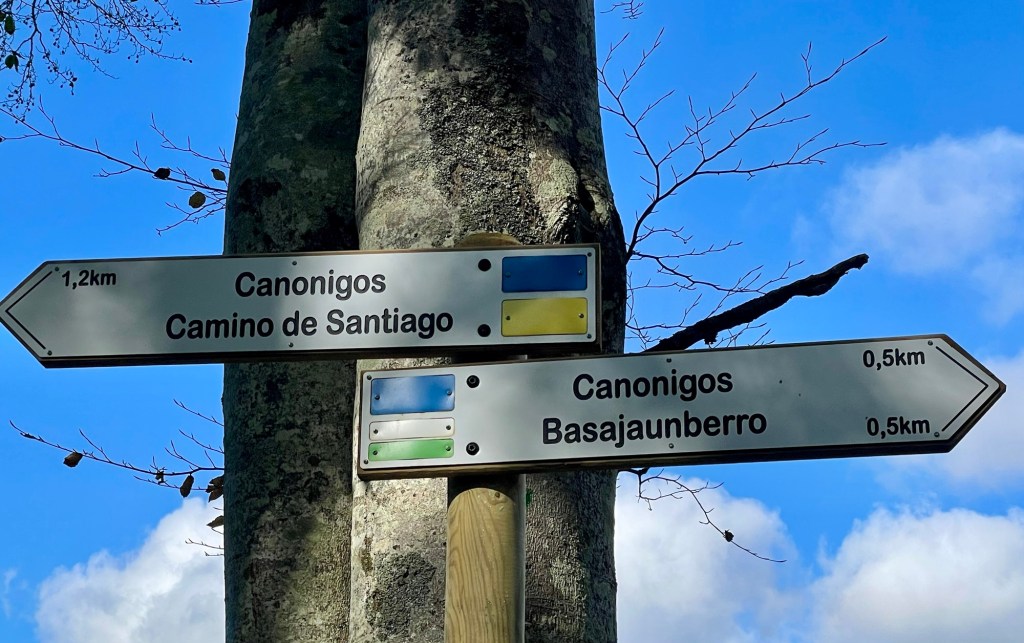
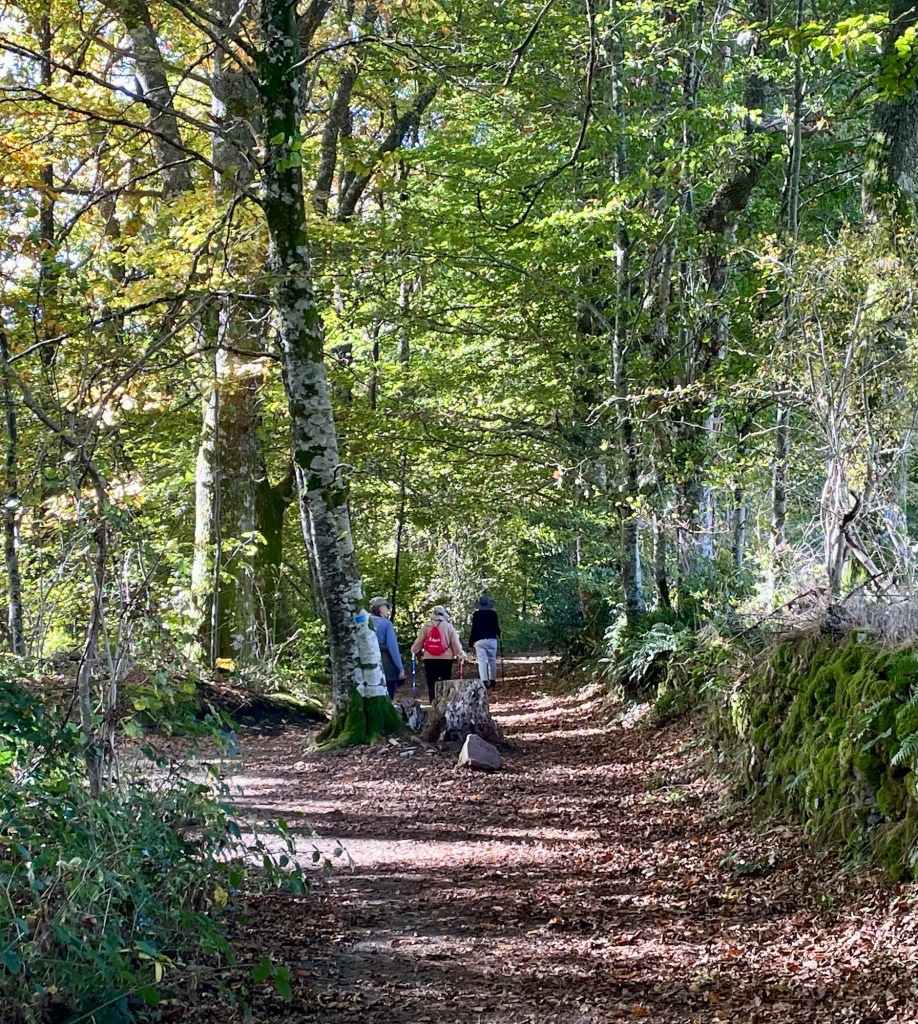
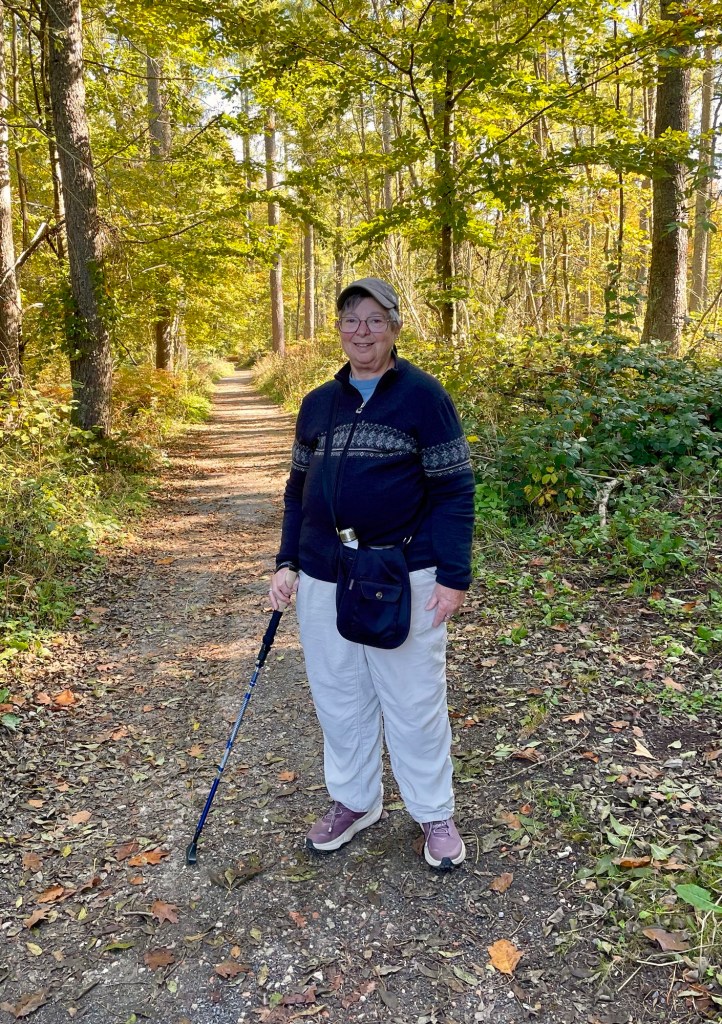

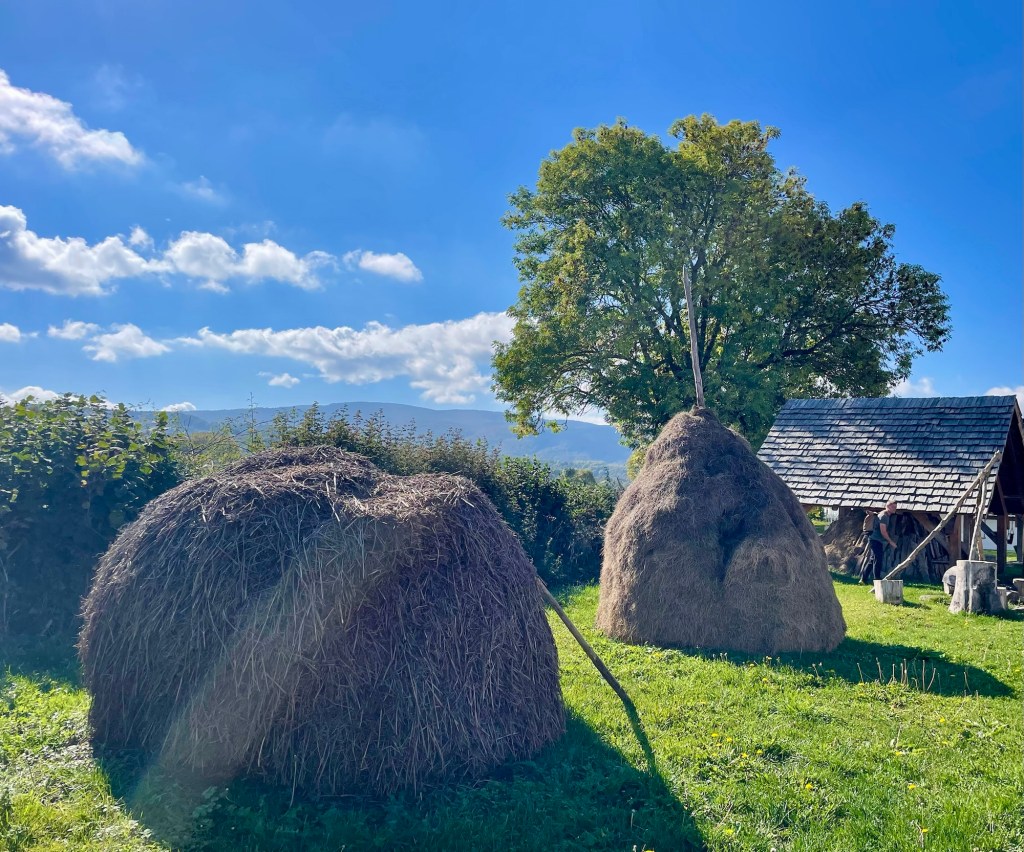
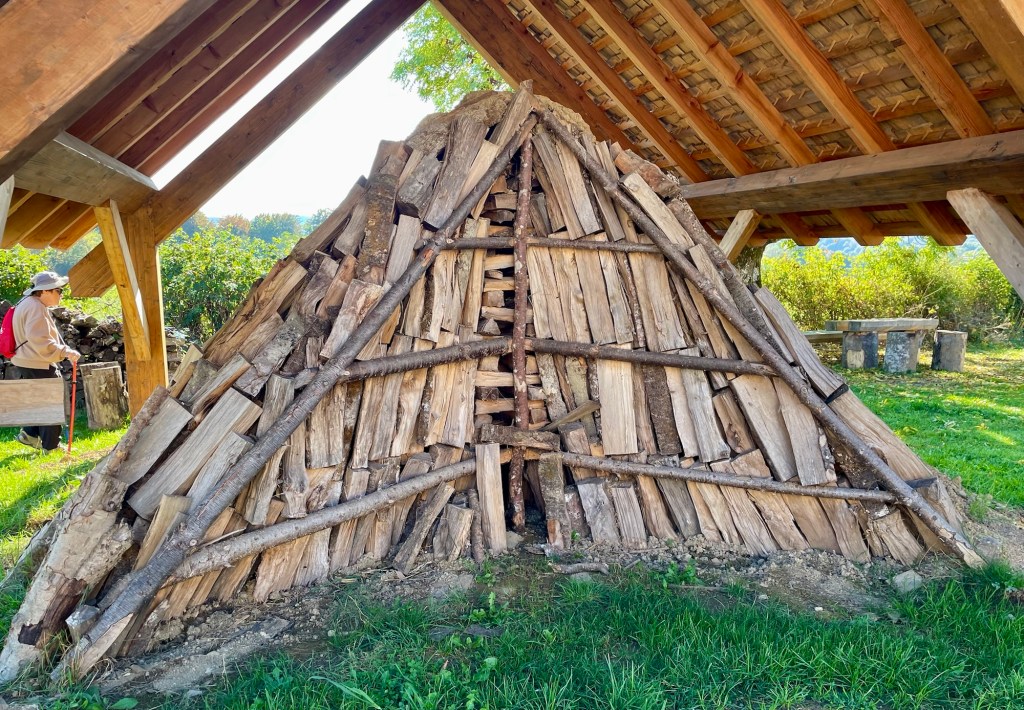
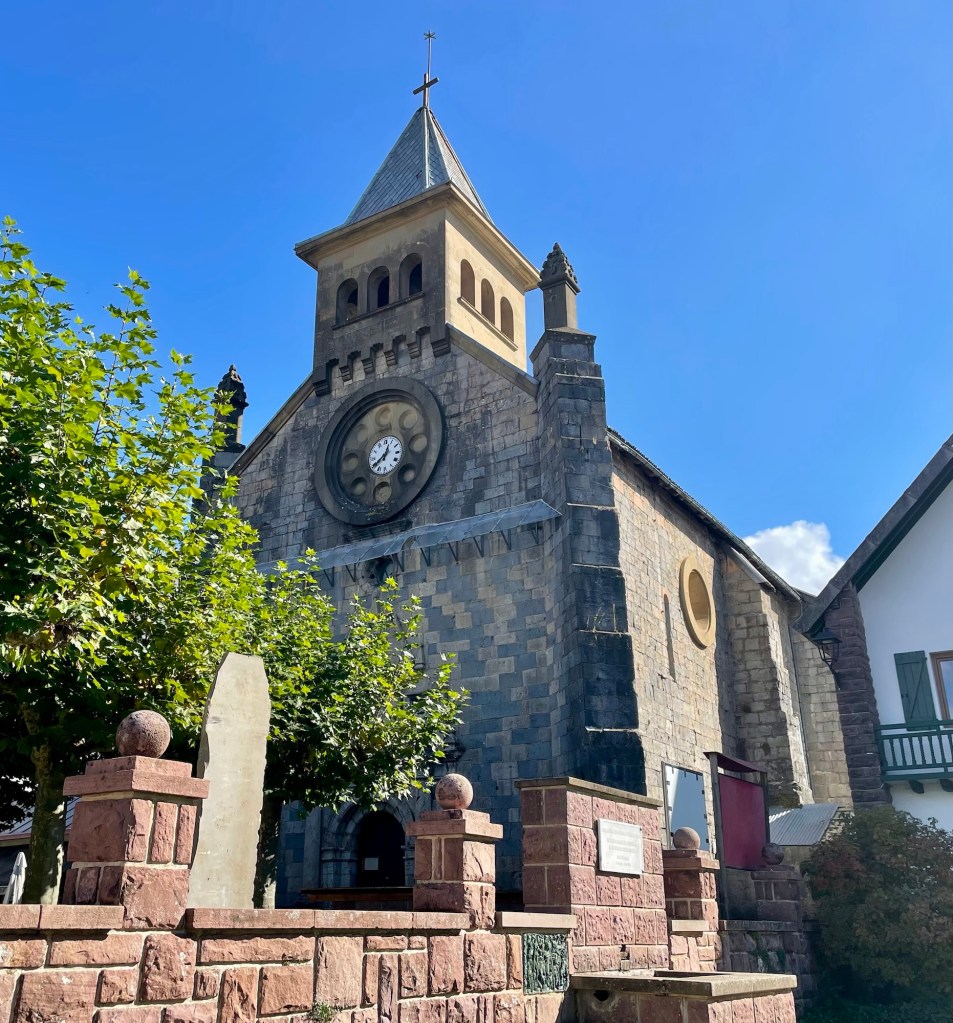
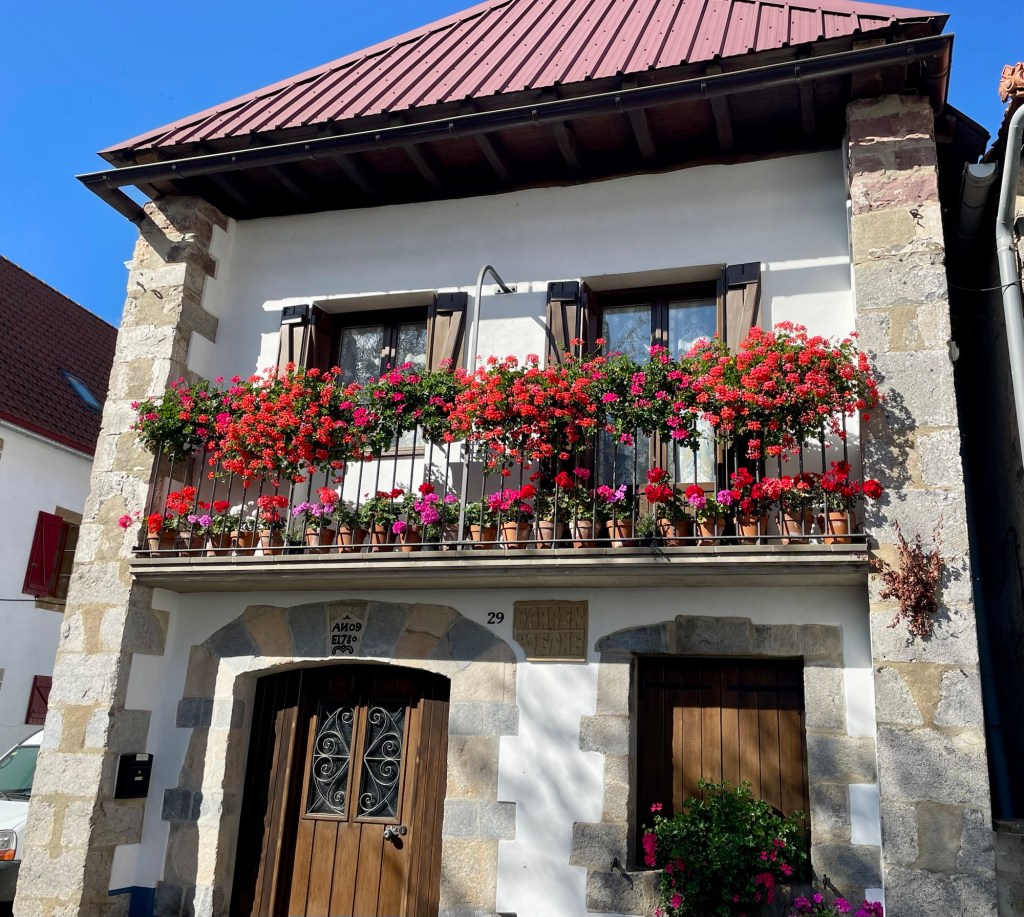
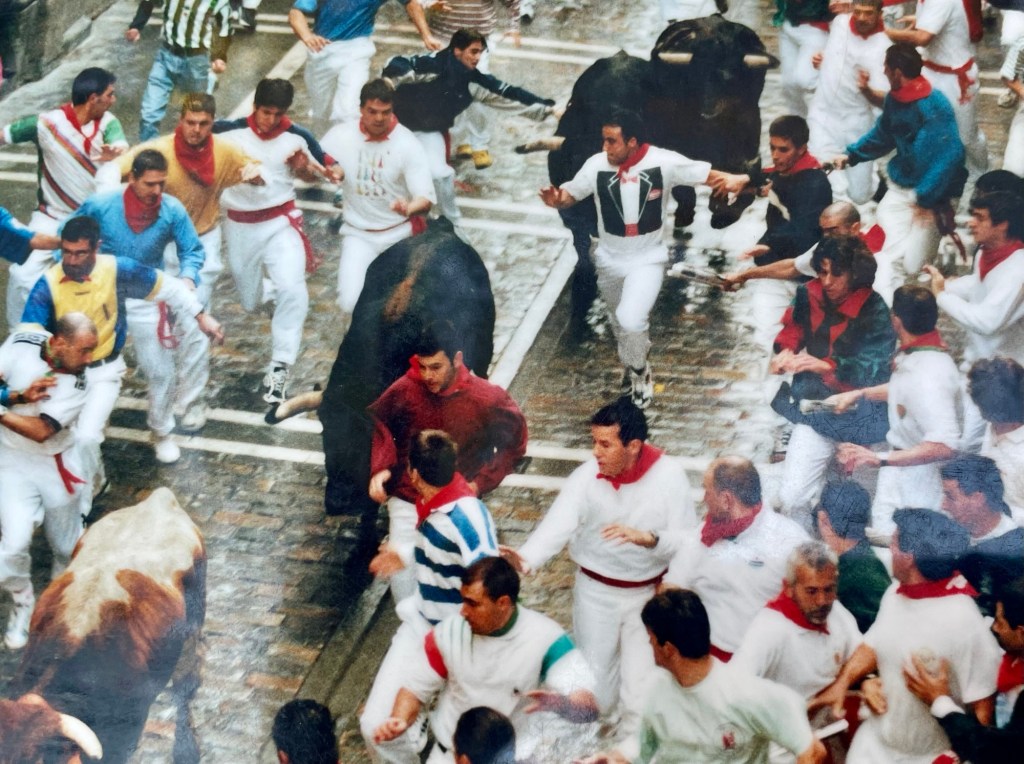
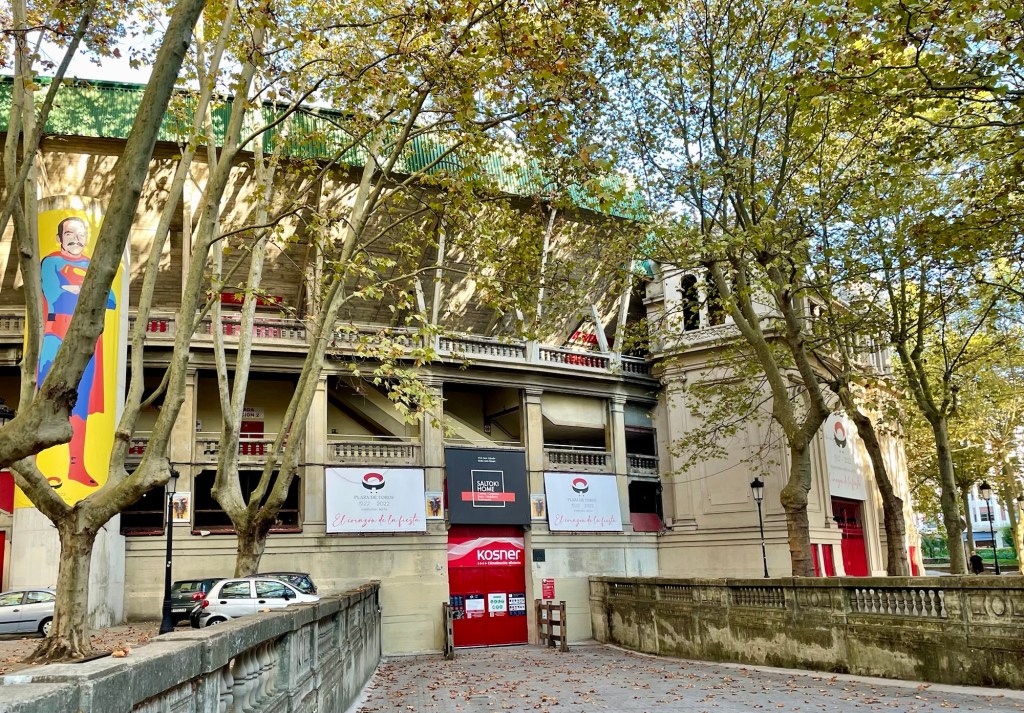
Back in Pamplona, after lunch, we learned about the running of the bulls.
The “running of the bulls” is an annual event that takes place in Pamplona, Spain, as part of the San Fermín festival. During the daily encierro, hundreds of participants run ahead of six Spanish fighting bulls and steers for about 848.6 meters through the old quarter to the bullring. The run last only a couple of minutes. This tradition, which runs from July 7th to 14th, is famous worldwide and has been documented since the Middle Ages, though it’s a dangerous activity with hundreds of injuries each year. The backlash against the event has also grown to include the art of bull fighting as a whole. The sport is protected by the constitution as part of Spanish cultural heritage, but a recent pole revealed that it’s falling out of favor. 60% of Spaniards are opposed to bull fighting. Our guide was a bull runner who gave up running after he was seriously injured. He was quite proud of what he had done and his son has actually run with the bulls.
 RobbieLambertsTravels
You are having a fascinating trip!Sent from my iPhone
LikeLike