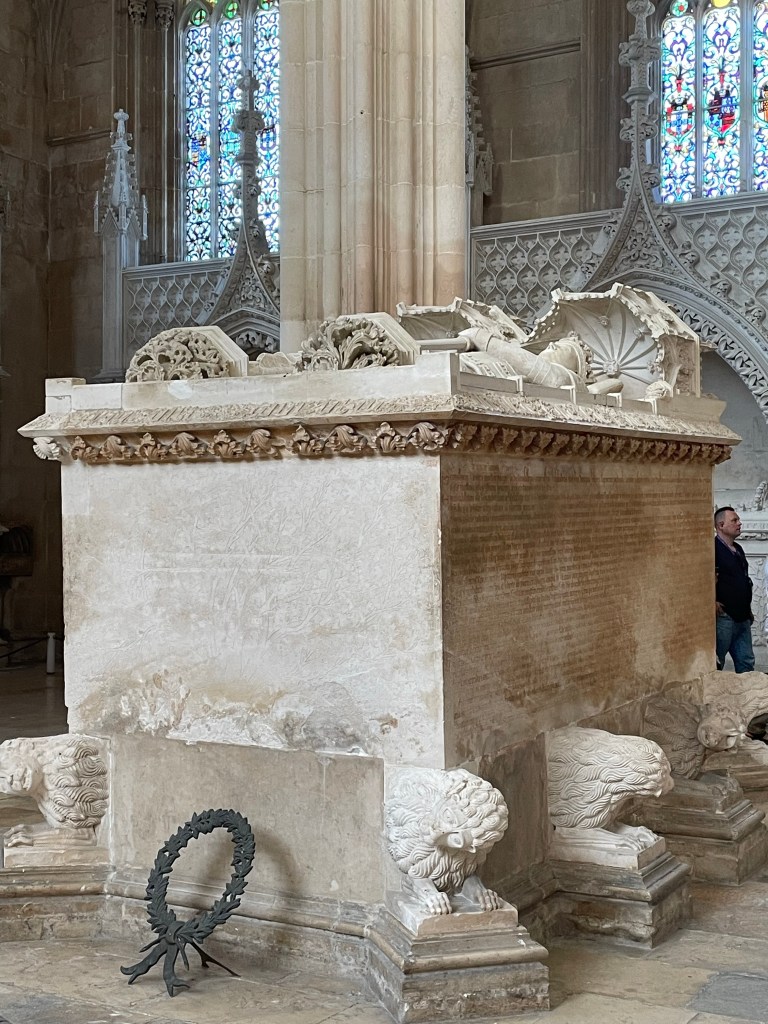
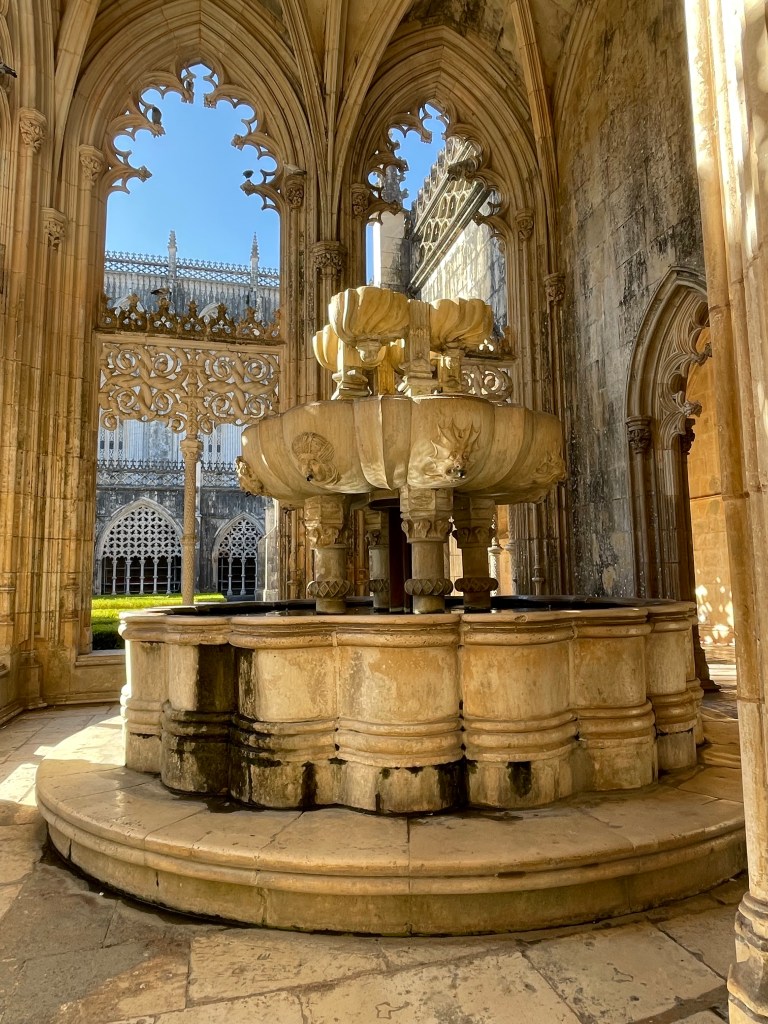
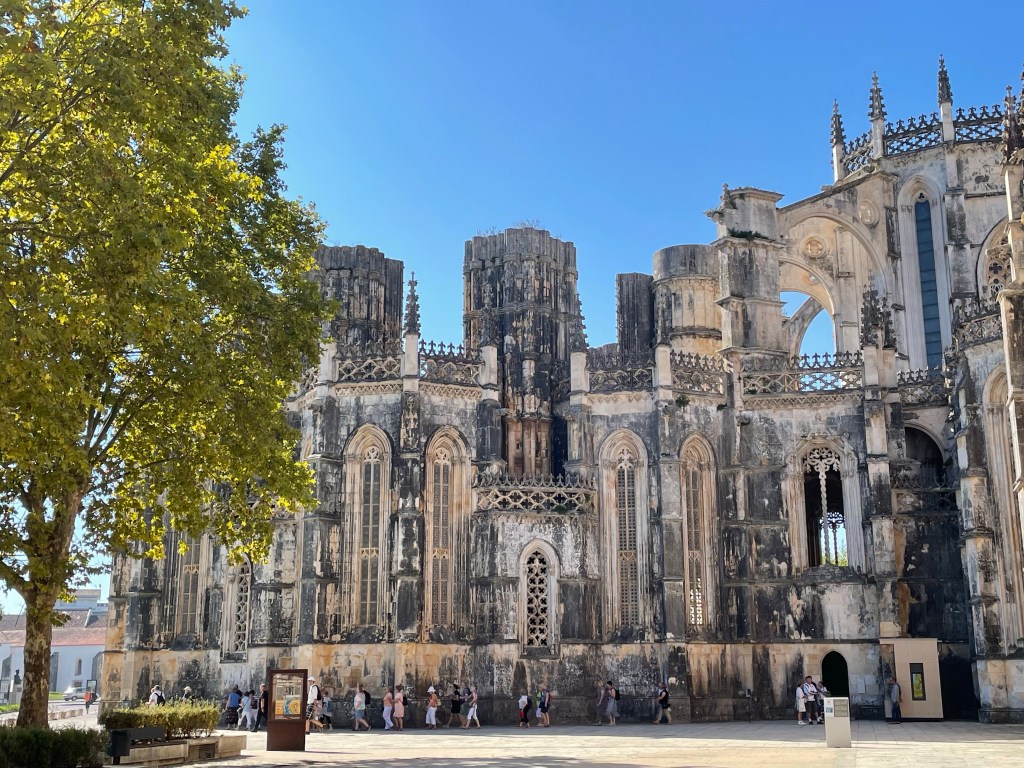
We drove to the “Monastery of Batalha,” recognized as an UNESCO World Heritage Site in 1983. One of the pinnacles of Gothic architecture in Portugal, it was built in celebration of the 1385 Battle of Aljubarrota which secured Portugal’s independence from Castile. The battle was fought by King Joao I who unified Portugal. He and his wife Philippe of Lancaster are buried in the monastery along with their son King Edward. Another of King Joao’s sons was Henry the Navigator. The highlight, and perhaps the most astonishing parts of the monastery are the “Unfinished” Chapels: seven chapels with no roof that radiate from an octagonal rotunda, divided from each other by deeply carved, incomplete pillars that create an effect of oriental exuberance.
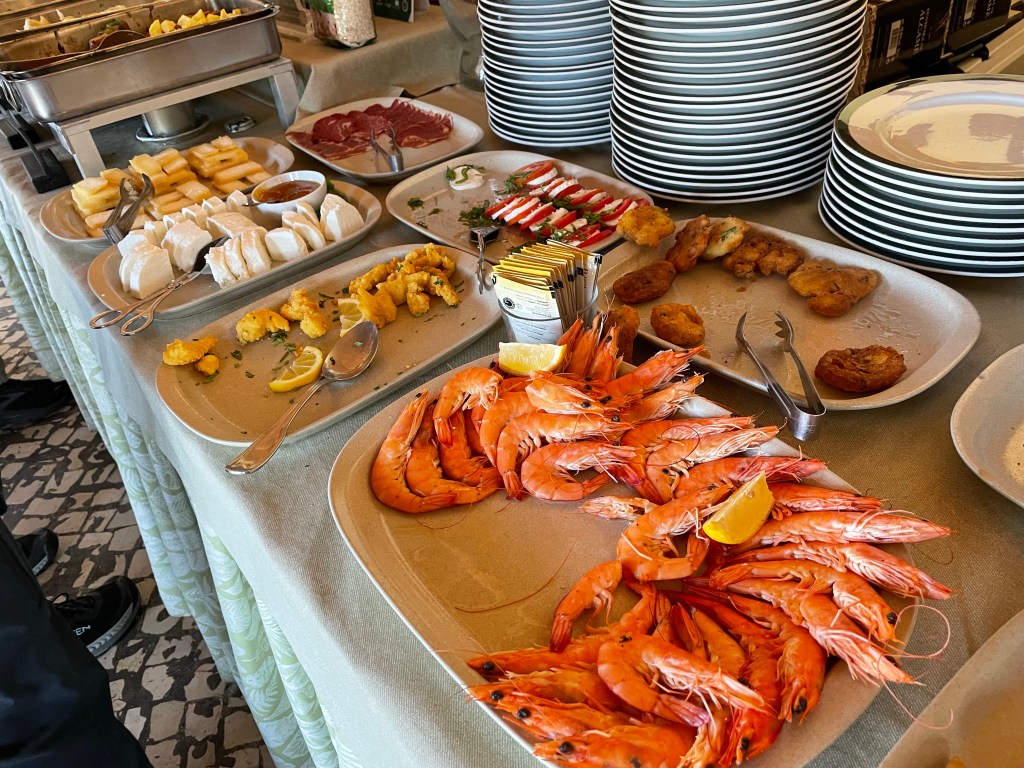
After the monastery, we traveled to see a very different part of life in Portugal on a field trip to Companhia das Lezírias where we had a wonderful buffet lunch.
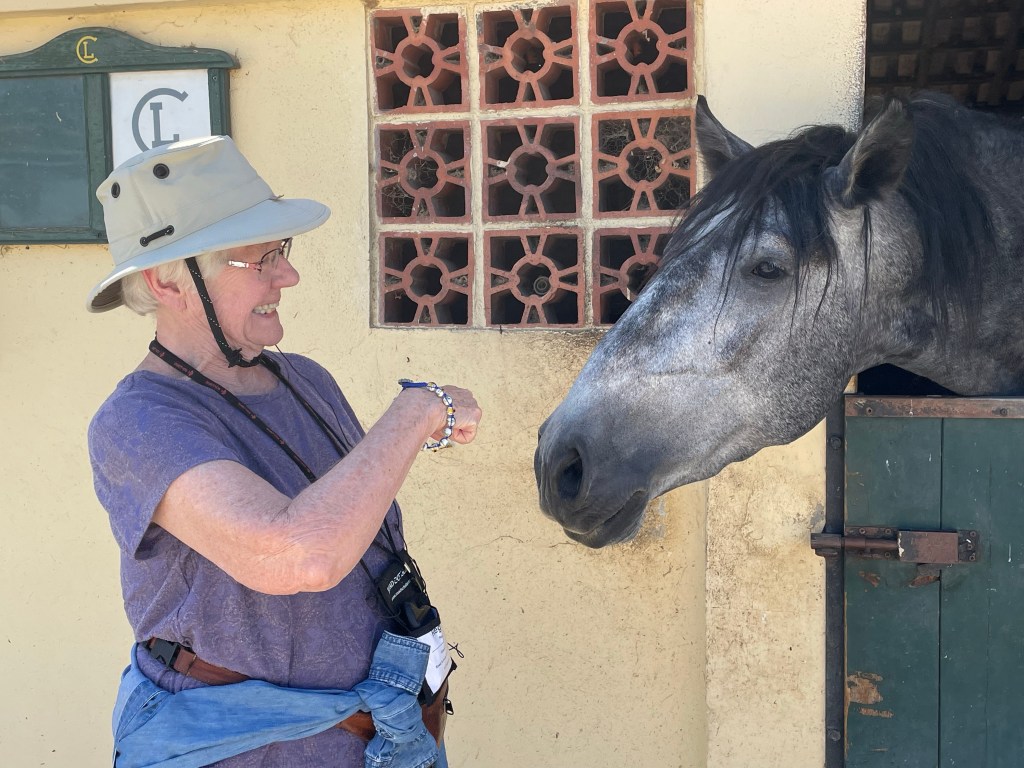
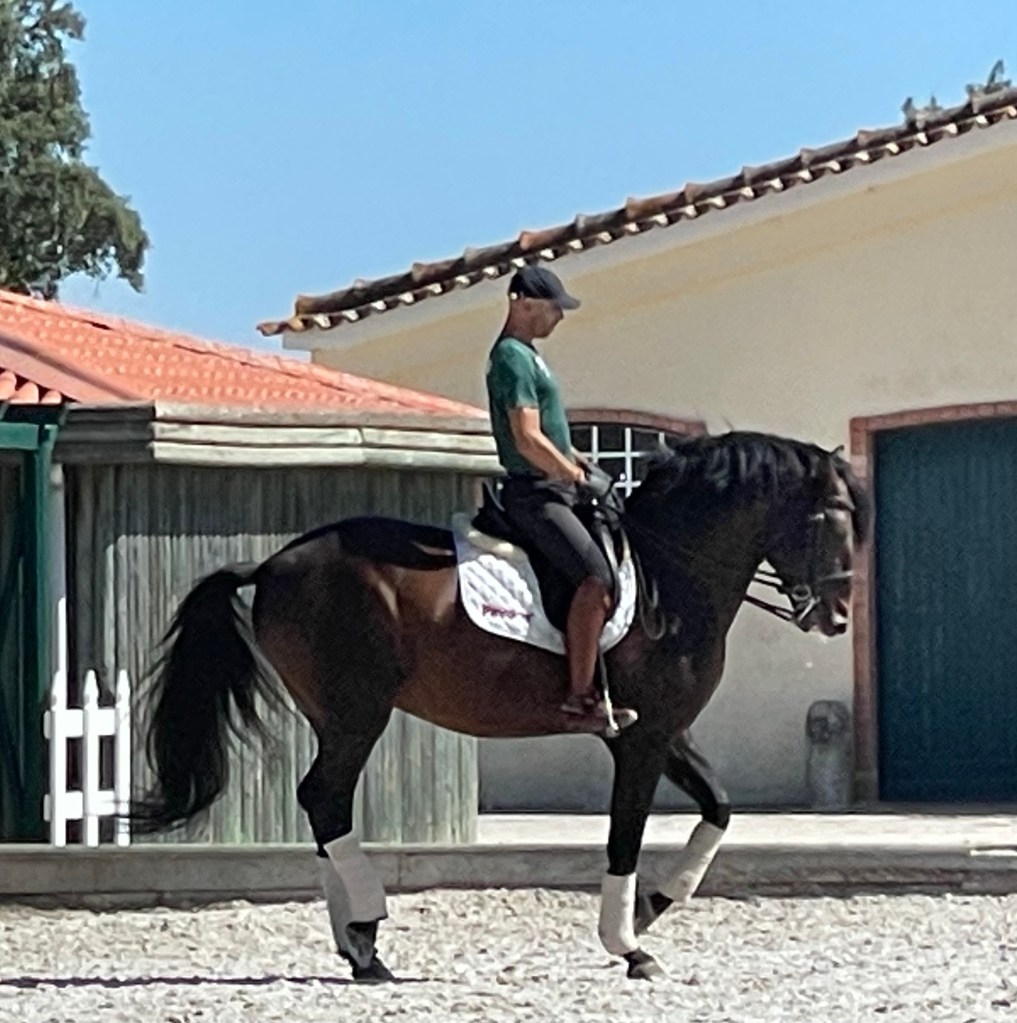
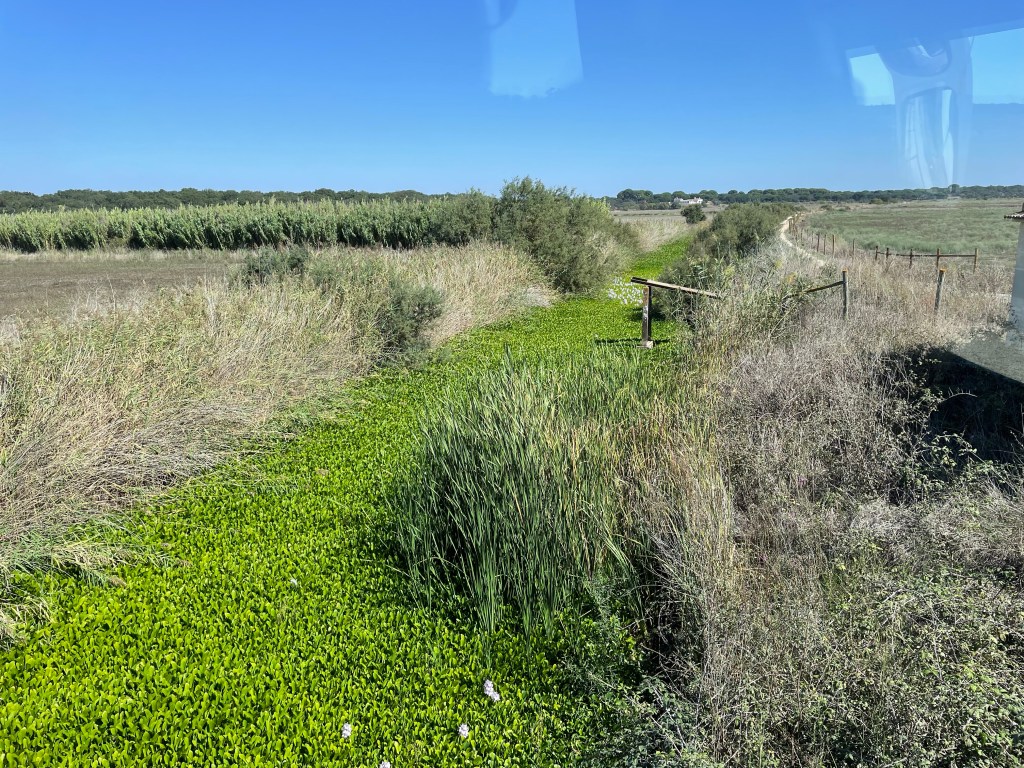
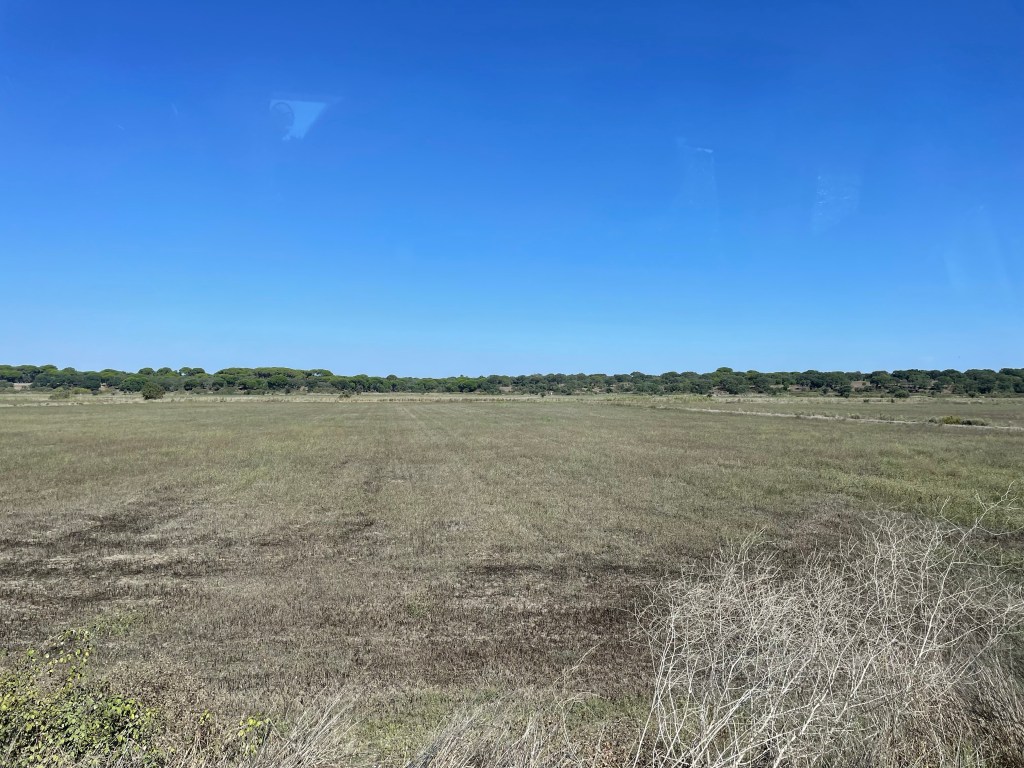
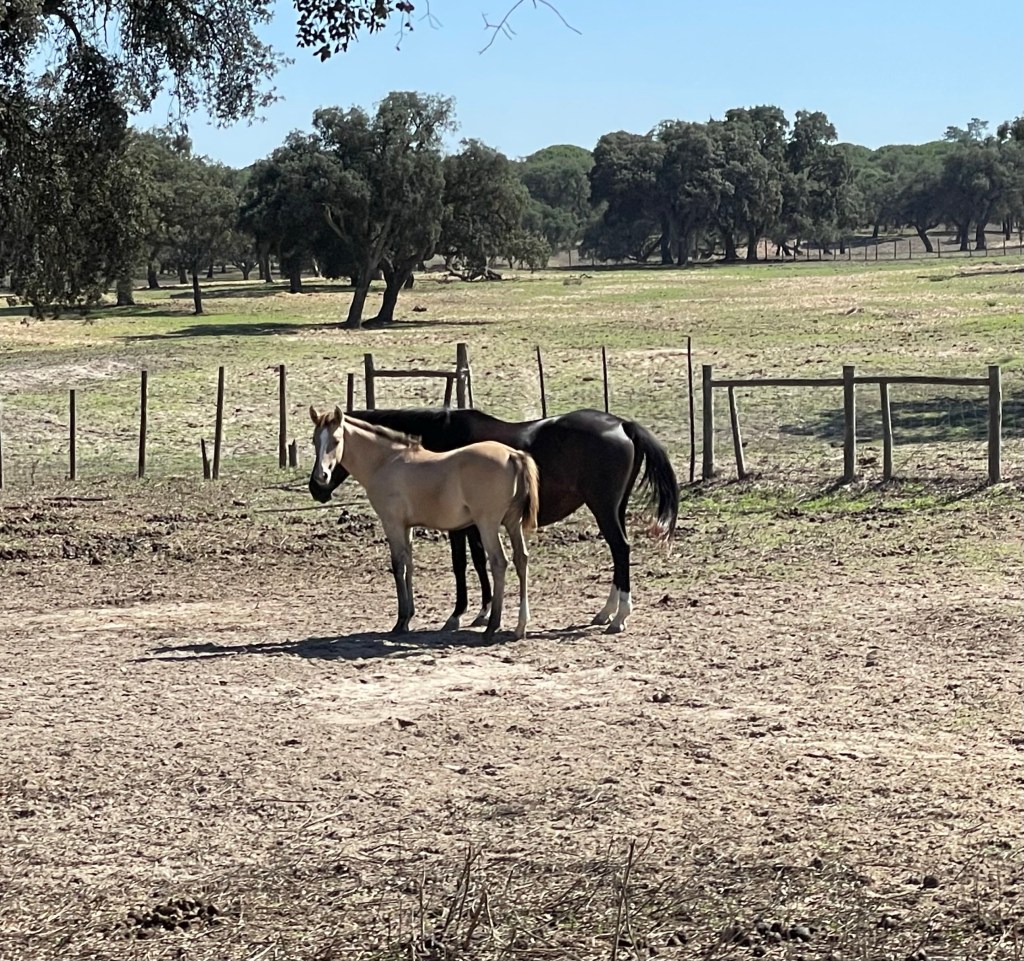
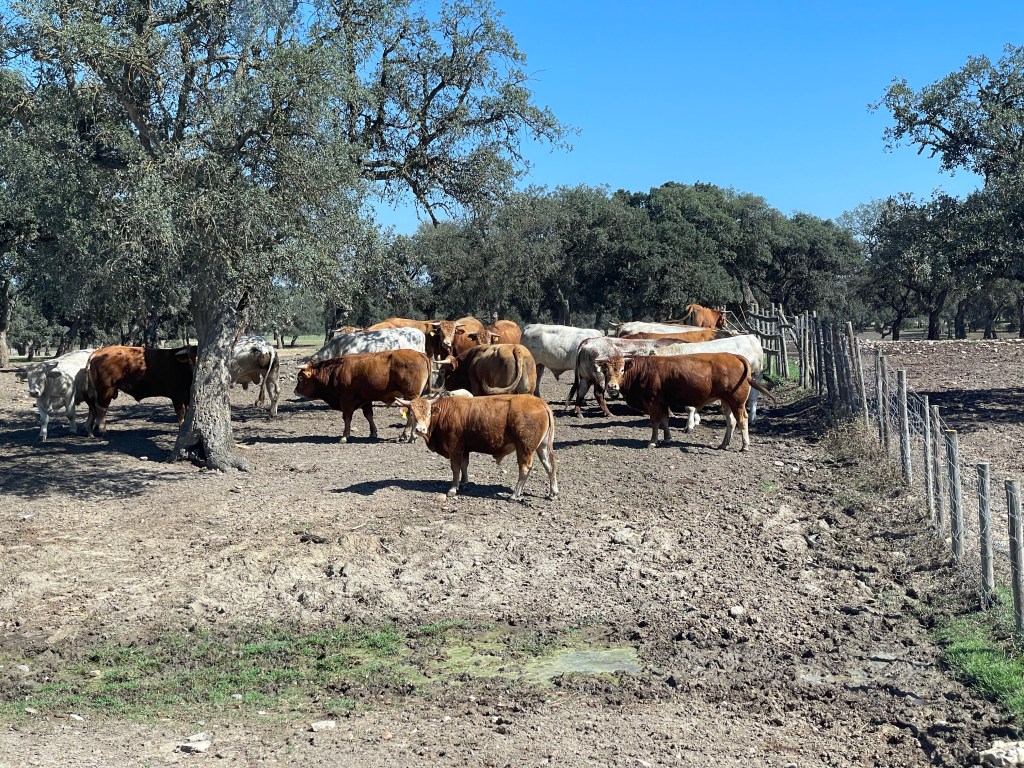
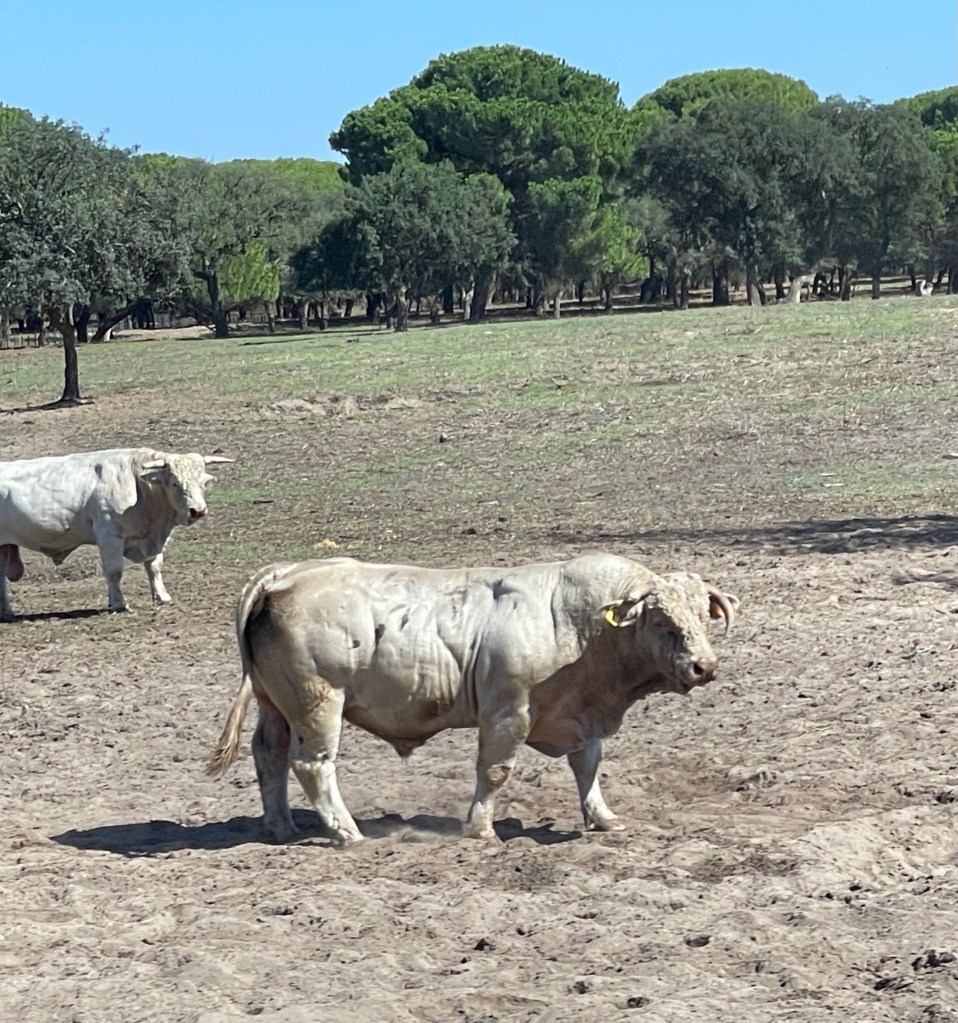
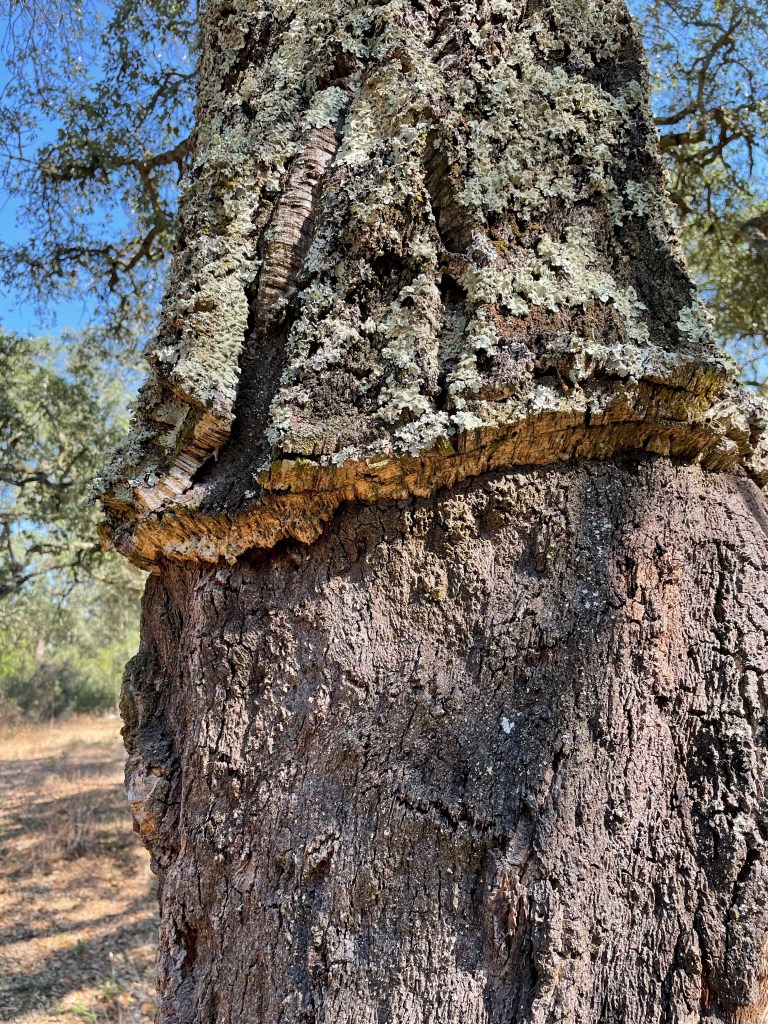
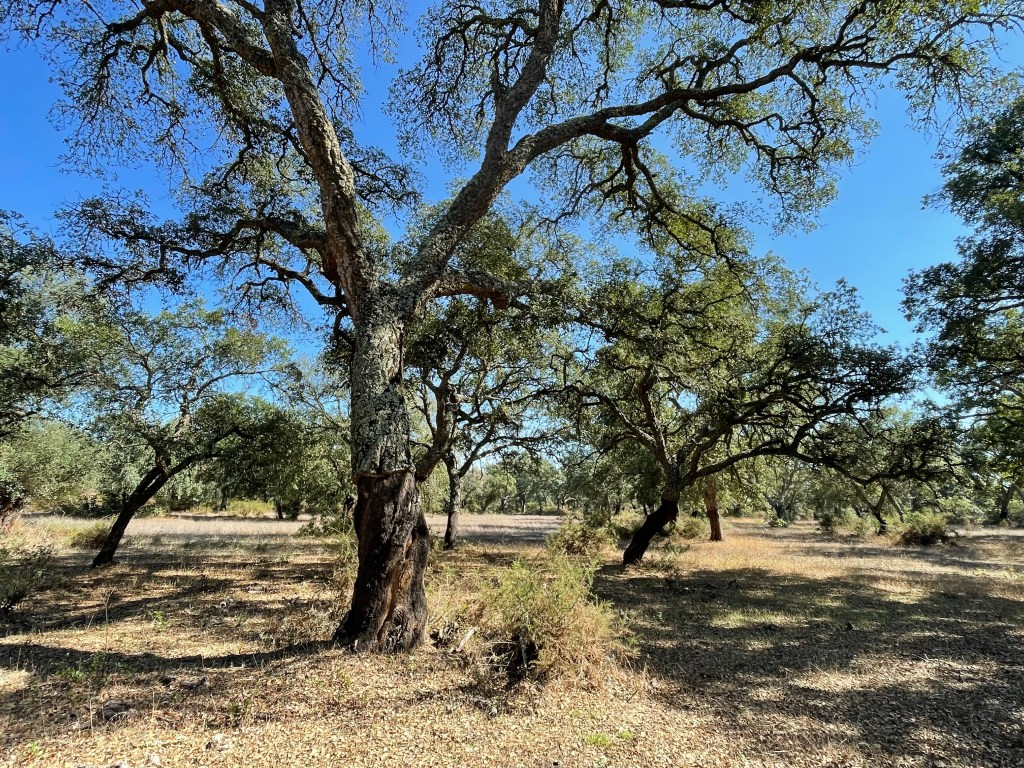
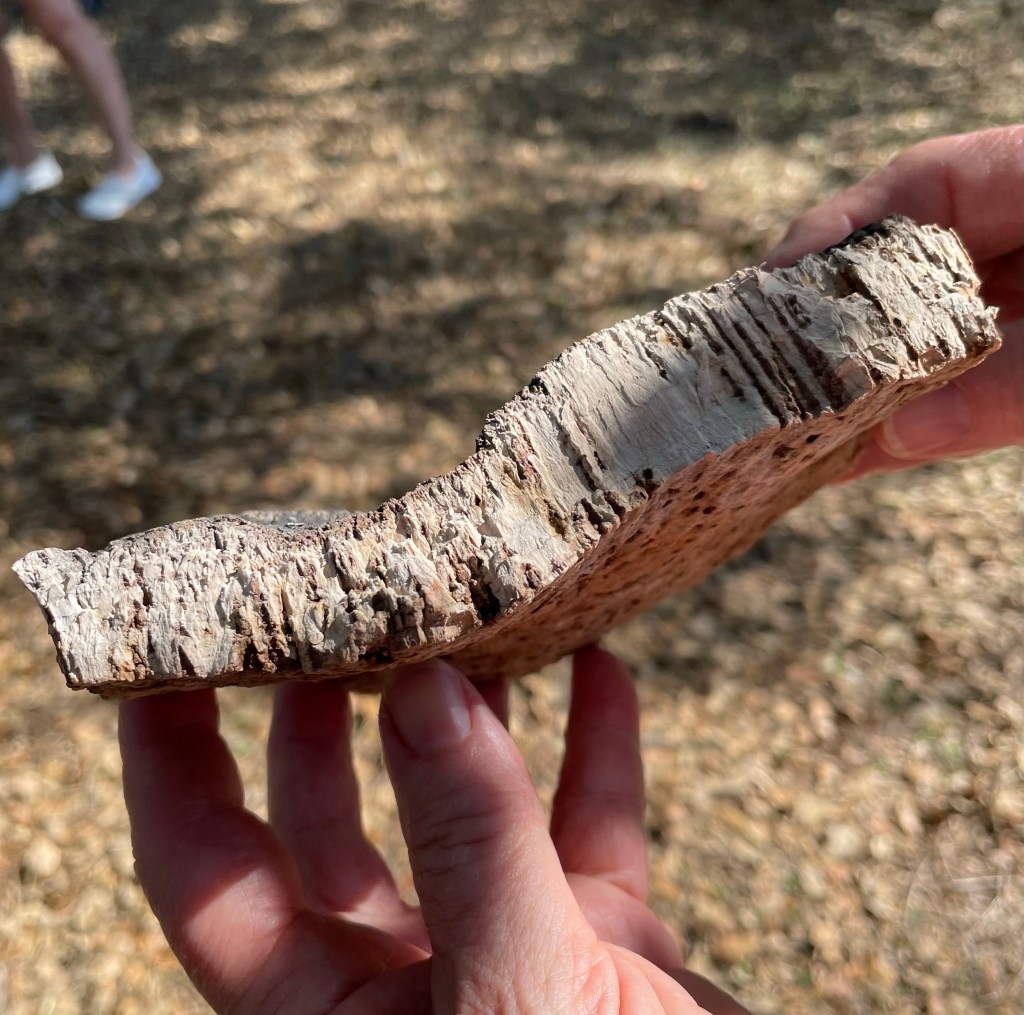
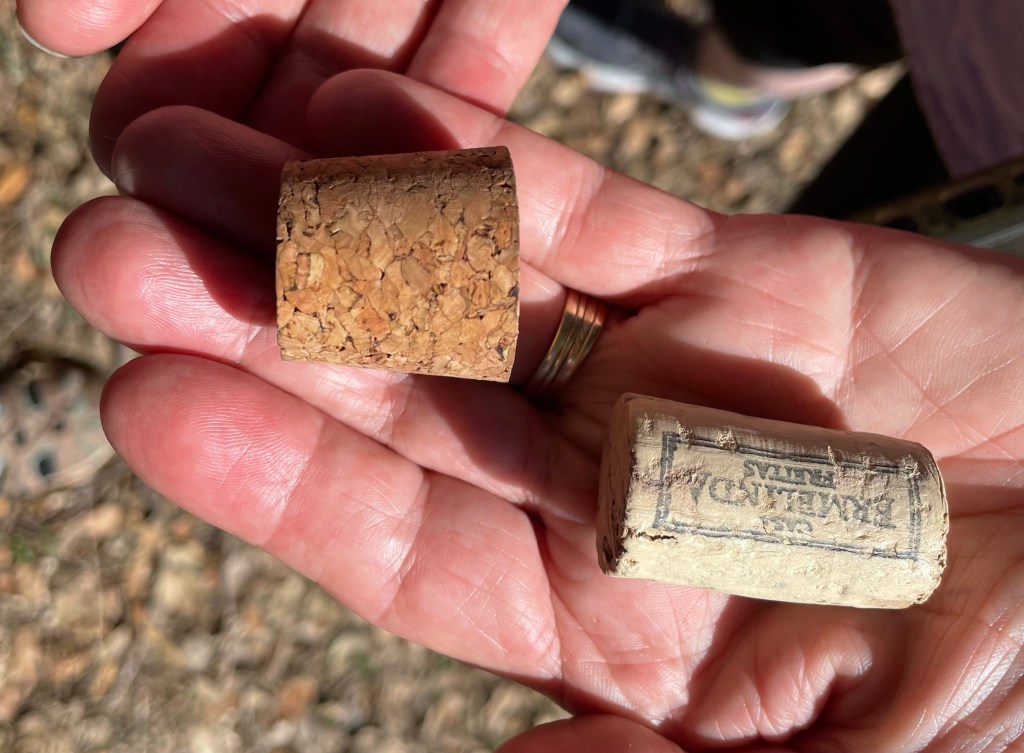
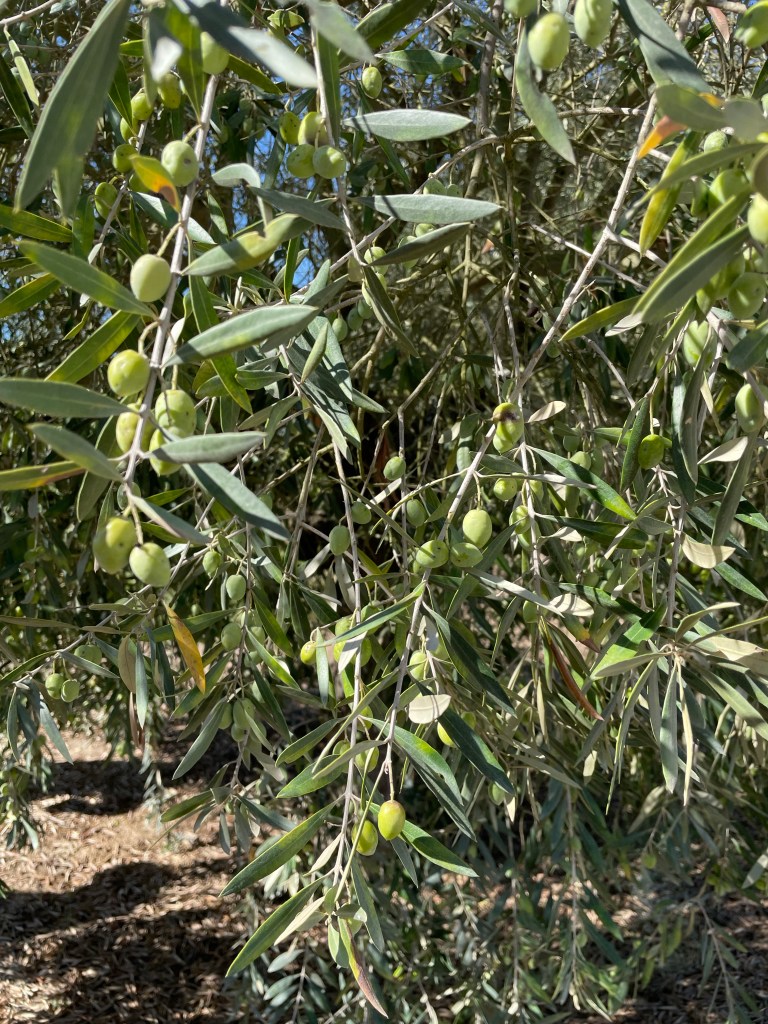
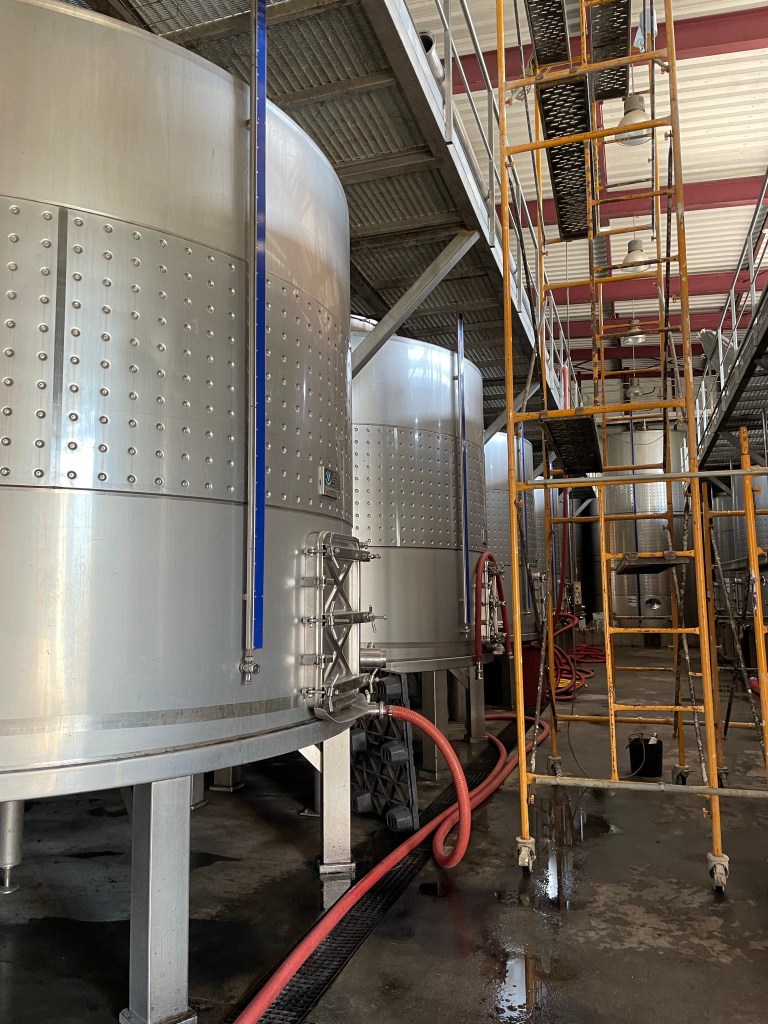
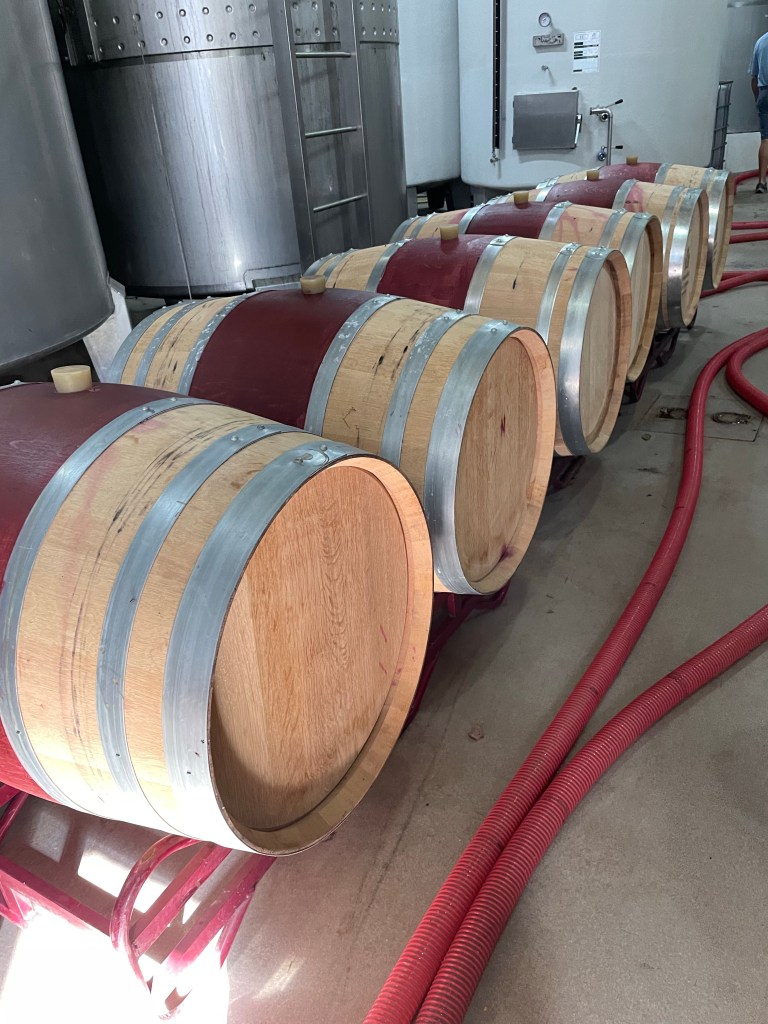
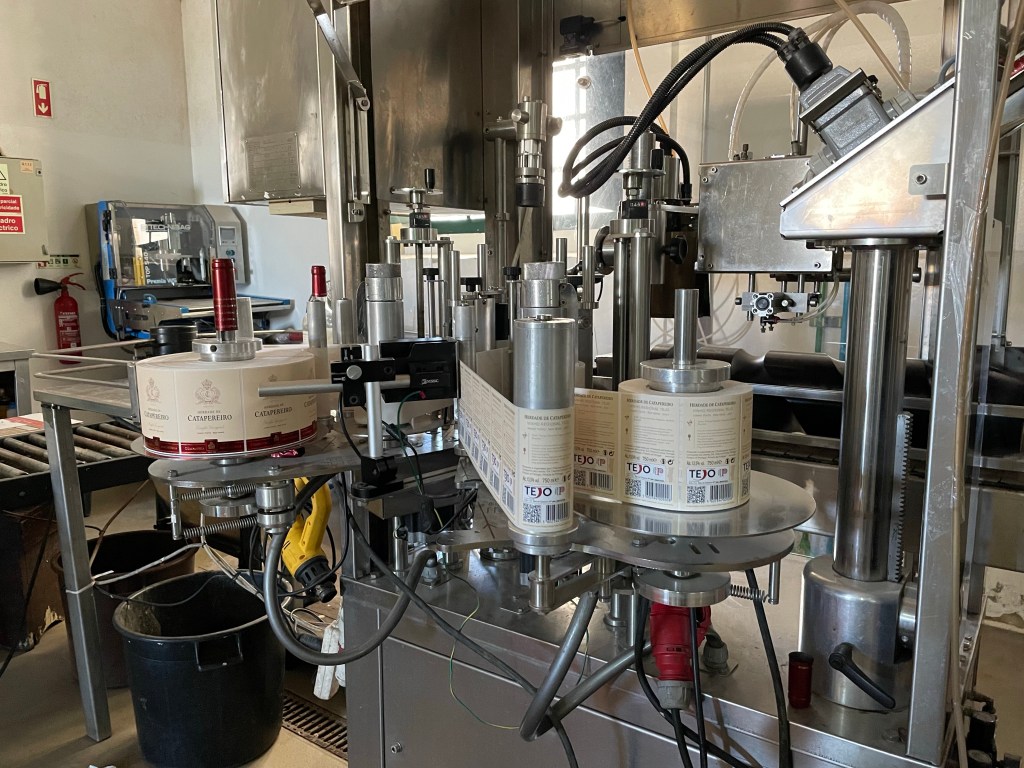
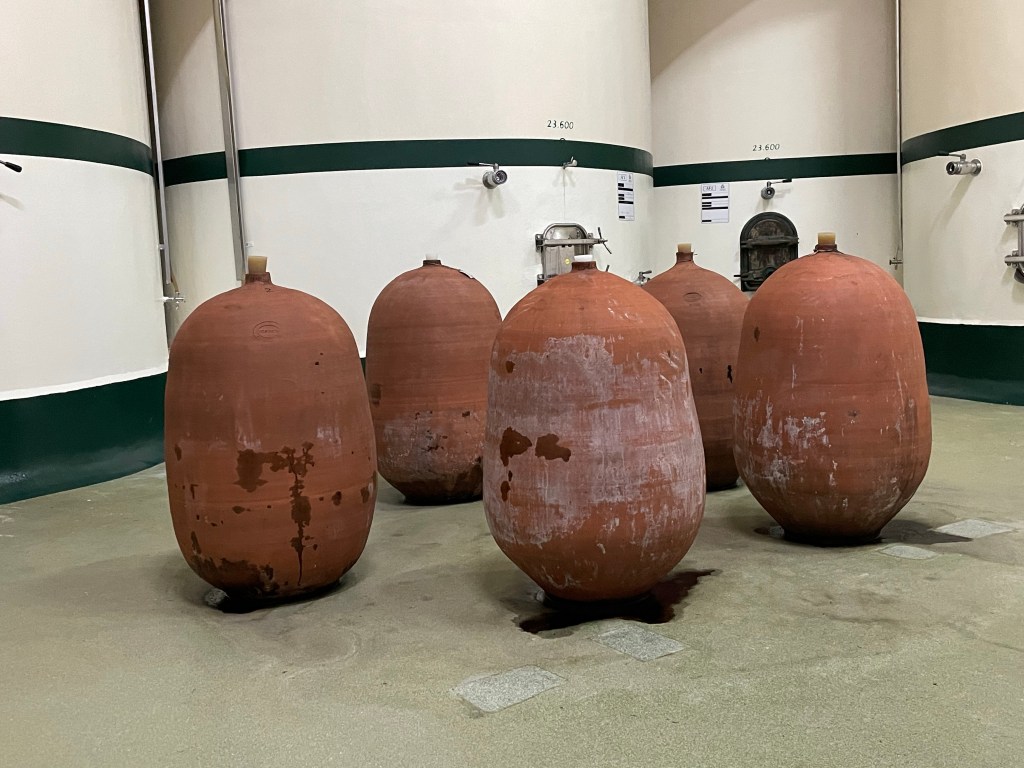
Companhia das Lezírias is the country’s largest farmstead for agriculture, cattle, and forests. It is considered a private enterprise but it is actually owned by the government. It takes no money from the government and actually in good years makes a profit. A biologist gave us a tour of the area explaining how cork is harvested and processed. Do you know that cork insulates space ships? We learned what’s involved in maintaining the delicate ecosystems of the area. The farm is into sustainable practices and educate others about their systems. They also raise and train beautiful Lusitano horses. Originally bred for war and bullfighting, they are now highly regarded for their skills in the equestrian sport and art of dressage. We also explored the onsite winery, vineyard, and facilities. The farm’s ventures are cows and bulls, horses, forestry, corn for animal feed, sunflowers for oil, olives and wine (label is Tyto Alba or barn owl).
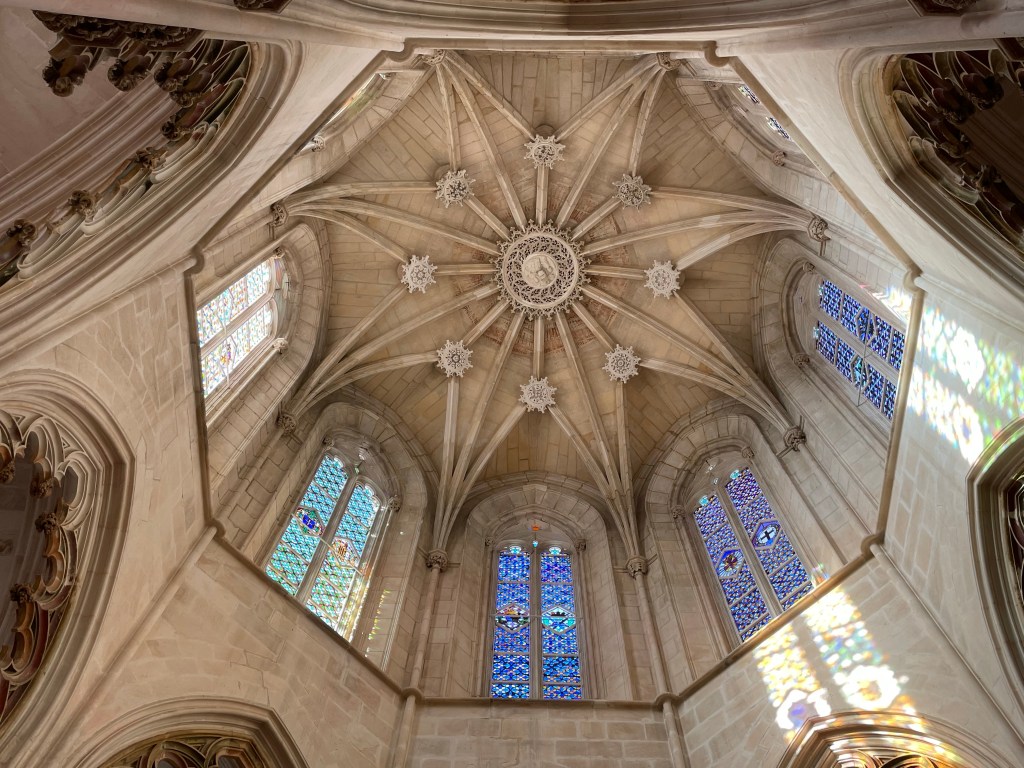
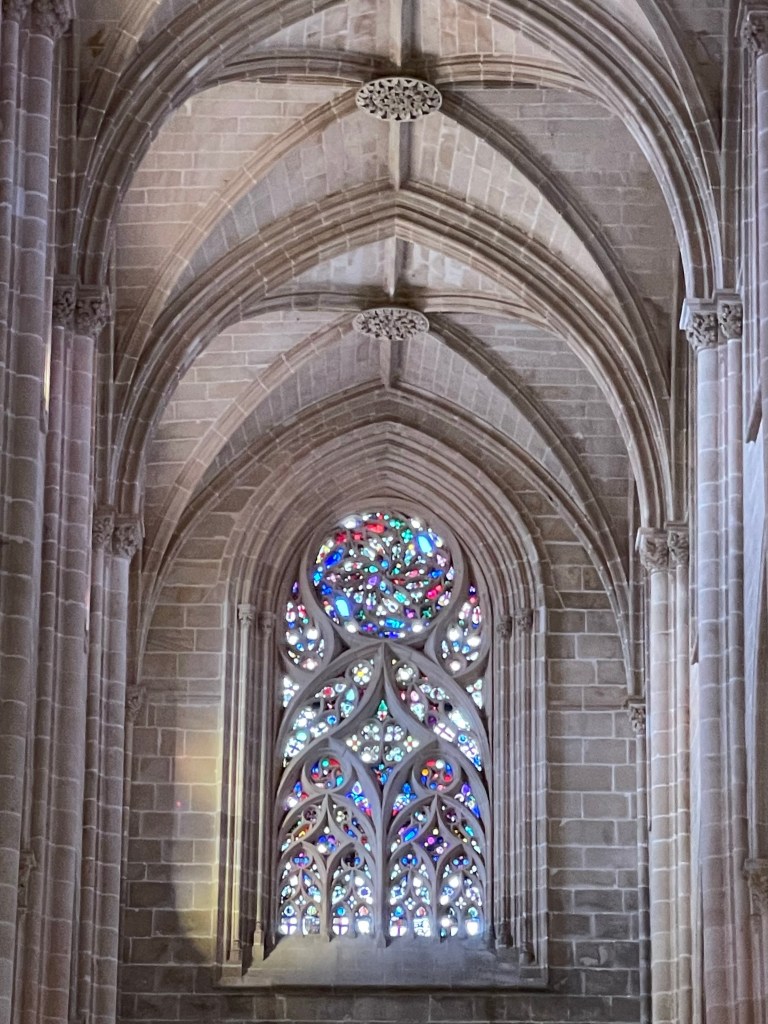
Monastery pictures. what I really appreciated about this monastery was that it was not ornate but quite simple but still splendid.
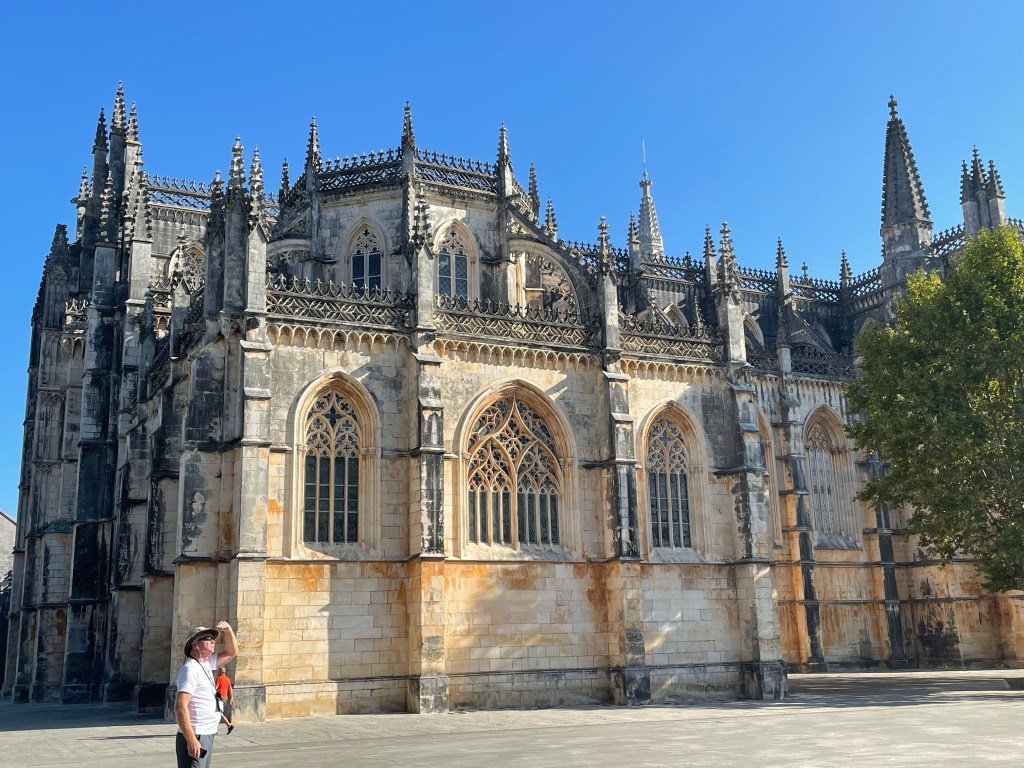
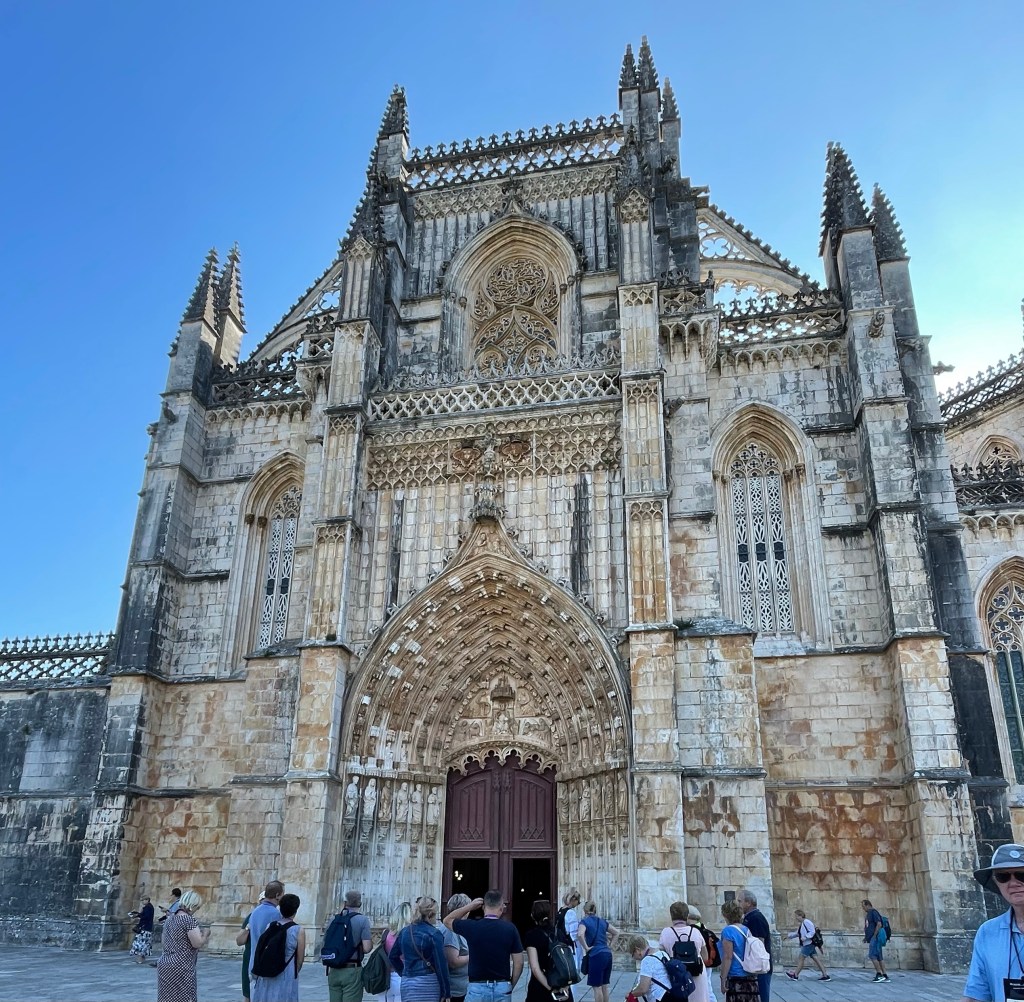
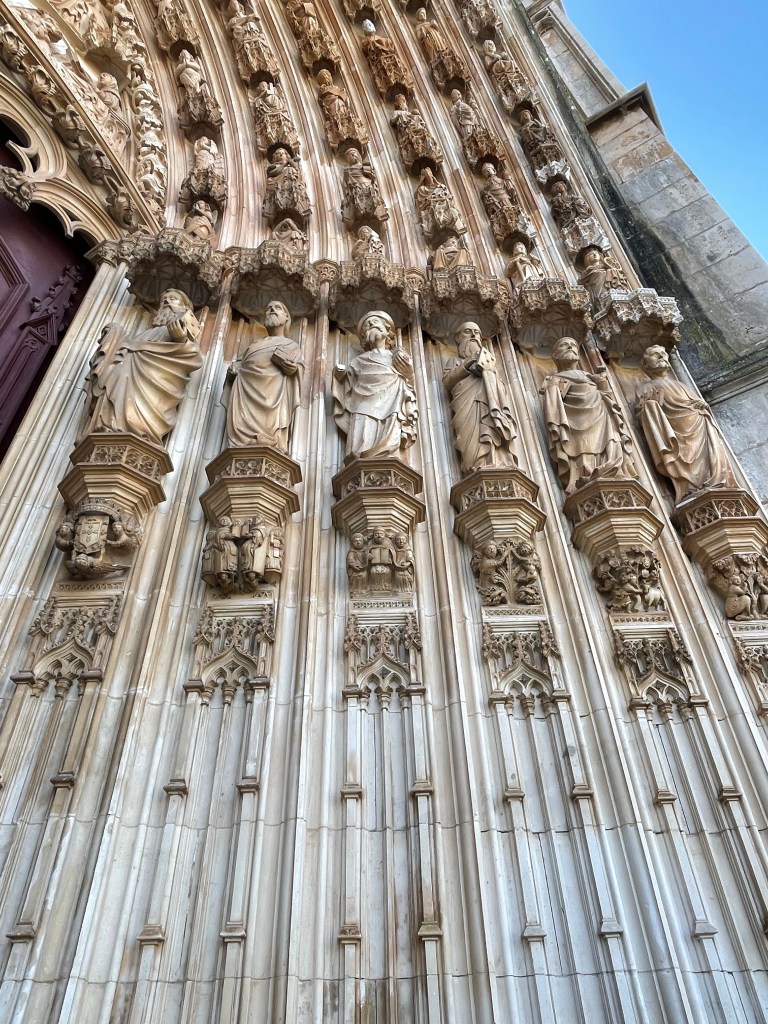
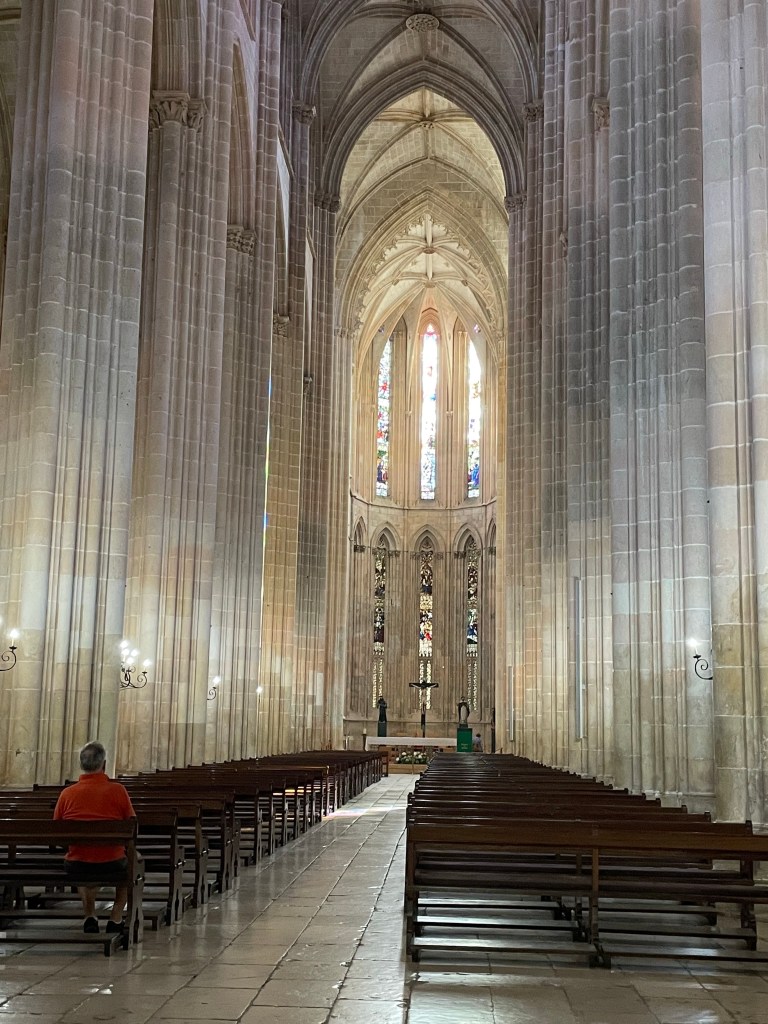
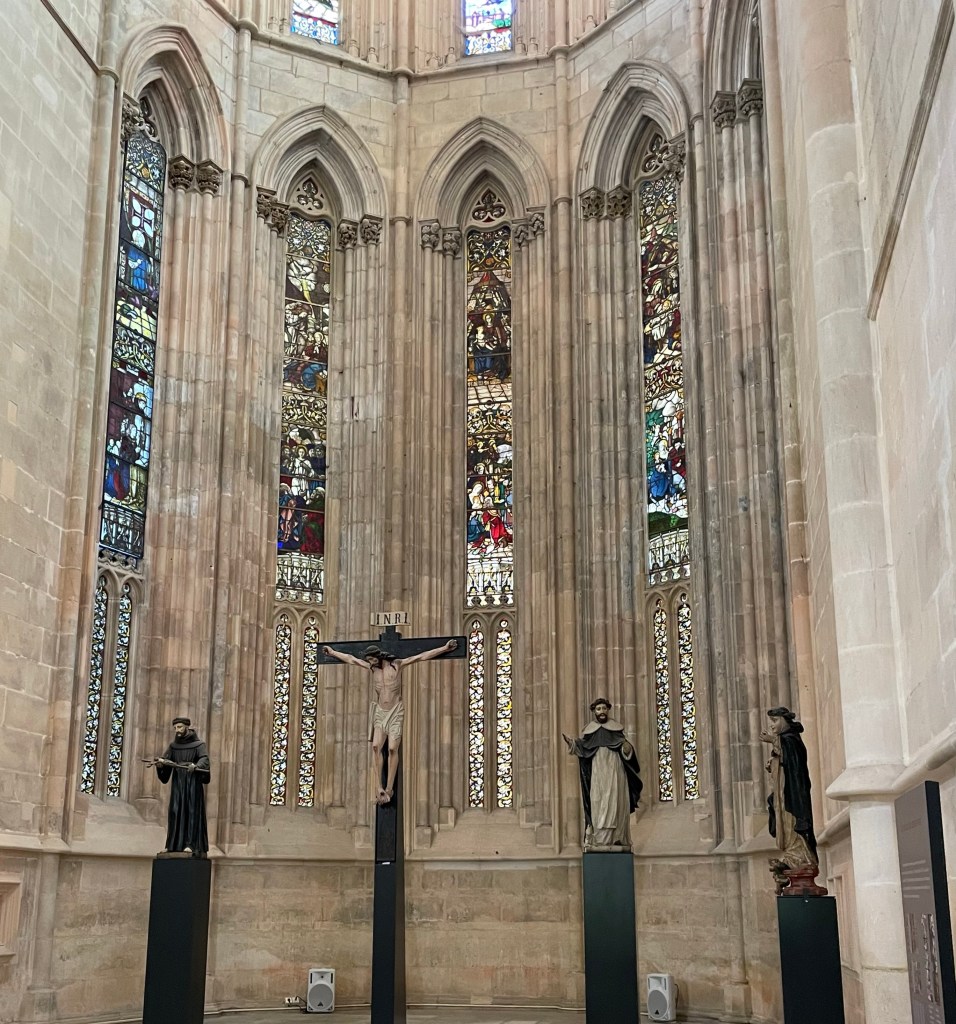
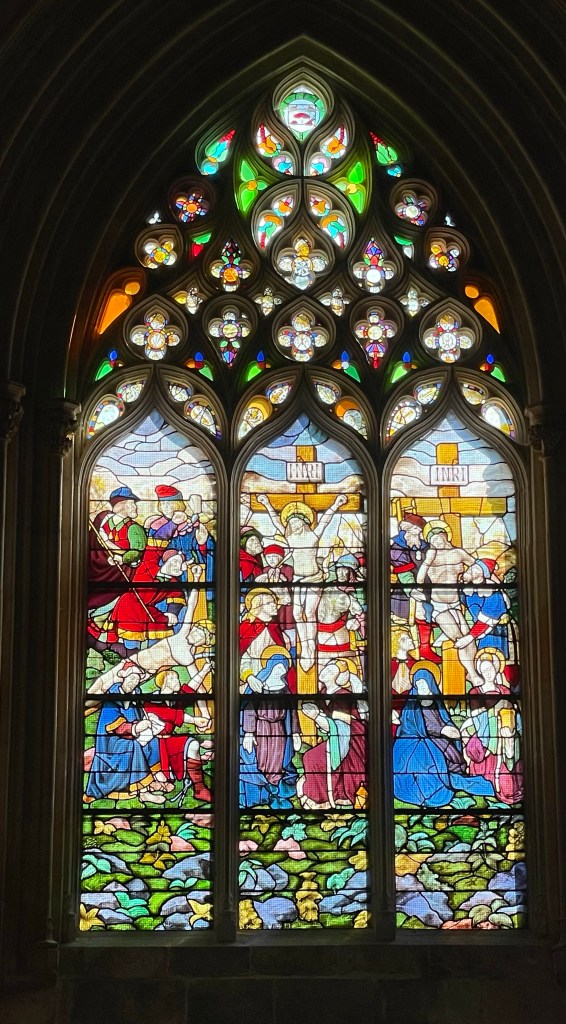
Unfinished chapel pictures
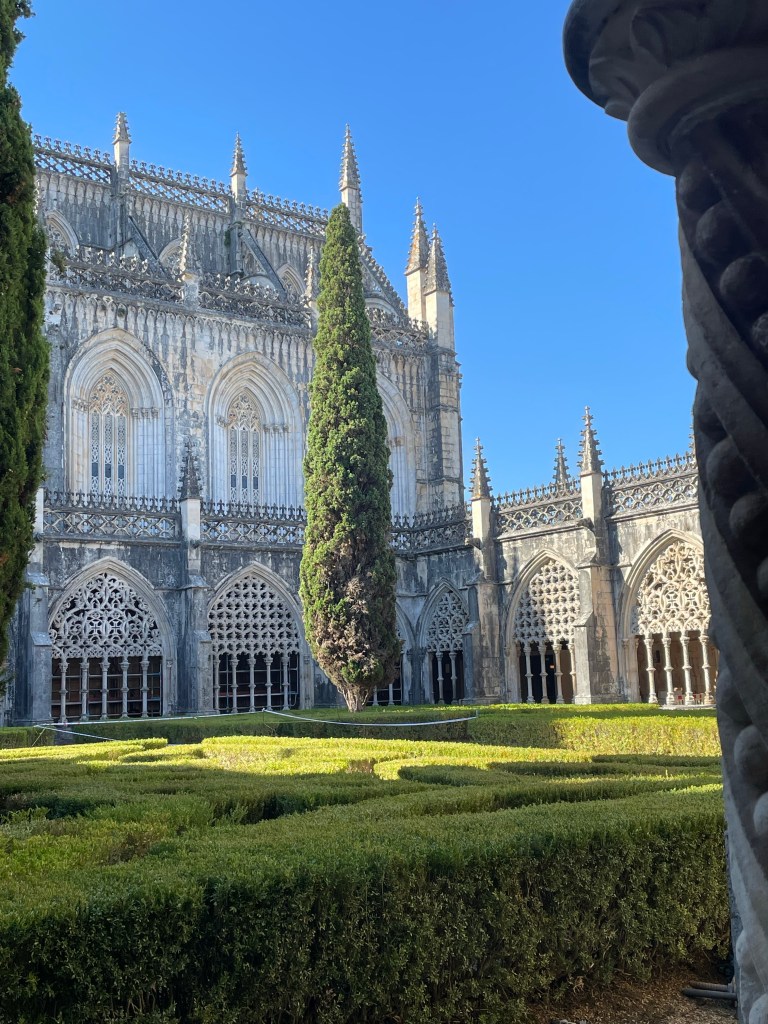
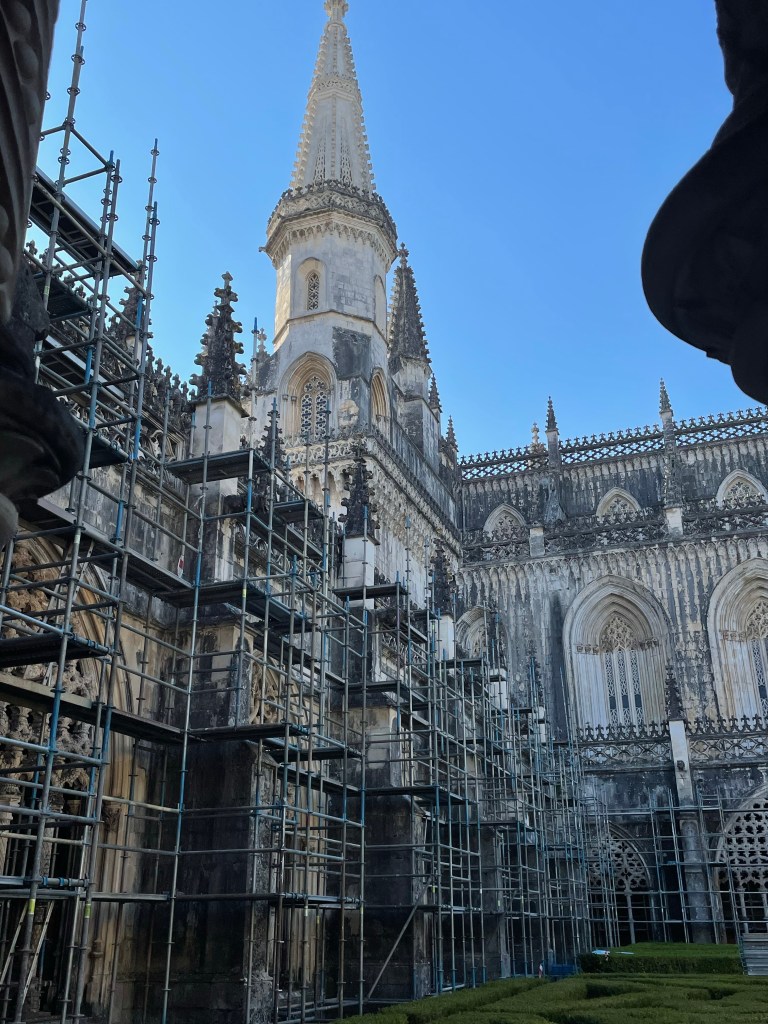
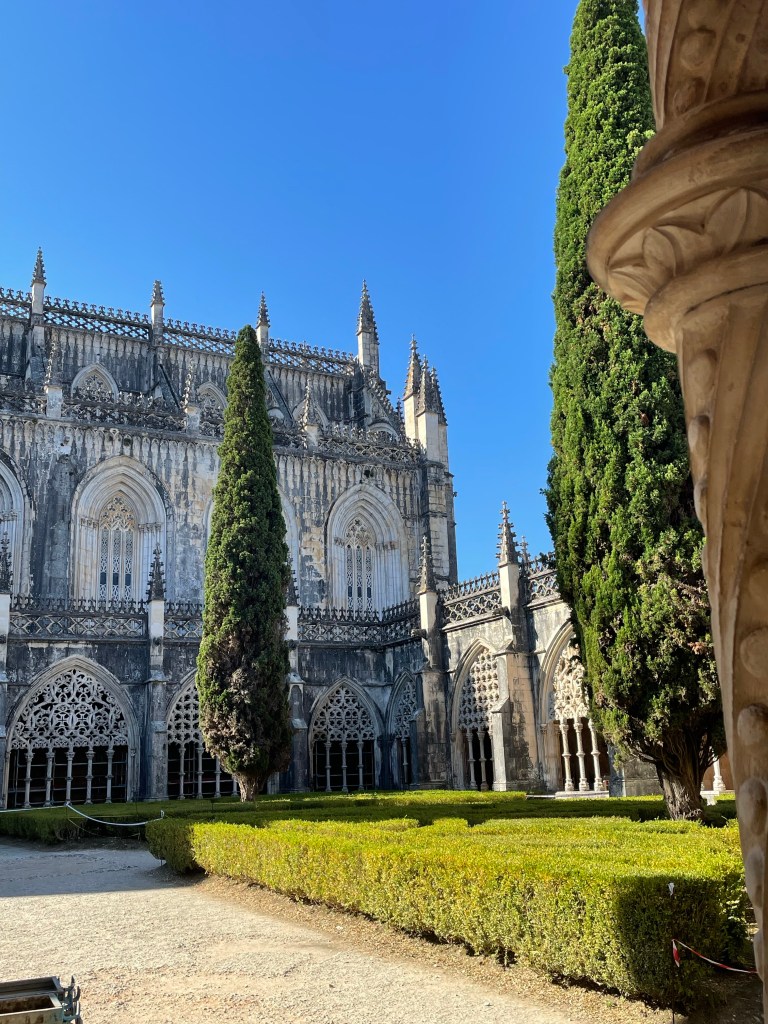
Buffet at the farm
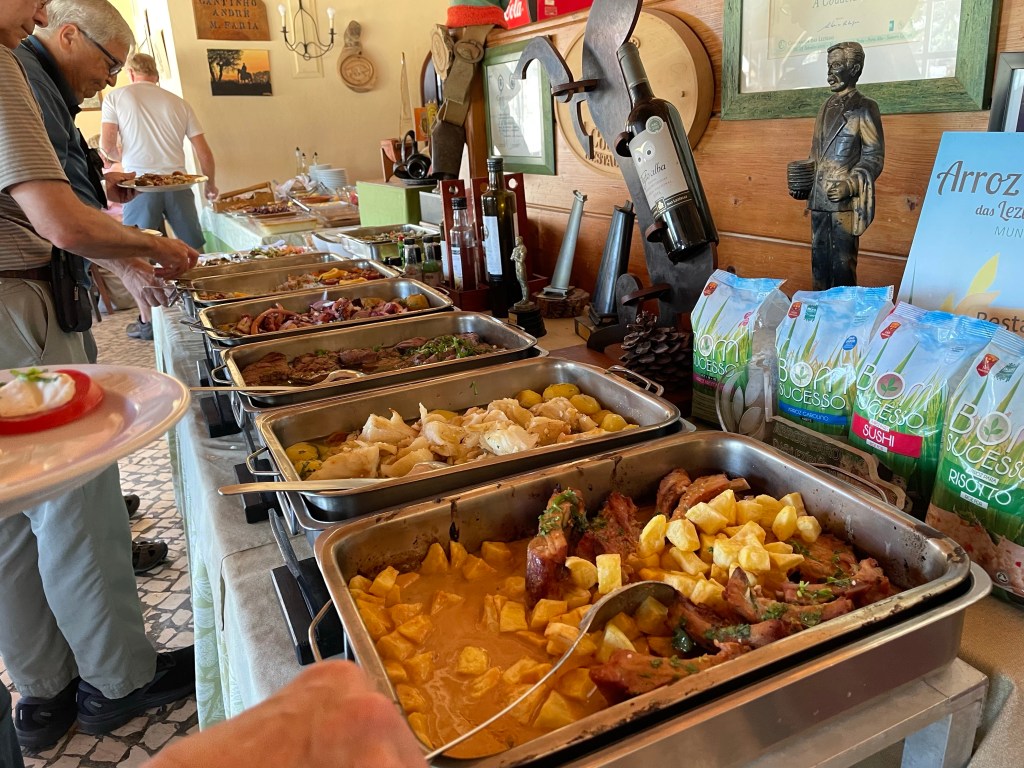
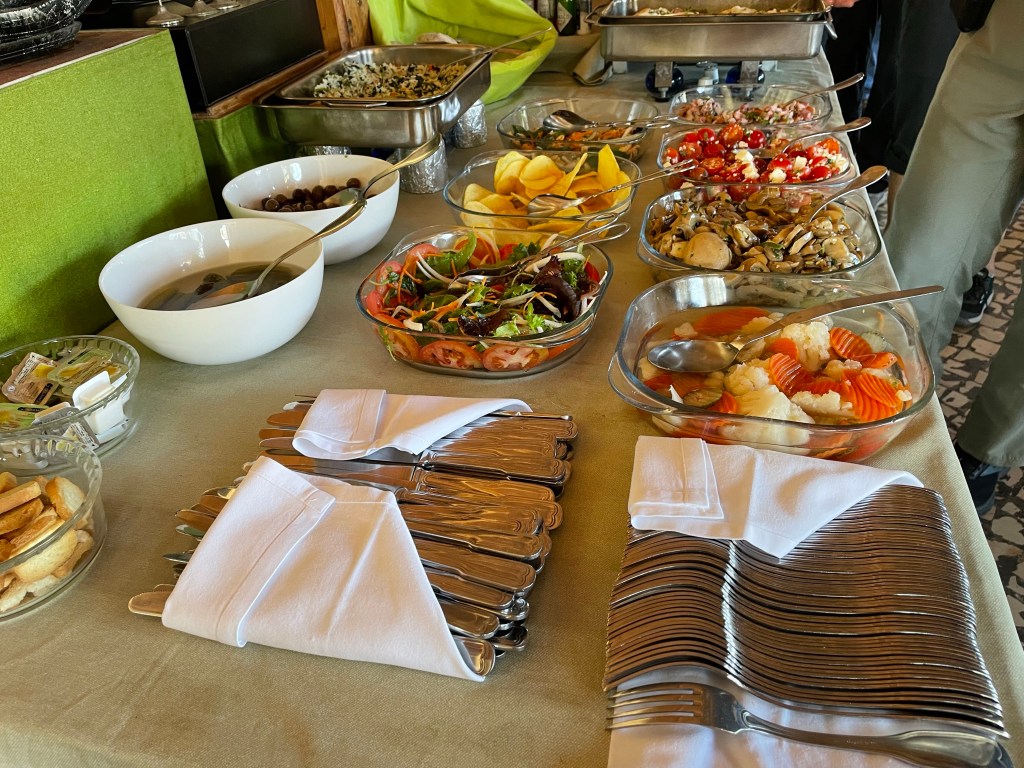
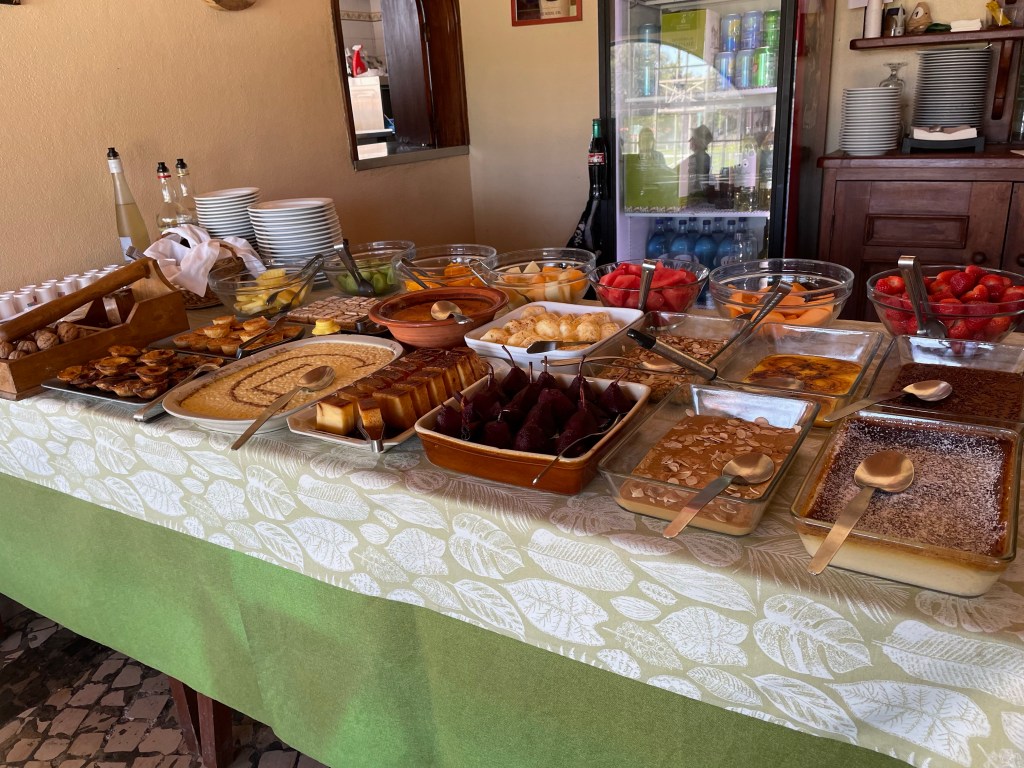
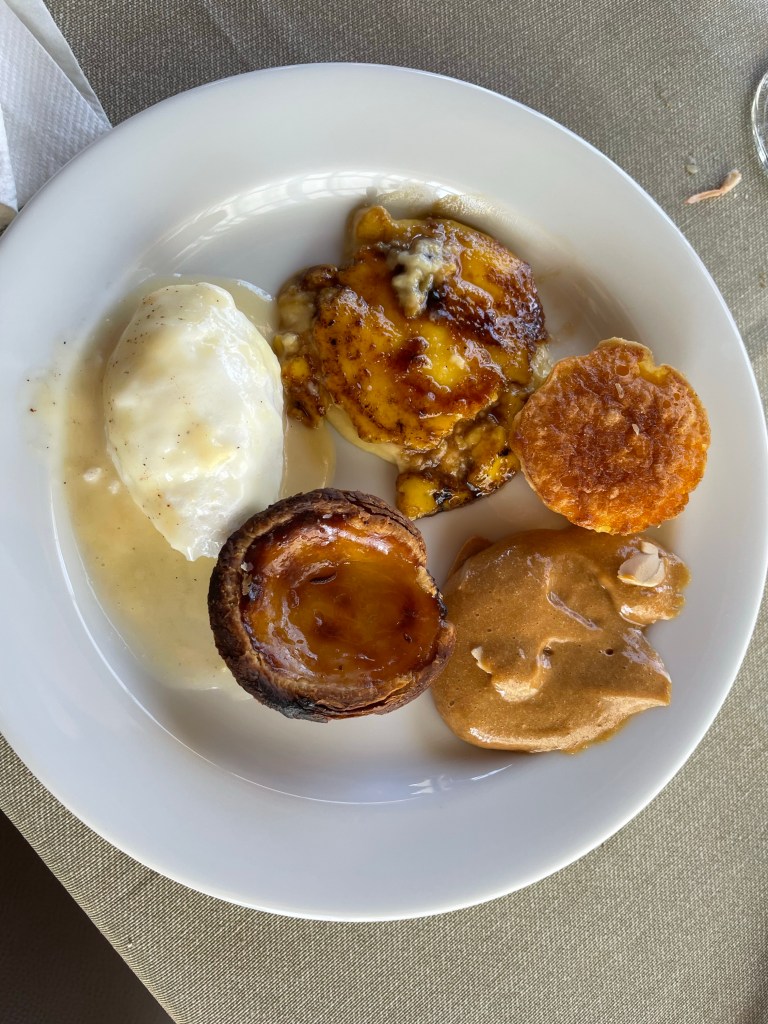
Farm pictures
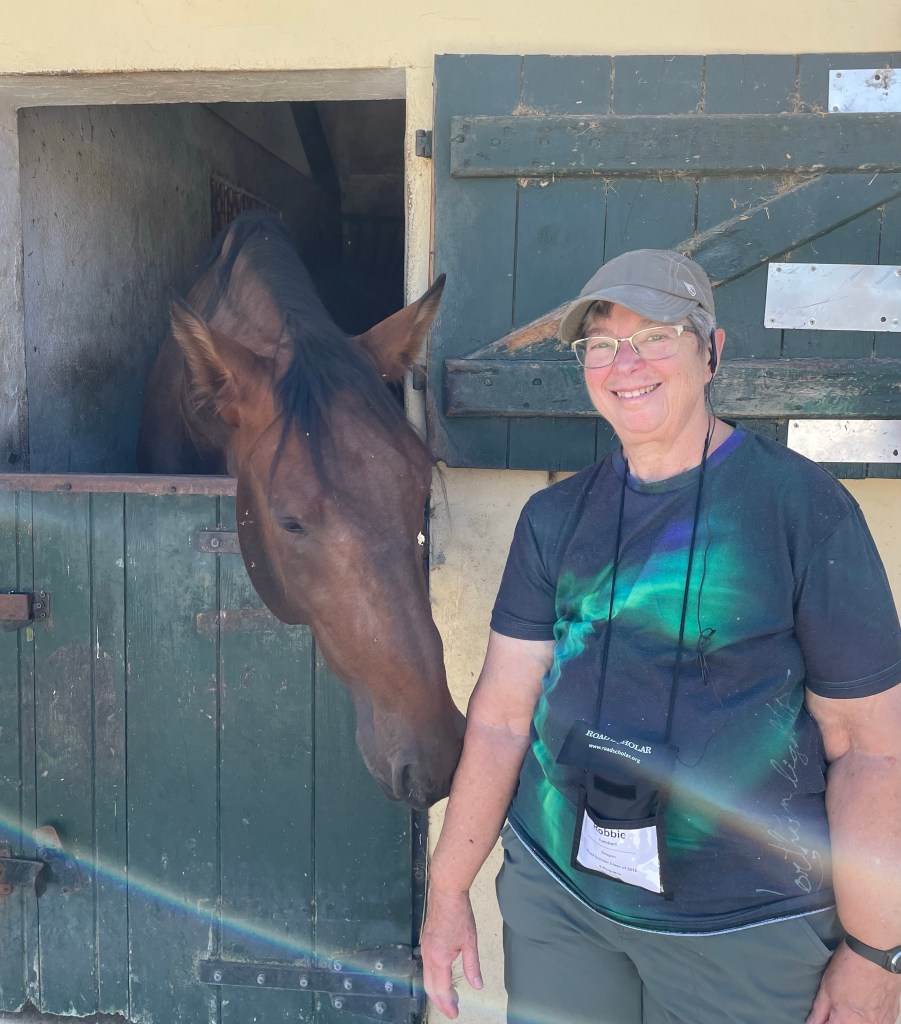
 RobbieLambertsTravels
Wow – Another amazing day. You think the monastary is NOT ornate?!?
LikeLike
Compared to other churches, yes. They’re all covered with gold and have numerous statues other stuff.
LikeLike
Robbie – I am thoroughly enjoying your beautiful pictures as well as the Information you are so generously sharing with us. Thank you! Norma
LikeLiked by 1 person
Thank you again for this tour. The pictures are great. Beautiful stained glass windows. 45 degrees here this morning.
LikeLike
I am running out of complimentary words for your blogs and pictures!
Looks like I’ll just have to use some of them again!
LikeLike