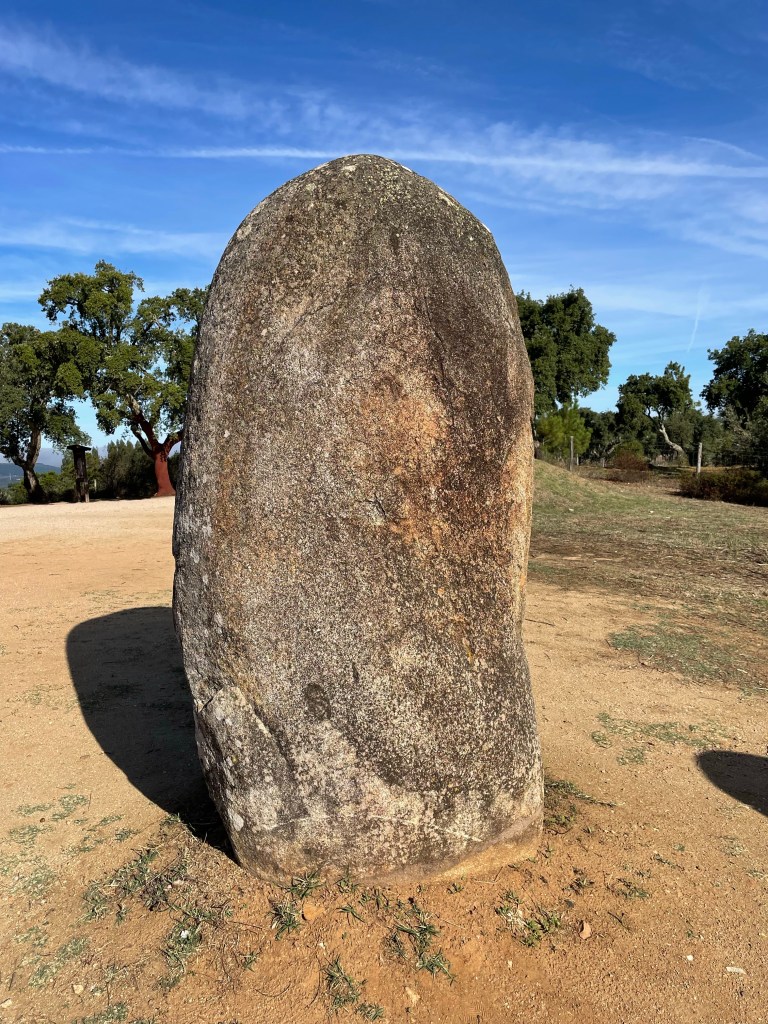
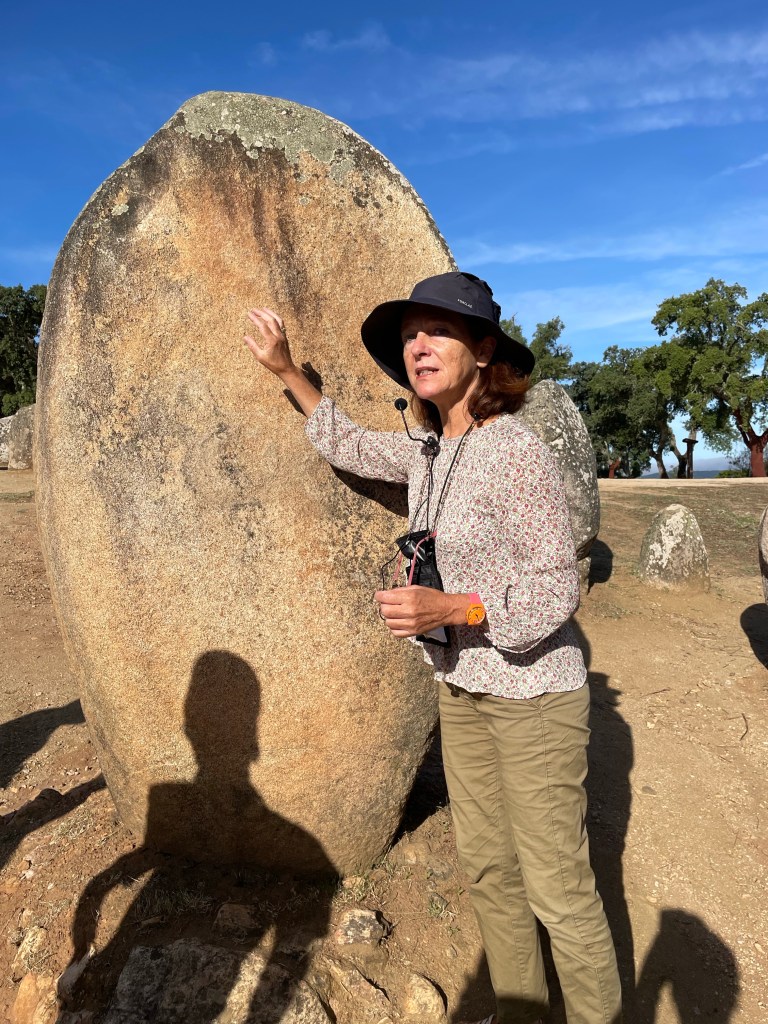
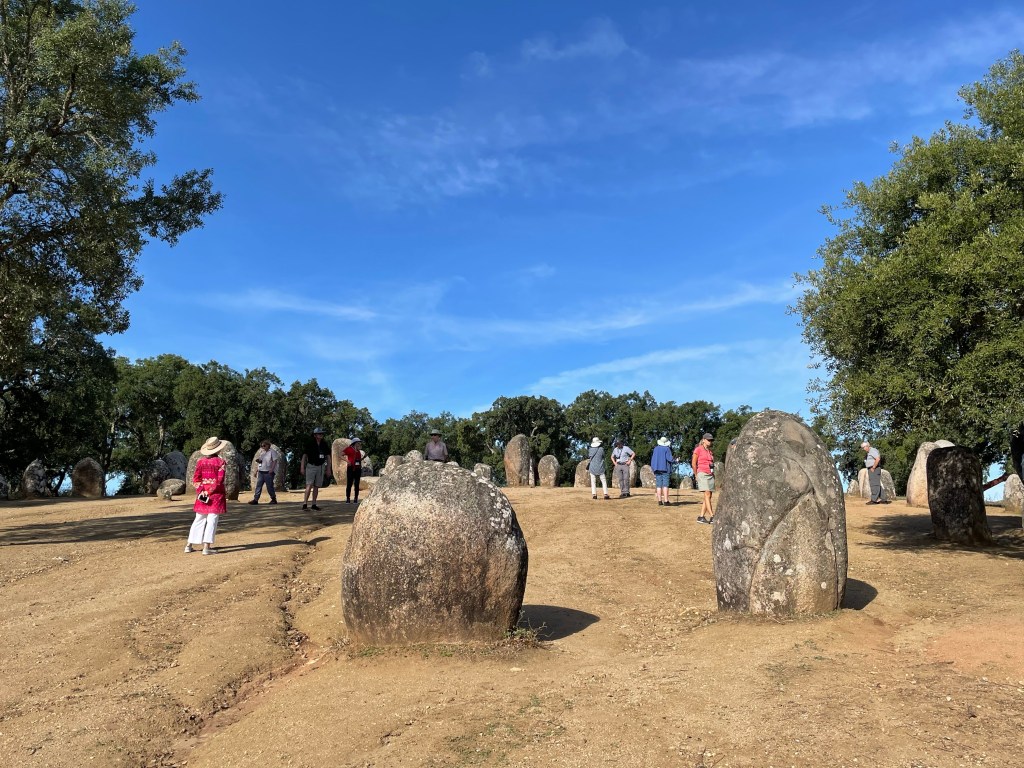
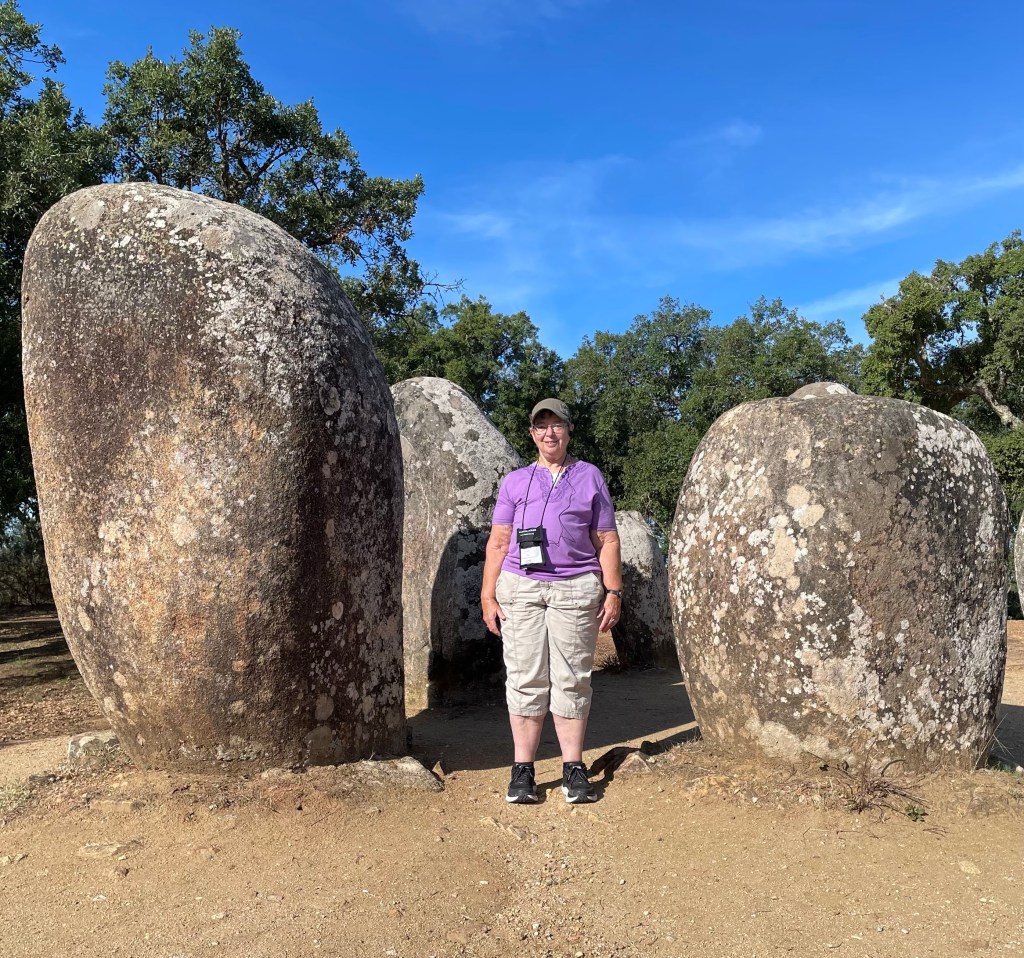
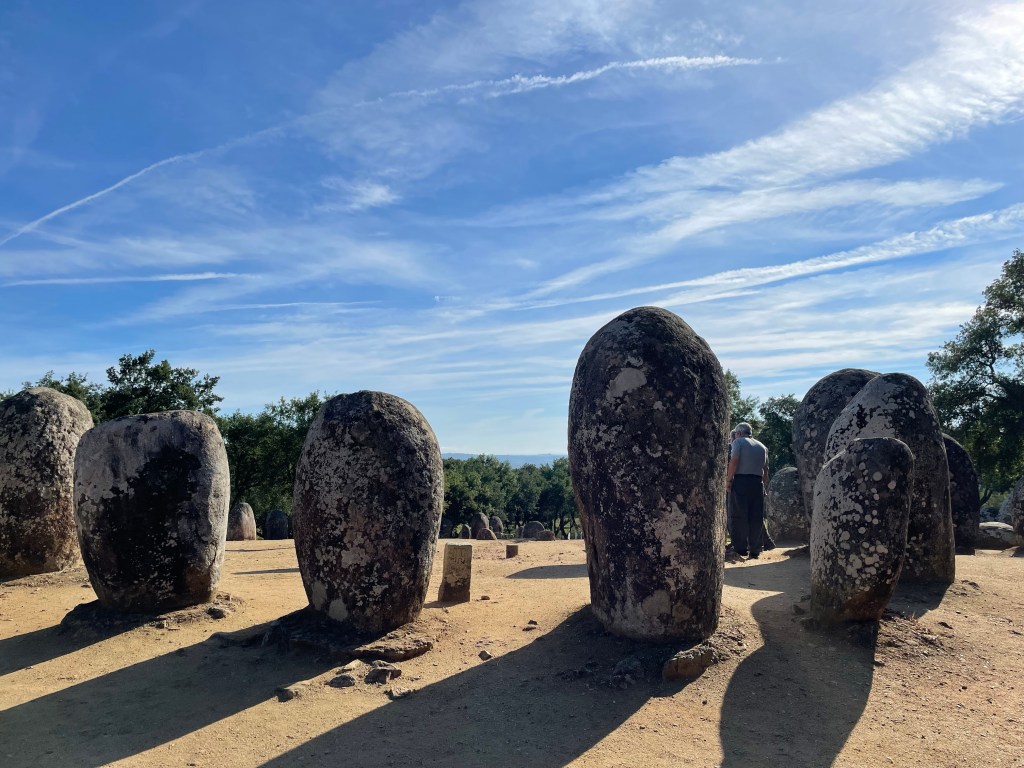
We visited the megalithic site of Almendres. The site was discovered in the 1960s and dates back to the time between the 6th and 4th millennium BCE. The location on a gentle slope facing east as well as its equinoctial orientation seem to confirm an intentional relationship with the cyclic movement of the sun and moon.
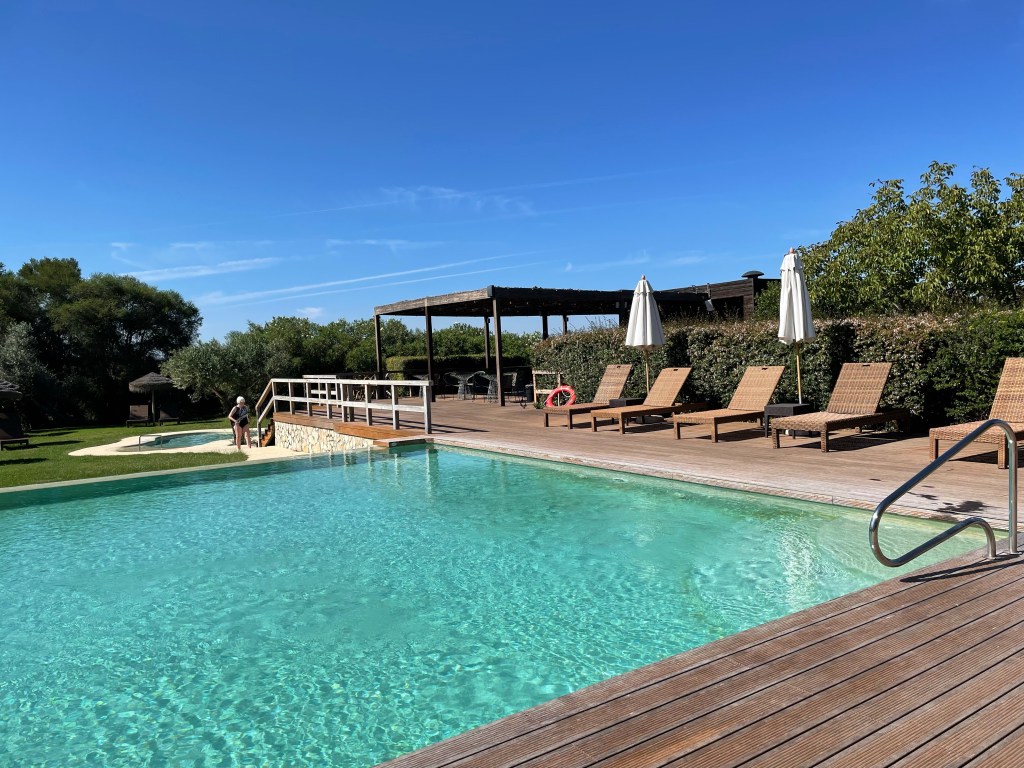
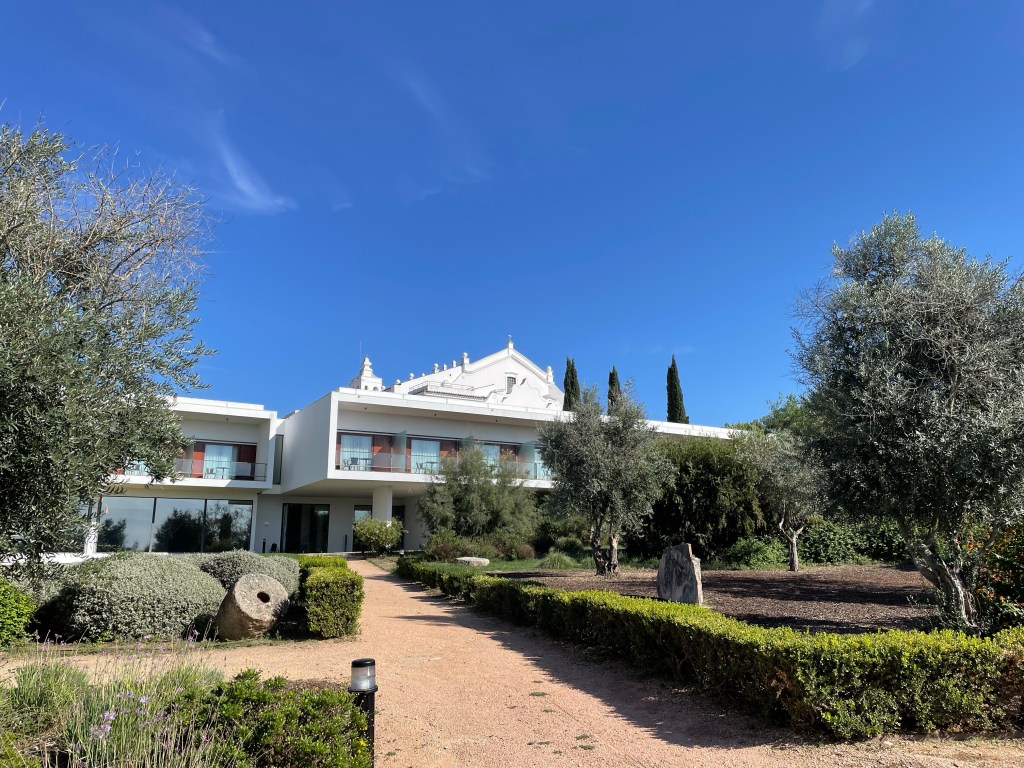
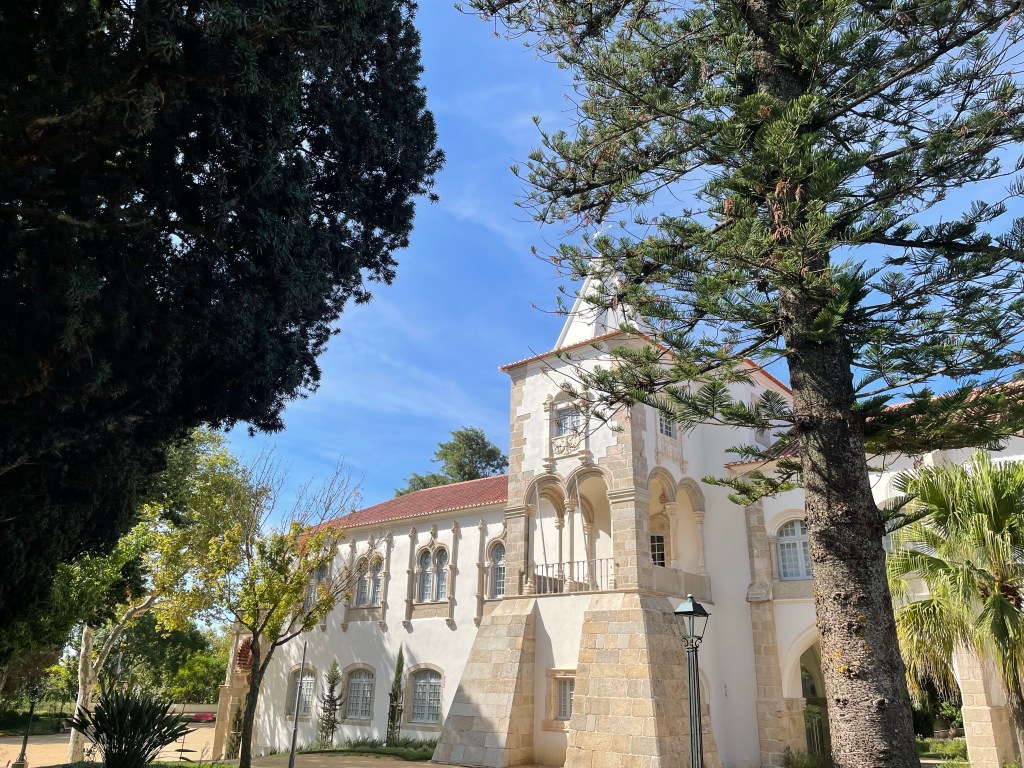
We spent last night and will spend this night in the converted monastery of Espinheiro located near the walled city of Evora. The origins of the Convento do Espinheiro are connected to a legend that tells of an apparition of the Virgin Mary above a thorn-bush (= espinheiro) around the year 1400. In 1412, a oratory was built in honour of Our Lady and finally in 1458, during the reign of King Afonso V, and due to increasing pilgrimage, a church and convent were built and settled by monks of the Order of St. Jerónimo. This lodging is rated five stars. Here are some pictures of the facility.
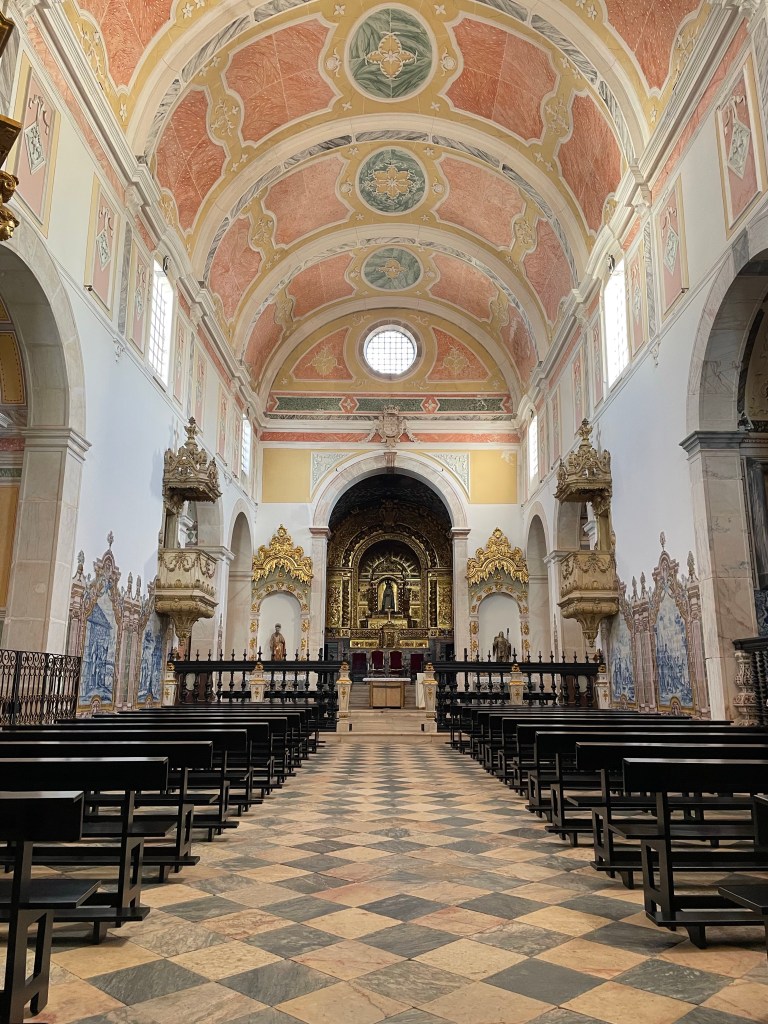
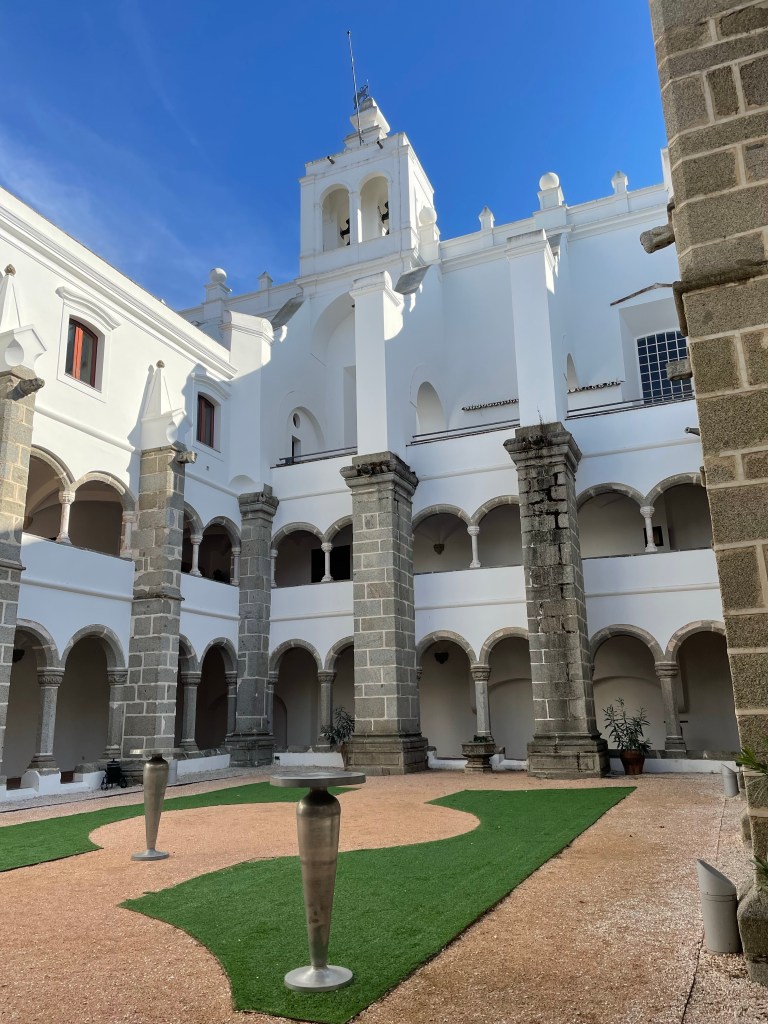
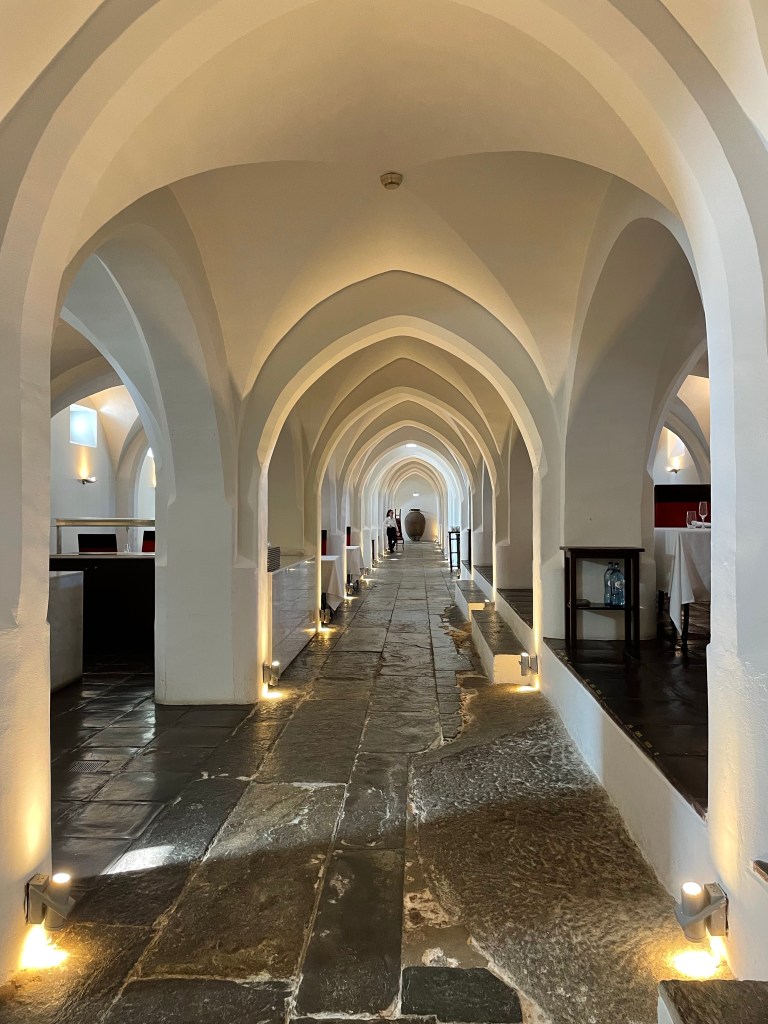
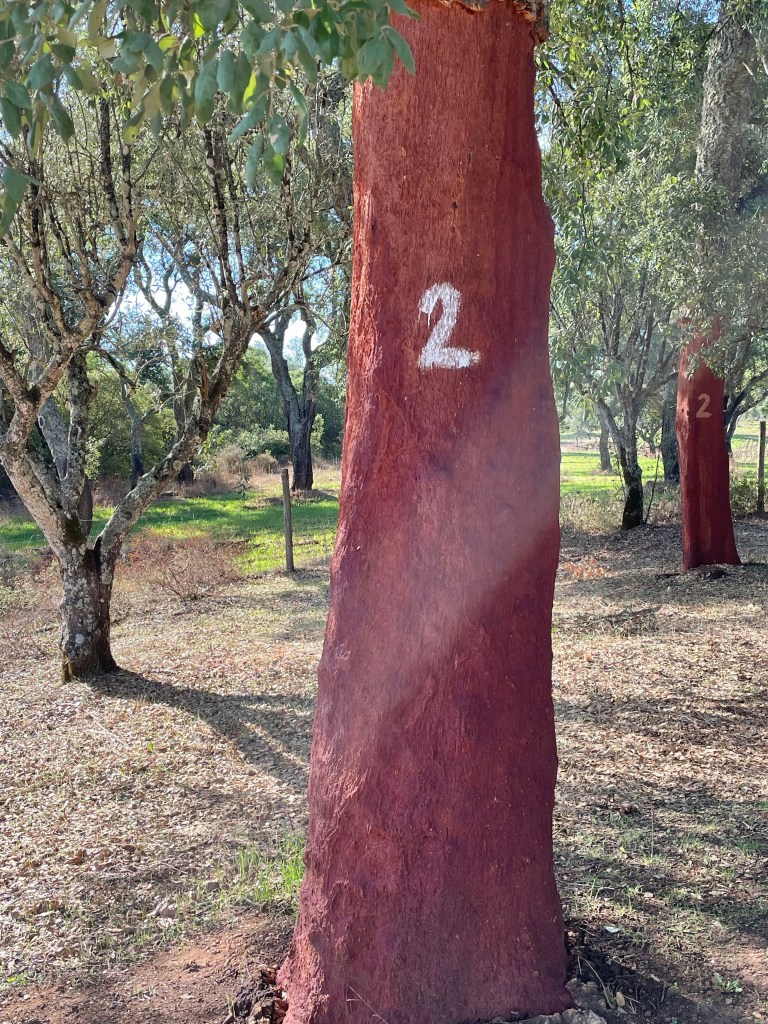
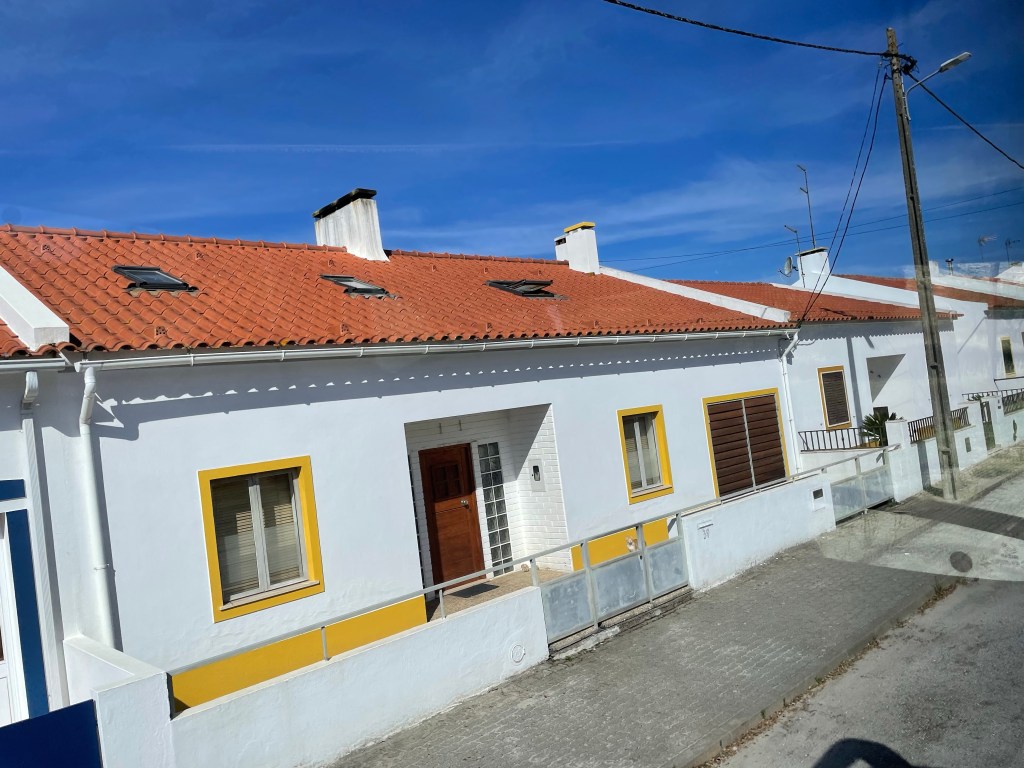
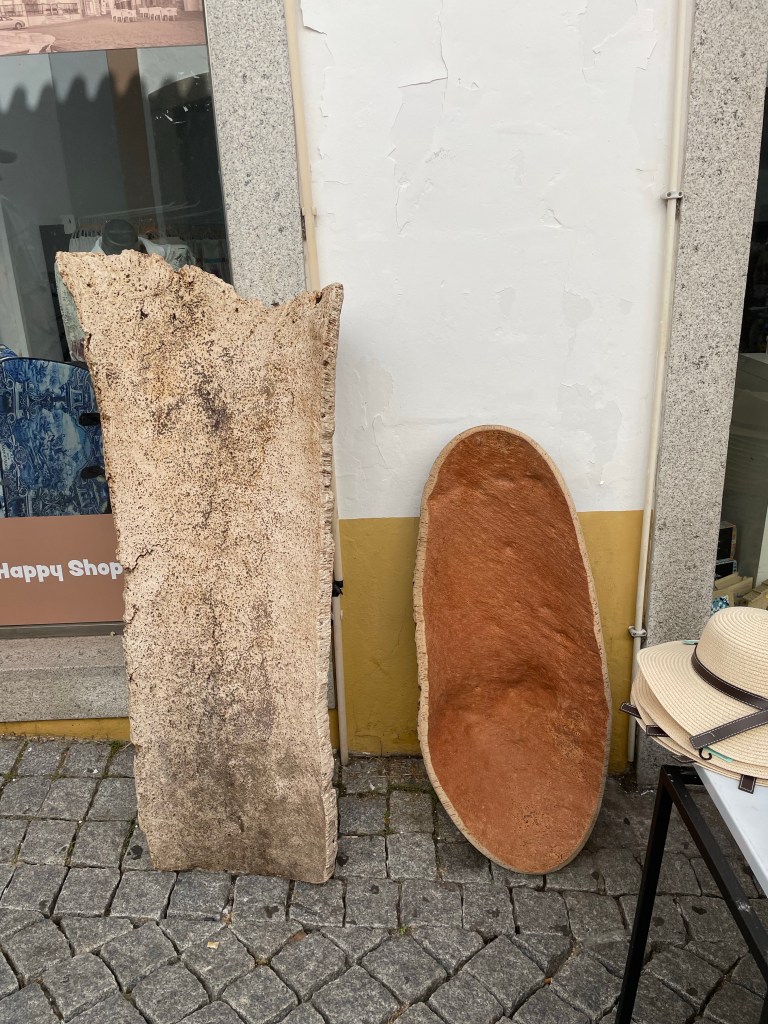
After the megaliths, we stopped for a break in a very small village.
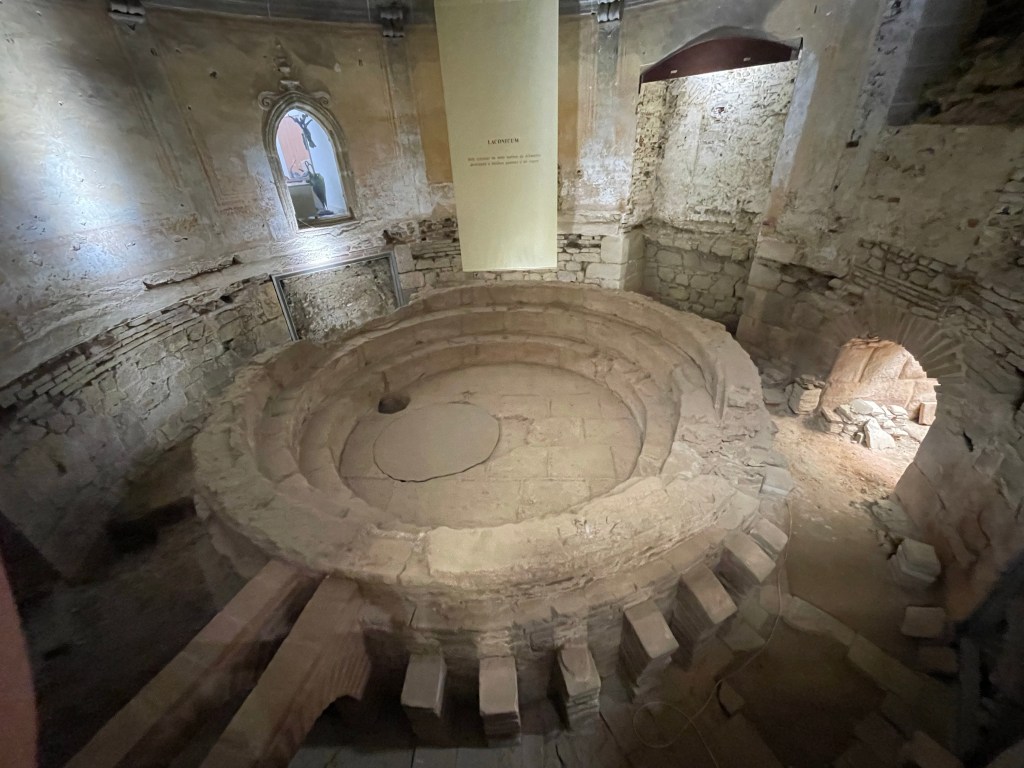
Évora is the capital of Portugal’s south-central Alentejo region. In the city’s historic center stands the ancient Roman Temple of Évora (also called the Temple of Diana). Nearby, whitewashed houses surround the Cathedral of Évora, a massive Gothic structure begun in the 12th century. The Igreja de São Francisco features Gothic and baroque architecture along with the skeleton-adorned Chapel of Bones. Evora was considered a world heritage site by UNESCO in 1986.
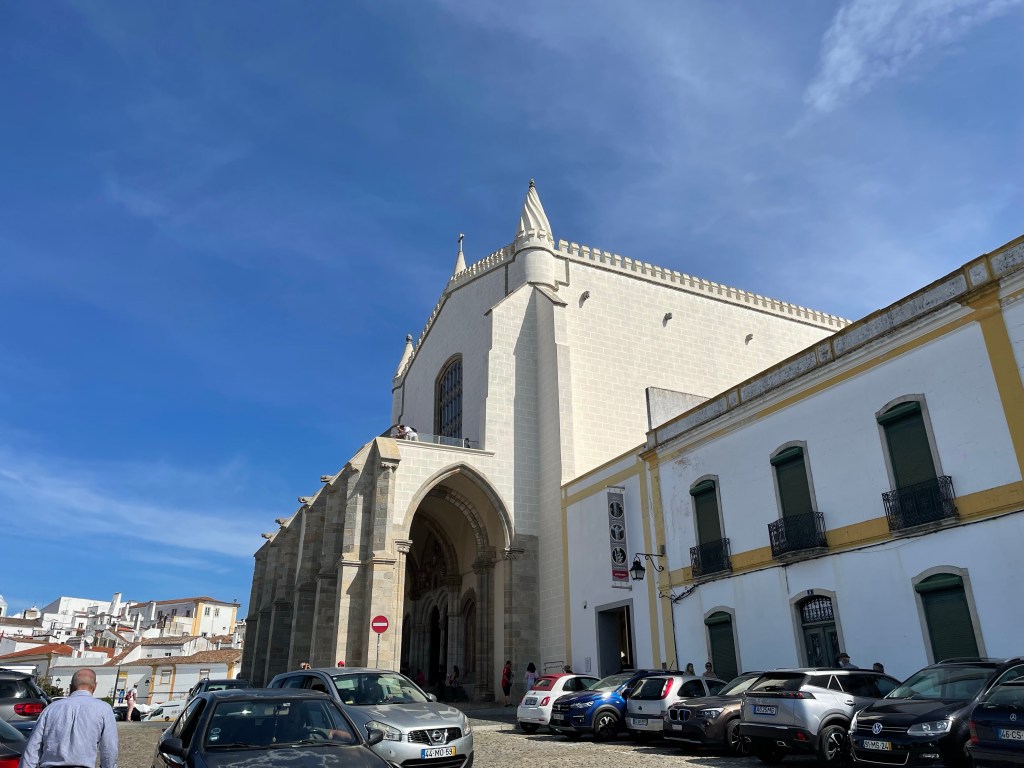
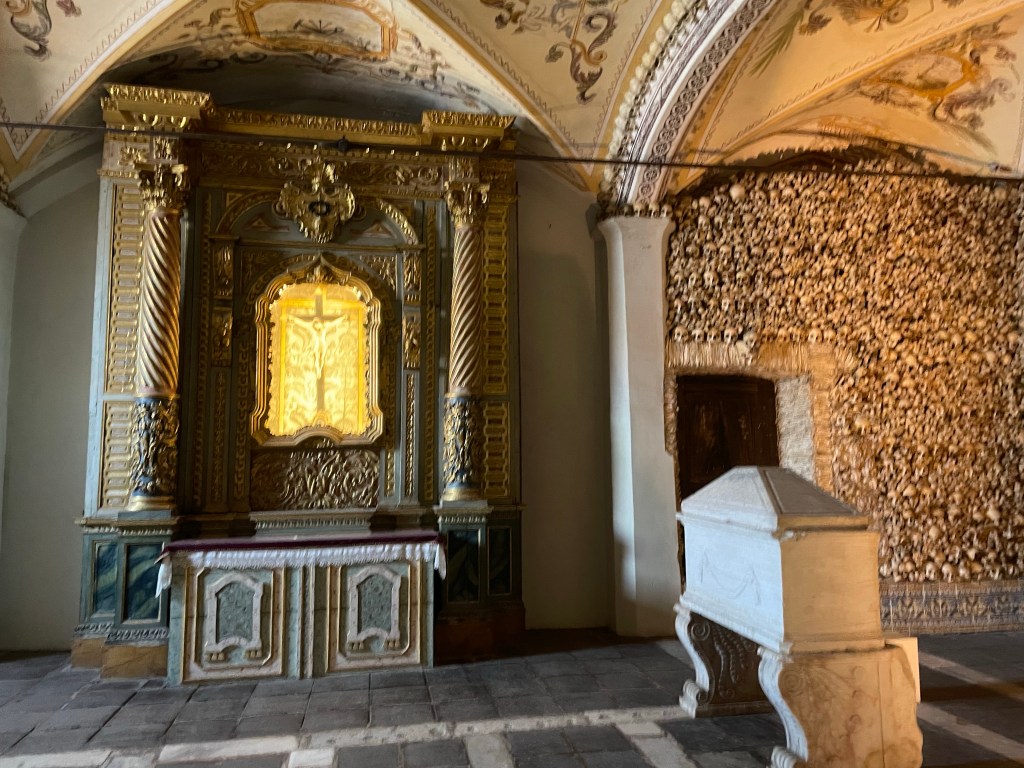
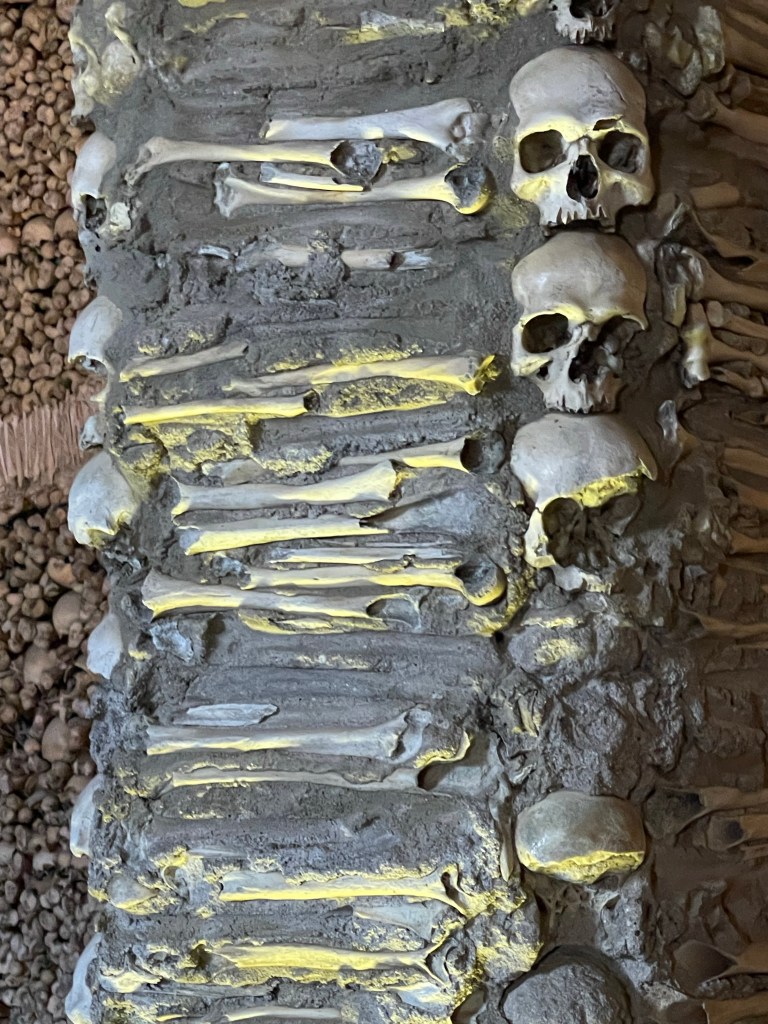
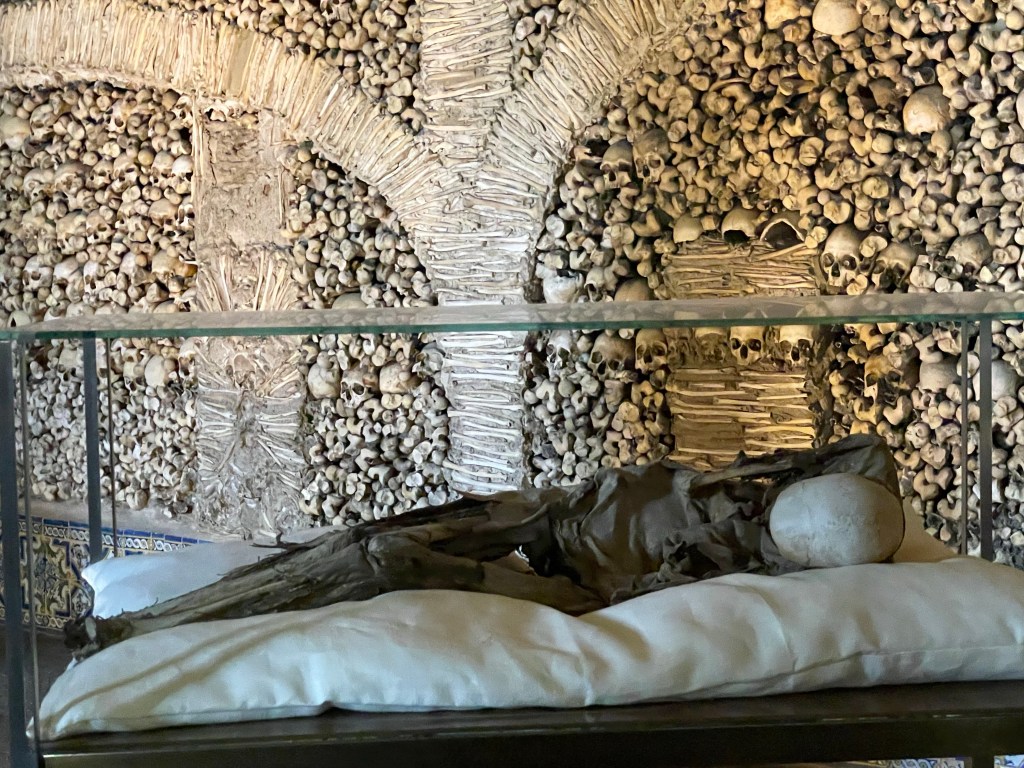
Views of Evora
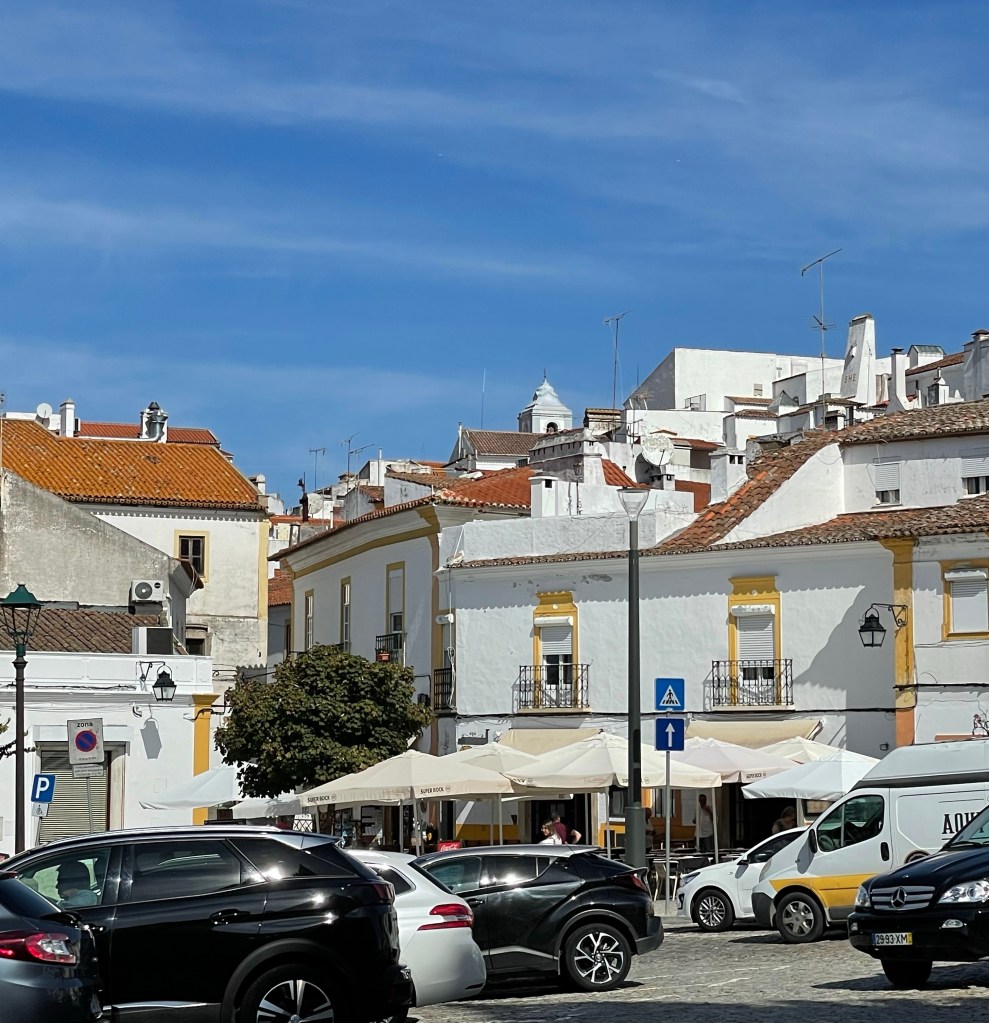
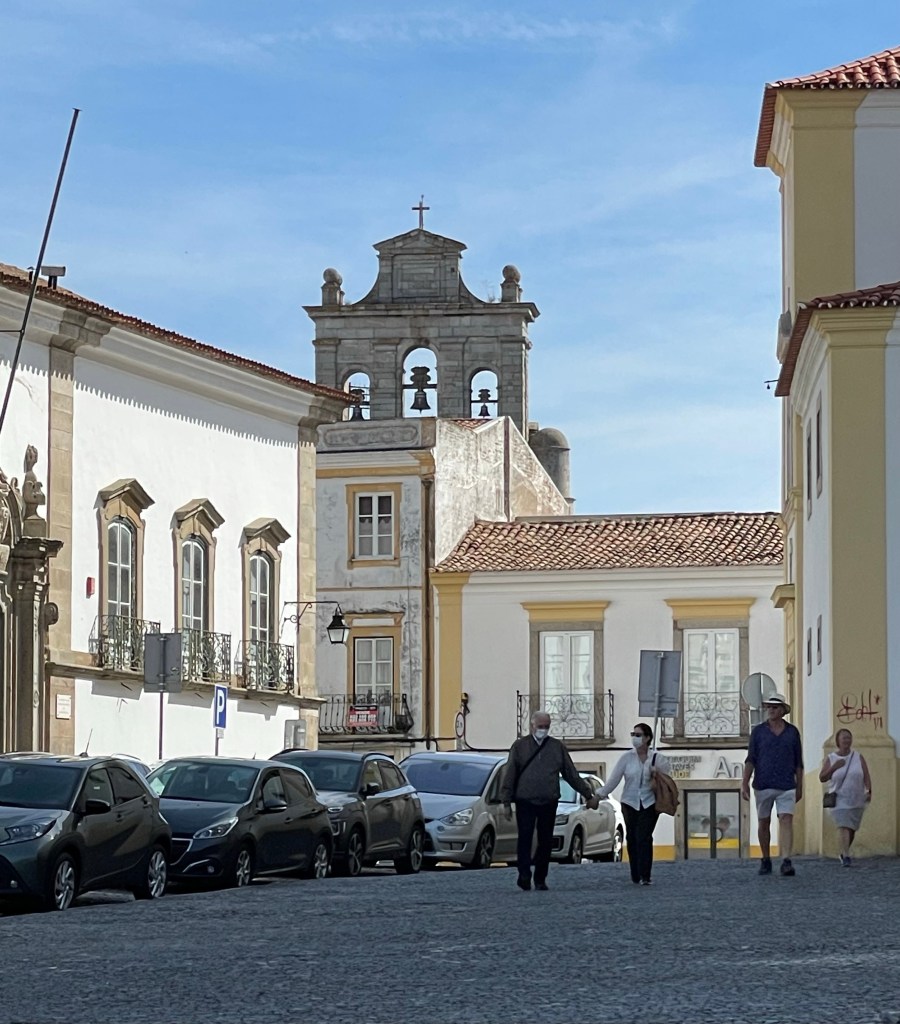
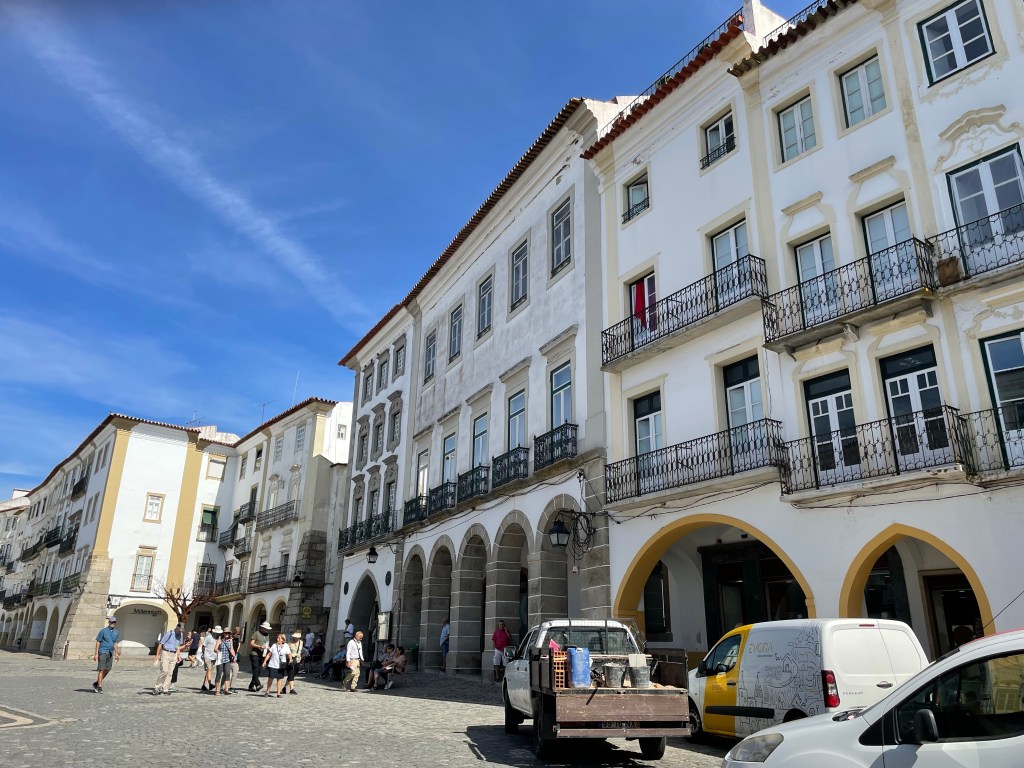
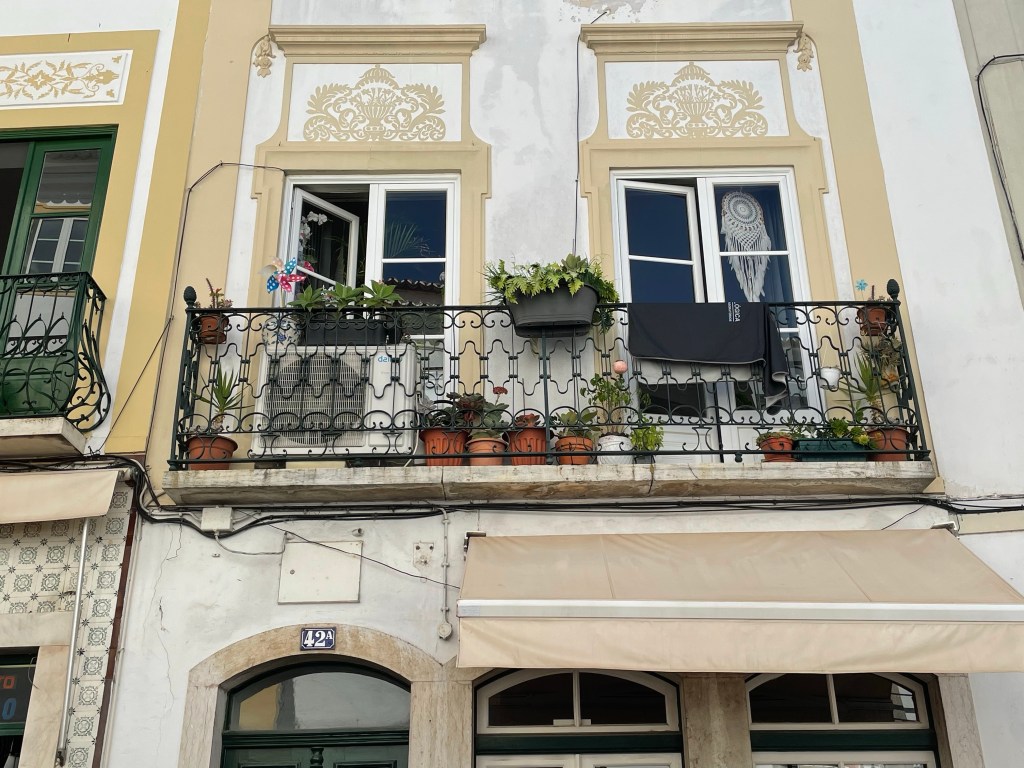
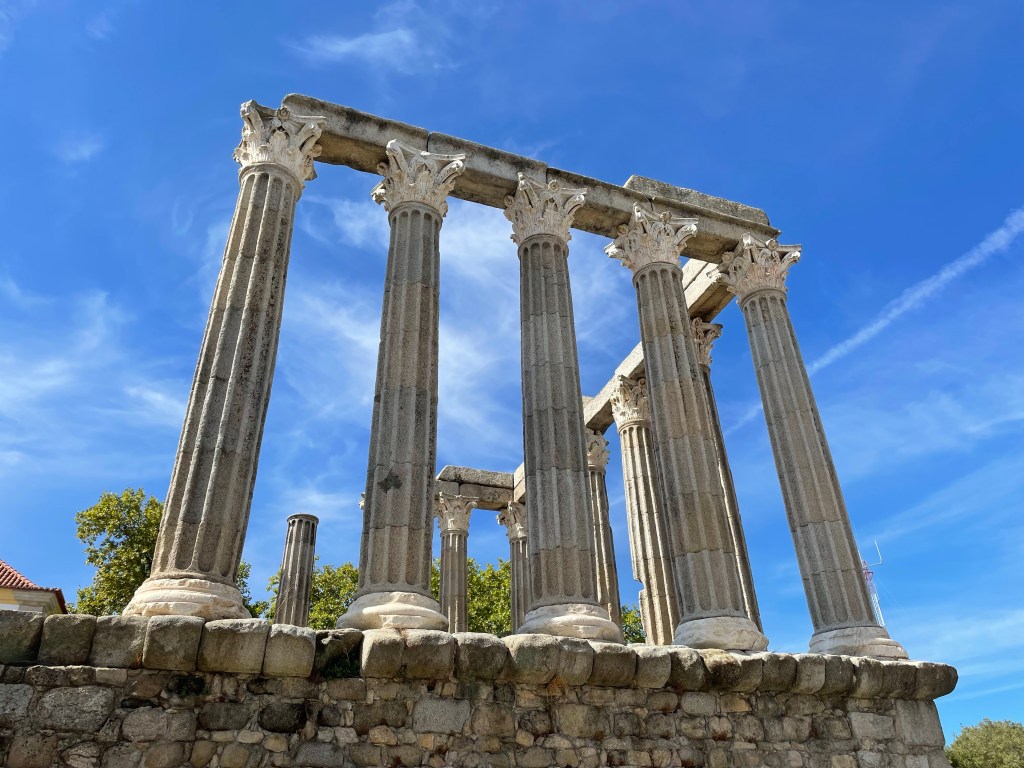
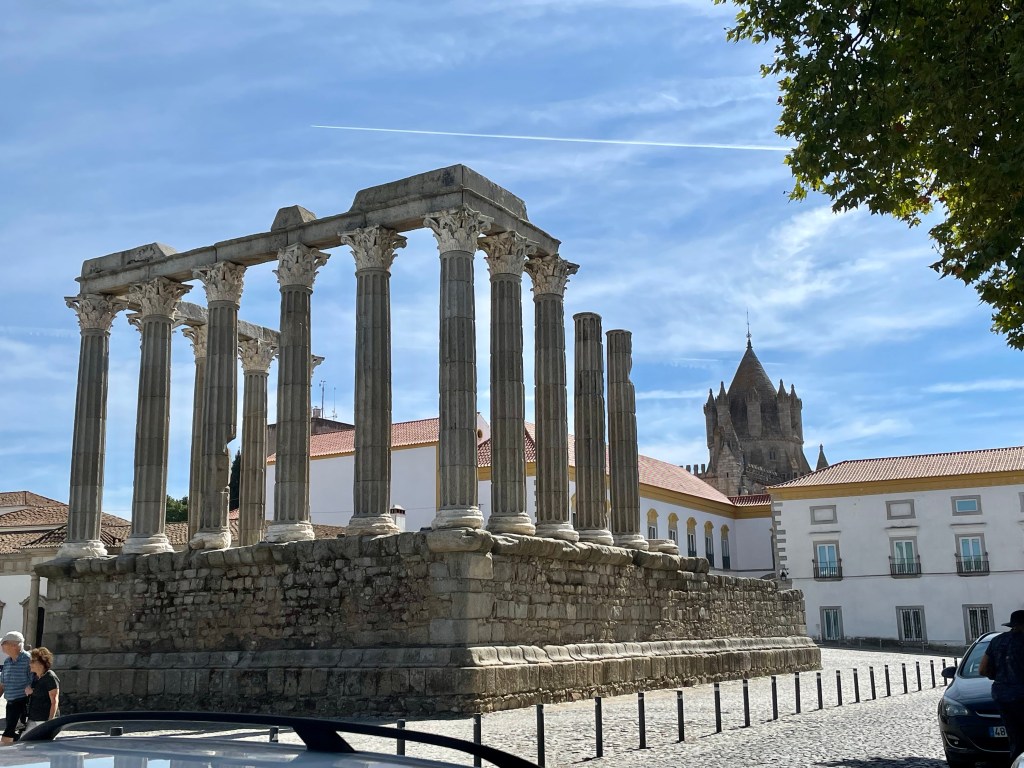
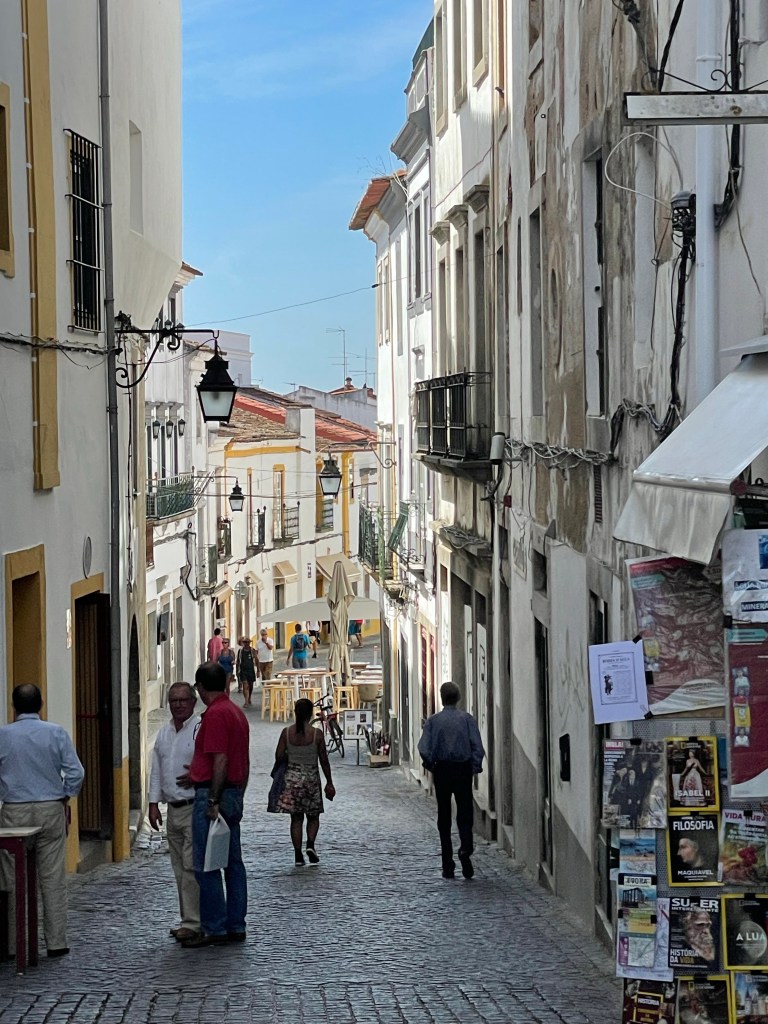
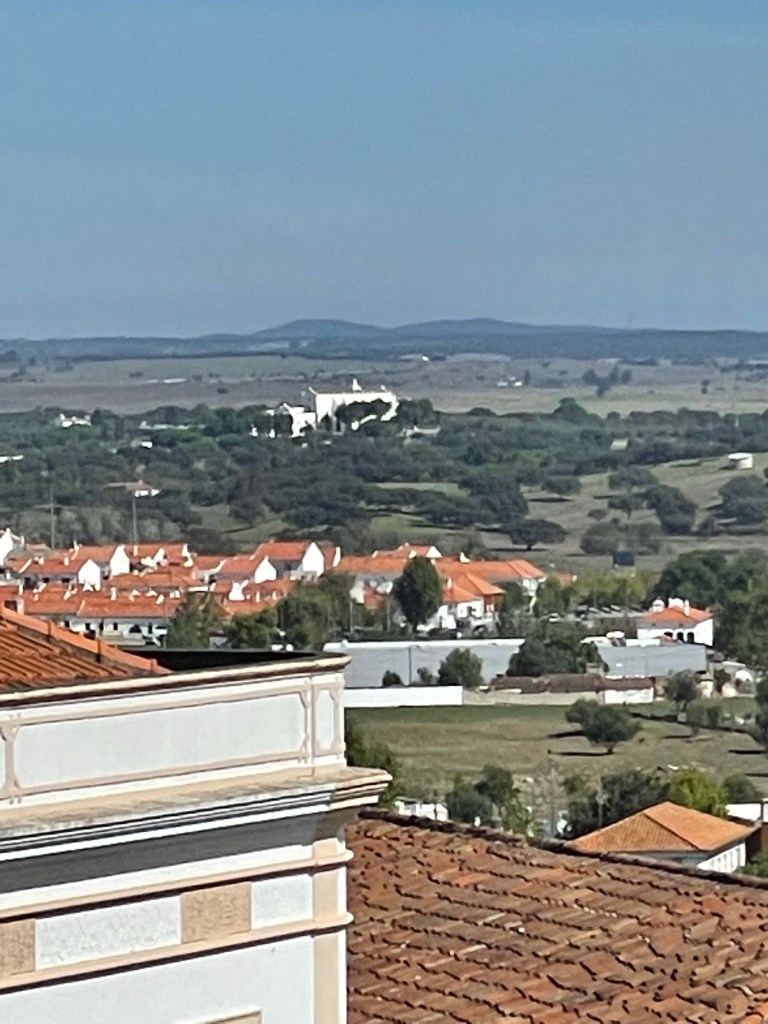
Views from the high point of the city
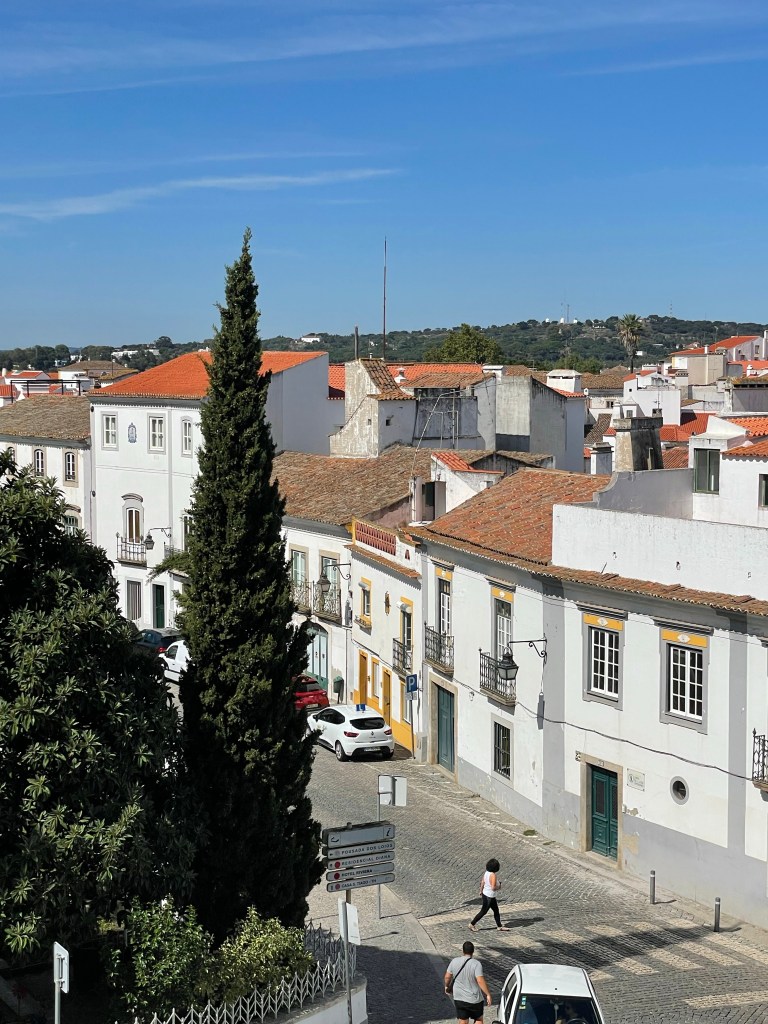
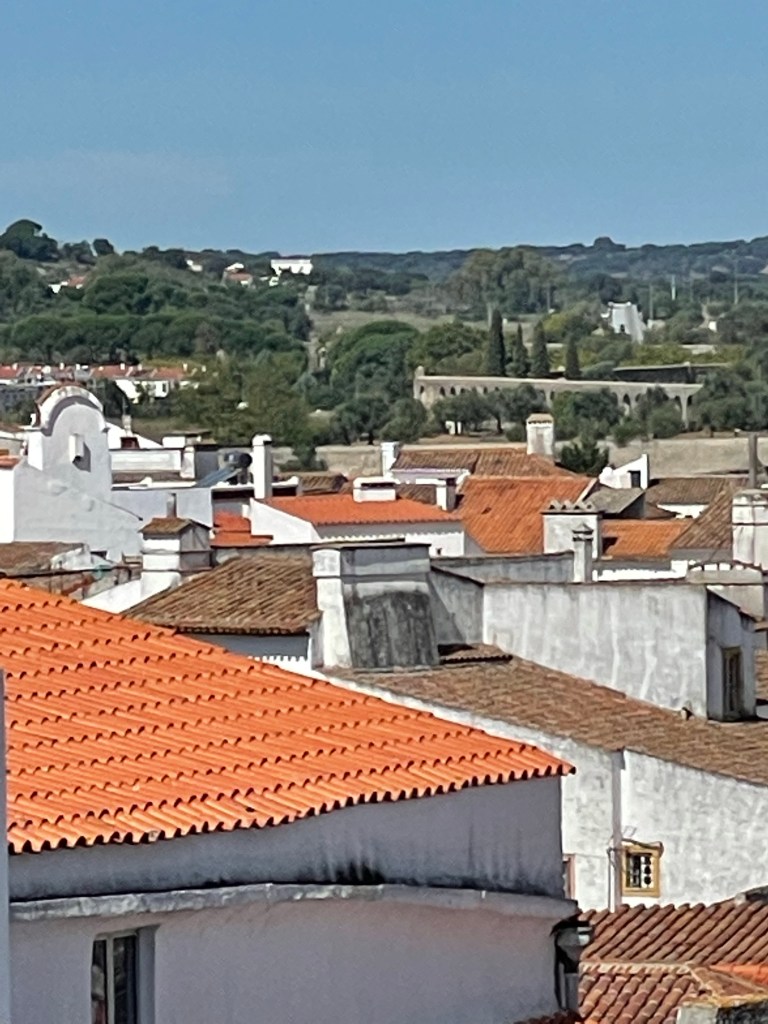
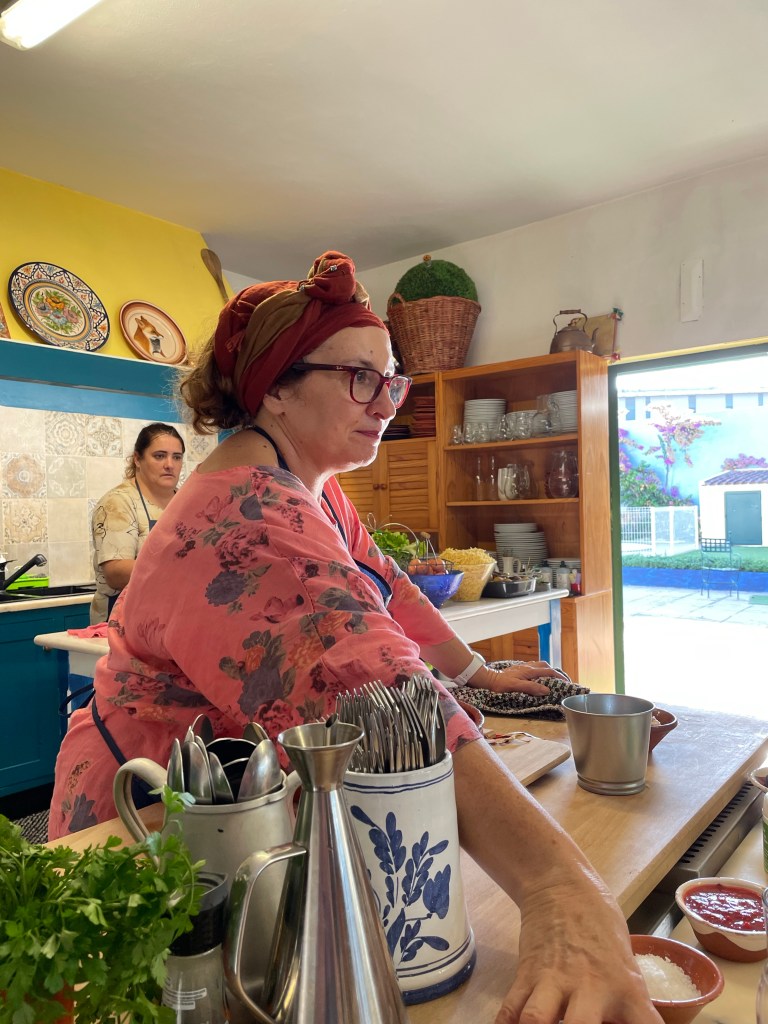
After touring Evora, we got to have a Portuguese cooking class. We made appetizers of tunafish salad and of marinated carrots. The two main courses were a cod dish and a pork dish. Desserts were cooked apple and a custard. All were very tasty. I will be able to get all of these recipes. I would really like to make the cod dish for my family.


Cooking class sounds yummy.
The monastery certainly is not as austere as one might think when hearing the name.
Looks like glorious weather.
LikeLike
I guess it keeps the bones away from animals…. Not so dissimilar from gathering the bones into ossuaries as they did in Jerusalem. You are having a great trip! Thanks for letting us enjoy it too. Anne
LikeLike