In Luxor, we spent two nights in the Pavilion Winter Luxor Hotel which is part of a historic British colonial era, five star luxury resort located on the river Nile. Agatha Christie wrote the Death on the Nile while staying at the hotel.
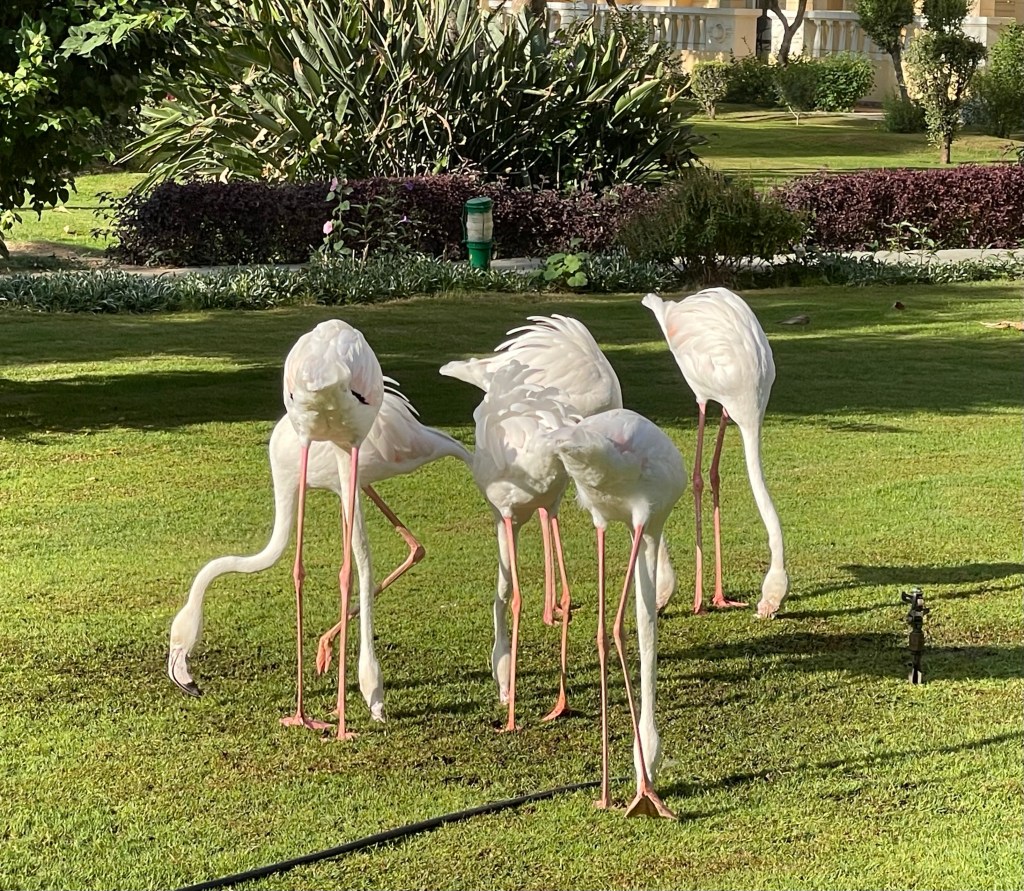
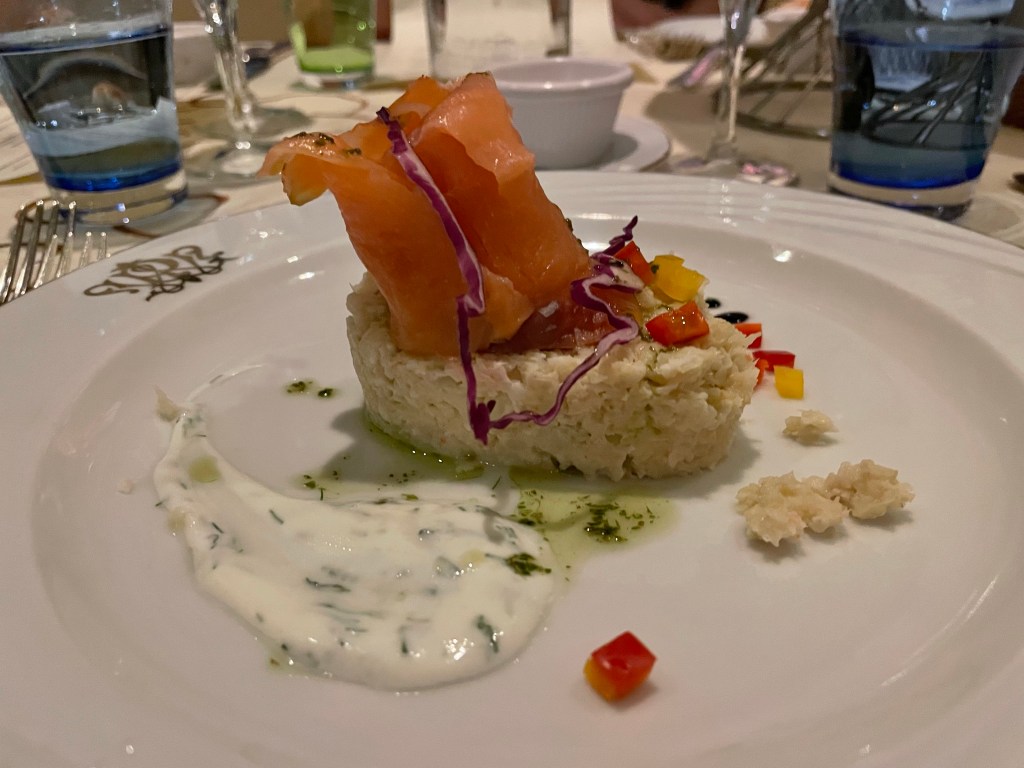
We had a wonderful Egyptian barbecue for dinner on our first night. Swimming pool Flamingos on the lawnBack of the hotel Outdoor barOur second night dinnerThe appetizer Main course
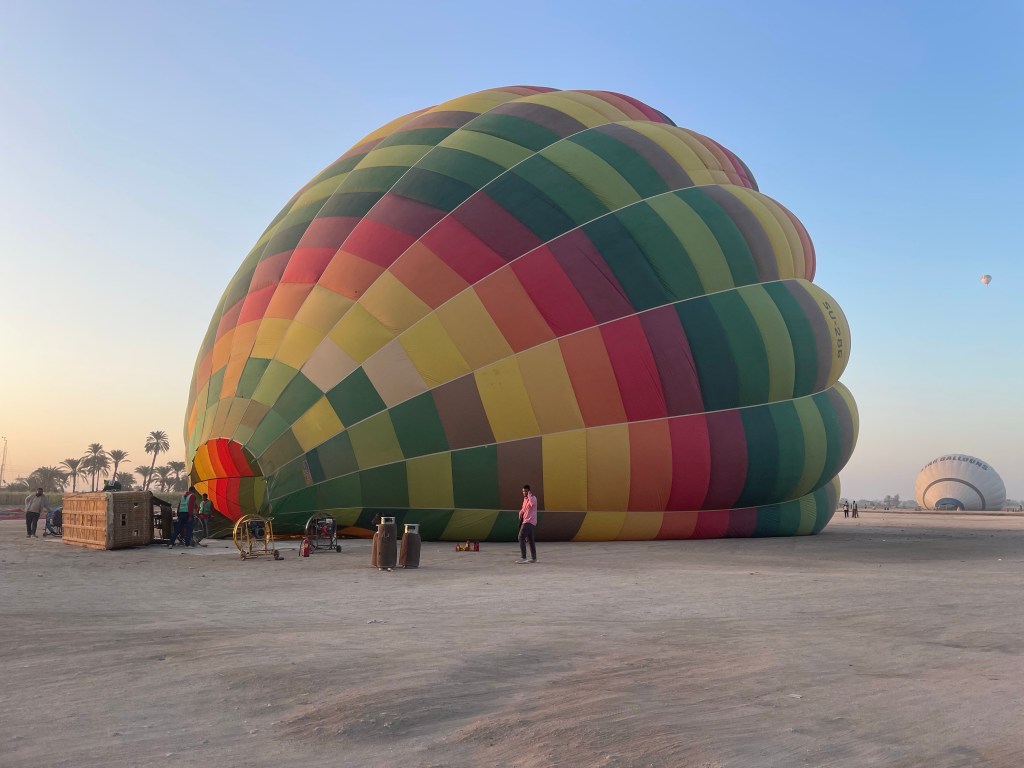
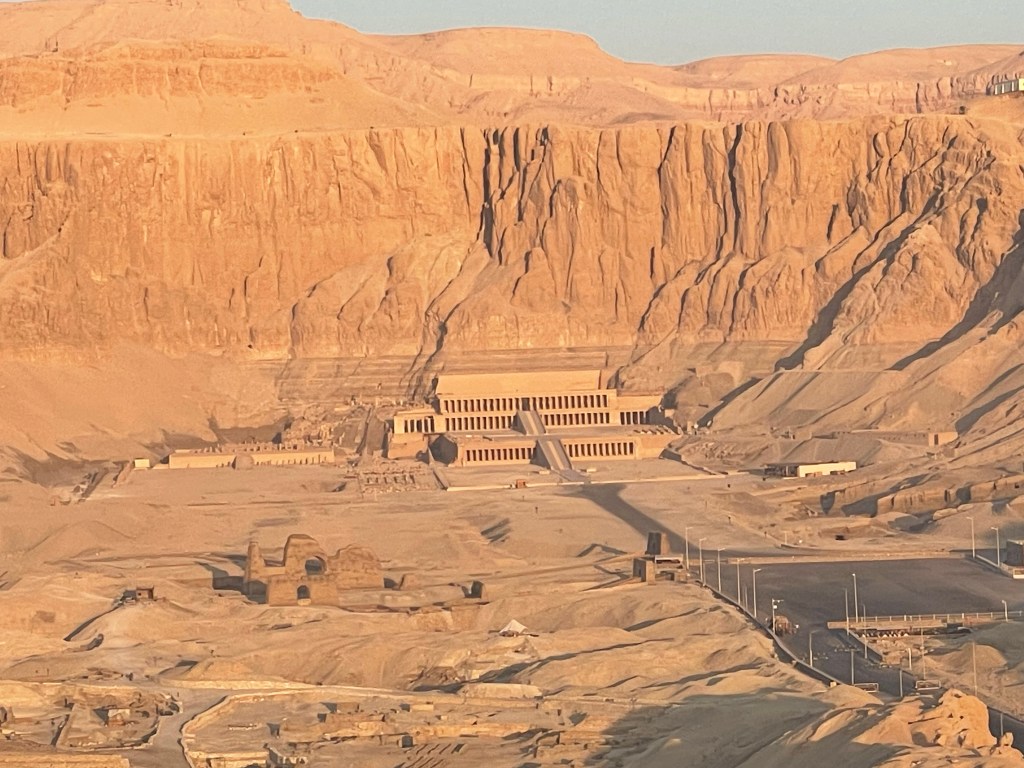
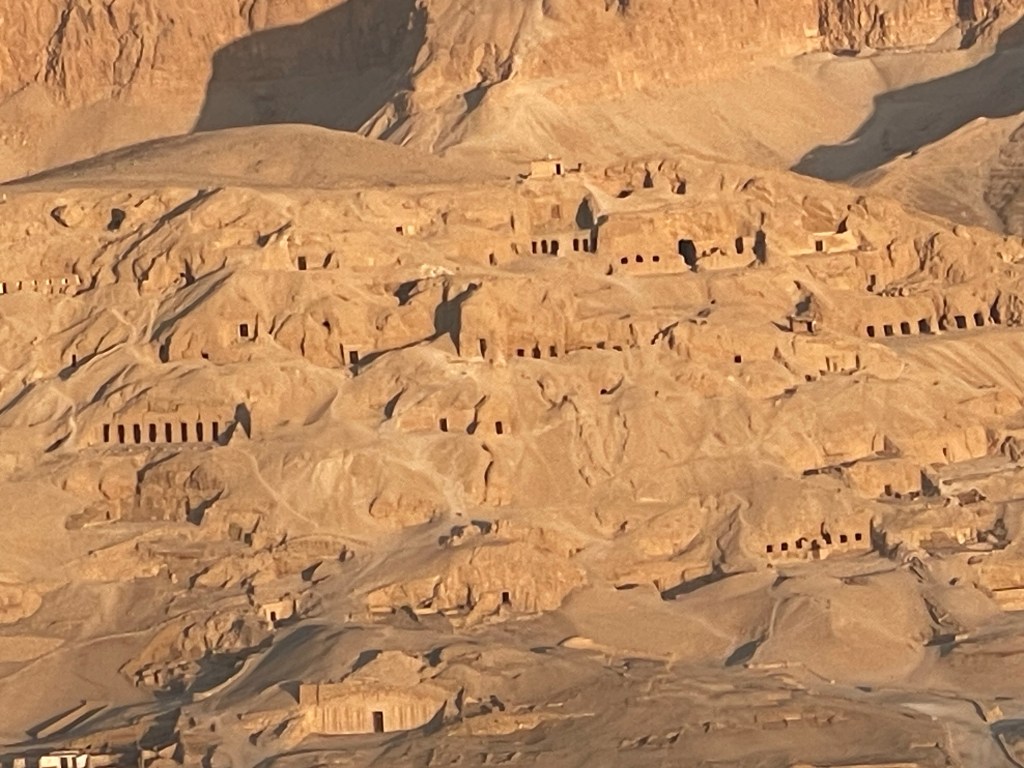
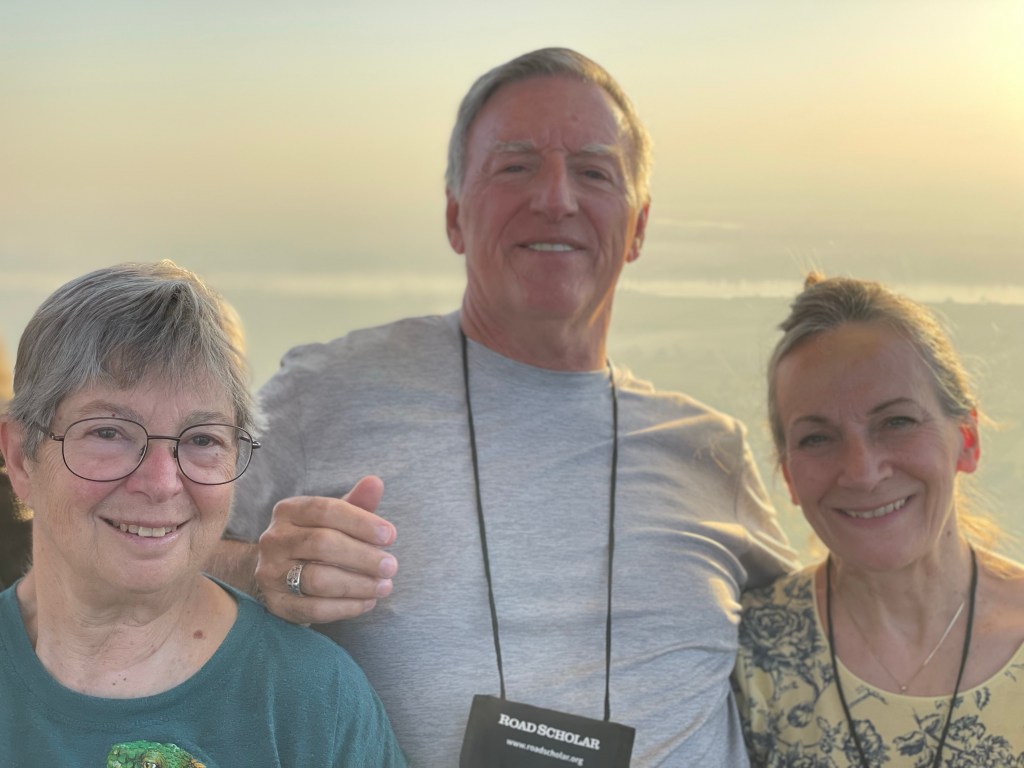
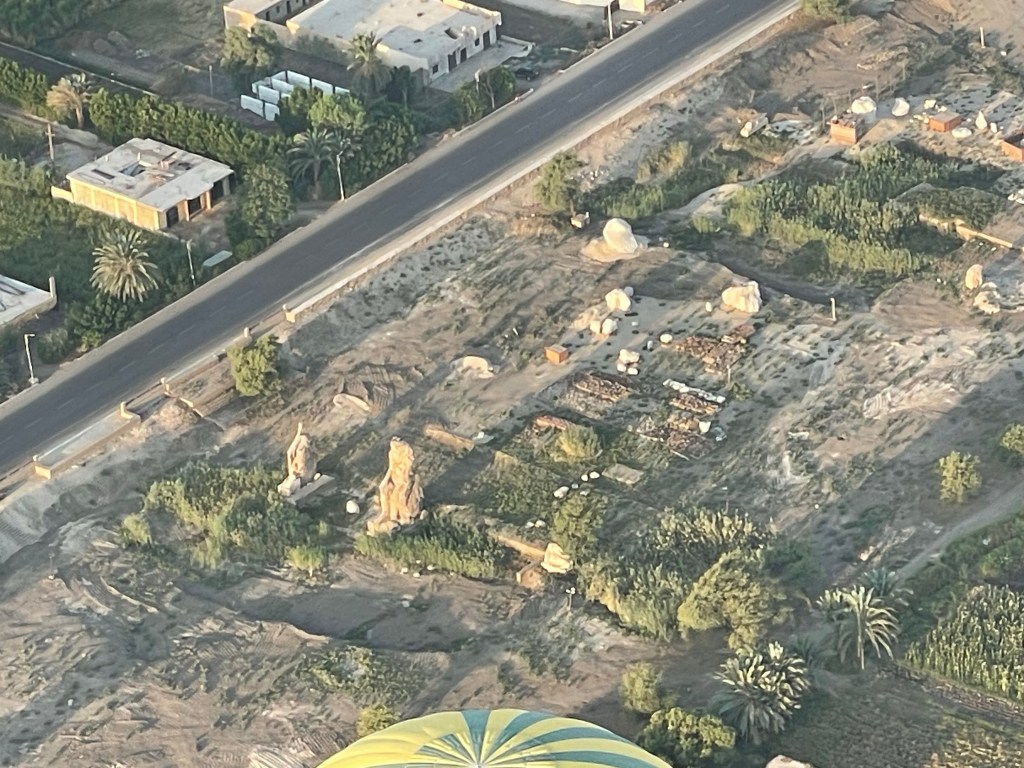
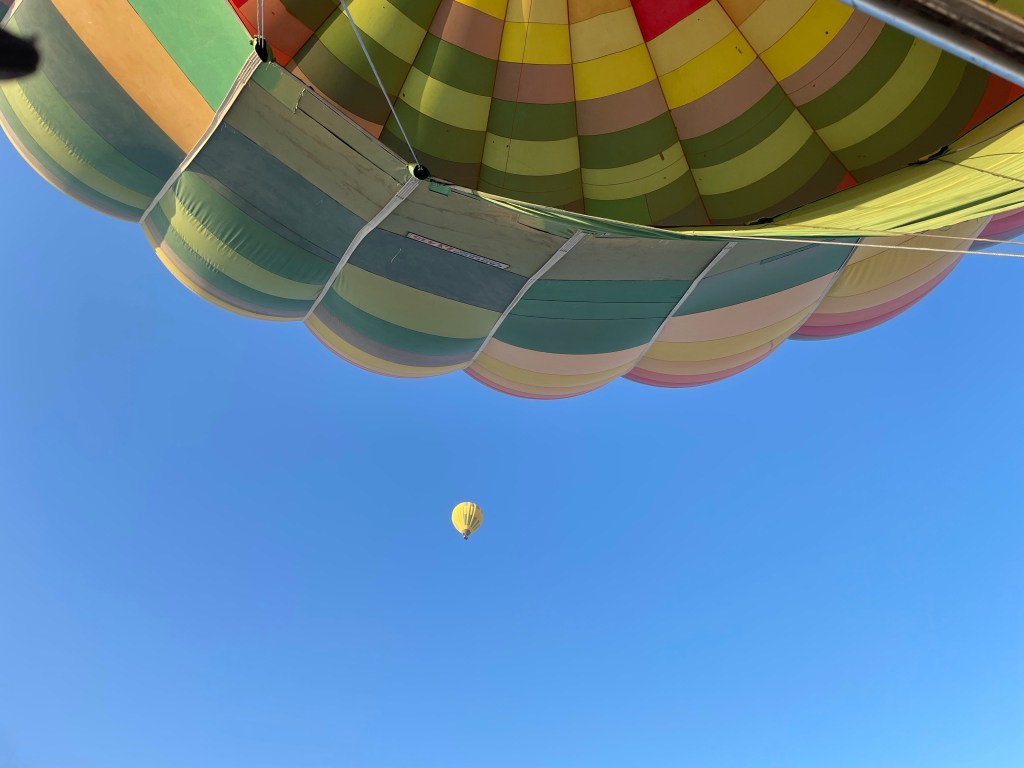
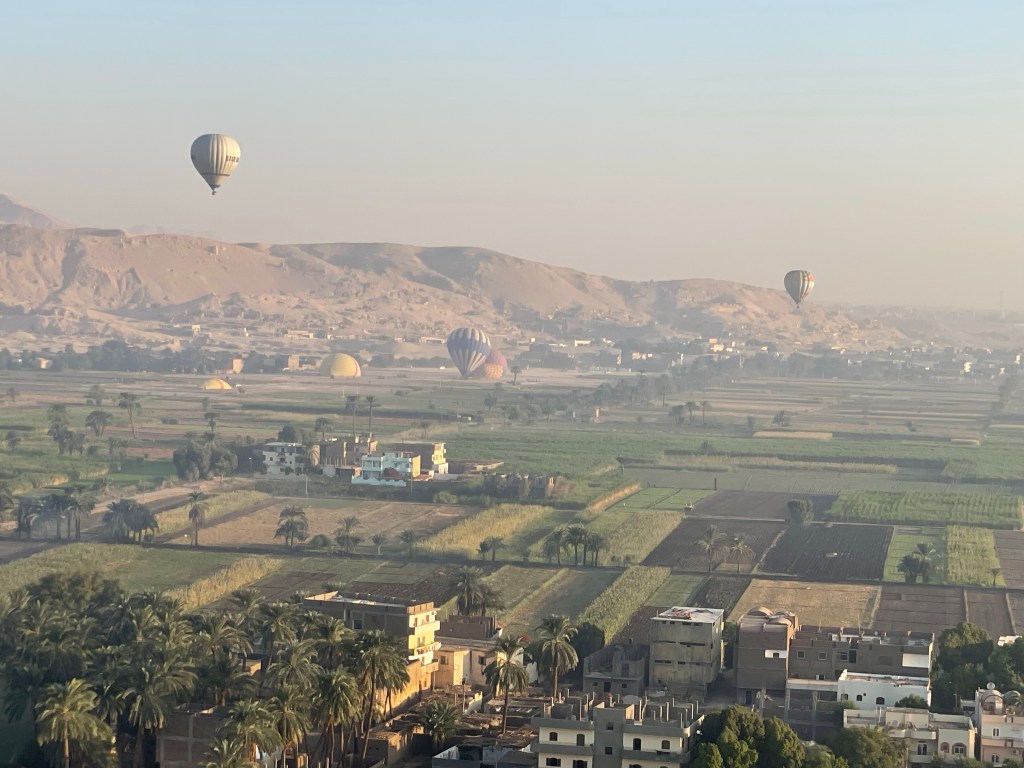
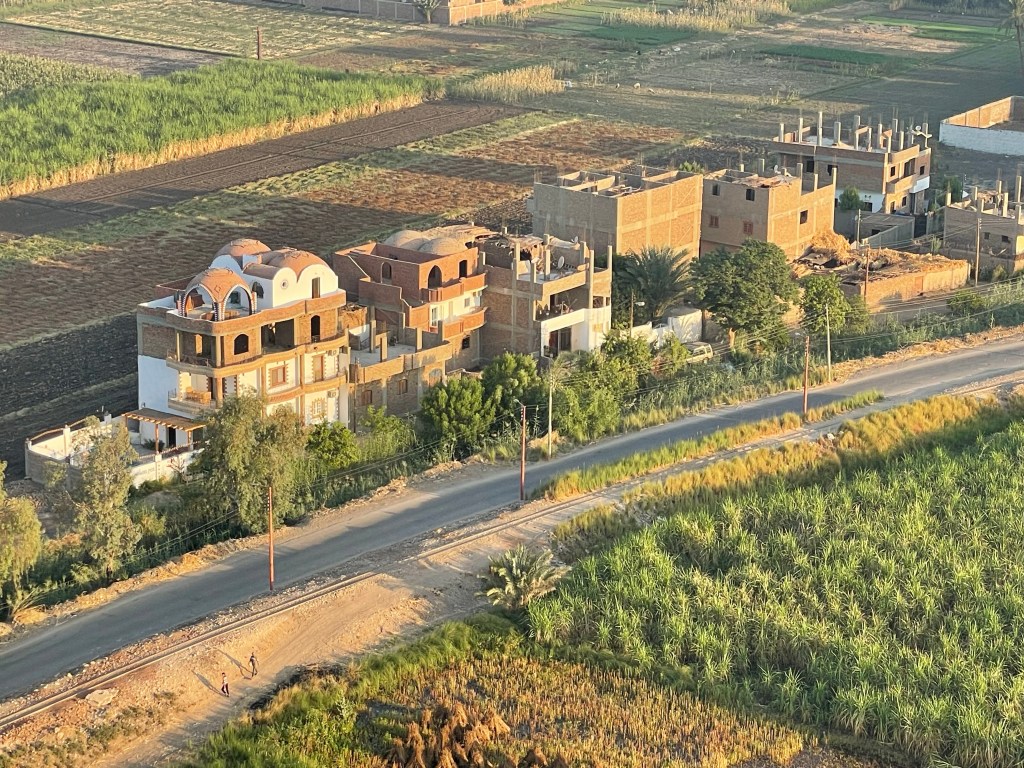
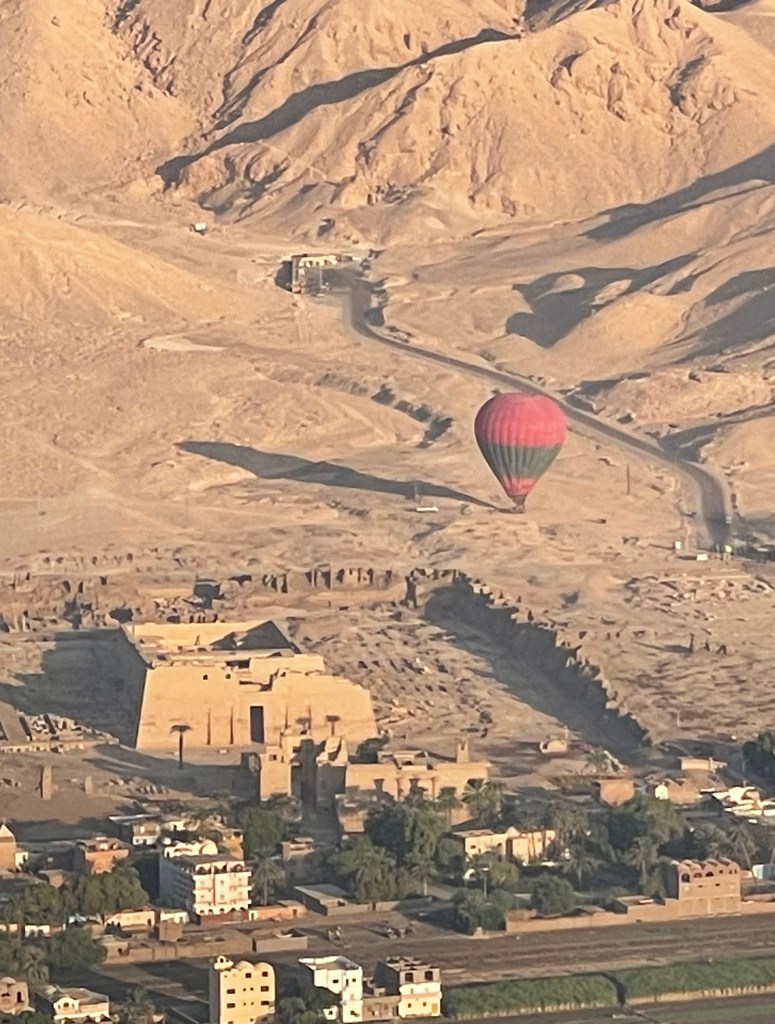
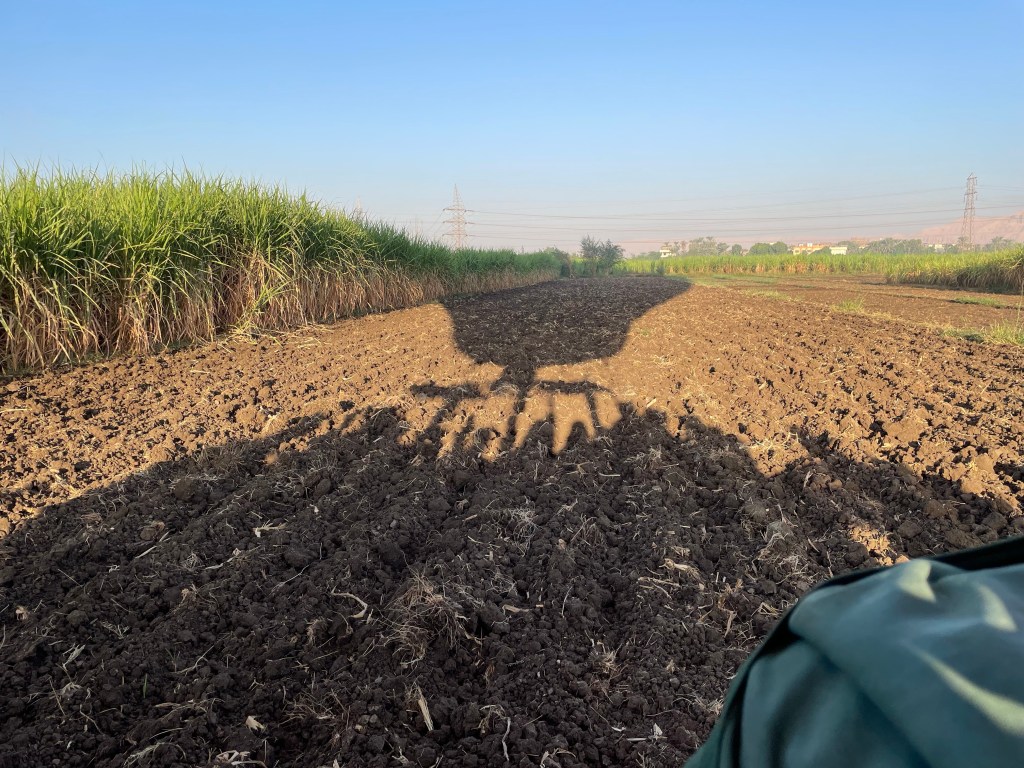
Before breakfast three of us took a balloon ride over the valley of the queens.
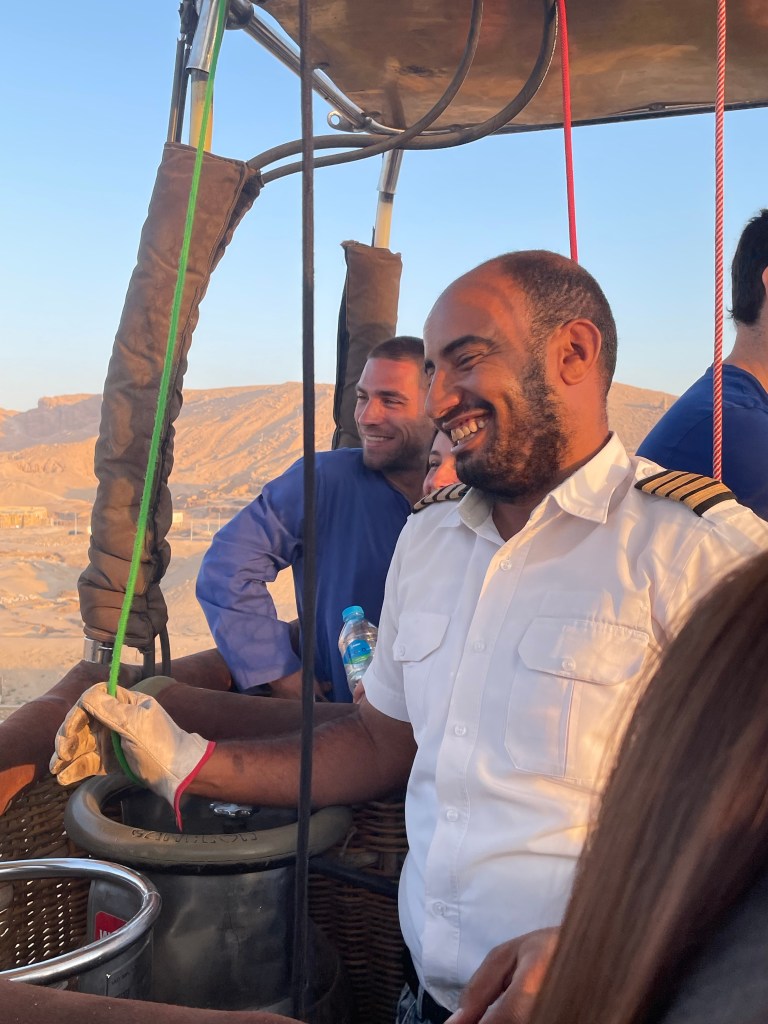
Our balloon being inflatedOur pilotTemple of Queen HatshepsutTombs of lesser officials and noblesDeb, Mark and myself Colossi of MemnonOur landing. We barely knew we touched ground.
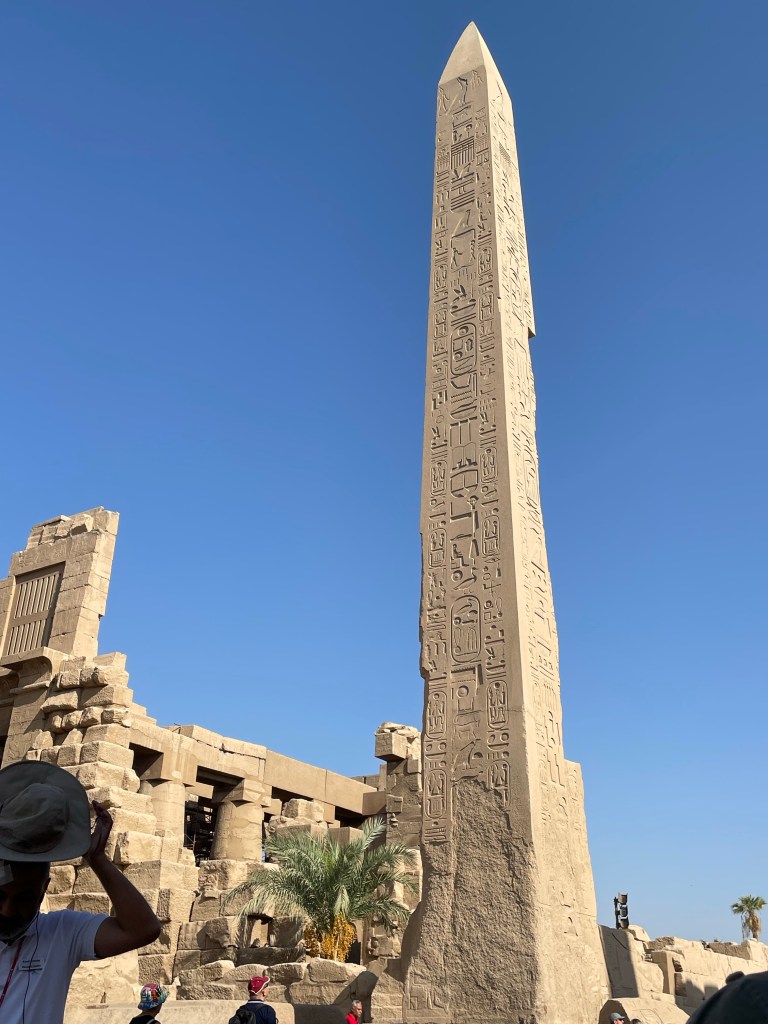
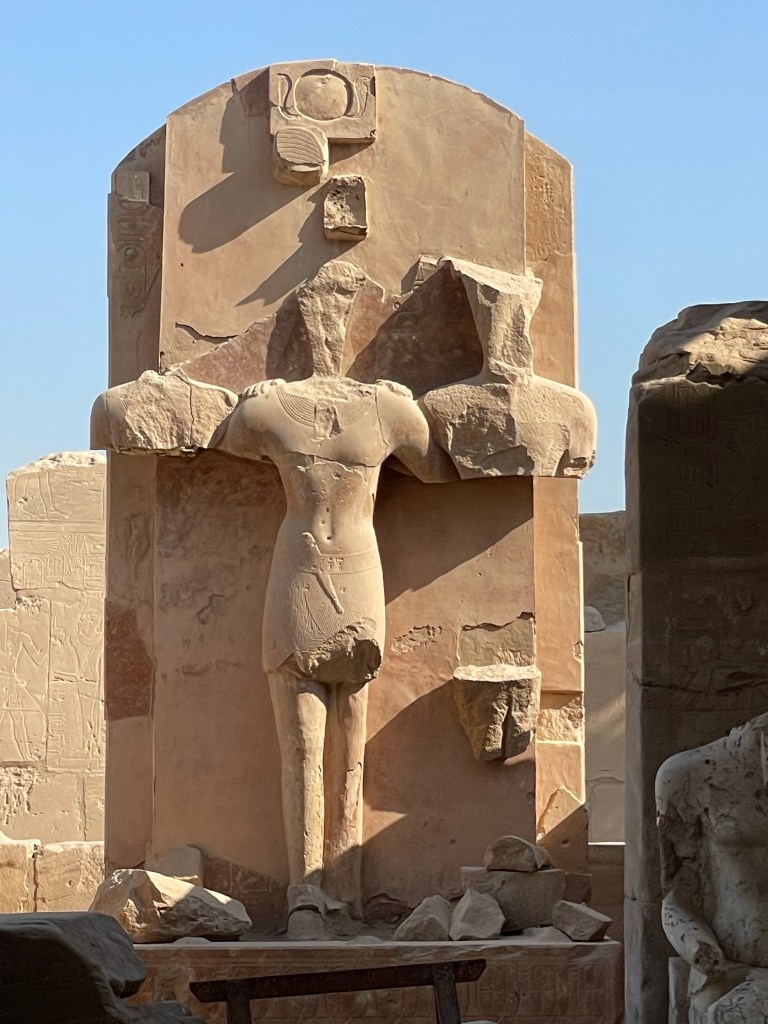
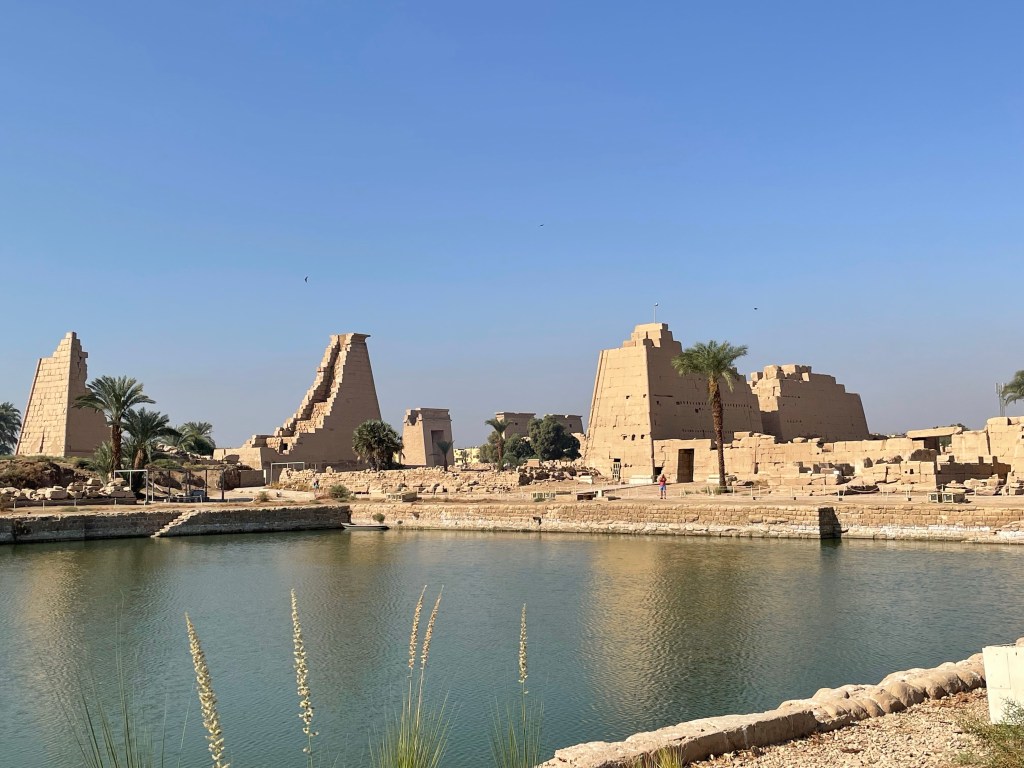
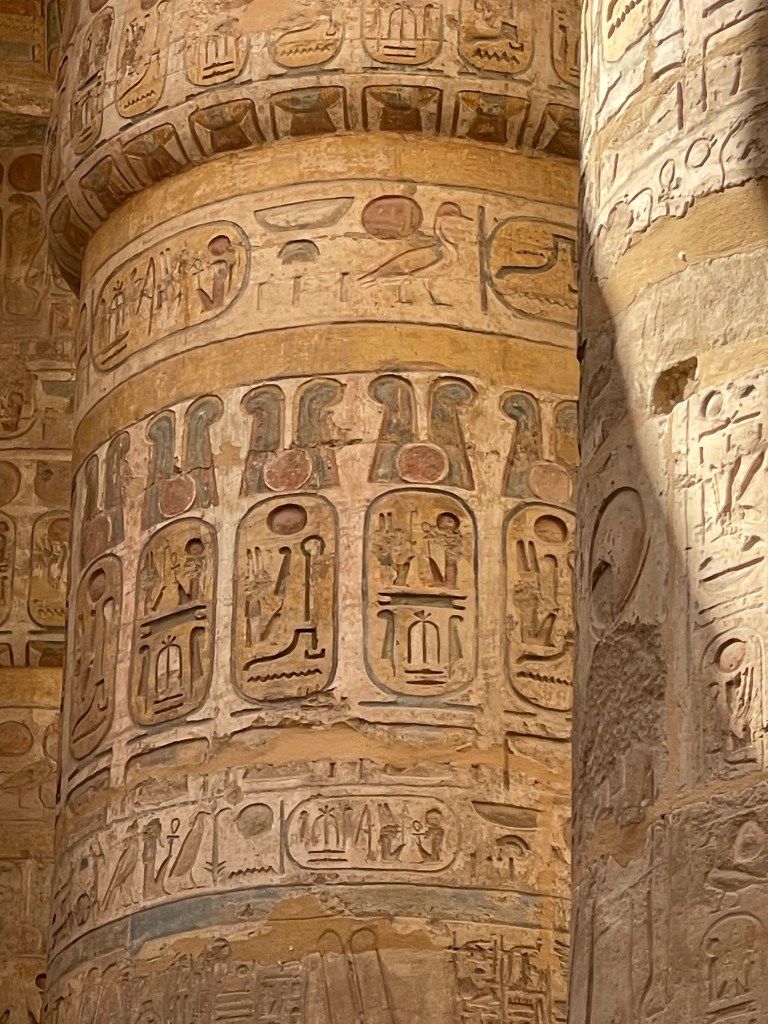
After breakfast, we explored the temple complexes of Karnak and Luxor. These temples were the religious centers of the ancient city of Thebes, which is modern day Luxor. Karnak, also known as “ipet-isut” or the most sacred of places is the largest temple complex ever built by man and represents the combined achievements of 13 centuries of builders. Luxor Temple also known as “ipet -resyt” or the southern sanctuary was the center of one of the most important religious festivals in ancient Egypt, the open festival, during which the statues of Amun-Re, Mut, and Khonsu were carried from Karnak to Luxor. First set of pictures are of the temple at Karnak.
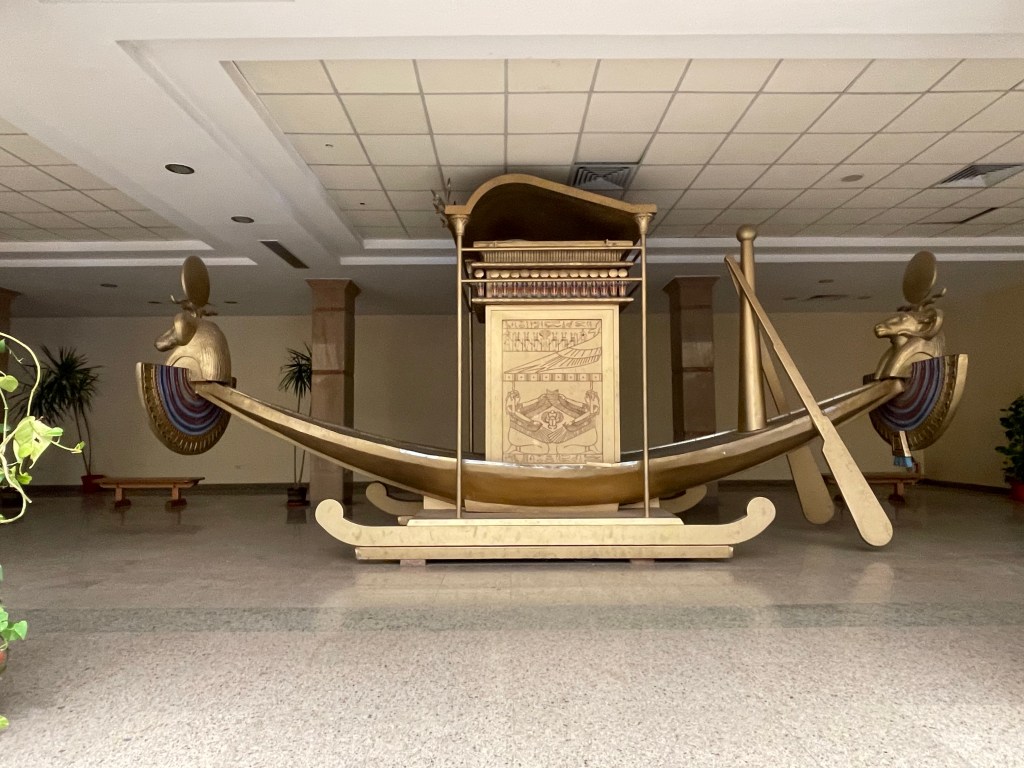
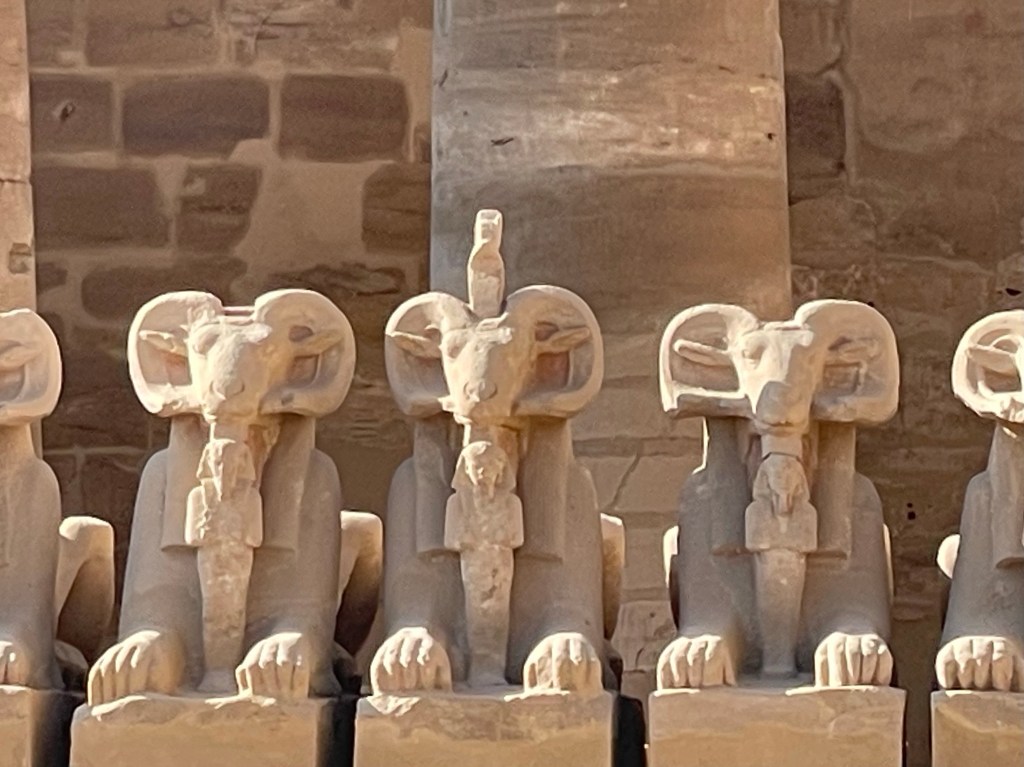
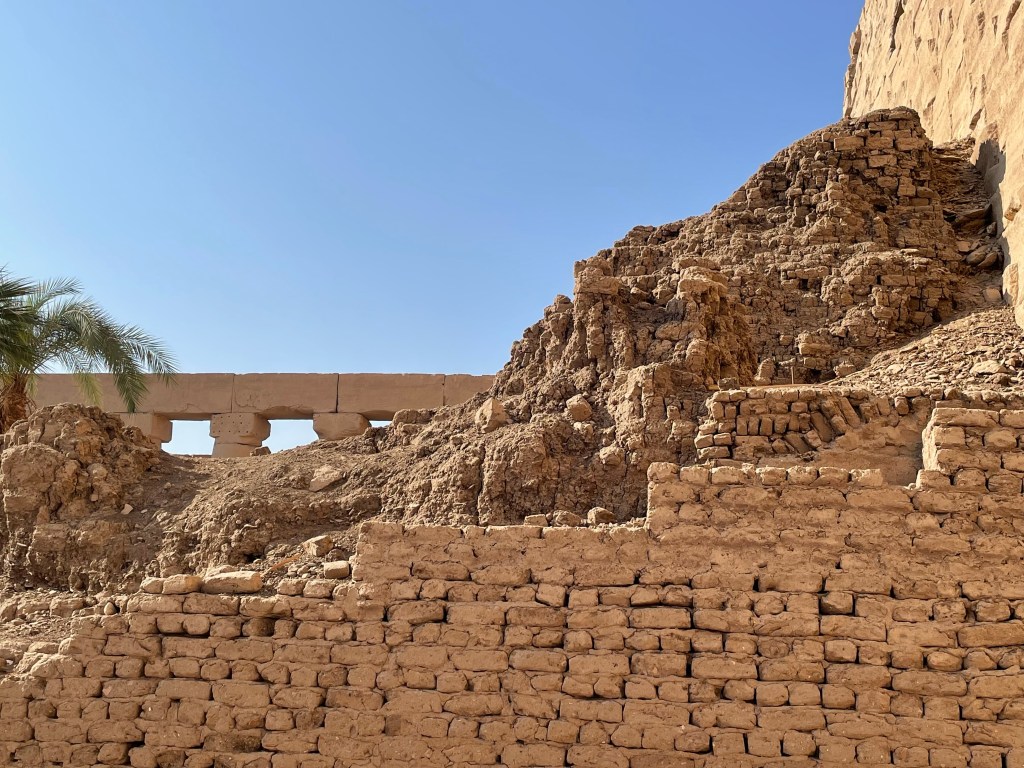
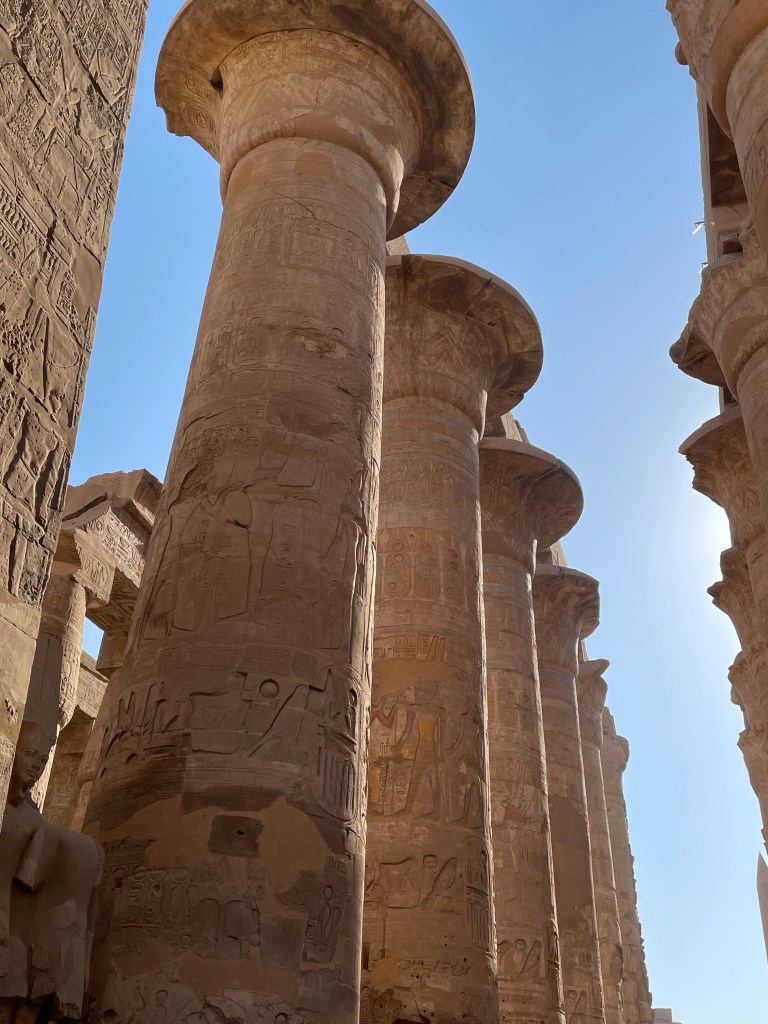
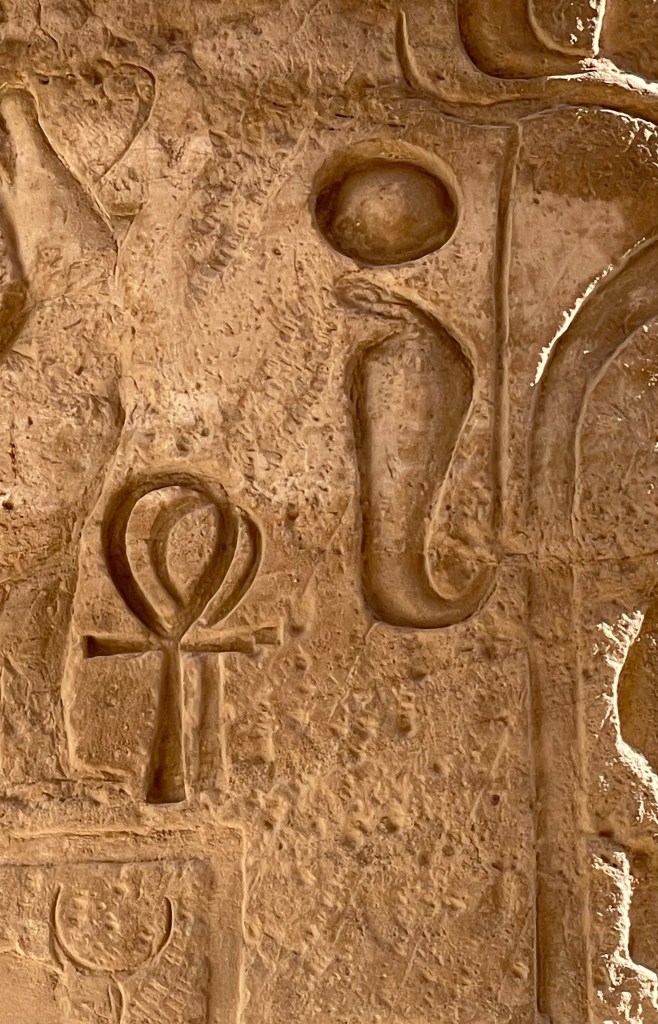
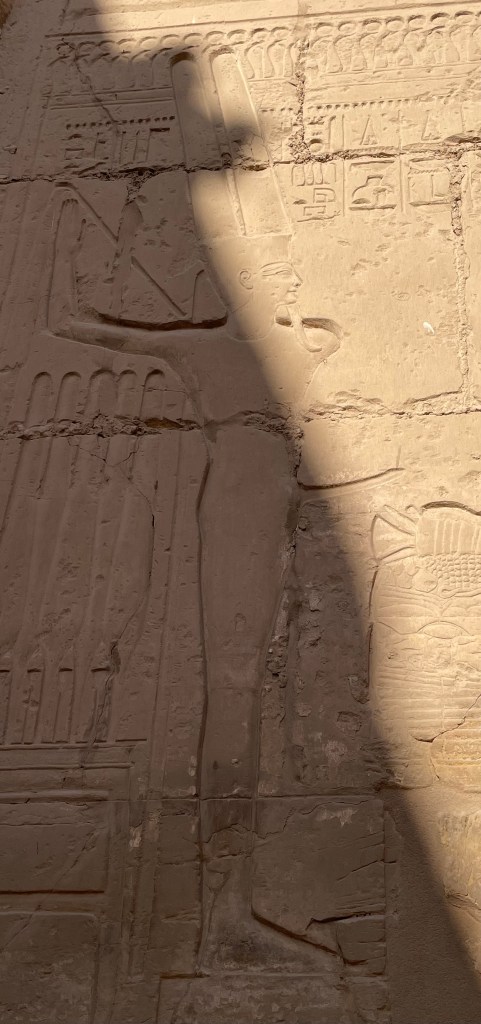
Model of a boat that is envisioned to carry the pharaohs to the afterlife.Karnak Temple complex Amun in animal form as a ram, father of the godsImage of King TutRemnants of the ramp used to construct the temple. Experts believe similar ramps, were used to build the pyramids.This hall in Karnak temple contains 134 columns, the most columns of any place on earth.Ankh (life), the cobra (protection) and circle sun god Ra Amun with an erect penis. He impregnated a whole village and was punished by having one leg and one arm cut off. From this came the idea that a bull symbolizes the god of fertility.An obelisk represents a ray of the sunOriginally three gods. When the Christians came, they destroyed the god to the left, and the right to make one god a figure of the cross.Well preserved hieroglyphics. They are doing work restoring much of the art in the temple.
Luxor Temple complex
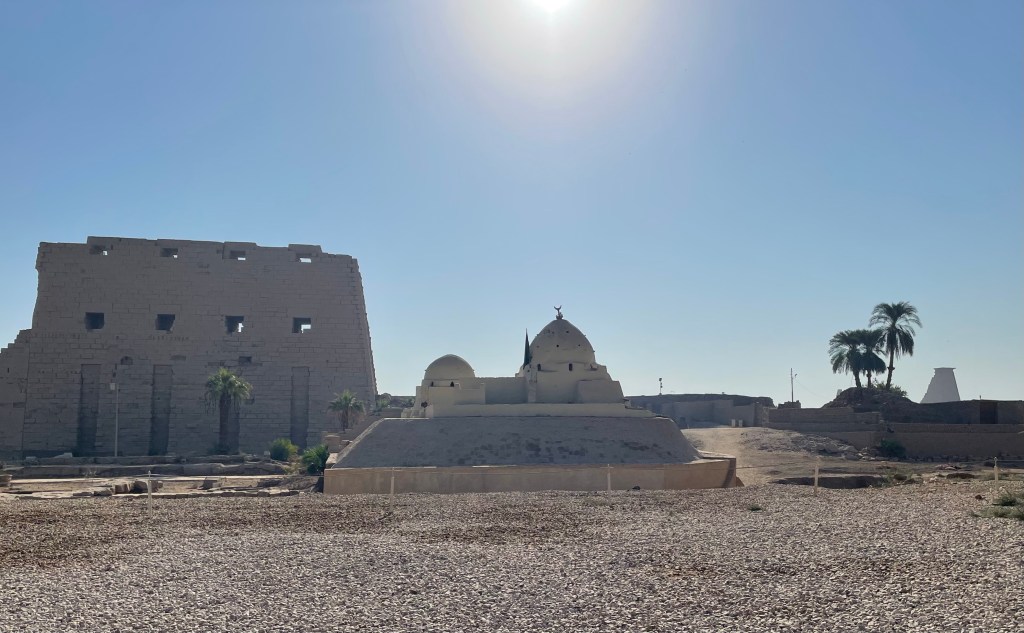
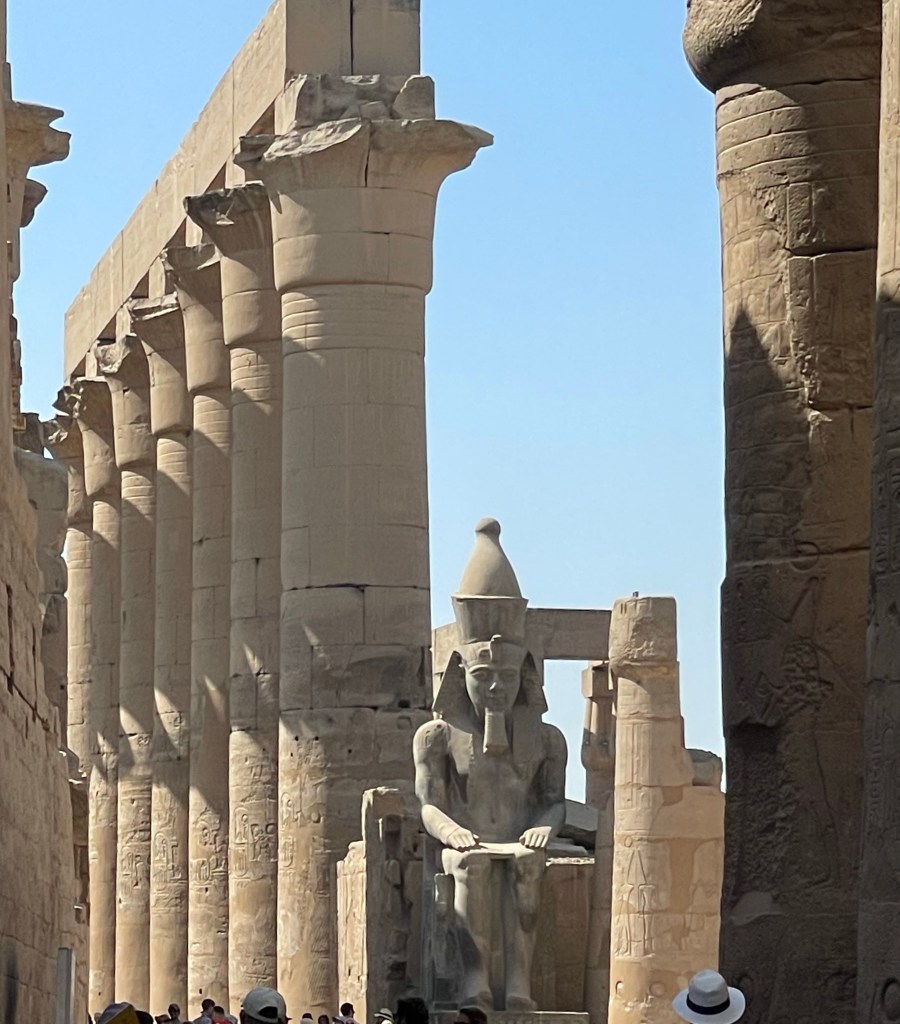
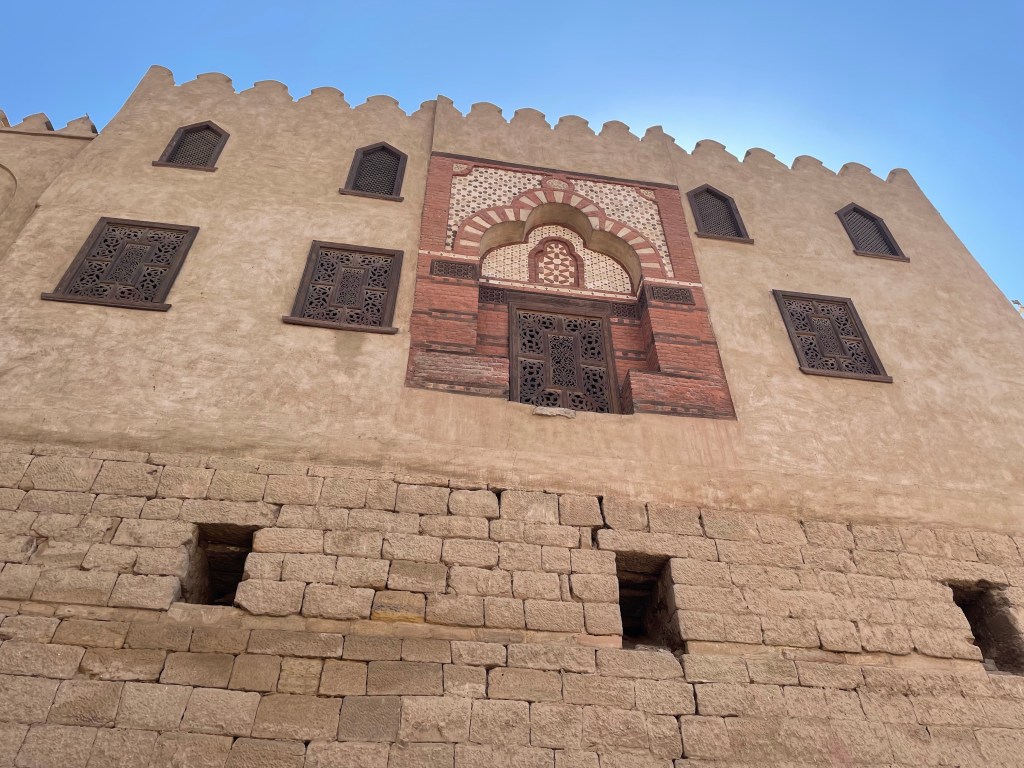
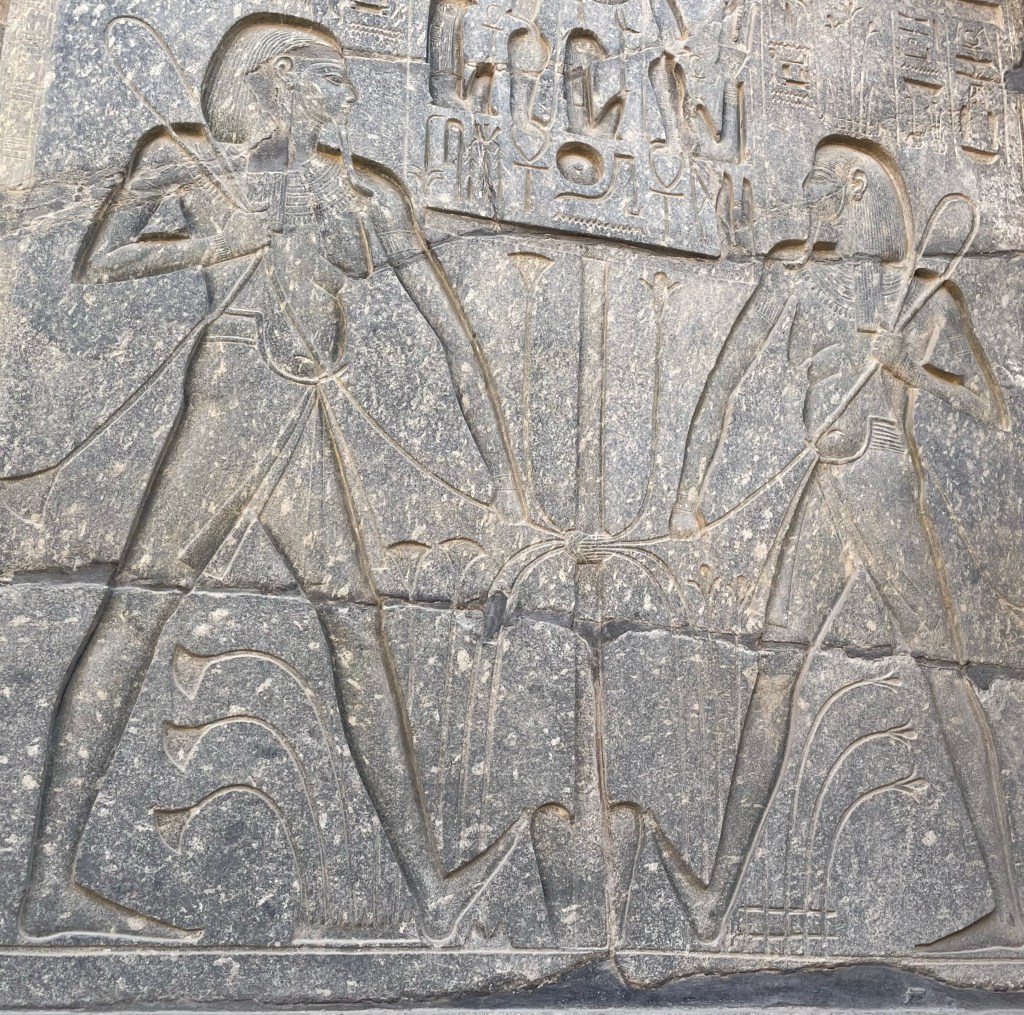
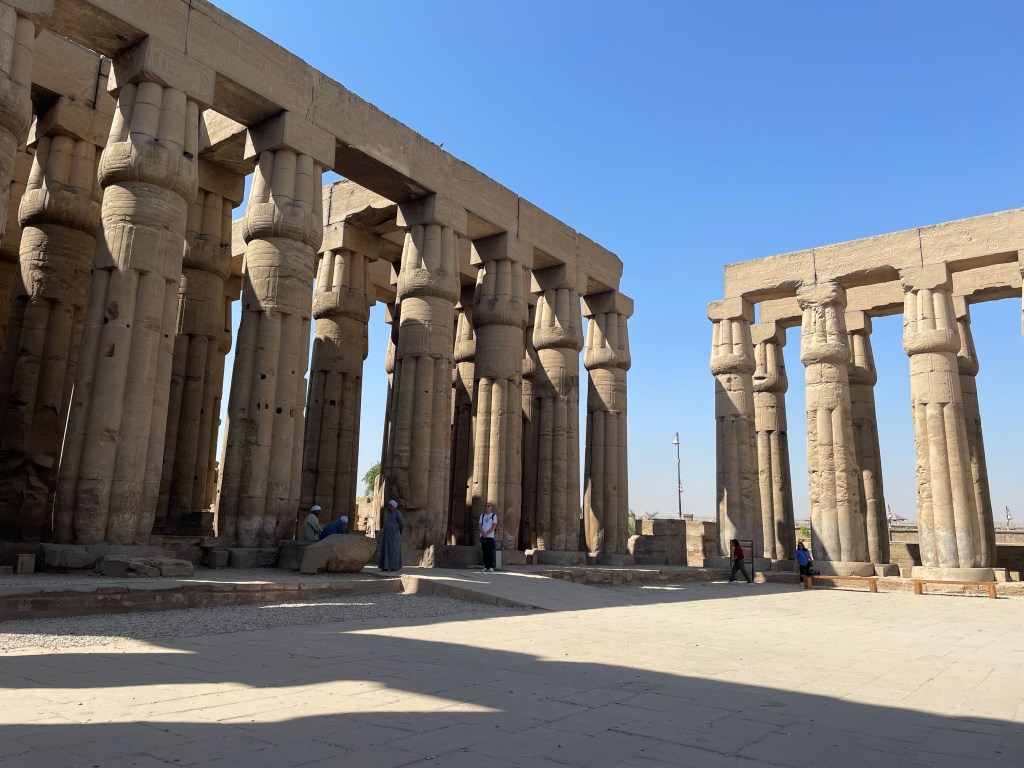
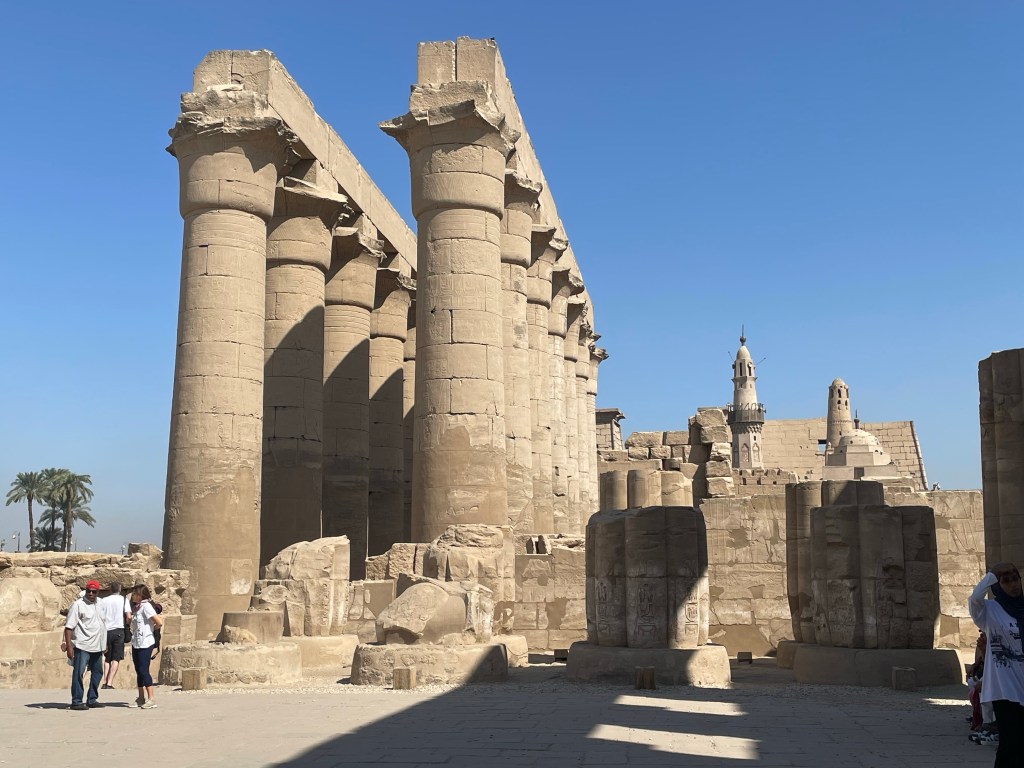
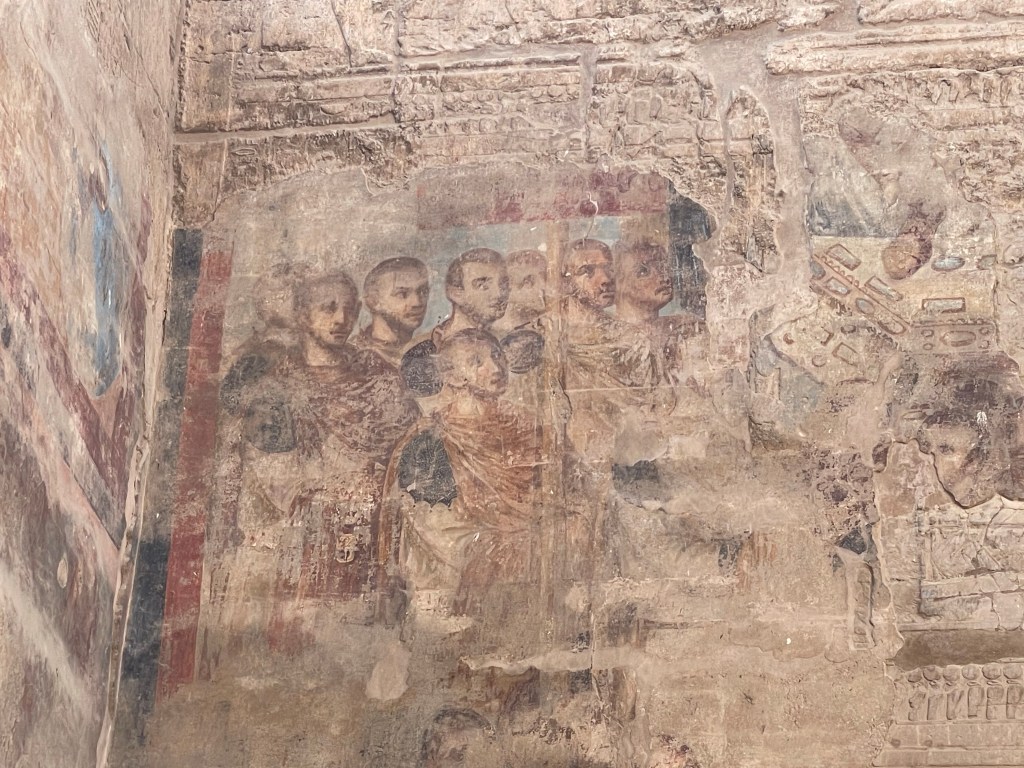
The temples were once connected by a 2 km road. Restoration of the road is in the works.Temple dedicated to goddess Mut Ramses with the double crown, representing both lower and upper EgyptMosque built into the upper floors of the templeTwo figures of God, Hapi, representing upper and lower Egypt, tying lotus and papyrus around the Nile.The great colonnade hall of Amenhotep III and Tutankhamen. This hall commemorated Amenhotep III’s deification while alive, but it remained unfinished at his death. It was completed by Tutankhamen who inscribed most of the walls, but who died before all the decoration could be finished.Another view of the hallChristians plaster over the Egyptian art and painted the disciples.















I felt like I was on the trip with you. Wonderful pictures and descriptions.
LikeLike