After my Roadscholar tour ended, I stayed an additional day to take a private tour to Alexandria. The driver picked me up at 7 o’clock and unfortunately we hit fog so it took five hours to get to Alexandria. I happen to wind up with a female guide which gave me a chance to talk to an Egyptian woman. Her name is Nasrin and she is 32 years old, lives with her mother and sister. She is a graduate of the university where she studied tourism. She wore a head scarf and slacks. When we talked about going swimming, we joked about her wearing a burqini. I saw 3 main sites in Alexandria, the tomb of Qom El, the Qaitbay citadel, and the new library. We drove through the old city with its marketplace. I wish I could’ve gotten some pictures. There were shops that had live chickens and other birds. You would actually go and buy a chicken, and they then slaughtered and prepared it for you.
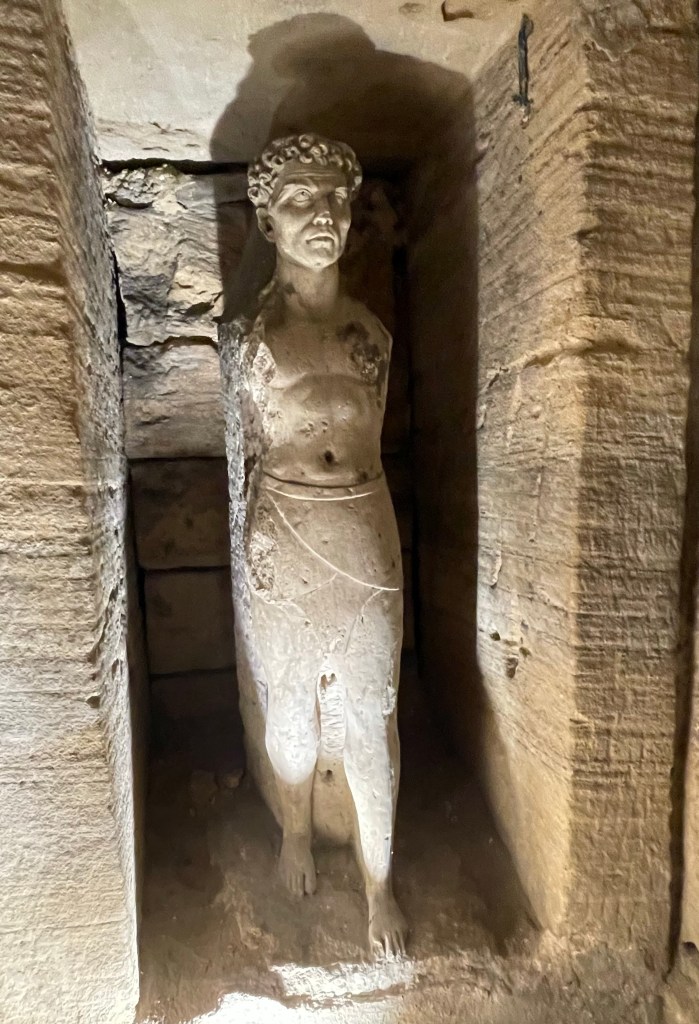
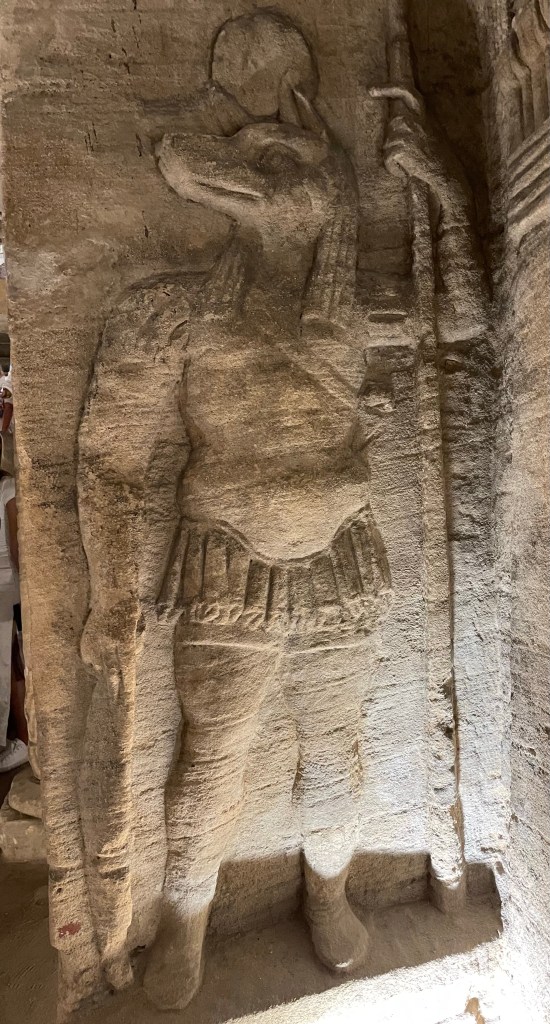
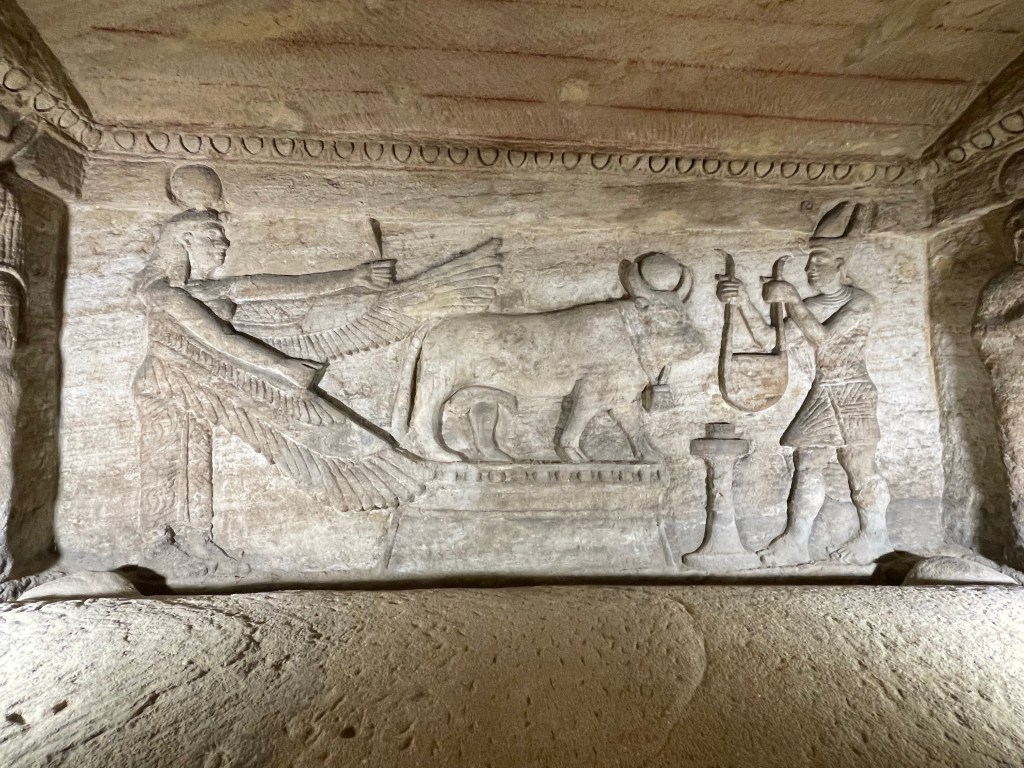
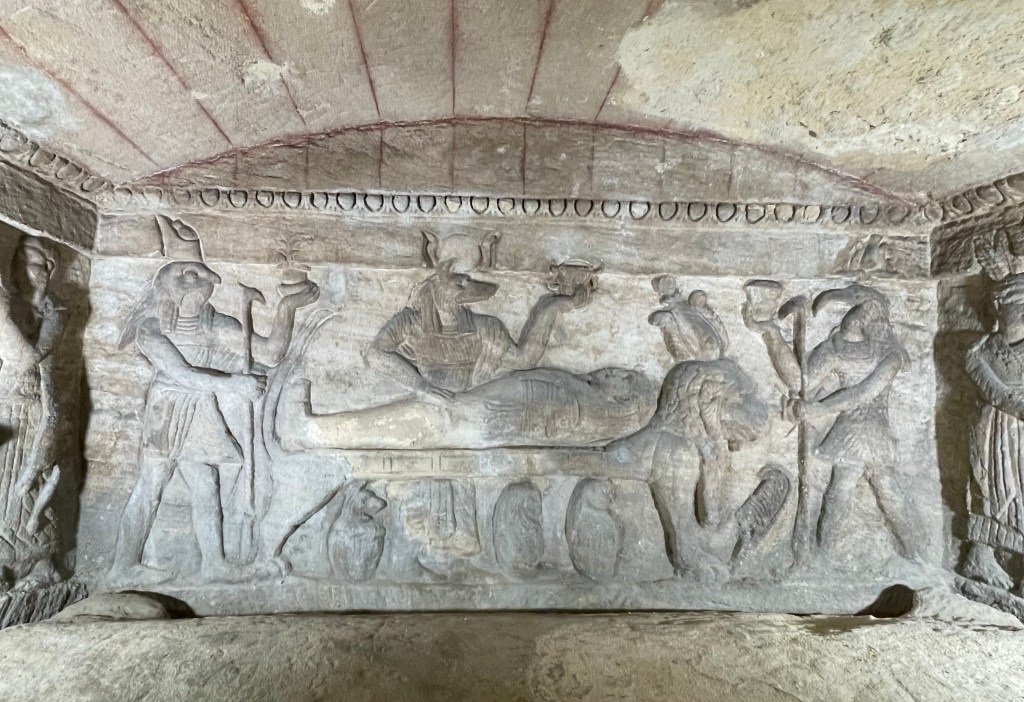
Qom El means the mound of shards, and it is the name of one of the most famous and important tombs in Alexandria. It is a type of catacomb that was used in the first three centuries in Italy and some Greek islands. The catacombs in Alexandria are so called because the design was very similar to the catacombs in Rome. The tomb was discovered by accident when a donkey, dragging a cart, fell in a hole, which lead to uncovering part of the tomb. The excavation works were undertaken in the area in 1892 and the tomb was finally discovered in 1900 CE. The tomb dated back to the end of the first century CE and it was used until the first half of the fourth century CE. This tomb is considered the most fascinating funerary architecture in terms of its design and engravings, which combine Egyptian, Greek, and Roman art. It consists of three floors. The tomb was dedicated to the burial of one rich family, and it was later used to bury many families.
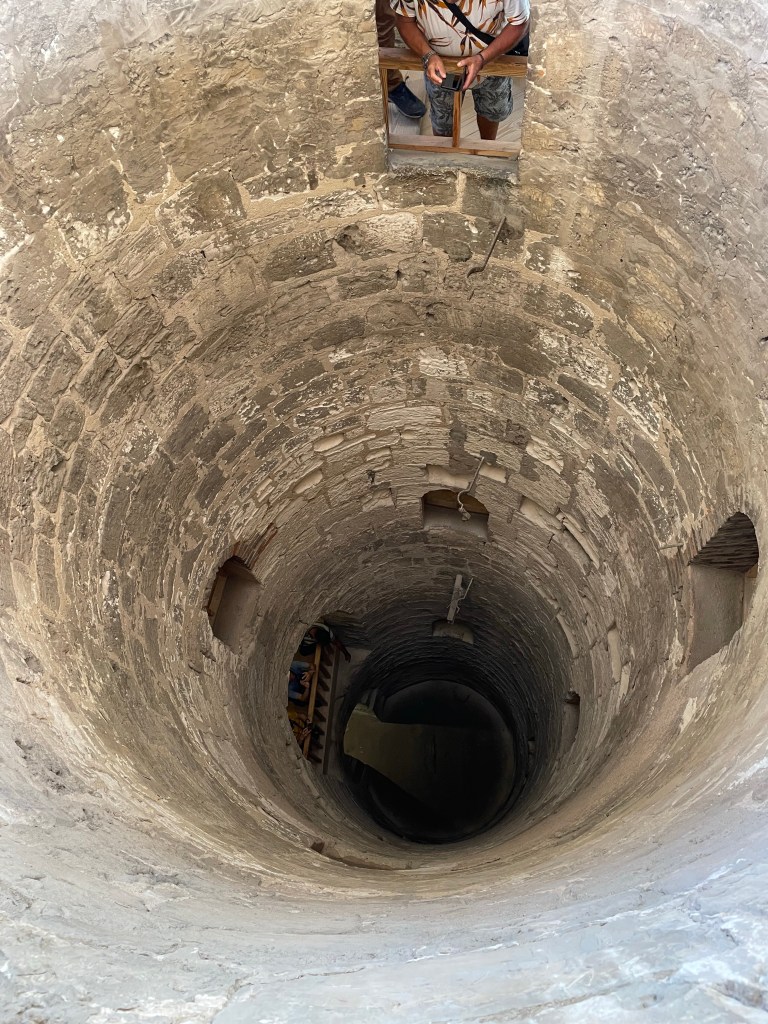
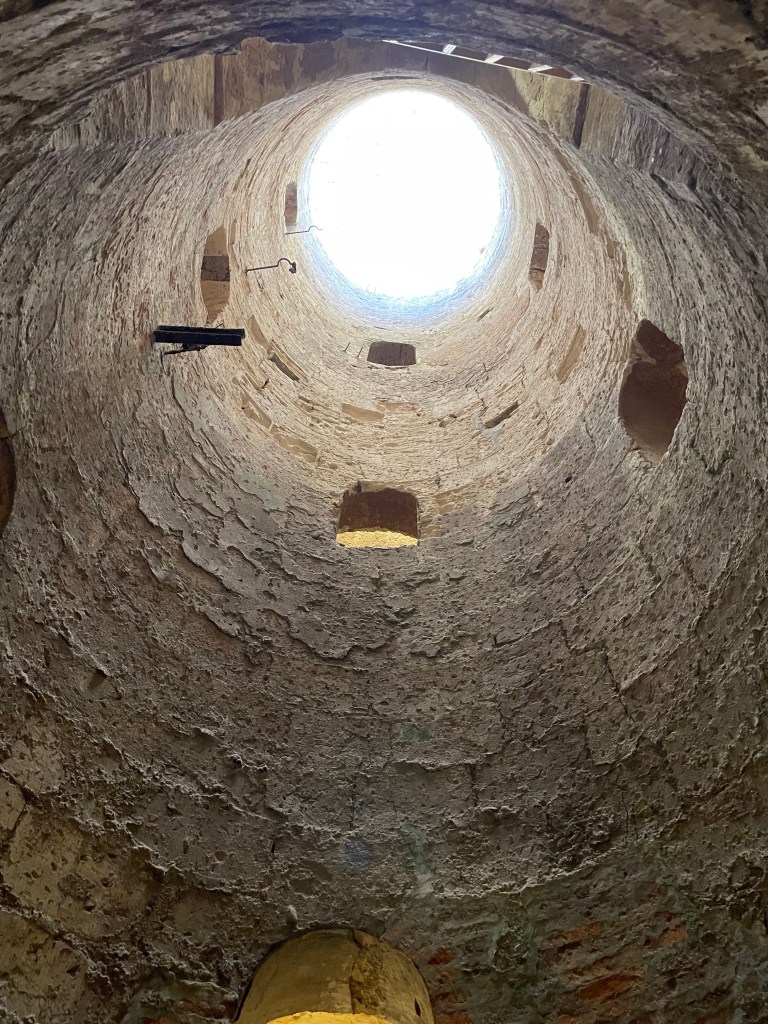
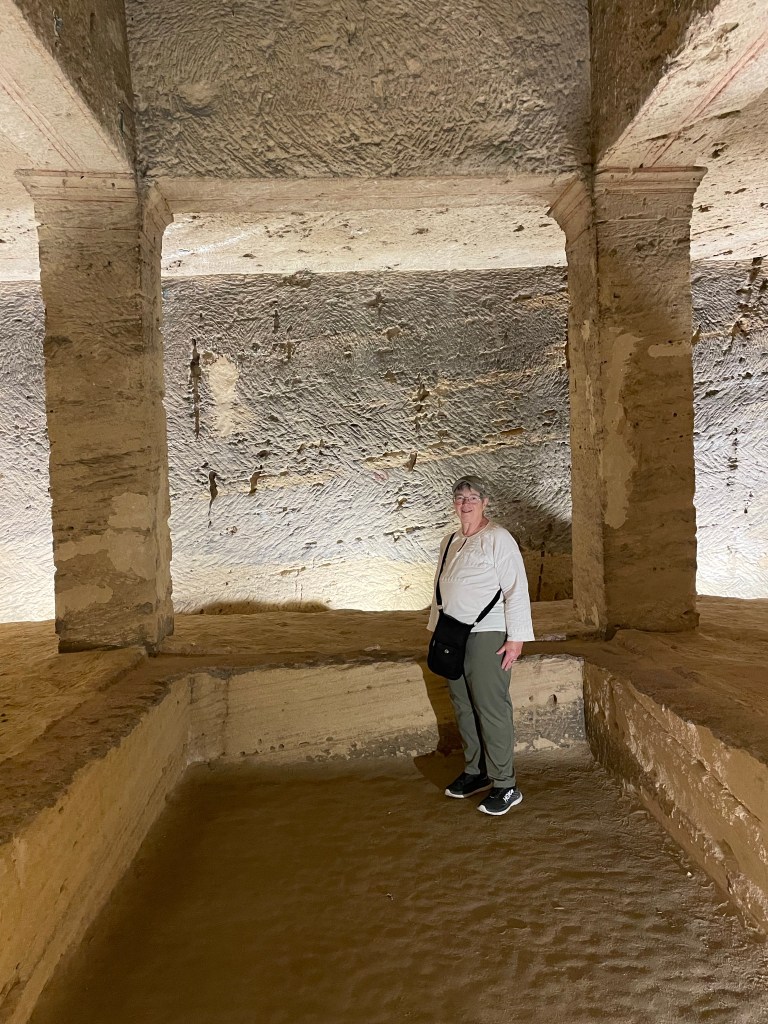
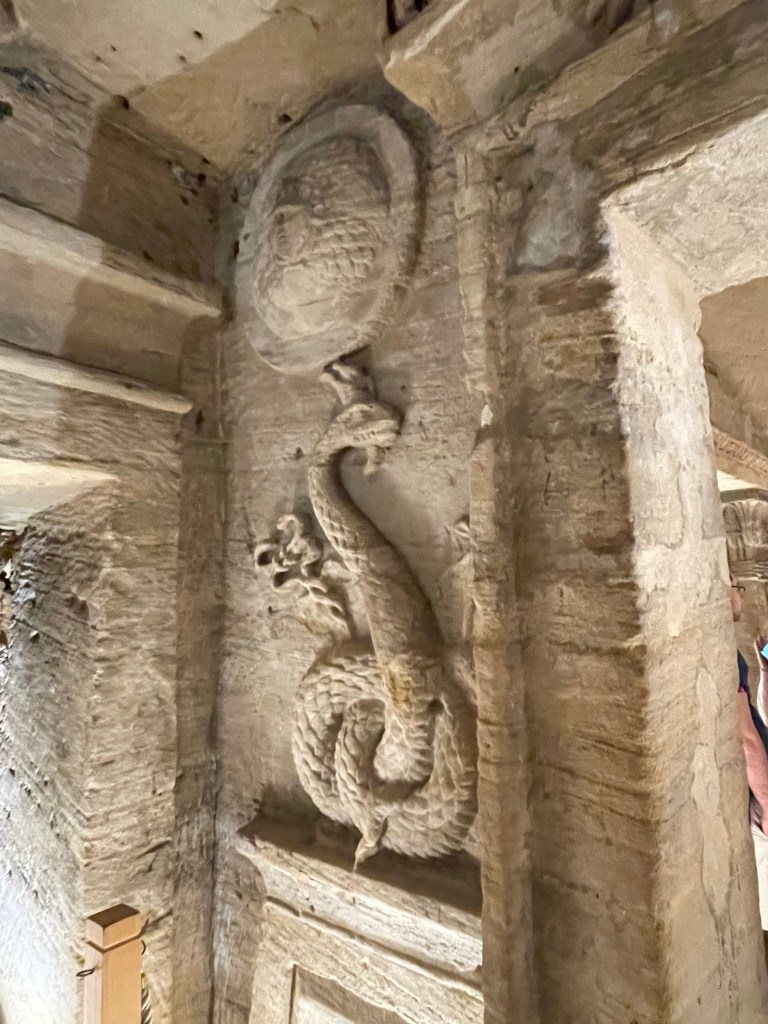
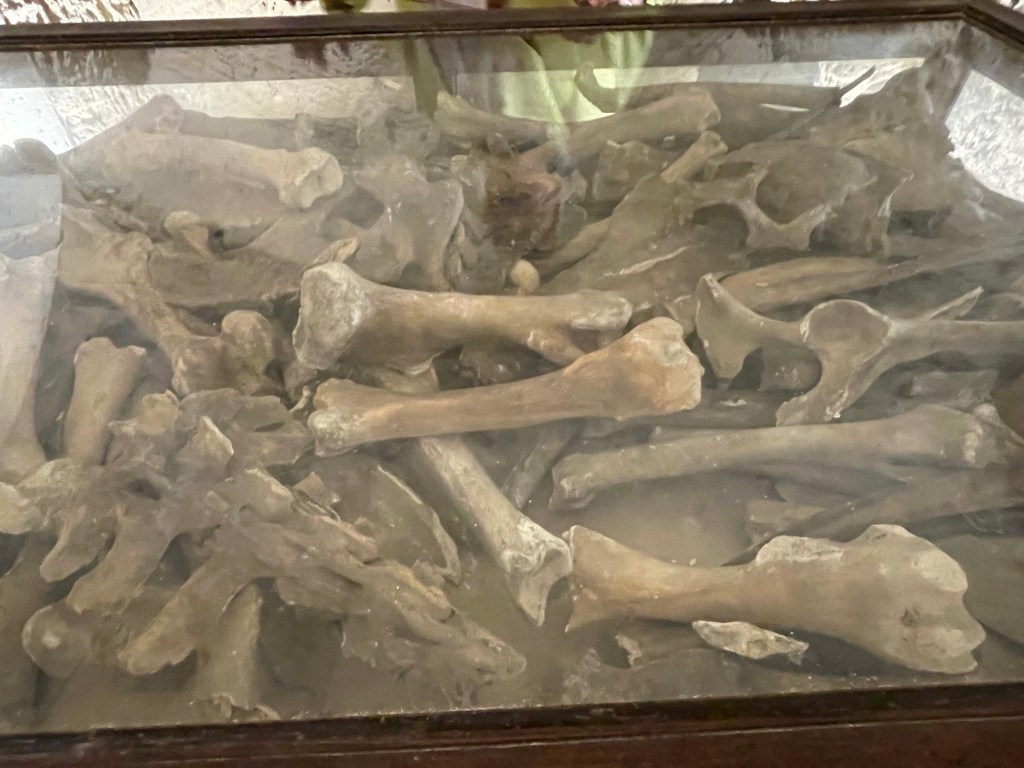
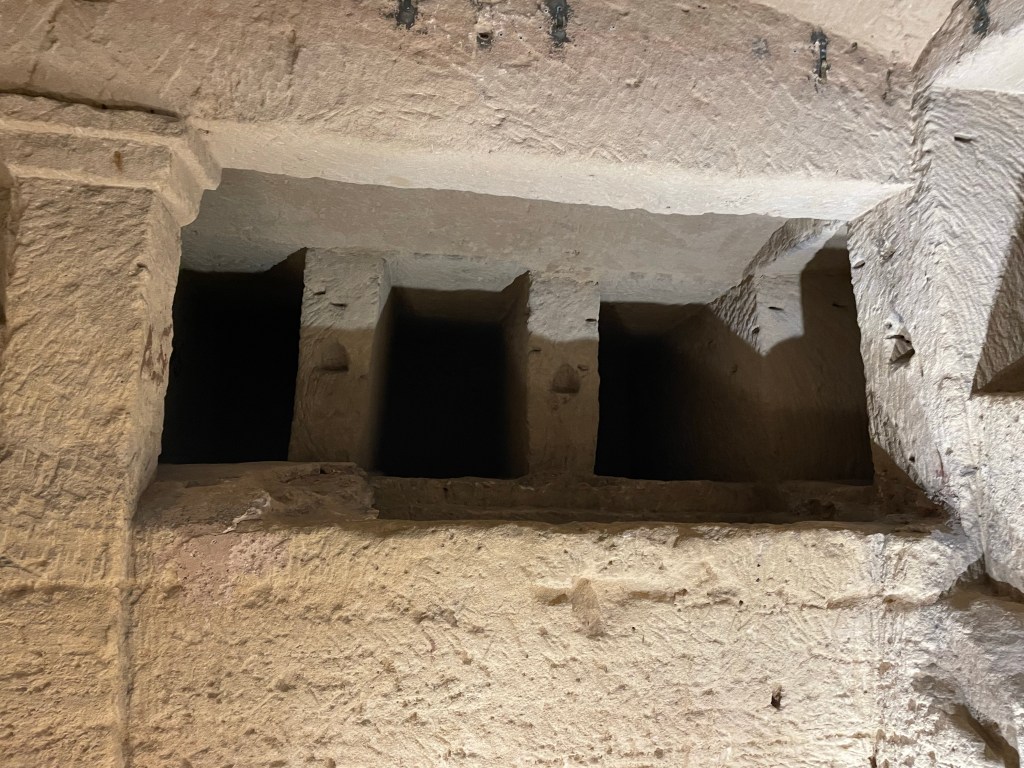
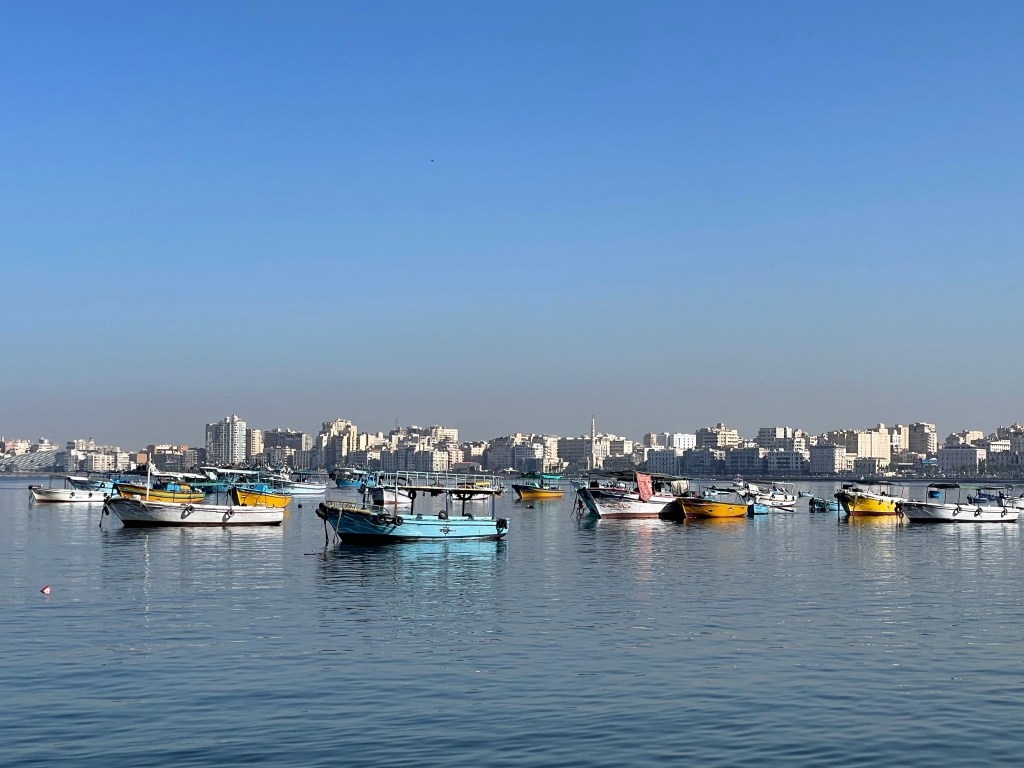
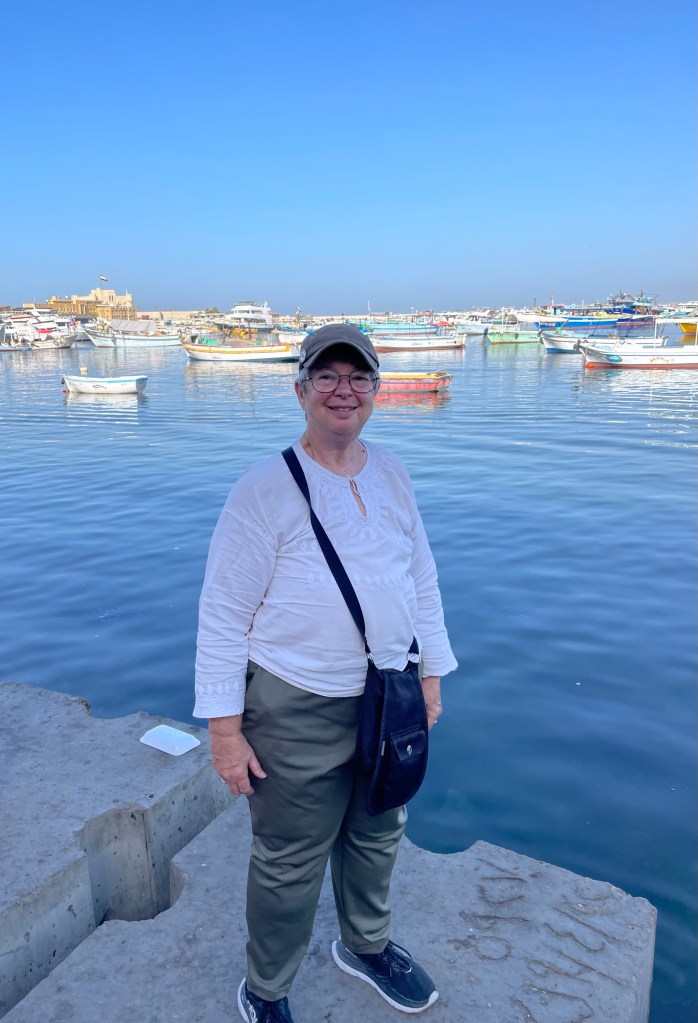
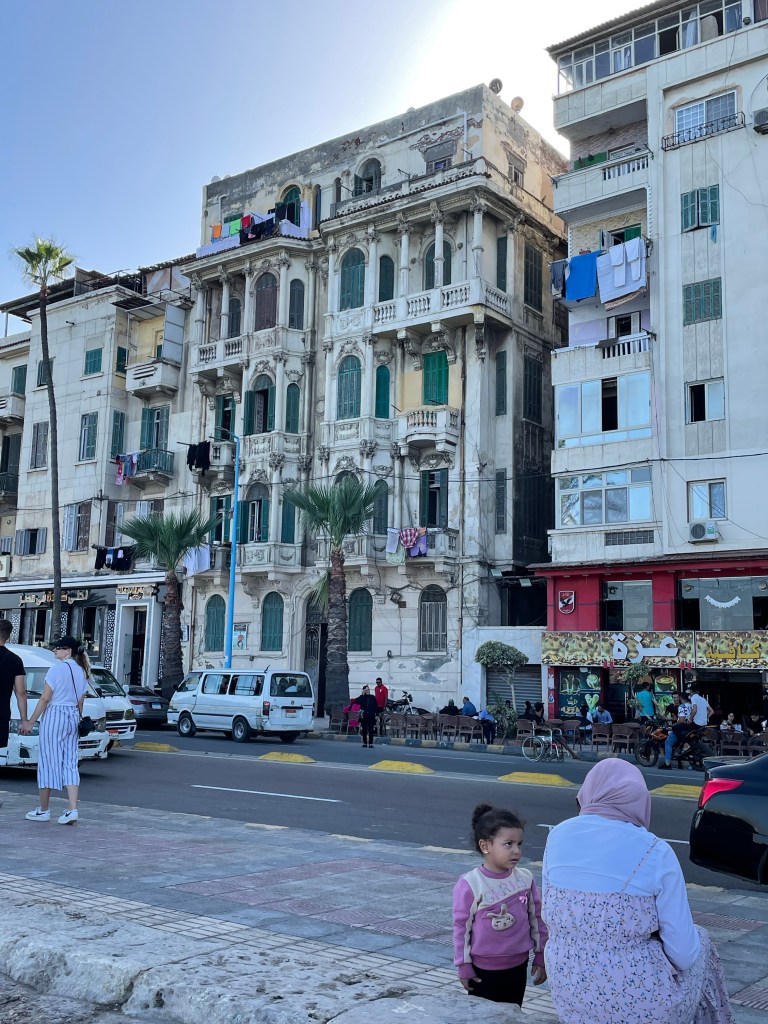
After visiting the catacombs, we drove through the old town down to the harbor area. We had an Egyptian lunch sitting right on the water.

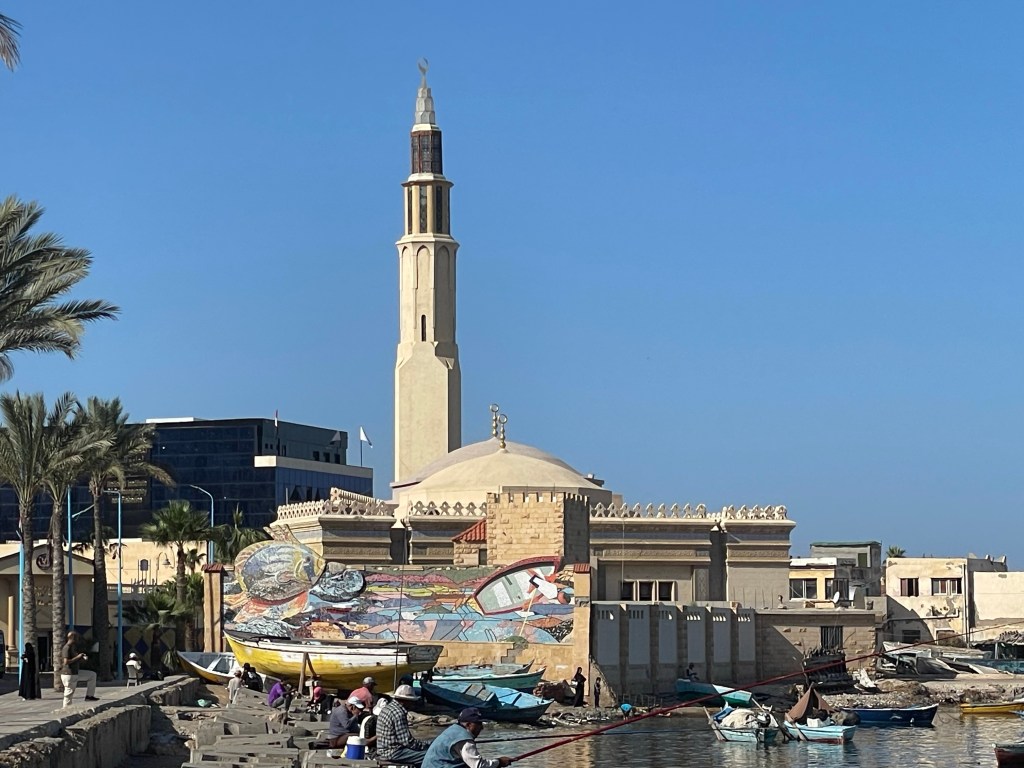
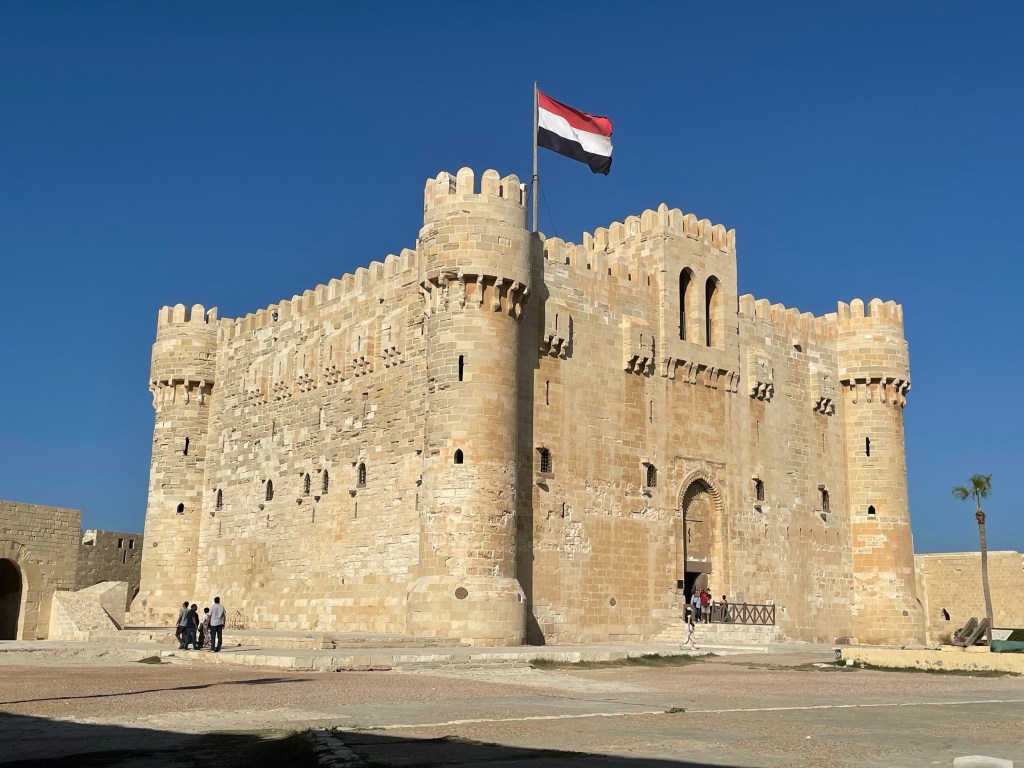
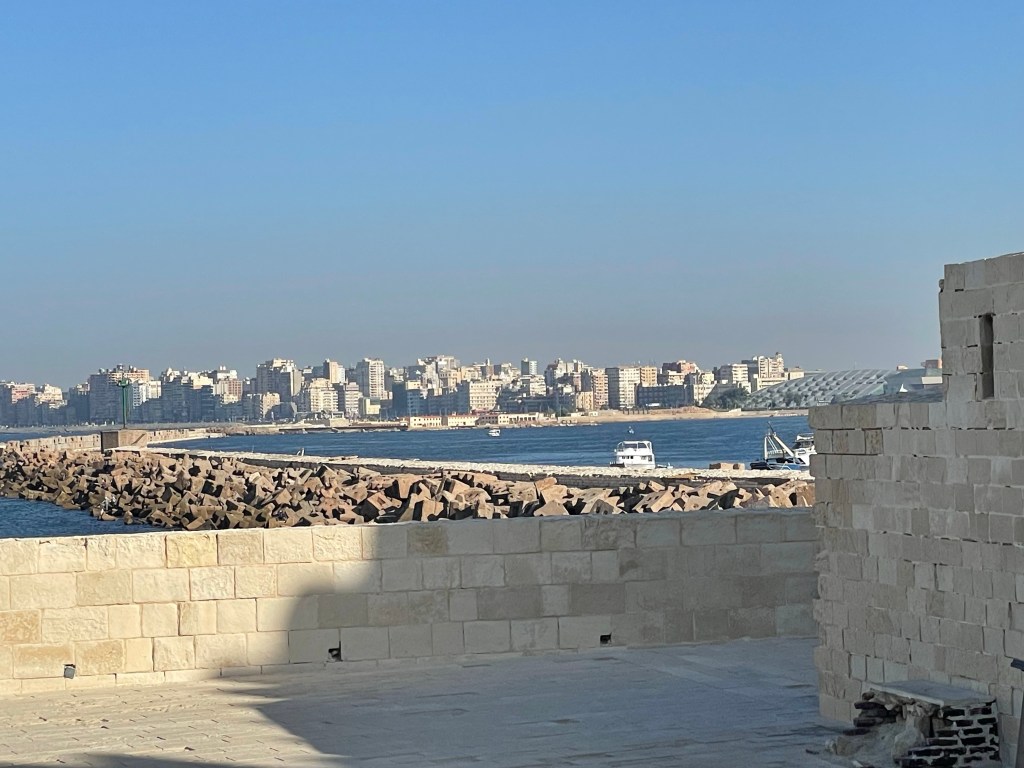
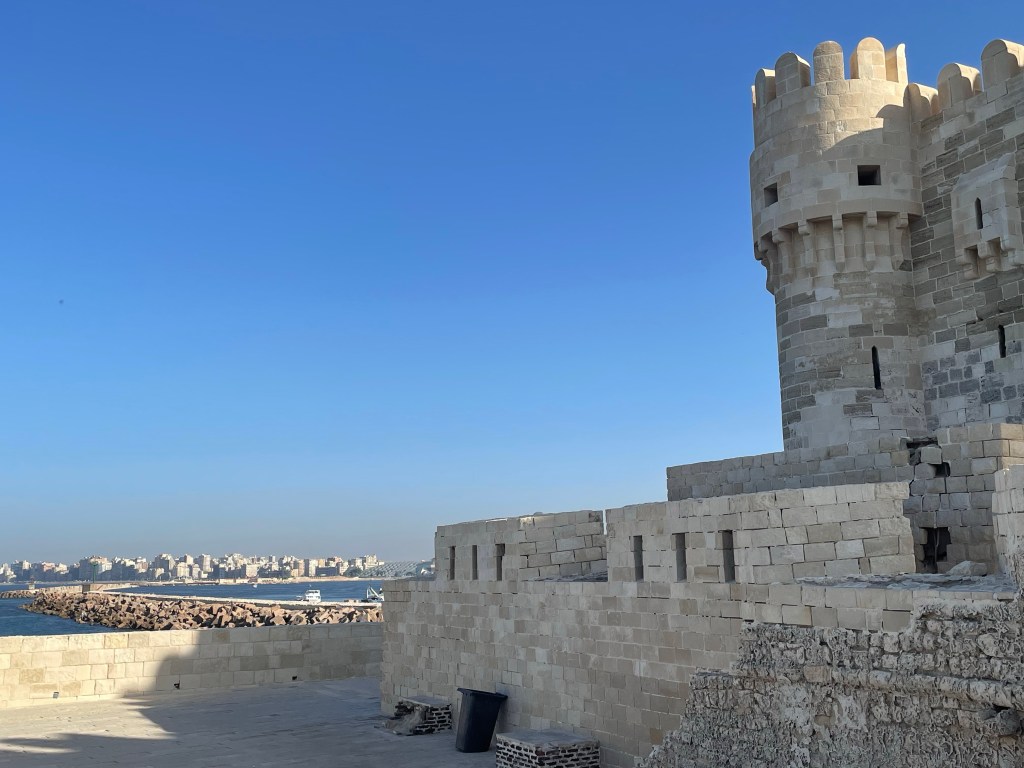
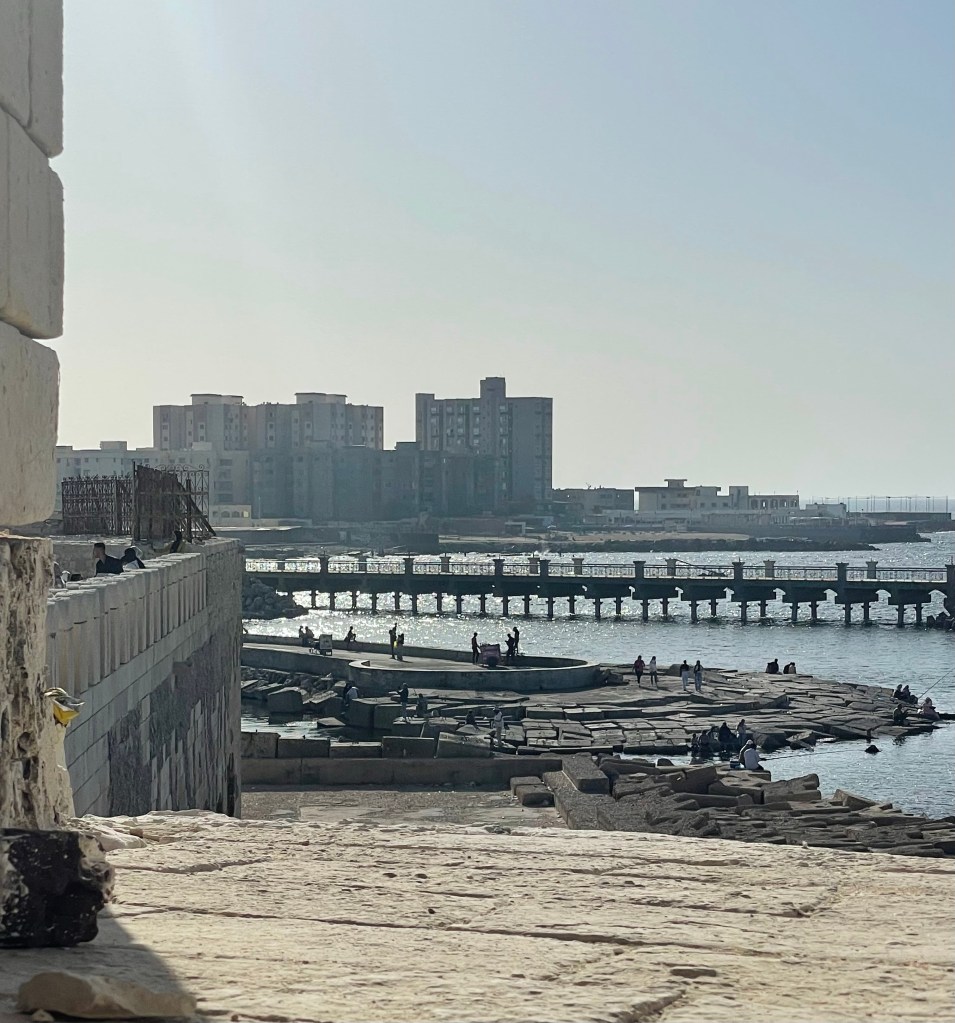
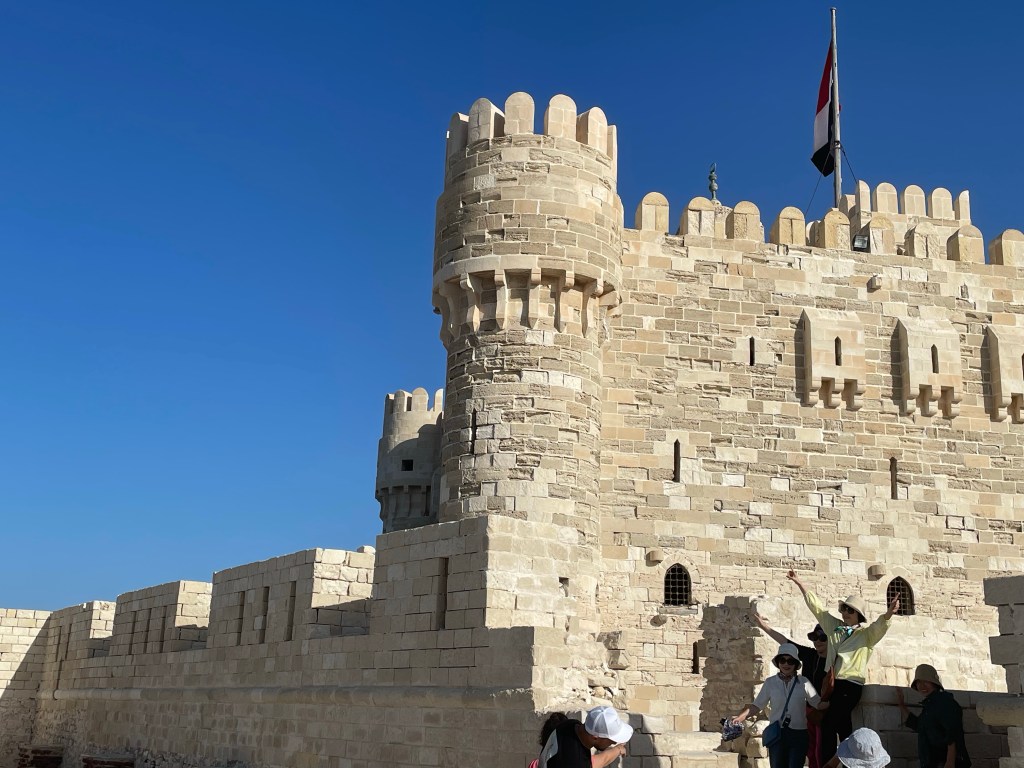
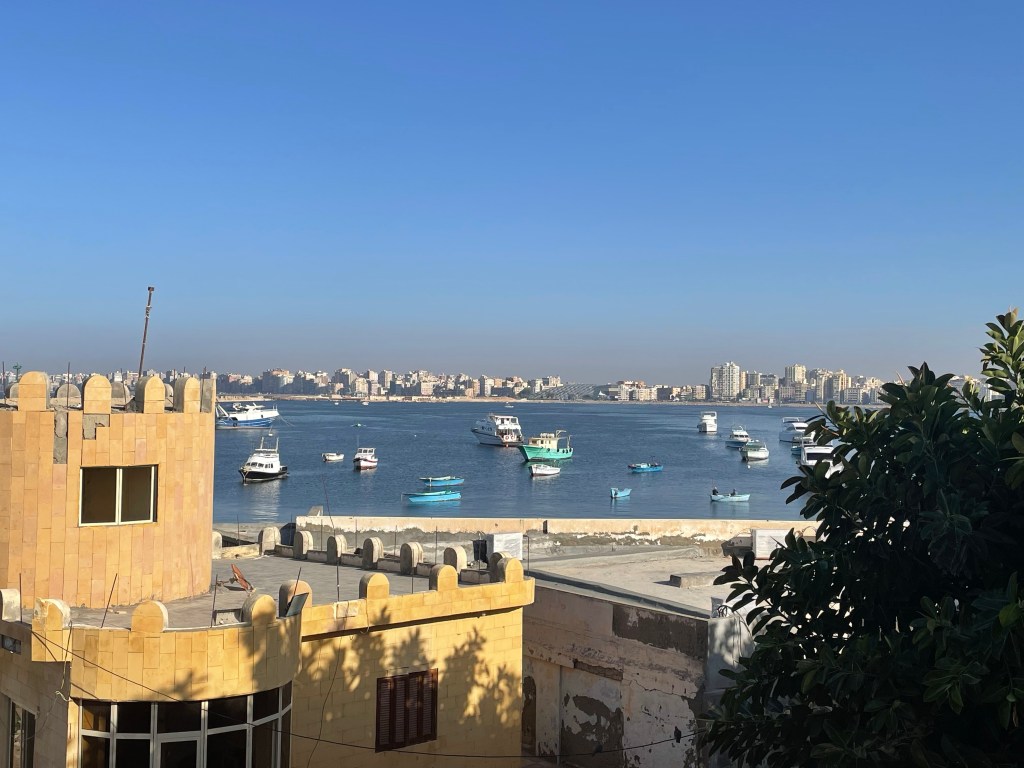
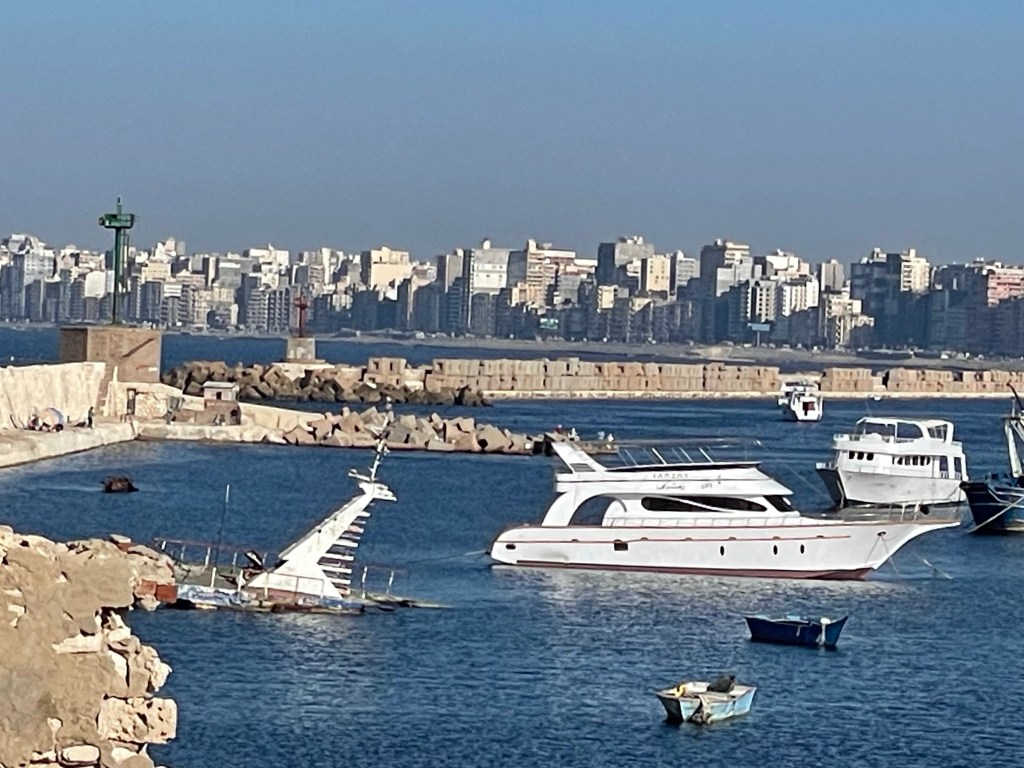
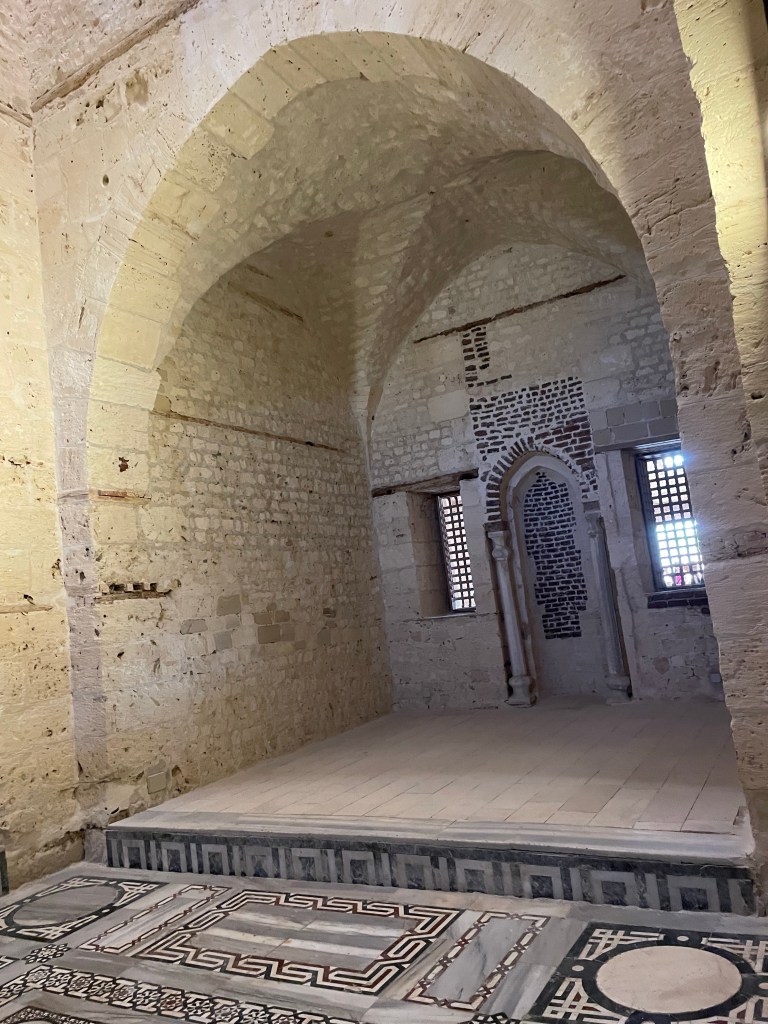
We next went to the Qaitbay citadel, which is a 15th century defensive fortress. The fortress is situated between the east and west harbors. It was erected on the side of the former lighthouse of Alexandria, which was one of the seven wonders of the ancient world. The lighthouse was partially destroyed in an 11th century earthquake, and then completely destroyed in two 14th century earthquakes.
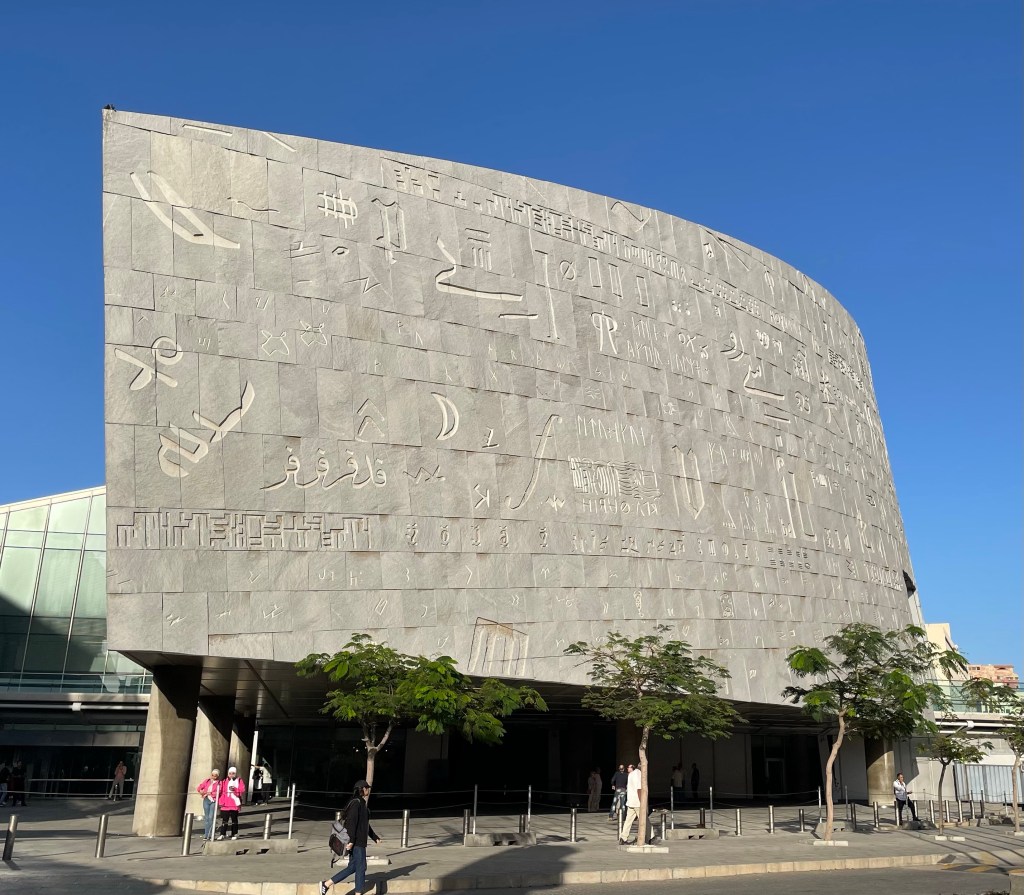
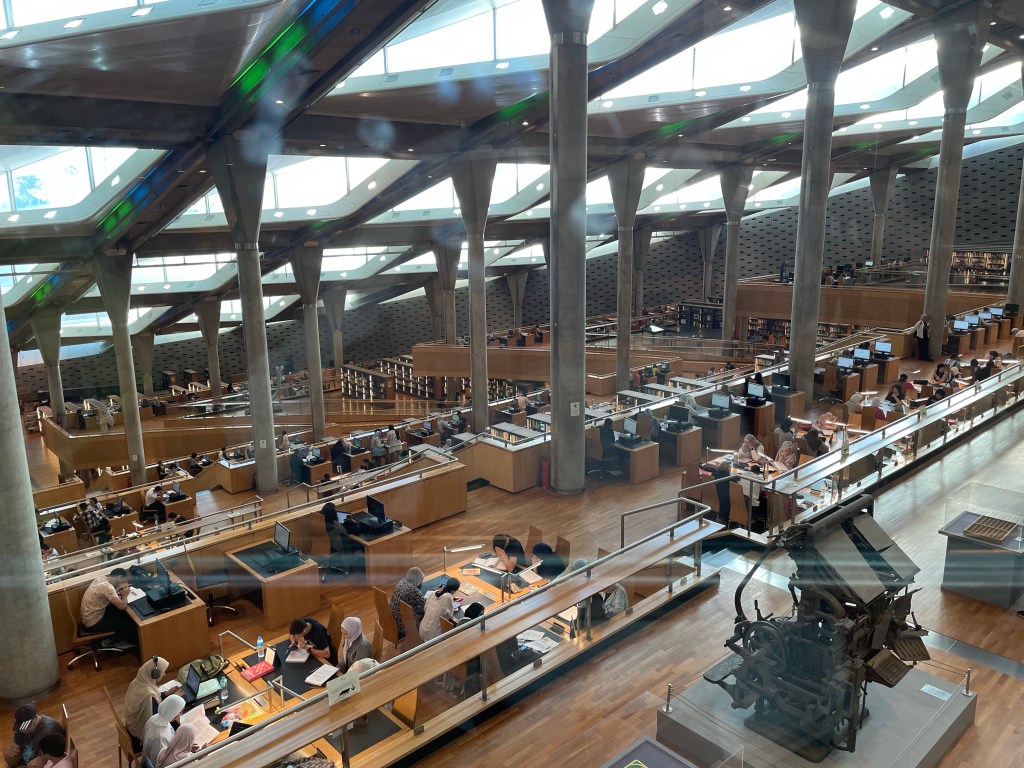
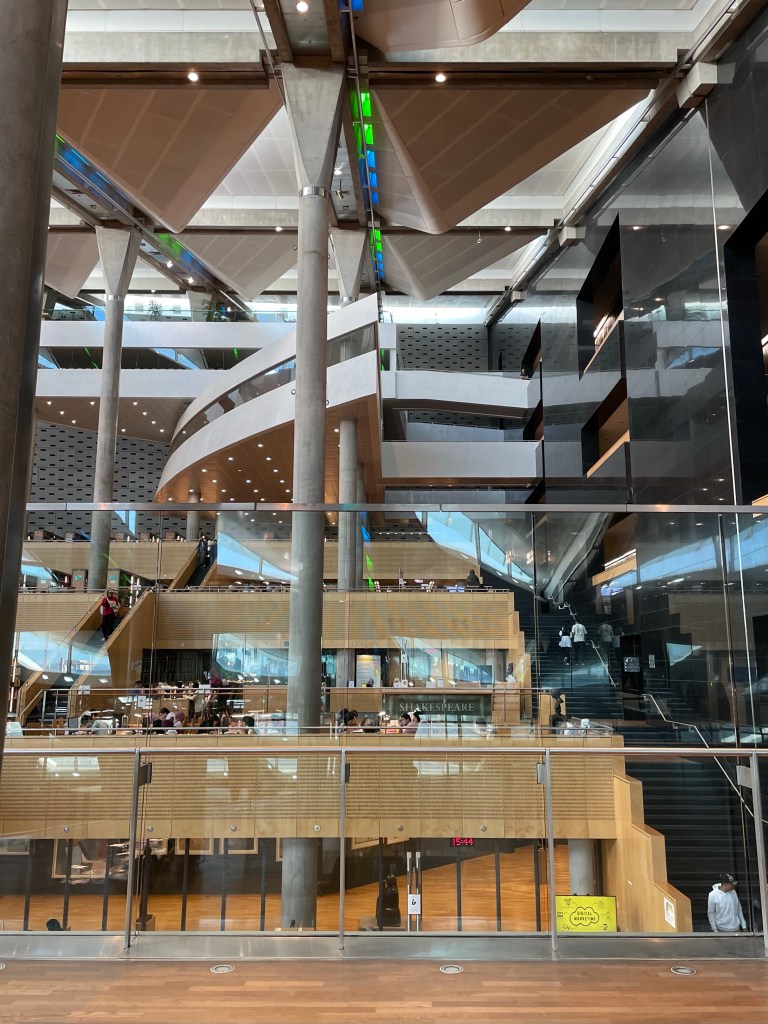
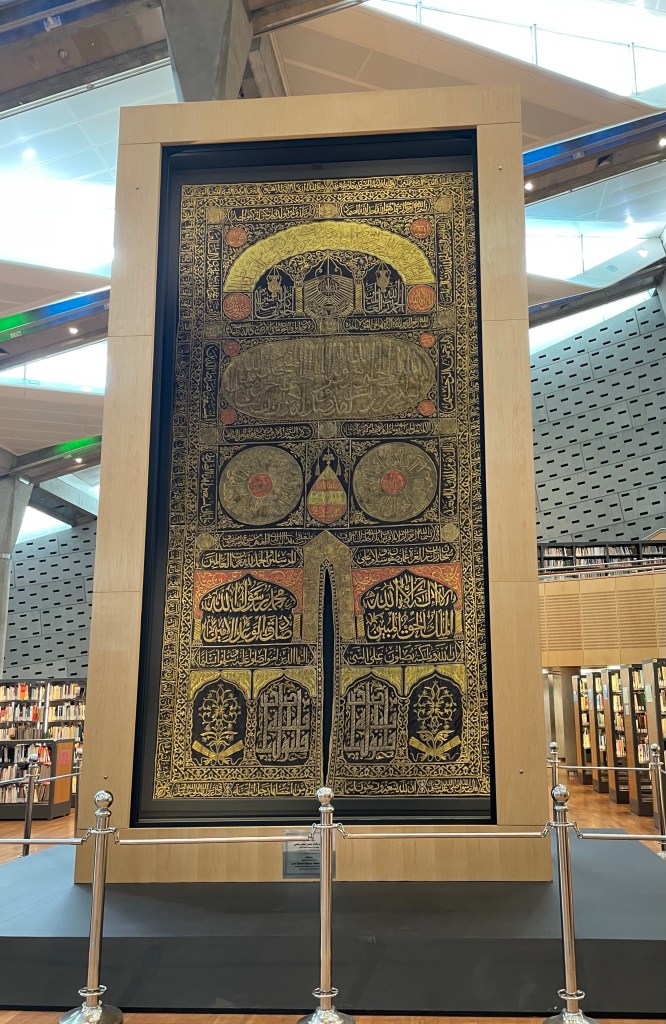
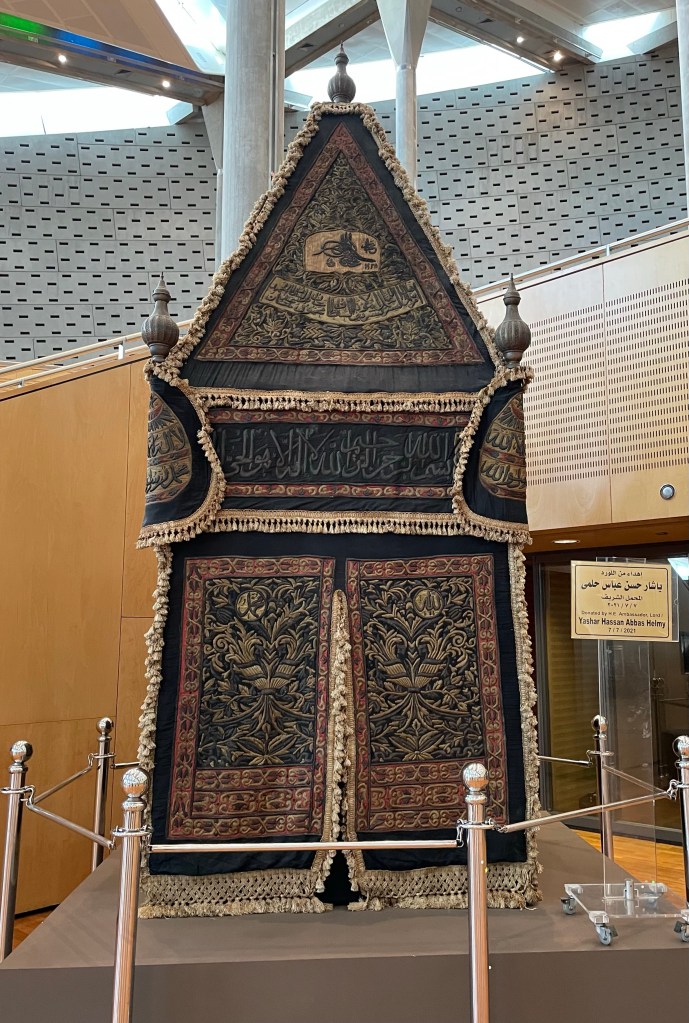
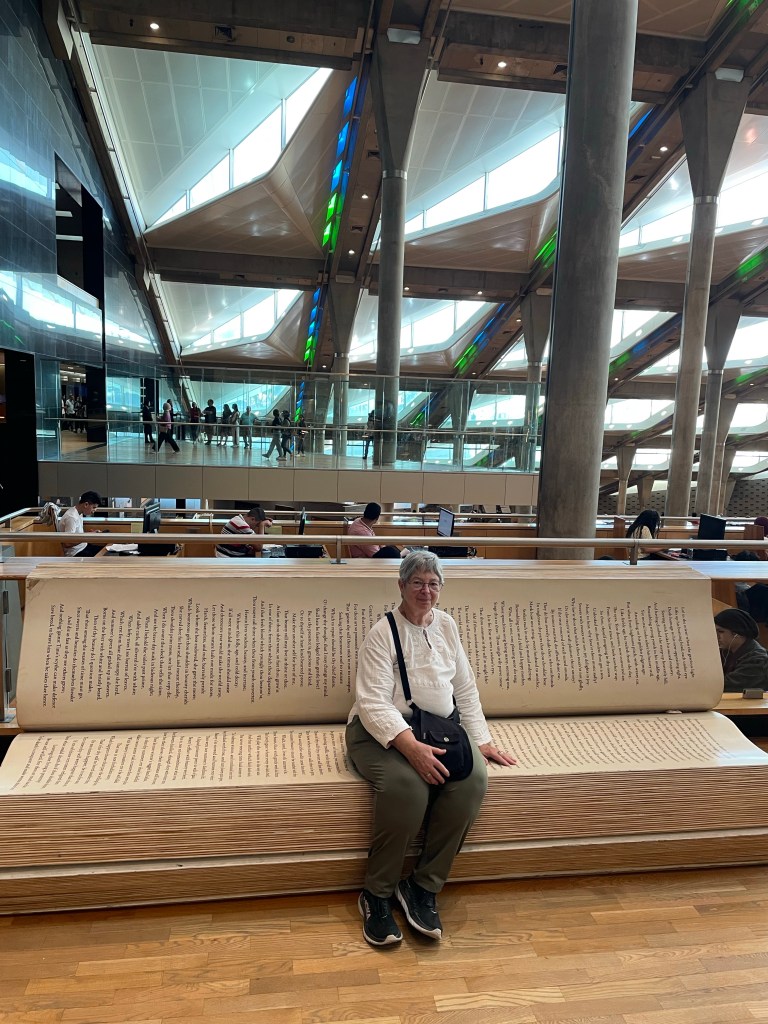
Our last stop was the new library of Alexandria. The ancient library of Alexandria was the worlds single greatest archive of knowledge. How and why it was lost is still a mystery. Possibly the library dwindled during the Roman period from a lack of funding and support. Construction of the new library started in 1995 and was completed in 2002. It cost US$220 million and was funded by many international organizations and countries The library has shelf space for 8 million books and can have 2000 people in the reading room at one time. The roof is a special design which allows in ambient light, but not sunlight. The complex also houses a conference center.
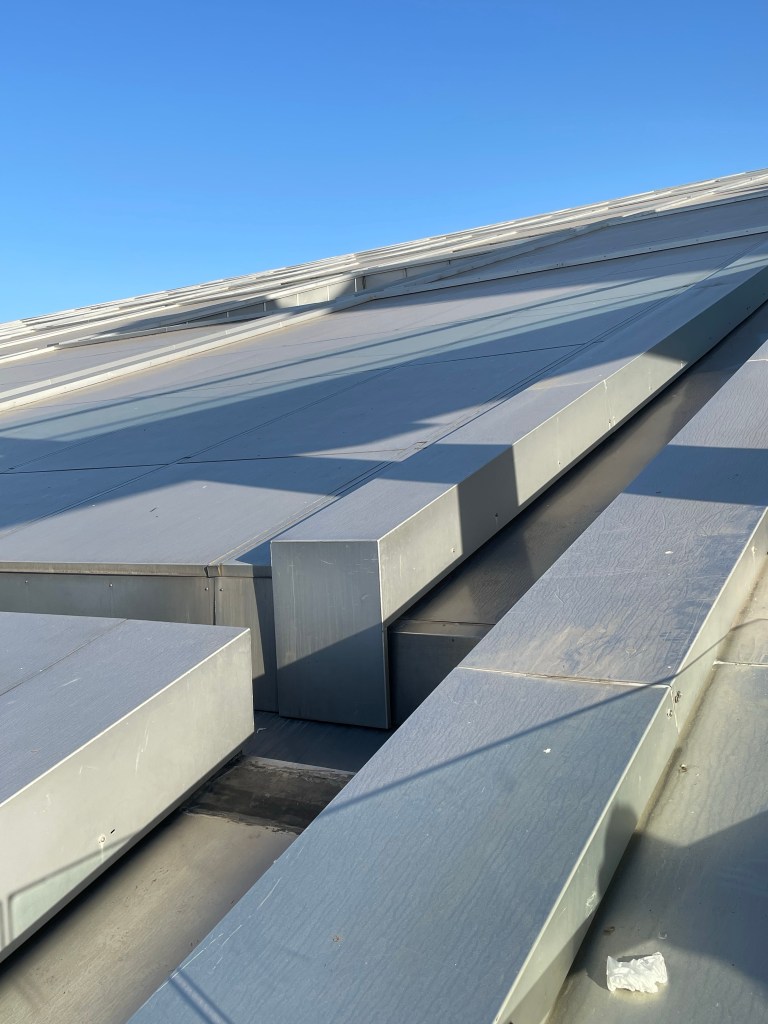
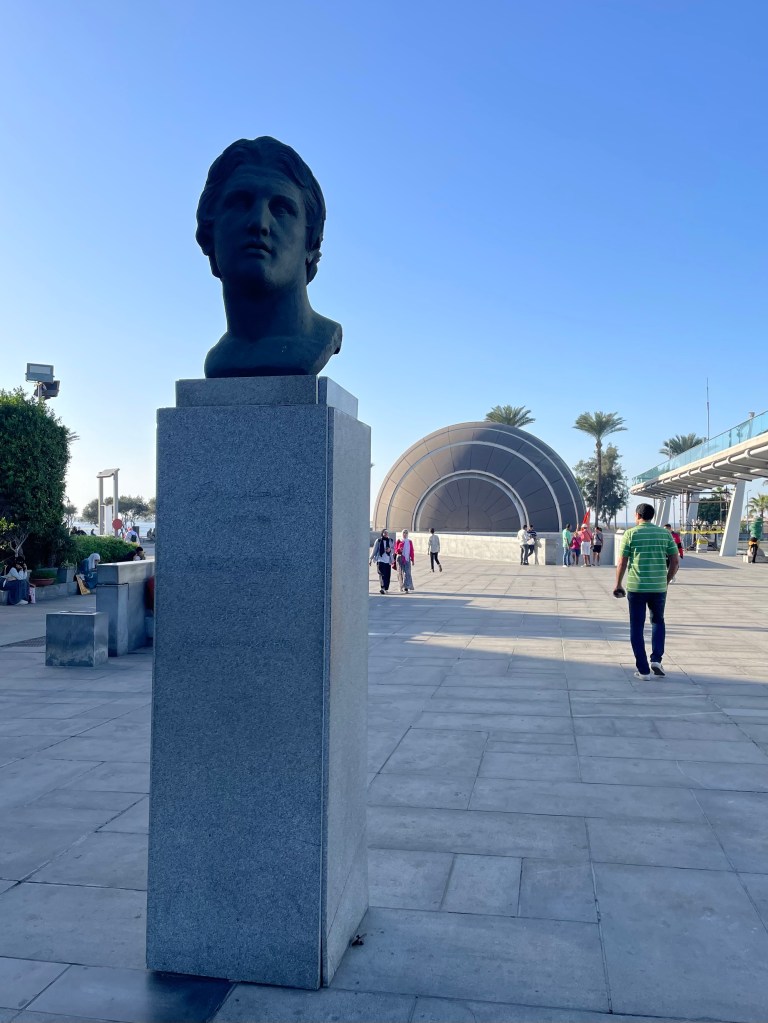
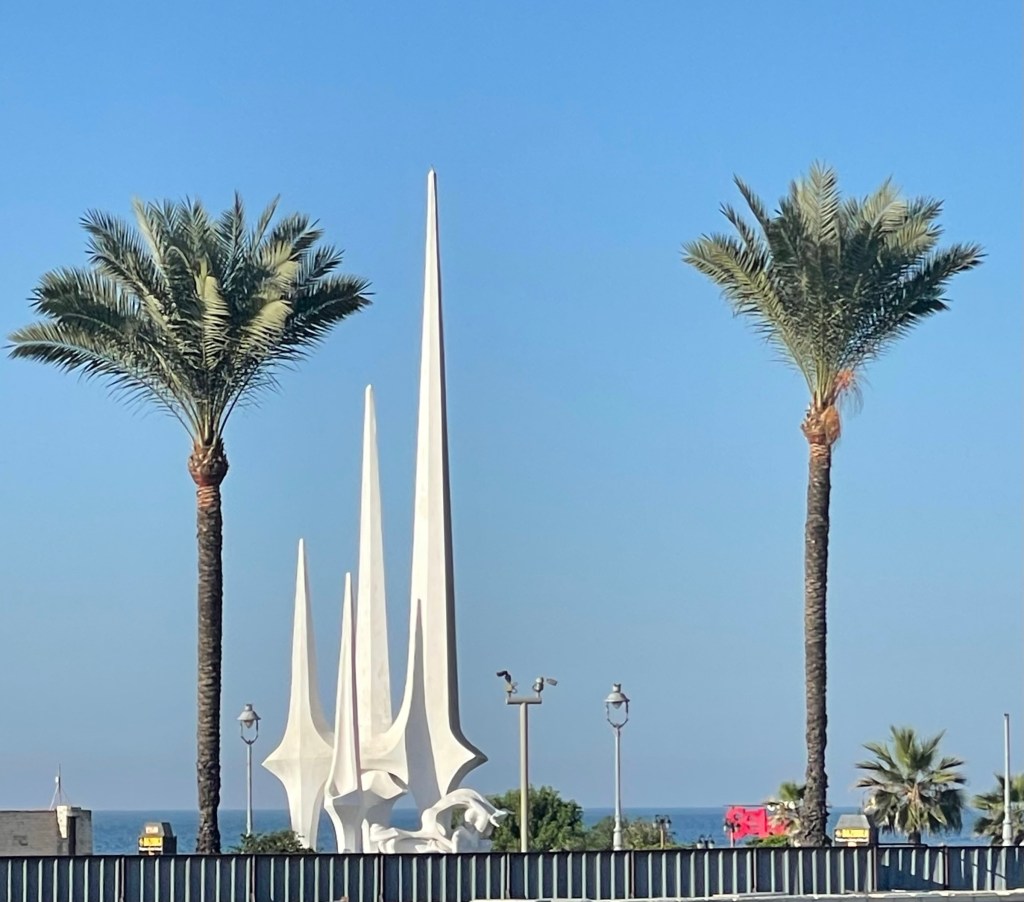
Bust of Alexander and the planetarium in the background.
This is my last blog from Egypt. On this trip I was supposed to spend time in Israel. Obviously that is not happening. So I am now in Germany visiting my friend in Frankfurt. I will be coming home next week.
 RobbieLambertsTravels
Incredible!!
Looking forward to your “live” report when you return.
Dwight & Mimi
LikeLike