I am currently in a bus driving back to Tel Aviv. It is almost 9 o’clock at night. It has been an exhausting and emotional day. I’m going to try very hard to tell you what I have seen and heard. I’m going to put up a lot of pictures and I am going to be verbose. I honestly don’t know how to cut things down to just a few pictures or words. I think you need to see as many of these pictures as possible to get the full impact of what I saw. Our first stop was a Bedouin community center. Here we heard from Lianne Pollak-David, strategic advisor and former NSC staff member and member of Palestinian negotiation team, and from a Bedouin woman who is working within her community to resolve some of their issues.
Lianne talked about her belief that a two state solution is the only answer and that we need to have an agreement with Saudi Arabia. Unfortunately, less than 20% of the Israeli population agrees with her. There is even less support for it on the Palestinian side. When asked why Israelis do not support a two state solution. The answer was that they say “How can we give them a state when a majority of Palestinians support what Hamas did. Palestinians don’t believe that Muslim soldiers could rape and perform atrocities. Also creating a state will not change what is happening on the northern border.” There really is no good answer to these concerns. She did say that she felt that Gantz was a supporter of a two-stage solution. The speakers from last night and this woman acknowledged the fault of the government and the IDF for what happened on October 7.
The Bedouin were mostly nomadic people. There are over 330,000 Bedouin in Israel with most living in the Negev with some living in the north. Only 15% still live a nomadic existence. However, these few are residing on public lands, and the state of Israel would like to see them settled in regular cities. There’s been a relatively good adjustment for some of the Bedouin that have settled in the cities. Quite a number now have gone on to get a higher education. In fact, the majority of people in Israel in the medical field are Arab. She was very clear that she considers herself to be an Israeli and supports the state of Israel. She felt that most Bedouin do. Unfortunately the Bedouin are some of the poorest people in Israel. She also addressed the issue of a high crime rate in Arab communities, and that the Israeli government is not doing anything about that. One of the major causes of this crime rate is that Arabs are still very tribal. There is a lot of revenge and honor killings. Bedouin are still allowed to have multiple wives. However this trend is disappearing in the younger generation. Bedouin volunteer to serve in the IDF. Quite a few become career soldiers because the pay is good. Our bus driver is Bedouin. When October 7 occurred, he took his bus to the area of the music festival. He lived on the bus for a week rescuing as many people as he could.
What surprised me, was that the speaker supported a one state solution. I really have not had any contact with anybody that supports a one state solution, so I asked her how she envisioned that. Unfortunately, she was unable to answer the question satisfactorily. She did express the fact that she sincerely believes that people want peace and that people could live together. It’s a very noble idea, but I don’t see that happening in the foreseeable future.
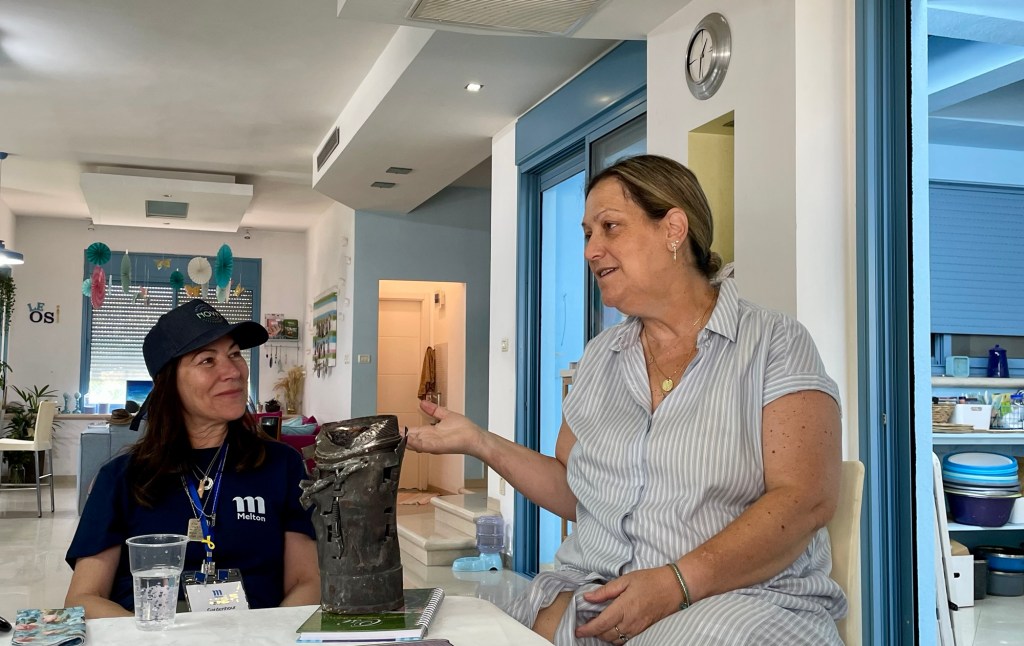
After listening to these two incredible women, we went to have lunch at an Israeli home in the settlement community of Ofakim which is close to the border with Gaza. During the 50s, when quite a number of Middle Eastern Jews were immigrating to Israel because they were being kicked out of Arab countries, the state of Israel organized settlement communities for these people in the Negev. Therefore, the residents of Ofakim are primarily Mizrahi Jews. Our hostess’s family were from Morocco and Iraq. Her cooking was a delightful combination of both cultures. Here are some pictures of her home and our food.
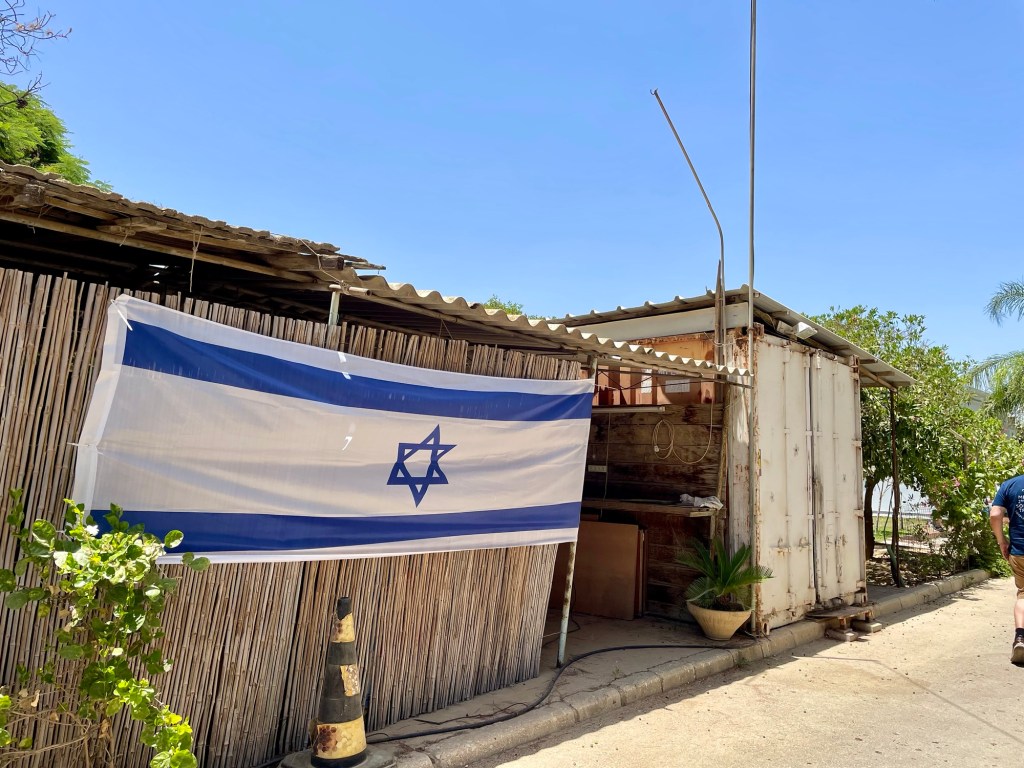
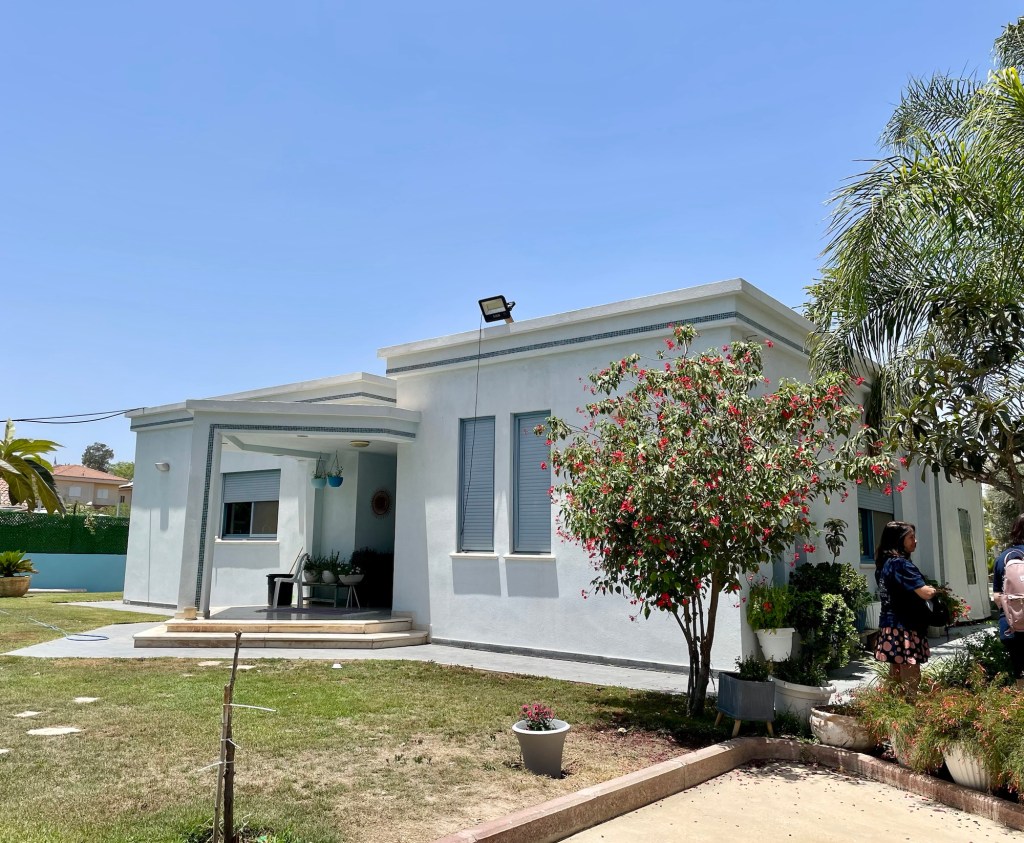
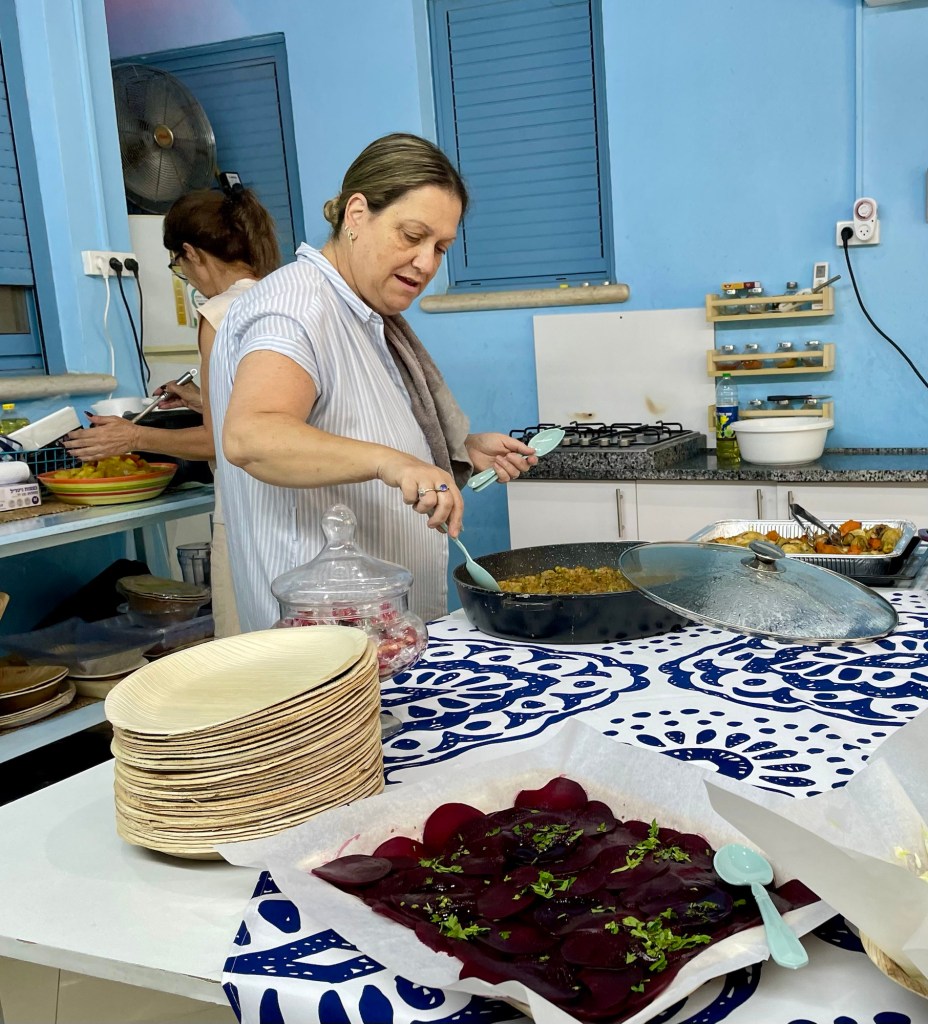
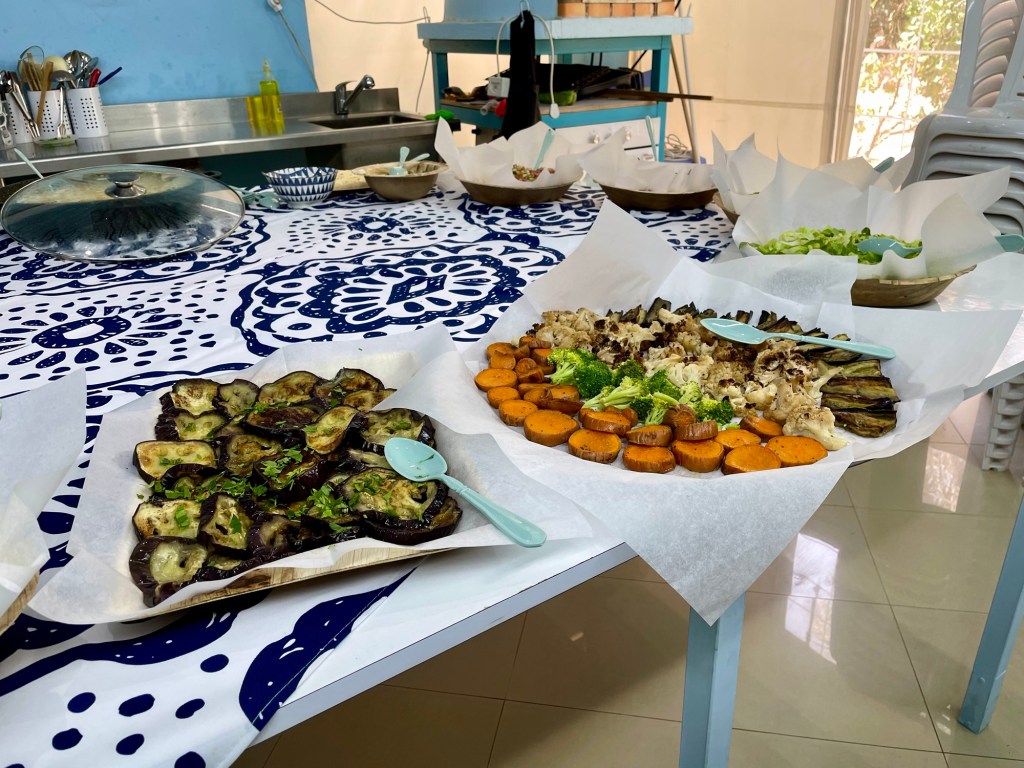
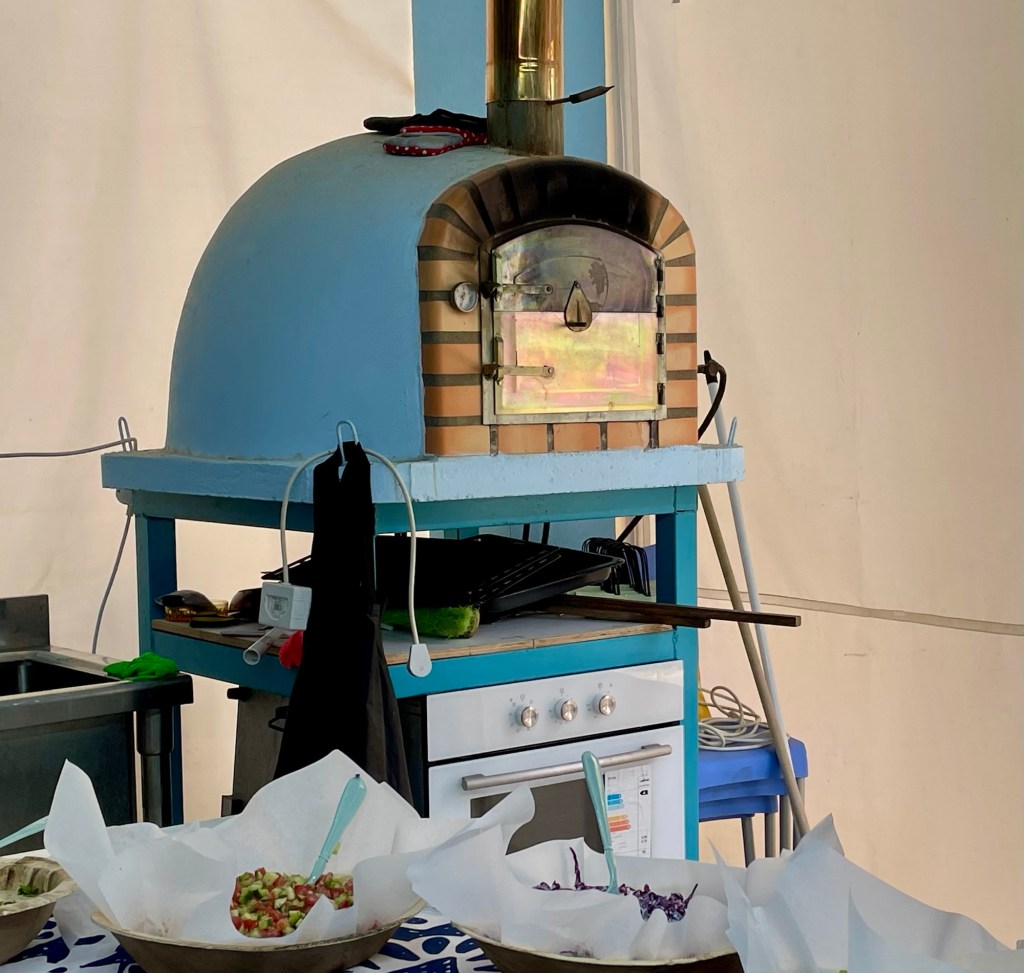
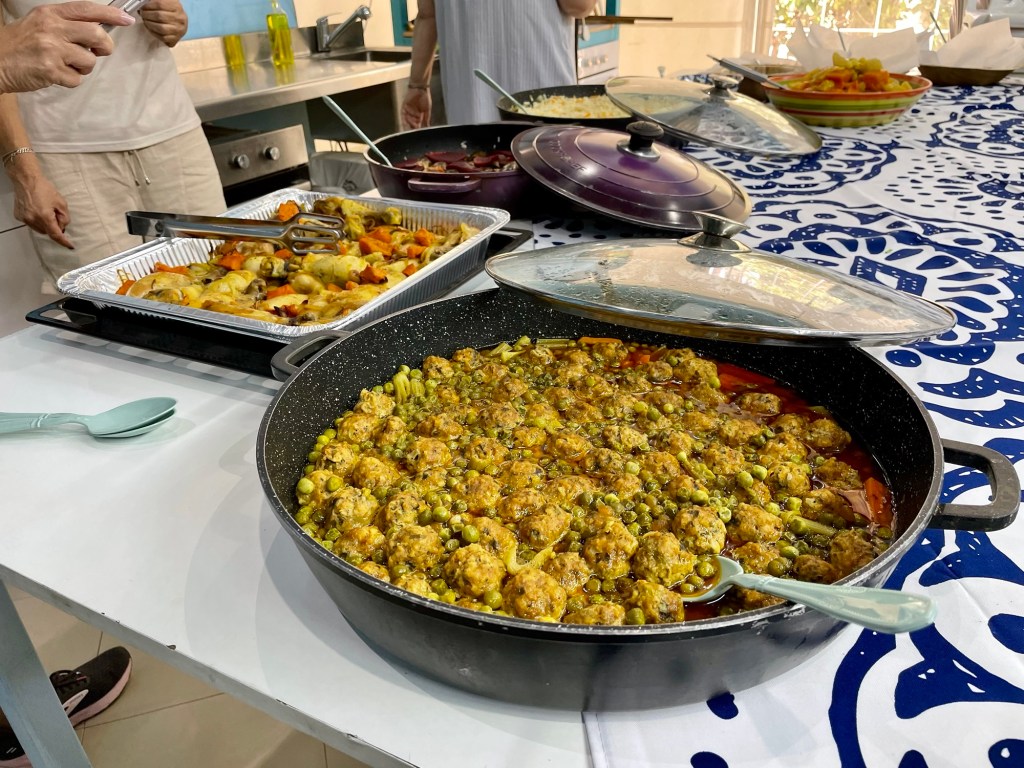
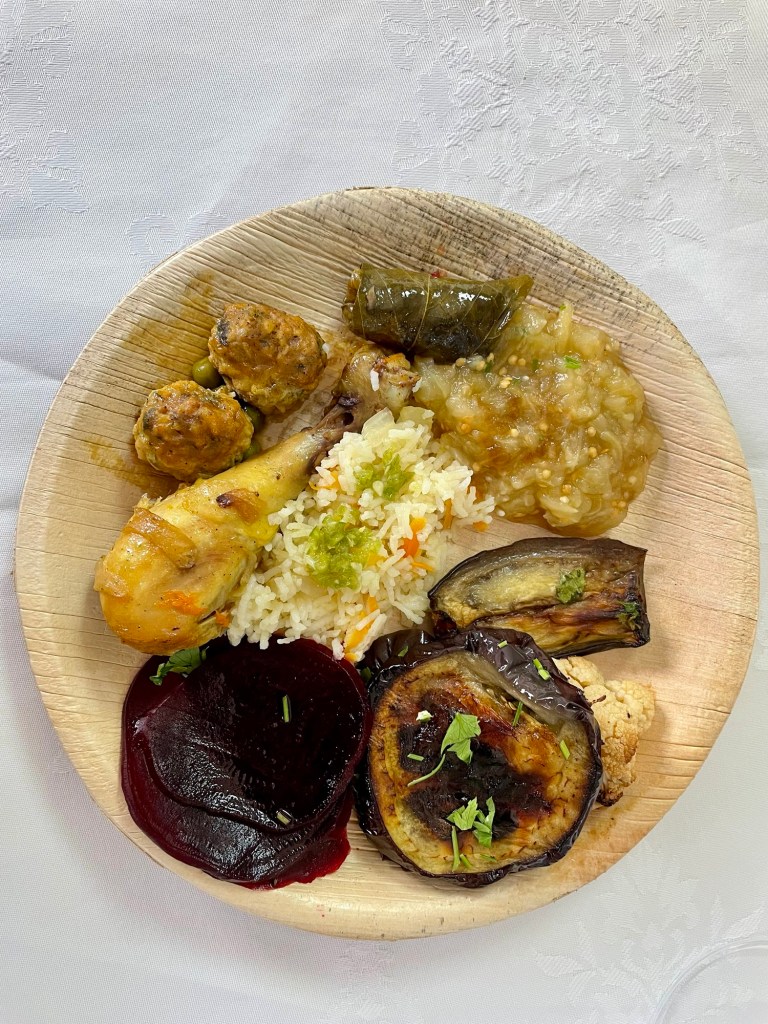
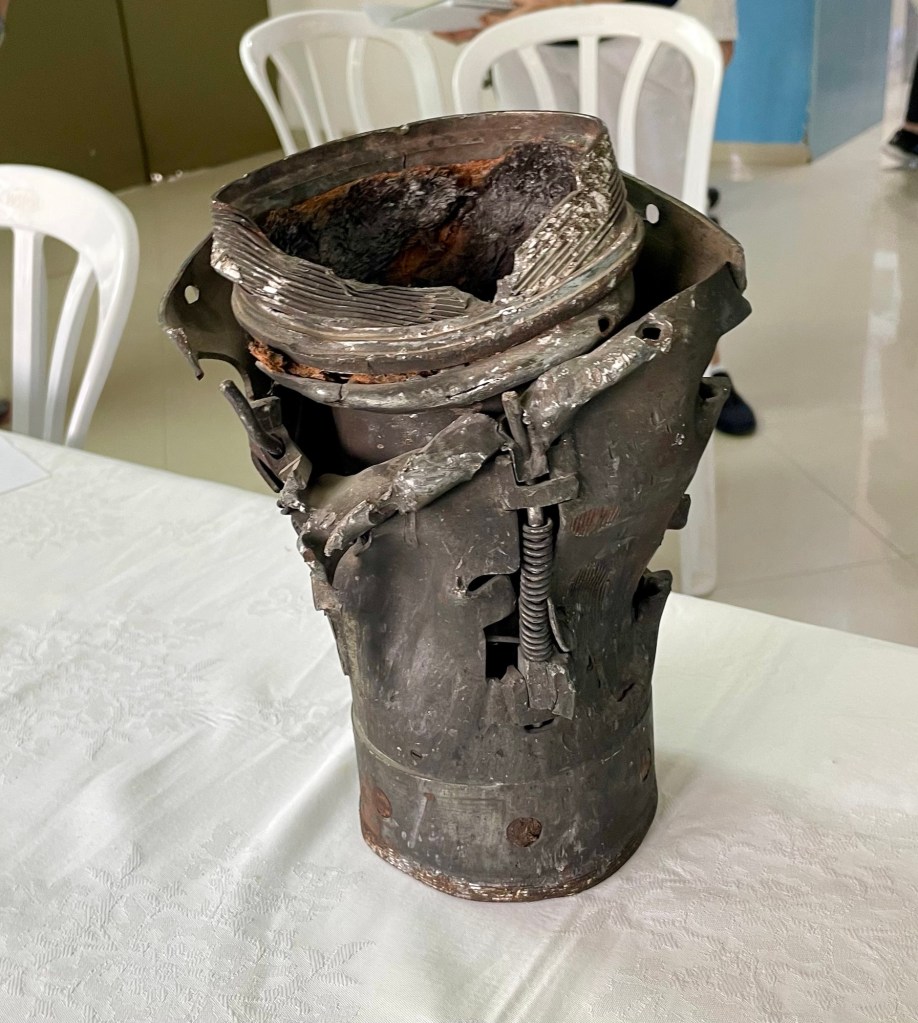
After eating our hostess and her friend talked about their experience living in a community close to Gaza. Five years ago, a bomb actually fell through her house. Fortunately, it did not explode until it buried itself in the ground. Therefore, it did not cause much damage. If it had exploded, when it was supposed to before hitting the ground, there would’ve been significant loss of life and damage. During October 7, she hid in her safe room. 31 terrorists killed 51 residents of Ofakim. She left the door to her house opened so that neighbors who didn’t have a safe room could get to hers. She lost a couple of neighbors, including some very close friends who were in the police force. Her friend, who also talked about her experience, lost her husband, who was a member of the police. After October 7, she temporarily moved to Tel Aviv where she started up a restaurant to cook free meals for soldiers. She decided to return home. She started a business cooking for groups coming to Israel. She really expressed her appreciation for us coming to support Israel. She said, “You give us the power to continue.”
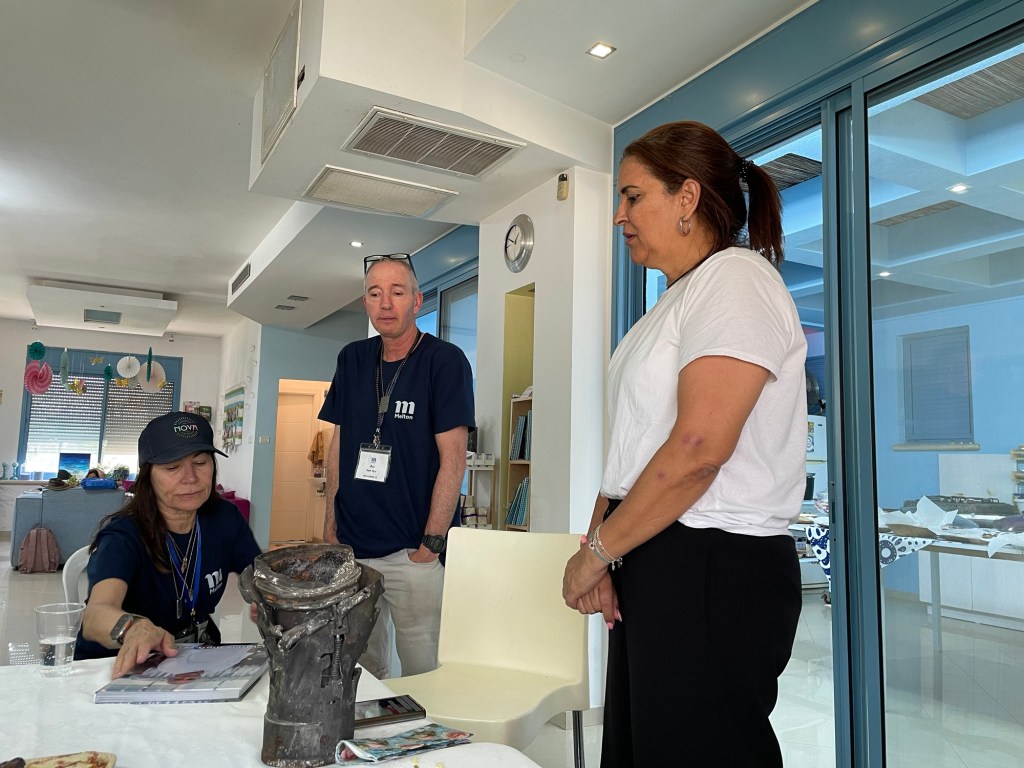
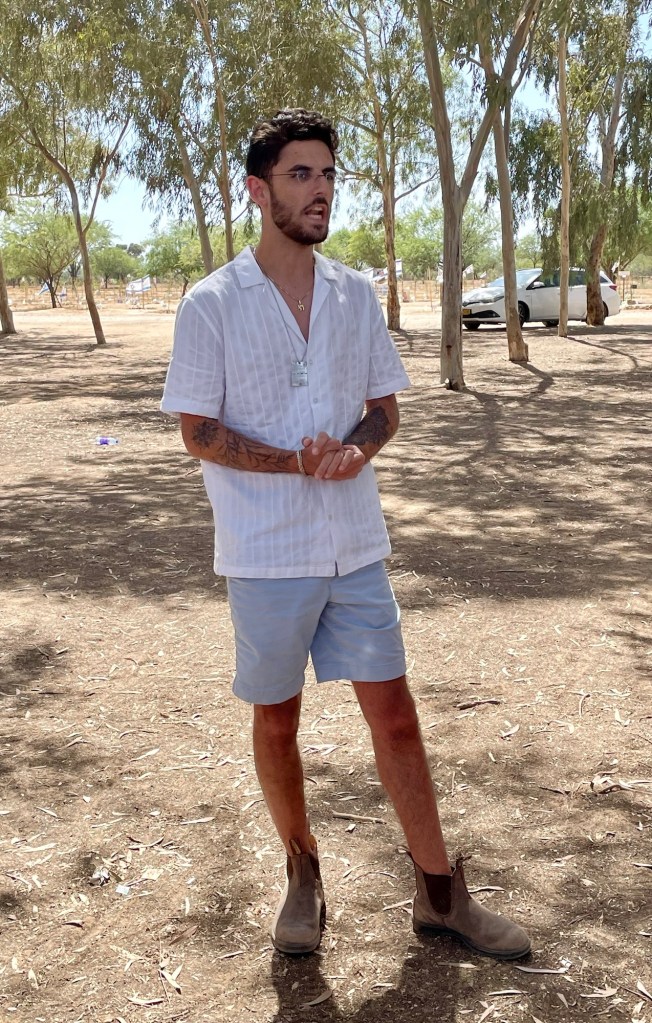
Our next stop was the Nova music festival site. The site is 3 1/2 miles from Gaza. There were many soldiers visiting the site. We met with Shye Klein who made Aliyah last year from Canada. He was at the music festival site. He explained how at first people saw rockets going overhead and just assumed it was normal Hamas activity. It became apparent that that was not the case. He told an unbelievable story of his friends’ and his escape from the festival site. He saw many burned out cars and dead bodies along the route. Here is a link to his website where he has pictures and a video of that day. http://www.shyeklein.com
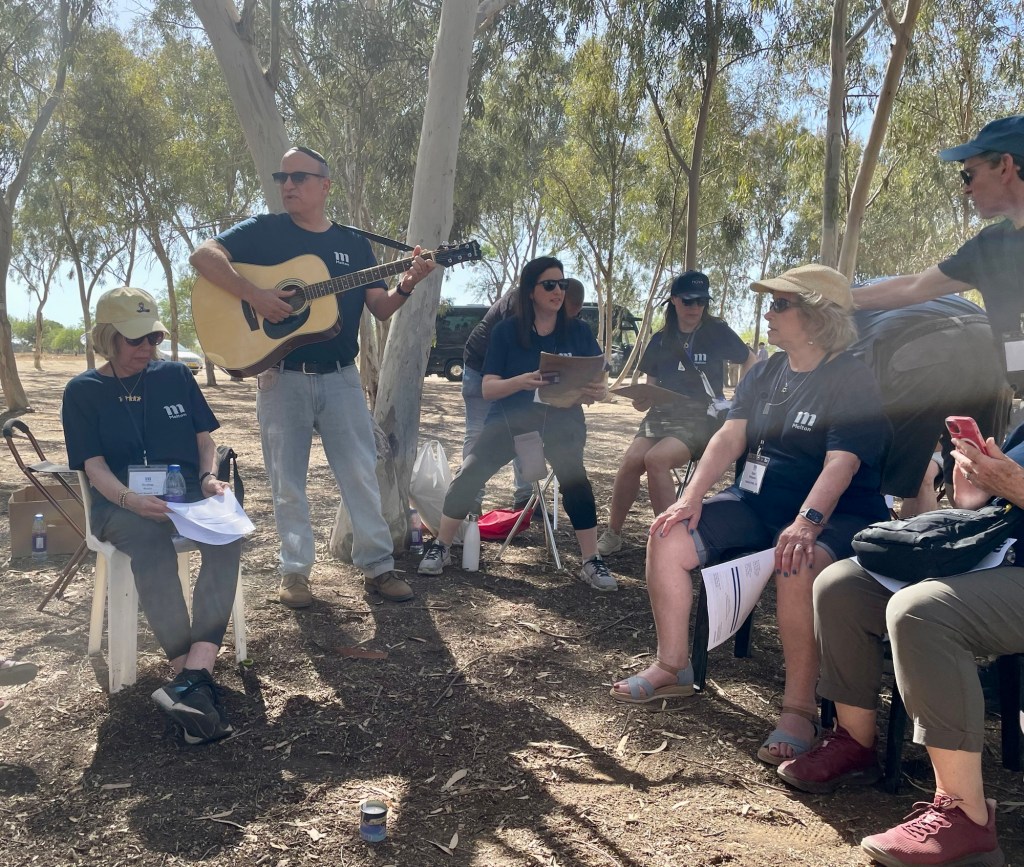
Then our group held a short service in memory of the victims of this massacre.
We were given time to walk around the site. I’m just going to put up a whole bunch of pictures. I can’t even begin to explain how I felt walking around. When I went back to the bus, I met up with the bus driver. I thanked him for what he did on that day to save Israelis. I then started to cry and I got a big hug.
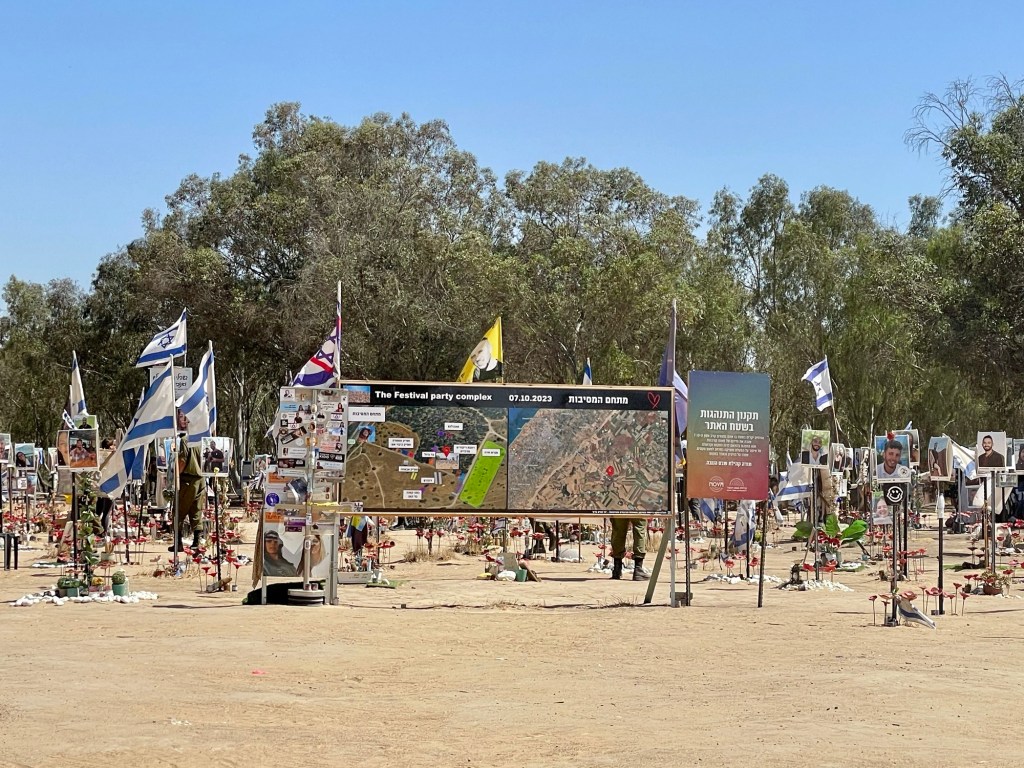
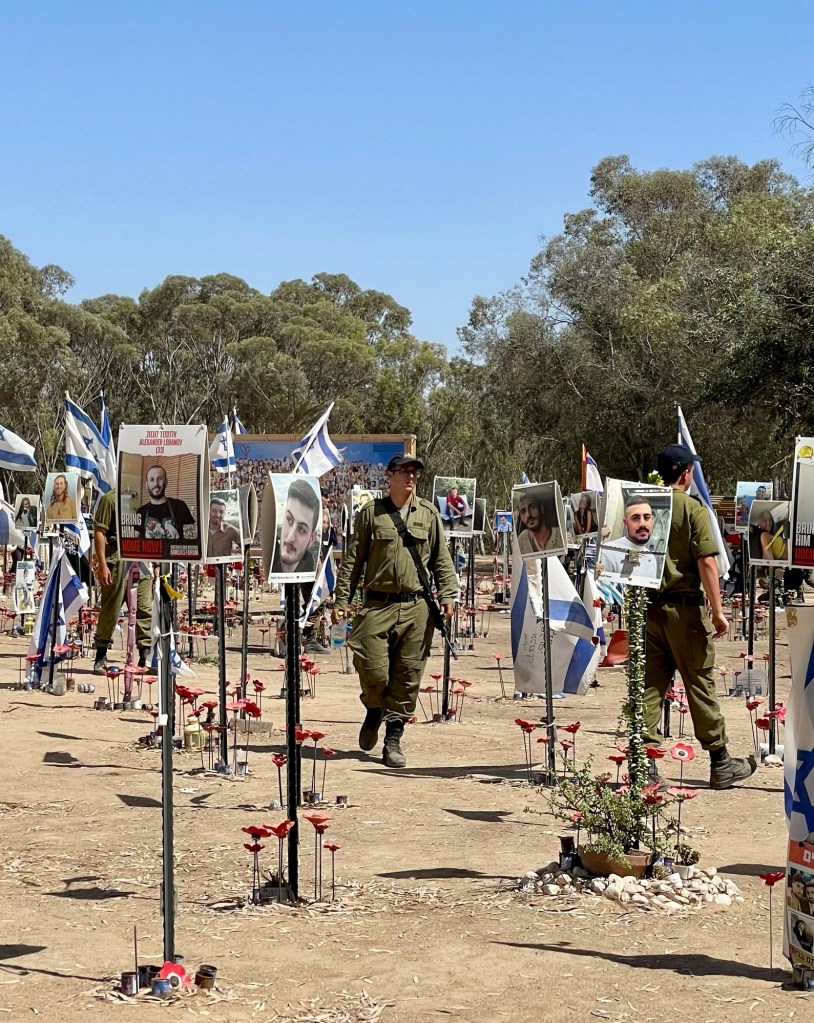
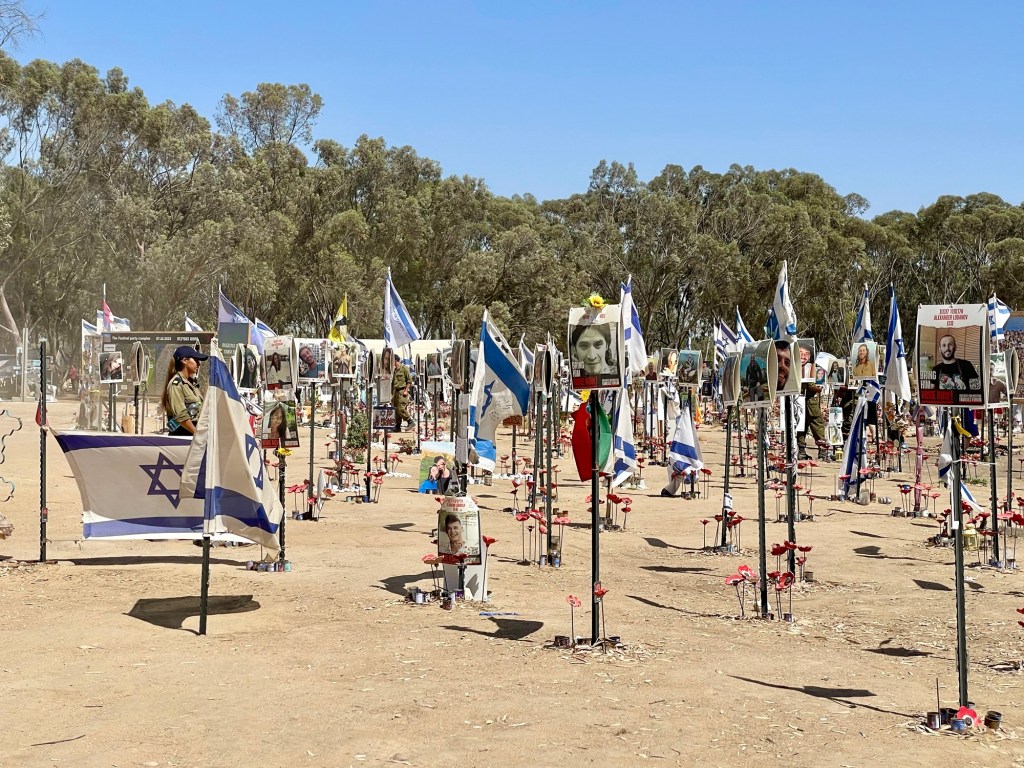
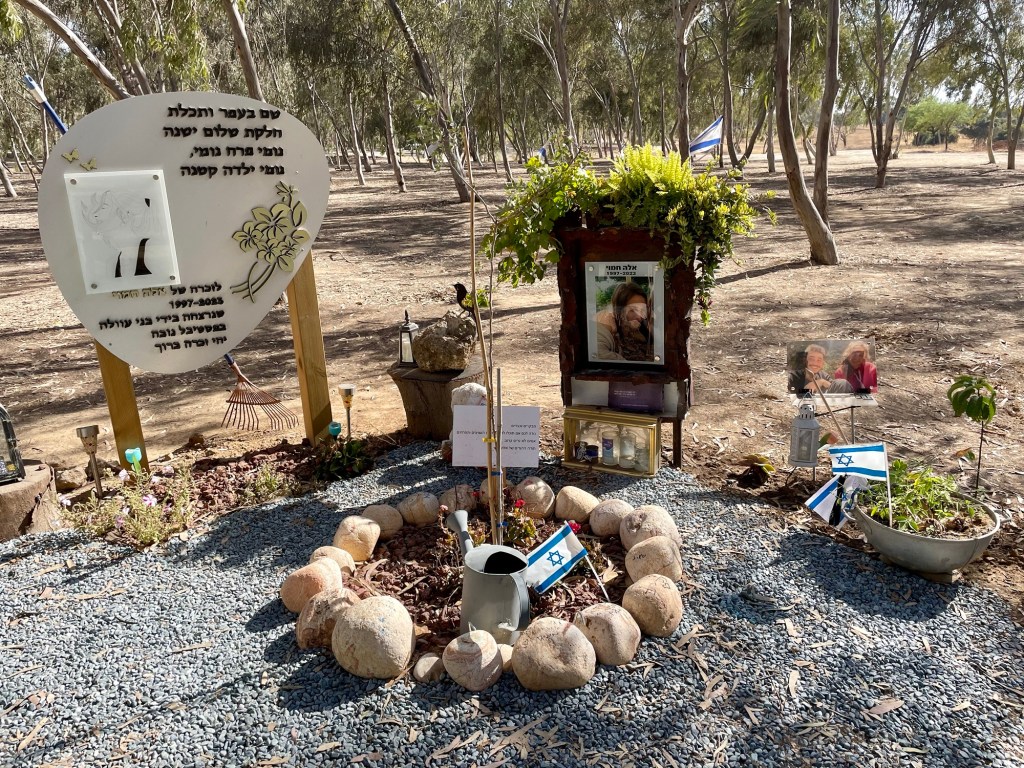
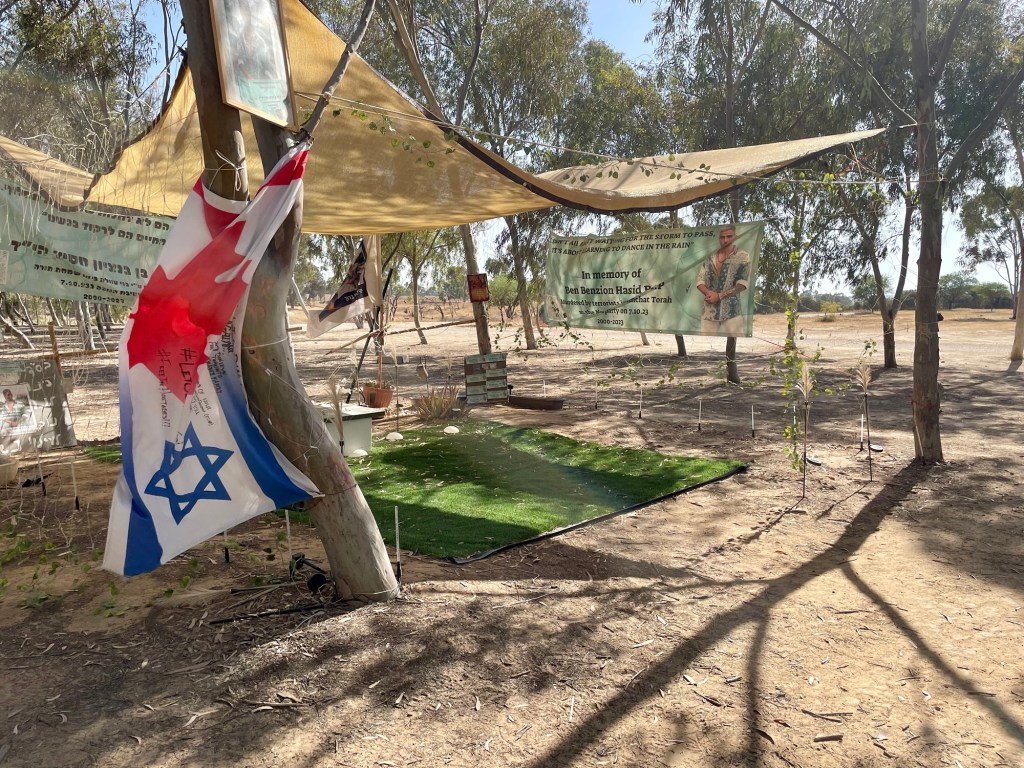
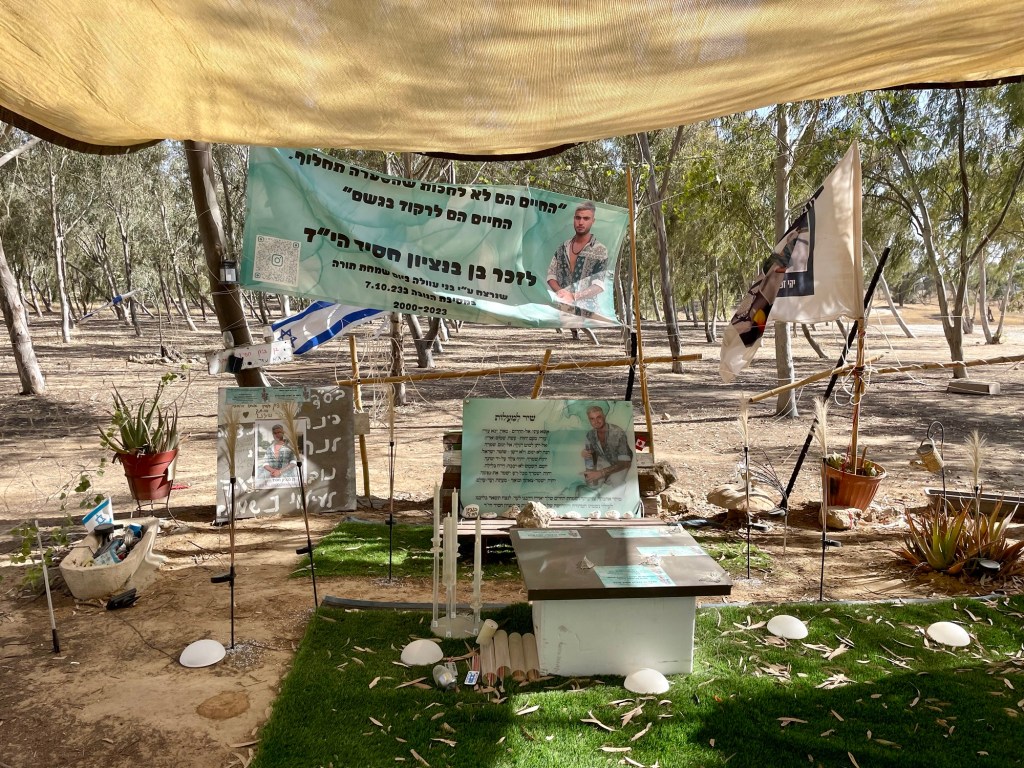
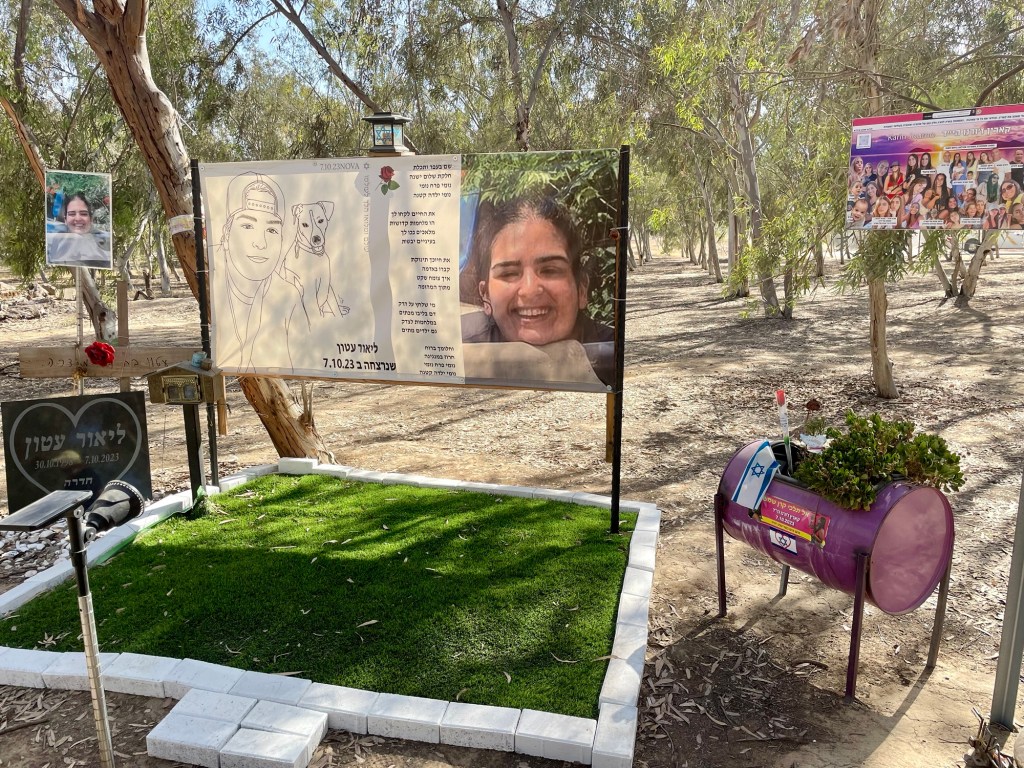
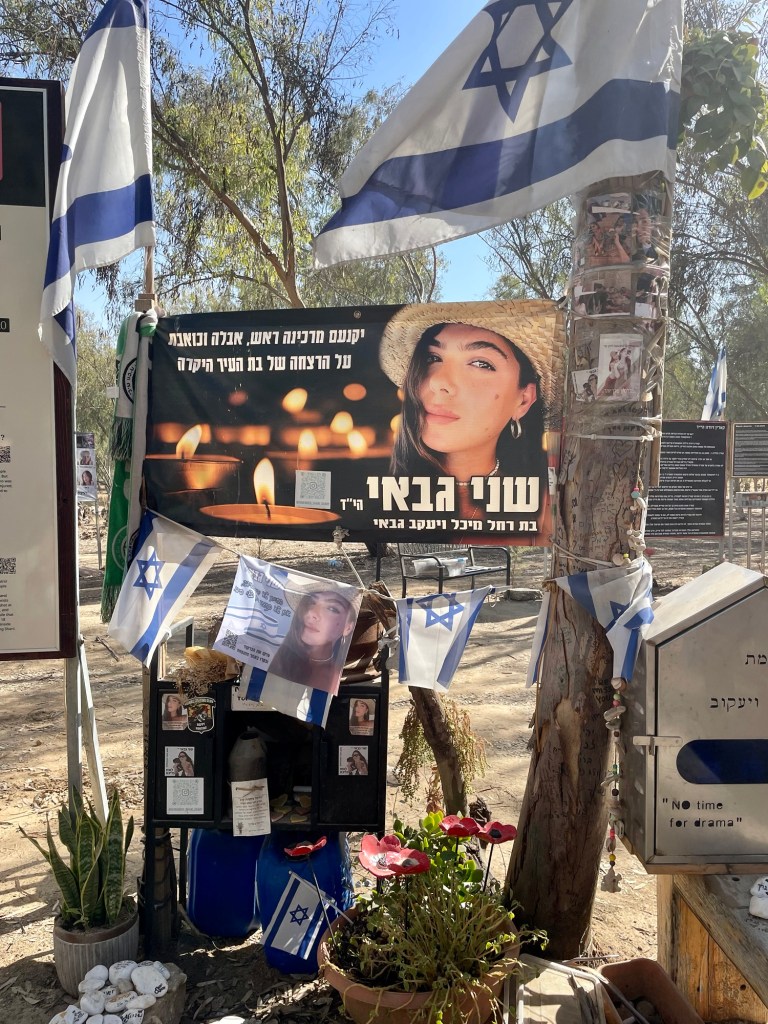
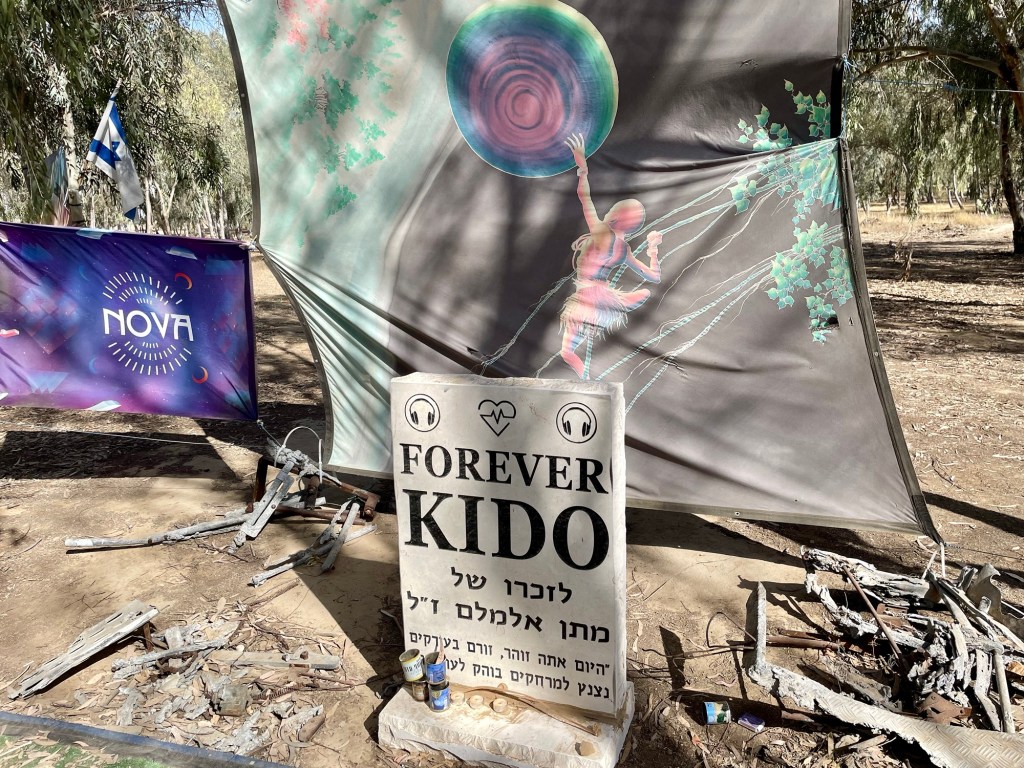
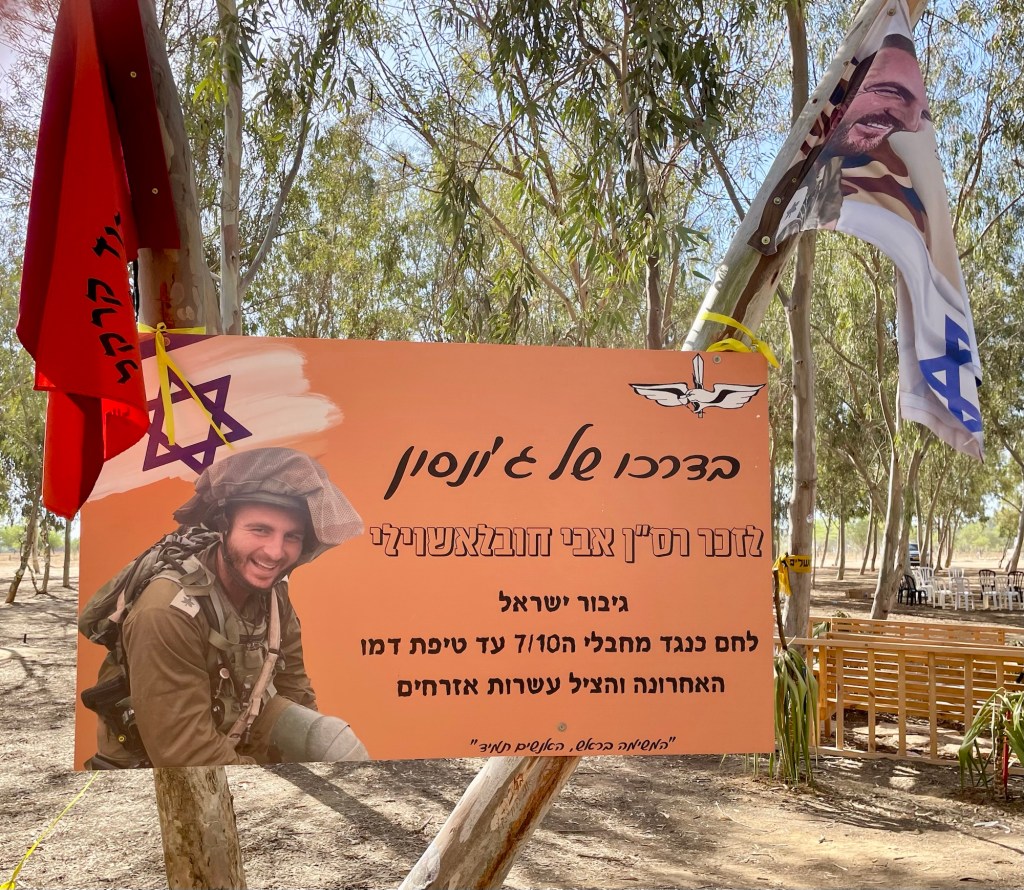
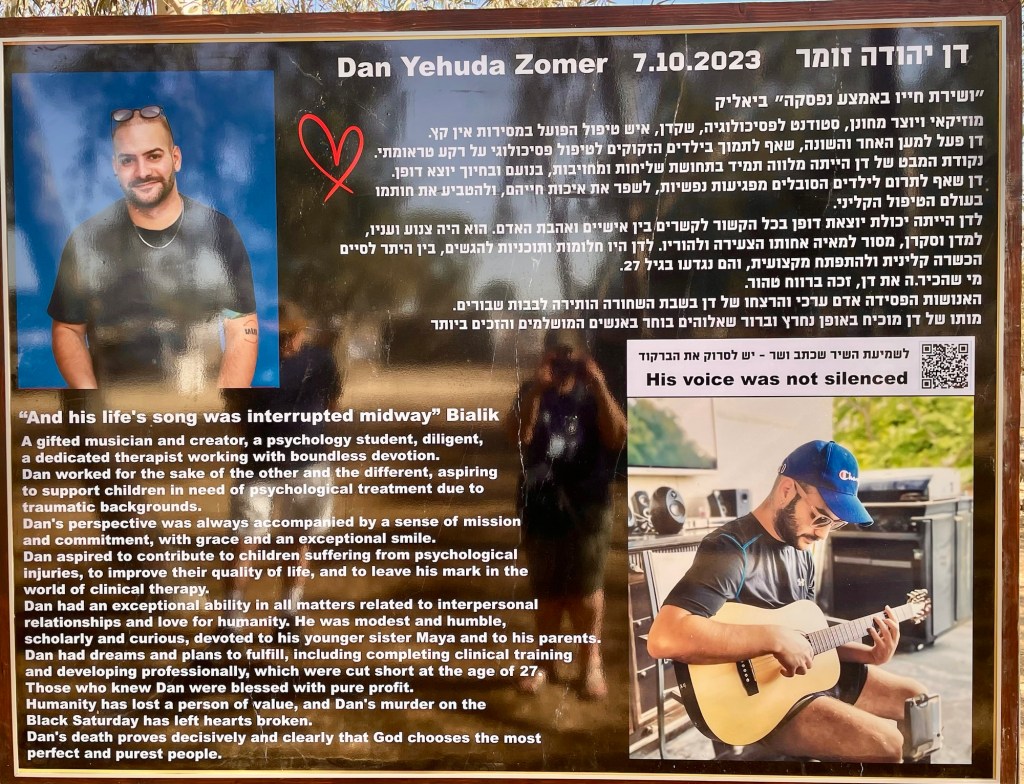
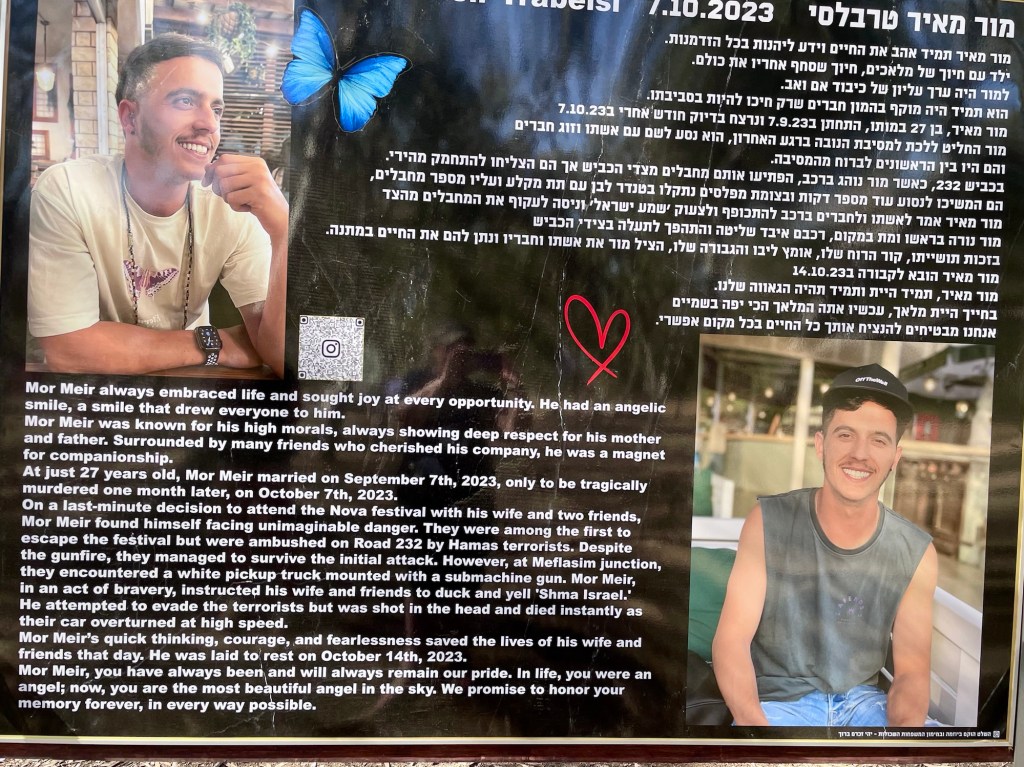
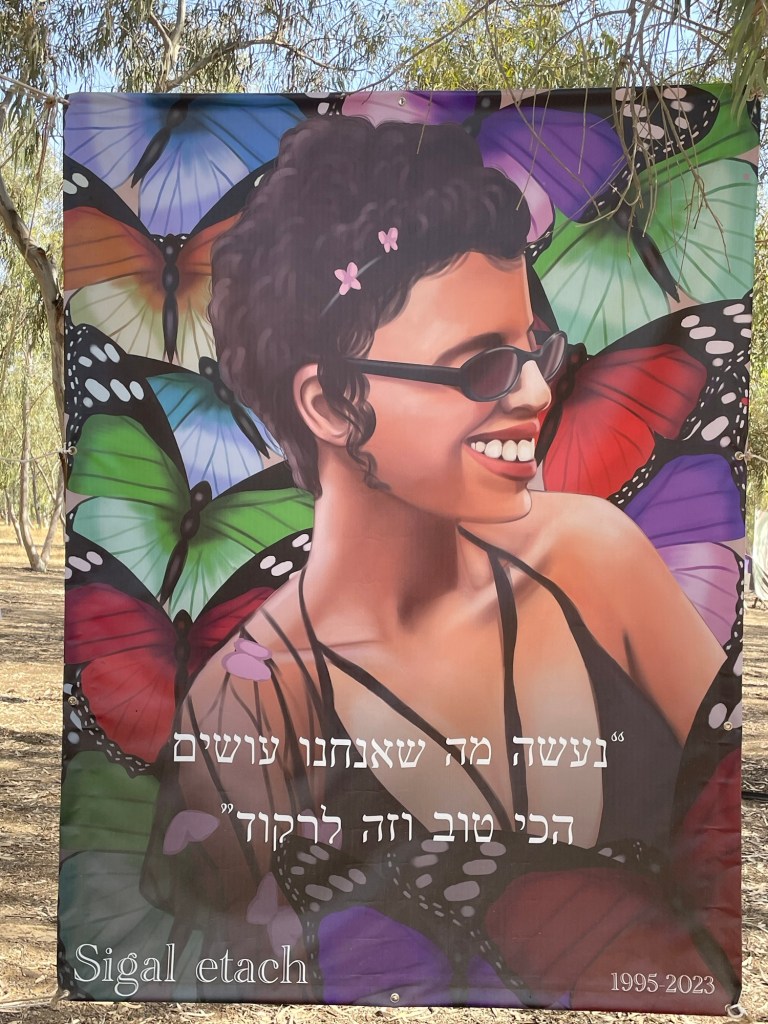
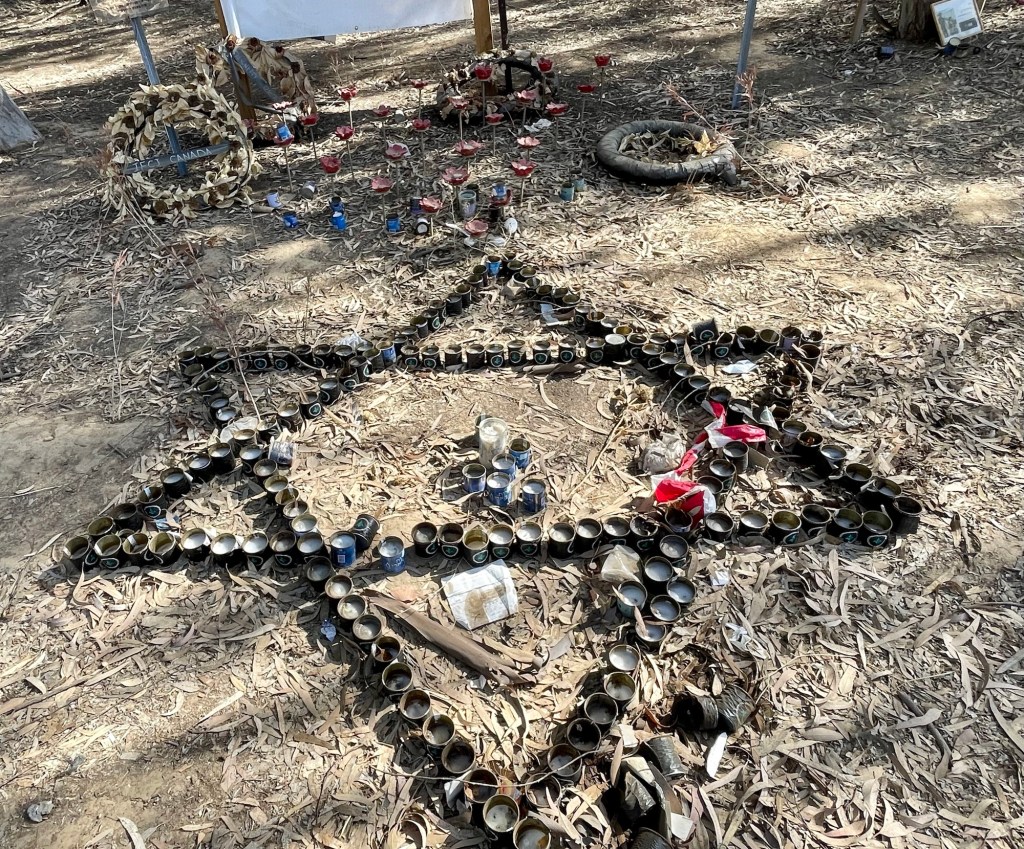
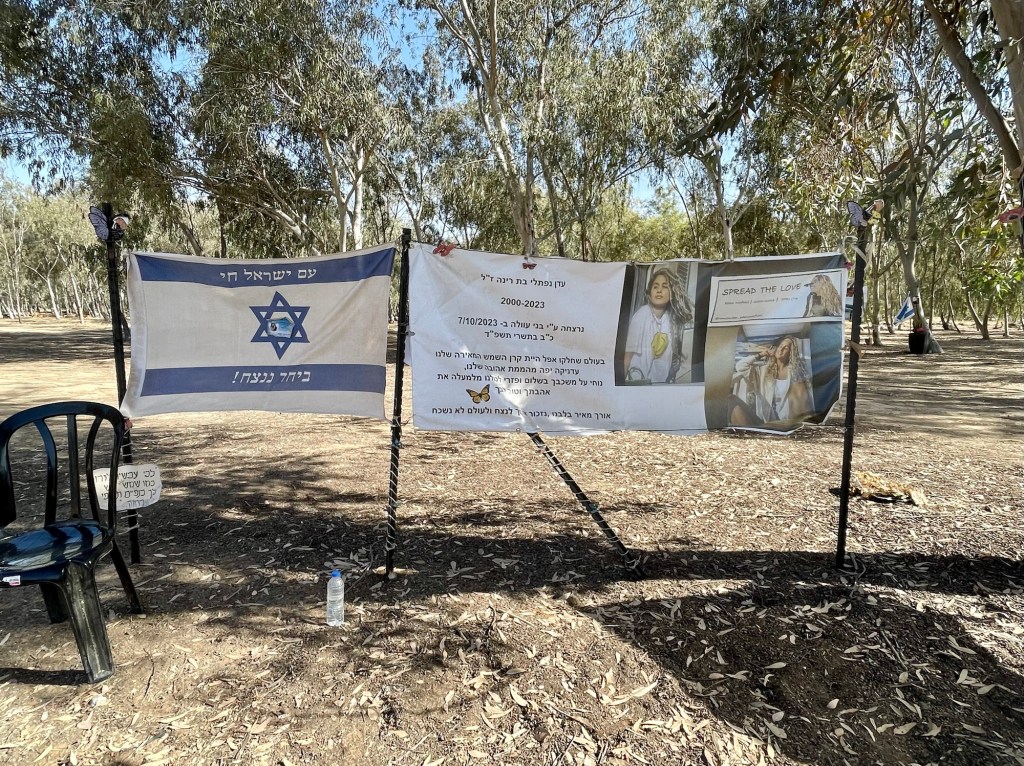
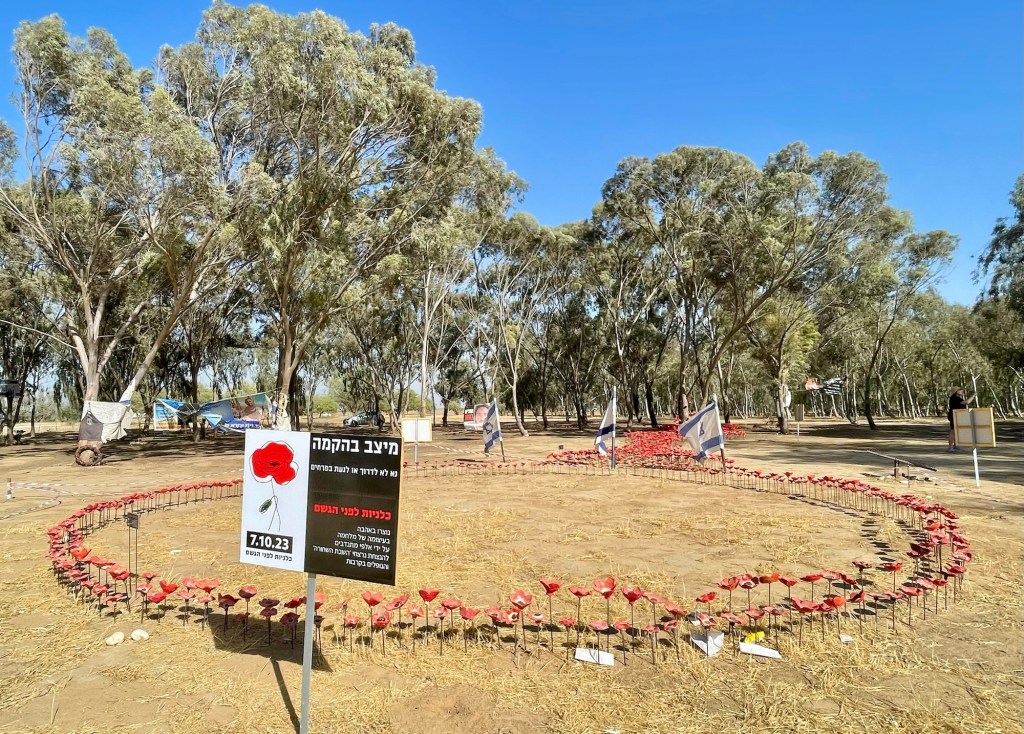
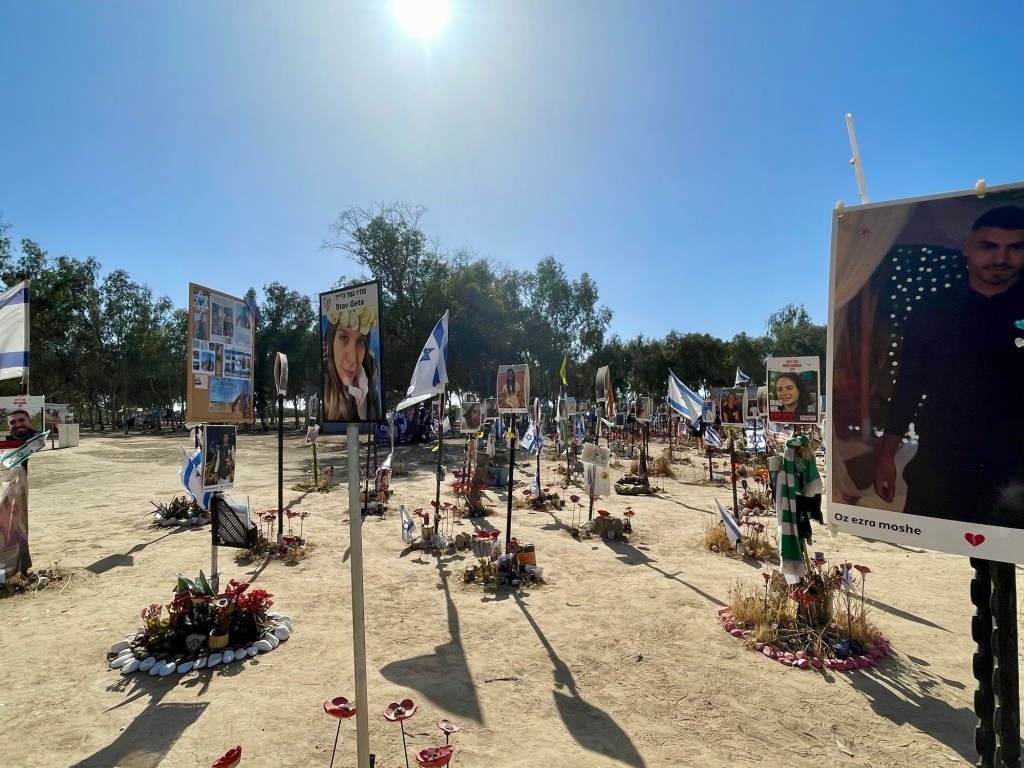


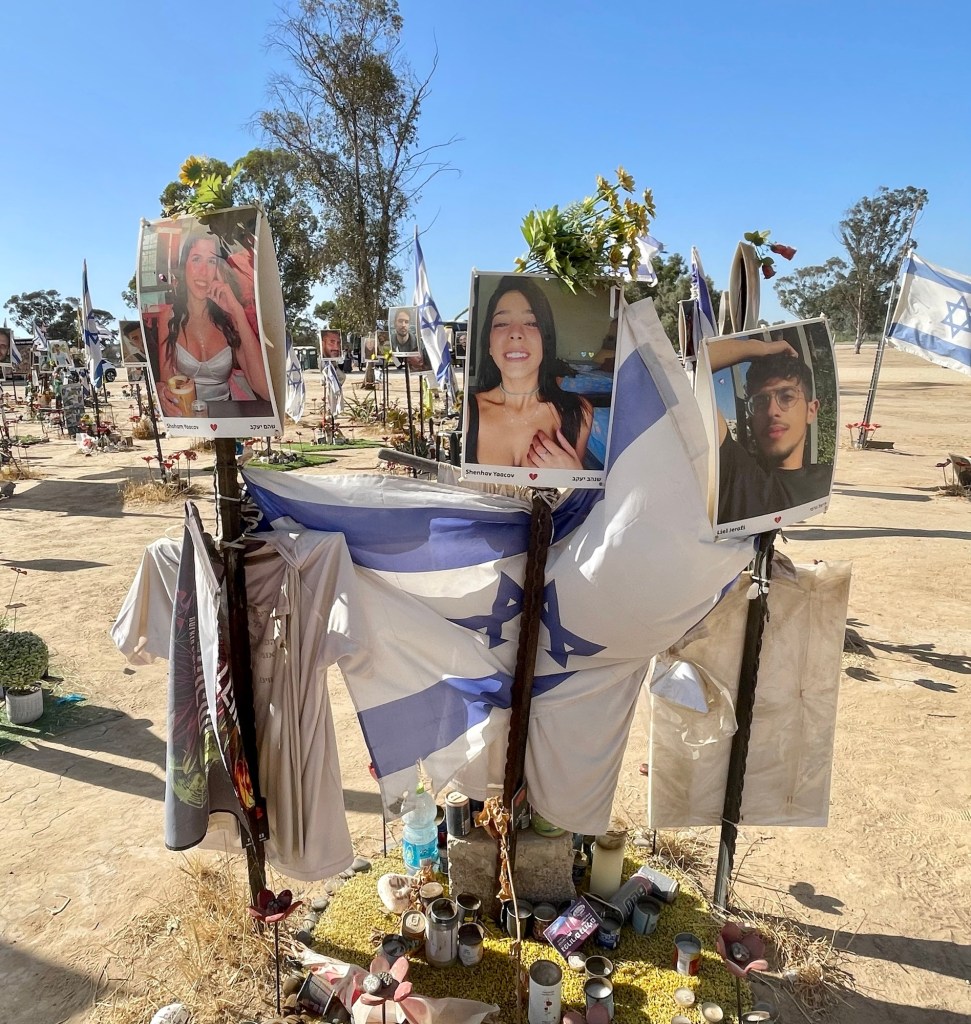
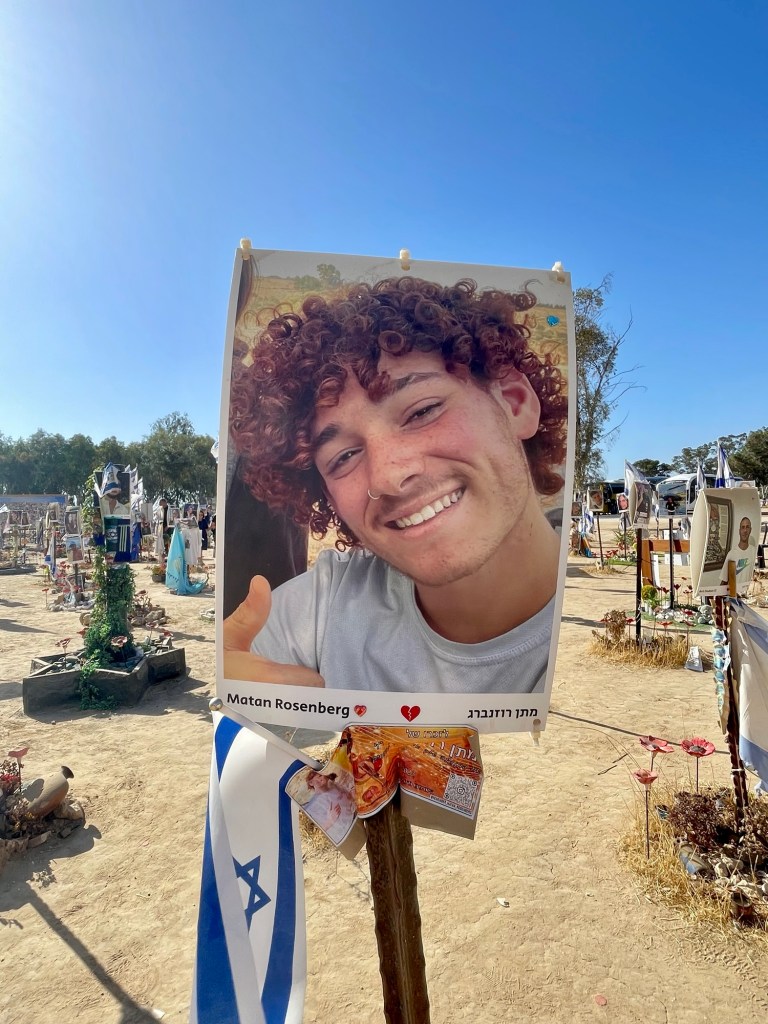
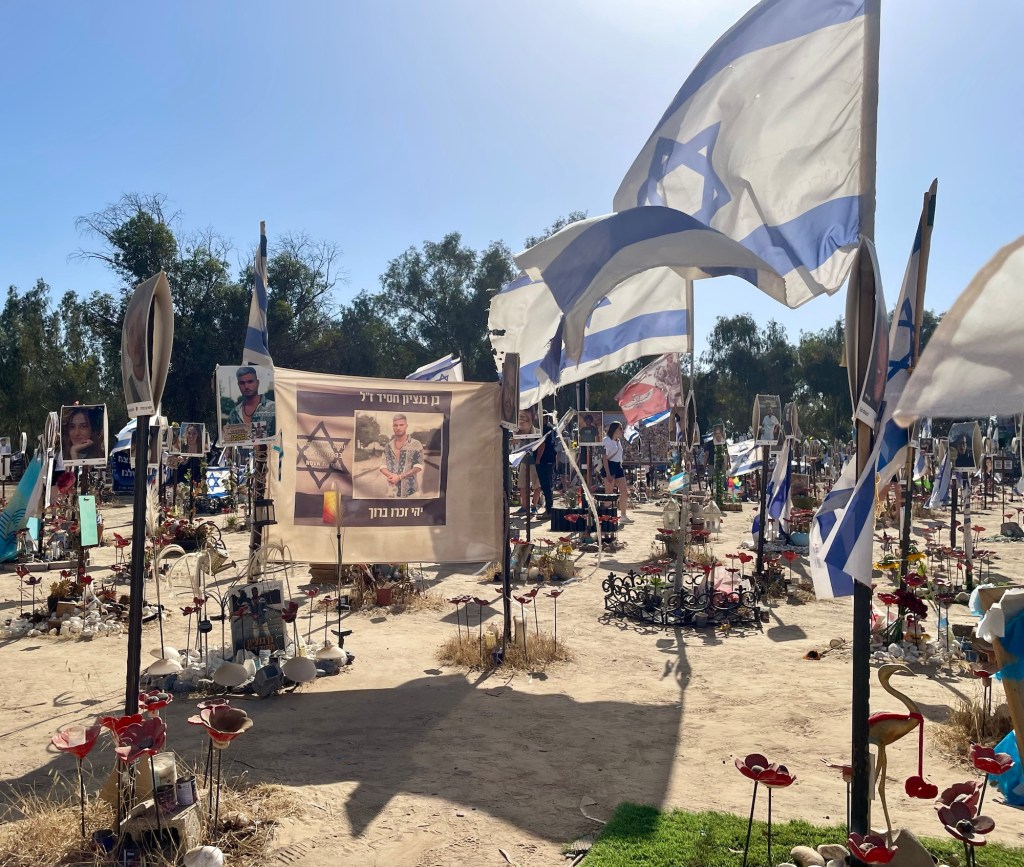
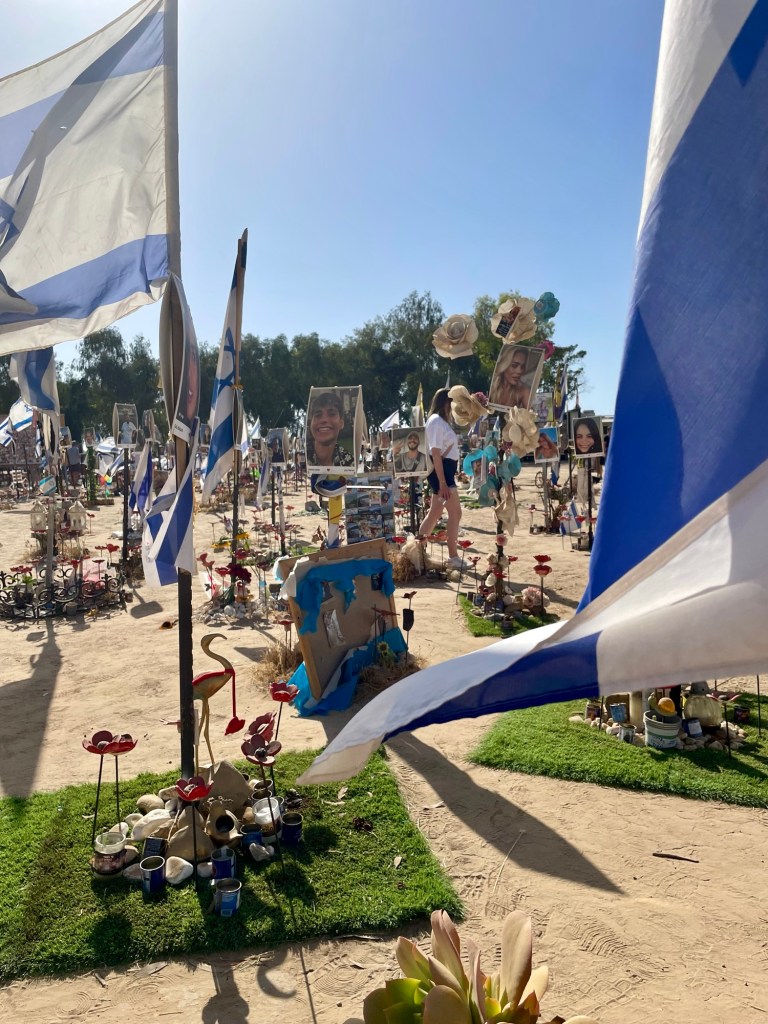
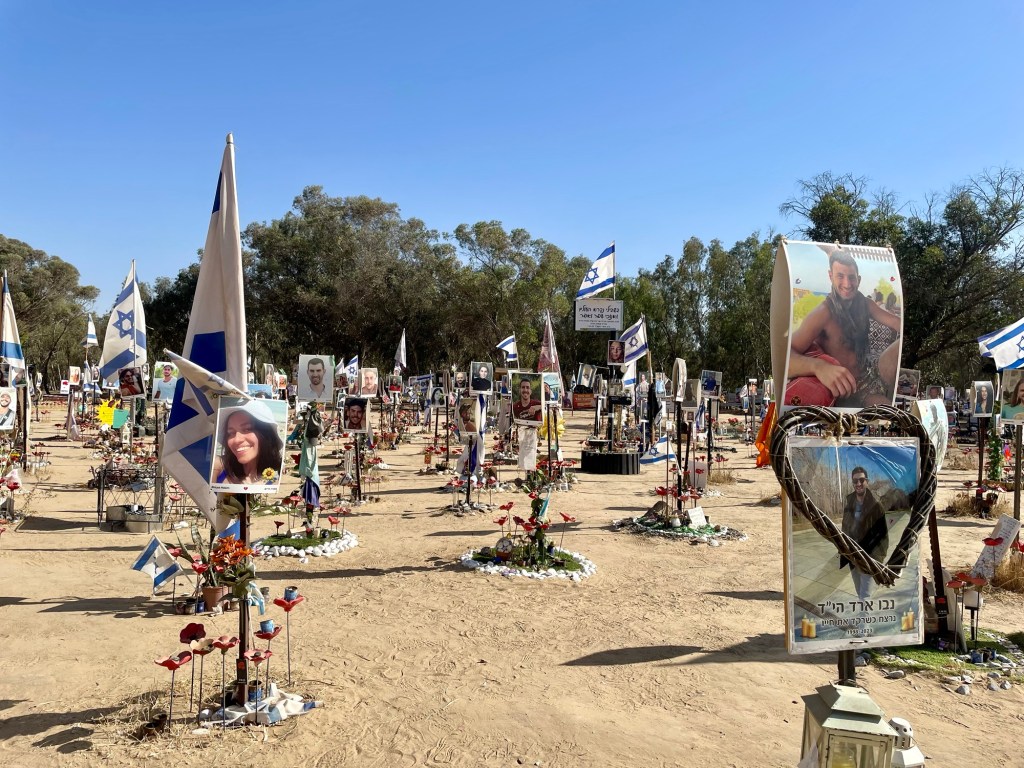
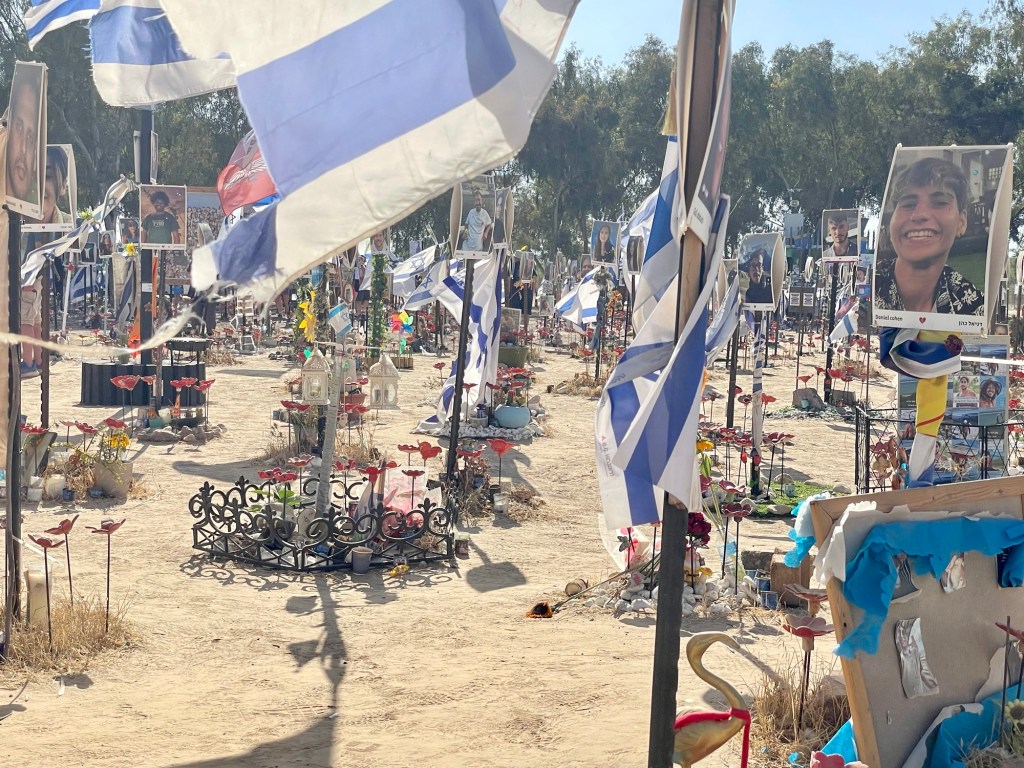
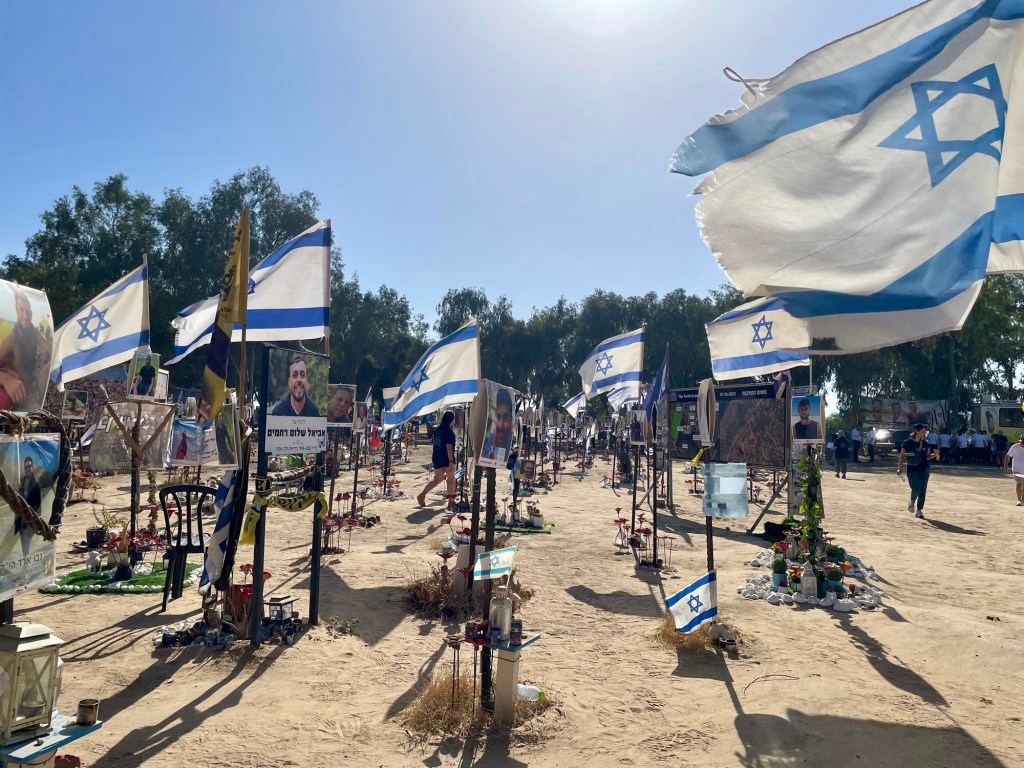
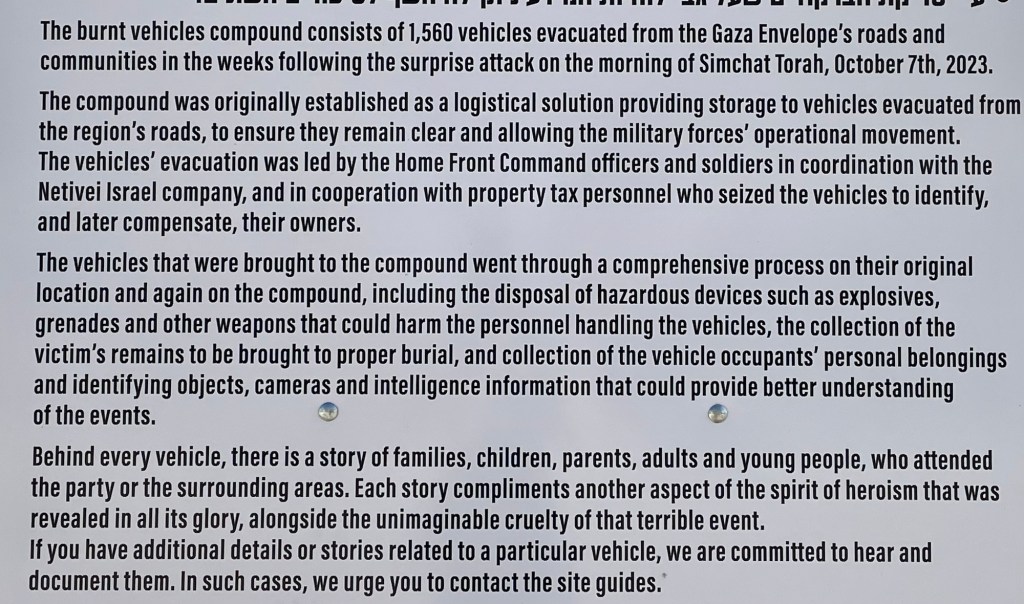
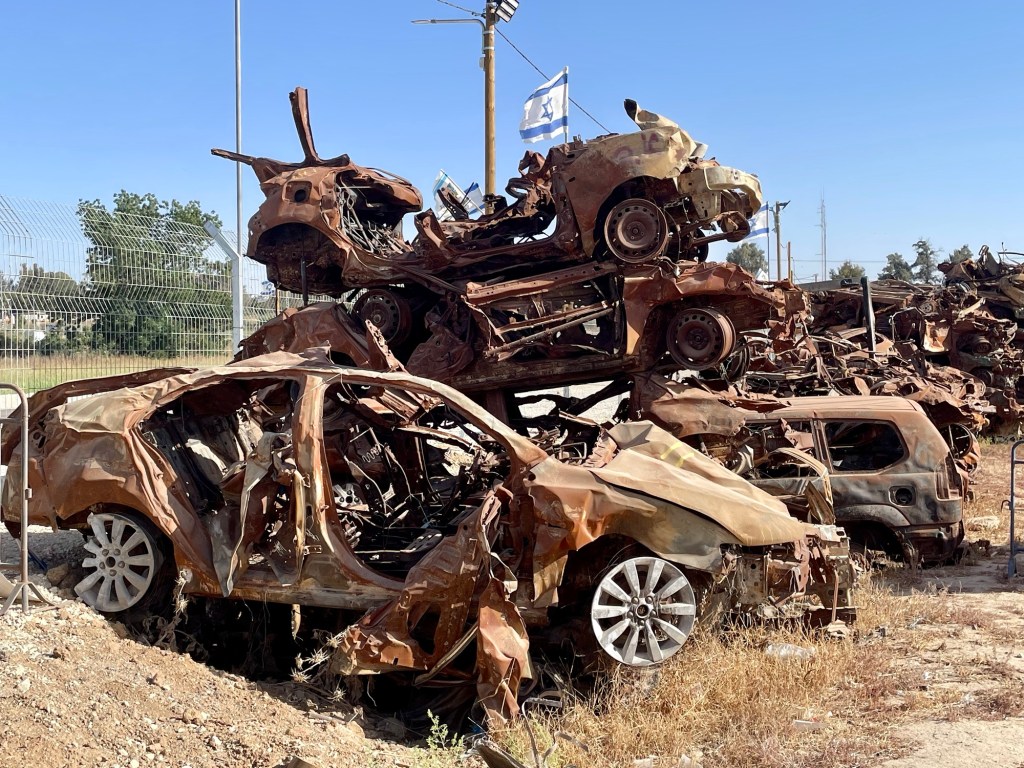
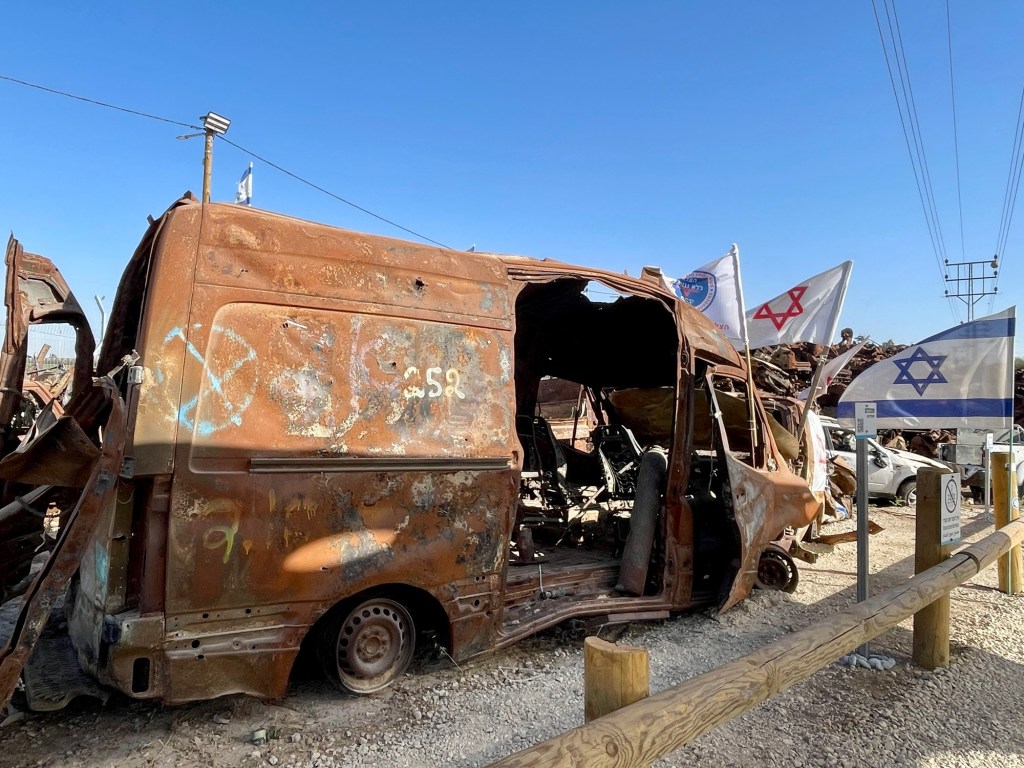
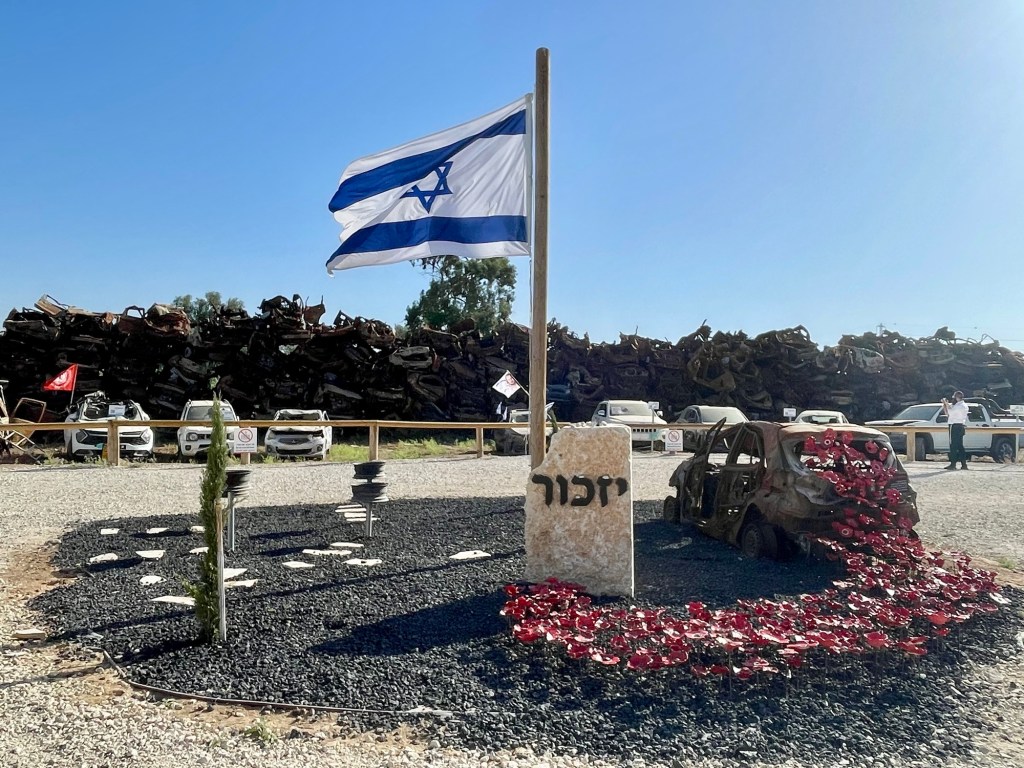
After visiting the site, we made a brief stop at an area where they have moved all of the vehicles that were deserted and burned on that day. There are hundreds of cars at this site.
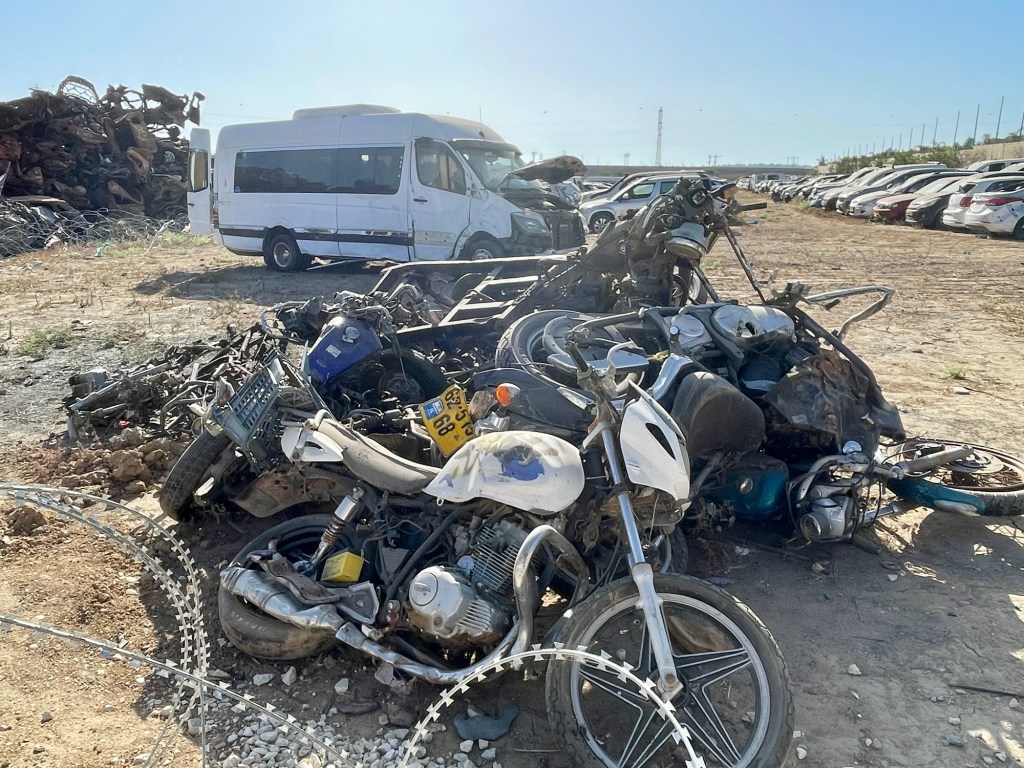
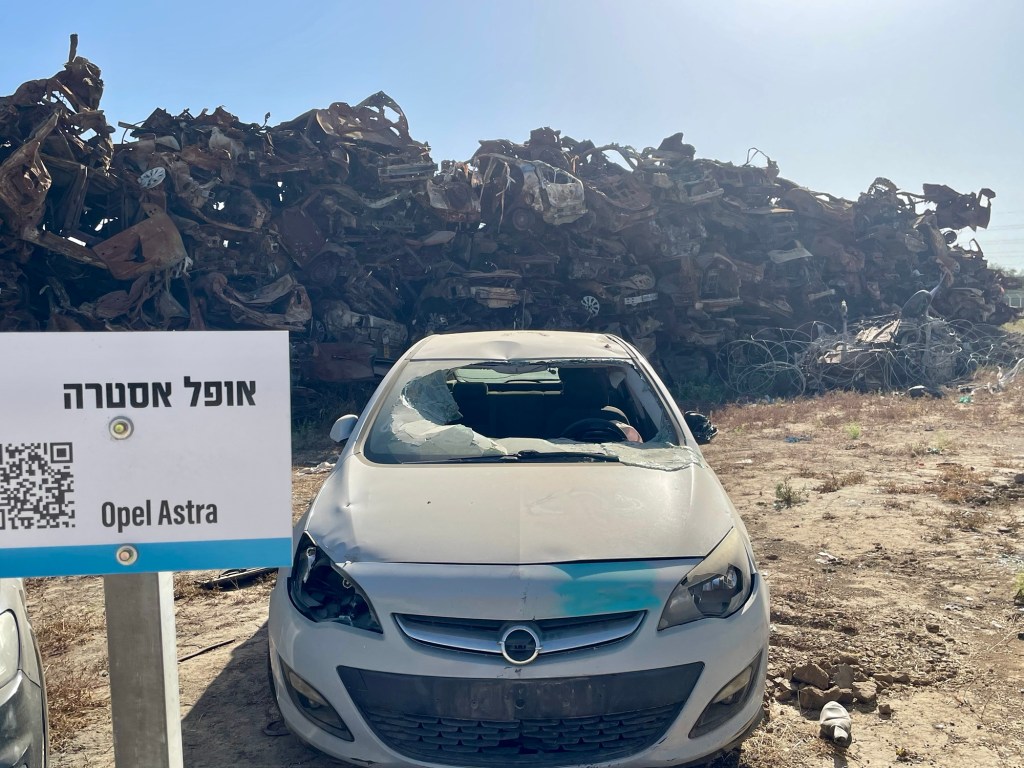
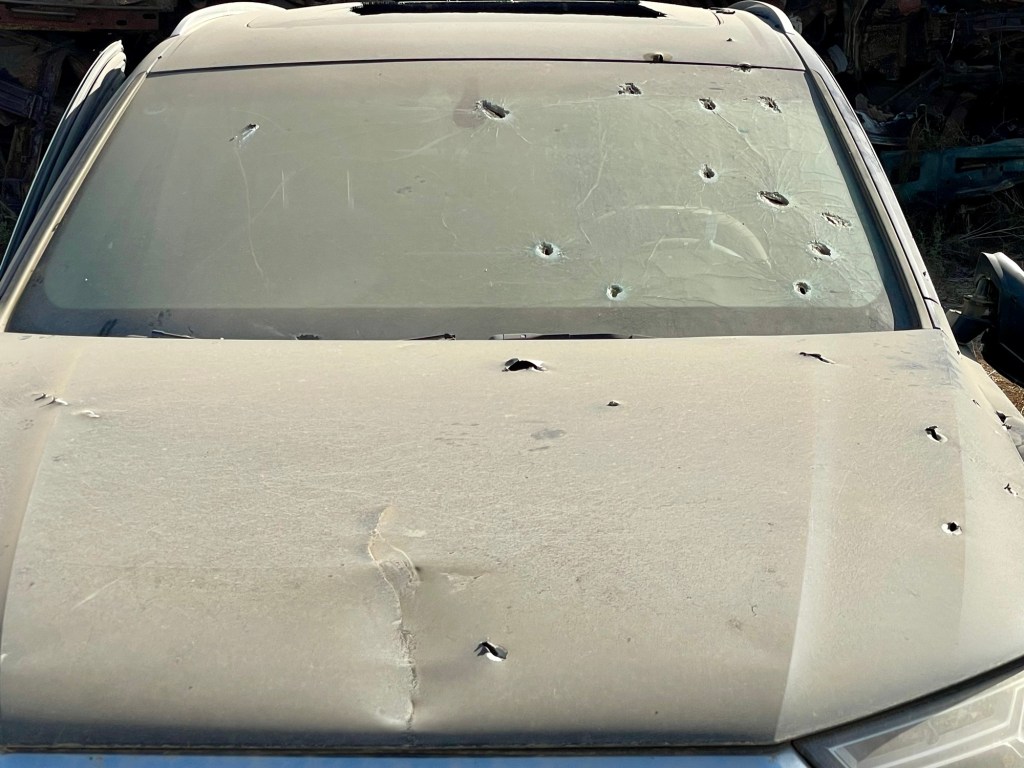
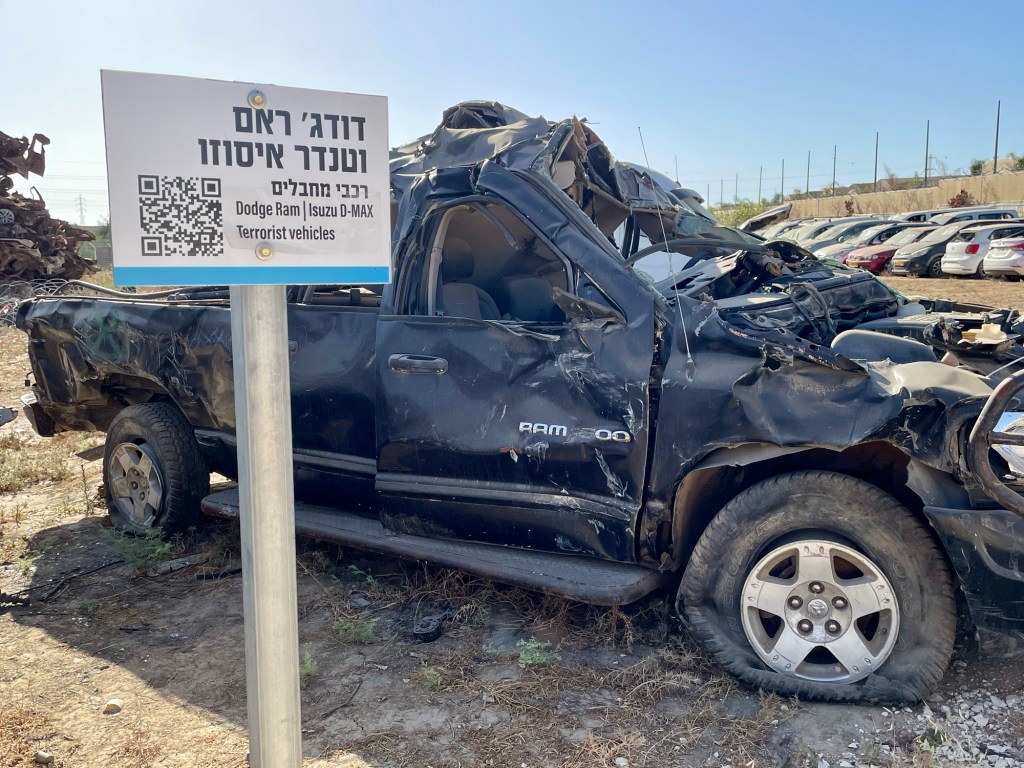
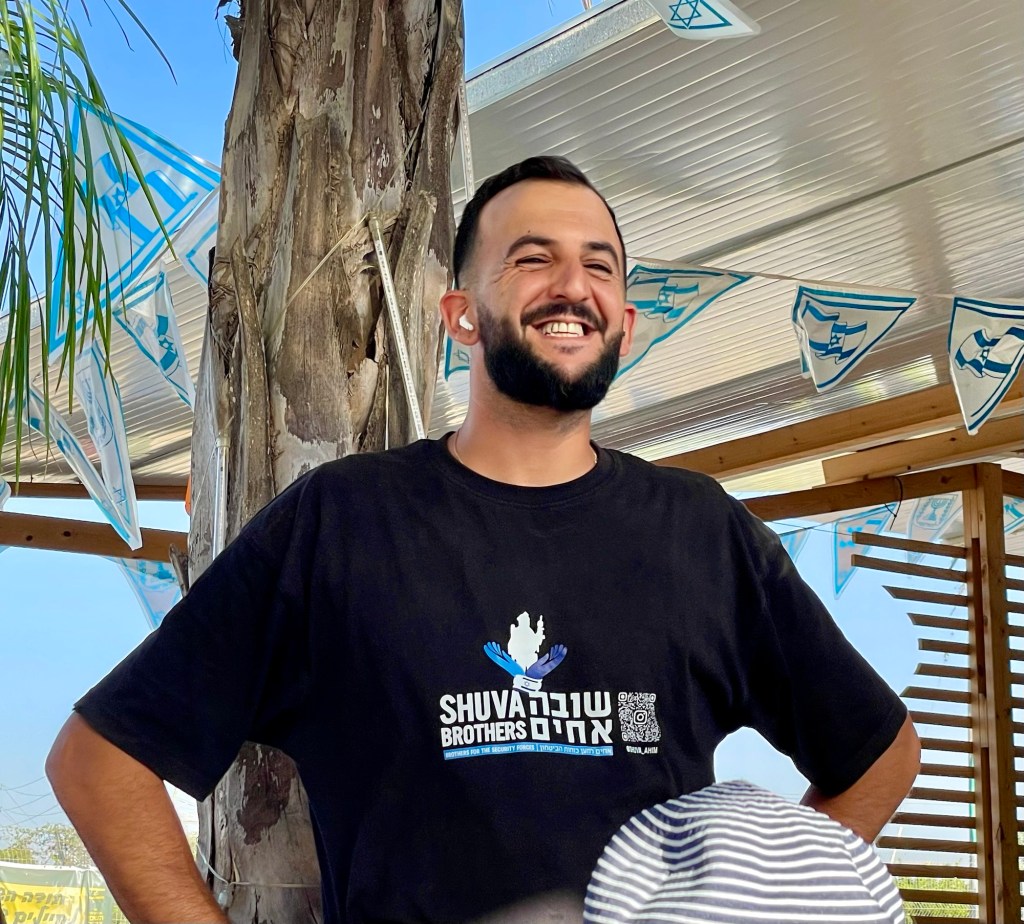
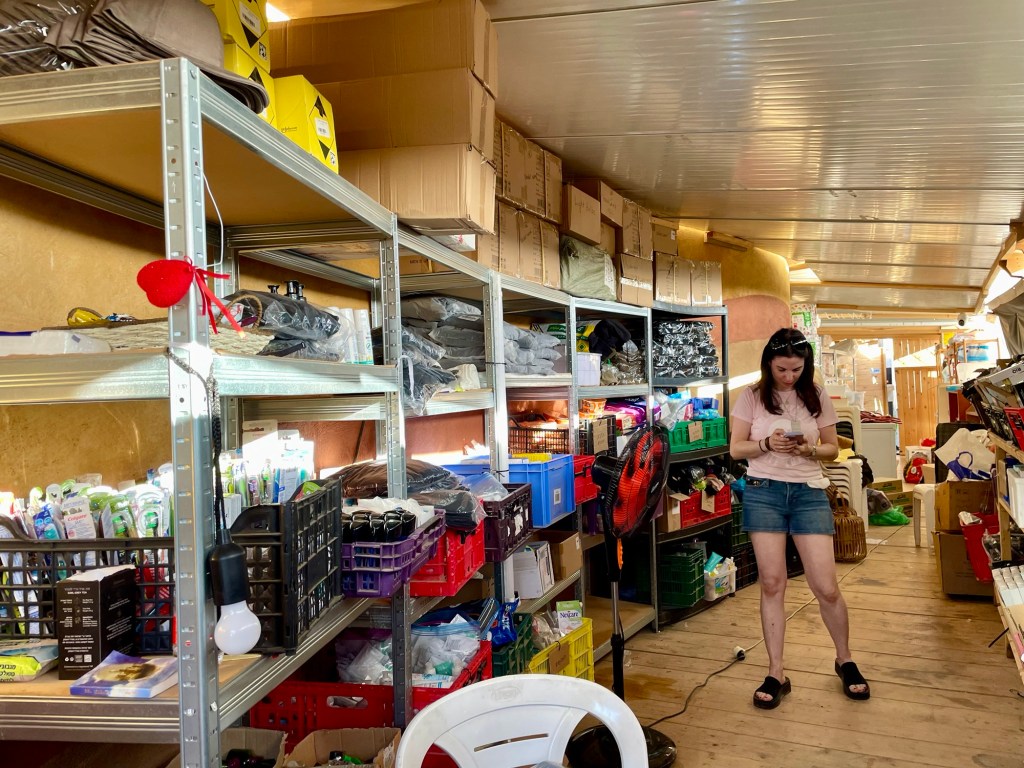
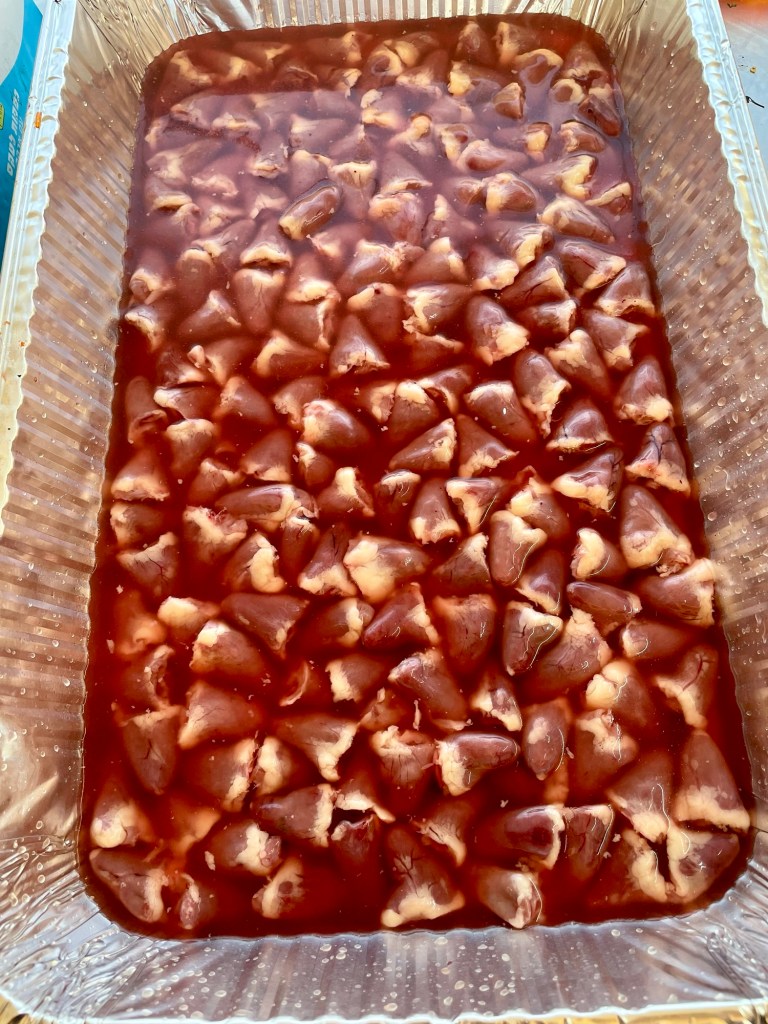
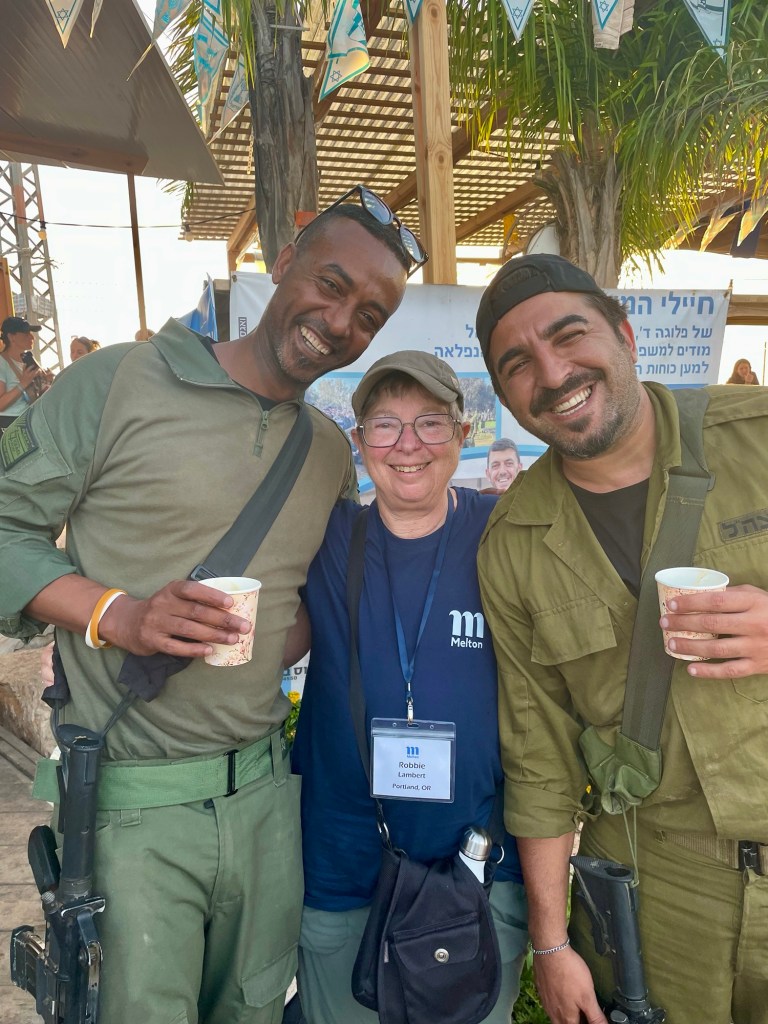
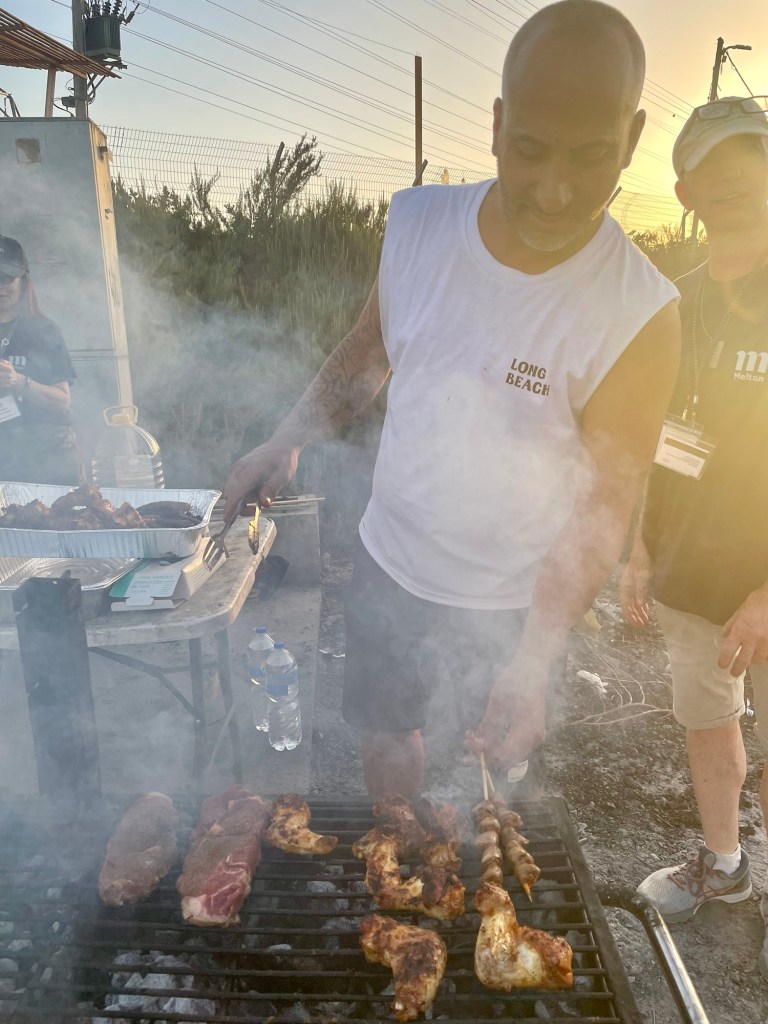
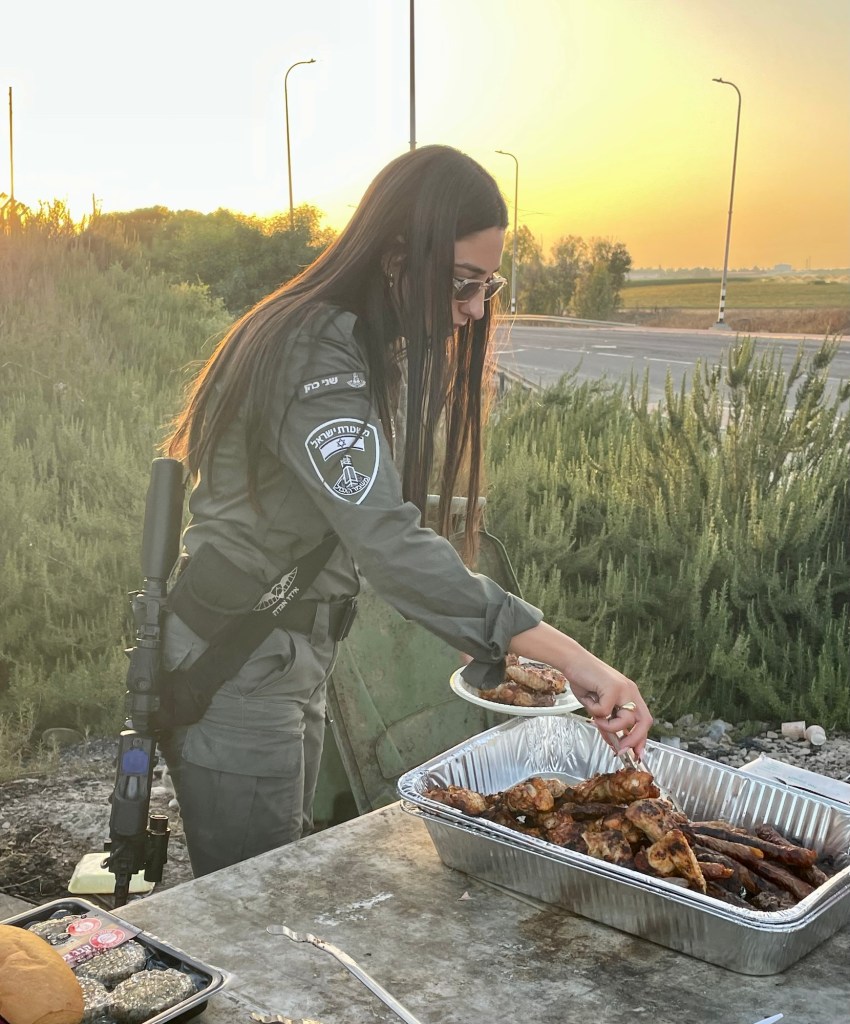
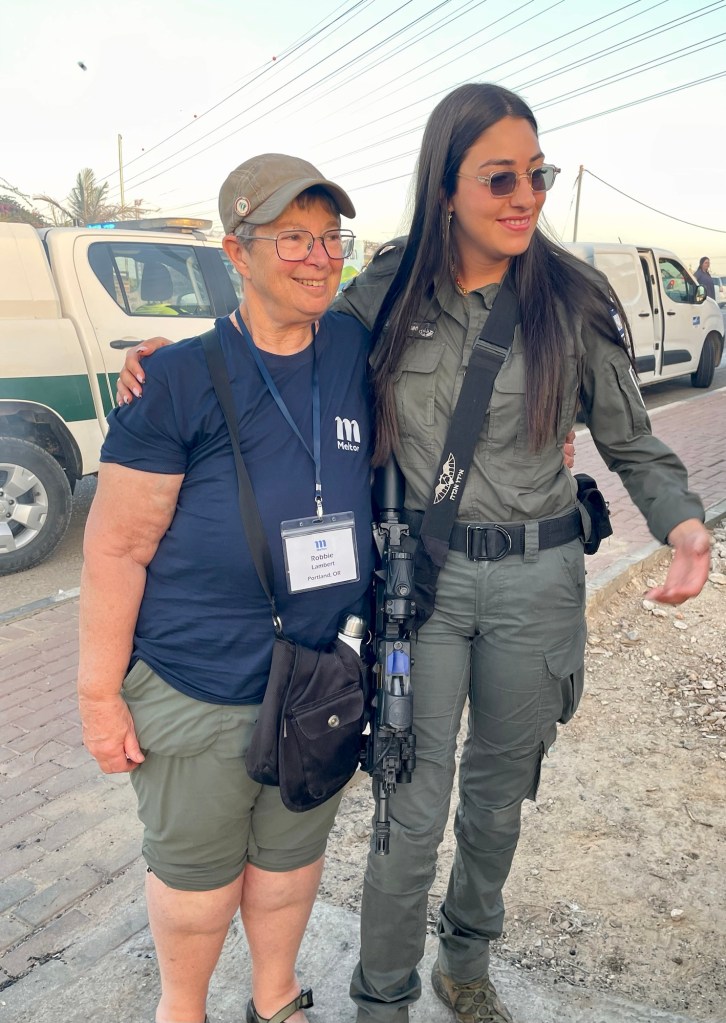
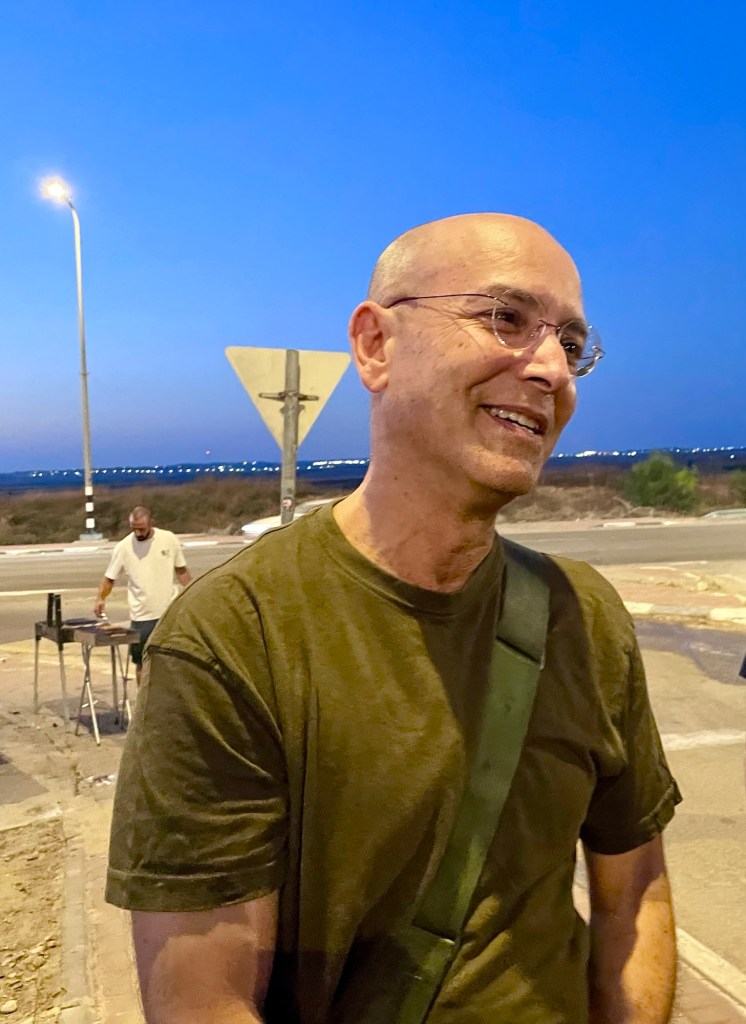
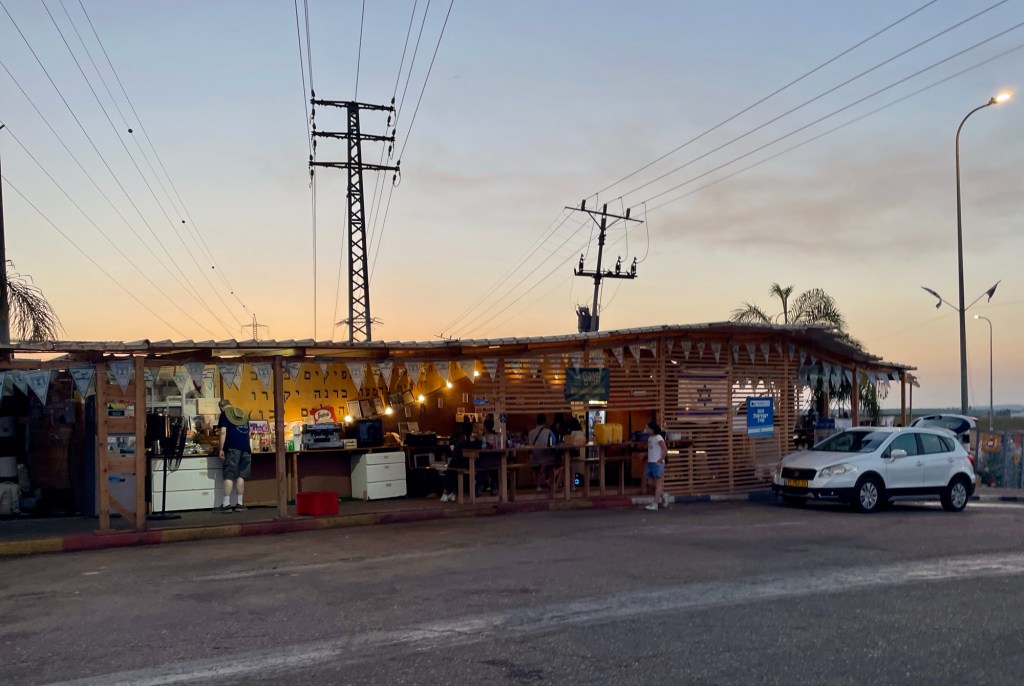
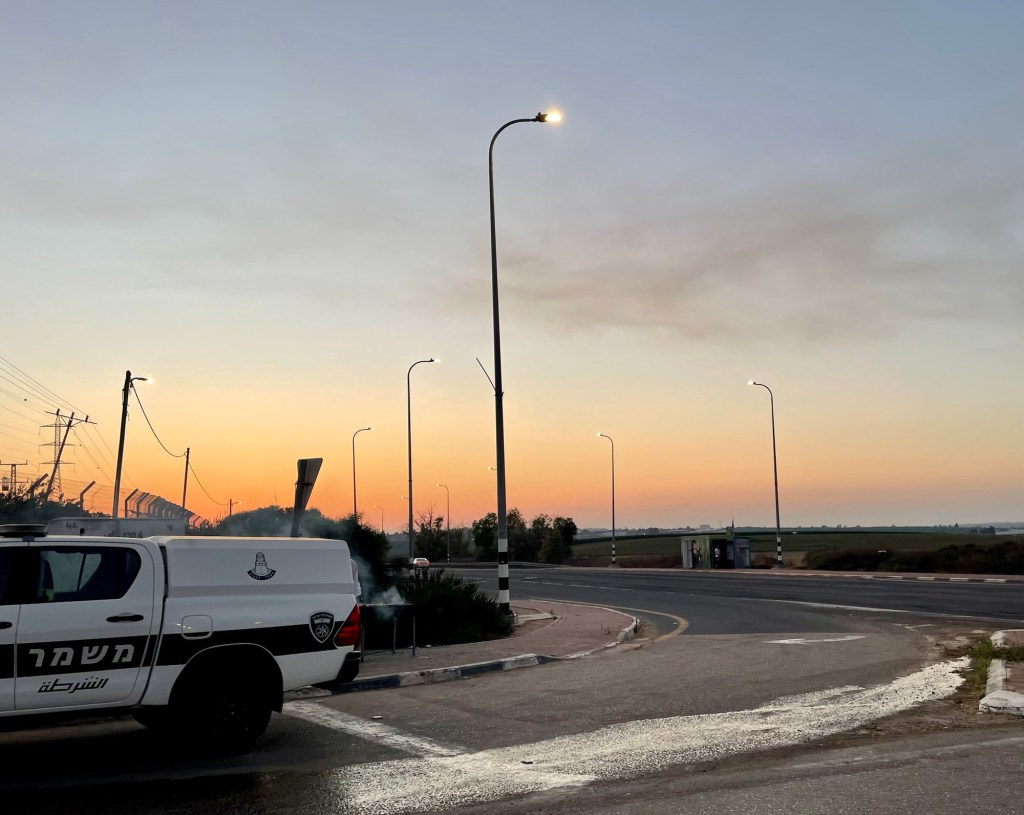
We next visited an organization, Shuva Brothers that prepares meals and provides supplies for soldiers. Our group brought packages of super absorbent T-shirts to give to this organization. Where they serve the meals is less than a kilometer from the border. It is at the entrance to Kibbutz Shuva. On October 7, the field across from the kibbutz was used as staging area for helicopters and other IDF vehicles. The wounded and dead were evacuated from here. Shuva brothers was formed by three brothers. All their supplies and stuff are got from volunteers and donations. They service at least 100 soldiers a day. These soldiers are the ones that are leaving Gaza for a break. They stop at this place to get some supplies, some food and some support. They are very willing to talk to us. Everybody we have encountered really appreciates our being here.
It is now 11:30 and I need to pack up because we are going to Jerusalem tomorrow.
 RobbieLambertsTravels
Wow, Robbie, what an intense experience! So emotional. So much heartache and heroism.
The food you were served looked so delicious! Thank you for including photos of you with some of the
people you are meeting. Very meaningful. What is the name of the organization providing the tour?
LikeLike
I am so glad that you are on this journey and that you are sharing what you are learning with us. It is much more detailed than what reads in the news and the pictures really help me understand what happened on October 7. The problem is so complex especially when one side is a terrorist organization. I continue to pray for peace. Stay safe and continue sharing what you are learning.
LikeLike
Nothing to say
LikeLike