We got up early today to do two major activities, one was a boat ride on the Douro River and the other was visiting a vineyard.
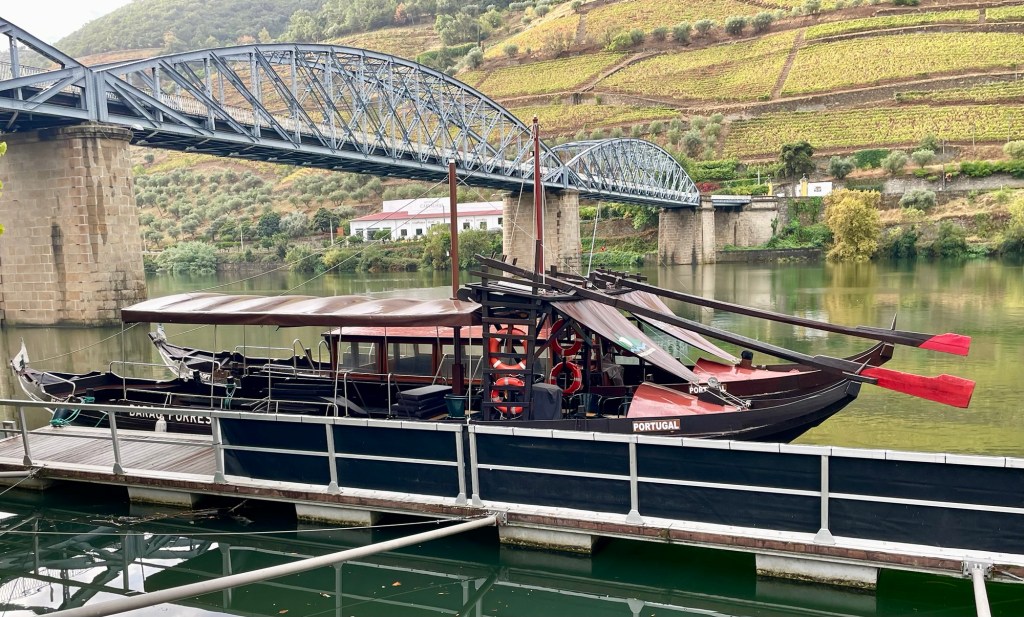
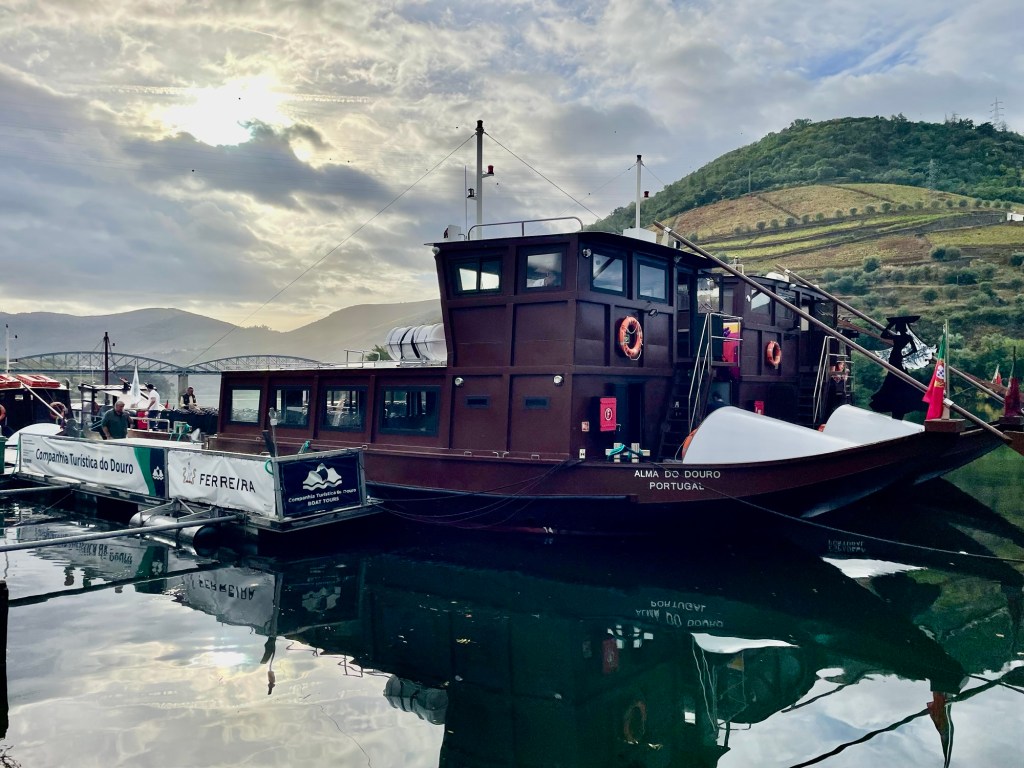
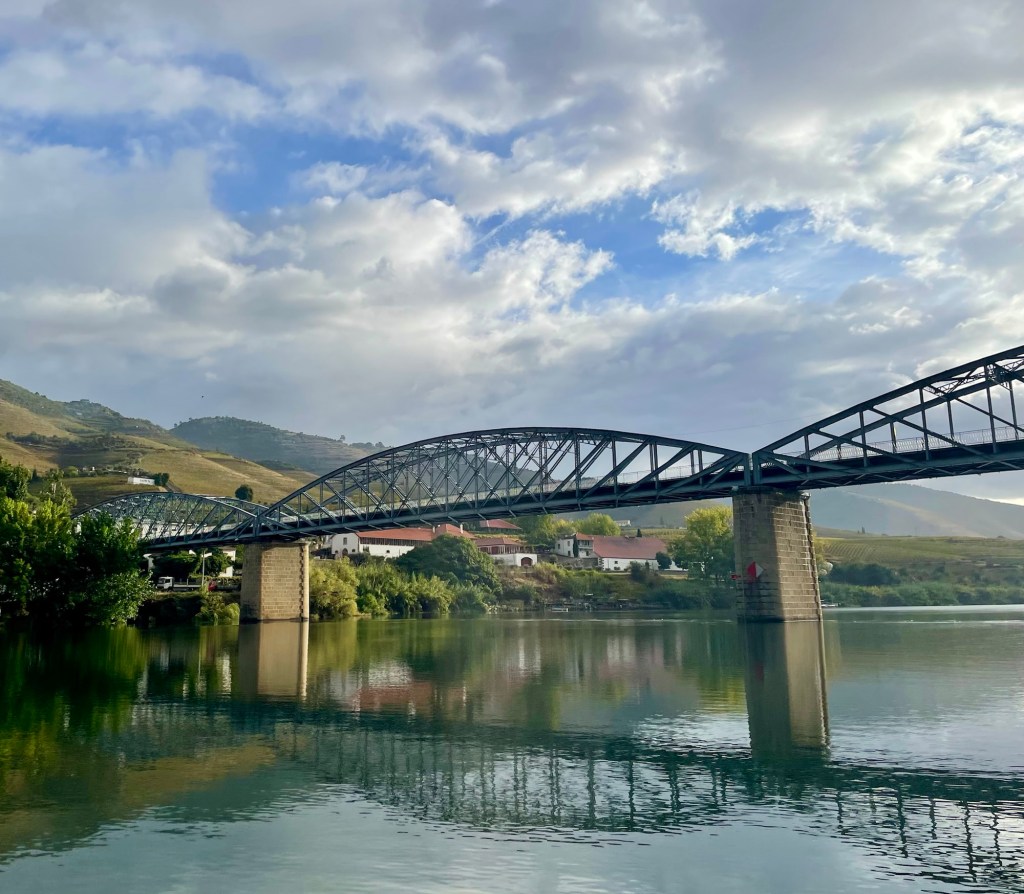
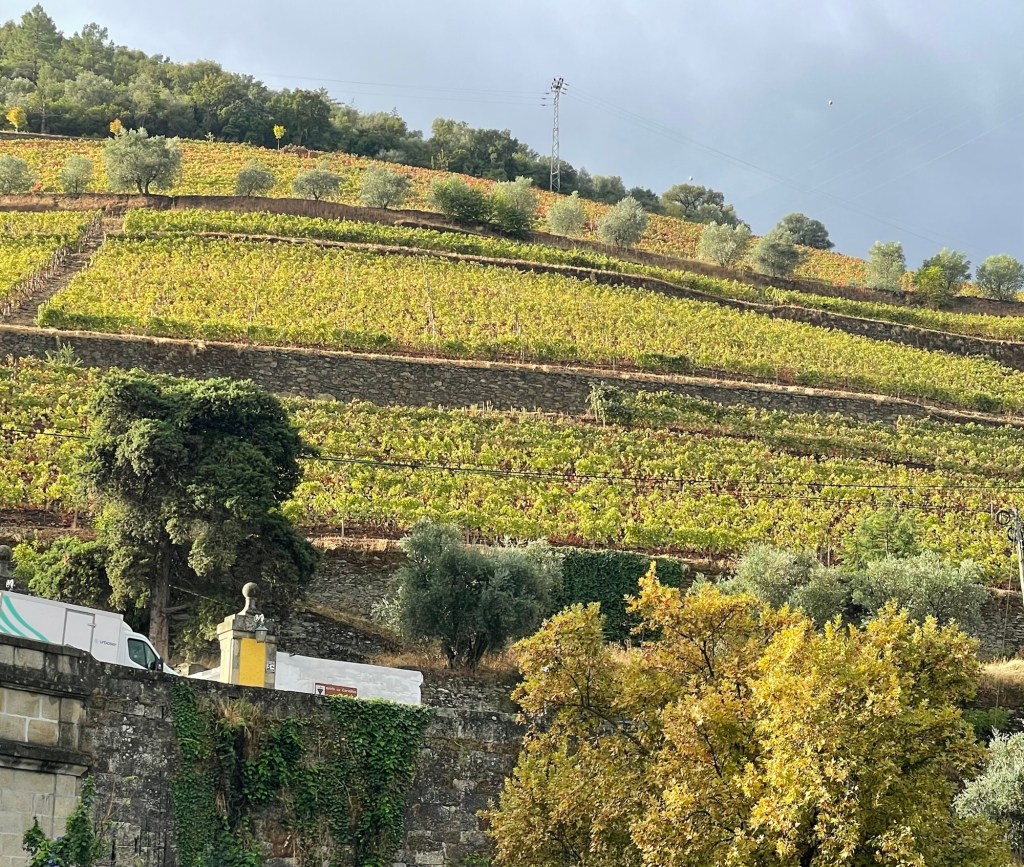
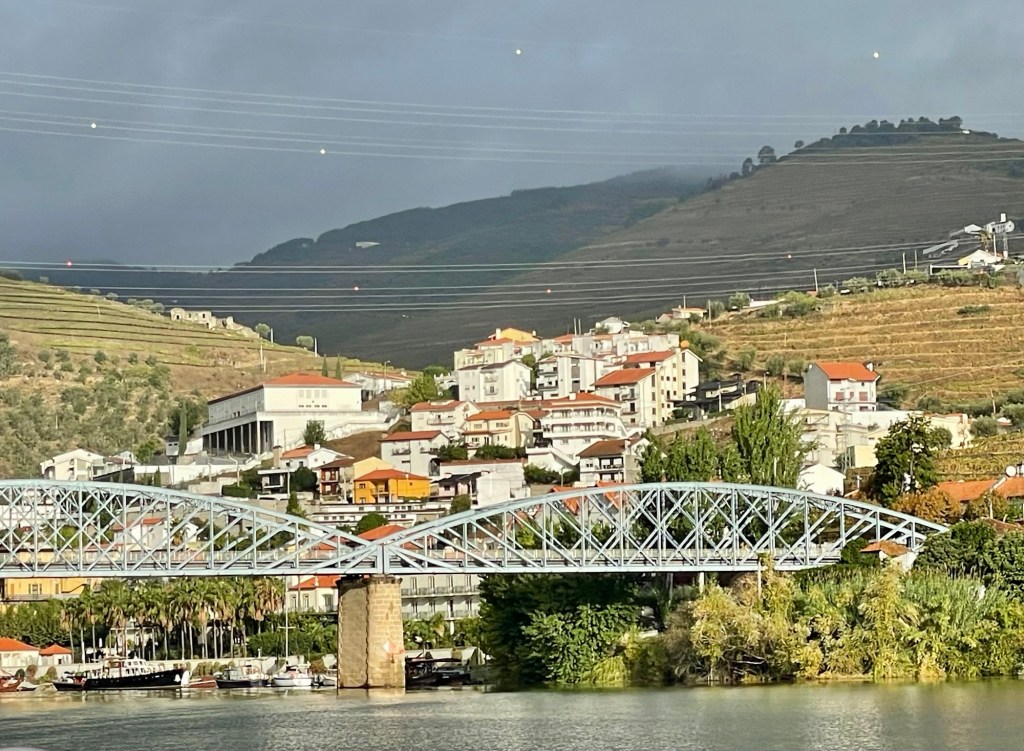
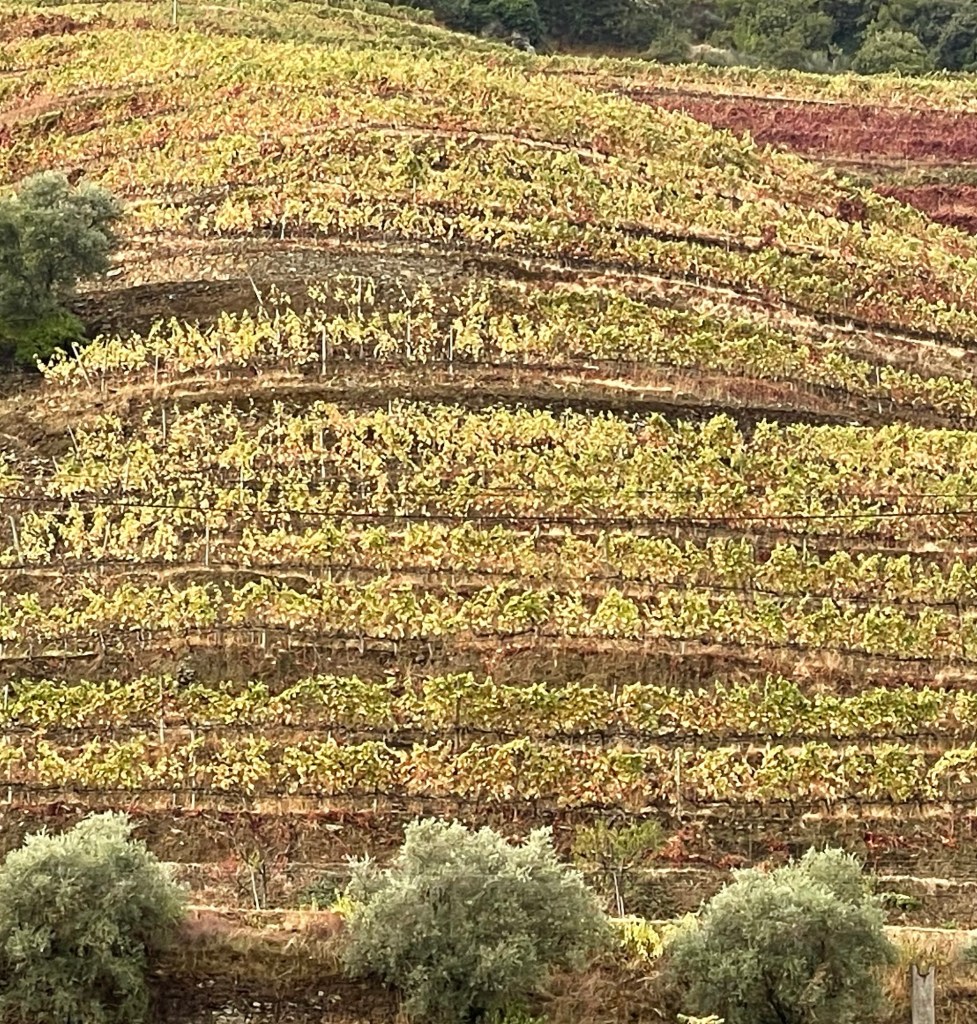
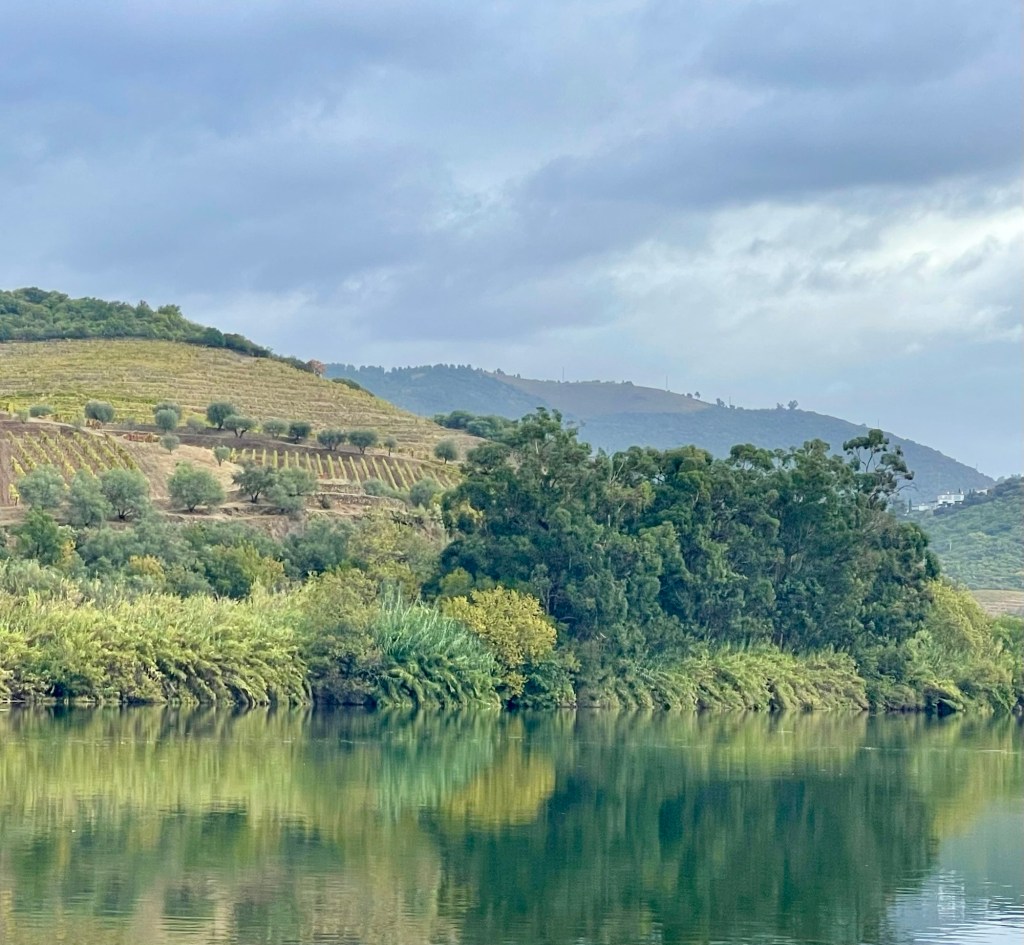
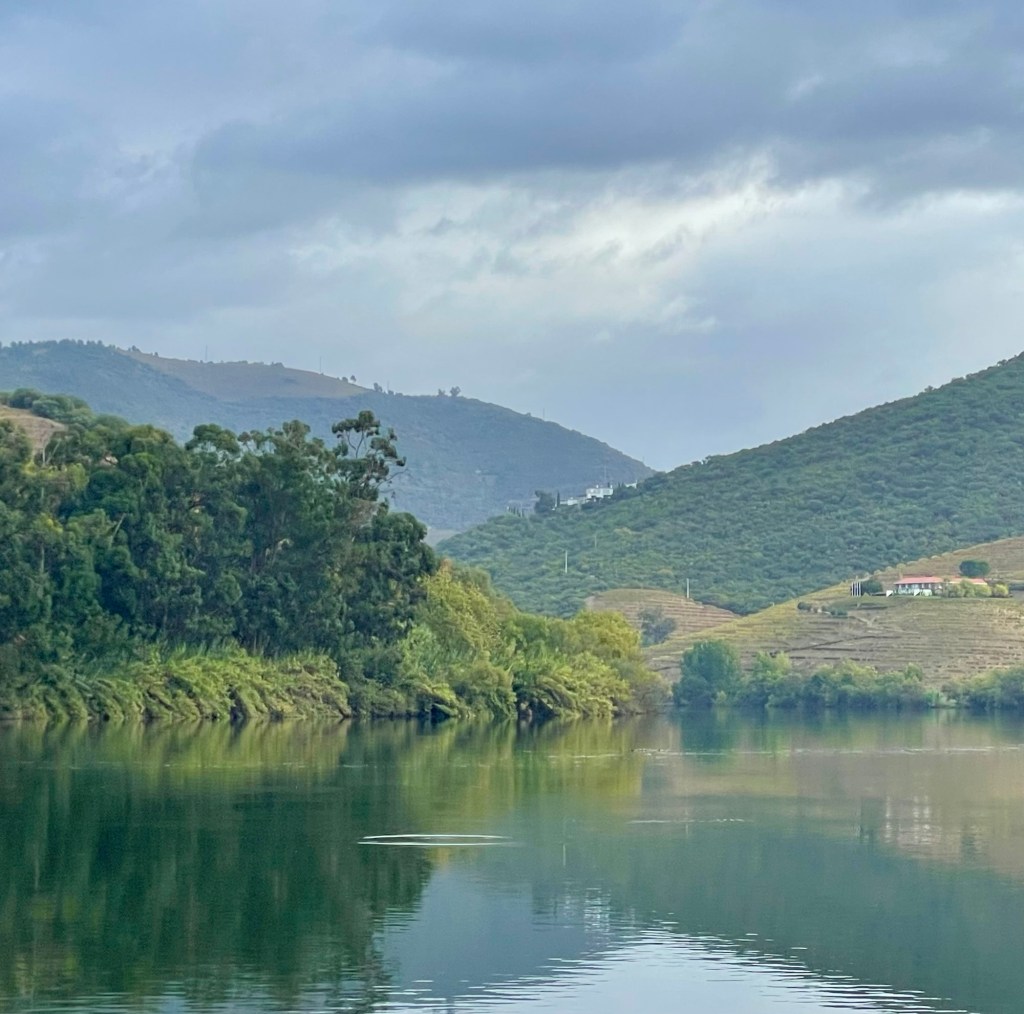
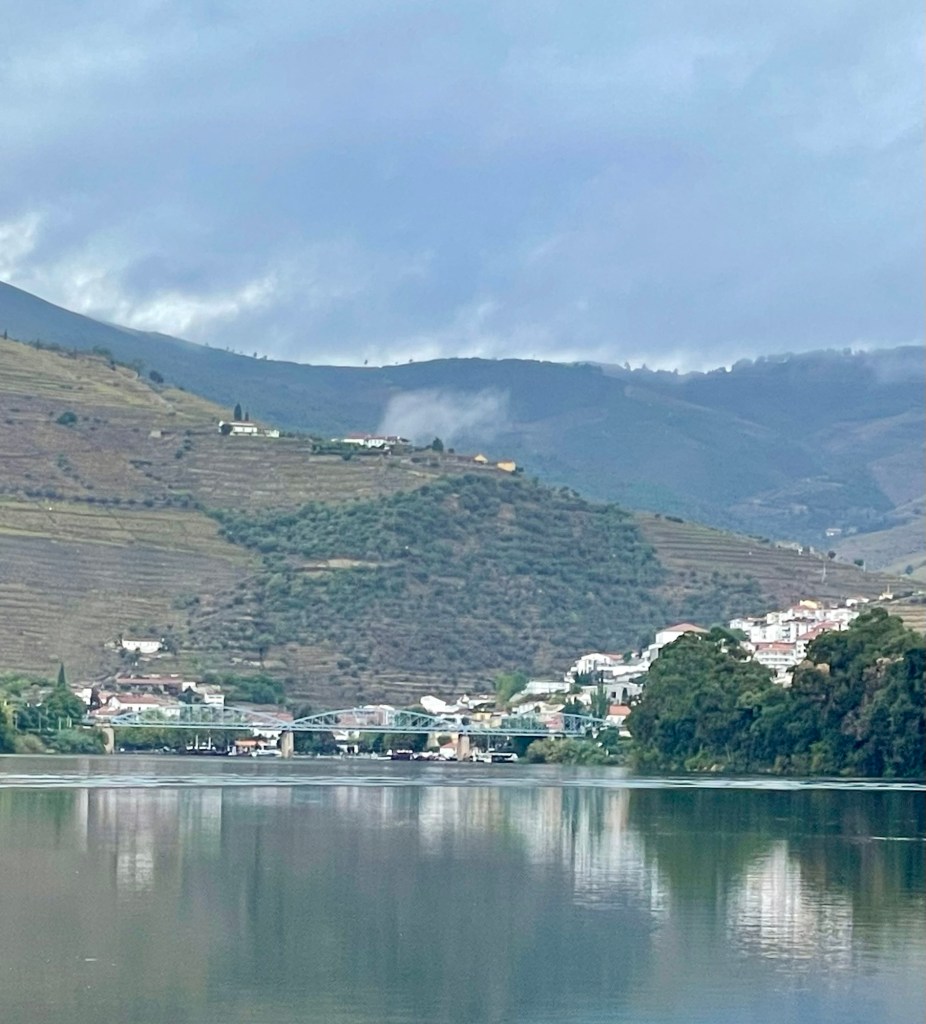
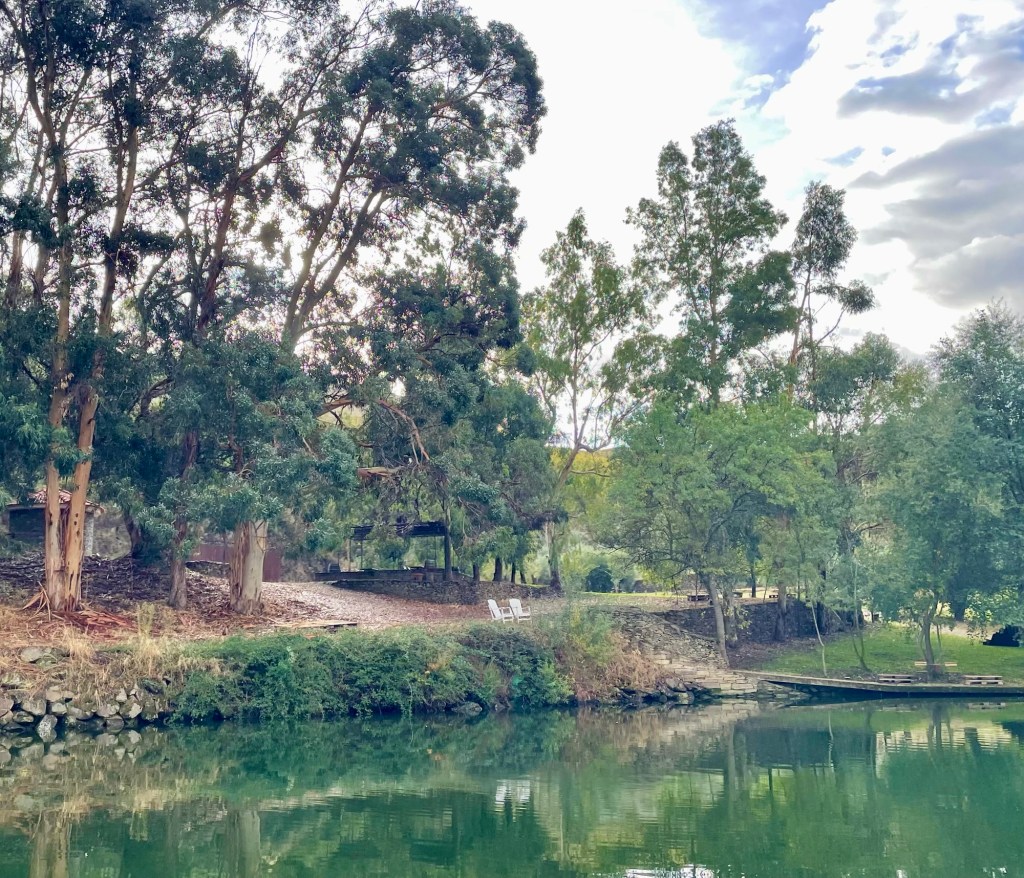
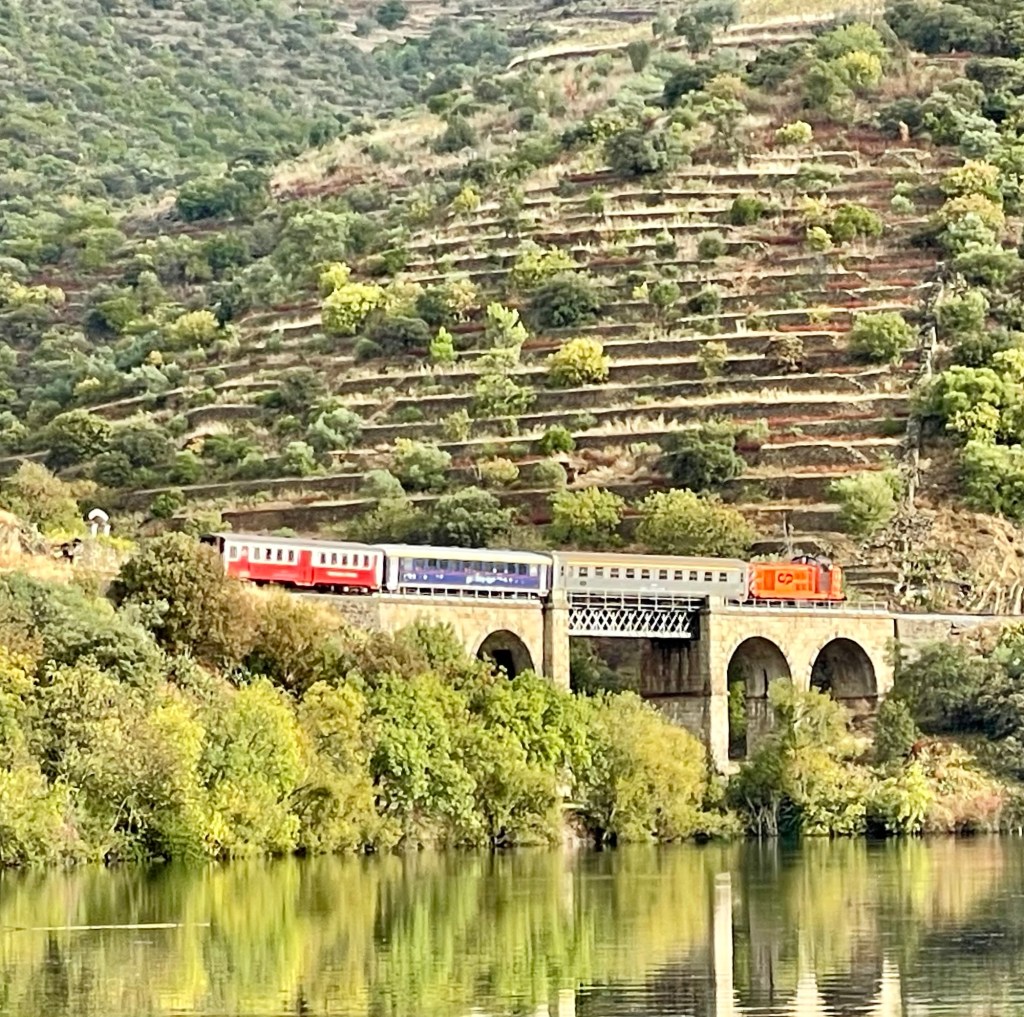
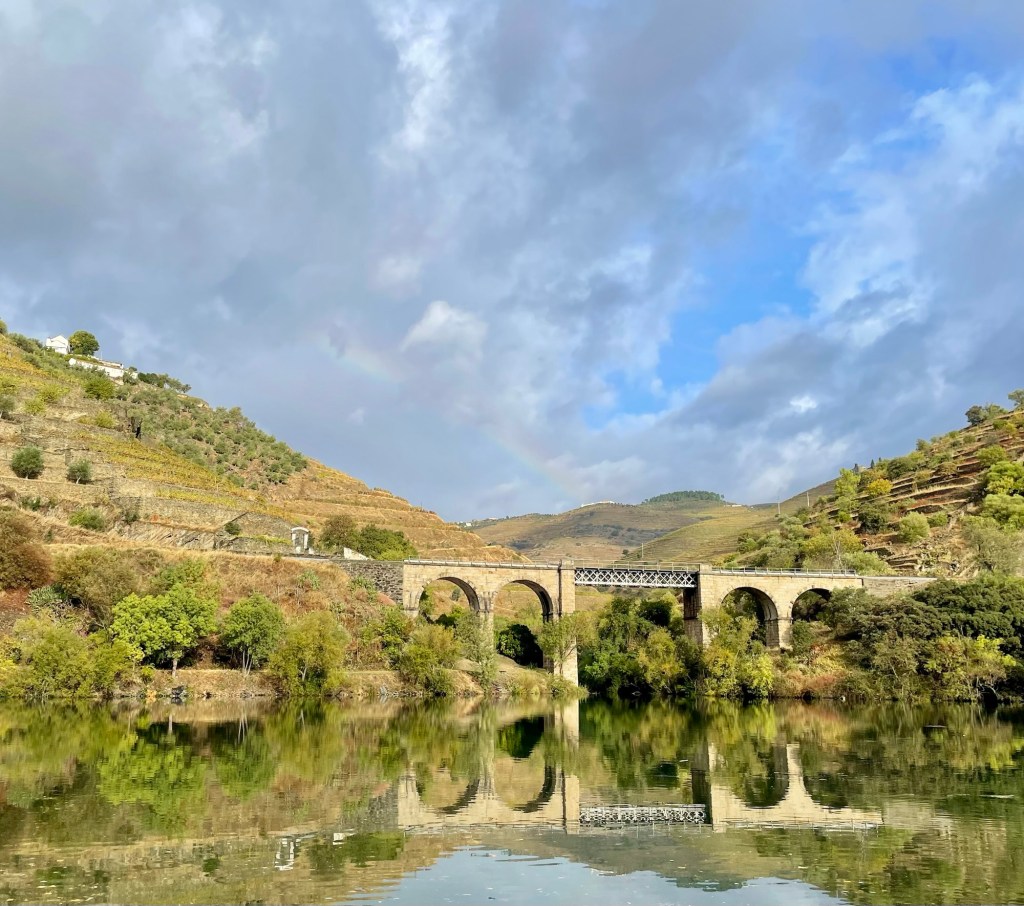
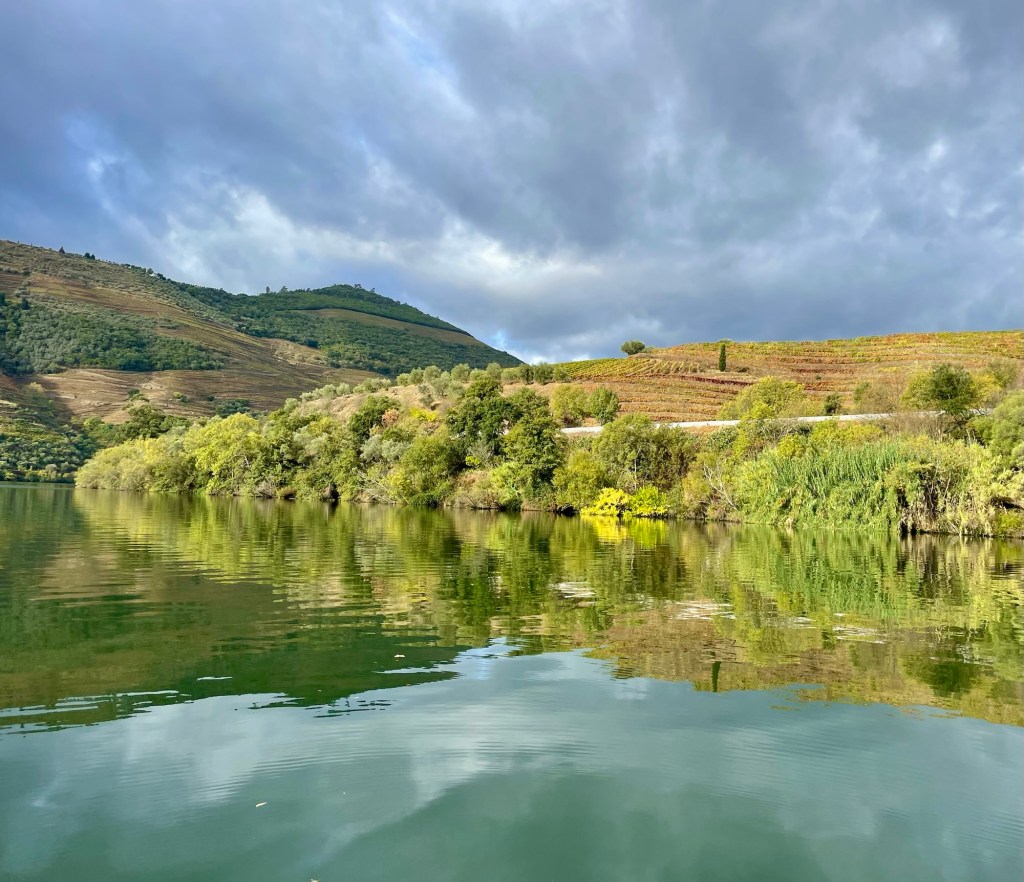
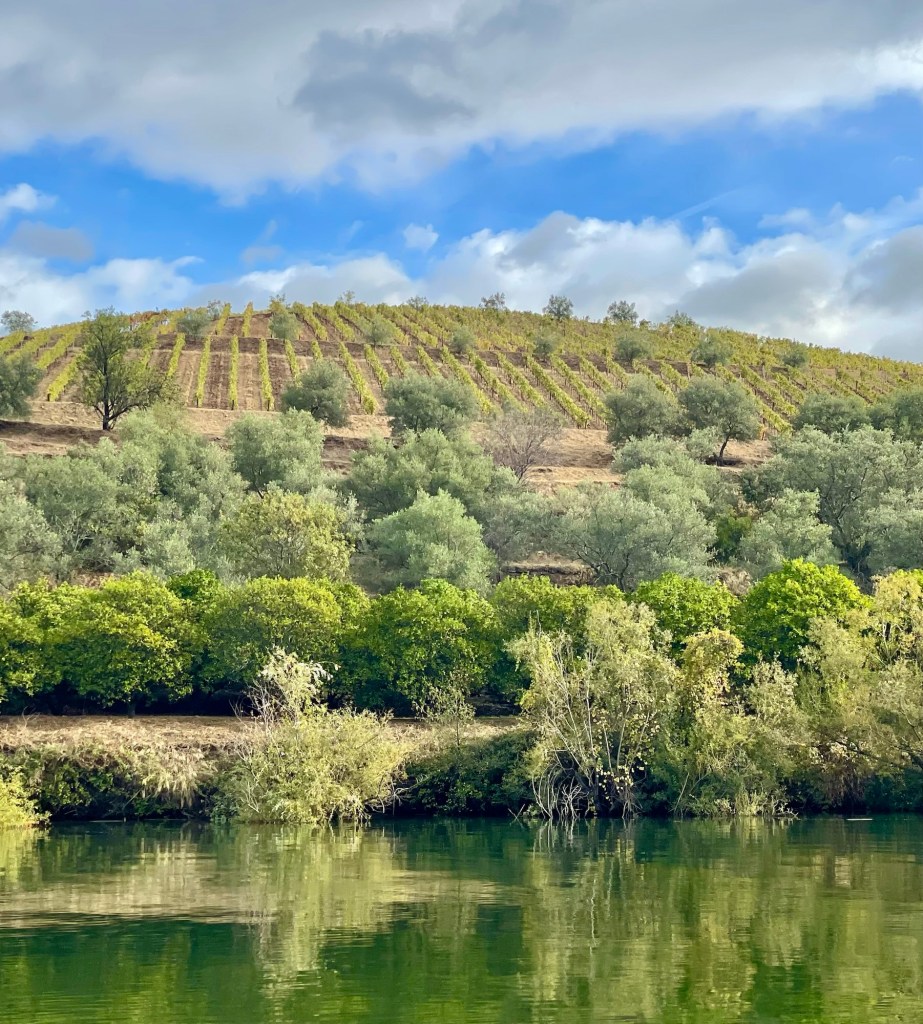
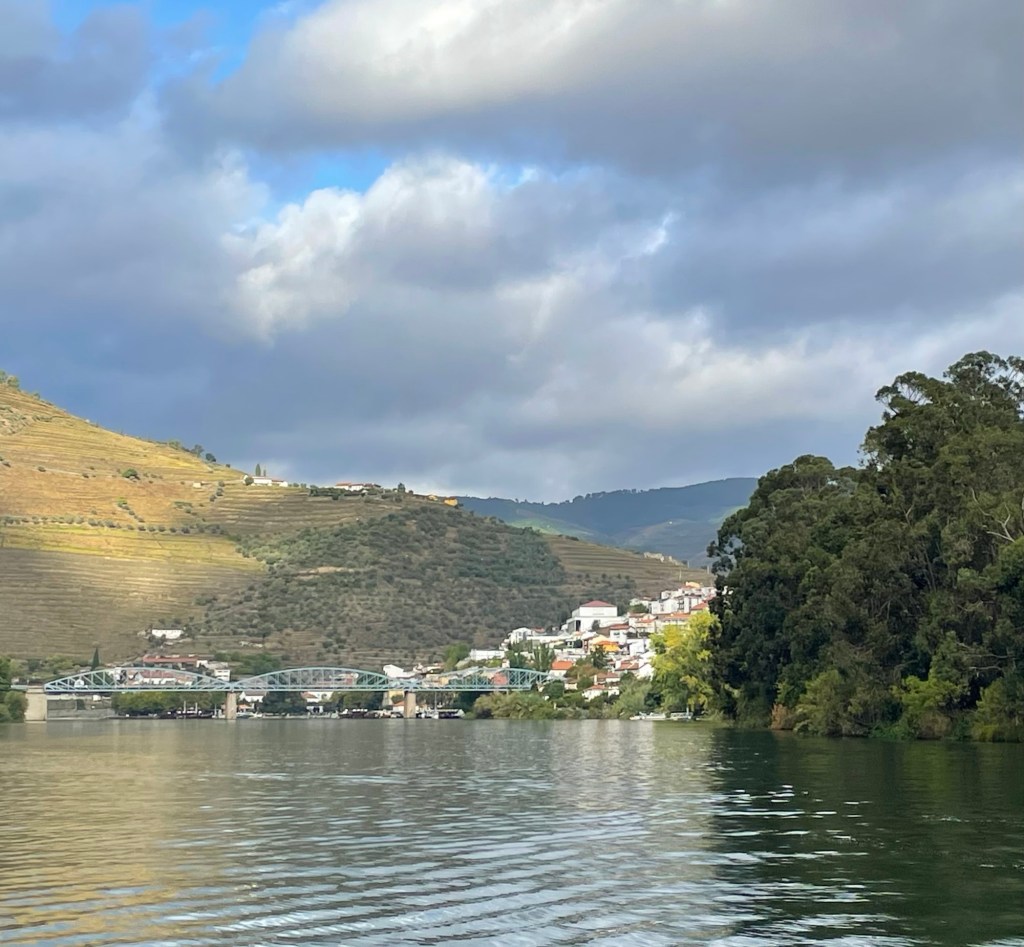
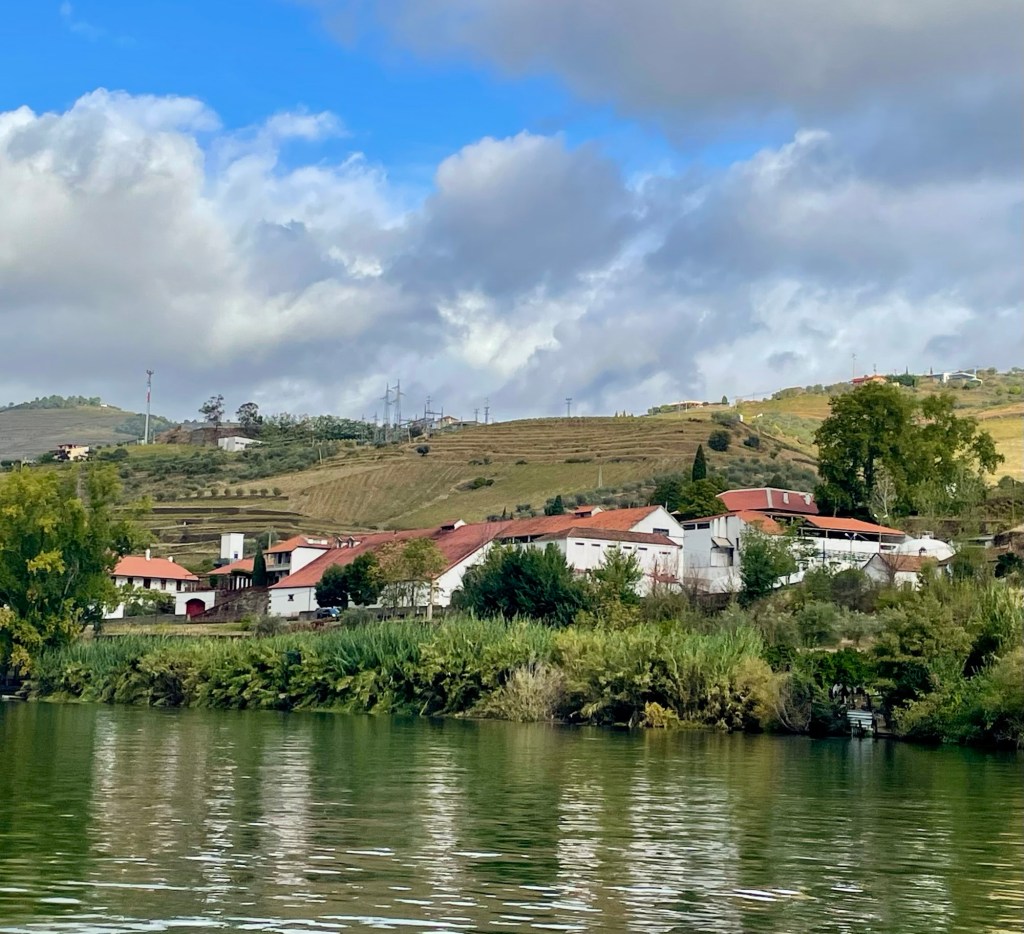
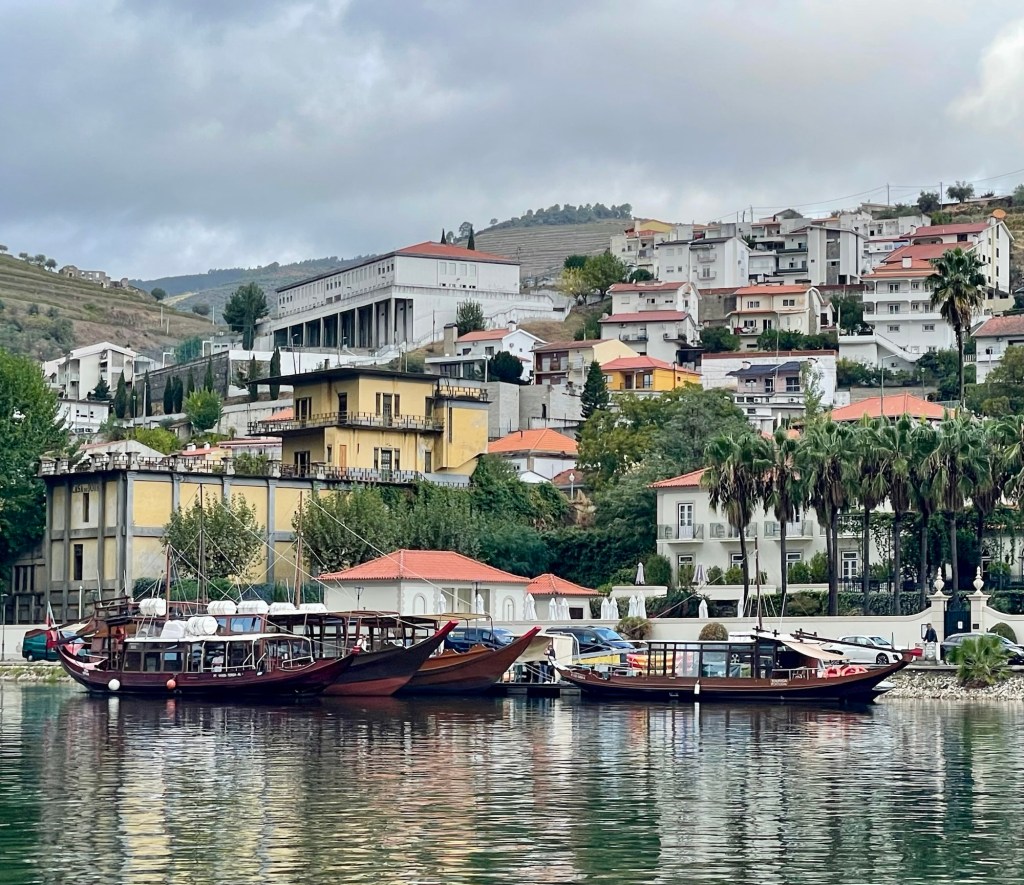
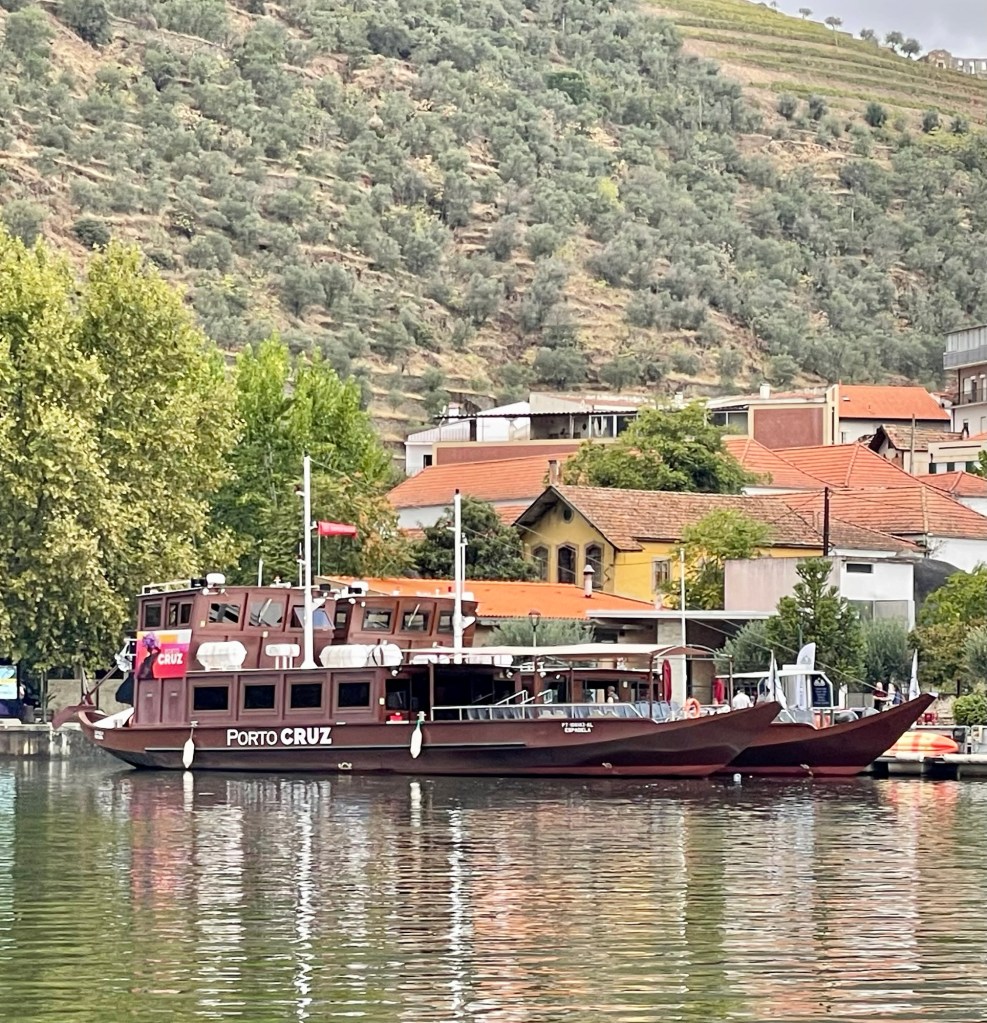
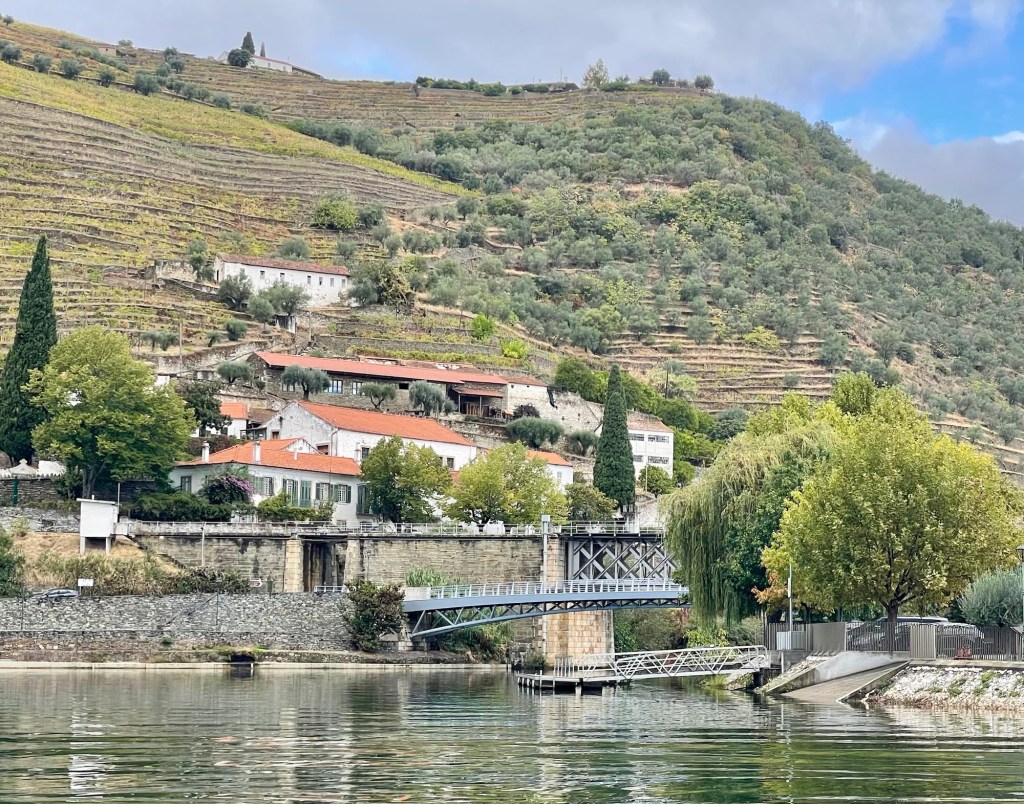
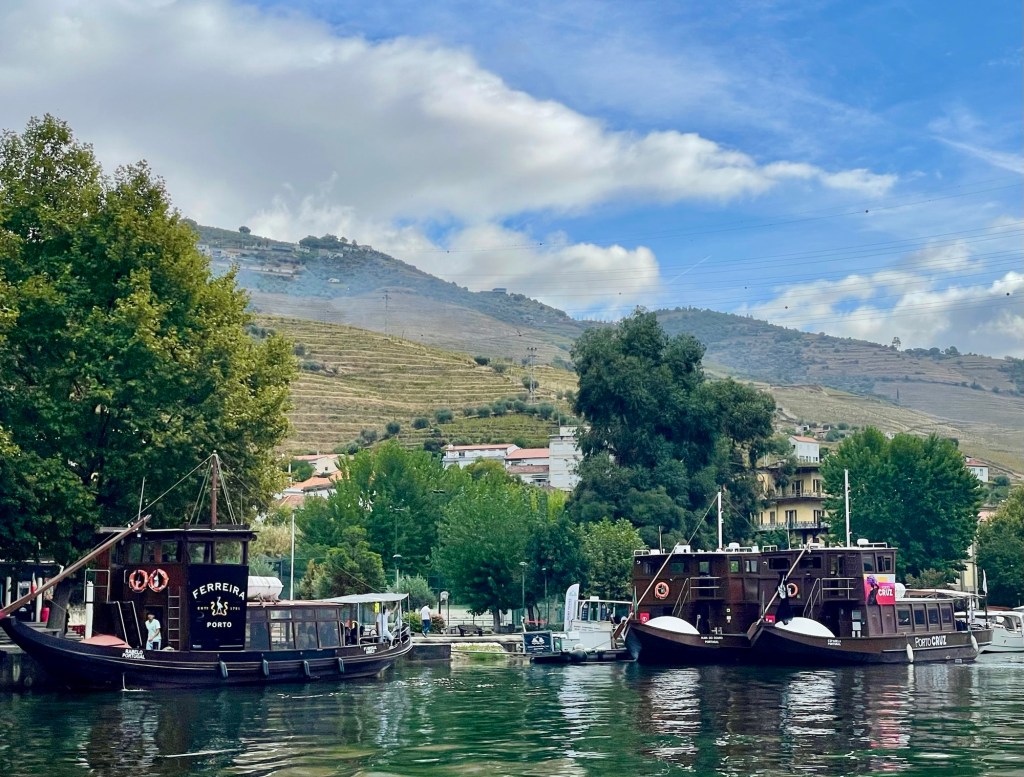
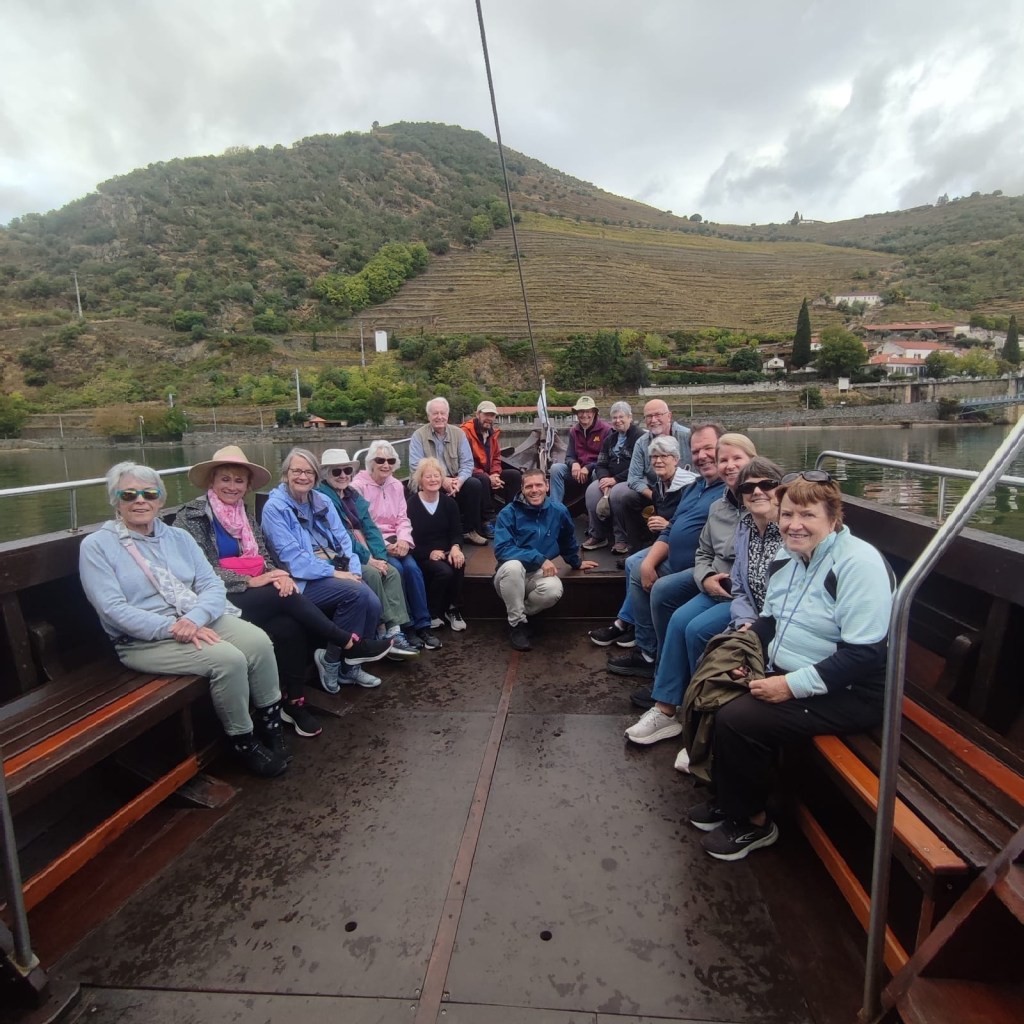
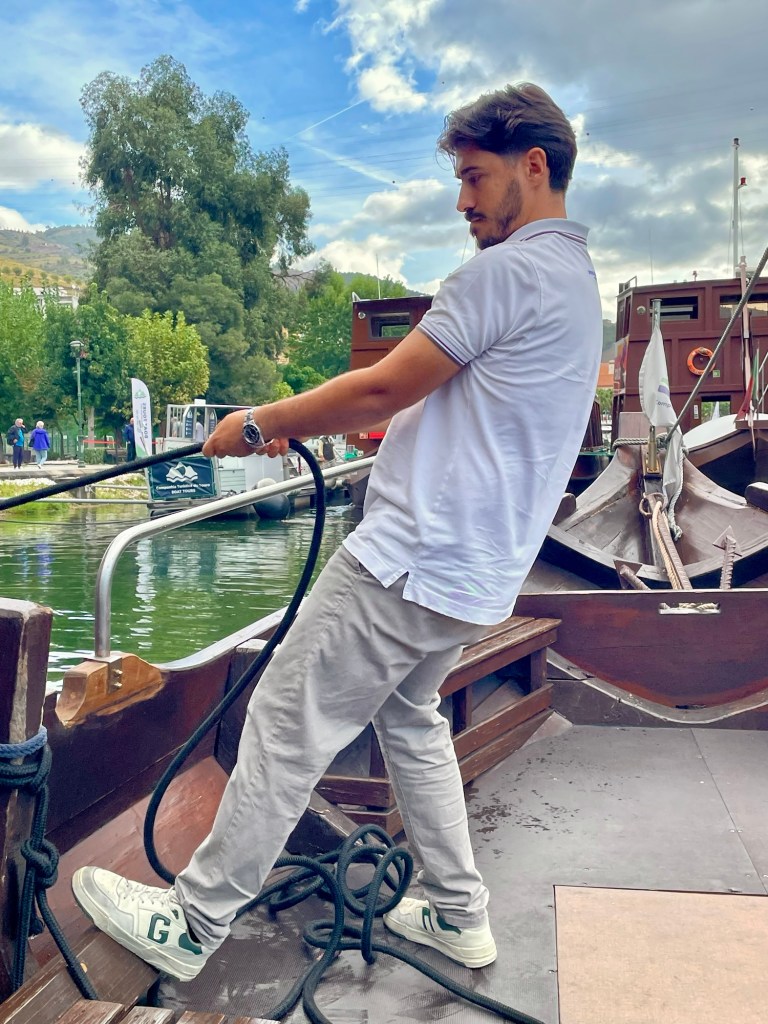
Here are the pictures from the boat ride.








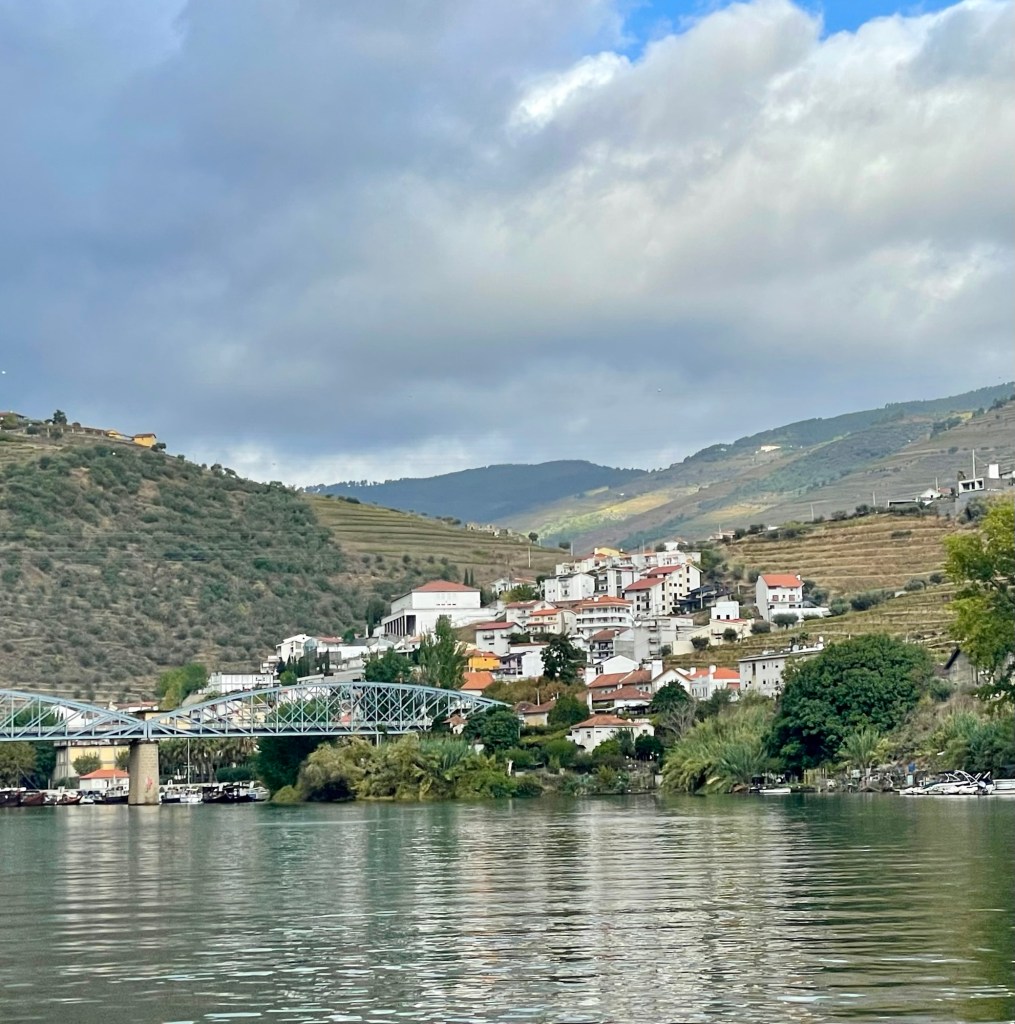
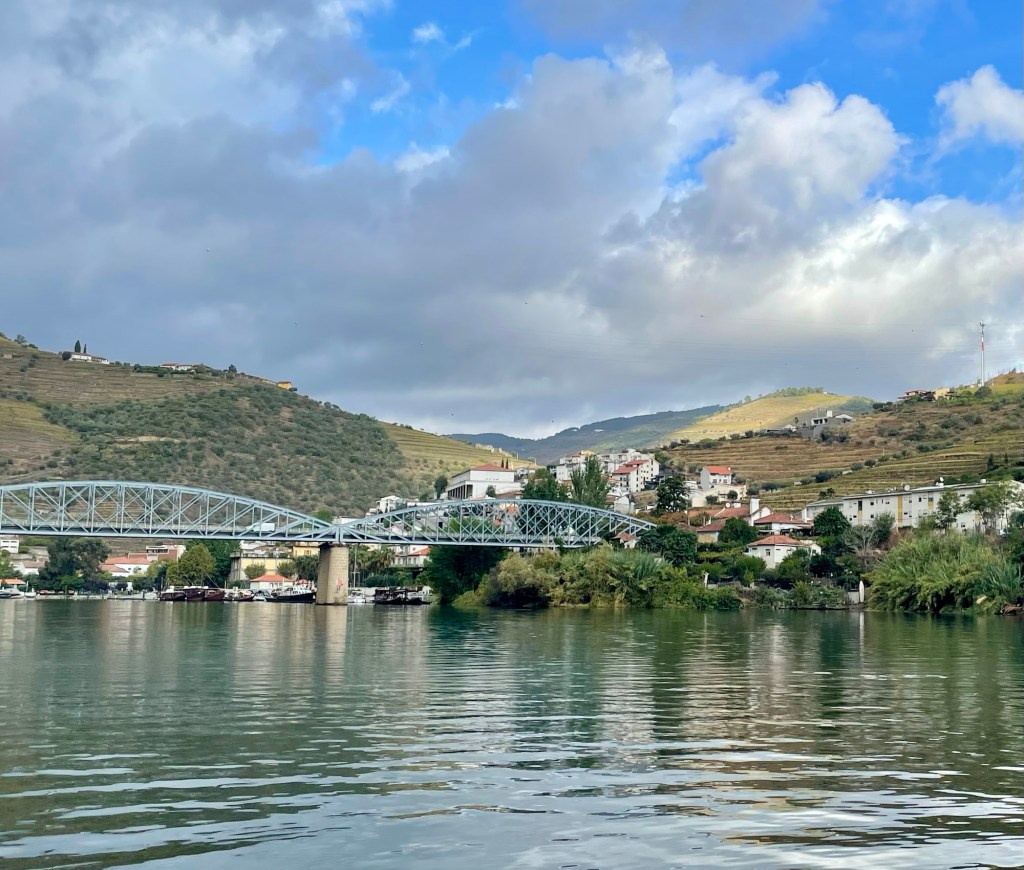

Some beautiful tile work at the railroad station depicting the Douro Valley.
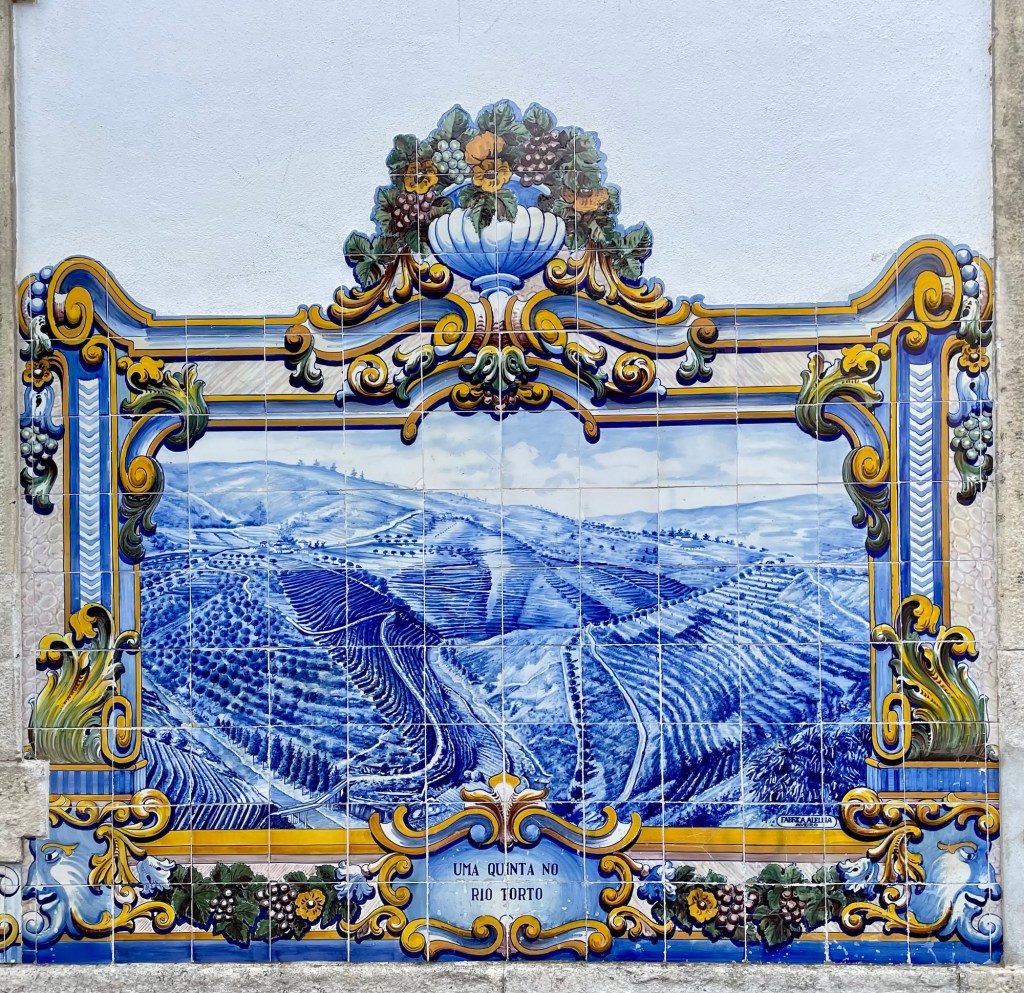
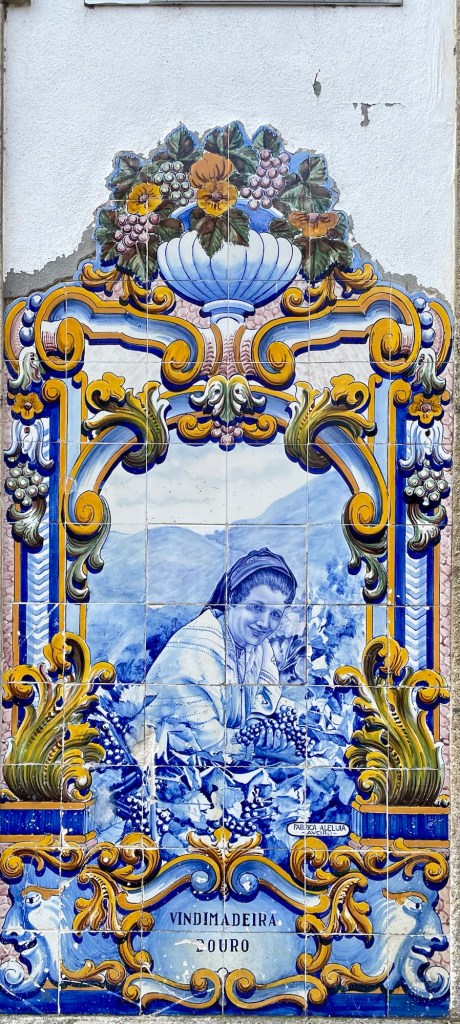
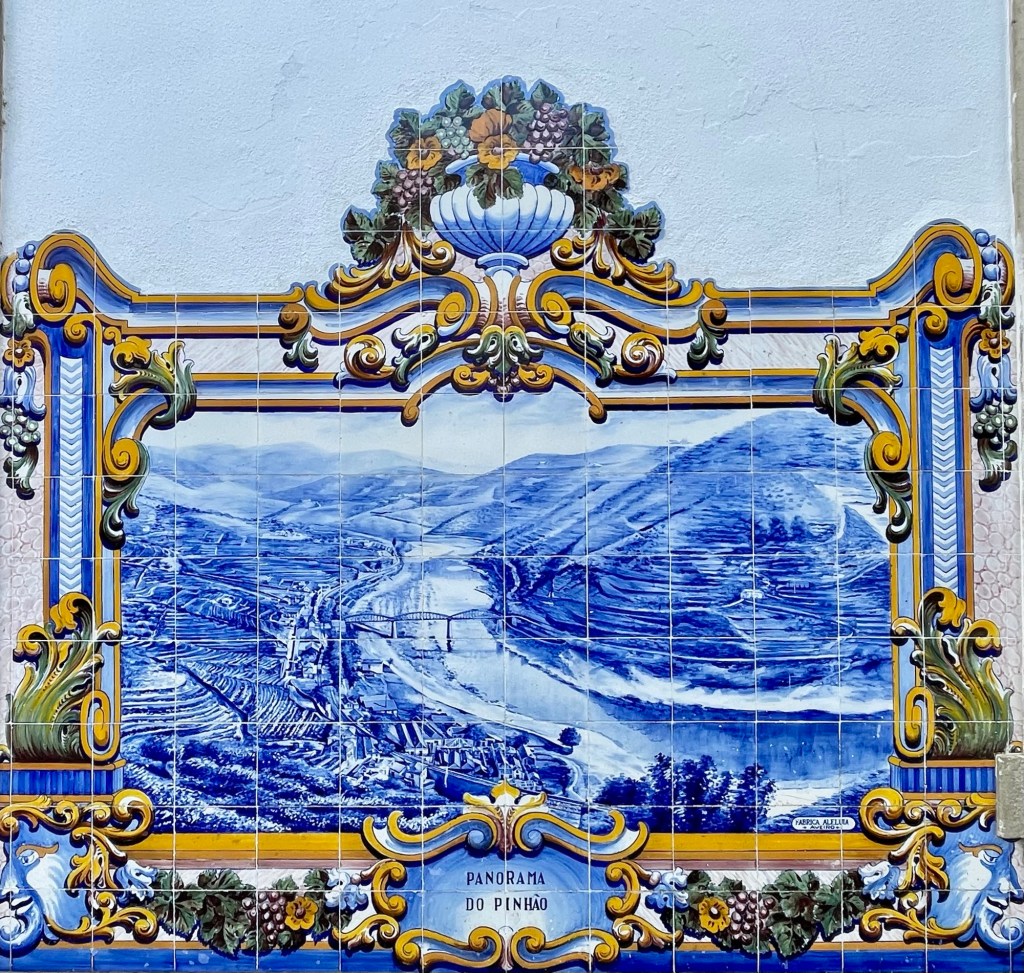
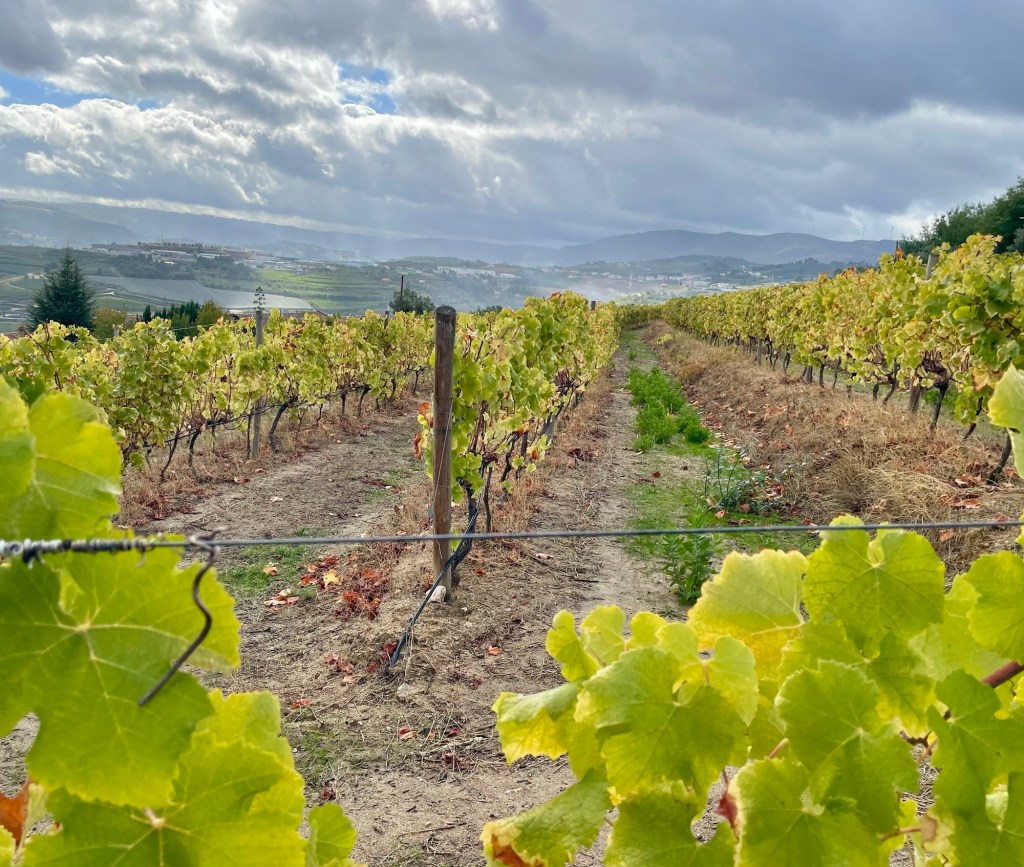
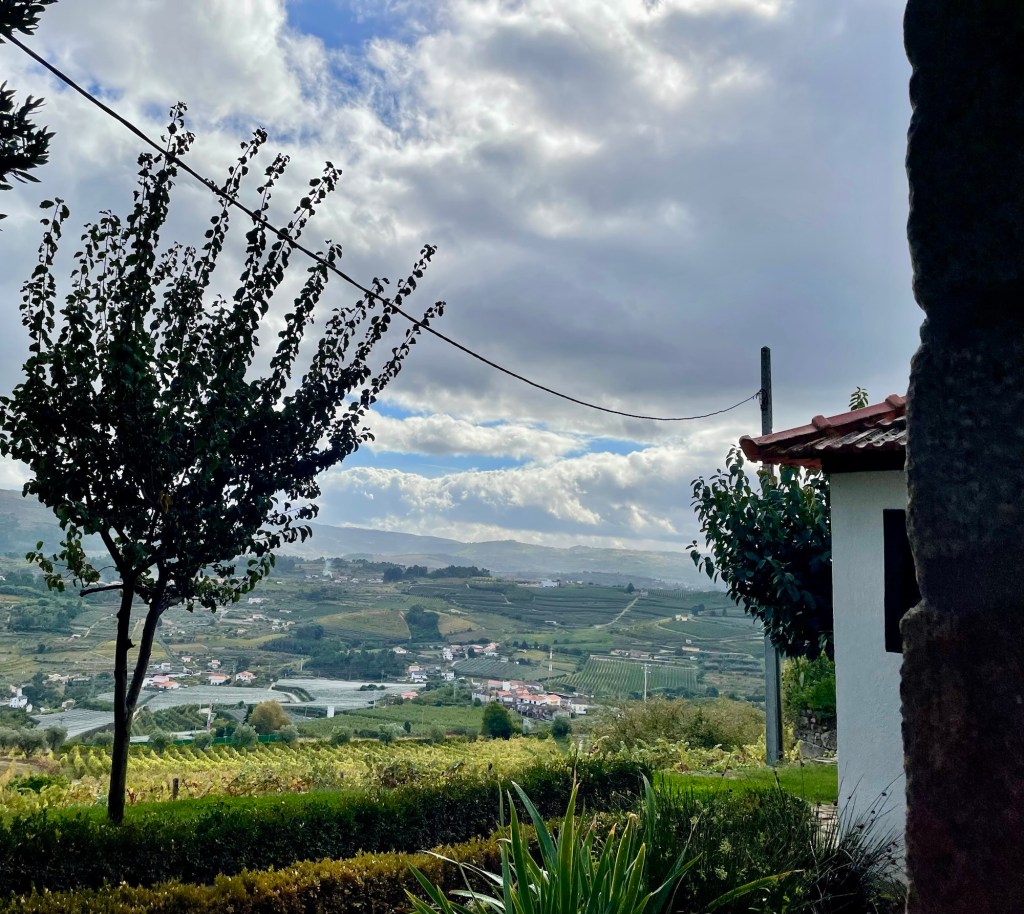
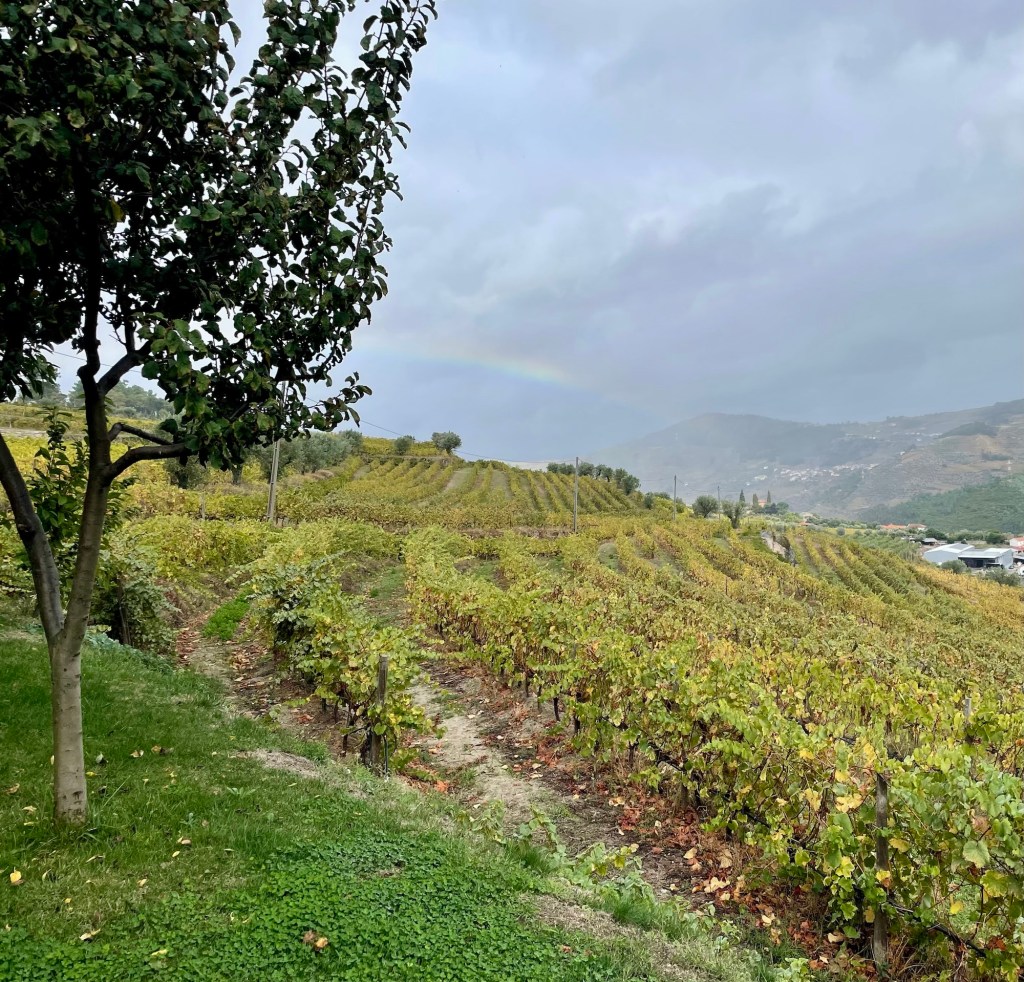
I next stop was a vineyard. There are over 21,000 producers of wine in the valley and over 110 different varieties of grape. Wine was first started being produced by the Romans. During the 17th century, when England was at war with France, she needed to find another source of wine and came to this valley. The first detailed account of port production came from Englishman in 1678 who described it as very agreeable, sweetish and extremely smooth. They purchased the entire stock from this one Abbey to ship to England, where it was a hit within their social circle. By the middle of the next century, it was a formally protected wine with a designation of origin to control quality . Ever since then, England has been a major consumer of Douro Valley wine and the valley has an international reputation for producing excellent wine. The wine that was produced in the valley was originally shipped by boat to the town of Porto, which was on the Atlantic Ocean, and from there the wine could be distributed all over the world. It’s from the name of the city that Port wine got its name. The boat that we took on the river cruise was a replica of the boat that they used during this time. Now they ship the wine to Porto by truck. Not very romantic.
Port is different from other wine because it is a fortified wine, meaning grape spirits are added to the wine during production. This process makes it a much higher alcohol content wine typically 19 to 20% ABV compared to most un which are around 10 to 15% ABV. Fortification stops fermentation before all the sugar has been converted to alcohol which is why port is typically rich and sweet. In Portugal, Vineyards are required to have their wine tested each year for quality. 
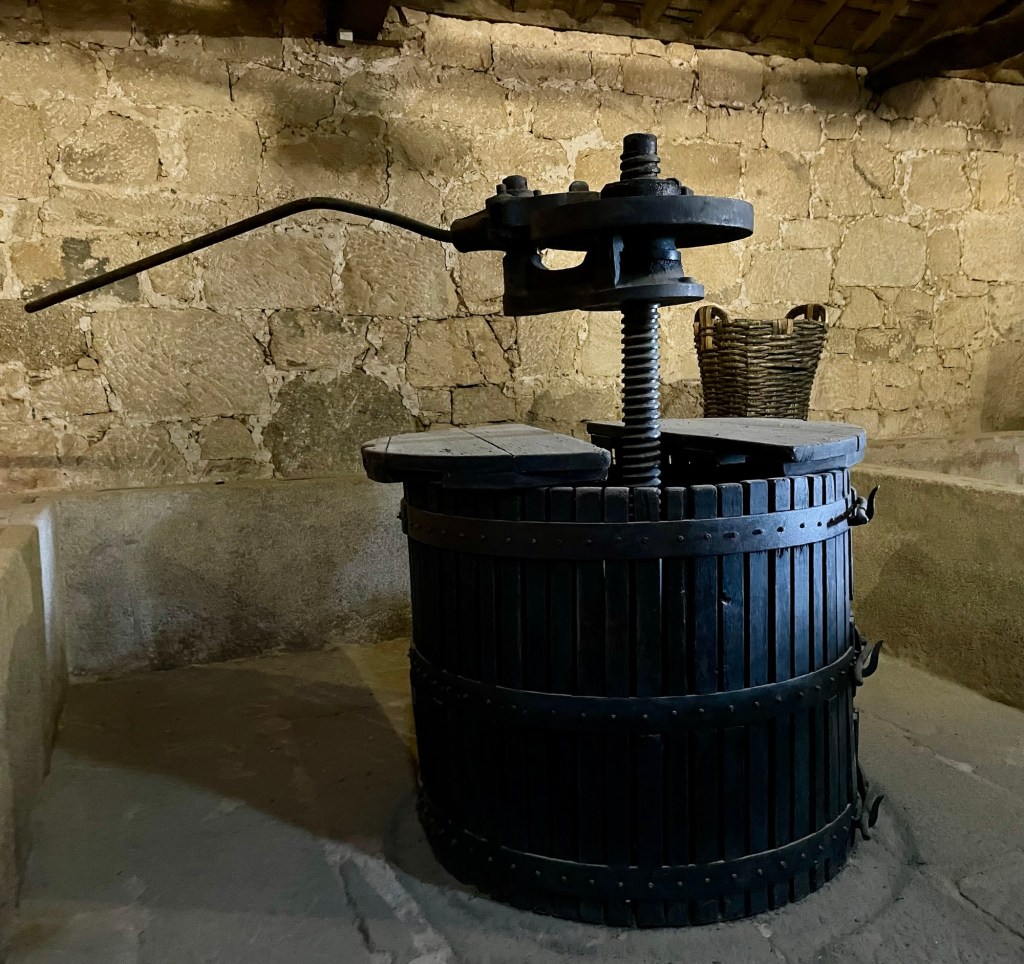
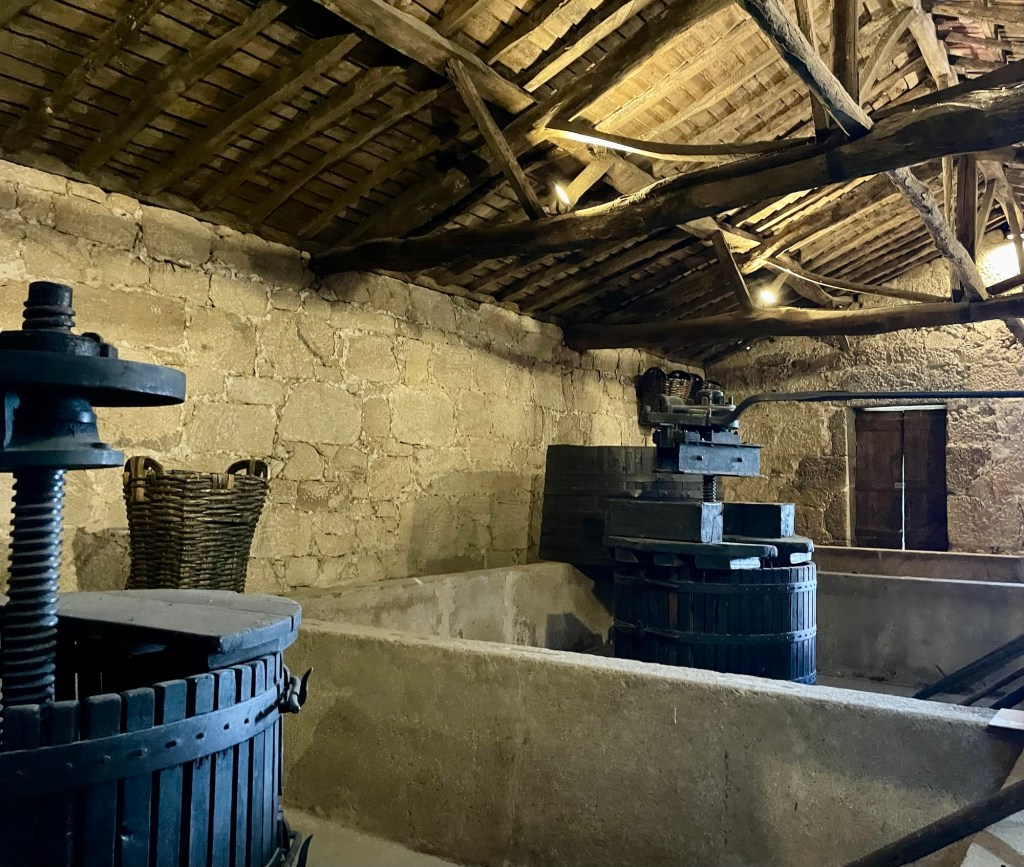
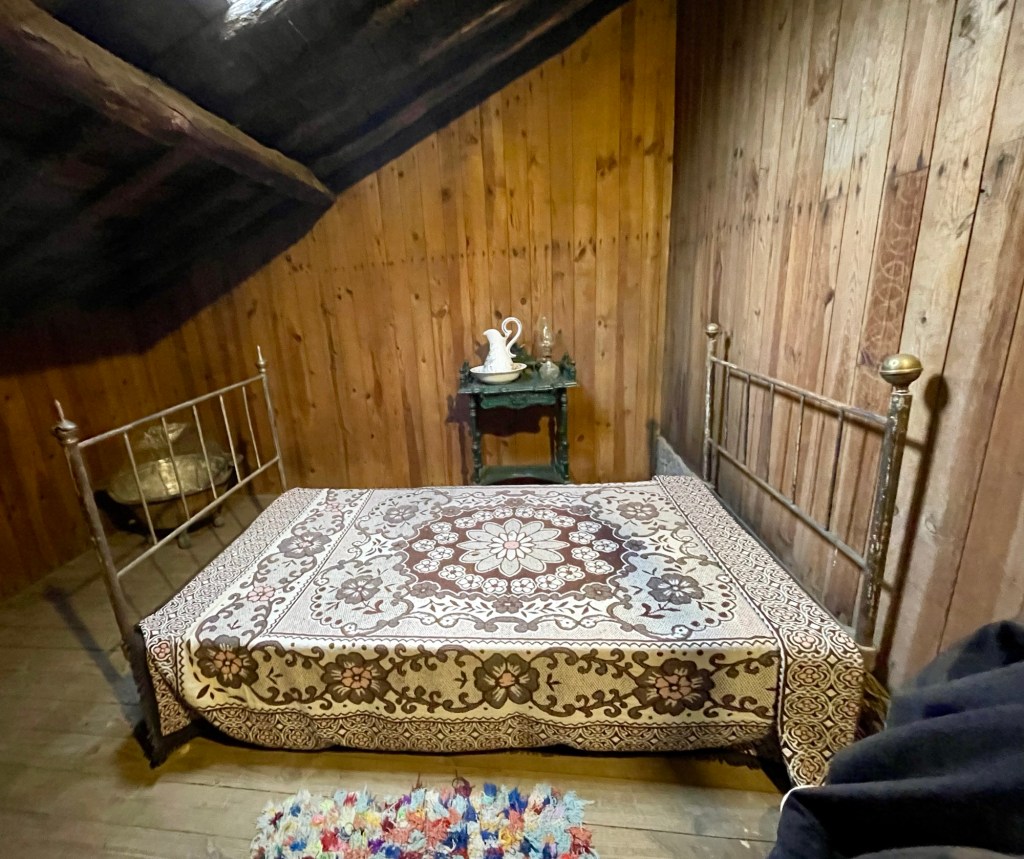
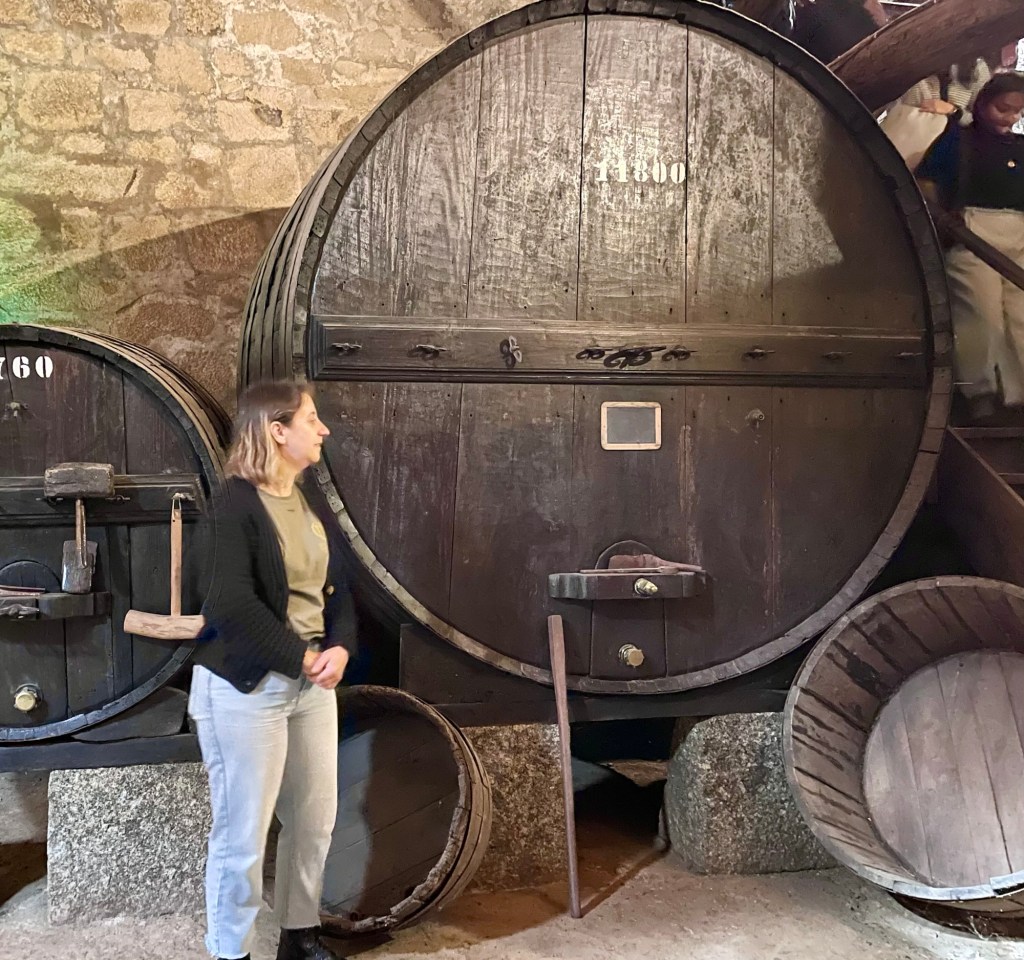
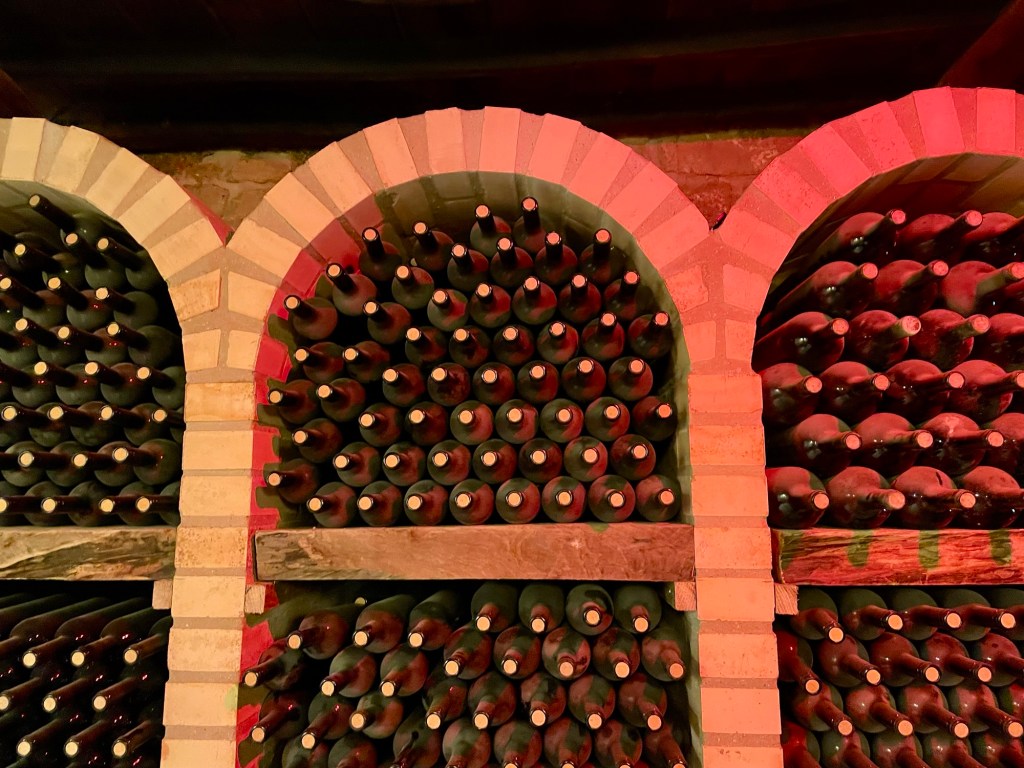
At the vineyard, we were given a tour of the museum that depicted the old way of making wine and then we had a delightful small plate lunch with a bunch of wine tasting.
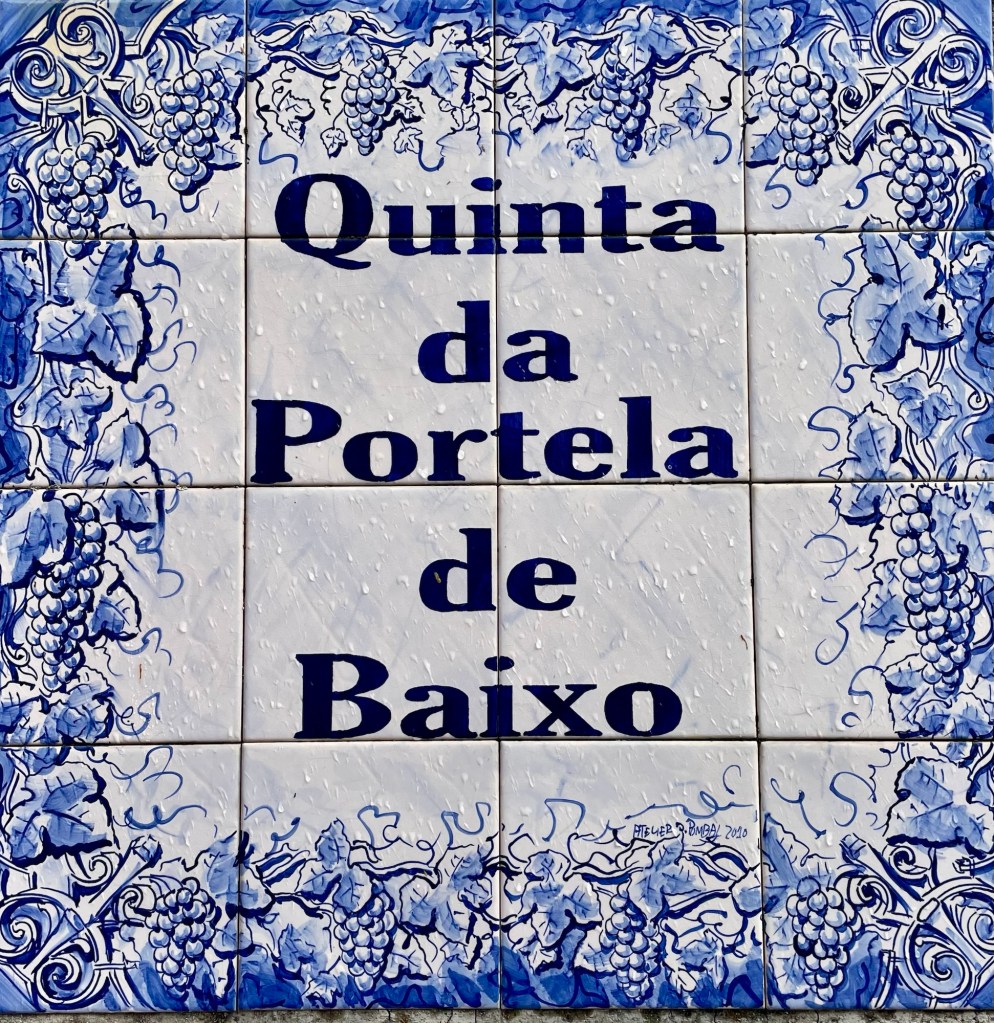


Inside the museum.
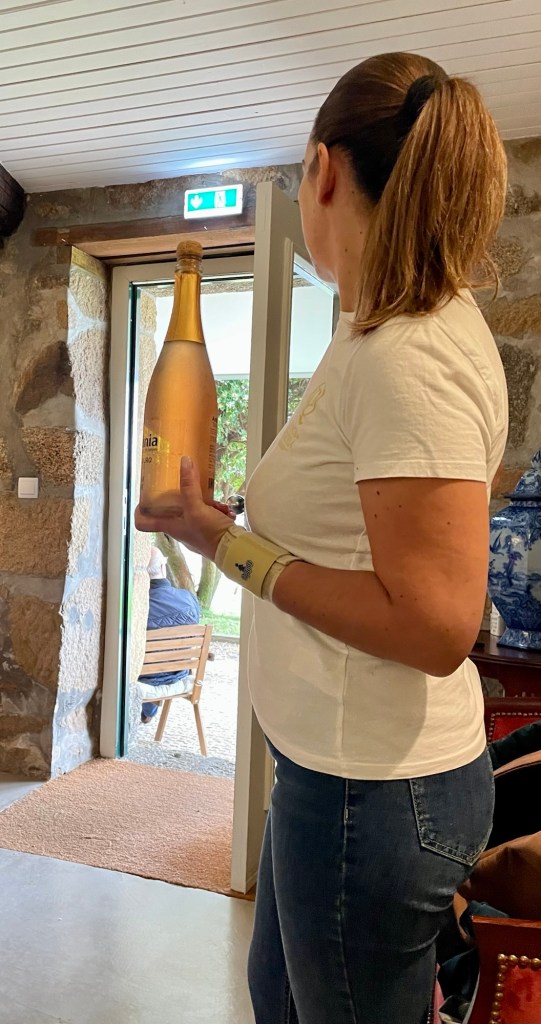
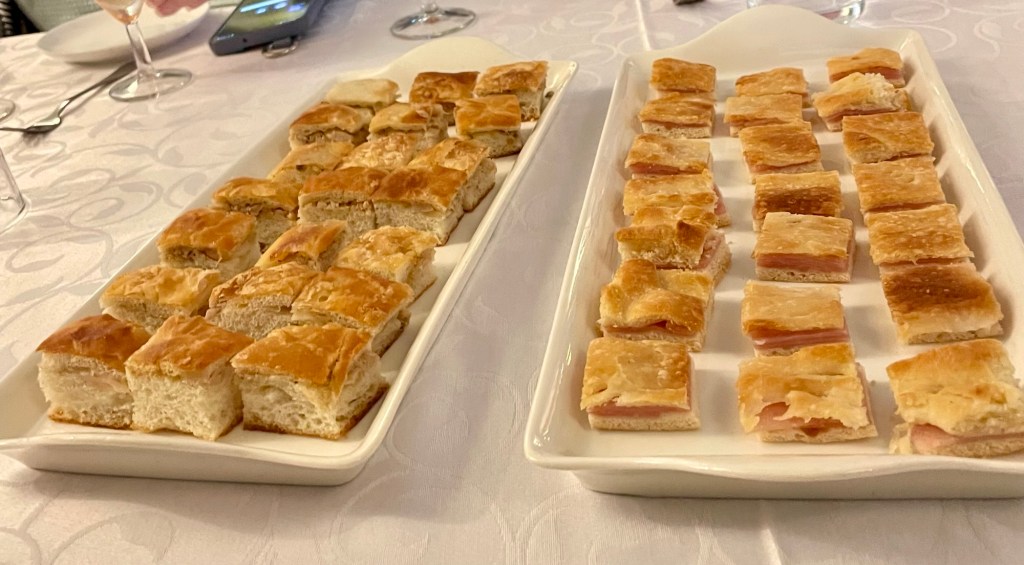
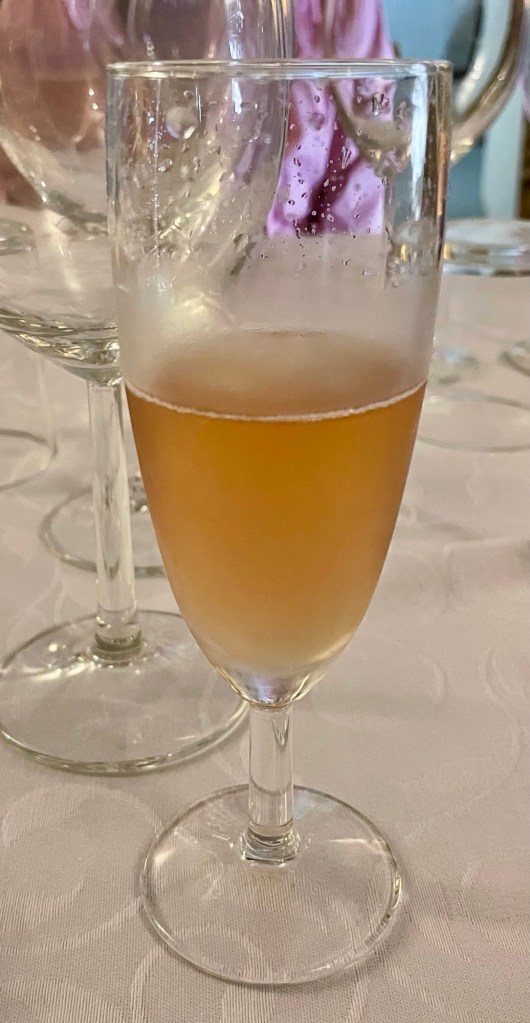
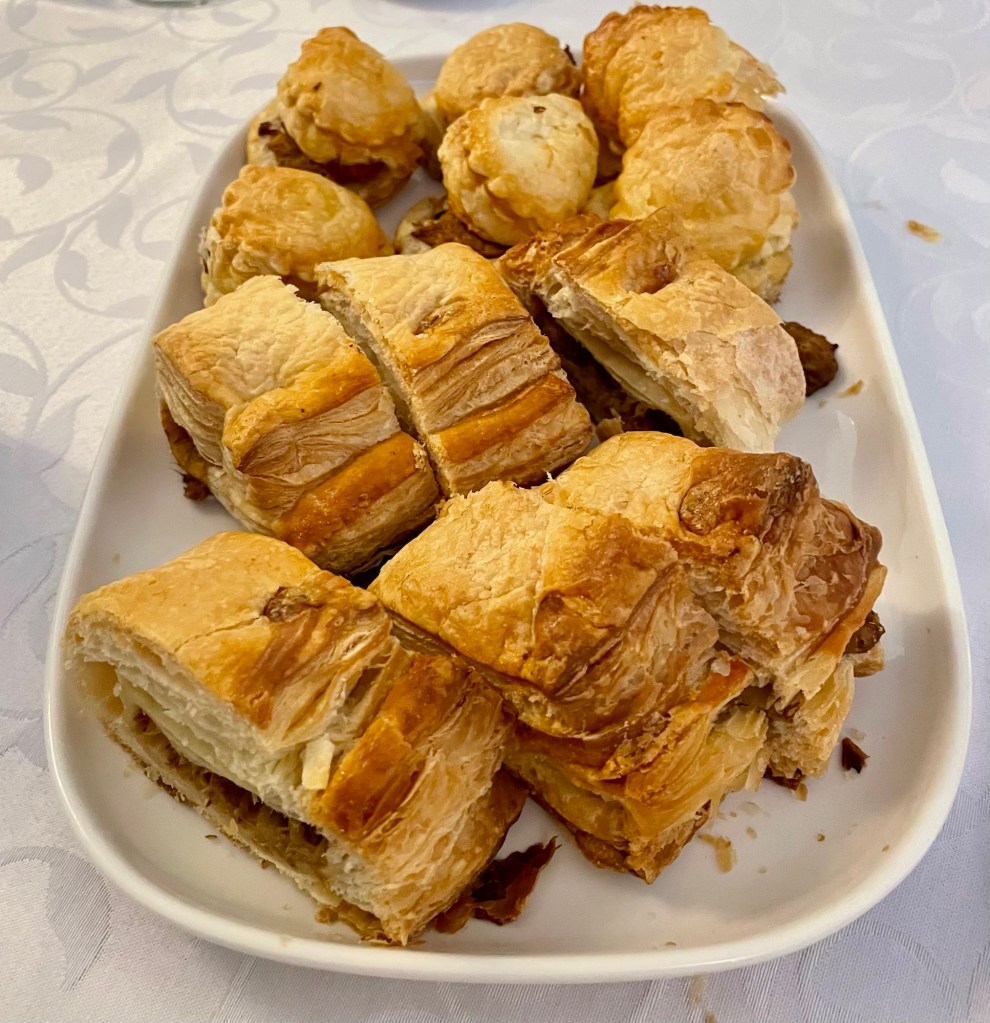
We enjoyed an incredible lunch at the Quinta featuring traditional items paired with wine produced there. We also drank a port wine cocktail, which is made out of white port and tonic Their tawny port was exceptional and their red wine which was a blend of two variatals was wonderful. I was not a big fan of their white wine which was basically a Sauvignon Blanc. Part of the food consisted of trying their olive oil. Some of the best olive oil I’ve ever had so I wound up buying a bottle to bring home. 
Here are the pictures from our lunch with our wine tasting. 

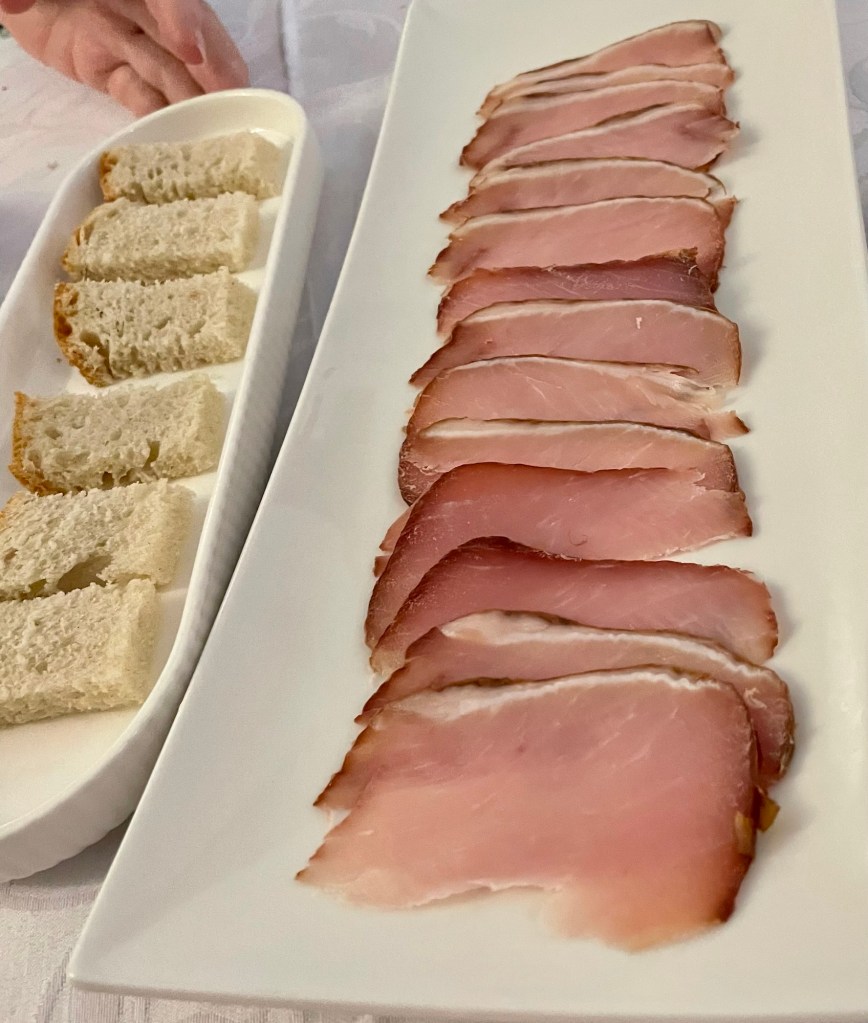
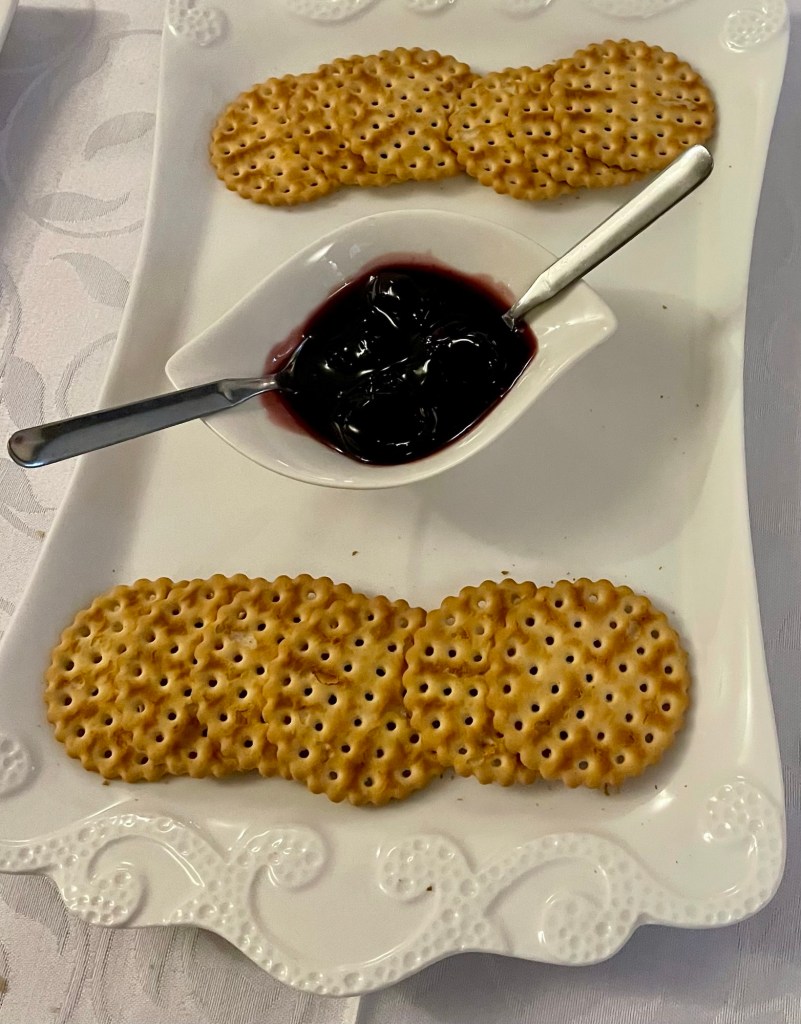

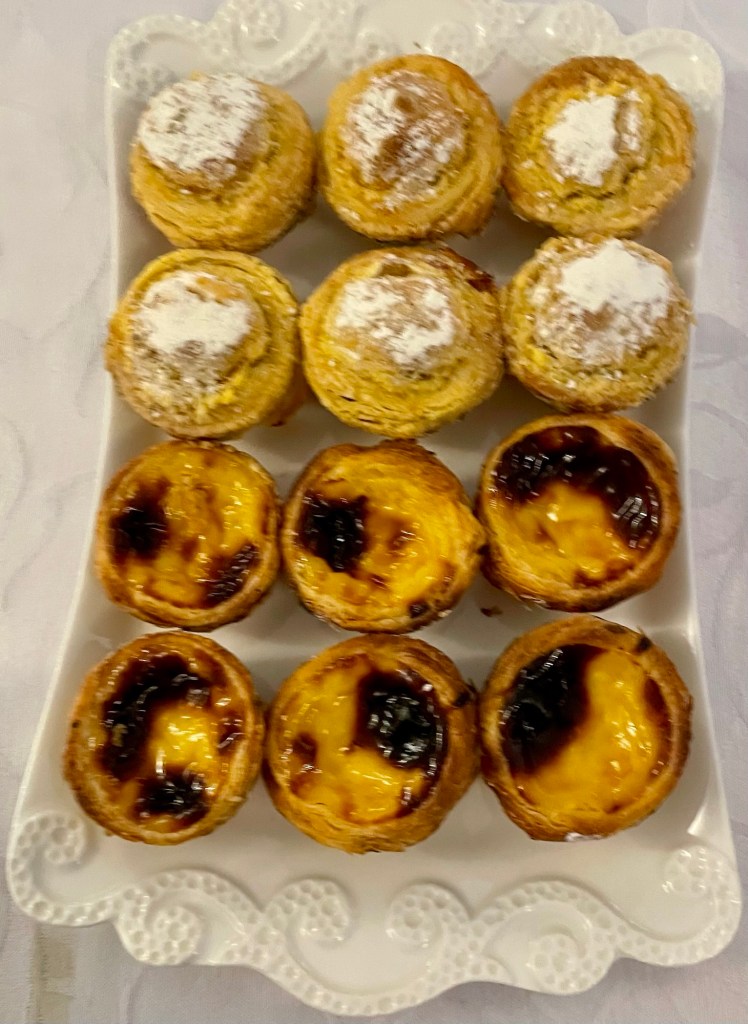
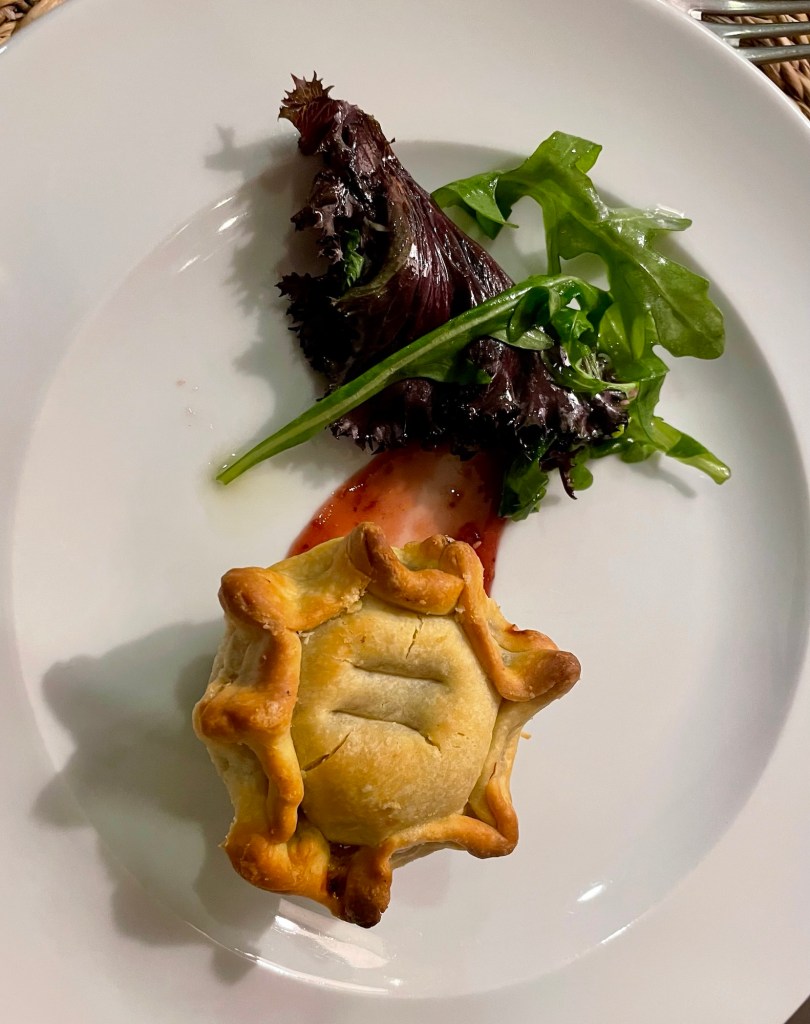
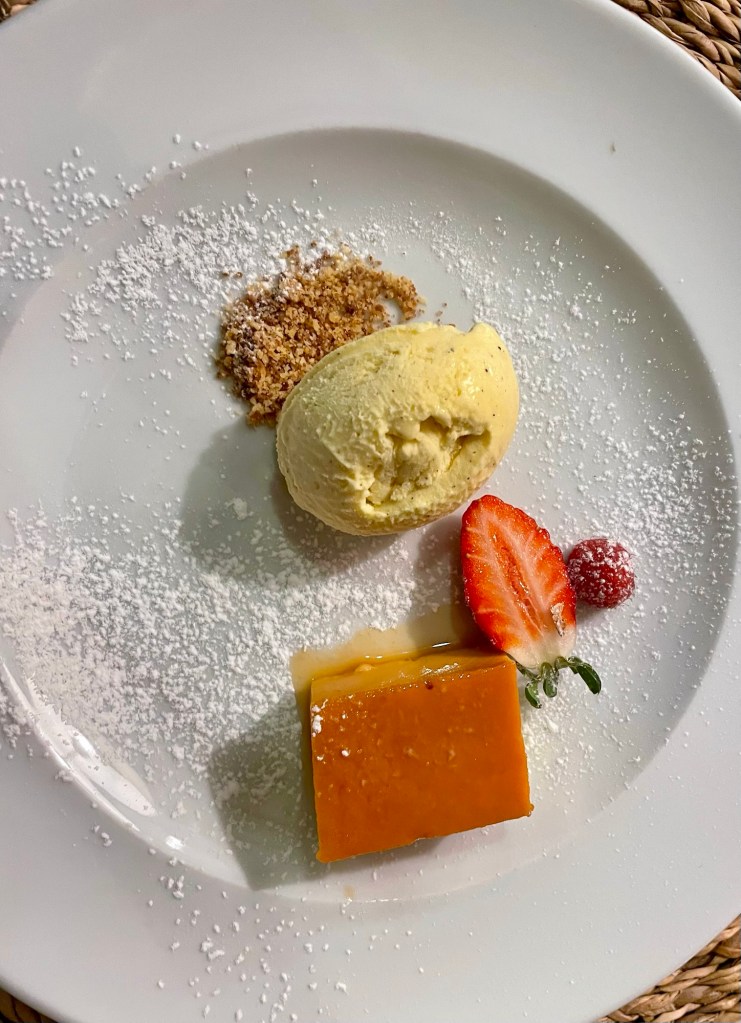
Luckily, we were able to spend the rest of the afternoon resting at our hotel and even our dinner was at the hotel. It was an excellent dinner with a delightful hors d’oeuvre and dessert. The main course, salmon, was well cooked.
 RobbieLambertsTravels
Once again, Robbie, it looks like you have scored a fabulous trip! Thanks aga
LikeLike
So happy you are enjoying the blog. Hopefully we can get together when I get back to Portland.
LikeLike