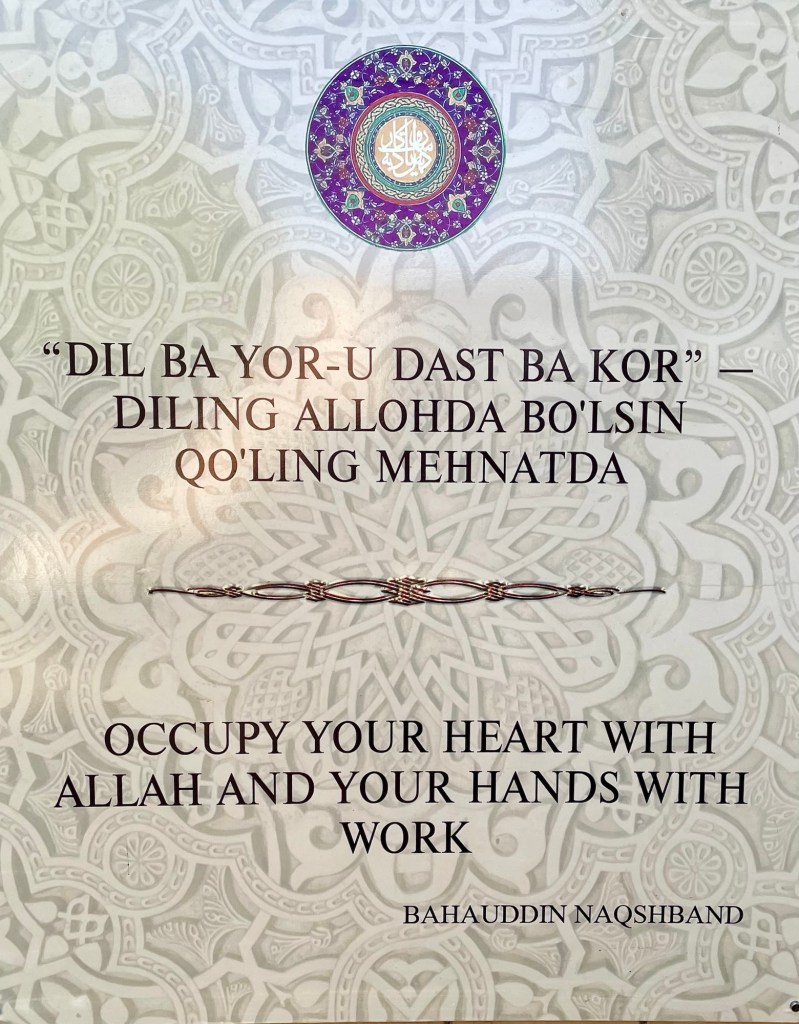
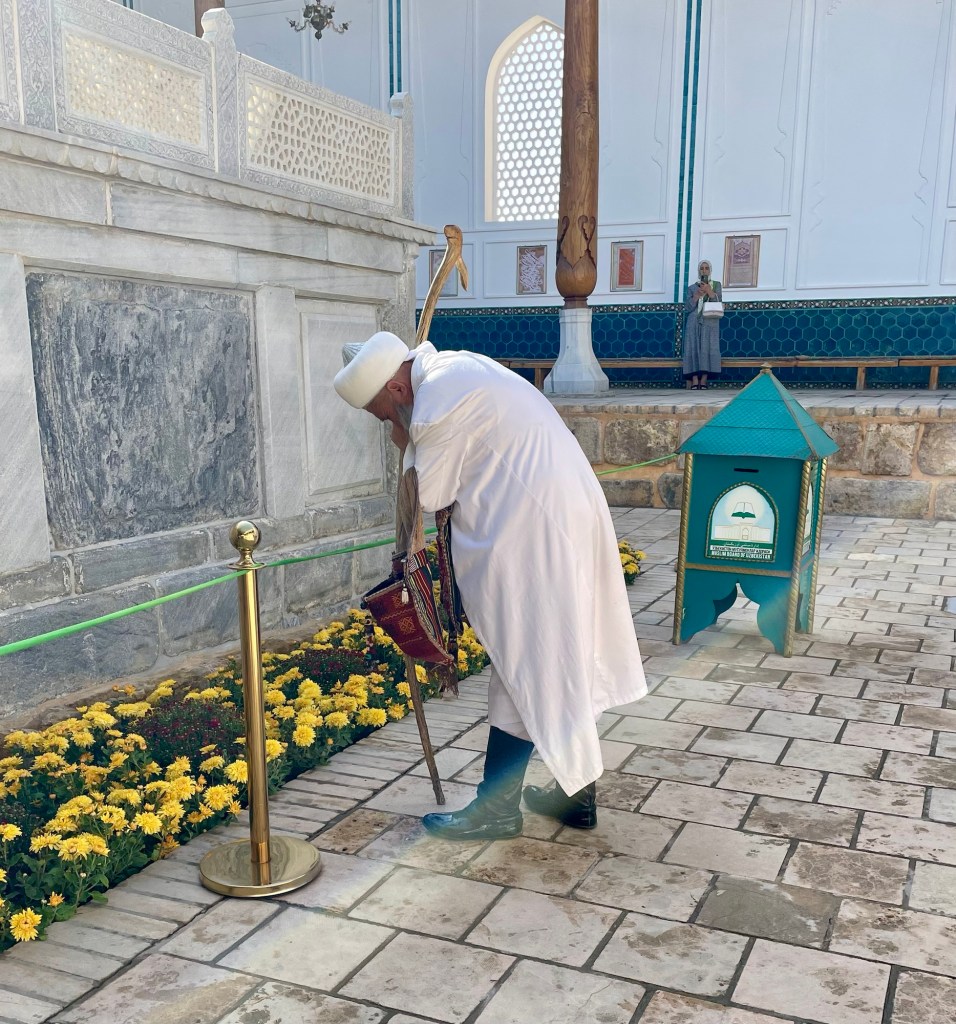
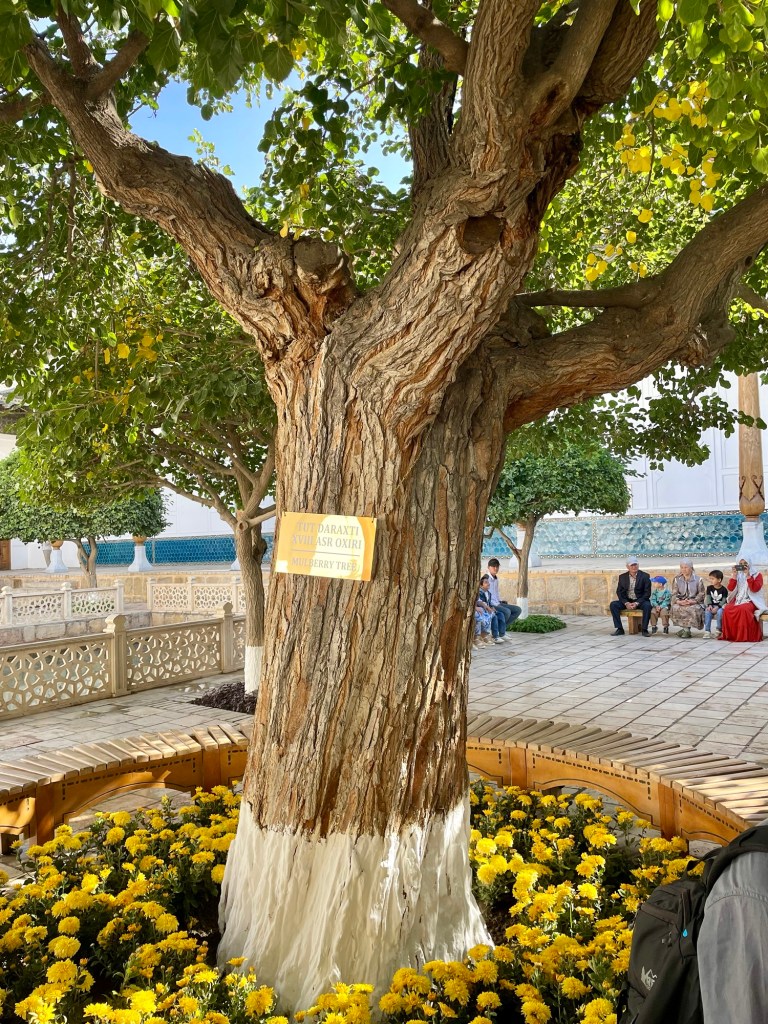
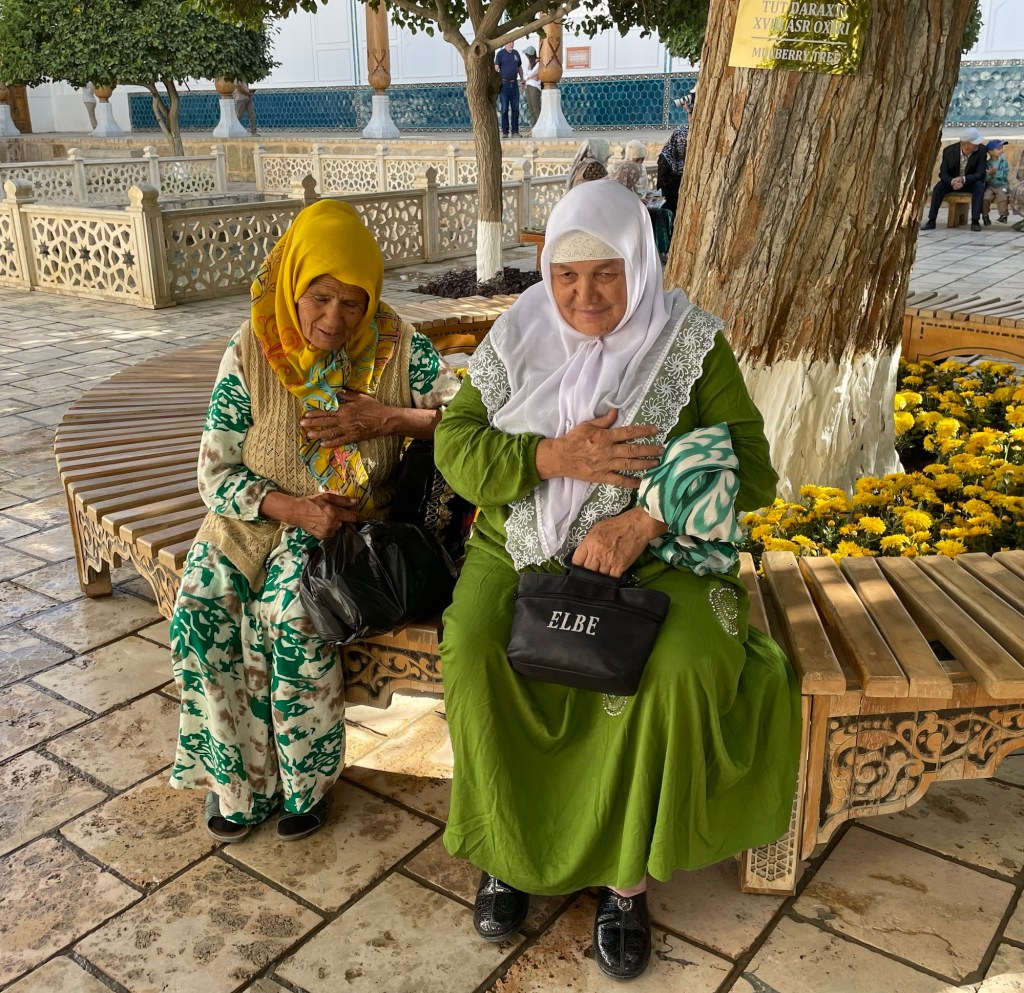
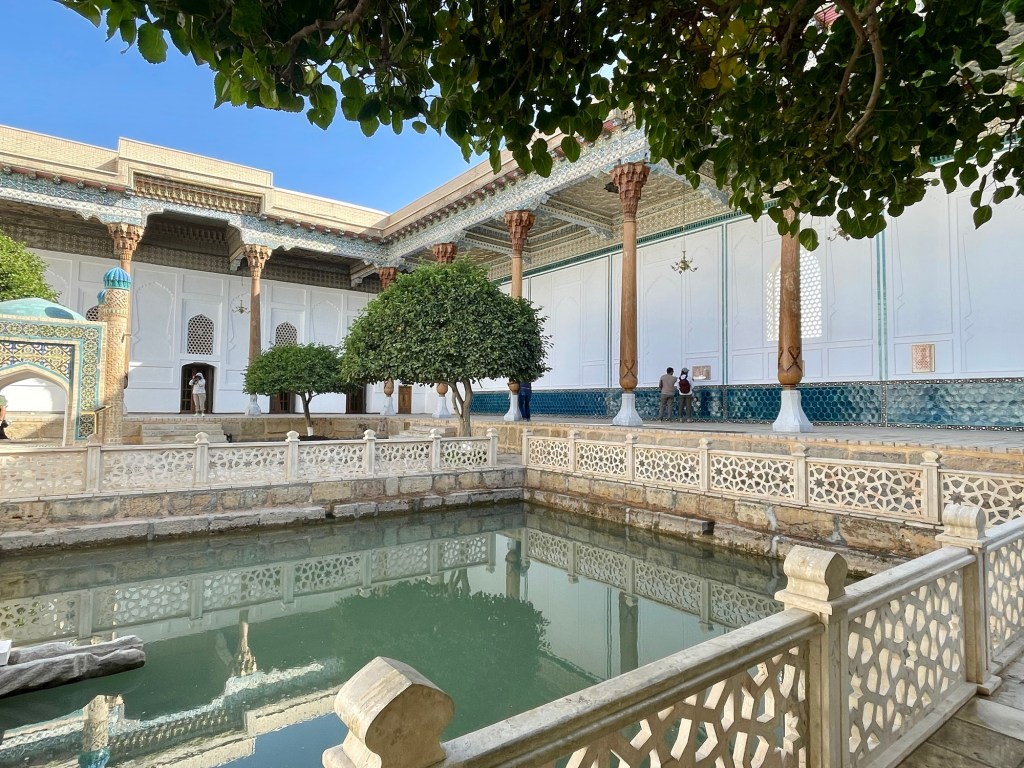
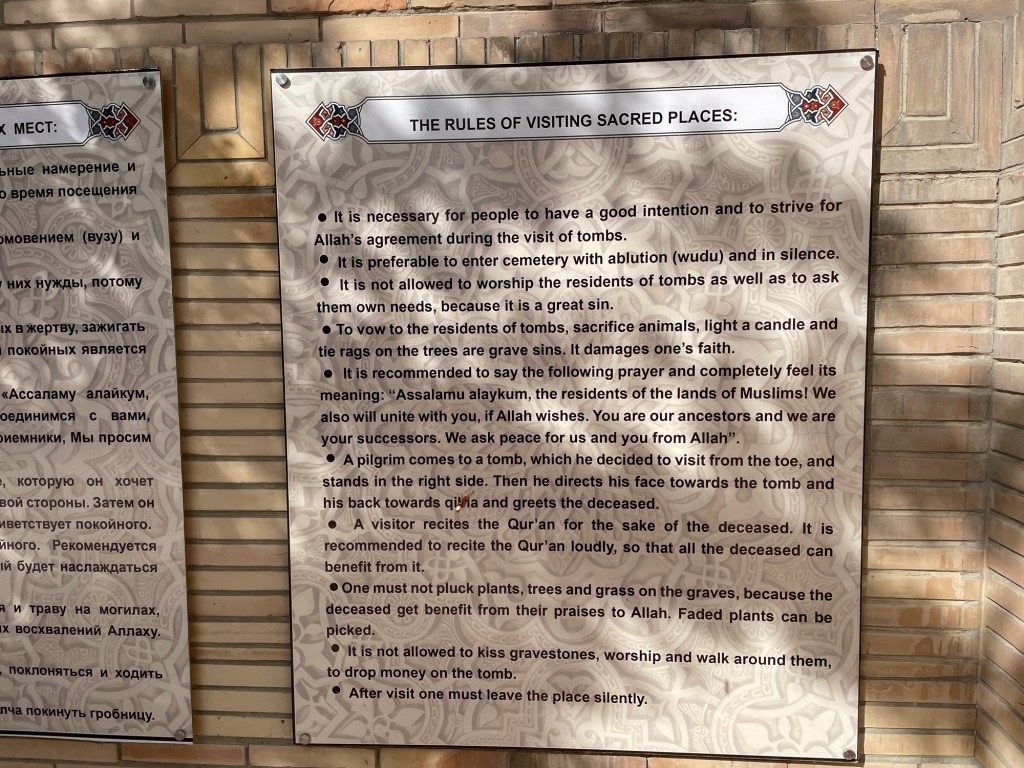
Today was not quite as frantic as yesterday. Our first stop was the XIV century Bahouddin Naqshband Complex. Riding out to the complex, we saw a lots of greenhouses, solar panels on houses and orchards. Naqshband is one of the most well-known Saints in the Islamic world and the founder of the Naqshbandi Sufi order. He was born in 1318 CE in the Bukhara region. He lived very poor by his own labor. He didn’t have any slaves or servants. The basis of his theory is “Allah is in the heart and hands are in the work”.
Sufism is a mystical form of Islam. It is practiced throughout the Muslim world. In some places, Sufi’s are known as whirling dervishes because they believe in meditating while swirling around with one hand facing up towards the heavens, and one hand facing down towards the Earth. In Central Asia, they don’t practice that form of Sufism.
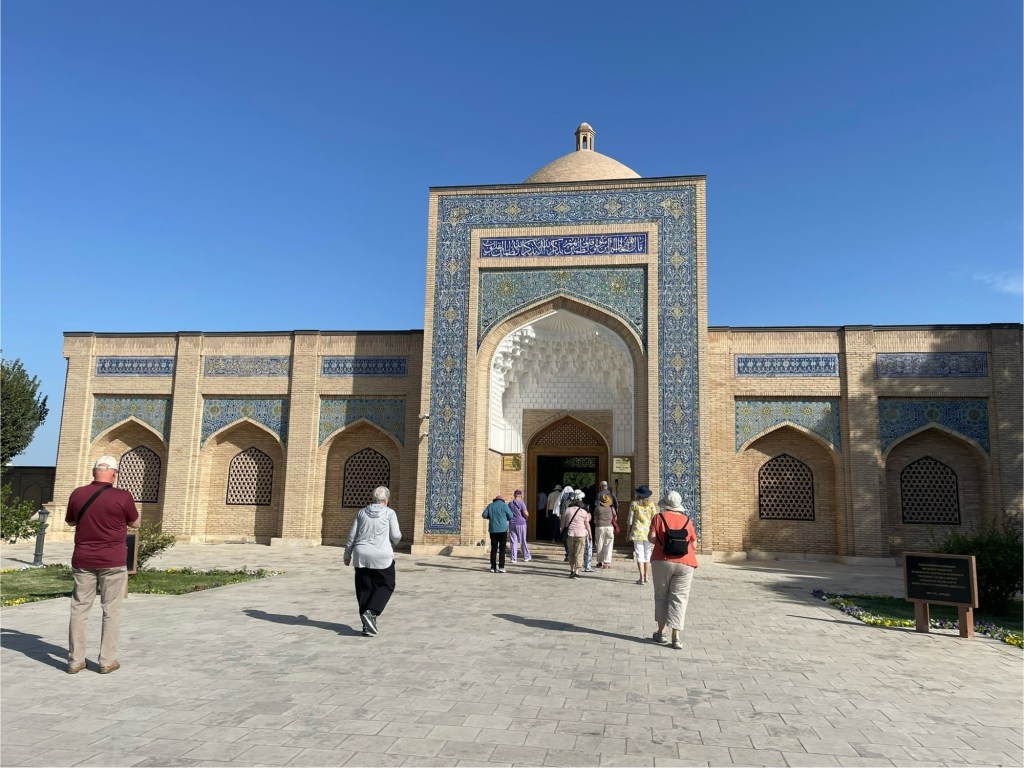
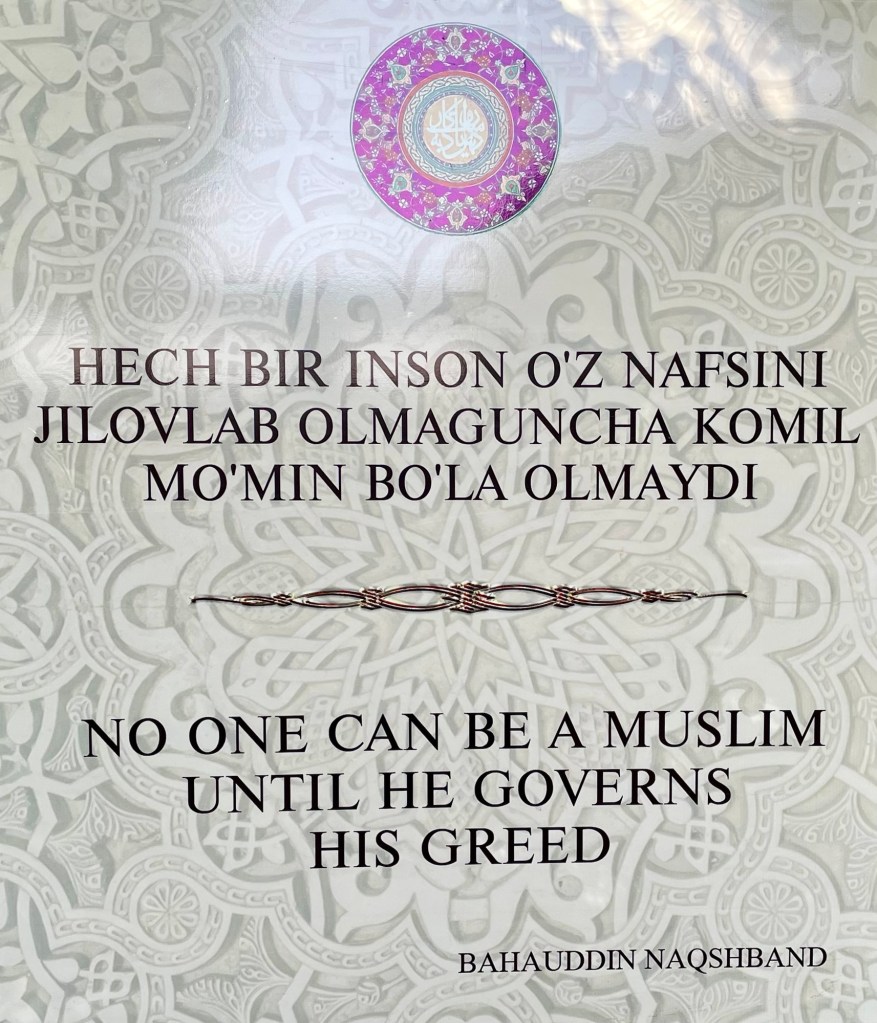
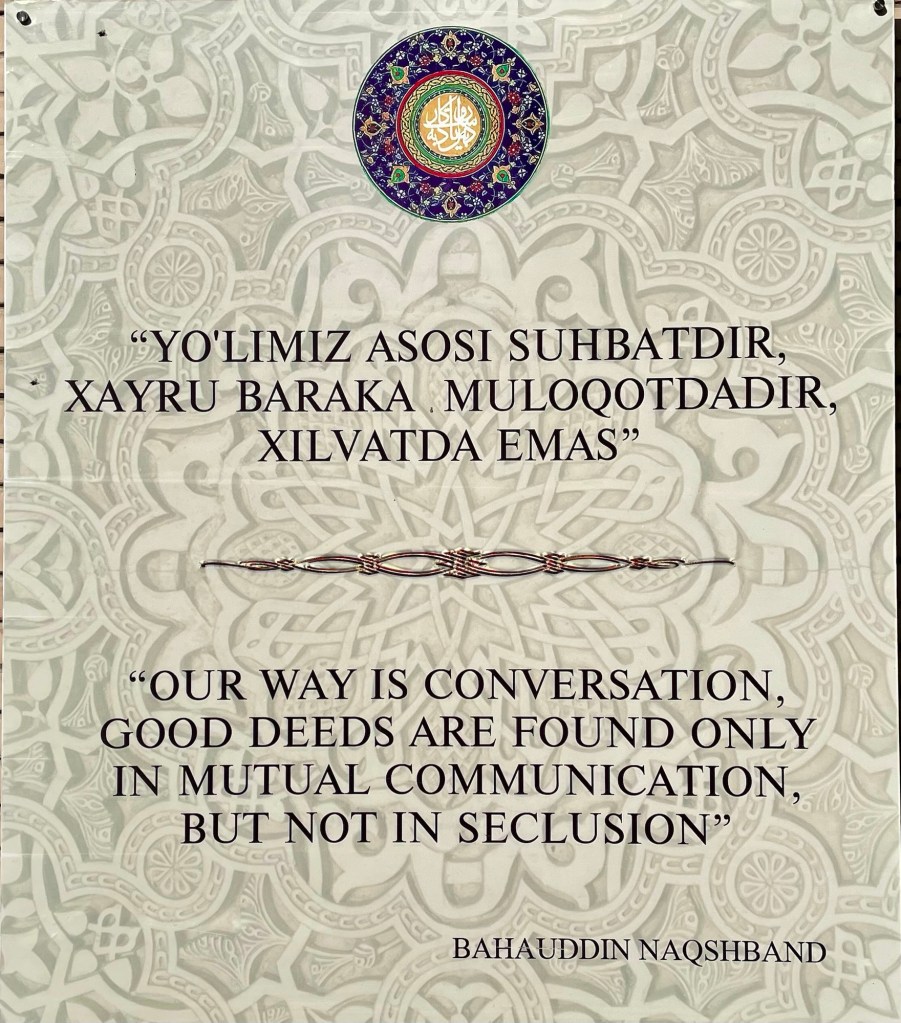
It was a nice walkway to the main part of the complex. On the walls of the walkway were different sayings from Naqshband.

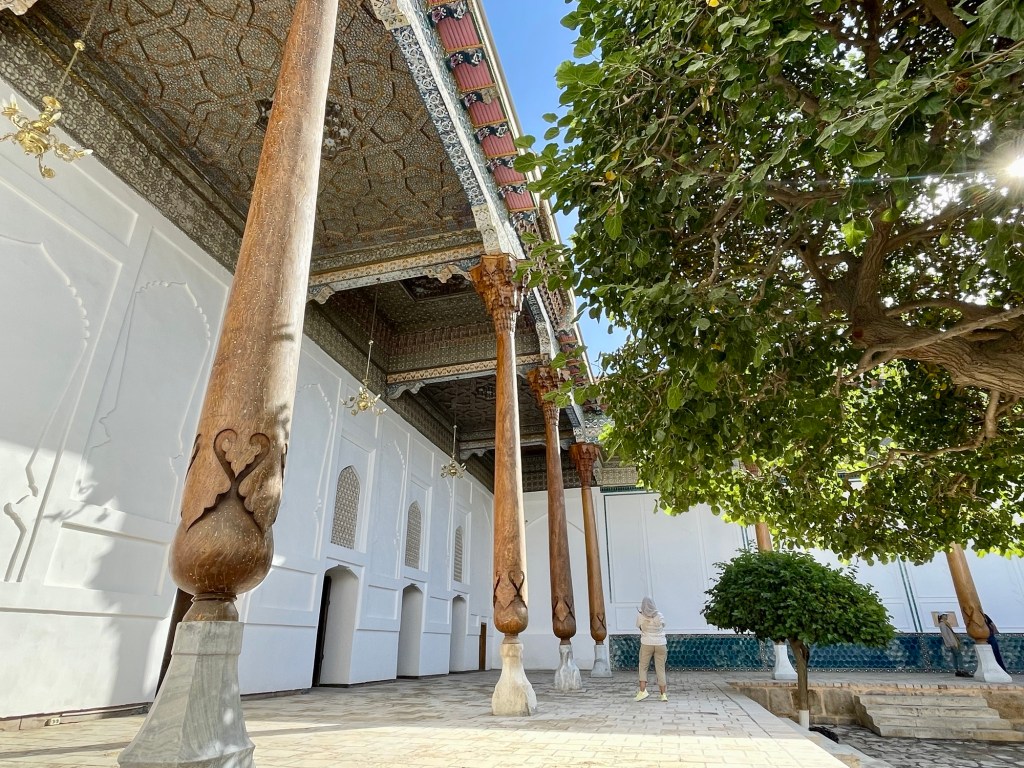
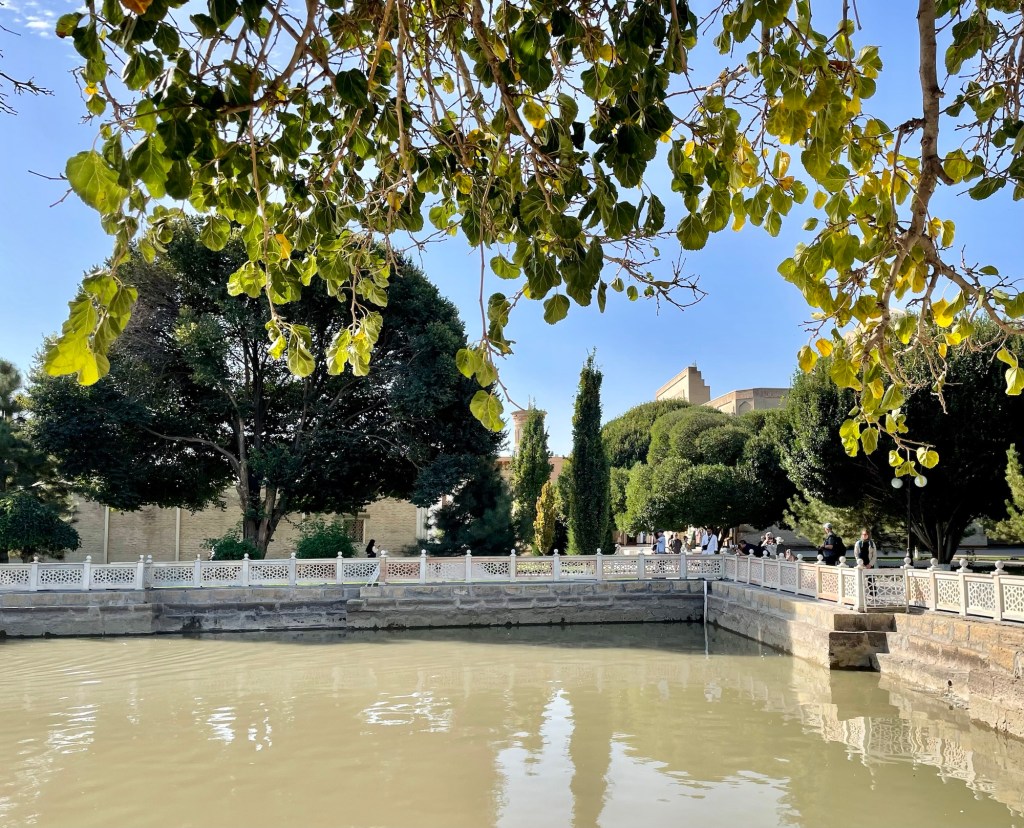
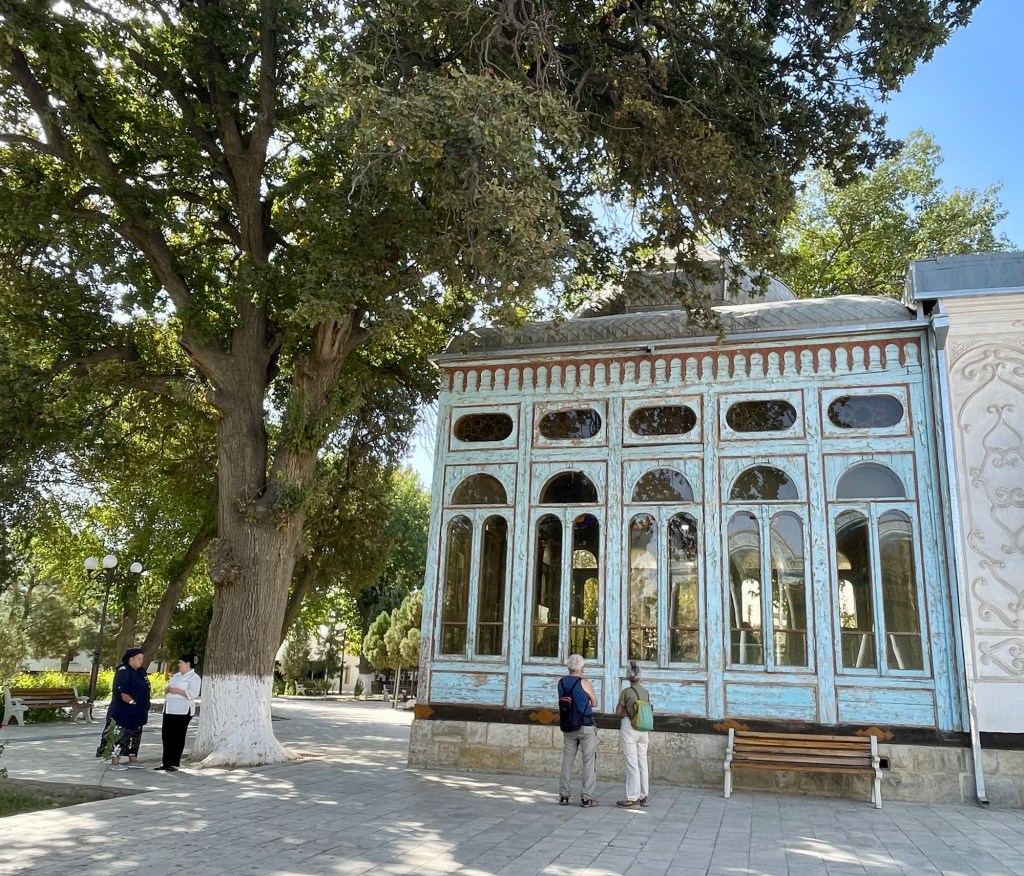
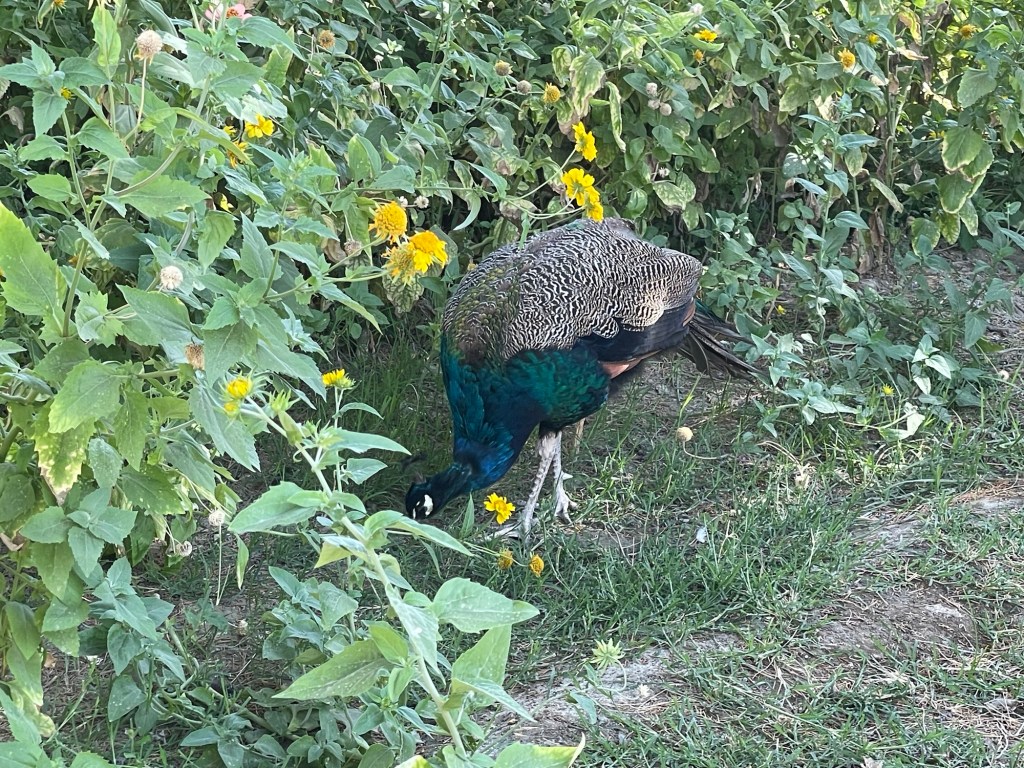
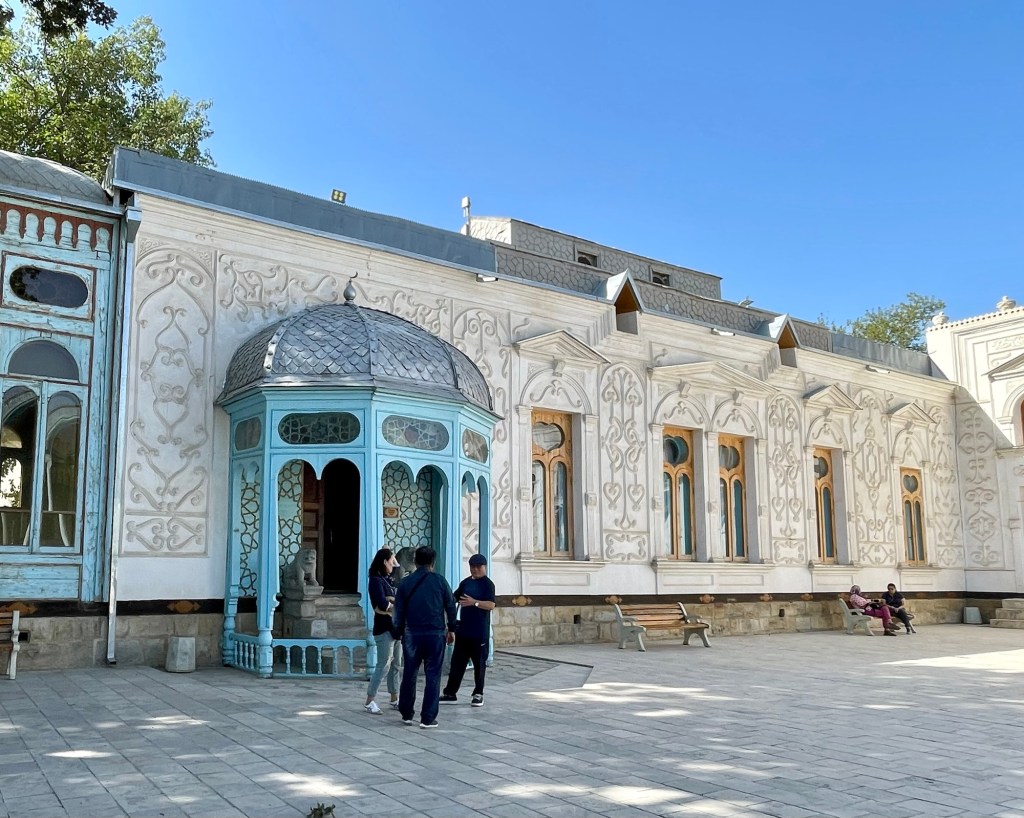
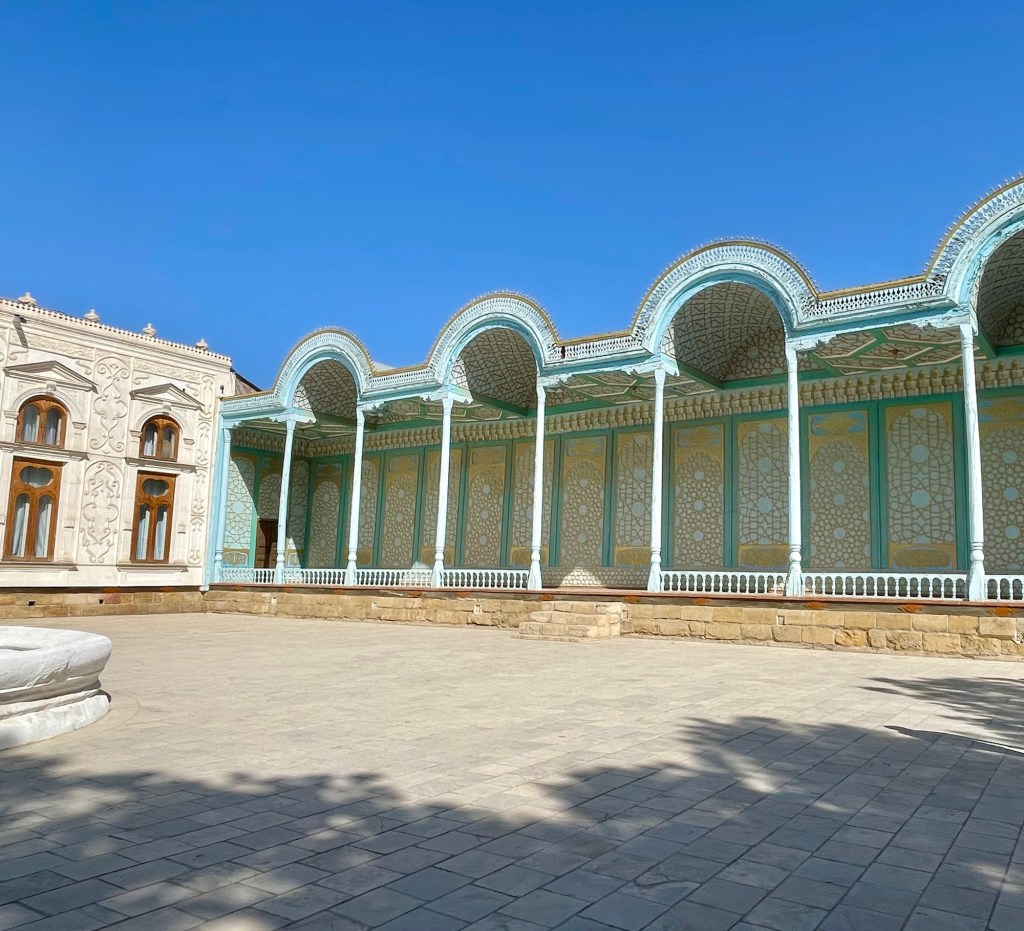
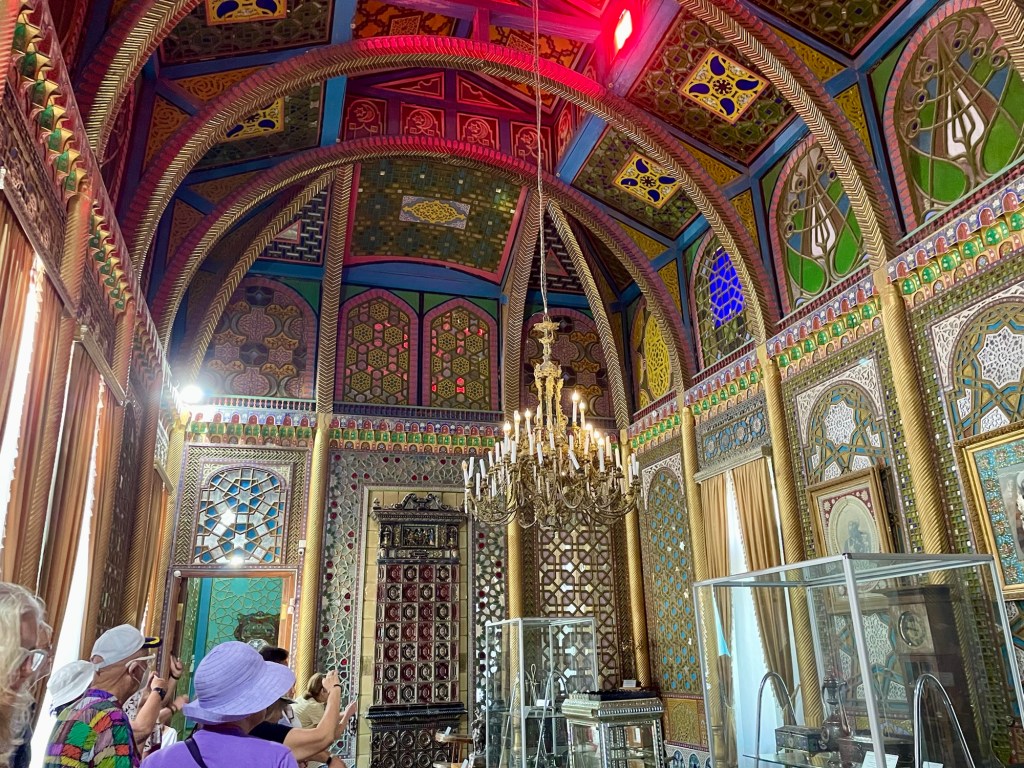
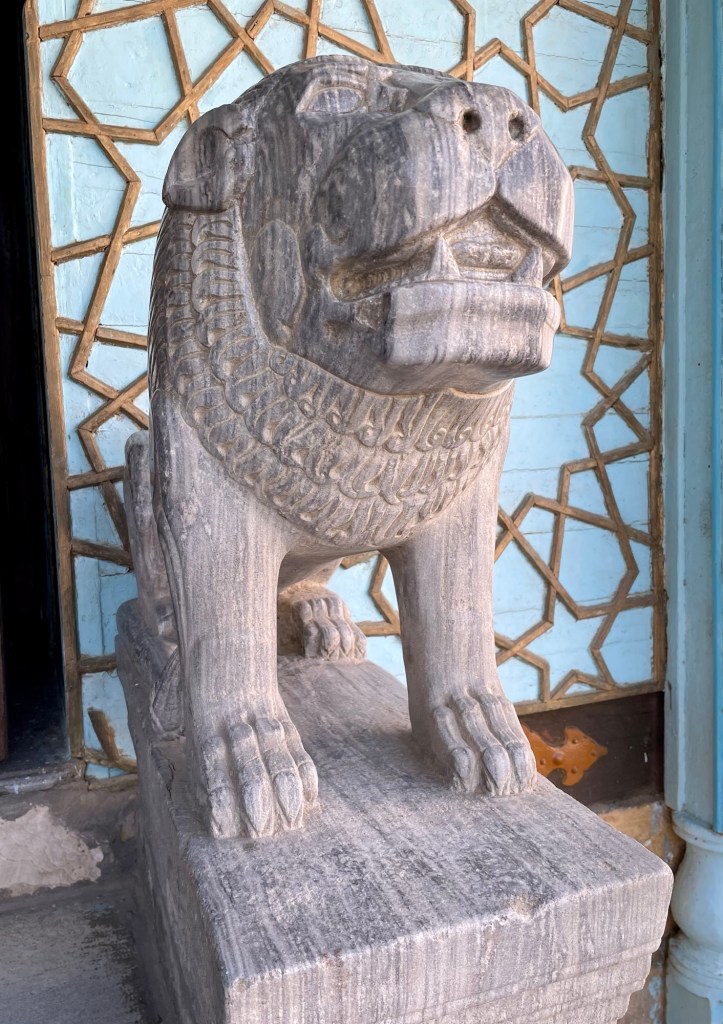
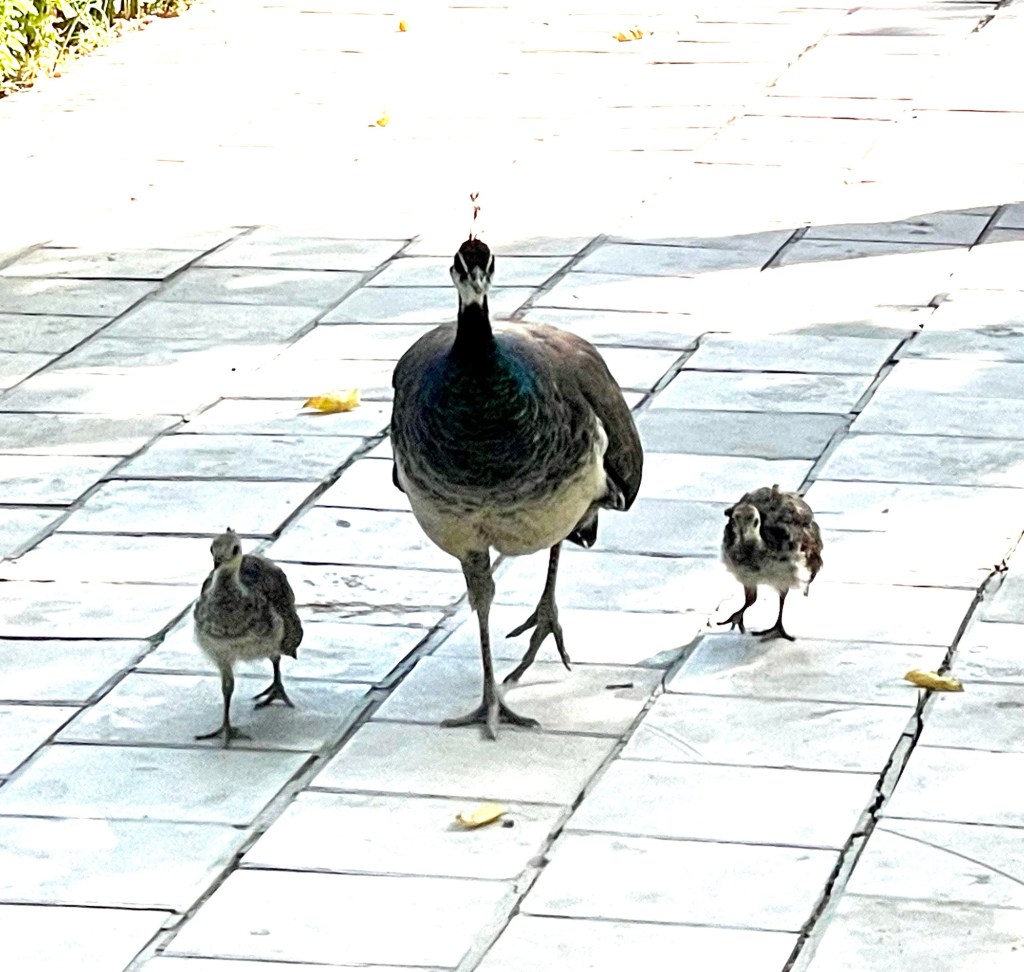
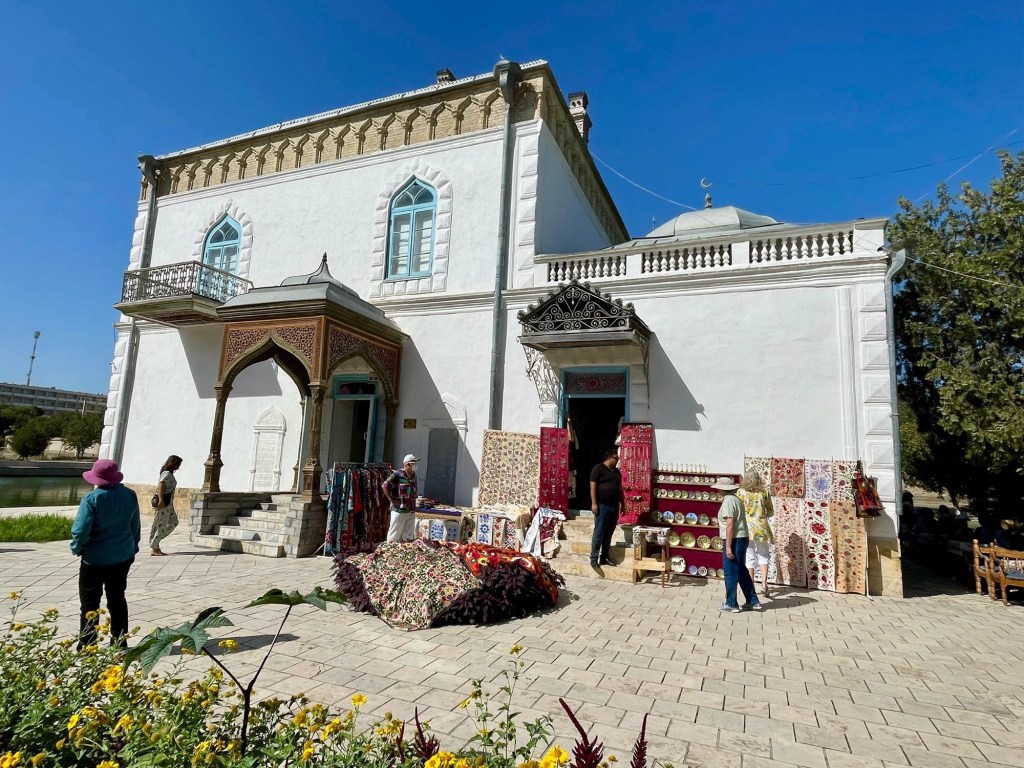
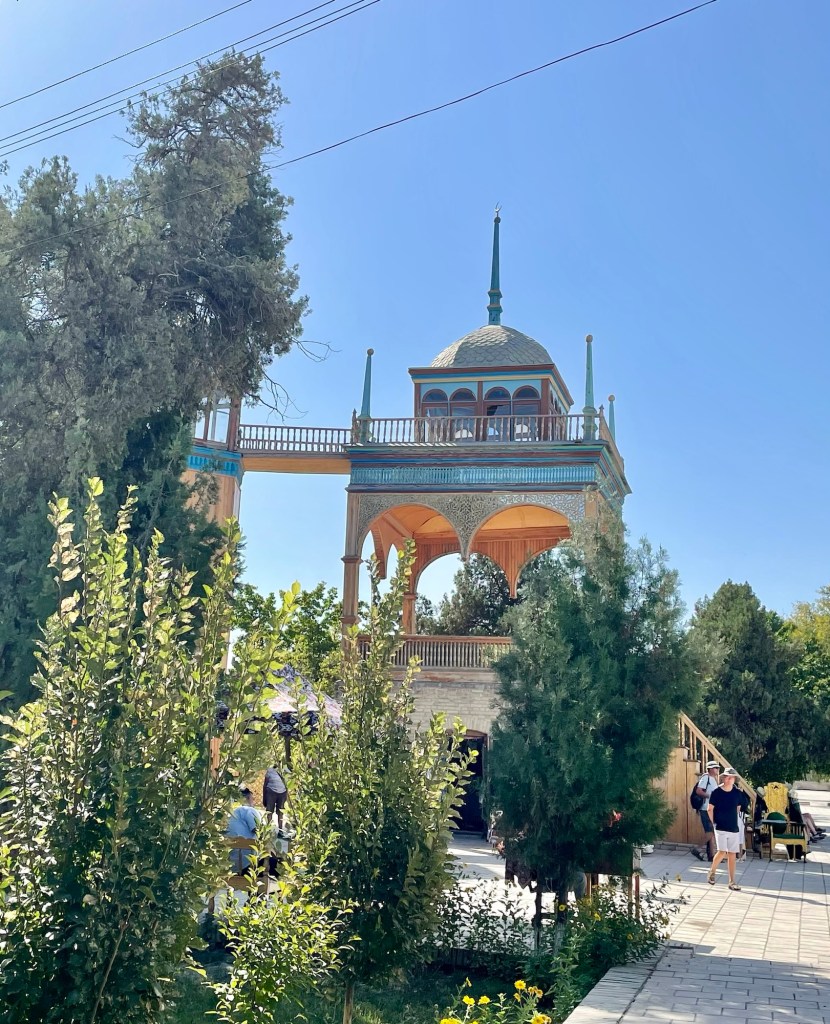
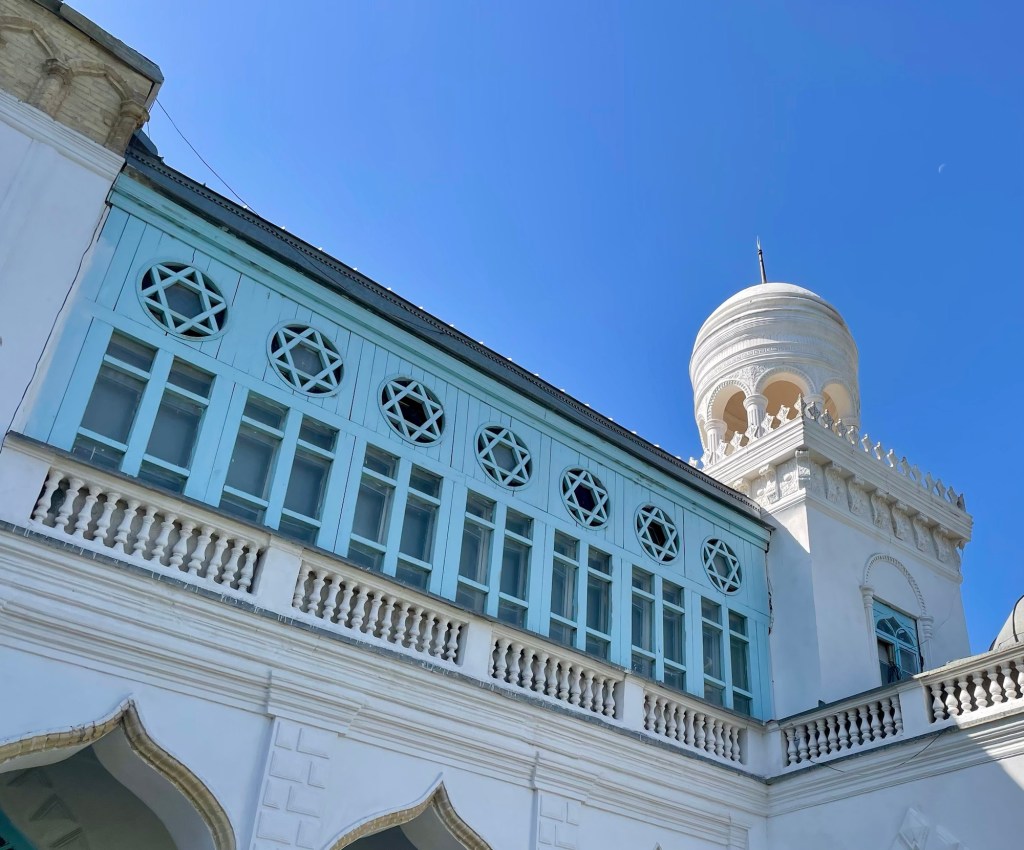
Our second stop of the morning was the summer palace of the Sultans built in the 19th century. So the question is, how did they determine where to actually build the summer palace so that it was relatively cool. Here’s how they did it. You put a skinned animal out and determine how long it takes before the animal is not suitable to eat. They built the summer palace at a place where the animal lasted the longest. Here are the pictures from the palace.
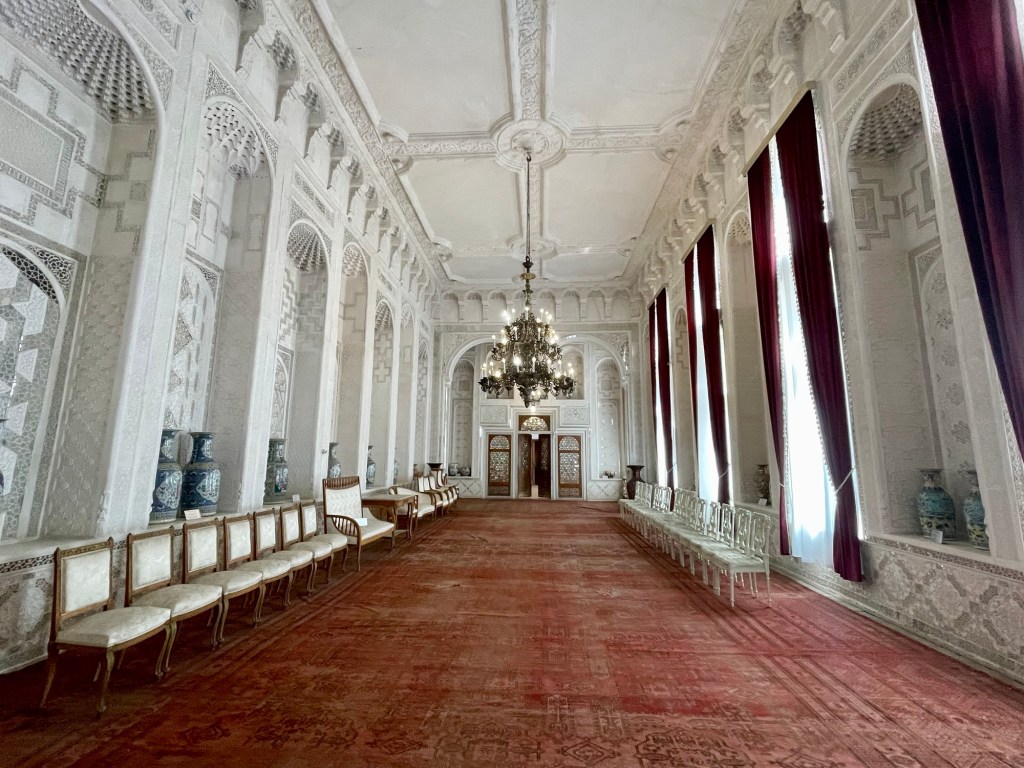
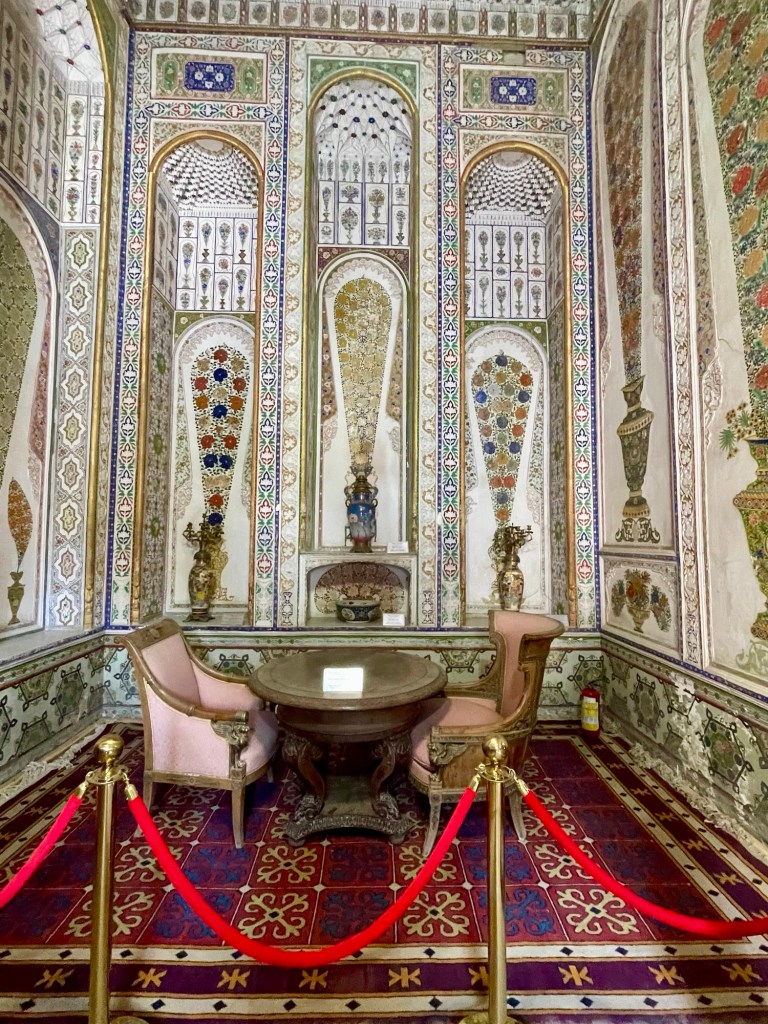
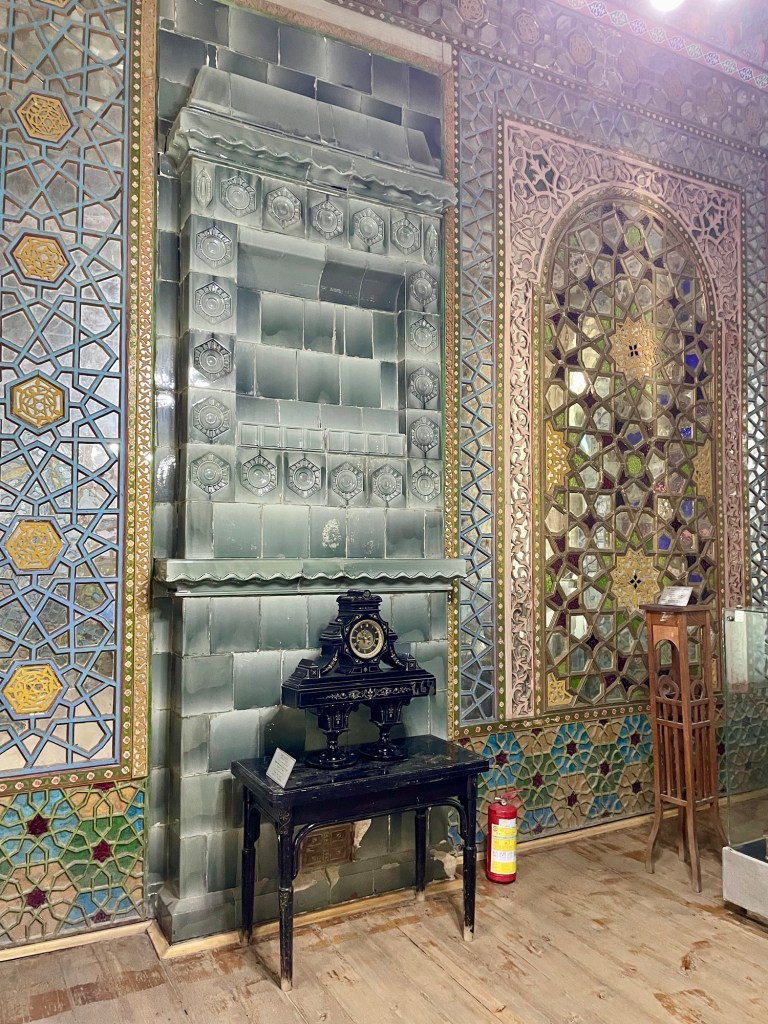
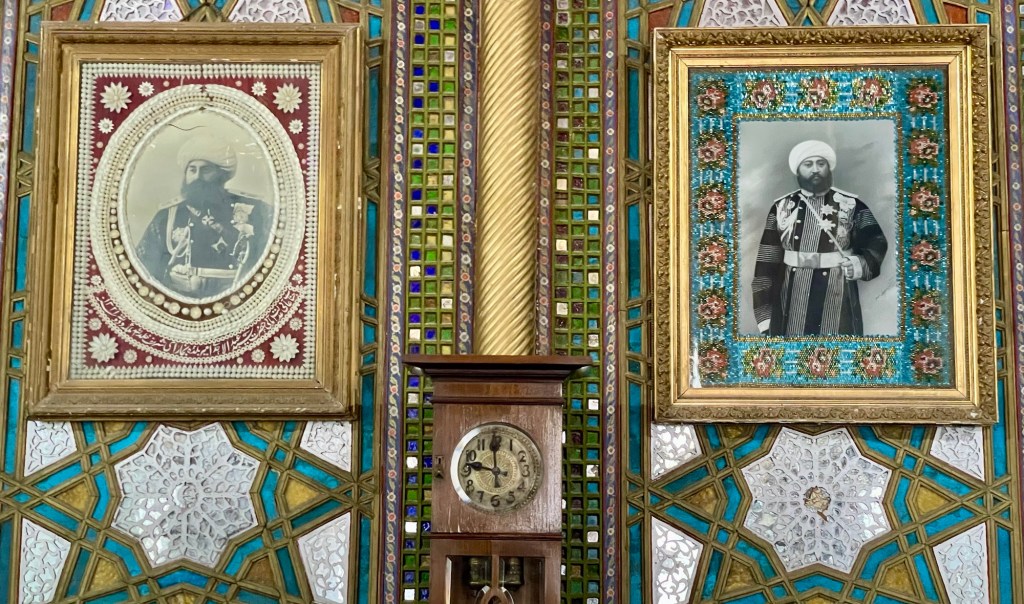
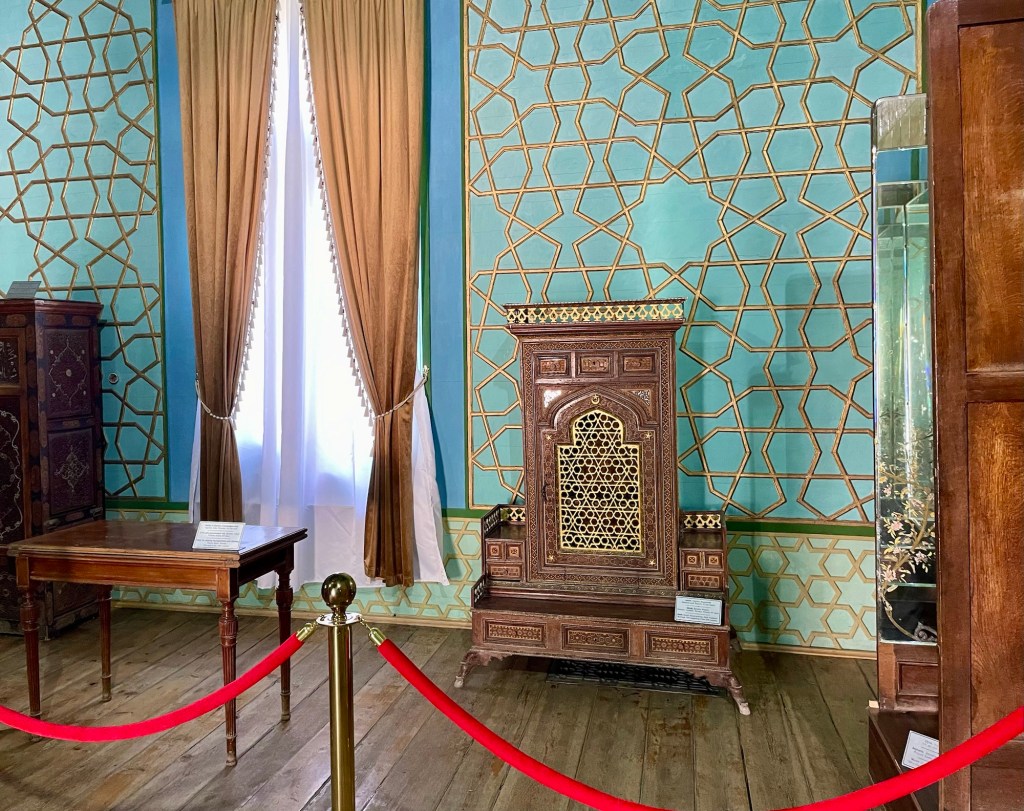
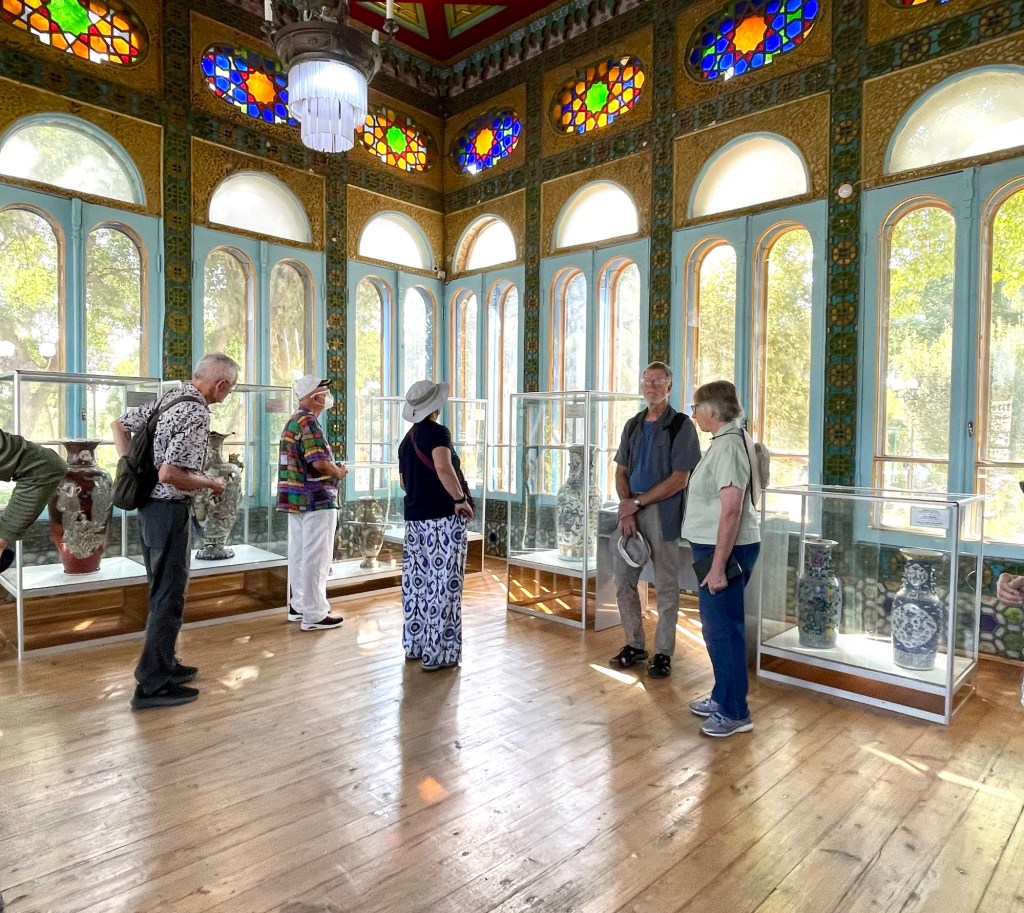
The next set of pictures were taken inside the main building
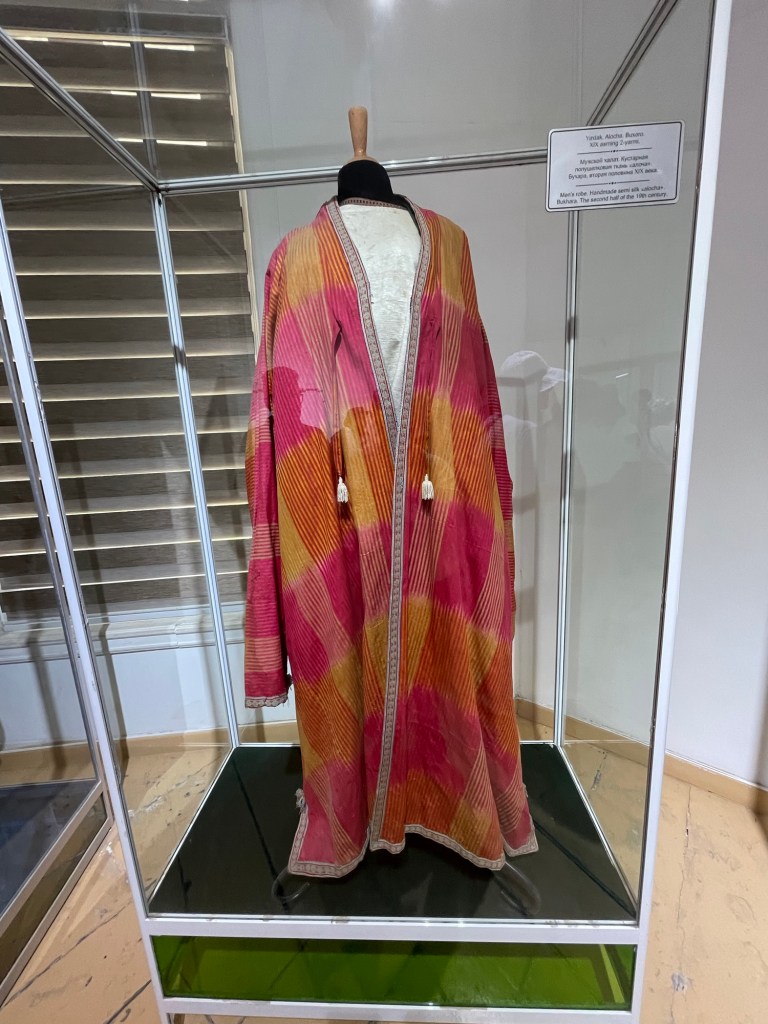
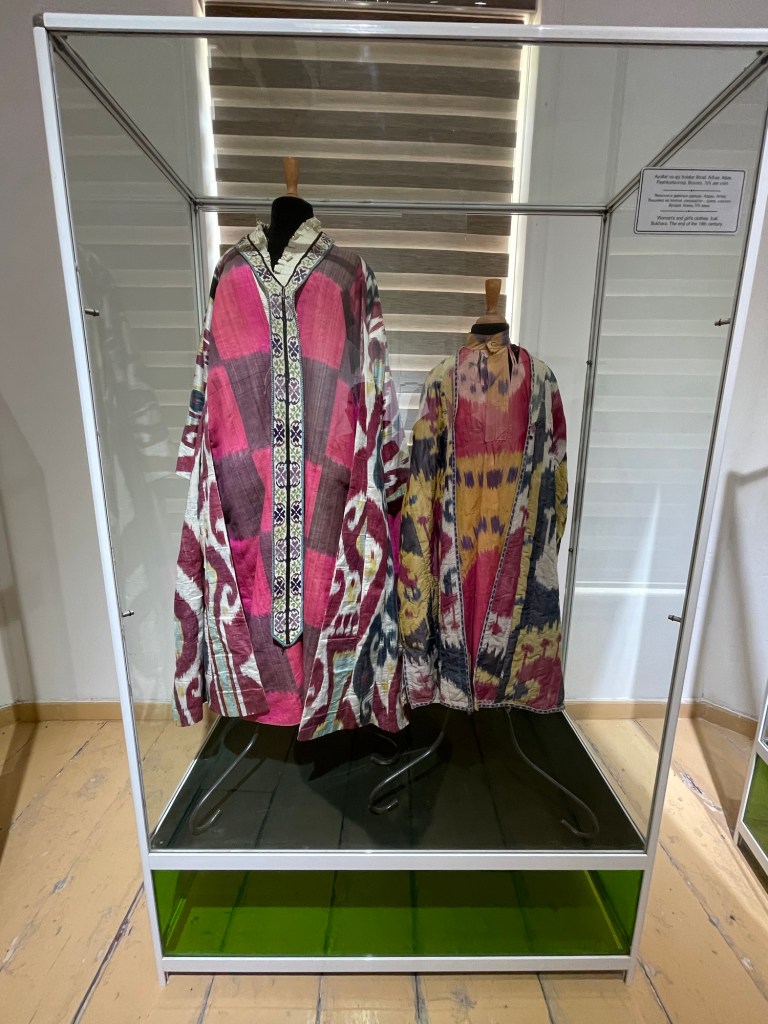
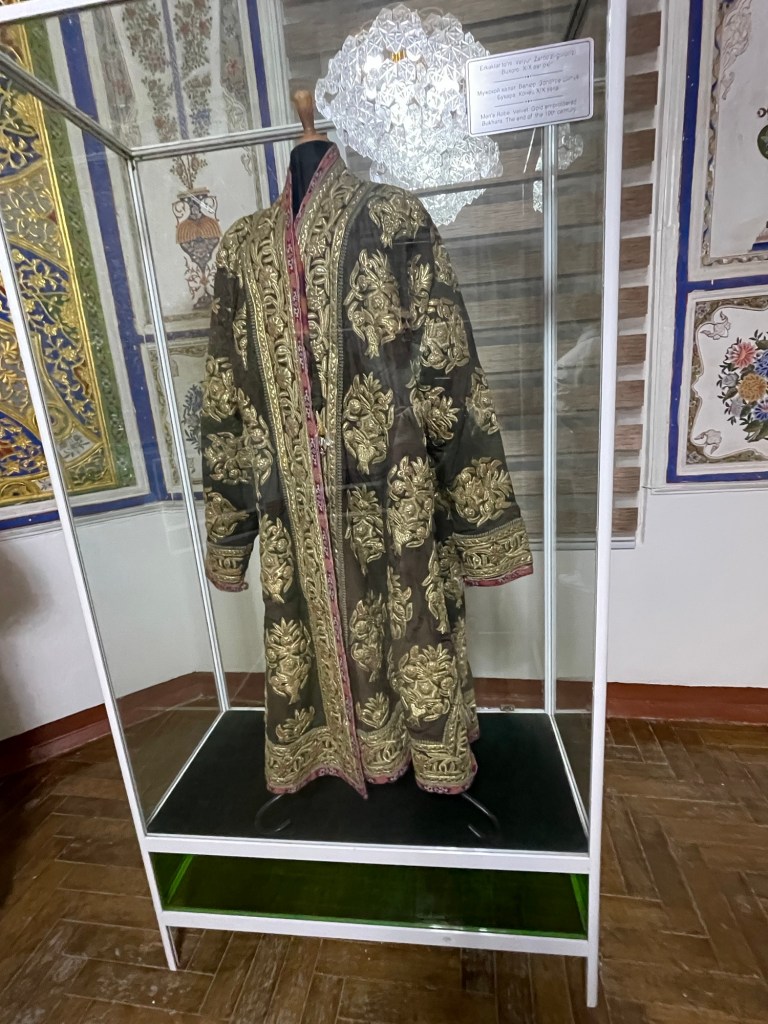
Here is a collection of pictures of the clothes they wore in the 19th century. The first four are women’s clothes and the last three are men’s. Sorry for the glare. They don’t know how to use nonglare glass for their museums.
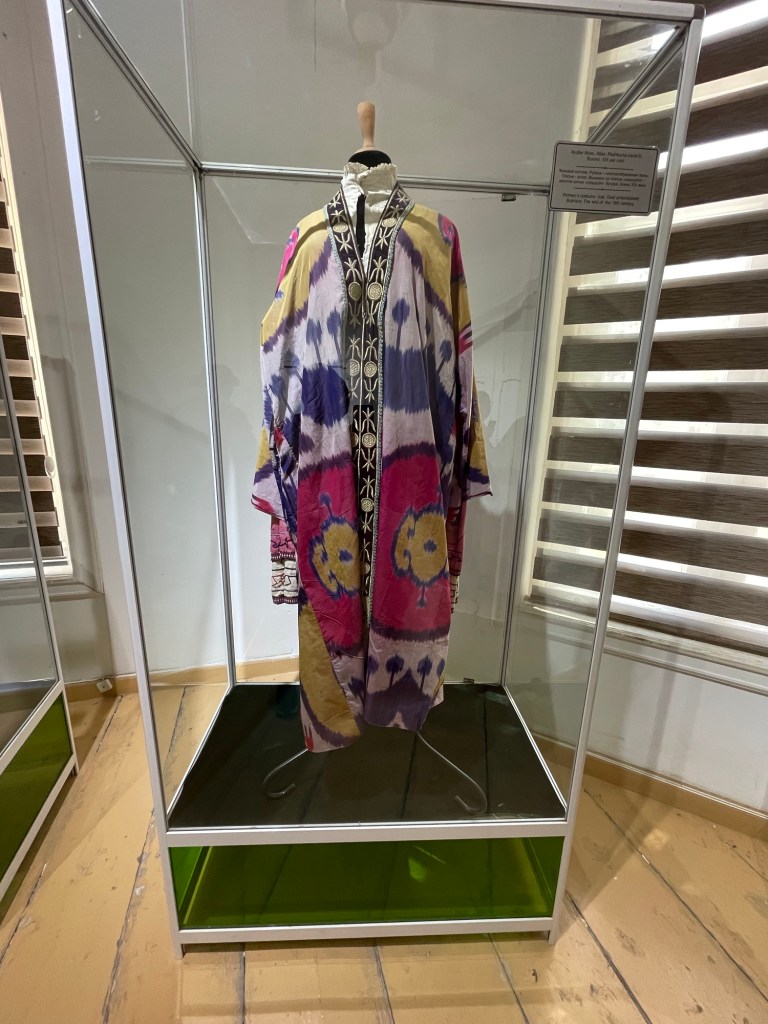
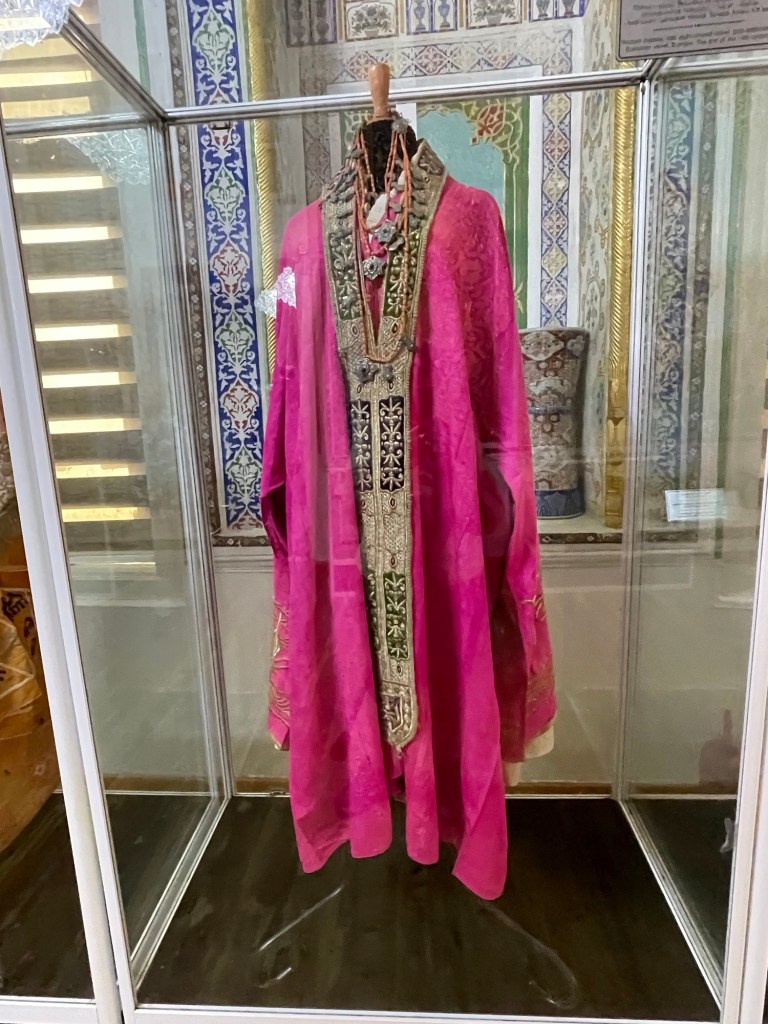
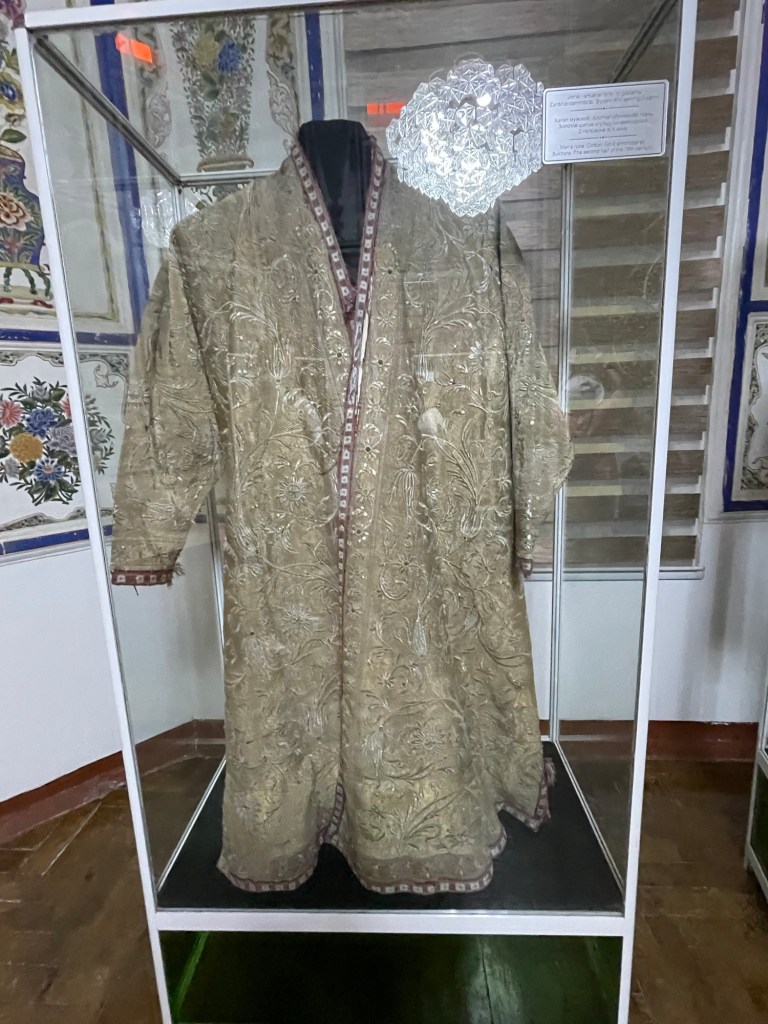
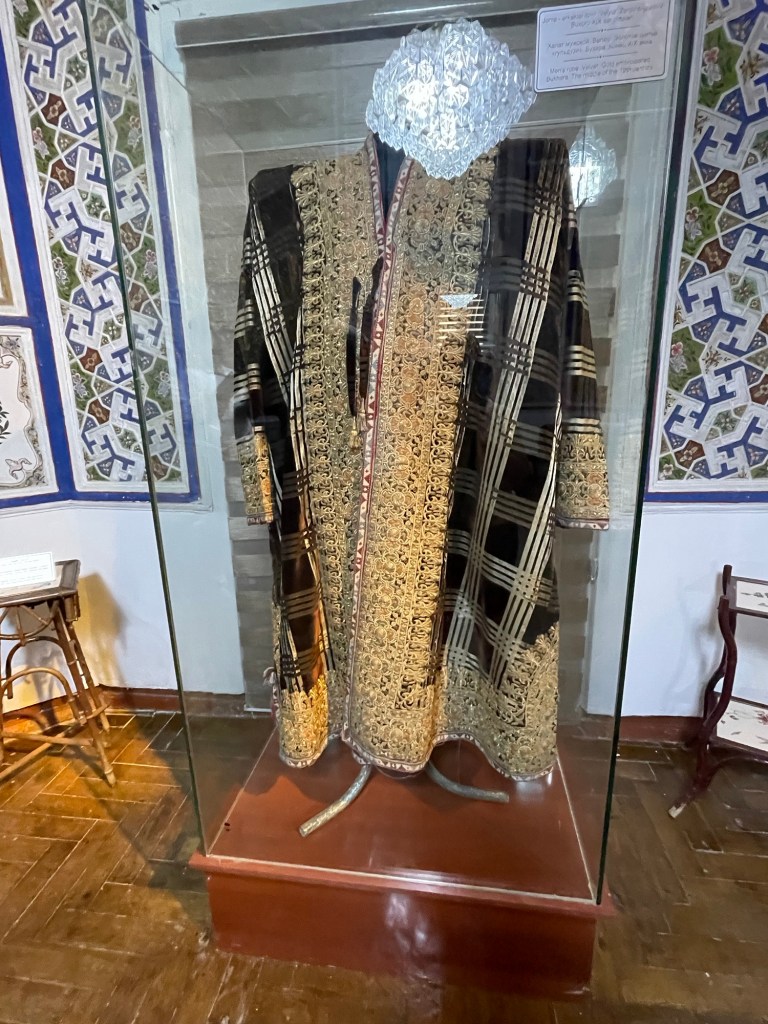
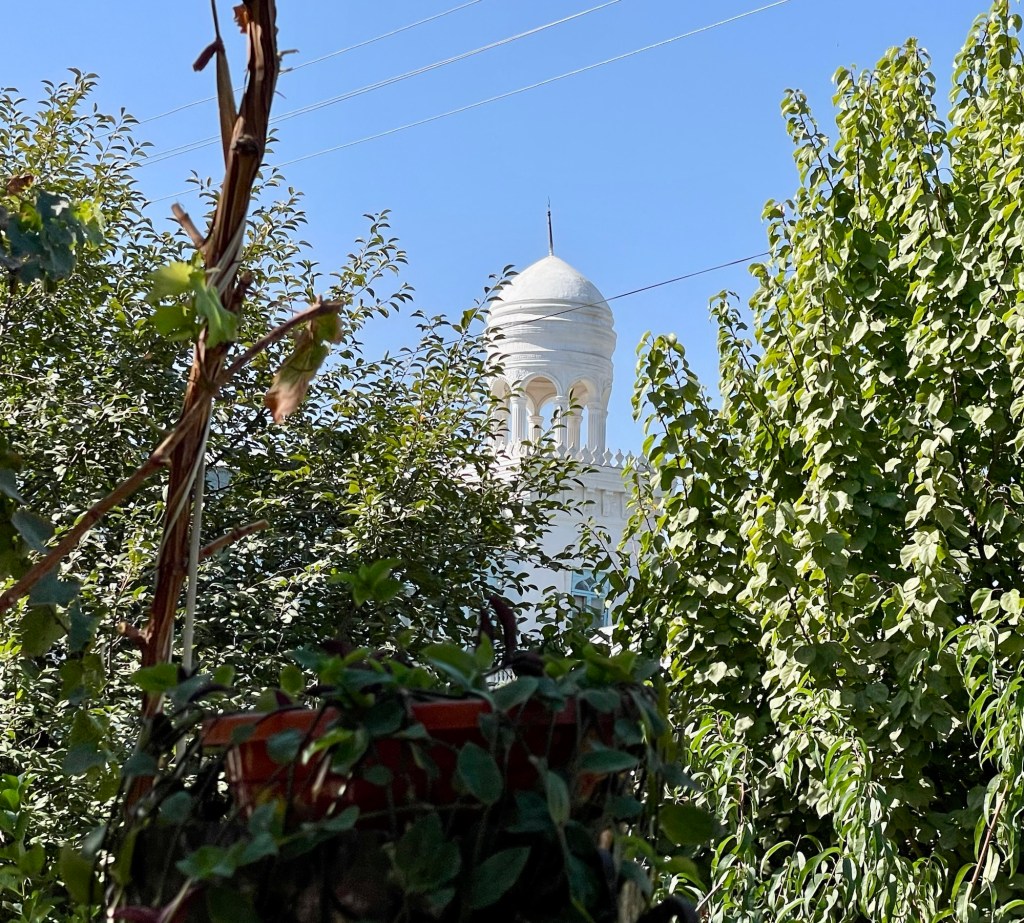

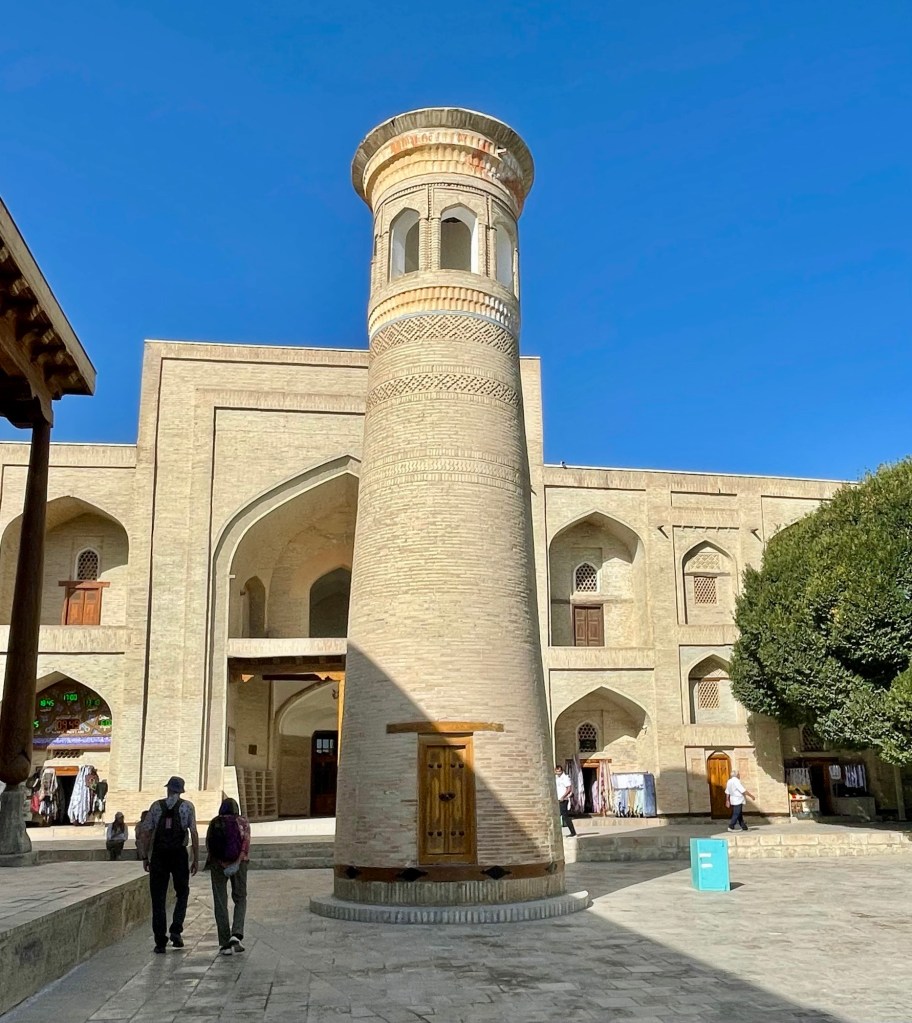
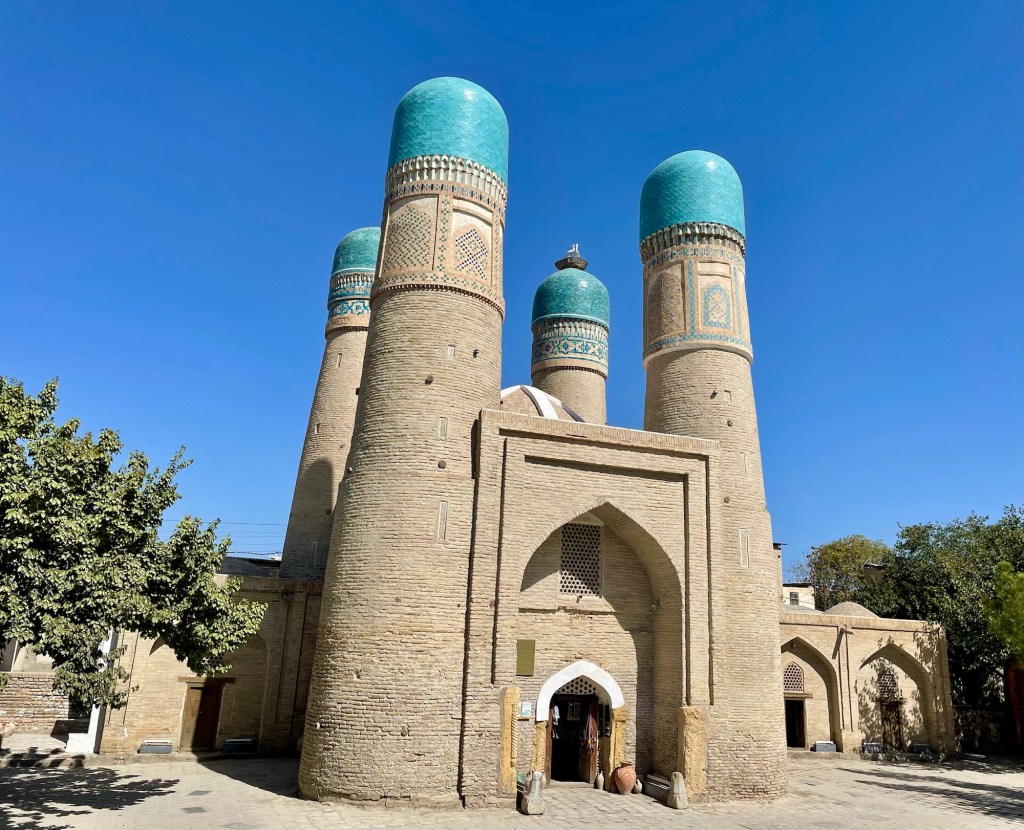
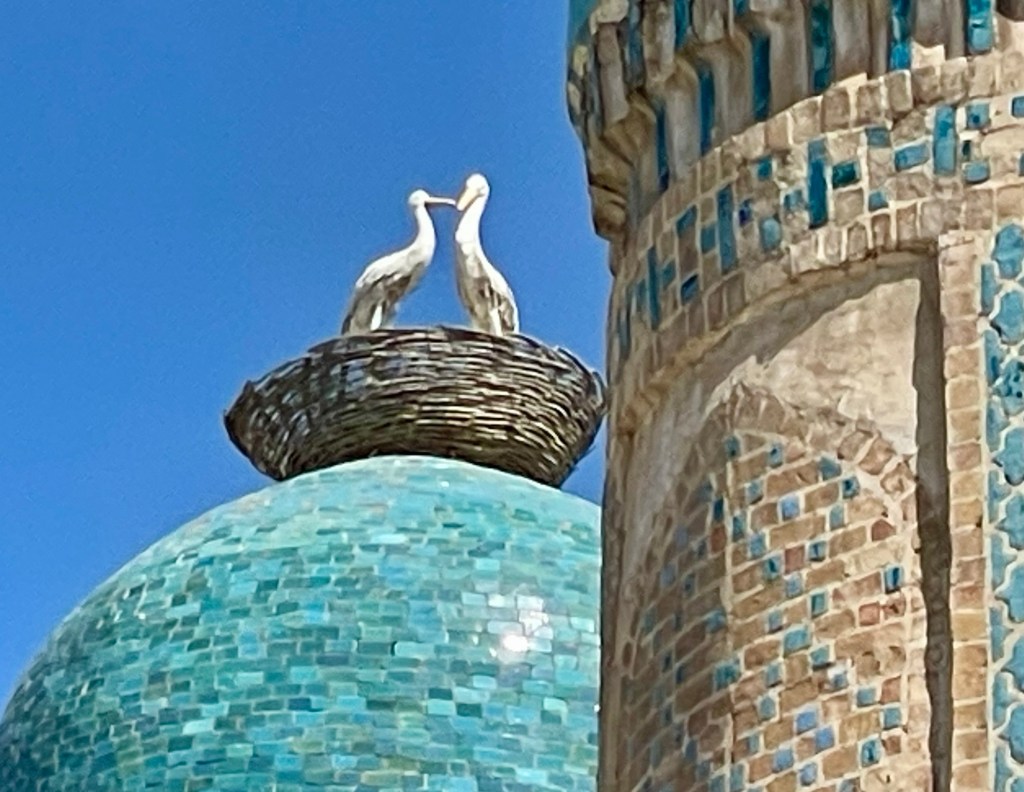
Next went to the Chor Minor Madrassah. The structure was built by Khalif Niyaz-kul, a wealthy Bukharan of Turkmen origin in 1807. Each mineret is dedicated to one of his daughters.
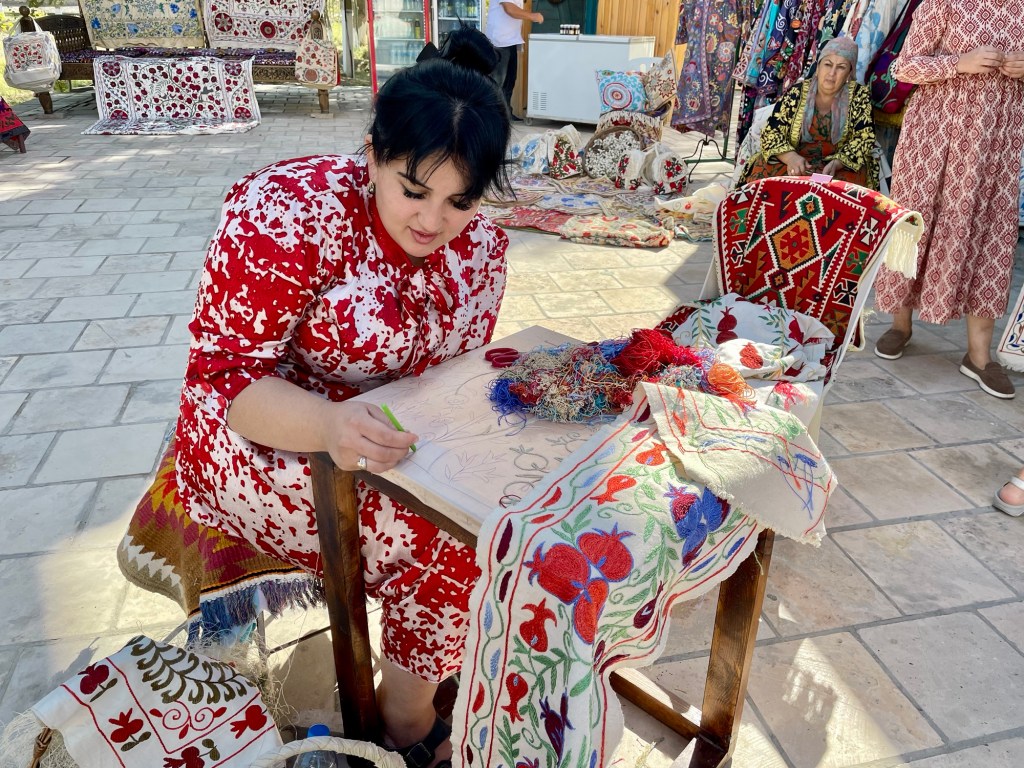
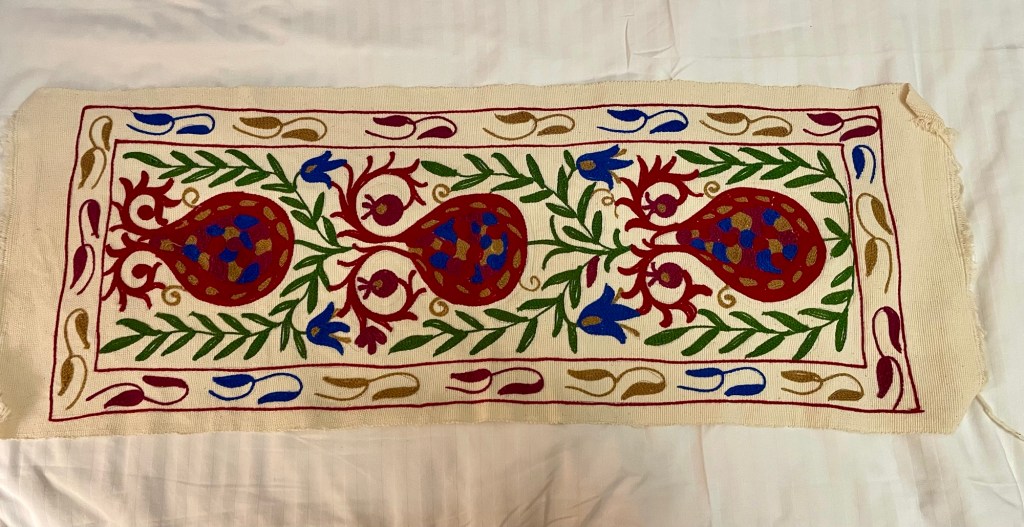
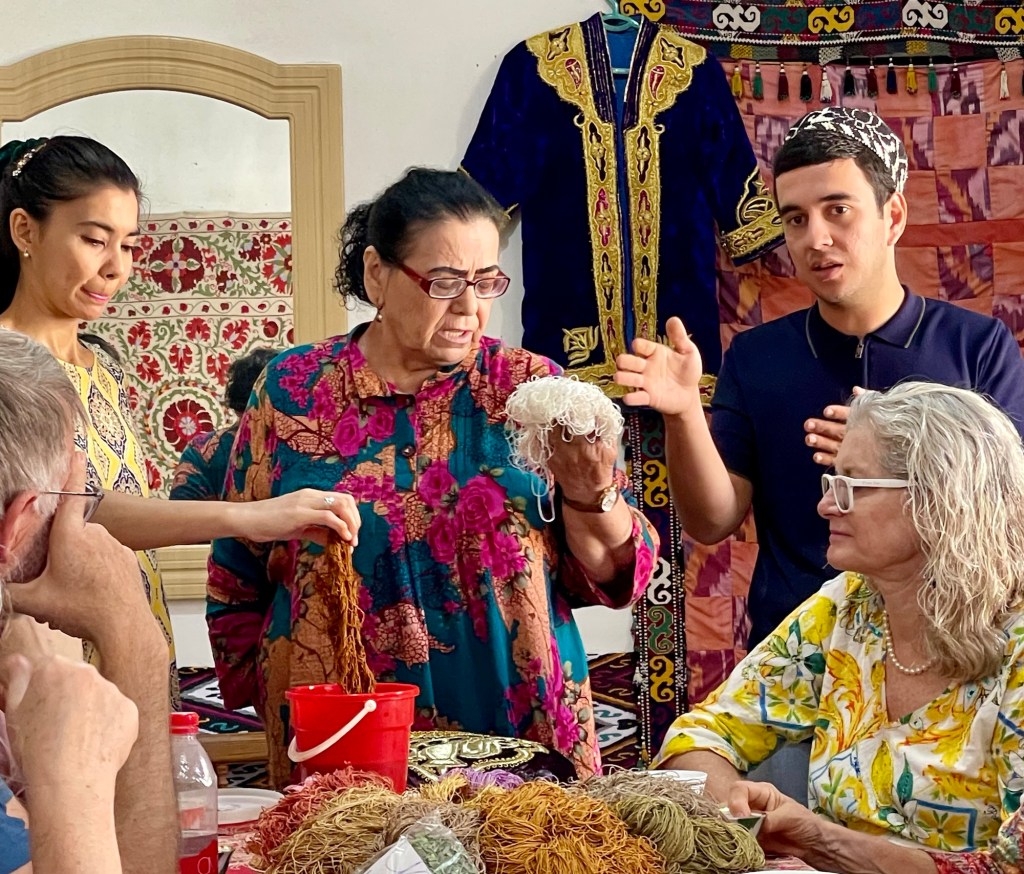
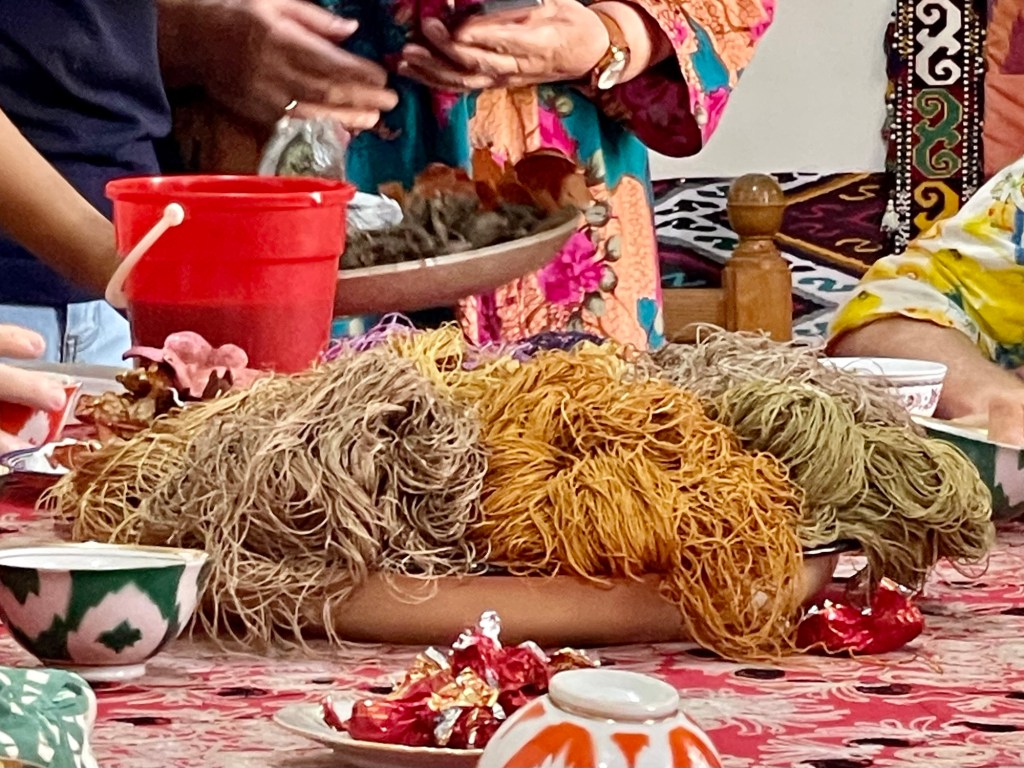
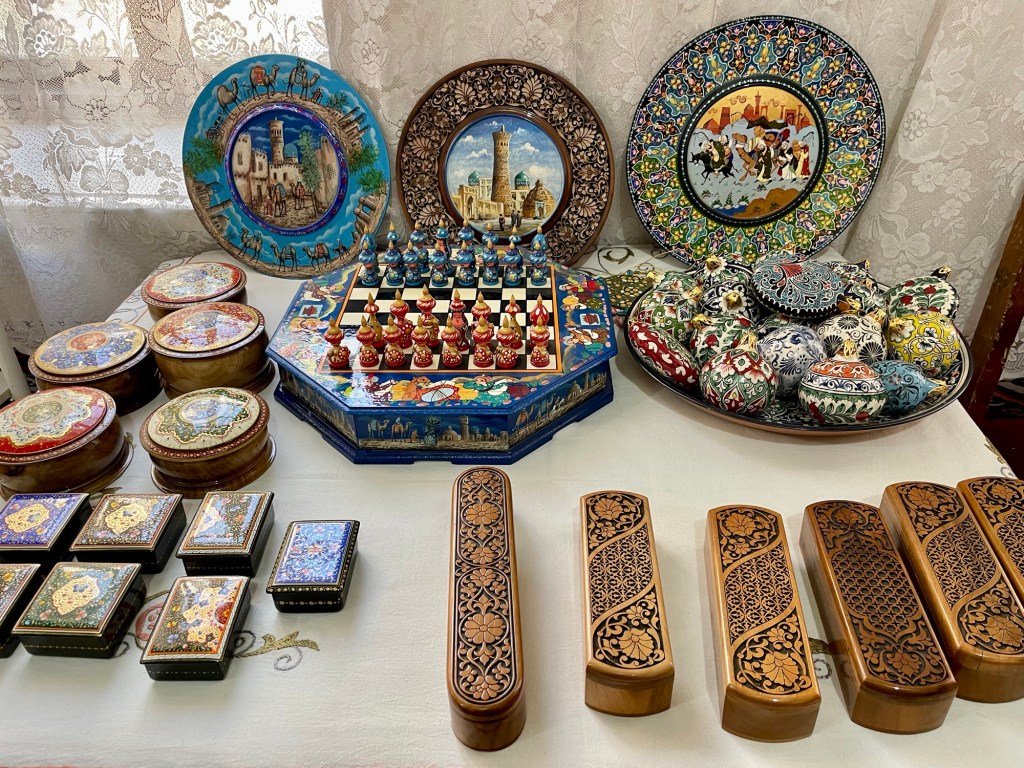
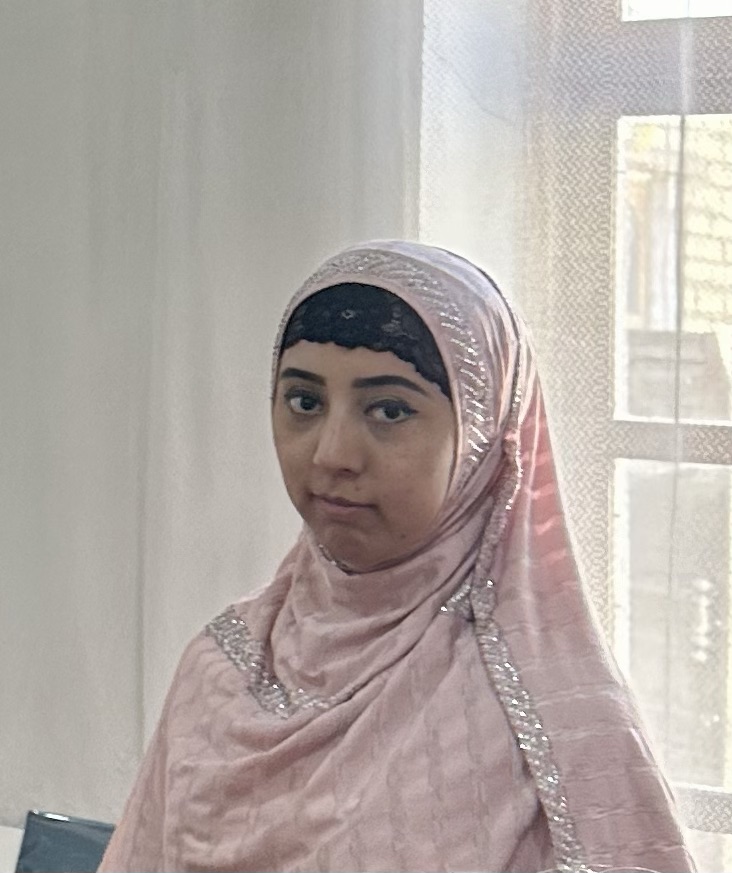
Next stop was to a craft workshop in the old town. The silk master crafter goes out to the villages to teach the women her craft. Woman to her right is a student. Students participate in exhibits and also sell their products online.
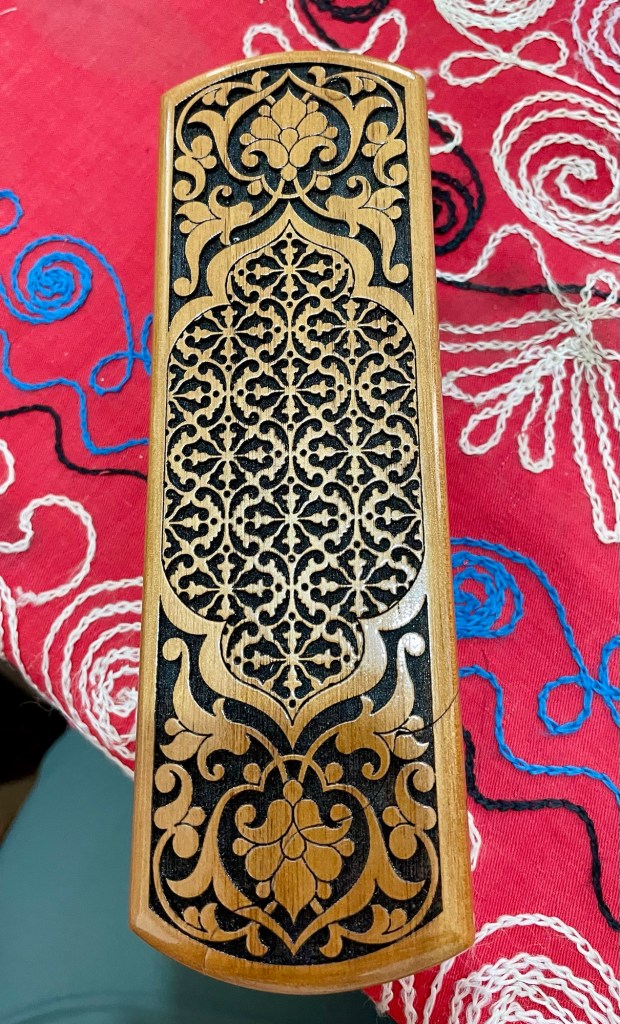
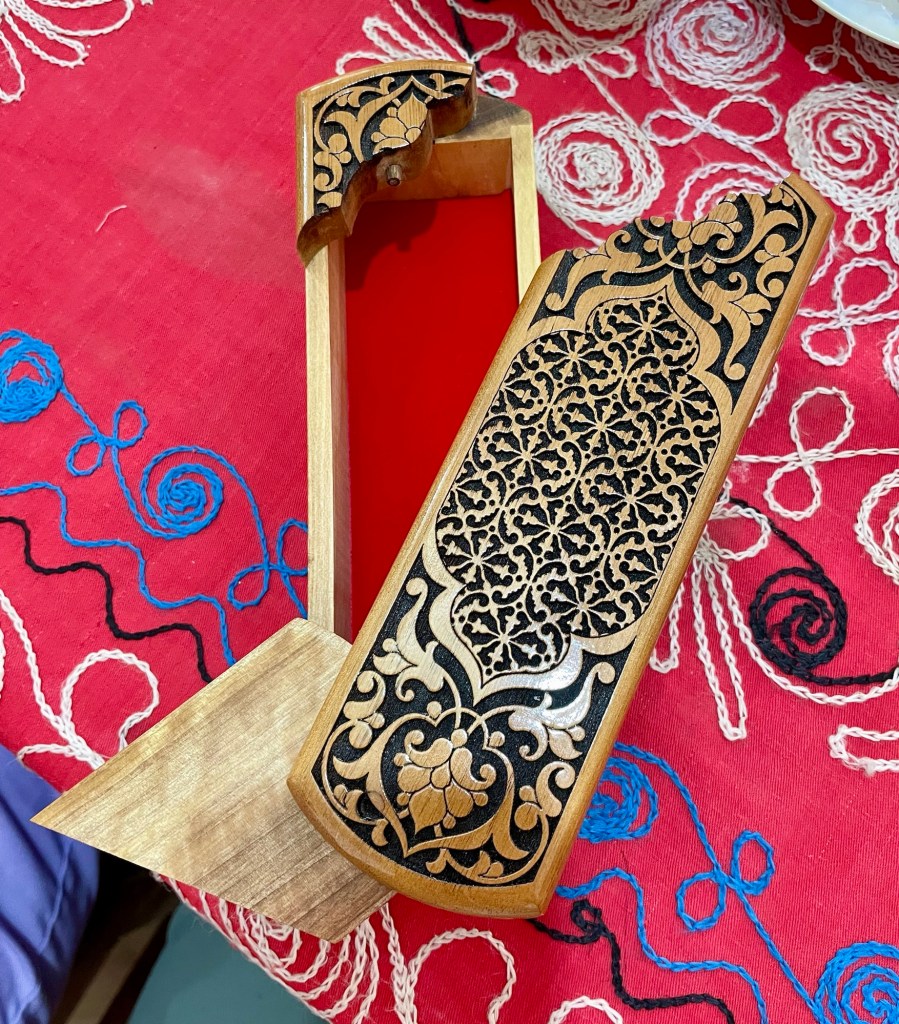
The next two pictures show a magic pencil box that is a puzzle to open. It’s pretty clever and also beautiful. You see these boxes for sale all over the place. This one was made by the young man that was our translator.
Finally time for lunch. We ate lunch in the old town area by the pond.
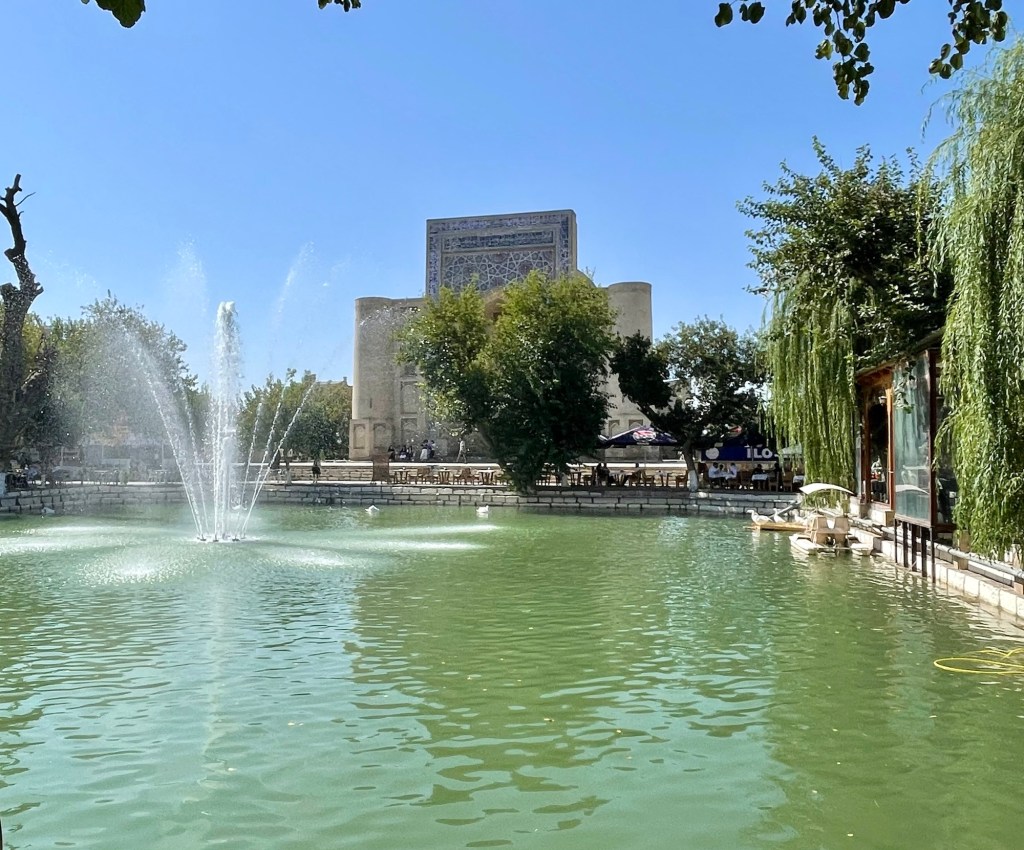
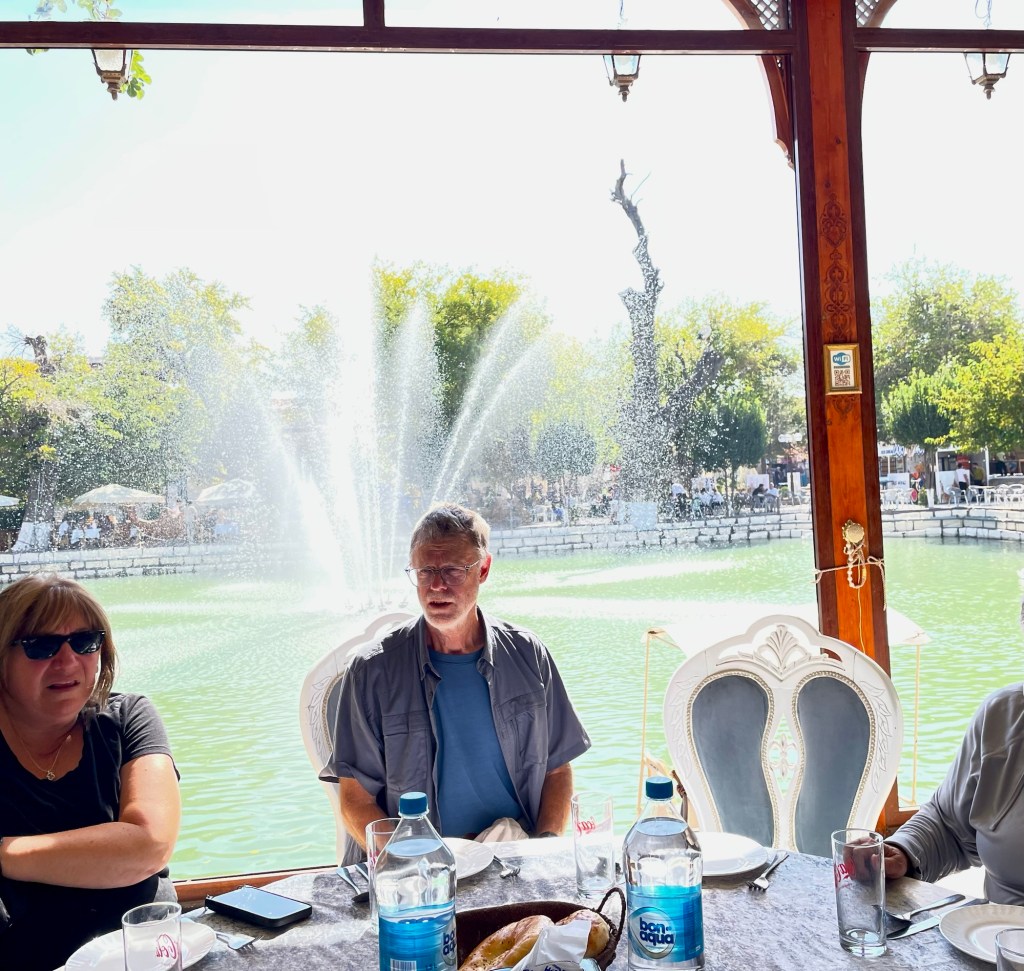
We had the best squash soup, and I forgot to take pictures.
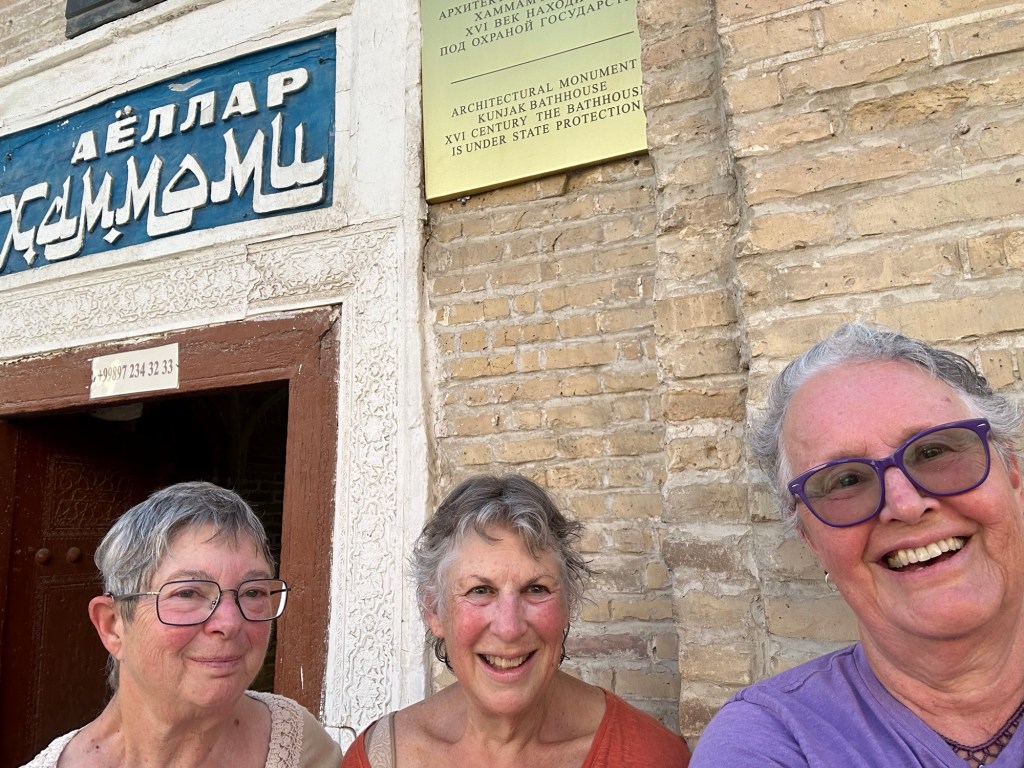
We had a free afternoon, and three of us went to a Hamam or bath house. This hamam dates back to the 16th century. It was definitely an interesting experience. I’ve done this before in Turkey a few times. When you were done, you are really clean. You never get into a tub of water. Instead, they dump buckets of water on you and scrub you while you lie on a marble slab. There are a group of young women that do the bathing. They spoke very limited English. One of them called me mother. I can’t imagine working in that heat and humidity for a whole day. They put some kind of ginger paste on us that made my skin really feel hot. It was borderline uncomfortable. I had to use the bathroom so they took us out to the back courtyard where there were two bathroom stalls. My choice was a squat with a door or a toilet with no door. Just enjoying these adventures that I’ve been having with toilets. I do not have pictures of what occurred inside because obviously we were all naked. I guess you could call it a real bonding experience.
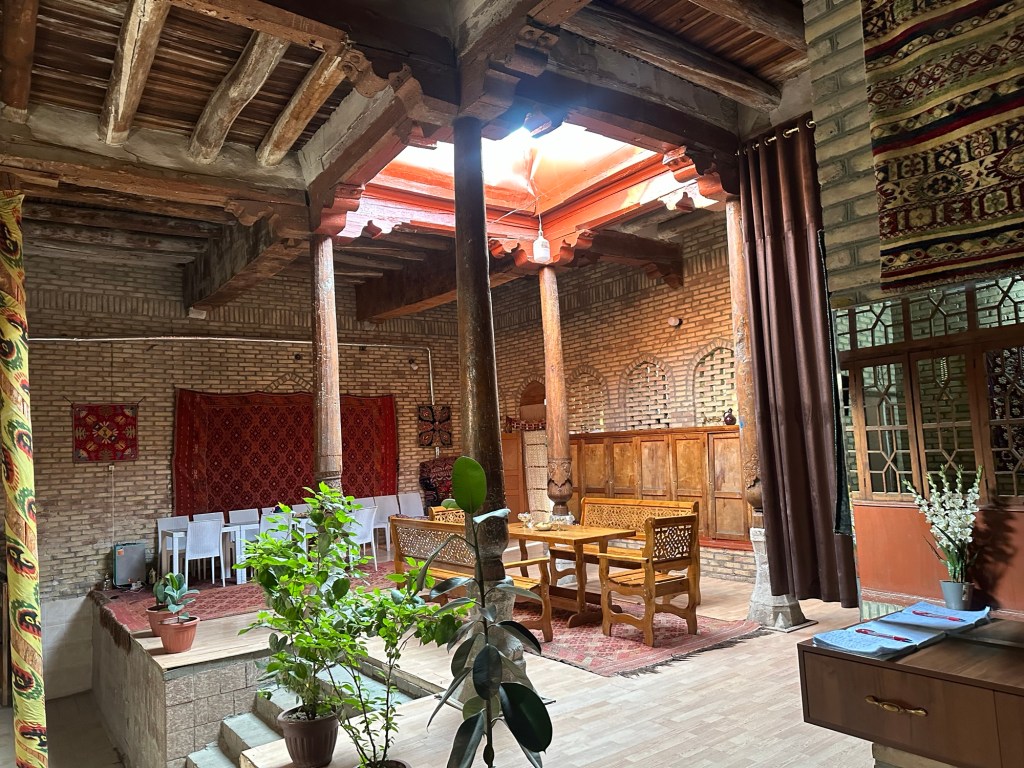
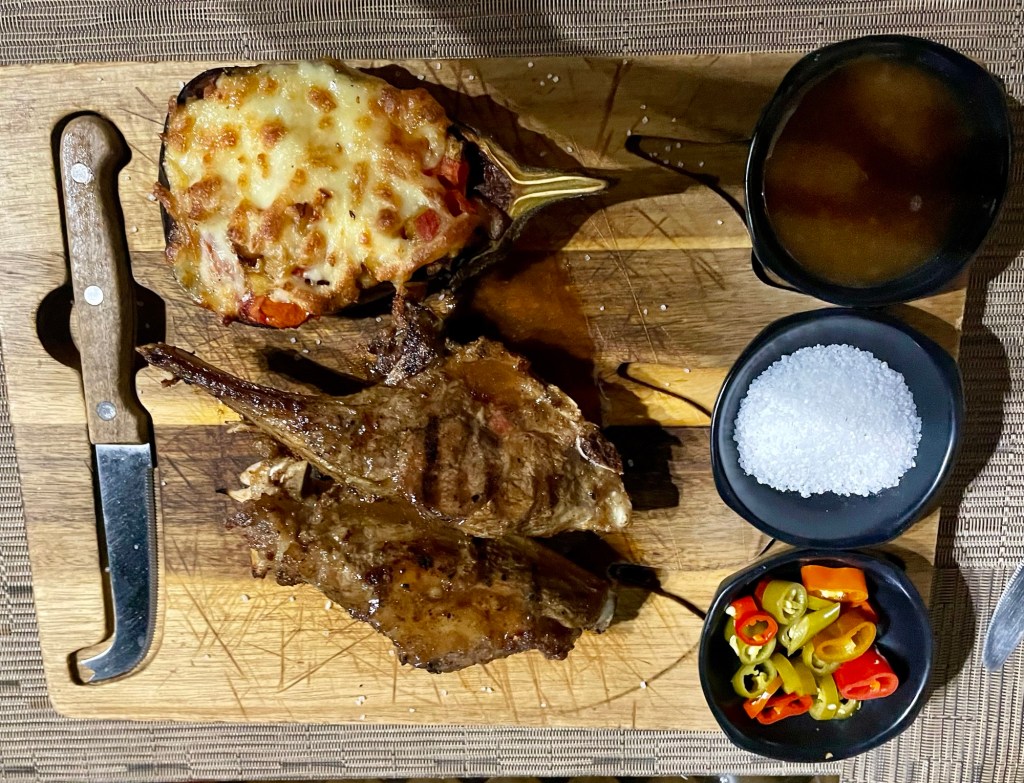
We were on our own for dinner. So a group of us went back to the restaurant that a group of us ate at a couple of days ago because I wanted to eat the rack of lamb and eggplant entrée. Unfortunately, it was disappointing. The lamb was tough and the eggplant was interesting, but not as good as some of the other eggplant I’ve had on this trip.
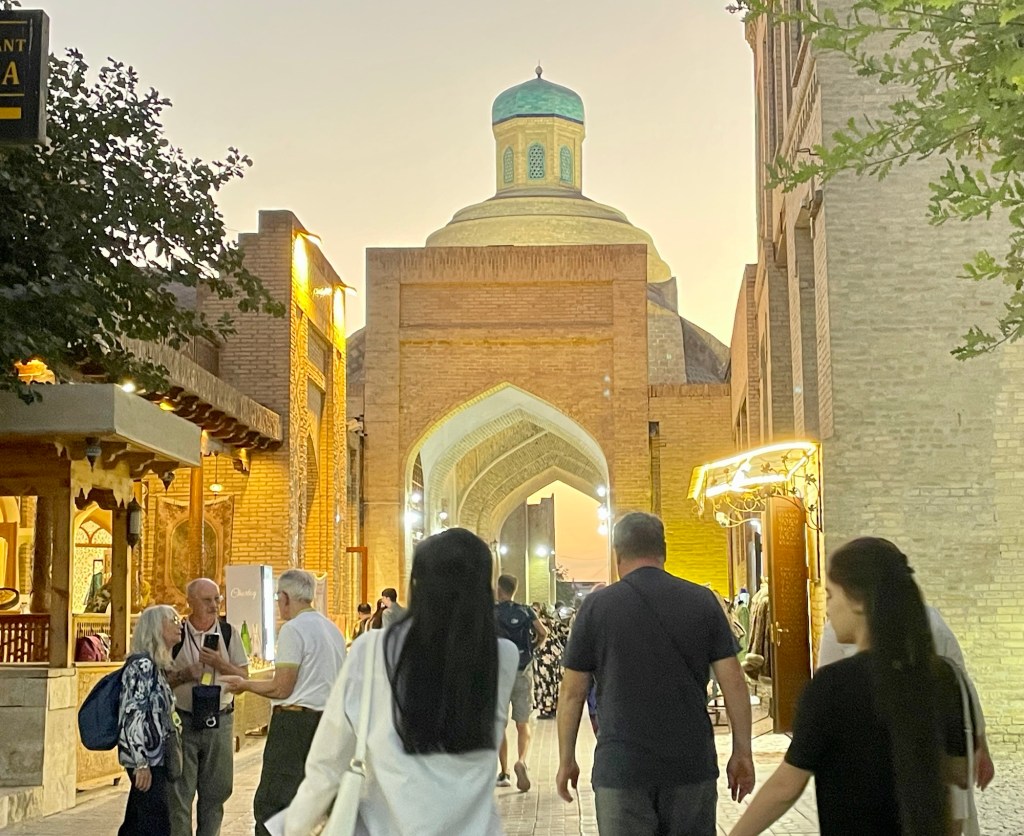
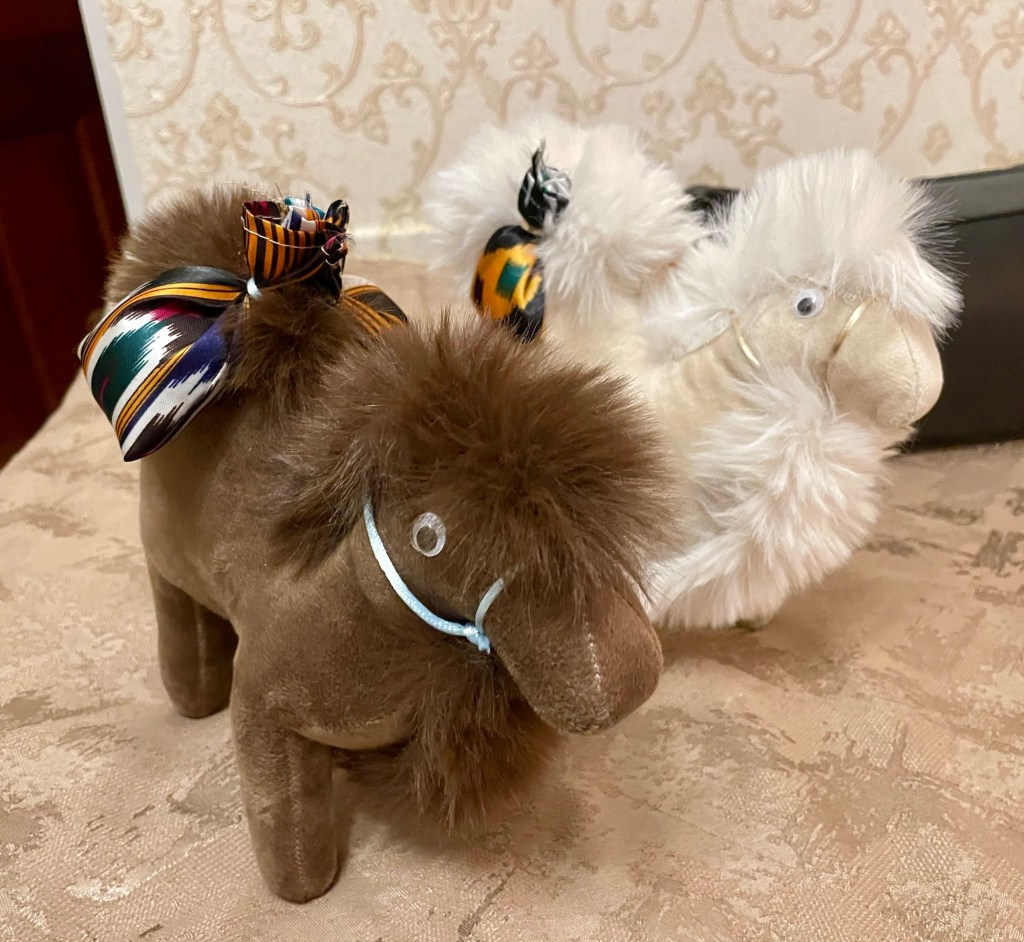
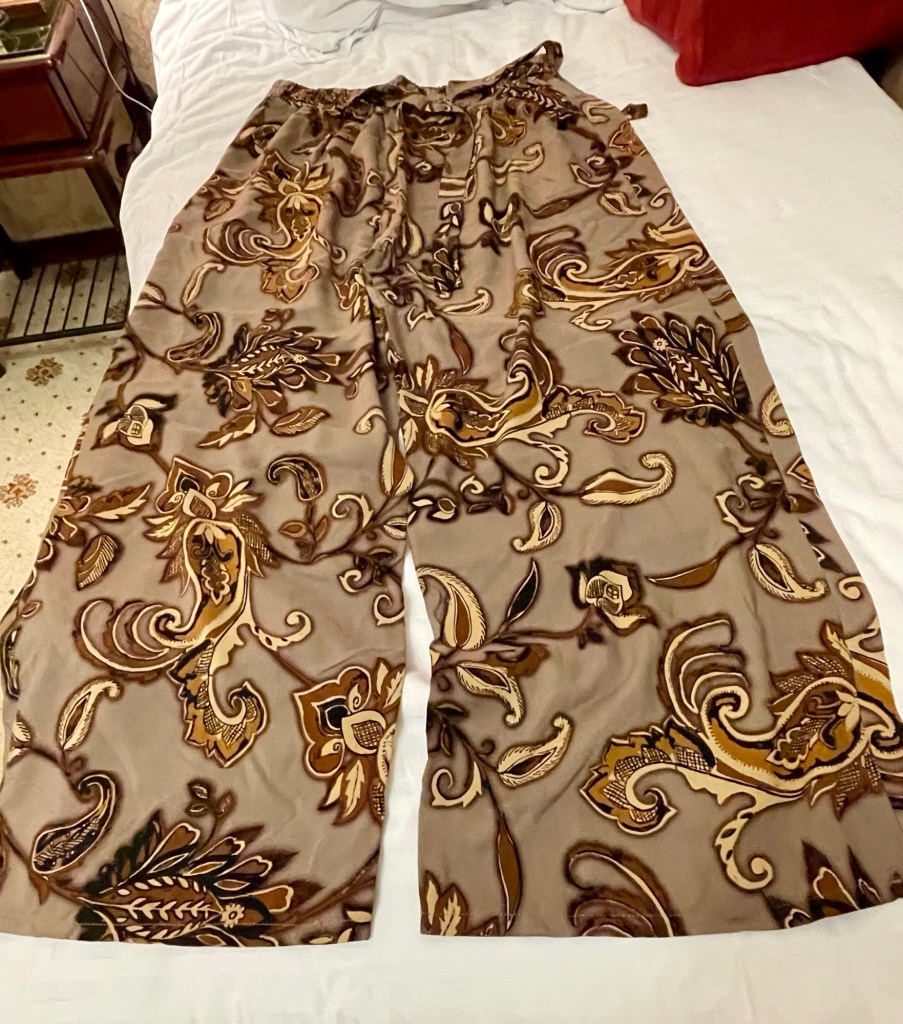
I did a little shopping on the way back to the hotel.
 RobbieLambertsTravels
Love your photos and commentary. Hope you’re feeling better
LikeLike